Adrian Codîrlașu
Adrian Codîrlașu is the president of CFA Romania, a professional organization for financial analysts. He is known for his insights on fiscal policies and economic conditions in Romania, particularly regarding the implications of credit ratings on the country's financial stability. Recently, he provided commentary on Fitch Ratings' decision to potentially downgrade Romania's rating, emphasizing the urgency for the government to present a credible plan to reduce the budget deficit to avoid higher borrowing costs.
Not in the pool (under ¢1).
Recent news mentions
Adrian Codirlașu considers that maintaining the rating is 'very good' for Romania.
Analiză Moody’s a cruțat România. Acum politicienii pot strica tot. Avertismentul analiștilor Romania· 2026-08-09

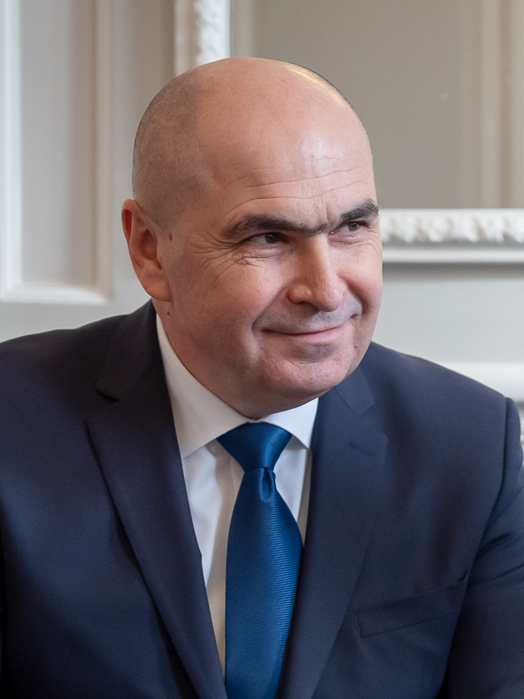
Adrian Codirlașu is the president of the CFA Romania Association and warns about the risks of Romania being downgraded to junk status.
Fitch ar fi analizat retrogradarea României. Ce ne mai desparte de categoria „junk”Romania· 2026-08-01Adrian Codîrlașu is the president of the CFA Romania Association and comments on the market's reaction to rising gas prices.
Impactul conflictului din Orientul Mijlociu asupra României: ce se întâmplă cu prețurile și producția agricolăRomania· 2026-03-06


Adrian Codirlaşu, the president of CFA Romania, explained the impact of the Middle Eastern conflict on financial markets.
Războiul din Orient lovește bursele și dobânzile. „Majorarea preţurilor la energie se poate transmite în întreaga economie”Romania· 2026-03-04Adrian Codirlaşu is the president of the CFA Romania Association and discusses the need for the state to leave more money for the private sector.
Analist economic: Statul ar fi trebuit să lase mai mulți bani pentru mediul privat, prin măsurile de relansare economicăRomania· 2026-02-06Adrian Codîrlașu stated that the government does not want to adopt the euro because it would limit their ability to impose costs on the population through inflation.
De ce nu trece România la moneda euro: „Politicienii populiști nu vor mai putea să se joace de-a guvernarea”Romania· 2026-01-29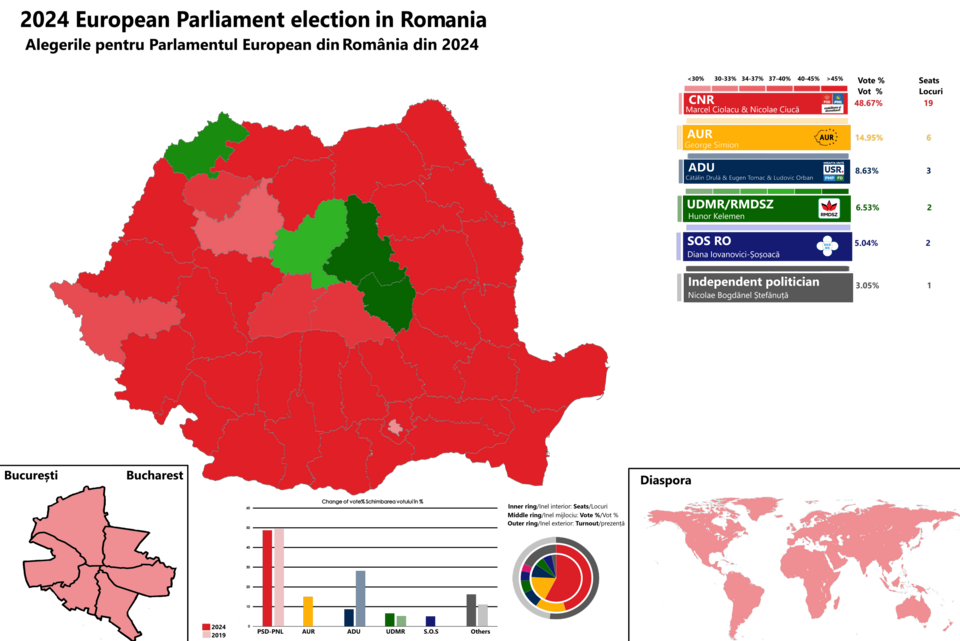

Adrian Codirlașu is the president of CFA Romania and pointed out the decline in car manufacturing in the European Union as a key factor in the crisis.
Index - Gazdaság - Tömeges létszámleépítés és bezárás sújtja a nagyváradi és borosjenői autógyárakat Hungary· 2025-12-26
Adrian Codîrlașu explains the implications of the government's bond exchange program.
Statul se împrumută din nou de la populație: Ce dobânzi oferă la ultima ediție FIDELIS din 2025Romania· 2025-12-05Adrian Codîrlașu explained that the role of a pension system is to provide flexibility, which private pensions fulfill.
De ce legea pensiilor private a fost declarată neconstituțională: discriminare pe criterii de boală și amenințarea pentru Pilonul 3Romania· 2025-11-25

Adrian Codîrlașu is the president of CFA Romania and commented on the economic indicators.
Analiștii estimează o scădere a inflației și deficitului în următoarele 12 luni. Ce se va întâmpla cu leulRomania· 2025-11-24Adrian Codîrlașu explains the implications of the government's bond exchange for investors.
Românii care au împrumutat statul, îngrijorați după preschimbarea titlurilor Tezaur 2026. Ce trebuie să știeRomania· 2025-11-01Adrian Codîrlașu explained that hiding budget deficits is an annual practice.
Operațiunea „Buget frumos pe hârtie”. Ce riscă Guvernul Ciolacu dacă a măsluit cifrele economice pe 2024Romania· 2025-09-10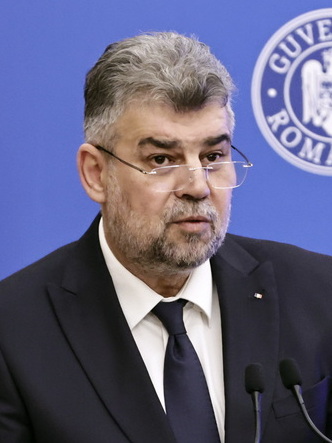
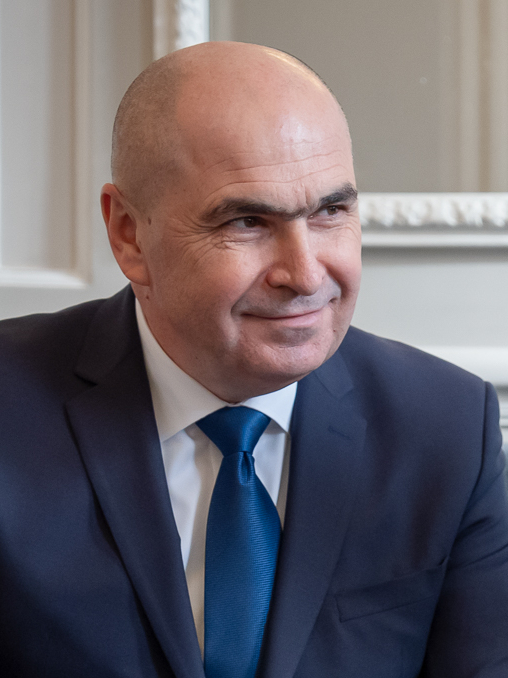

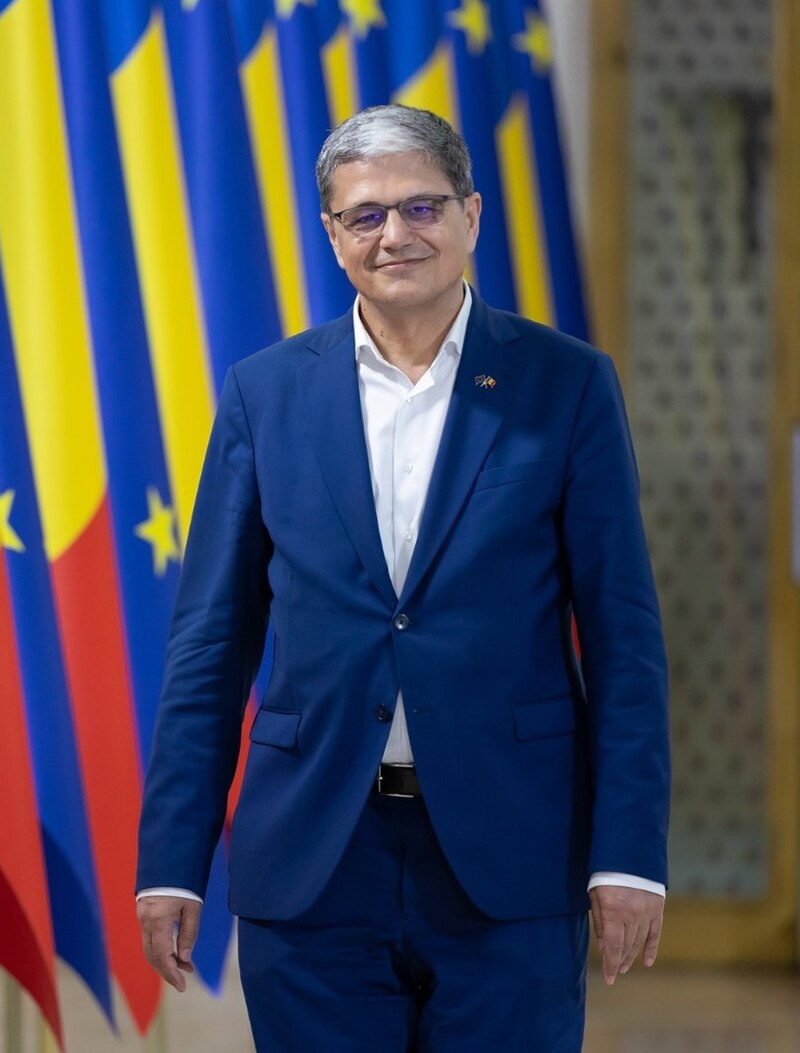
Adrian Codîrlașu is the president of CFA Romania and discusses the economic situation in Romania.
România nu a scăpat de riscul recesiunii. Când va ajunge euro la 5,17 leiRomania· 2025-08-18Adrian Codîrlașu stated that the measures regarding the taxation of multinationals are welcome.
Pachetul 2 de măsuri fiscale, explicat de experți: „România se află într-o situație mult mai grea decât în 2009. Trebuie tăiat și mai mult”Romania· 2025-08-13
Adrian Codîrlașu explained the pros and cons of the pension payment project.
Plata eșalonată pe 10 ani a pensiilor private – avantaje și dezavantaje. Ce spun experțiiRomania· 2025-08-08
Adrian Codirlașu, president of CFA Romania, highlighted Bulgaria's advantages over Romania in terms of fiscal stability.
Zona euro, testul de maturitate pentru România. Specialiștii avertizează: fără reforme, adoptarea euro devine o capcanăRomania· 2025-07-16
Adrian Codirlașu explains that Bulgaria will certainly come out ahead when compared to Romania in terms of fiscal policy stability.
Bulgaria avansează, România se sabotează singură în drumul spre euro. Care sunt costurileRomania· 2025-07-09
Adrian Codîrlașu is the president of CFA Romania who discussed the risks associated with Romania's fiscal situation.
Reacții după anunțul lui Bolojan. Economist: Peste doi ani euro va fi 10 leiRomania· 2025-06-14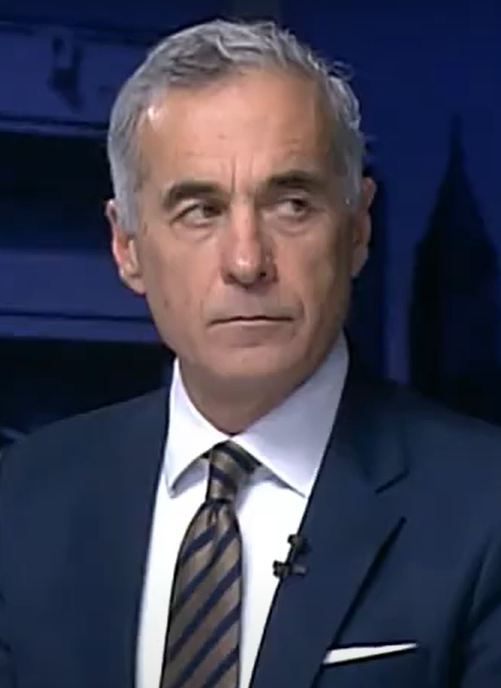

Adrian Codirlașu is the President of the CFA Romania Association.
Dolarul, „începutul sfârșitului”. Cum ar putea fi afectată RomâniaRomania· 2025-06-10

Adrian Codirlasu warned about the risk of Romania's credit rating being downgraded.
Първата победа на Симион струва досега €10 млрд. на румънската централна банка Bulgaria· 2025-05-08

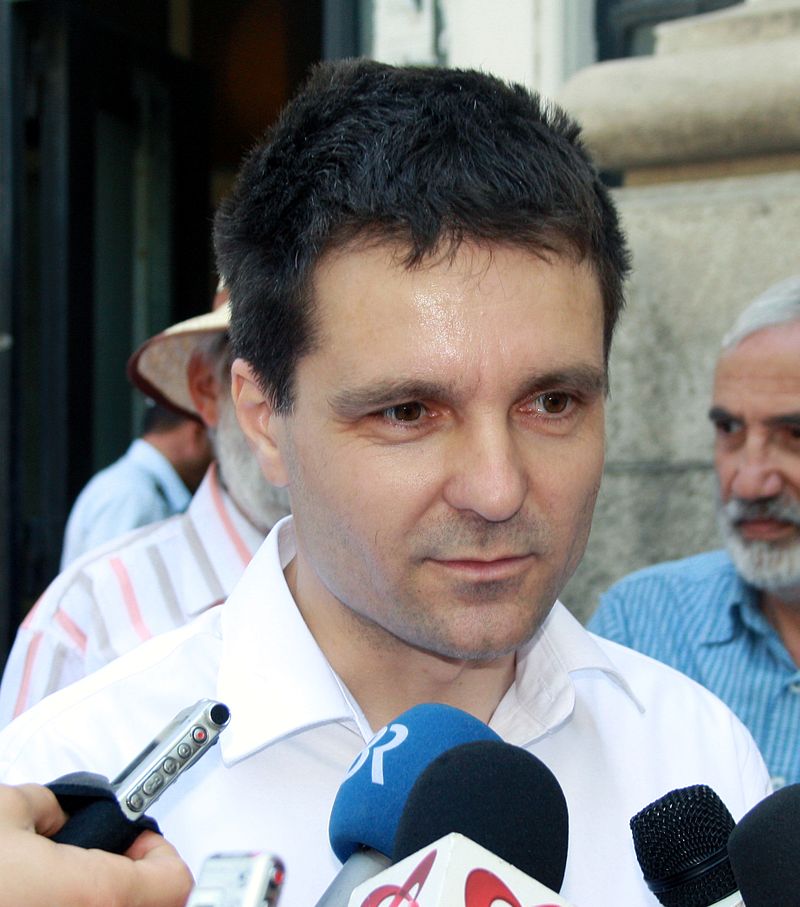

Adrian Codîrlașu mentioned that the depreciation of the leu will affect the purchasing power of Romanians.
Euro explodează, buzunarele românilor se subțiază: puterea de cumpărare, în picaj | ANALIZǍRomania· 2025-05-06

Adrian Codîrlașu warns about the imminent risk of Romania being downgraded to 'junk' status by rating agencies.
BNR a cheltuit miliarde de euro ca să țină în frâu cursul valutar. Economist: România rămâne fără bani dacă iese Simion președinteRomania· 2025-05-06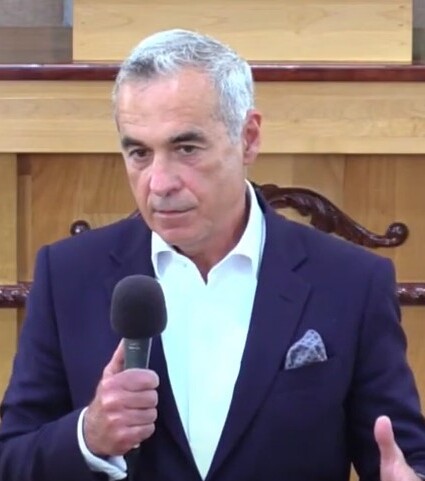
Adrian Codîrlașu warned about the imminent risk of Romania being downgraded by rating agencies.
Record istoric: Cursul euro a ajuns la 5,03 lei, pe fondul instabilității politice. BNR intervine masivRomania· 2025-05-06Adrian Codîrlașu, president of CFA Romania, highlighted the severe threat posed by the budget imbalance.
România riscă să intre în colaps mai rău decât Grecia. Ce se mai poate faceRomania· 2025-05-01
Adrian Codîrlașu is the president of CFA Romania and commented on the economic confidence indicator in Romania.
România, marcată de pesimism economic și așteptări de înăsprire fiscalăRomania· 2025-04-23Adrian Codîrlașu is the president of the CFA Romania Association and discusses the economic challenges facing Romania.
Previziuni sumbre pentru economia României: ce spun analiștii despre inflație și deficitRomania· 2025-02-26Adrian Codîrlașu explained the significance of the rating change from 'stable' to 'negative'.
Fitch, așteptată să actualizeze vineri ratingul RomânieiRomania· 2025-02-21