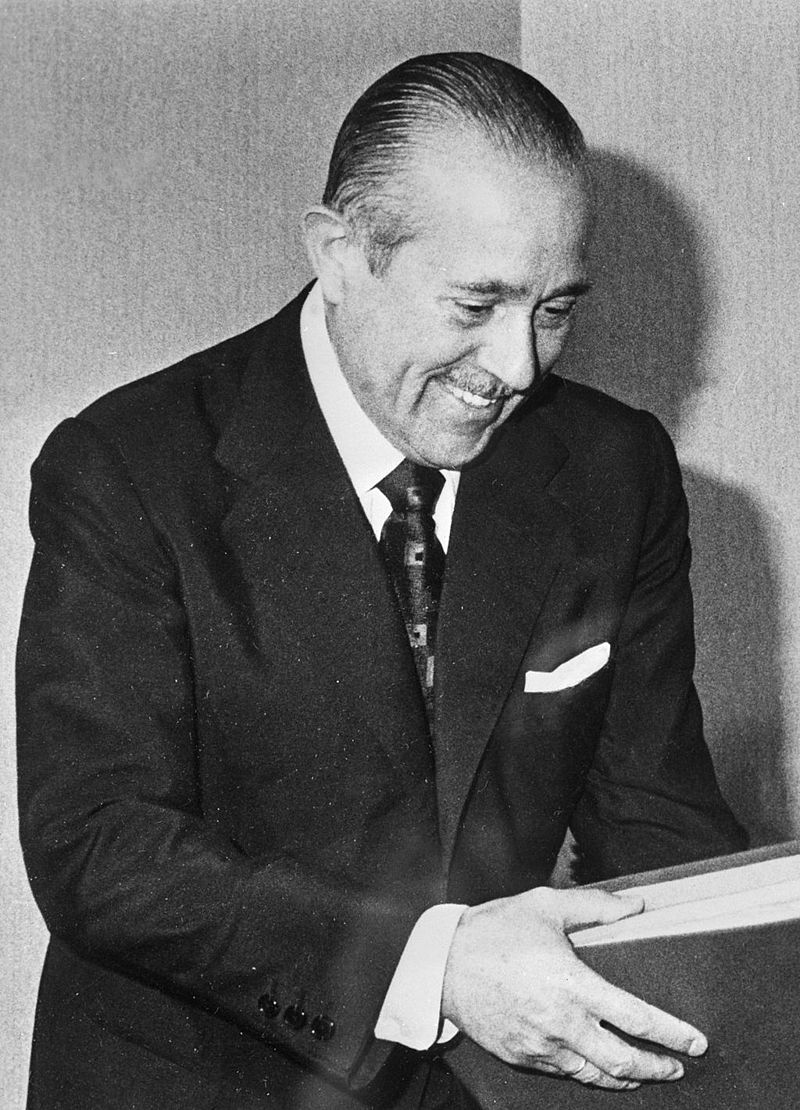
Álvaro González Ricci
 GuatemalapoliticianMale6.3Global Dominance: 0.00%
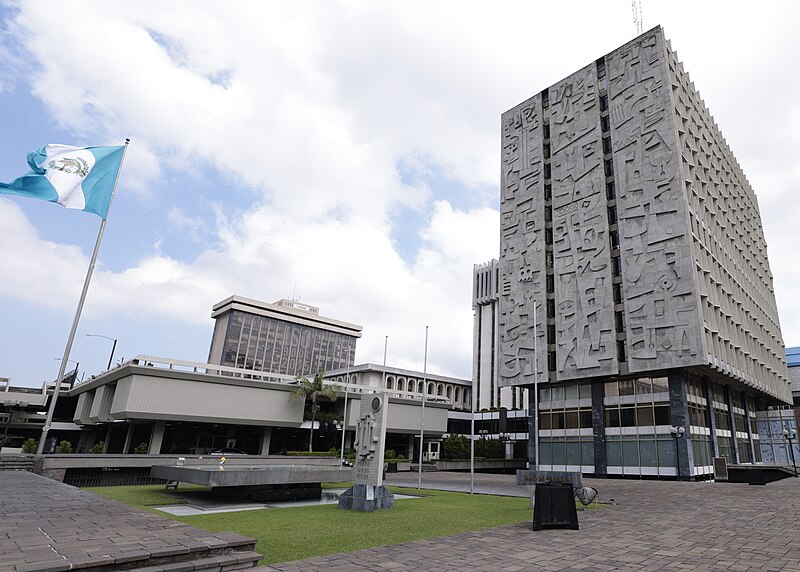
Álvaro González Ricci is the president of the Banco de Guatemala (Banguat), where he plays a crucial role in managing the country's monetary policy and overseeing the financial system. Recently, he was in the news for reporting an 'avalanche' of remittances to Guatemala, highlighting a significant increase in daily transfers that rose from $70 million to $85 million, attributed to various factors including changes in immigration policy under the Trump administration.
Country presence
Recent news mentions
Álvaro González Ricci, president of the Bank of Guatemala, believes that the suspension of taxes will have favorable effects on inflation.
no atiende la situación del diésel, y sectores piden medidas más sosteniblesGuatemala· 2026-09-24
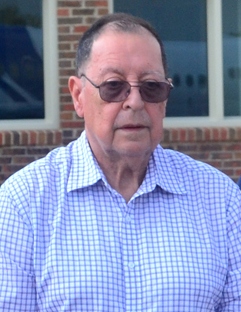


Álvaro González Ricci is the president of the Junta Monetaria and the Banco de Guatemala.
Junta Monetaria mantiene tasa líder en 3.50% ante riesgos de inflación en GuatemalaGuatemala· 2026-09-24
Álvaro González Ricci is the President of the Bank of Guatemala who is finishing his term soon.
Presidente Arévalo identifica candidatos "sólidos" para contralor general de CuentasGuatemala· 2026-09-22

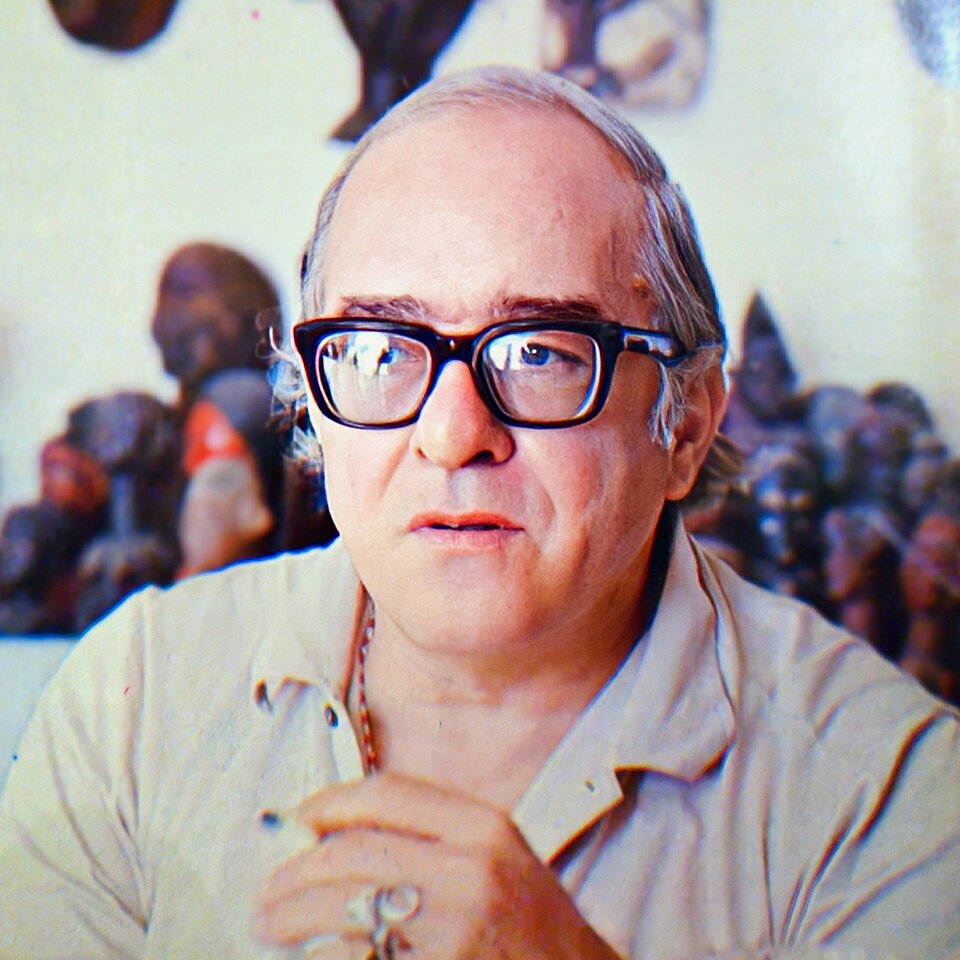
Álvaro González Ricci, president of the Bank of Guatemala, stated that inflation in July was higher than the previous month due to rising fuel prices.
Inflación en Guatemala repunta a 2.70% en julio por el alza de los combustiblesGuatemala· 2026-08-08
Álvaro González Ricci is the president of the Bank of Guatemala and the Monetary Board.
Alza del petróleo volverá a presionar la inflación, pero el Banguat prevé un efecto transitorioGuatemala· 2026-07-24
Álvaro González Ricci, president of the Monetary Board (JM), explained that the schedule for the selection process is already in place.
Junta Monetaria definirá la ternaGuatemala· 2026-07-16
Álvaro González Ricci is the president of the Bank of Guatemala and discussed the behavior of foreign direct investment.
los sectores que impulsan el crecimiento y las perspectivas para 2026Guatemala· 2026-07-16
Álvaro González Ricci, president of the Banguat, explains the particularities of the printing process of Guatemalan banknotes.
¿Cómo se elaboran los billetes de Guatemala?Guatemala· 2026-07-13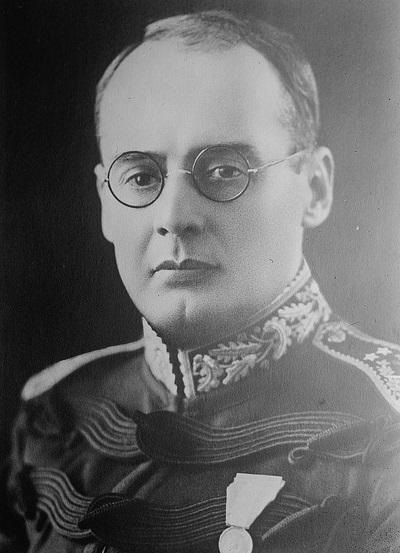
Álvaro González Ricci is mentioned as the president of the Bank of Guatemala involved in the alleged confrontation.
Sitio fraudulento suplanta identidad de Prensa Libre para difundir información falsa sobre supuesto sistema financiero ocultoGuatemala· 2026-07-11
Álvaro González Ricci is mentioned as the president of the Bank of Guatemala in the context of false statements attributed to him.
Suplantan identidad de Prensa Libre con falsa publicación para promover supuesta plataforma de inversiónGuatemala· 2026-07-03
Álvaro González Ricci is the president of the Bank of Guatemala.
Precio del petróleo baja tras reapertura del estrecho de Ormuz y mejora el panorama económico del paísGuatemala· 2026-06-26
Álvaro González Ricci, president of the JM, explained in a press conference that the decision was unanimous.
Junta Monetaria mantiene la tasa líder en 3.50% tras bajar la tensión entre Estados Unidos e IránGuatemala· 2026-06-25
The president of the Bank of Guatemala explained the decision to maintain the interest rate.
Junta Monetaria mantiene en 3.50% la tasa líder y destaca avances en Oriente MedioGuatemala· 2026-06-25Álvaro González Ricci is the president of the Bank of Guatemala and discusses the potential impacts of U.S. financial controls on remittances.
Banguat advierte efectos indirectos en remesas por controles de Estados UnidosGuatemala· 2026-05-30Álvaro González Ricci announced the issuance of six commemorative coins for 2026.
Banguat anuncia seis monedas de colección para 2026 y confirma que aún se vende la primera emitida en 1992Guatemala· 2026-03-05
Álvaro González Ricci, president of the Bank of Guatemala, indicated that this week a presentation of the Alliance for Advisory and Management of Reserves was known.
Reservas monetarias internacionales llegarían a US$34 mil 736 millones en el 2026, con alza prevista de 6%Guatemala· 2026-03-03Álvaro González Ricci is the president of the Bank of Guatemala.
Misión del FMI revisa desempeño económico del 2025 y perspectivas para este añoGuatemala· 2026-02-24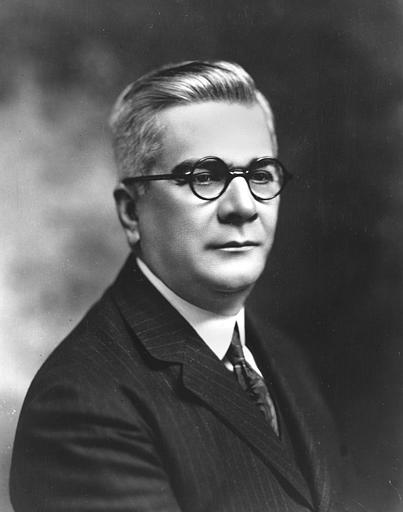
Álvaro González Ricci, president of the Monetary Board and the Bank of Guatemala, discussed the external supply shock affecting the country.
Estado de sitio pudo haber influido en la caída del consumo y en la inflación negativa de eneroGuatemala· 2026-02-10
Álvaro González Ricci indicated that the situation has been addressed and anticipated a less aggressive growth this year.
Envío de remesas dejó US$19.5 millones en impuestos tras entrada en vigor de impuesto del 1% en EE. UU.Guatemala· 2026-02-06
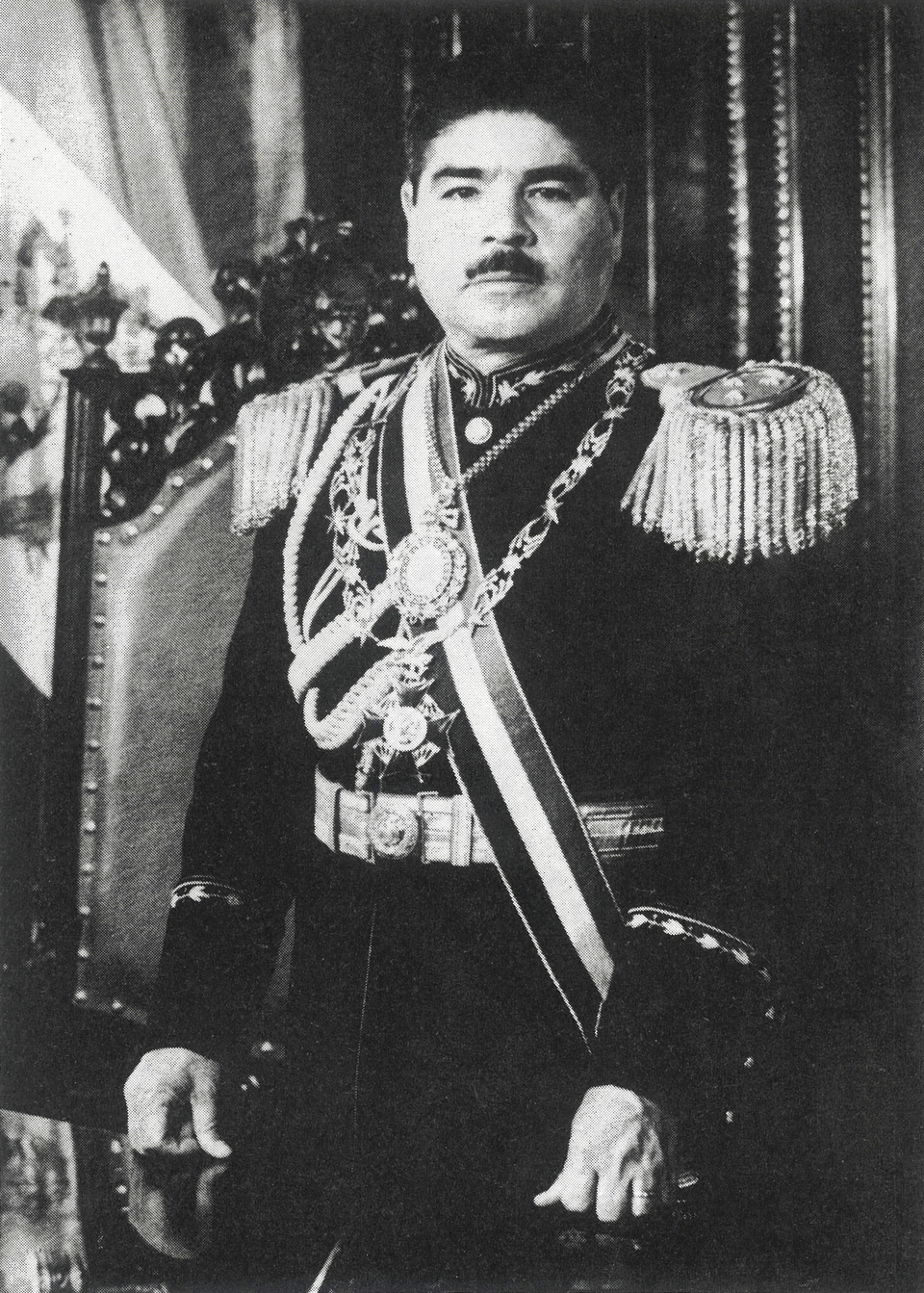
Álvaro González Ricci, president of the Bank of Guatemala, explained the situation regarding remittances during a session.
Remesas familiares aumentan 7% en enero y suman US$1 mil 954 millones, según el BanguatGuatemala· 2026-02-05Álvaro González Ricci is the president of the central bank of Guatemala.
Cinco regiones concentran mayor aporte al PIB, con la nueva estructura productiva de mediciónGuatemala· 2026-01-23
Álvaro González Ricci, president of the Bank of Guatemala, will present key macroeconomic indicators to the IMF delegates.
Una delegación del FMI llegará al país, y por qué se centrará en la revisión de la economía del 2025Guatemala· 2026-01-13
Álvaro González Ricci is the president of the Junta Monetaria and the Banco de Guatemala.
La inflación se mantuvo controlada en el 2025, pero se prevé alza de precios para este año ¿Qué factores influirán?Guatemala· 2026-01-11Álvaro González Ricci is the president of the central bank of Guatemala.
Junta Monetaria eleva margen de participación para el 2026Guatemala· 2025-12-17
Álvaro González Ricci is the president of the Bank of Guatemala and discussed the official figures for the economy.
¿Qué sectores impulsarán el crecimiento de la economía en Guatemala al cierre del 2025?Guatemala· 2025-12-12
Álvaro González Ricci is the president of the central bank of Guatemala.
¿Cuánto dinero circulará en la economía guatemalteca en diciembre?Guatemala· 2025-12-10Álvaro González Ricci is the president of the Banco de Guatemala and discussed the current inflation risks in a press conference.
¿Por qué la Junta Monetaria volvió a reducir la tasa de interés y quedó en 3.75%?Guatemala· 2025-11-27
Álvaro González Ricci is the president of the Banco de Guatemala (Banguat).
Las remesas se encaminan a romper récord en 2025 en GuatemalaGuatemala· 2025-11-26Álvaro González Ricci, the president of the Banco de Guatemala, considered that both measures will have a positive effect.
Exenciones arancelarias traerán nuevo impulso para exportar hacia Estados UnidosGuatemala· 2025-11-17

Álvaro González Ricci is the president of the Monetary Board and the Bank of Guatemala.
Junta Monetaria no emite opinión sobre salario mínimo del 2026 requerido por Mintrab ¿a qué se debe?Guatemala· 2025-11-14