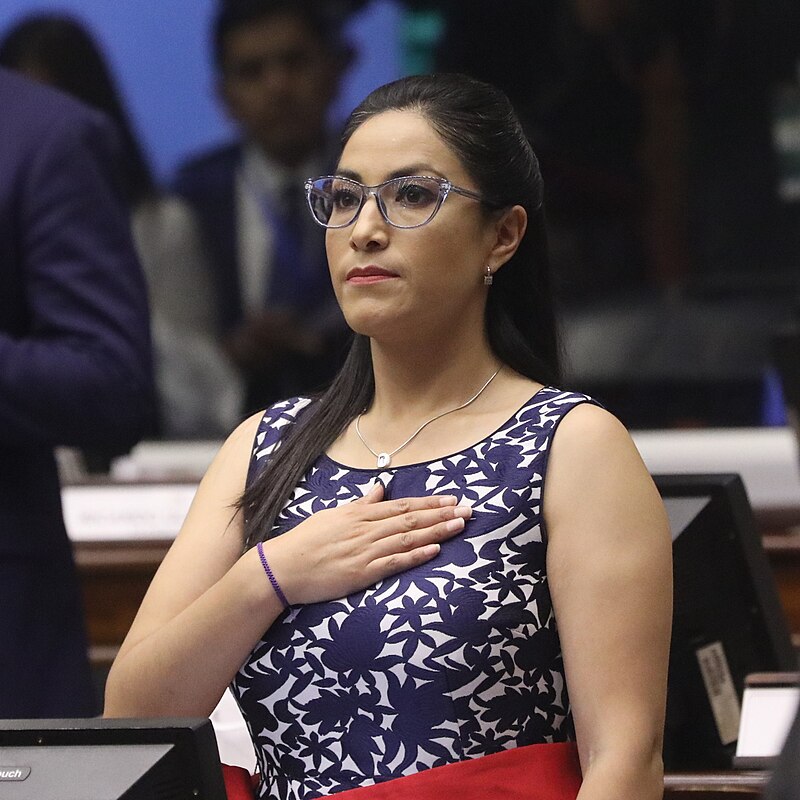
Andrés Castillo
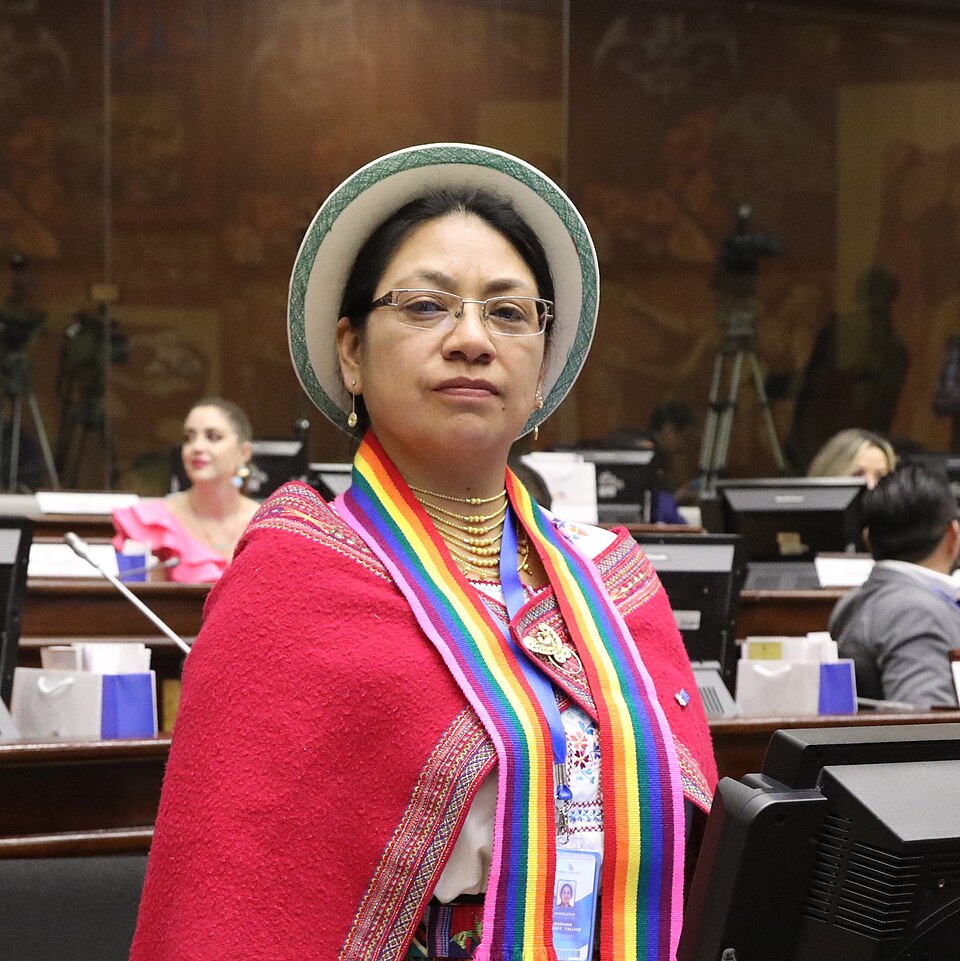
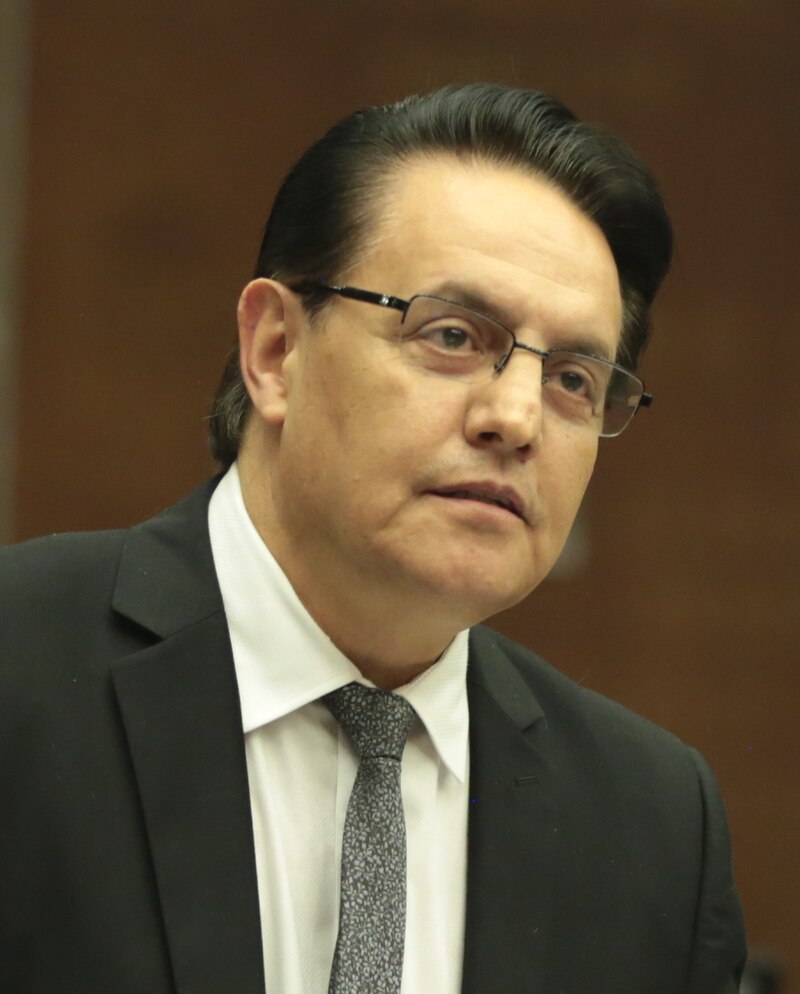
Andrés Castillo is an Ecuadorian politician who was elected as an assembly member for Pichincha. He has garnered attention for his polarizing rhetoric and has been criticized by indigenous leaders like Leonidas Iza, who have accused him of fostering division and hostility within the country's political discourse. Castillo's election represents a broader trend in Ecuador's political climate, where social tensions and ideological divides have become increasingly pronounced.
Not in the pool (under ¢1).
Recent news mentions
Andrés Castillo, the president of the Security Commission, called for the involvement of former municipal officials.
John Reimberg, ministro del Interior: ‘La sala espejo de Segura EP ha sido completamente desmantelada’ | Política | Noticias Ecuador· 2026-07-09


Andrés Castillo questioned the RC bloc's claim that the Progen case was already under investigation in 2024.
Por unanimidad Asamblea ordena investigar el destino de los fondos transferidos por Progen a personas y empresas | Política | NoticiasEcuador· 2026-07-03

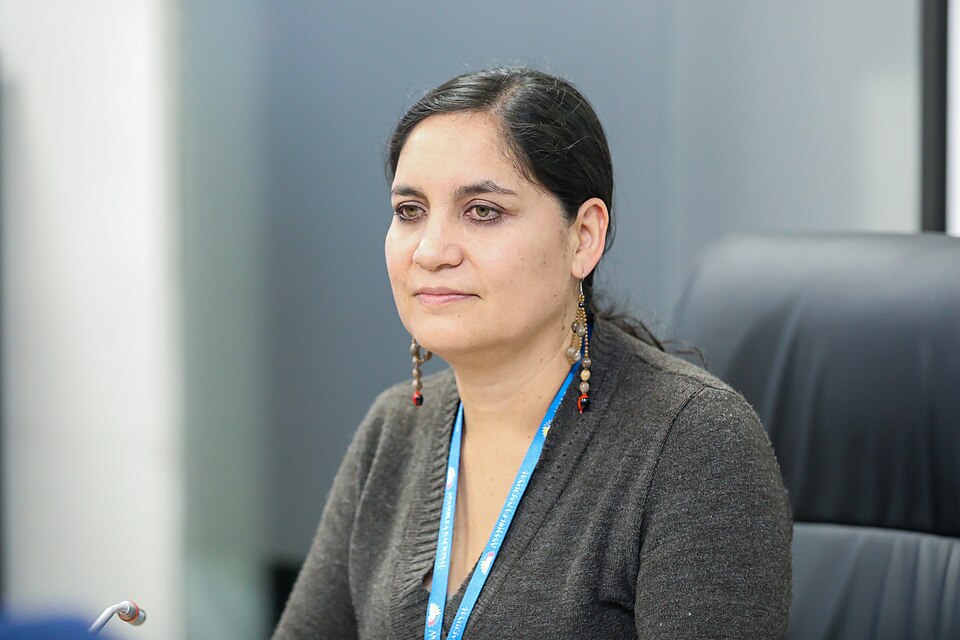
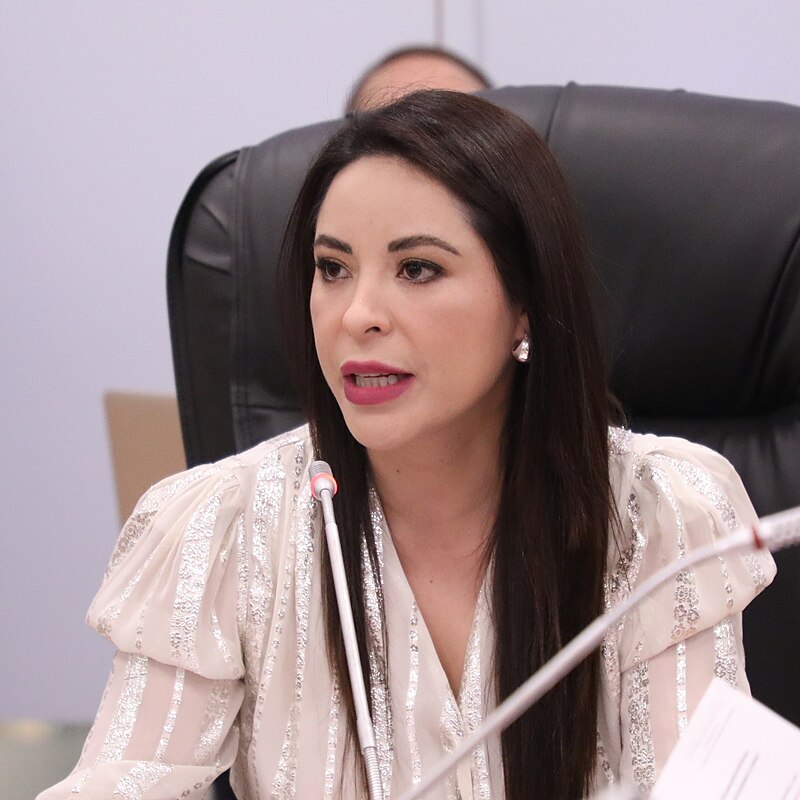
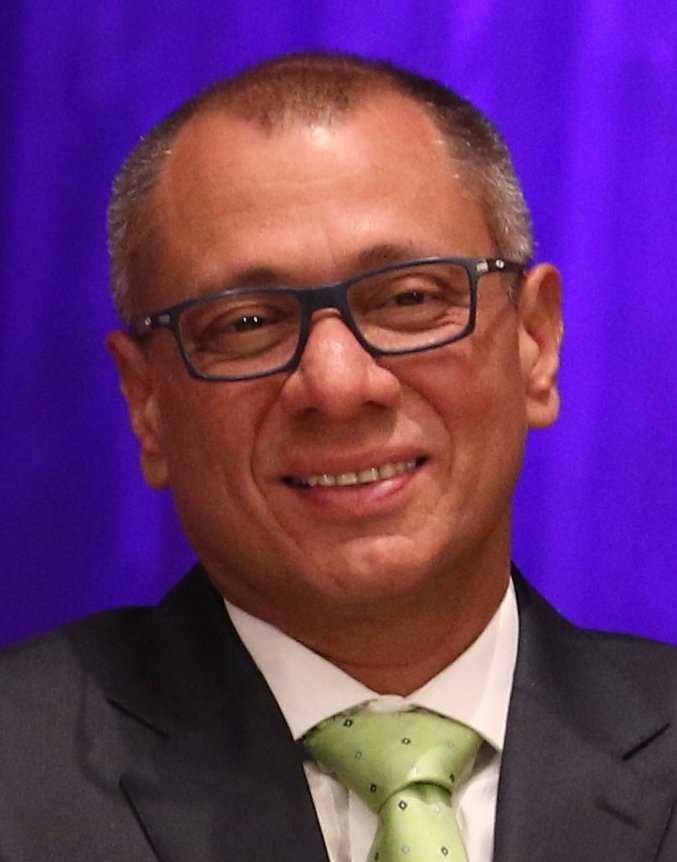
Andrés Castillo is a legislator who commented on the internal preparations for candidate selection within his party.
Cuenta regresiva para las seccionales del 29 de noviembre: fuerzas políticas no revelan aún a sus precandidatos a seis meses de comicios | Política | NoticiasEcuador· 2026-05-29

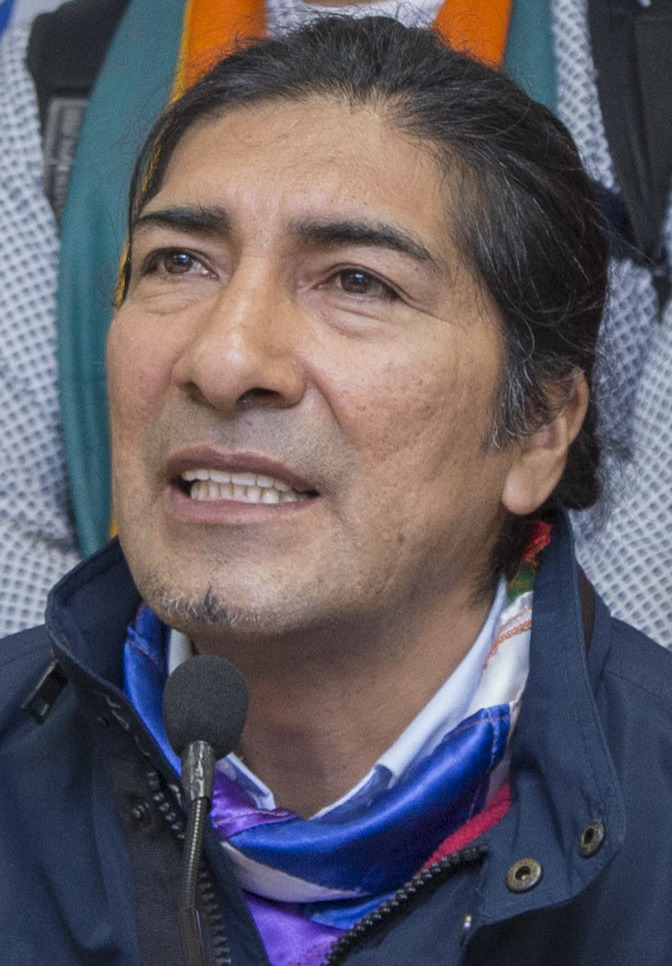


Andrés Castillo was temporarily suspended for verbal aggression against another legislator.
Luciana Zapata, hija de asambleísta Hernán Zapata, asumirá la curul de Andrés Castillo tras su suspensión temporal | Política | NoticiasEcuador· 2026-02-07


Andrés Castillo was suspended for 30 days without pay for verbal aggression against a fellow legislator.
Asamblea Nacional suspende a Andrés Castillo por 30 días por agresiones verbales en el pleno | Política | NoticiasEcuador· 2026-02-06

Andrés Castillo demanded respect for the Armed Forces during the ongoing internal conflict.
Oficialismo critica accionar de Roberto Cuero con militares durante altercado en Guayaquil | Política | NoticiasEcuador· 2026-02-05


Andrés Castillo is mentioned in connection with the pressures surrounding Mario Godoy's appointment.
Juicio político a Mario Godoy: correísmo sustenta sus pruebas en presiones al juez Serrano y los roles de Dolores Vintimilla y Henry Gaibor | Política | NoticiasEcuador· 2026-02-04


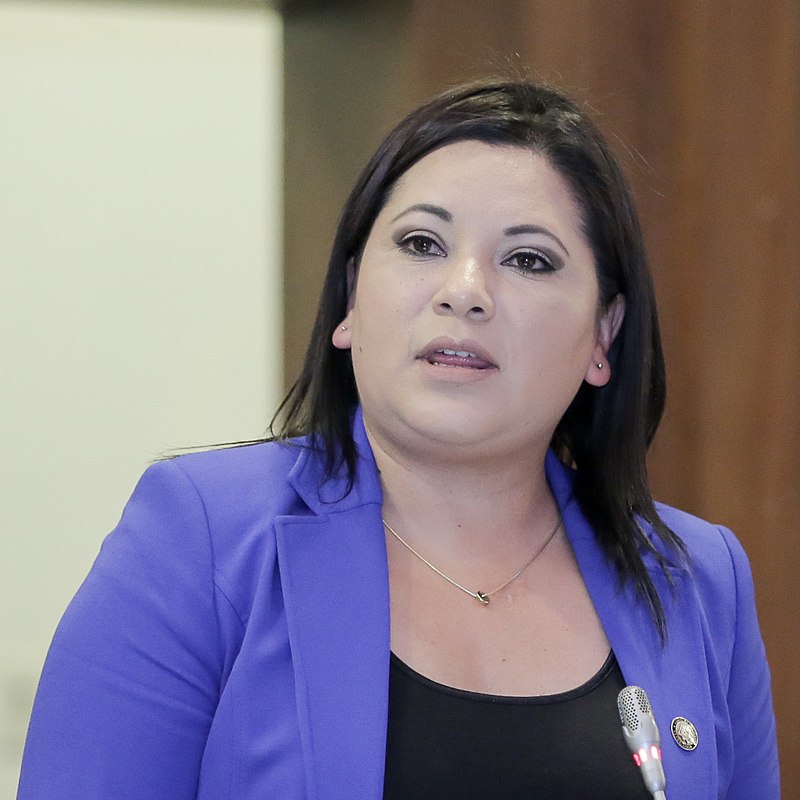
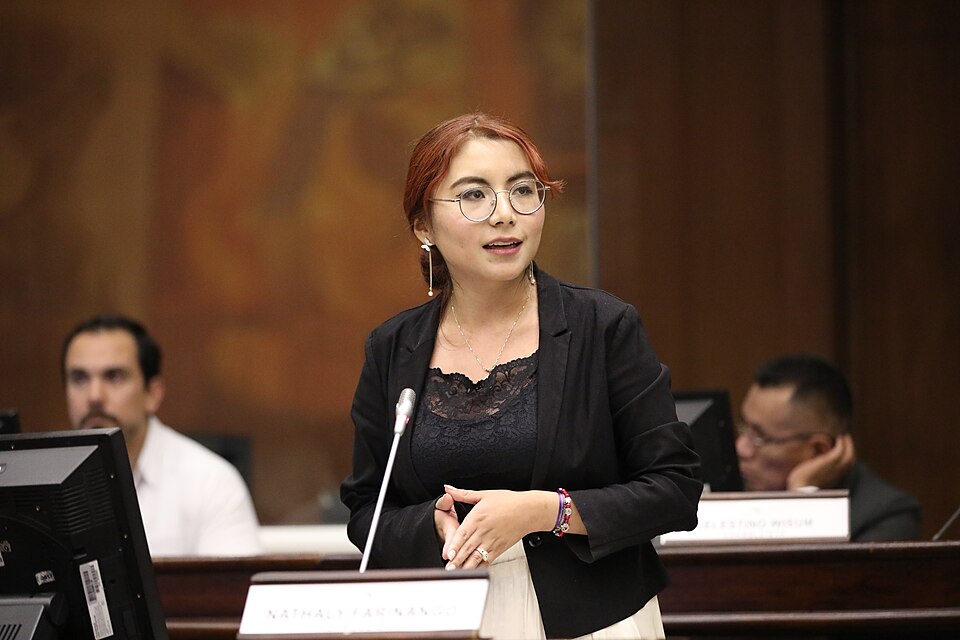


Andrés Castillo will request a public hearing for his trial in the CAL for serious misconduct.
“Debemos reducir los fallecidos por siniestros de tránsito”: plan vial en Quito apunta a mejoras en transporte público y obras de infraestructura vial | Ecuador | NoticiasEcuador· 2026-01-15

Andrés Castillo is a legislator from the official party who commented on the situation of Mario Godoy.
Inicio del juicio político contra el presidente de la Judicatura Mario Godoy se define este jueves en la mesa de Fiscalización | Política | NoticiasEcuador· 2026-01-15

Andrés Castillo plays for CAI.
La Sub-17 de Panamá mantiene su planificación rumbo al Premundial Panama· 2025-12-24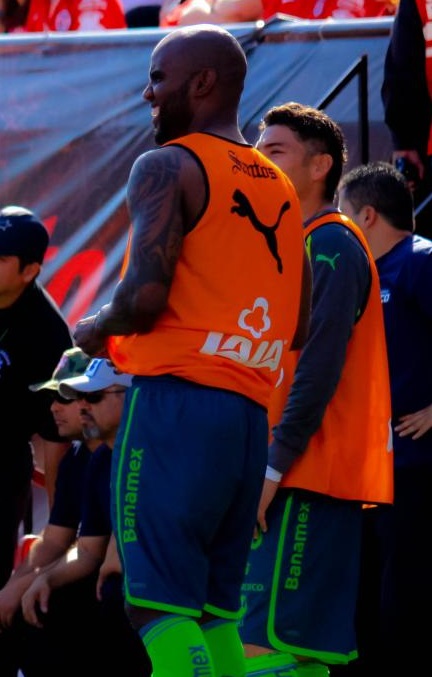





Andrés Castillo proposed the motion for Mario Godoy to clarify rumors and doubts regarding his actions.
Asamblea Nacional llama a comparecer a Mario Godoy, presidente del Consejo de la Judicatura, en máximo ocho días | Política | NoticiasEcuador· 2025-12-22



Andrés Castillo is a legislator who defended the government's actions regarding the HealthBird contract.
Correísmo pedirá levantar la confidencialidad del contrato CNT–HealthBird y solicitará acceso a la información | Política | NoticiasEcuador· 2025-12-17
Andrés Castillo is an official assembly member who supports President Noboa's actions regarding the Progen case.
Oposición reclama al Gobierno una investigación en Ecuador sobre el caso Progen | Política | NoticiasEcuador· 2025-12-17

Andrés Castillo proposed a resolution to respect public spaces and traditions during the foundation celebrations.
Asamblea Nacional realizará sesión solemne en homenaje a la fundación de Quito | Política | NoticiasEcuador· 2025-12-03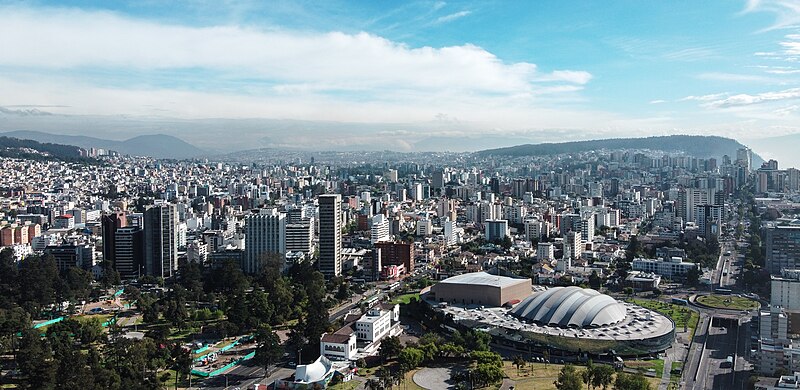

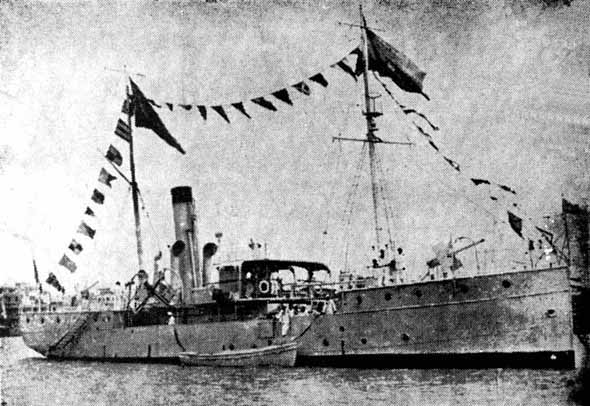
Andrés Castillo presented the resolution supporting the coordinated work between Ecuadorian security forces and Spanish authorities.
Con votos de ADN y aliados, Asamblea Nacional aprueba resolución que reconoce la captura de alias ‘pipo’ | Política | NoticiasEcuador· 2025-12-02



Andrés Castillo is one of the assembly members traveling to Spain for a leadership training program.
¿Qué fueron a hacer nueve asambleístas en España, donde estarán por una semana? | Política | NoticiasEcuador· 2025-11-27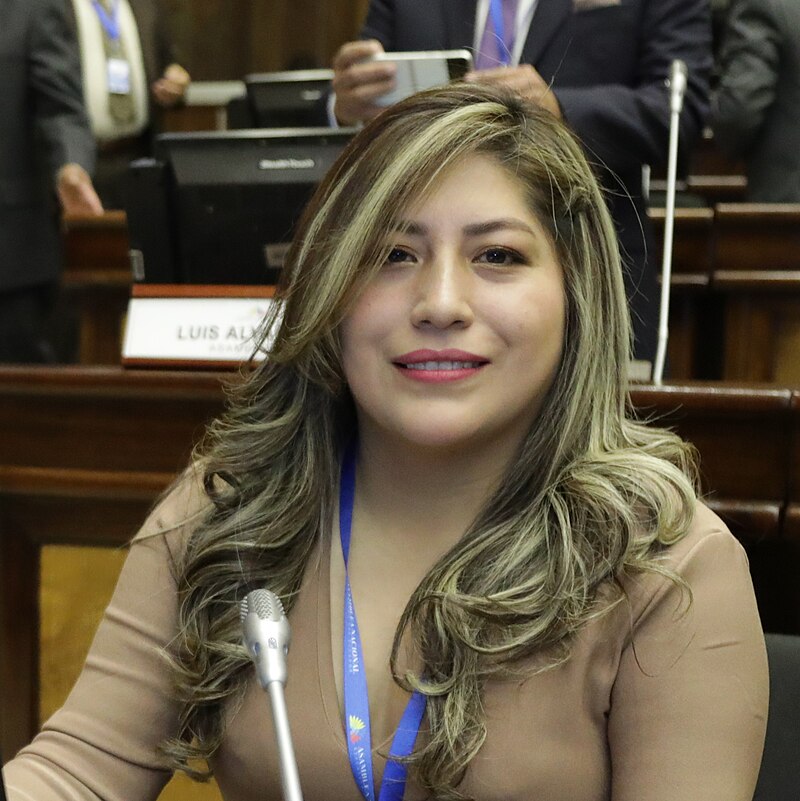



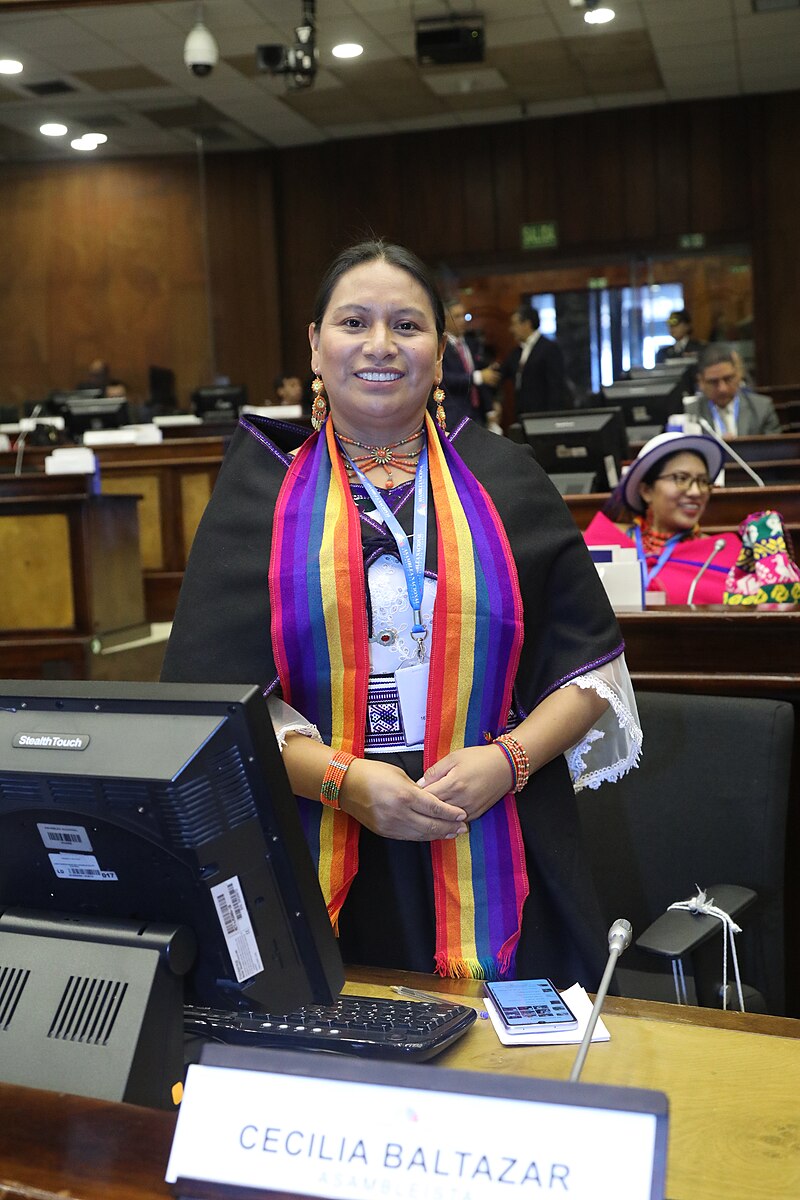
Andrés Castillo is one of the legislators who traveled to Spain for a leadership training workshop.
Nueve asambleístas viajaron a España para capacitación de líderes | Política | NoticiasEcuador· 2025-11-26Andrés Castillo emphasized humility in defeat and the need to continue working.
No pasa nada, seguimos adelante: la línea del discurso oficial tras el revés electoral del referéndum y consulta popular | Política | NoticiasEcuador· 2025-11-17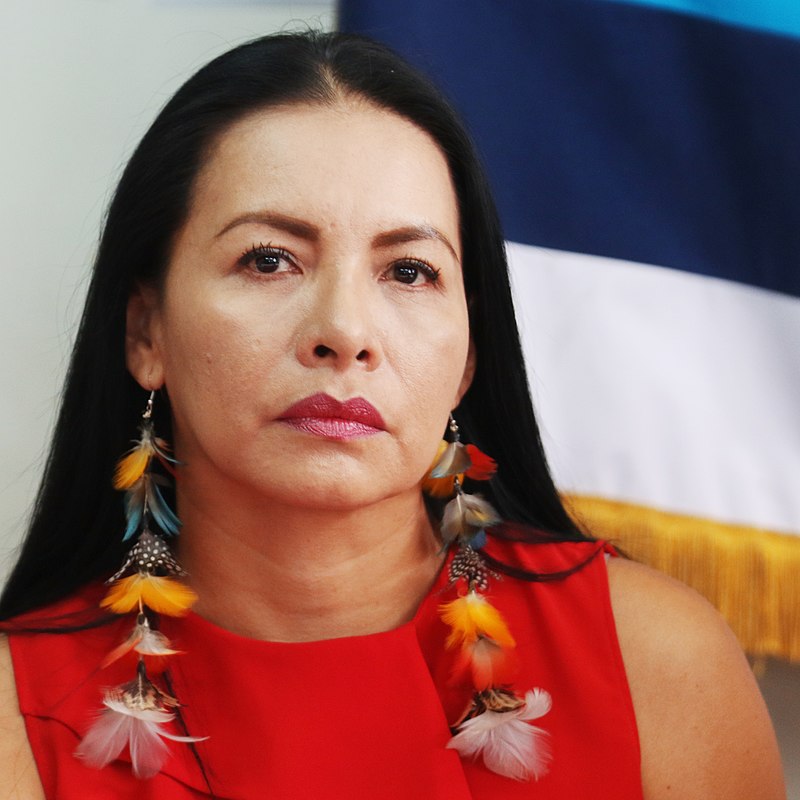
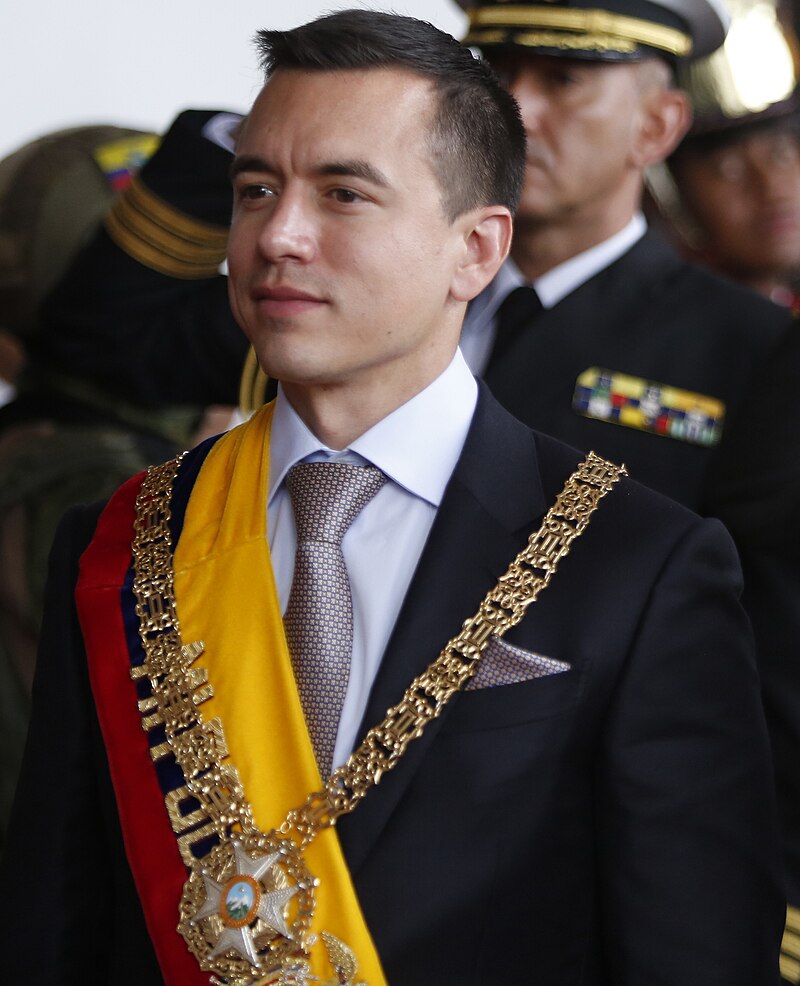


Andrés Castillo noted that the march in the capital did not attract the expected number of participants.
Persiste disputa en la Asamblea Nacional por paro nacional: oposición denuncia represión y oficialismo celebra control del orden en Quito | Política | NoticiasEcuador· 2025-10-14
Andrés Castillo explained the legal framework for the urgent actions requested to the Fiscalía regarding Vargas's threats.
ADN presenta un acto urgente por terrorismo contra Marlon Vargas por amenazar con tomarse Quito | Política | NoticiasEcuador· 2025-10-07
Andrés Castillo, a legislator from ADN, emphasized the need for a constitutional assembly to address various issues in Ecuador.
Asambleístas alistan debate sobre posibles cambios a la Constitución con una nueva Constituyente | Política | NoticiasEcuador· 2025-09-25


Andrés Castillo participated in the debate regarding the Credit Strengthening Law.
Correísmo no logra archivar el proyecto de Ley de Fortalecimiento Crediticio en primer debate en el pleno | Política | NoticiasEcuador· 2025-09-17

Andrés Castillo proposed the inclusion of penal and migratory reforms during the second debate of the LOIP.
Corte Constitucional instala audiencia con 30 demandantes en contra de la Ley de Integridad Pública, promovida por Daniel Noboa | Política | NoticiasEcuador· 2025-08-27
Legislator Andrés Castillo is involved in the mobilization.
Esto es lo que se sabe de la movilización convocada por el presidente Daniel Noboa hacia la Corte Constitucional | Política | NoticiasEcuador· 2025-08-12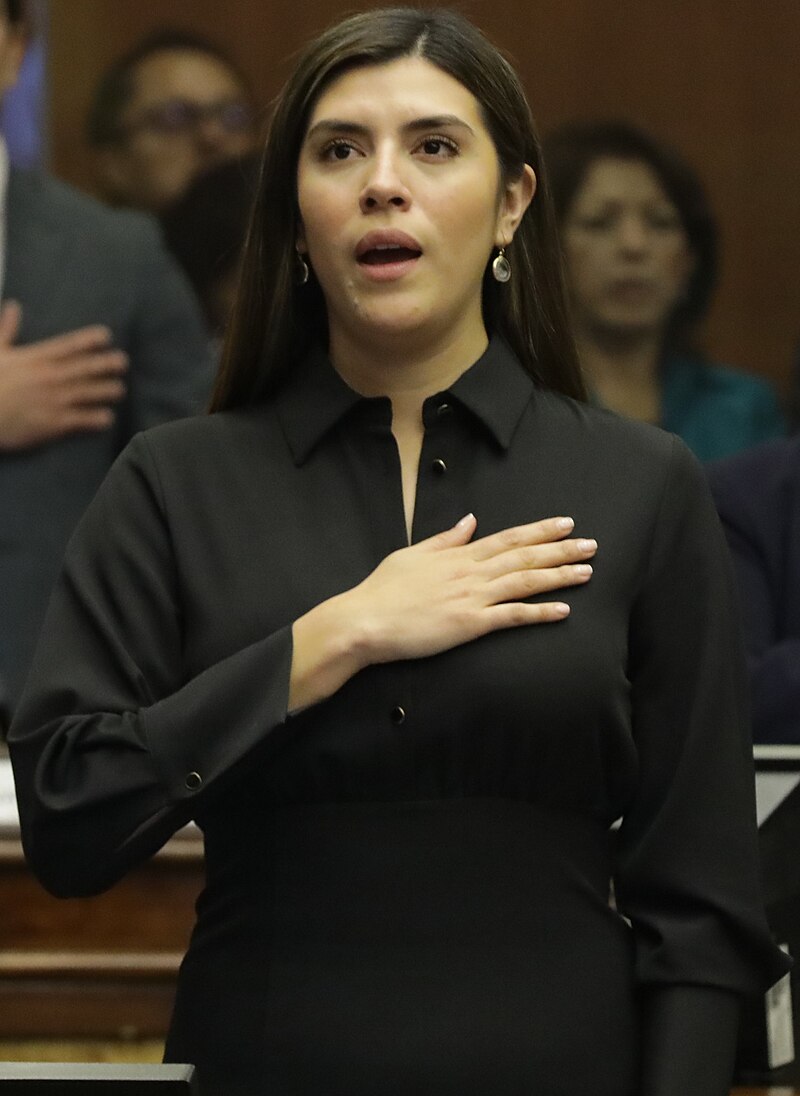




Andrés Castillo commented that urgent projects are subject to legislative analysis and should ensure transparency in foundation operations.
Ley urgente aún no se califica en el CAL para iniciar el trámite de primer debate | Política | NoticiasEcuador· 2025-07-30Andrés Castillo reported Mireya Pazmiño for her proposal, calling it 'fascist' and alleging verbal aggression.
Tres curules serán ocupadas por asambleístas suplentes porque los titulares enfrentan procesos disciplinarios y legales | Política | NoticiasEcuador· 2025-07-15




Andrés Castillo presented a complaint against Mireya Pazmiño for verbal aggression.
Dominique Serrano, asambleísta de ADN, suspendido por ocho días sin sueldo por ‘comportamiento inadecuado’ | Política | NoticiasEcuador· 2025-07-13

Andrés Castillo was mentioned in the context of legislative changes that were disputed during a session.
En el pleno y en comisiones, las peleas y gritos entre legisladores vuelven a la Asamblea Nacional | Política | NoticiasEcuador· 2025-07-11
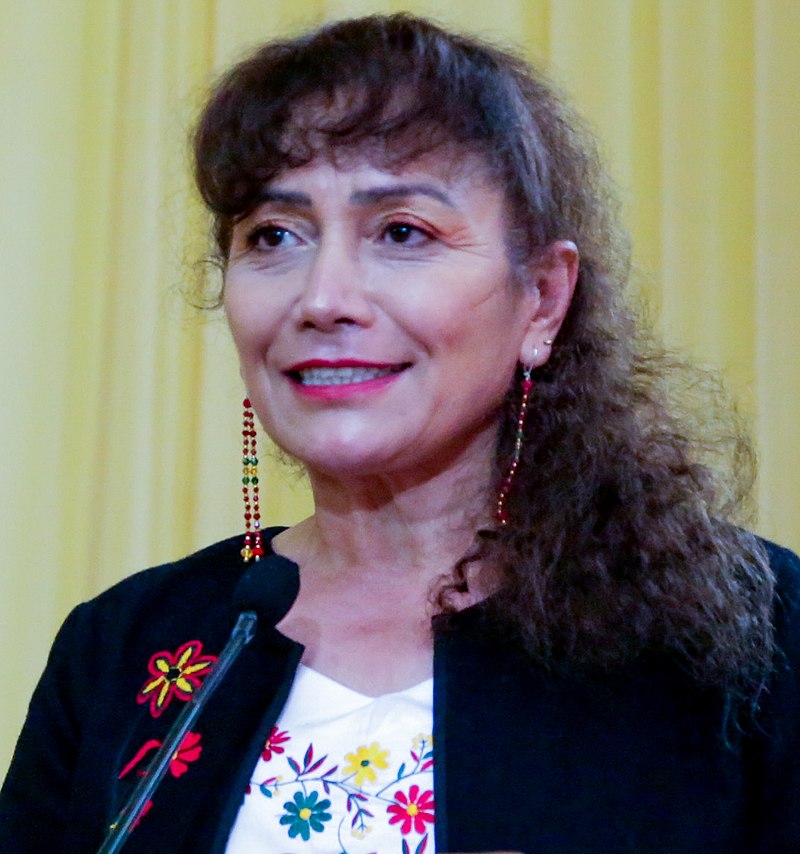

Andrés Castillo commented on the need to approve constitutional reforms by July 27.
Cuenta regresiva para las reformas constitucionales que buscan eliminar el financiamiento estatal de partidos y movimientos políticos | Política | NoticiasEcuador· 2025-07-10


Andrés Castillo stated that the capture of Adolfo Macías was conducted without a judicial order as per the Solidarity Law.
Gobierno atribuye éxito de la captura de alias ‘Fito’ a leyes recientes, algo que juristas y analistas no ven posible | Política | NoticiasEcuador· 2025-06-26