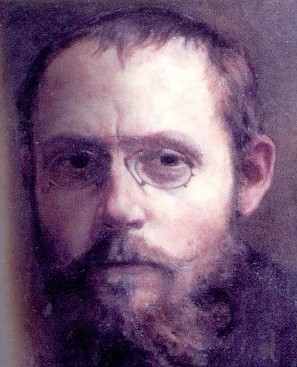
Charles Péguy
Charles Péguy (1873-1914) was a French poet, essayist, and editor known for his passionate advocacy of social justice and his deep commitment to republican values. As a prominent intellectual during the Dreyfus Affair, Péguy actively supported Alfred Dreyfus and used his platform to condemn the rampant anti-Semitism and injustice of the time. His works often reflect a synthesis of faith, politics, and patriotism, and he remains a significant figure in French literature and political thought, celebrated for his moral integrity and dedication to truth.
Not in the pool (under ¢1).
Recent news mentions
Charles Péguy's words reflect a critique of the bourgeois spirit in relation to Christianity.
La columna de Javier Cercas: Dios no ha vuelto | EL PAÍS Semanal Spain· 2025-12-06


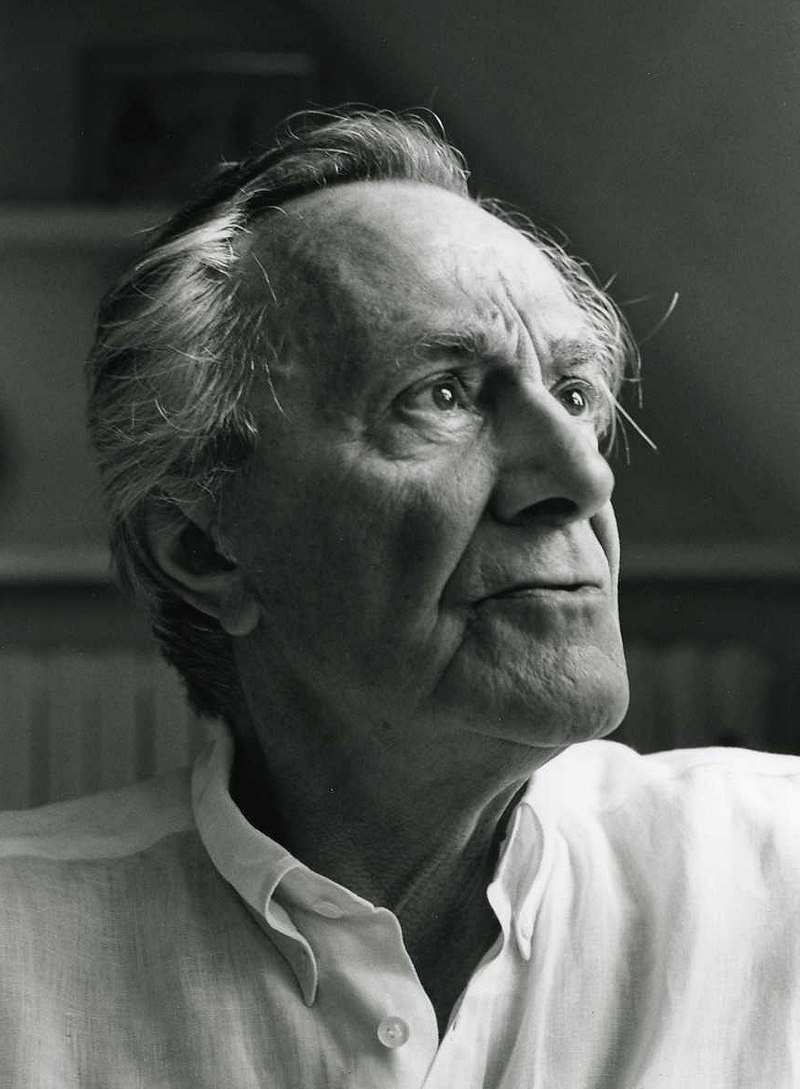
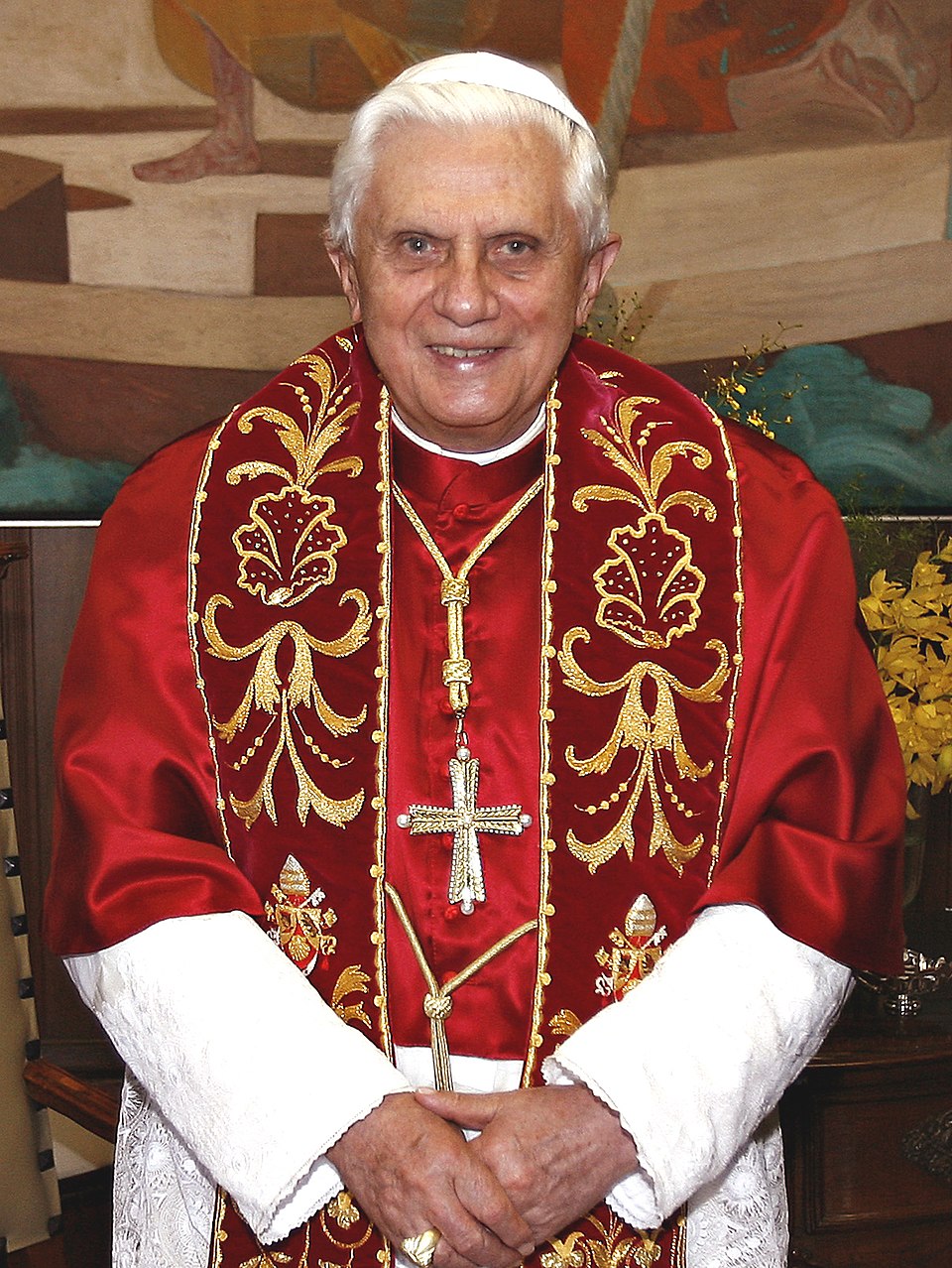
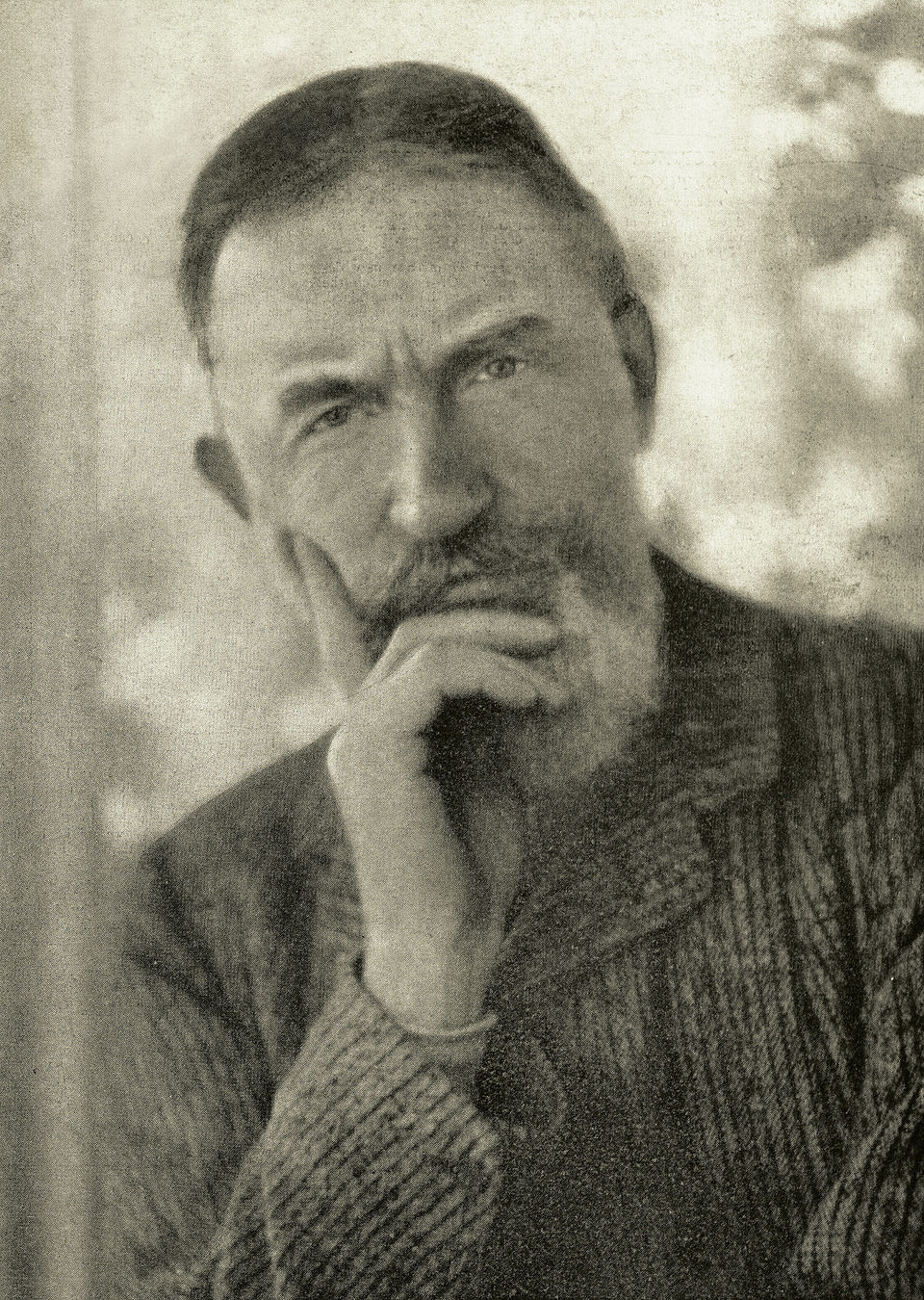
Charles Peguy is referenced by Cercas as a significant figure in understanding the true essence of Christianity.
Javier Cercas: “Cristo se entendería con los zapatistas, pero no se entendería con Vox, porque a los migrantes hay que acogerlos”Spain· 2025-11-30

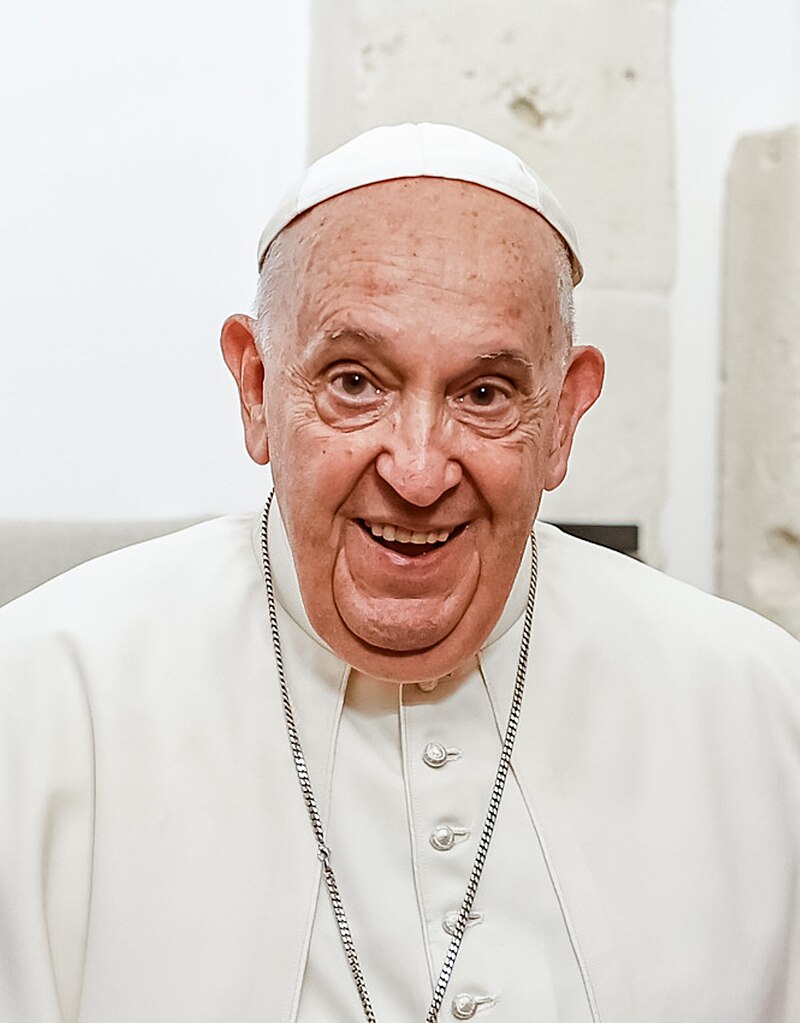

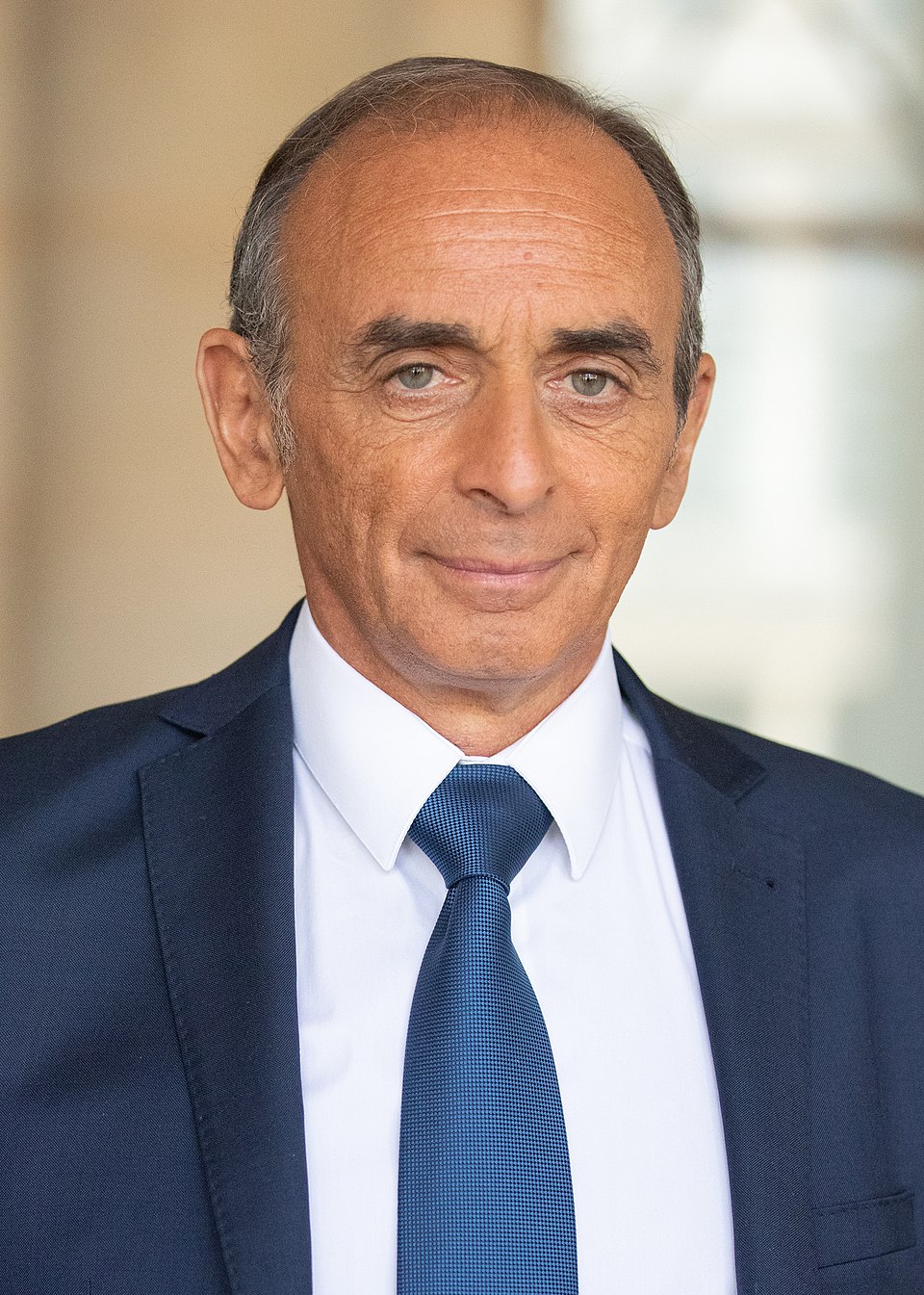
Charles Péguy was a literary figure known for his work 'Les Sants Innocents'.
Pelegrino cada dia amb Meritxell Andorra· 2025-09-21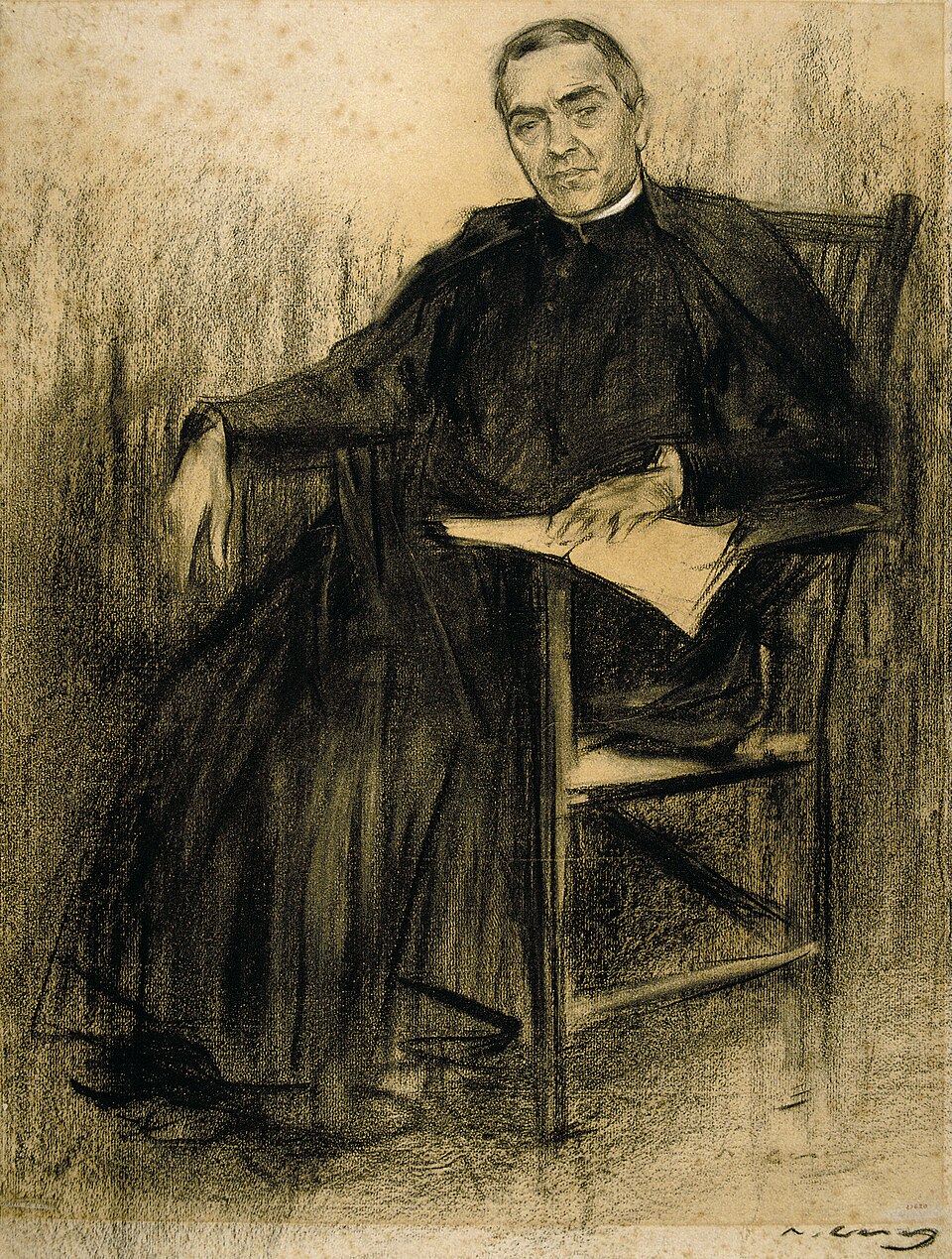
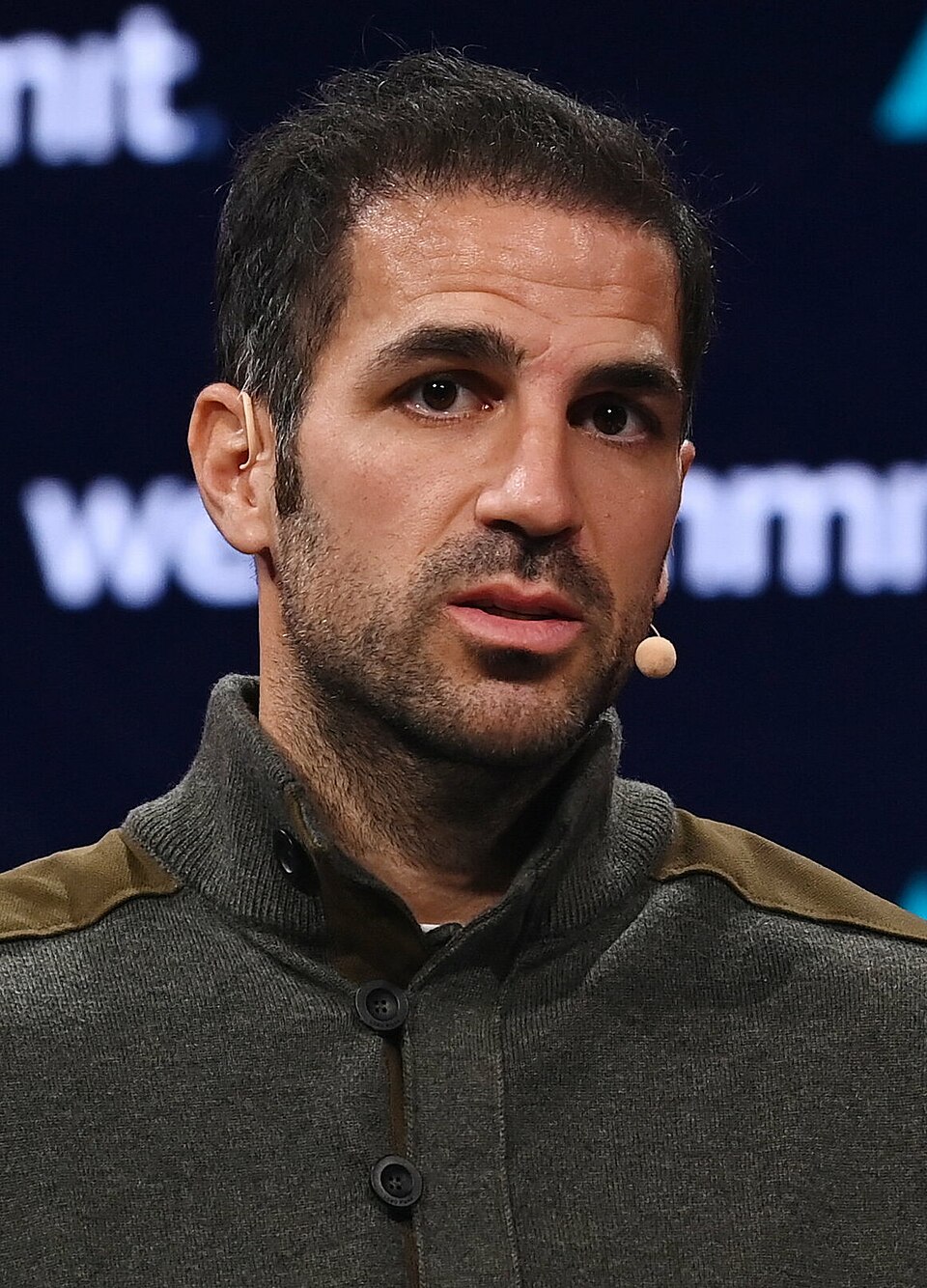
Charles Péguy is referenced in relation to the concept of hope and virtues in the context of Marcello Semeraro's reflections.
Il cardinale Semeraro: «Papa Francesco non temeva la morte, a farmelo conoscere fu l'attacco alle Torri Gemelle. Leone XIV? Lo incontro da anni» Italy· 2025-09-09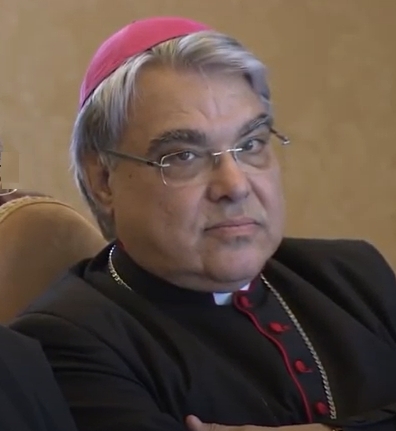
Charles Péguy's words from 1910 are referenced to highlight the ongoing struggles faced by Jews in France.
Paul Bernard, haut fonctionnaire : « Etre juif en France aujourd’hui, c’est être seul » France· 2025-06-13
Charles Péguy was involved in the intellectual mobilization for Alfred Dreyfus during the scandal.
« Alfred Dreyfus, synthèse du martyr et du juste, mérite d’entrer au Panthéon »France· 2025-06-12