Conrado Rodríguez
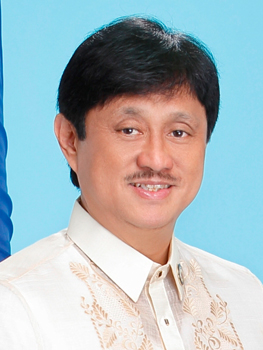
Conrado Rodríguez is a Uruguayan politician affiliated with the National Party, known for his significant role in parliamentary discussions around education reform. He has been vocal about maintaining the outcomes of the 2020 referendum related to the Law of Urgent Consideration (LUC) and emphasizes the importance of respecting democratic decisions. Rodríguez advocates for a balanced approach to educational governance, recognizing the need to incorporate feedback from educators and stakeholders while navigating the political landscape.
Not in the pool (under ¢1).
Recent news mentions
Conrado Rodríguez is a deputy who reported on the coordination of the colorados party regarding the legislative project.
Cabildo Abierto mantiene en vilo al gobierno y oposición acuerda votar junta todo el articulado Uruguay· 2026-08-12

Conrado Rodríguez is a deputy who aligned with Pablo Abdala's views on the Rendición de Cuentas.
en un ambiente tenso con el oficialismo, la coalición buscará negociar para mejorar la Rendición de Cuentas en comisiónUruguay· 2026-07-19


Conrado Rodríguez is a deputy who discussed the implications of the retirement cause at 60 years old.
las restricciones que tendrá, la advertencia de la oposición y la discusión por el ajuste del suplemento solidarioUruguay· 2026-07-06


Conrado Rodríguez expressed willingness to support increased spending for childhood.
Con Cabildo más lejos y el foco en las transferencias, el oficialismo sale a buscar los dos votos que le faltan para la Rendición de CuentasUruguay· 2026-07-01
Conrado Rodríguez questioned the prosecretary of the Presidency regarding the legal implications of gifts received by elected officials.
el convenio internacional ratificado por Uruguay que regula la aceptación de regalos por parte de funcionarios electosUruguay· 2026-05-29


Conrado Rodríguez explained the Colorado party's disagreement with the proposed wording.
postura colorada define futuro de fiscalía especializada y cambios al tope en el uso de efectivoUruguay· 2026-02-13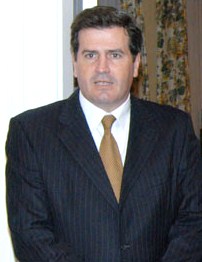


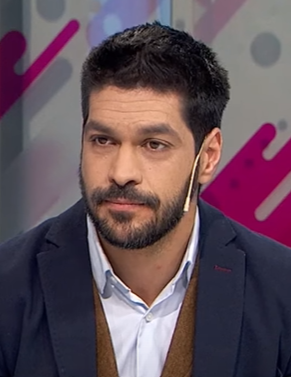
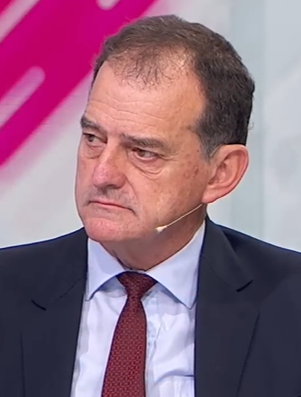
Conrado Rodríguez is a deputy from the Colorado Party who will present a project alongside Sebastián Andújar.
diputados de la coalición proponen reducir el costo de la patente modificando ley de SuciveUruguay· 2026-02-06
Conrado Rodríguez criticized Sanjurjo's response to Bordaberry and questioned his role in the government.
el rol de Sanjurjo en el gobierno expone otra vez diferencias internas en el Partido ColoradoUruguay· 2026-02-03

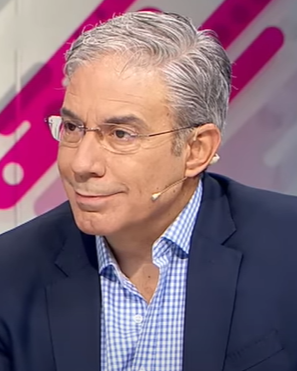
Conrado Rodríguez expressed outrage over the situation and called for explanations from the Ministry.
dos renuncias, contradicciones con el Ministerio de Trabajo y el reclamo de explicaciones de la oposiciónUruguay· 2026-01-21








Conrado Rodríguez is a member of the Colorado Party who recommended voting negatively on the project.
Comisión del Senado votó proyecto de Presupuesto sin cambios respecto a Diputados y negociaciones seguirán en el plenarioUruguay· 2025-11-25

Conrado Rodríguez is a deputy who recommended against voting for the budget project.
La insistencia de Uruguay, las disculpas de Lazo a China y cierre caliente en el ParlamentoUruguay· 2025-11-12





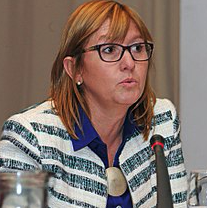
Conrado Rodríguez is a deputy who previously presented a proposal in the Chamber of Deputies.
Con estrechísimo margen, senadores del Frente Amplio buscan rascar la olla para realizar reasignaciones en el PresupuestoUruguay· 2025-11-01

Conrado Rodríguez is recognized for his role in the Colorado Party.
El FA no debería introducir cambios al Presupuesto y es bueno que el partido discuta impuesto al 1% más rico dado lo volcado al centro que está OrsiUruguay· 2025-10-26


Conrado Rodríguez proposed an amendment allowing legislators to request information from the Presidency.
el acuerdo de Salle con el FA, las victorias de la oposición y una marcha atrás de último momentoUruguay· 2025-10-17

Conrado Rodríguez proposed an alternative regarding the judicial intervention process.
las negociaciones que aseguraron el respaldo de Cabildo Abierto al PresupuestoUruguay· 2025-10-14

Conrado Rodríguez justified his rejection of the project due to 'erroneous economic projections' and a lack of control mechanisms.
cinco diputados acompañaron el proyecto en generalUruguay· 2025-10-10
Conrado Rodríguez, a deputy from the Partido Colorado, discussed the need for clarity in the procedure regarding the DGI's proposal.
los planteos que Cabildo le hizo al FA, los organismos que recibirán más recursos y los votos que le faltan al gobiernoUruguay· 2025-10-04Conrado Rodríguez raised concerns about the clarity of the judicial process regarding banking secrecy.
Oddone y el equipo económico explicaron los cambios para el PresupuestoUruguay· 2025-10-02
Conrado Rodríguez warned that if these articles are not approved with a special majority, they cannot be applied to autonomous entities.
los cambios al régimen de certificaciones médicas de funcionarios públicos que plantea el PresupuestoUruguay· 2025-09-15

Conrado Rodríguez questioned the discretionary power given to the director of taxes.
diputado de Cabildo Abierto proclive a acompañar cambios al secreto bancarioUruguay· 2025-09-12
Conrado Rodríguez pointed out that what the exposition of motives says about economic growth is not supported in the bill.
primeras reacciones de la oposición al Presupuesto de OrsiUruguay· 2025-09-02Conrado Rodríguez is a deputy from the Colorado party who supports the establishment of the investigative commission.
Cabildo Abierto evalúa pedir más tiempo y coalición tiene dudasUruguay· 2025-08-30


Conrado Rodríguez is a deputy who criticized the current government's narrative about the previous administration.
el Frente y la oposición cuentan su propia historiaUruguay· 2025-06-23


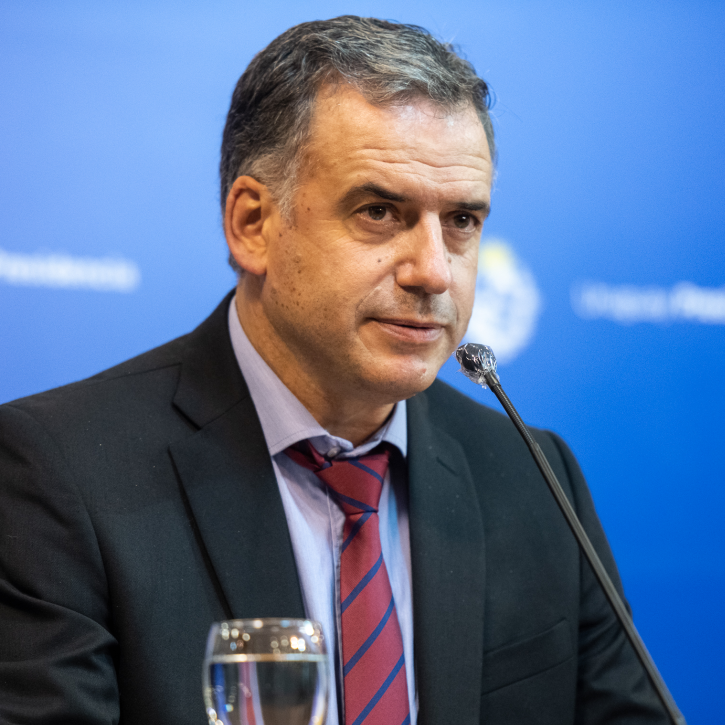

Conrado Rodríguez is a legislator who highlighted the financing mechanism proposed by the opposition.
La coalición acordó con Salle, logró una mayoría inesperada y la Cámara de Diputados aprobó la reforma de la Caja de Profesionales con cambiosUruguay· 2025-05-29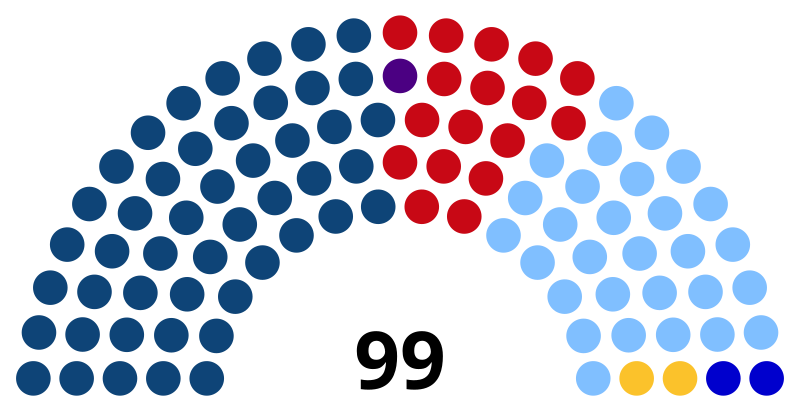
Conrado Rodríguez, a member of the Colorado Party, expressed his disagreement with the proposed financing model by the Frente Amplio but stated they would vote in general for the law.
Sin los votos asegurados para ser aprobado, avanza el proyecto de rescate a la Caja de ProfesionalesUruguay· 2025-05-27
Conrado Rodríguez, another opposition member, also stated that the government's response did not address the core issues of the proposal.
gobierno aceptó algunas modificaciones de la coalición pero mantienen diferencias en los temas centralesUruguay· 2025-05-24
Conrado Rodríguez communicated the intention to interpel Cairo to his counterpart.
Orsi prevé guardar silencio hasta el sábado; oposición espera su palabra pero ya definió que interpelará a Cecilia Cairo en DiputadosUruguay· 2025-04-17

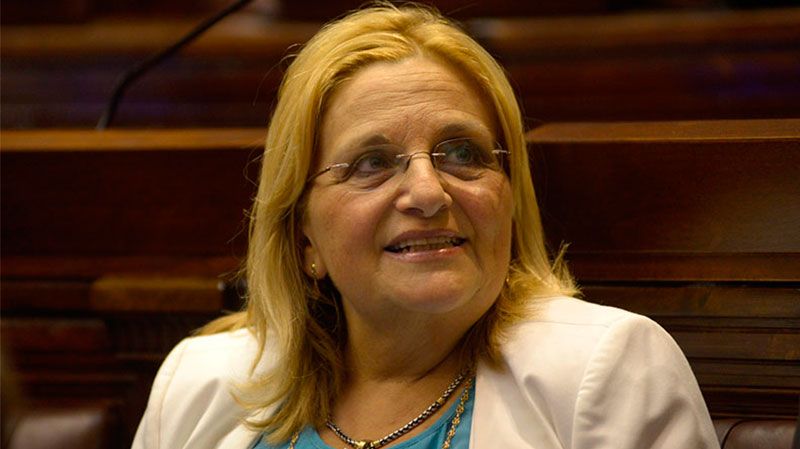

Conrado Rodríguez, a deputy from the Partido Colorado, discussed the implications of a state commitment regarding pension payments.
¿qué dijo el Ministerio de Economía y Finanzas?Uruguay· 2025-04-08


Conrado Rodríguez points out contradictions in the Minister of Economy's statements regarding the country's financial situation.
Gabriel Oddone comparece en comisión de Hacienda y dirigentes políticos explican los motivosUruguay· 2025-04-02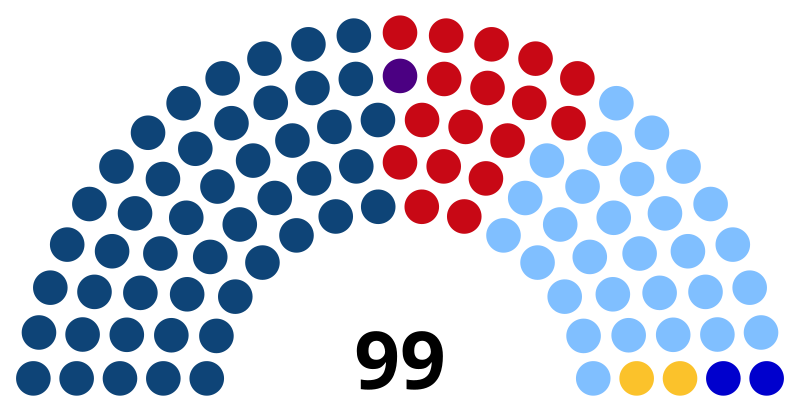
Conrado Rodríguez, a deputy from the Colorado party, expressed opposition to the bill.
el primer proyecto de ley del gobierno de Orsi genera diferencias en DiputadosUruguay· 2025-03-21