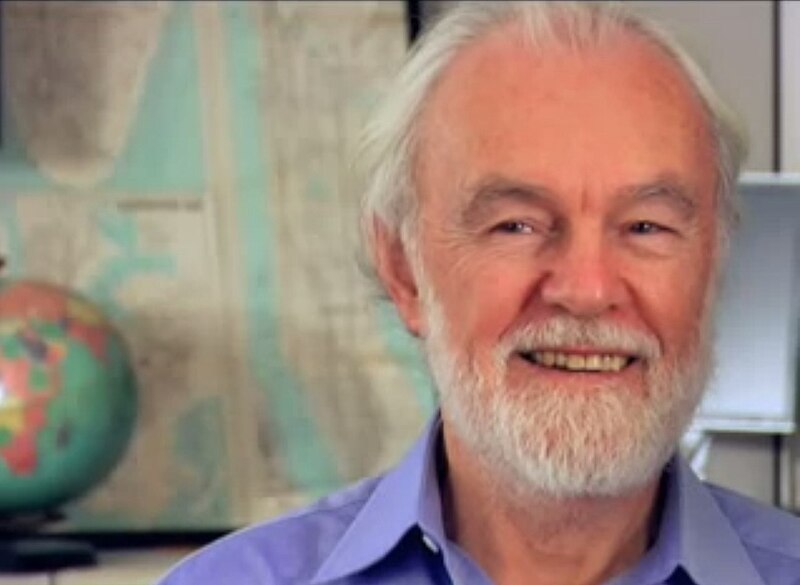
David Harvey
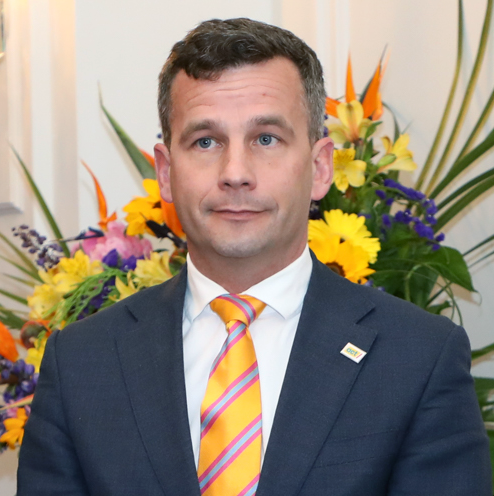
 New ZealandartistMaleb. 19355.0Global Dominance: 0.00%
David Harvey is a prominent British geographer and social theorist, known for his contributions to urban studies, cultural geography, and social justice. He has authored numerous influential books and articles that critique capitalism and advocate for a more equitable society. Harvey's work often explores the relationship between space, place, and social processes, making him a key figure in contemporary geography and critical theory.
Country presence
Recent news mentions
David Harvey is mentioned in the context of discussing the accountability gap in public service.
The accountability gap at the heart of public service – David HarveyNew Zealand· 2026-09-20


David Harvey discusses the implications of the party vote in the electoral process.
Election 2026: What the MMP party vote really decides – David HarveyNew Zealand· 2026-08-09David Harvey, a member of the Westminster Council's executive for housing, stated that the local authority is actively responding to the situation of people sleeping on the streets.
Haos na ulicama popularnog evropskog grada: Profesionalna banda drži stanovnike u strahu Serbia· 2026-07-14
David Harvey, a cabinet member for housing in the Westminster City Council, stated that authorities are actively responding to the situation regarding homelessness.
Jutarnji list - Vapaj iz najluksuznijeg europskog kvarta: 'Ljudi s istoka pretvorili su nam život u pakao!' Croatia· 2026-07-13
David Harvey explains neoliberalism as a political project to strengthen capital owners' power.
Menguatnya Negara dan Ilusi Anti-Neoliberal Indonesia· 2026-07-02



David Harvey discusses the impact of New Zealand's grievance industry on free expression.
New Zealand’s grievance industry is eroding free expression – David HarveyNew Zealand· 2026-06-28

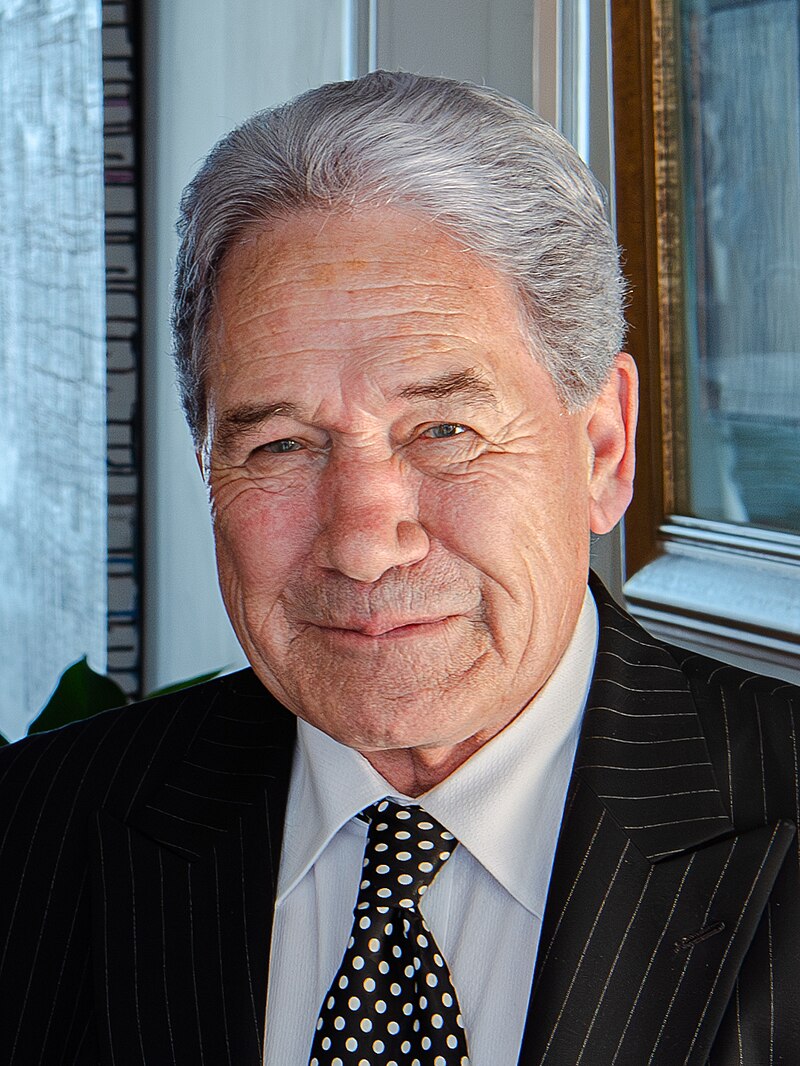

David Harvey is a retired district court judge.
David Harvey: The rules-based international order is dying. What comes next?New Zealand· 2026-02-19
David Harvey's diagnosis about accumulation by dispossession is consistent with the patterns observed in Sumatera.
Bagaimana Publik Menilai Penanganan Bencana oleh PemerintahIndonesia· 2025-12-17
David Harvey's diagnosis of accumulation by dispossession is referenced in relation to the economic impacts of disaster management.
Bagaimana Publik Menilai Penanganan Bencana oleh PemerintahIndonesia· 2025-12-17David Harvey's diagnosis of accumulation by dispossession is referenced in relation to the economic elite's impact on communities.
Bencana Sumatera dan Alarm Reorientasi Pembangunan IndonesiaIndonesia· 2025-12-16
David Harvey discusses the implications of the proposed social media ban in his article.
National’s under-16 social media ban plan clashes with digital reality - David HarveyNew Zealand· 2025-12-10


Retired District Court Judge David Harvey emphasized the importance of Netsafe's independence.
Australia’s under-16 social media ban starts today – how does it work? A Q&ANew Zealand· 2025-12-09




David Harvey of Drummoyne adds that medical and legal bills were often sent in guineas in the 1950s.
Guineas go on, and outgoing words creep in Australia· 2025-11-18



David Harvey has analyzed dispossession in urban territory, advocating for the right to the city.
Karl Marx está vivo (y tiene muchos herederos) | Ideas Spain· 2025-11-09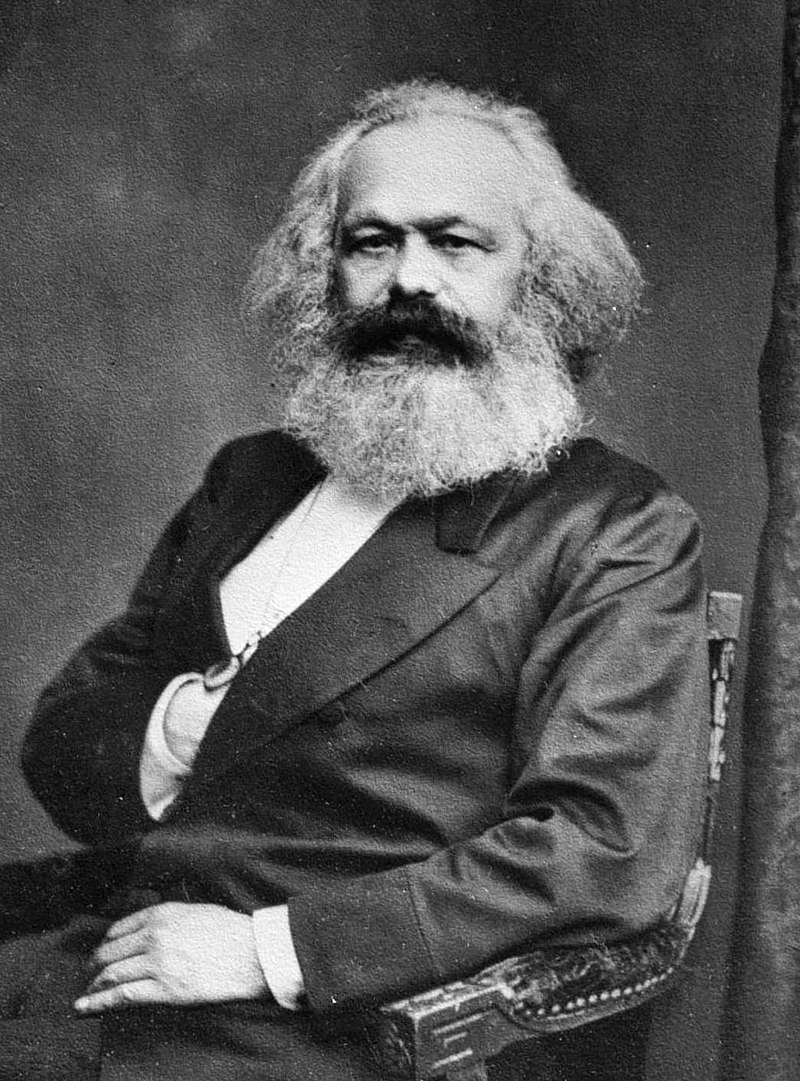


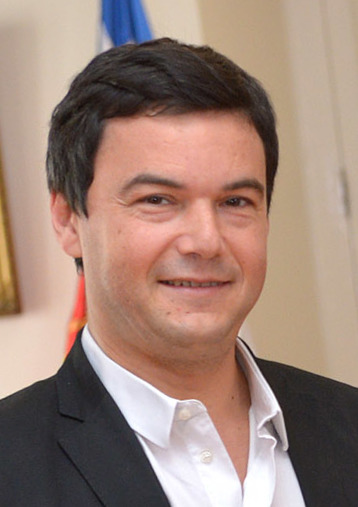



David Harvey is a retired district court judge.
Govt shoplifting plan could erode presumption of innocence – David HarveyNew Zealand· 2025-10-12David Harvey discussed the enforcement issues surrounding takedown orders.
NZ law must catch up with reality on jury trials - Deborah ChambersNew Zealand· 2025-10-05


David Harvey discusses the implications of suppression and non-publication orders in the context of the law.
Suppression, non-publication, injunction and the rule of law – David HarveyNew Zealand· 2025-09-28


David Harvey says that monitoring immigration and crime requires active state intervention and an expanded state apparatus.
Lawlessness & state - Newspaper Pakistan· 2025-09-08
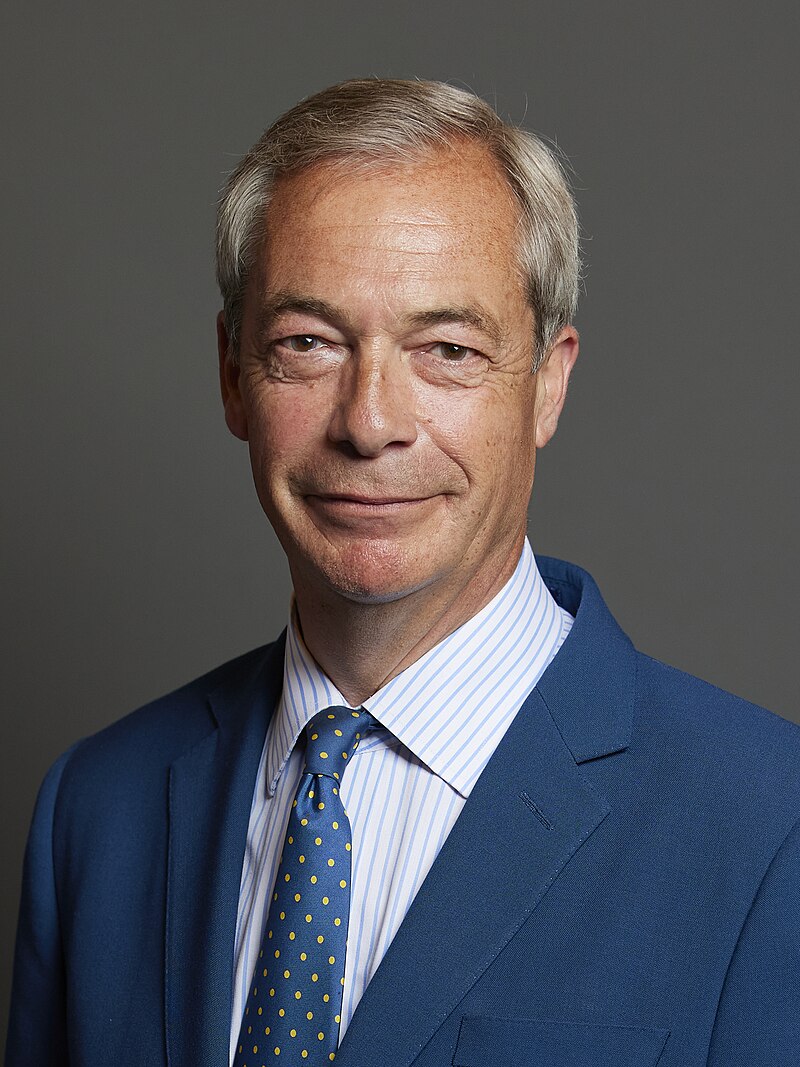
Harvey highlighted the need for collective power of citizens in urban transformation in his journal 'The Right to The City'.
Relasi Kota dan Anarkisme Itu Ternyata EratIndonesia· 2025-09-06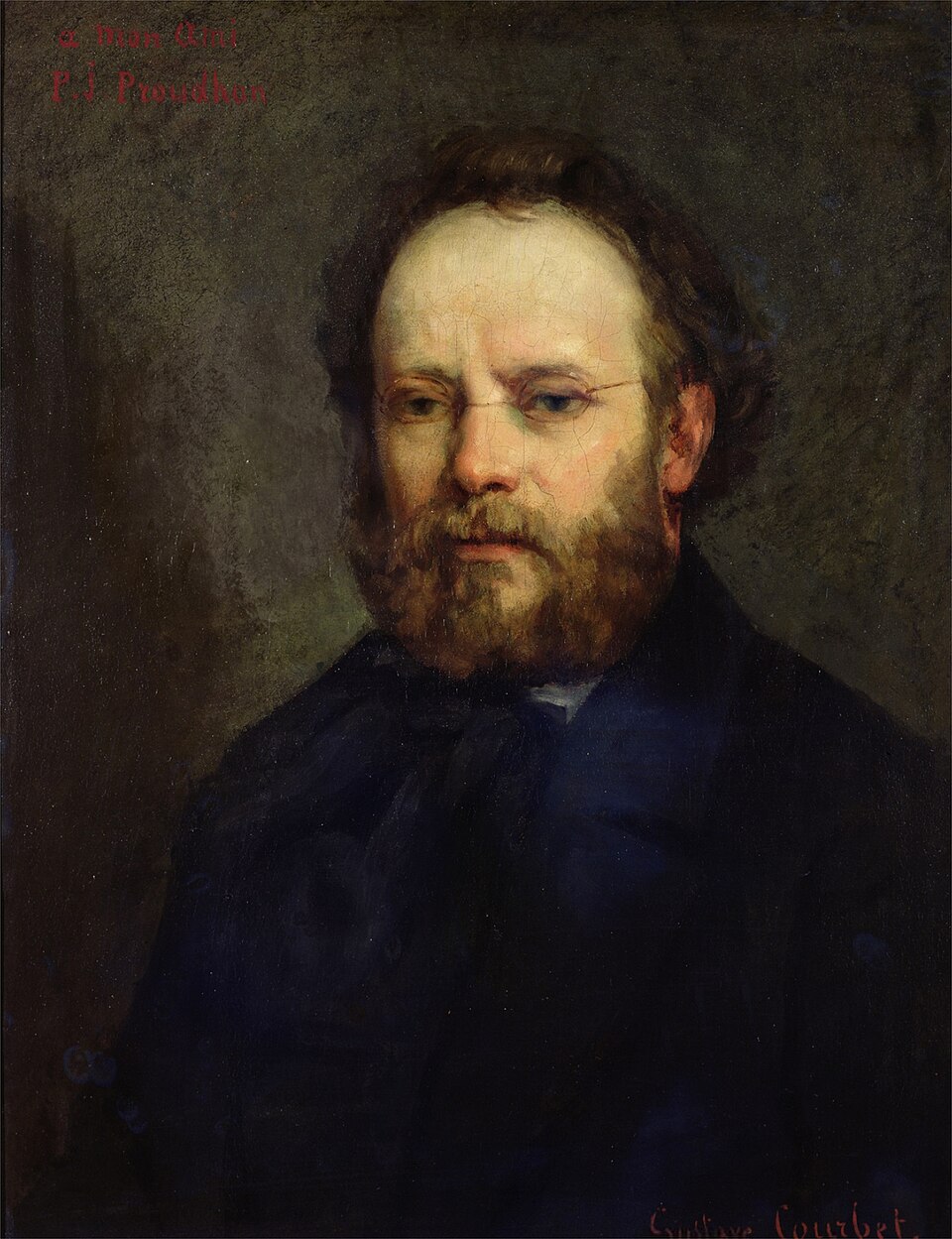
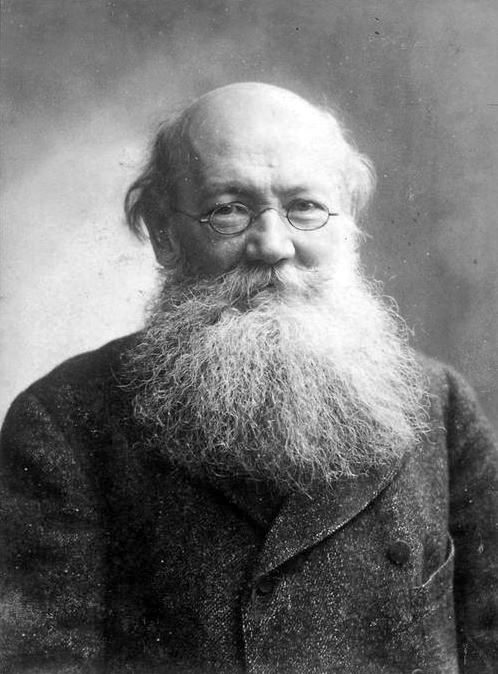
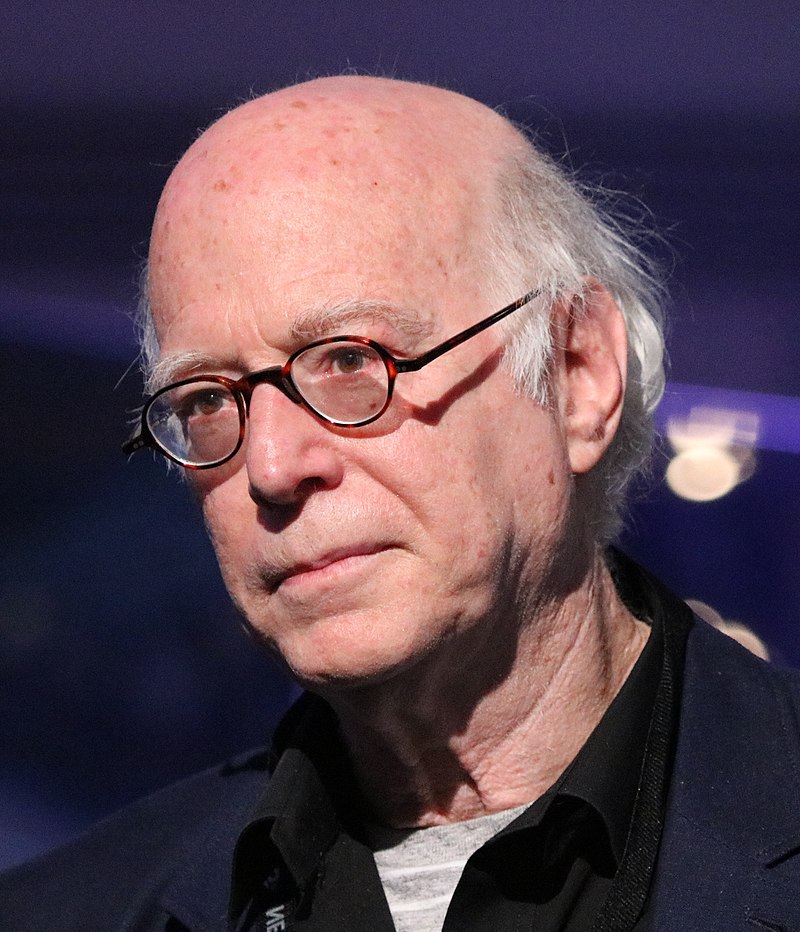
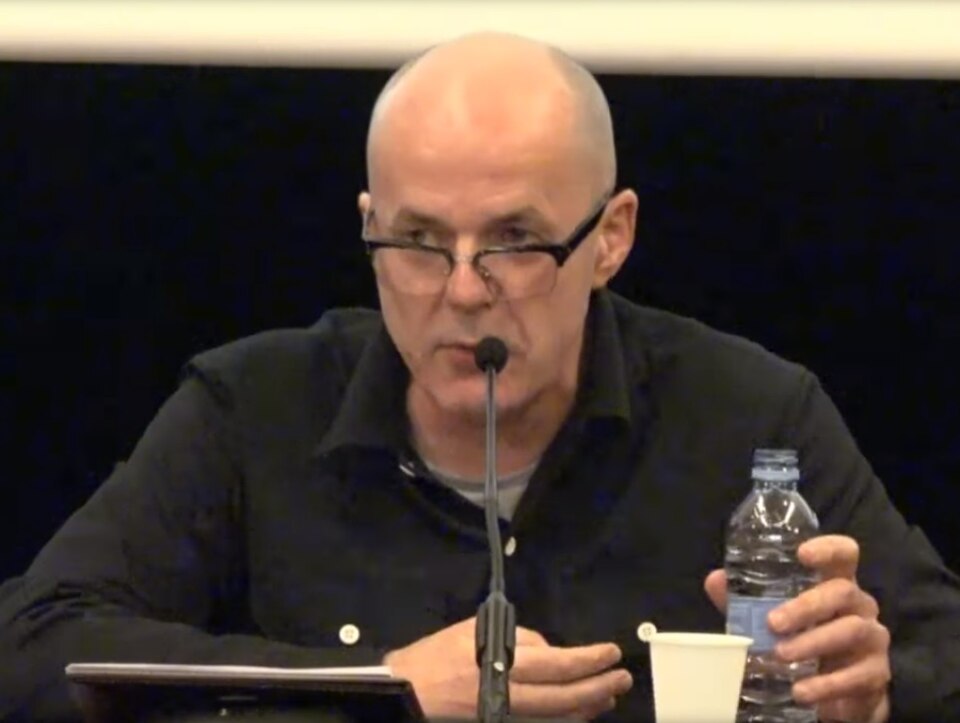


Li Jiaqiao refers to David Harvey in the context of political geography and academic lineage.
什麼人訪問什麼人:以土地為舞台,以權力為劇本:政治地理視角下的香港故事——專訪《供水香港》作者李家翹 - 20250817 - 副刊 - 每日明報 Hong Kong· 2025-08-17


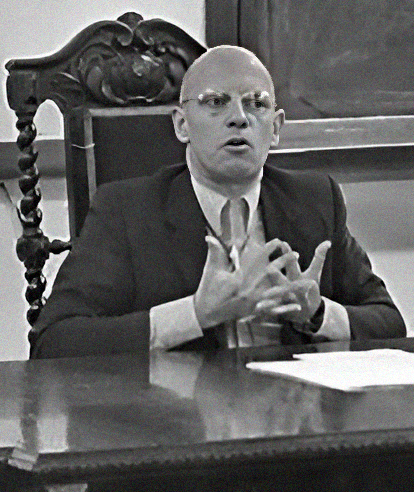
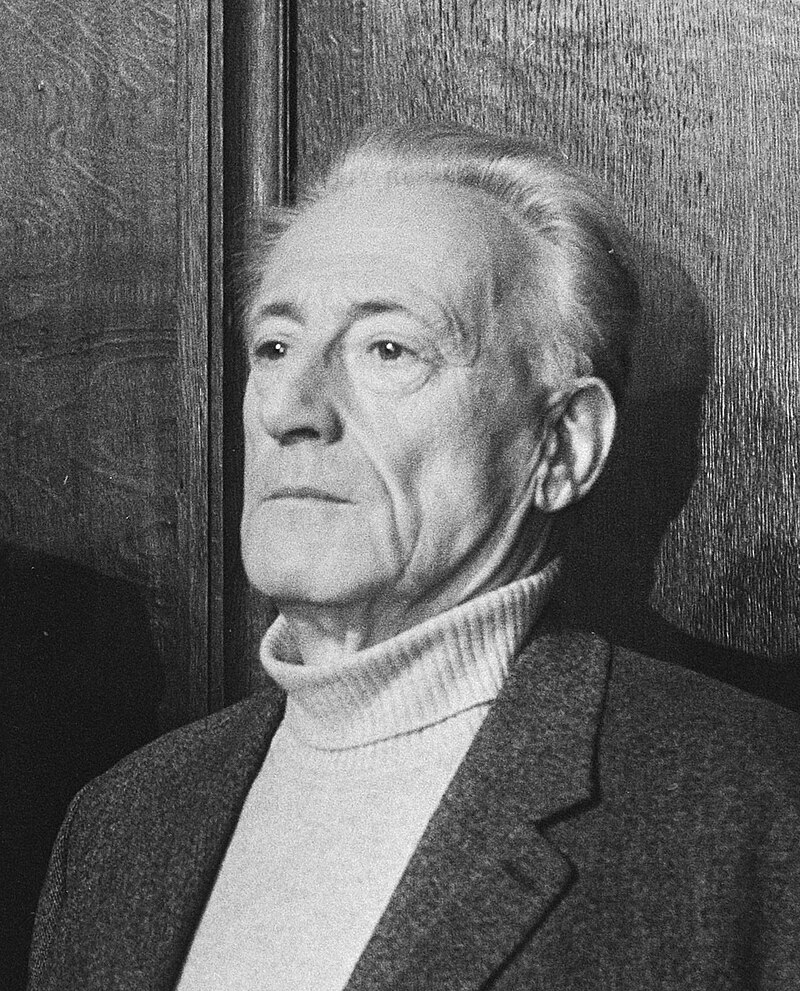
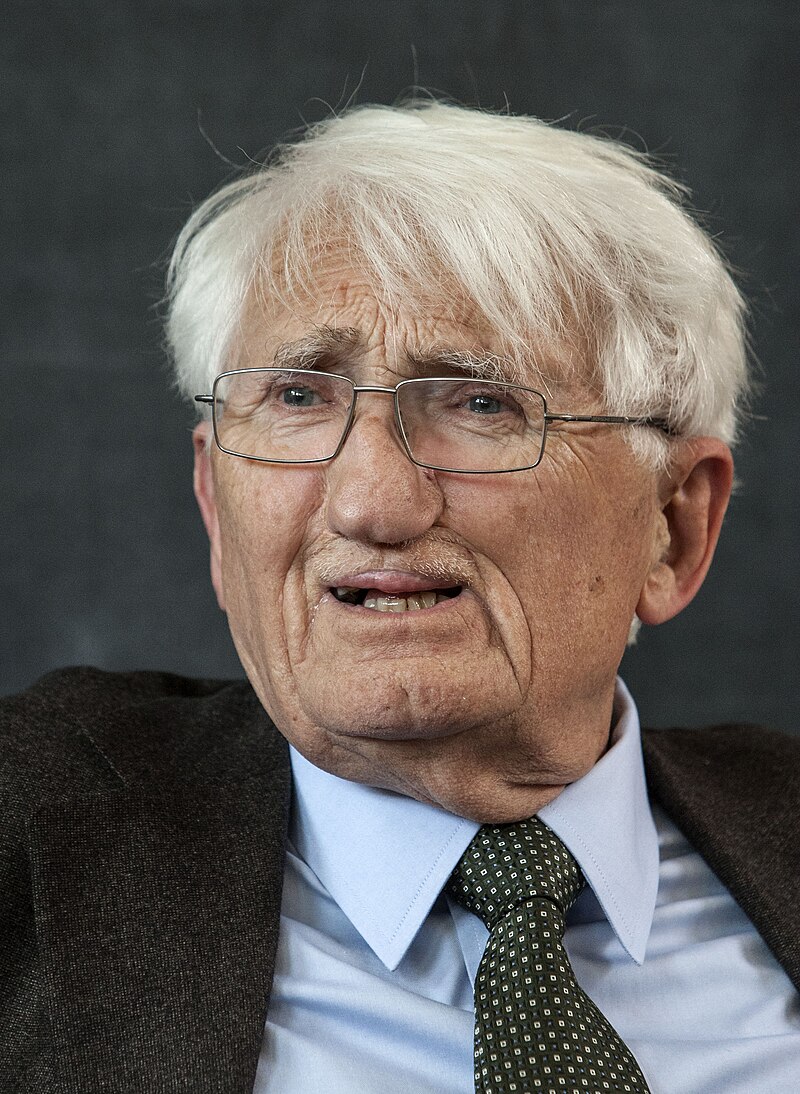
David Harvey is a retired District Court judge and a supporter of the FSU.
Free Speech Union’s bid to reshape InternetNZ: The results are in, with a late twist – Tech InsiderNew Zealand· 2025-08-04





David Harvey is a geographer who suggested community land trusts as a solution to gentrification.
“Hay que tener cuidado de convertir a la ciudad en un hotel”: la gentrificación se hace presente en Ecuador | Ecuador | Noticias Ecuador· 2025-07-16



Jerónimo Montero studied under the British Marxist geographer David Harvey.
‘I don’t want my training to go to waste’: the Argentinian scientists working side jobs amid Milei’s sweeping cuts | Argentina United Kingdom· 2025-07-08





David Harvey is a retired district court judge who discusses the unintended consequences of a proposed social media ban.
The dark web: Why our horror youth suicide numbers demand actionNew Zealand· 2025-05-28

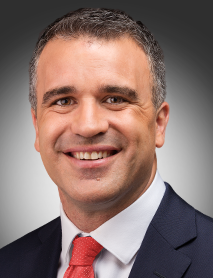
Cheng spoke to retired District Court Judge David Harvey about Goldsmith’s assertion that the 'vibe' from the Government had trickled down and 'changed the message' – and he said Harvey was quite scathing.
Claim crime target met, but violent incidents continue in New Zealand – The Front PageNew Zealand· 2025-04-28


Former District Court Judge David Harvey said he never felt any vibe from the Labour Government telling him to be more lenient in his sentencing.
ANALYSIS: The dramatic fall in victims of violent crime, and the impact of the Government’s ‘vibe’ rather than its policiesNew Zealand· 2025-04-15
David Harvey argues that the state must ensure the proper functioning of the market, even by force if necessary.
Julio César Roca De Castro: Llegan a quitarles la leche a los niños | Columnistas | OpiniónEcuador· 2025-04-12

David Harvey is a retired district court judge.
Should victims control name suppression in sexual offense cases?New Zealand· 2025-04-03Former district court judge David Harvey raised the case of bouncer Jonathan Dixon.
Security guard who leaked Golriz Ghahraman photo fired - after police discoveryNew Zealand· 2025-04-02




David Harvey in Social Justice and the City (2009) highlights how cities often become arenas of conflict between capital interests and the rights of marginalized communities.
Urbanisasi Pasca-Lebaran dan Kemiskinan StrukturalIndonesia· 2025-04-02