
Dmitry Dubynin
Dmitry Dubynin is the General Director of the National Payment Card System (НСПК) in Russia. He has been at the forefront of discussions regarding the security and operational integrity of payment systems, particularly in light of the challenges posed by the expiration of security certificates for Visa and Mastercard chips, effective January 1, 2025. In a recent interview, Dubynin emphasized the need for restrictions on the use of cards with expired security certificates to mitigate security risks and advocated for a return to a model where cards have a defined expiration to enhance payment security.
Not in the pool (under ¢1).
Recent news mentions
Dmitry Dubynin discussed the security risks related to the expiration of international payment system certificates.
В Думе предупредили о росте рисков использования карт Visa и Mastercard — РБК Russia· 2026-01-26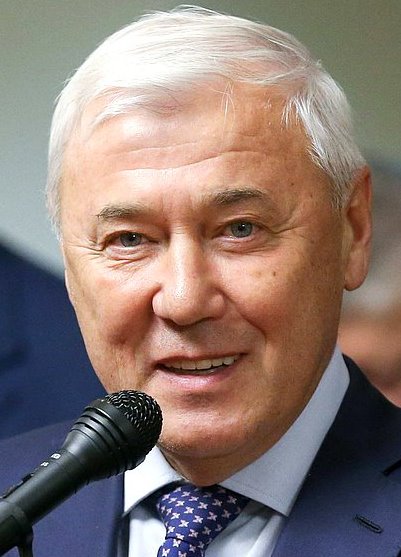
Dmitry Dubynin is the general director of the National Payment Card System (NSPK) who discussed the extension of the 'Mir' cards.
НСПК принял решение по картам «Мир» с истекшим сроком службы — РБКRussia· 2025-12-10Dmitry Dubynin suggested that all banks and major acquirers should be included in the whitelist.
Telegram не попал в перечень доступных при блокировках сервисов — РБКRussia· 2025-11-14
Dmitry Dubynin, the CEO of the National Payment Card System, discussed the launch of new types of QR codes for payments in an interview.
«Мы сделали все, чтобы личность не украли» :: РБКRussia· 2025-10-08Dmitry Dubynin is the general director of NSPK who discussed the new QR code payment systems.
НСПК запустила два новых QR-кода для переводов и платежей — РБКRussia· 2025-10-08



Dmitry Dubynin, the head of the National Payment Card System (NSPK), discussed the expansion of 'white lists' of websites that can continue to operate during mobile internet outages.
Глава НСПК выступил за включение всех банков в белые списки сайтов Рунета — РБКRussia· 2025-10-08Dmitry Dubynin, the CEO of the National Payment Card System, discussed the launch of new types of QR codes for payments in an interview.
«Мы сделали все, чтобы личность не украли» :: РБКRussia· 2025-10-08Dmitry Dubynin is the CEO of the National Payment Card System (NSPK) and discussed the necessity of limiting the use of expired cards due to security risks.
НСПК сообщила об истекших сертификатах безопасности у Visa и Mastercard — РБКRussia· 2025-10-08