
Douglas González
 Guatemalapolitical scientistMale5.0Global Dominance: 0.00%
Douglas González is an independent political analyst known for his insights into Guatemalan politics. He has commented on the recent salary increase for members of Congress, describing it as a strategy used by legislators to improve their public image while failing to address the pressing needs of the population. His analysis highlights the disconnect between the legislative agenda and the expectations of citizens, emphasizing the need for accountability and reform within the government.
Country presence
Recent news mentions
Douglas González is an independent political analyst who discussed the implications of the tax measures in the context of upcoming elections.
estos son los efectos fiscales que anticipan analistasGuatemala· 2026-09-23

Douglas González is an independent analyst who noted the normalcy of changes in government positions.
Relevos en el Gabinete Económico coinciden con el alza de los combustibles y la presión por el costo de vidaGuatemala· 2026-08-10




Political scientist Douglas González noted that the approach between both countries reflects greater cooperation in security matters.
Usace estudia reactivar línea férrea y desarrollar una estación multimodal en IzabalGuatemala· 2026-06-29
Douglas González provided a political perspective on the acquisition of military equipment and coast guard vessels following the lifting of the military embargo.
Ejército alista compra de armamento, cinco aviones y dos guardacostas con apoyo de EE. UU. y CanadáGuatemala· 2026-06-24
Douglas González is an independent political scientist who discussed the potential actions the president could take in response to the violence.
Conflicto de pandillas con el Gobierno pasa de las cárceles a las calles (y qué esperar)Guatemala· 2026-01-19

Douglas González noted that the coordinated chaos in the prison system suggests clear political objectives.
Motines coordinados evidencian sincronización entre grupos de pandillas; analistas advierten de riesgos de más fugasGuatemala· 2026-01-18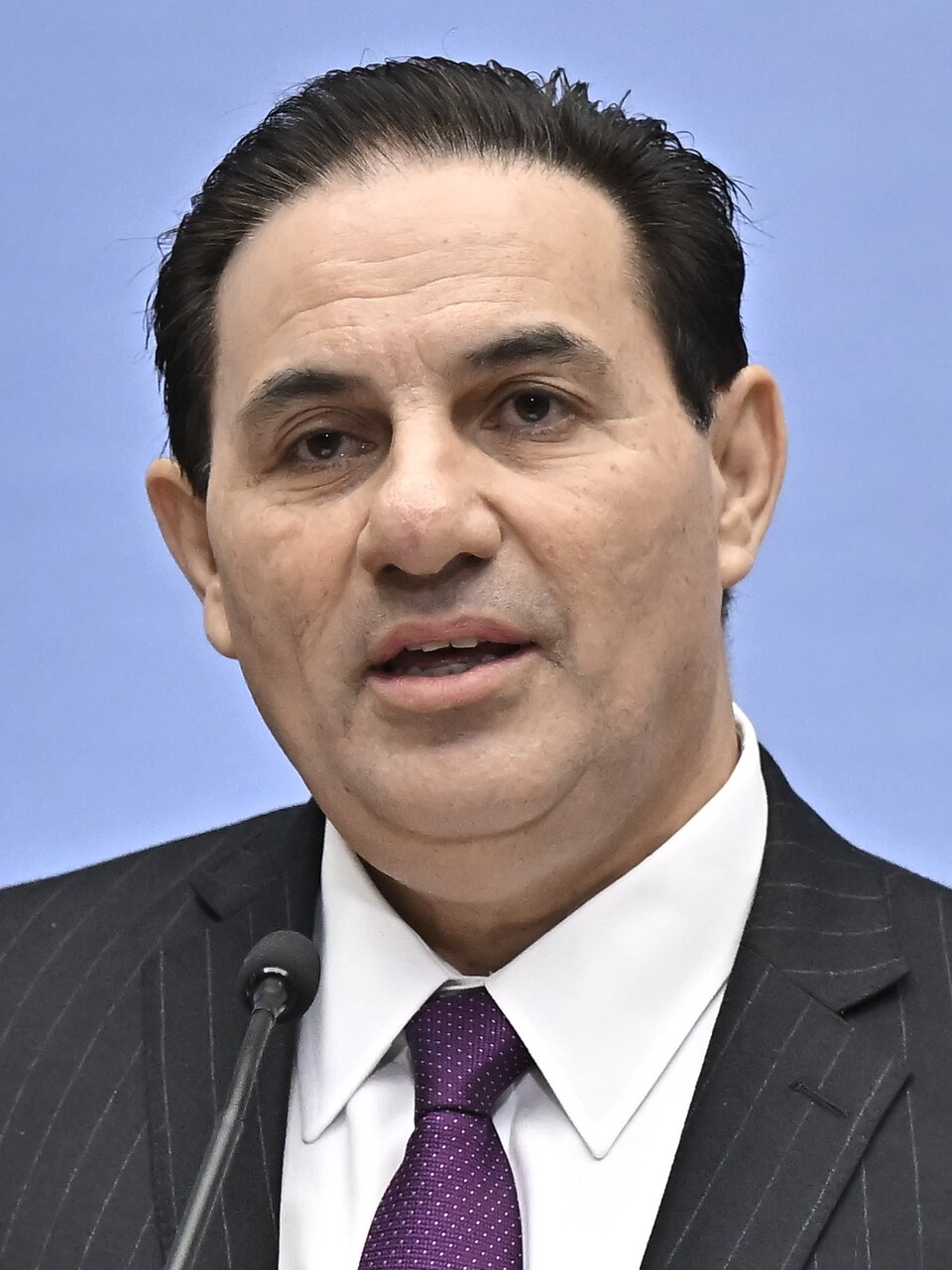


Douglas González, a political analyst, noted that Guatemala's incorporation into CAF should not be seen as an ideological stance but as a strategic move.
Diputados avalan adhesión de Guatemala al Banco de Desarrollo de América Latina CAF con reservas monetariasGuatemala· 2025-12-02

Douglas González is an independent analyst and political scientist who commented on the government's budget intentions.
Comisión de Finanzas plantea cambios leves y reasigna fondos entre ministeriosGuatemala· 2025-11-25
Douglas González provided an analysis of the potential direction of the 2026 budget.
dictamen sobre gasto incluiría más aportes extraordinarios, pese a recomendaciones técnicasGuatemala· 2025-11-10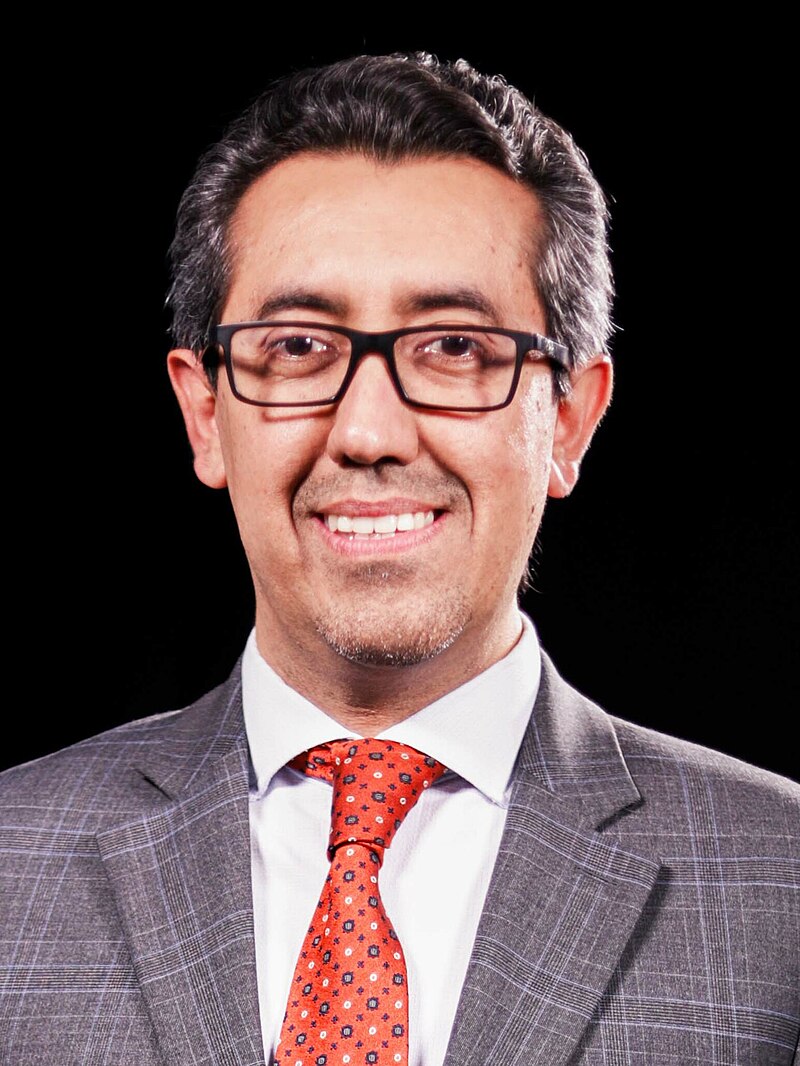
Douglas González is an independent political analyst who discussed the implications of the lack of political operators in Congress.
Sin interlocutor oficialista, ministro Menkos asume negociación presupuestariaGuatemala· 2025-10-08
Douglas González is an independent political analyst discussing the challenges of budget approval.
enfrenta tensiones políticas y clima preelectoralGuatemala· 2025-09-02


Douglas González, a political analyst, pointed out that gangs have escalated their level of organization with divisions of roles and operational capabilities.
No descartan complicidad con Ciacs e insurgencia criminalGuatemala· 2025-08-18

Douglas González is an independent political scientist who commented on the perceived weakness of the TSE and the need for stability.
TSE comienza discusión de presupuesto y traslado de resultados de las elecciones del 2027Guatemala· 2025-04-28
Douglas González notes that several legislators used strategies to mitigate public backlash regarding the salary increase.
Aumento salarial de diputados es calificado como “antidemocrático y autoritario”Guatemala· 2025-04-27