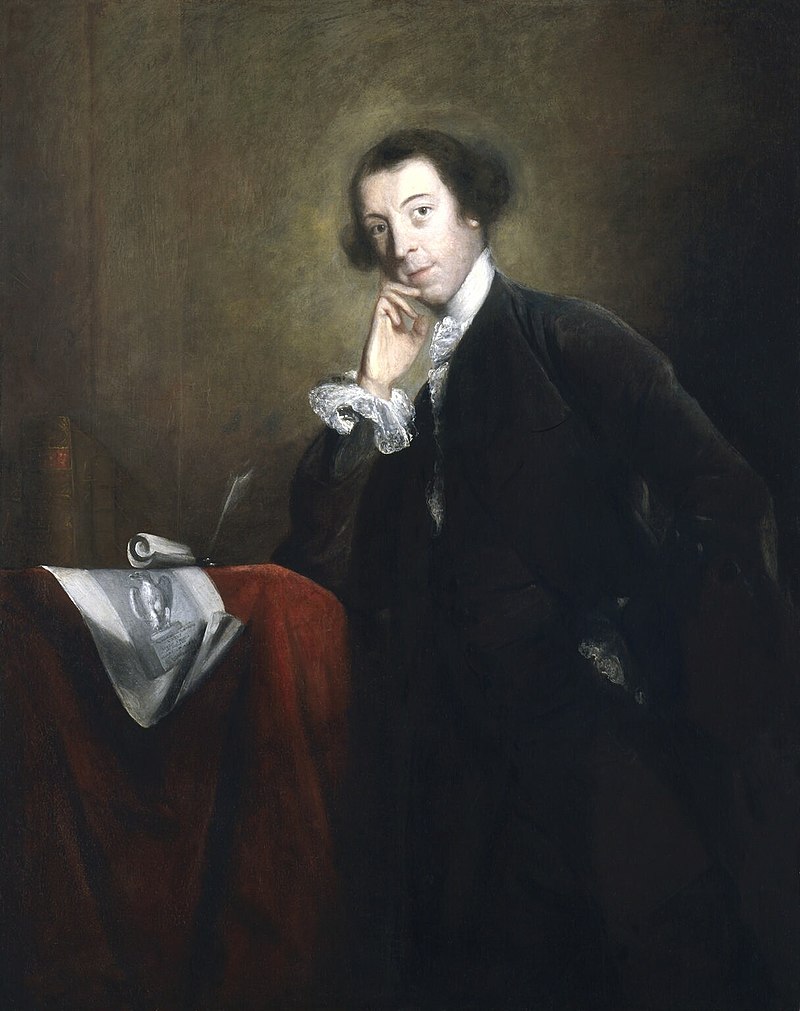
Horace Walpole

Horace Walpole (1717-1797) was an English writer, art historian, and politician, best known for his novel 'The Castle of Otranto,' which is considered one of the earliest examples of the Gothic novel. He was the son of the first Prime Minister of Great Britain, Robert Walpole, and his literary contributions extended beyond fiction to include essays and critiques on art and architecture. Walpole is also famous for coining the term 'serendipity,' which describes the unexpected discovery of something fortunate while looking for something else. His work and ideas have had a lasting impact on literature and the arts, reflecting the complexities of his time.
Global Media Ratings
Countries Mentioned
No country-level mention data available.
Interactive World Map
Each country's color is based on "Mentions" from the table above.
Recent Mentions
 Greece:
Horace Walpole is referenced as a master of the gothic story in relation to the themes of the anthology.
7
Greece:
Horace Walpole is referenced as a master of the gothic story in relation to the themes of the anthology.
7
 Germany:
Horace Walpole invented the beautiful word serendipity for the happy coincidence of finding something not sought after.
9
Germany:
Horace Walpole invented the beautiful word serendipity for the happy coincidence of finding something not sought after.
9