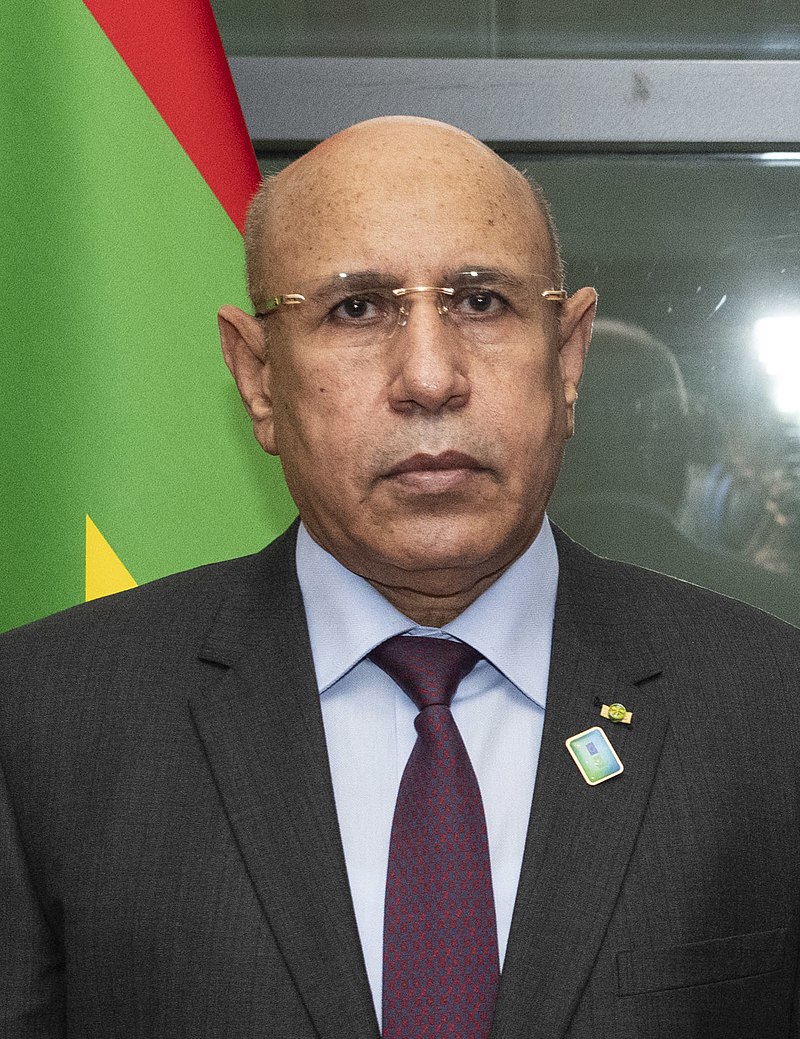
Jamal Ould Mohamed
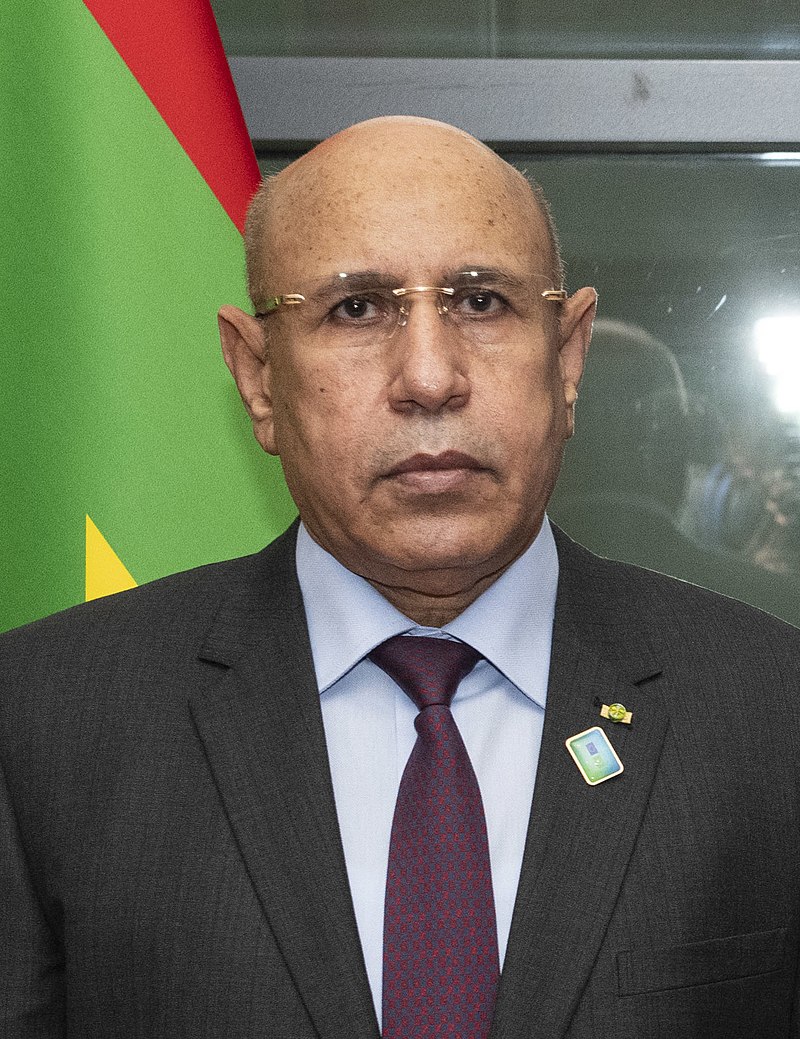
Jamal Ould Mohamed is a prominent Mauritanian politician serving as the president of the Regional Council of Hodh El Gharbi. He is recognized for his leadership in local governance and his commitment to developing the region, focusing on socio-economic projects that benefit the community. Recently, he presided over the council's second regular session for the year 2025, where key financial and developmental issues were discussed.
Not in the pool (under ¢1).
Recent news mentions
Jamal Ould Mohamed appreciated the kind gesture from the President of the Republic.
باسم رئيس الجمهورية والي الحوض الغربي يقدم التعازي لاسرة اهل محمد ولد بيه Mauritania· 2026-06-24
He praised the project, considering it a solution to the water scarcity problem in the benefiting villages.
لعيون: تدشين 59 شبكة مائية وتجهيز 15 بئرا بأنظمة الضخ الشمسيةMauritania· 2026-01-27


Jamal Ould Mohamed is the president of the regional council of the Hodh El Gharbi region.
المجلس الجهوي لجهة الحوض الغربي يعقد دورته العادية الأولى لسنة 2026Mauritania· 2026-01-26He expressed his gratitude to the President for the special attention given to the regions.
وزير الداخلية يفتتح أعمال الدورة الأولى من تكوين اللجان الجهوية لتسيير الحدود في ولايات الحوضين ولعصابهMauritania· 2025-12-16

Jamal Ould Mohamed praised the objectives of the meeting and expressed readiness to continue efforts for development projects.
والي الحوض الغربي يحث المواطنين في بلدية أكجرت على ترسيخ قيم المواطنة ويتفقد بعض المرافق الخدميةMauritania· 2025-12-03
Jamal Ould Mohamed praised the project for its important role in combating unemployment.
لعيون: انطلاق مكونة برنامج مشروعي مستقبلي 2025 على مستوى الحوض الغربيMauritania· 2025-12-03
Jamal Ould Mohamed is the president of the regional council of the Hodh El Gharbi.
المجلس الجهوي للحوض الغربي يعقد دورته العاديةMauritania· 2025-10-30
Jamal Ould Mohamed praised the role of the Food Security Commission in supporting agricultural production.
لعيون: افتتاح ورشة لإطلاق برنامج الصمود الغذائي في وسط وشرق موريتانياMauritania· 2025-10-10

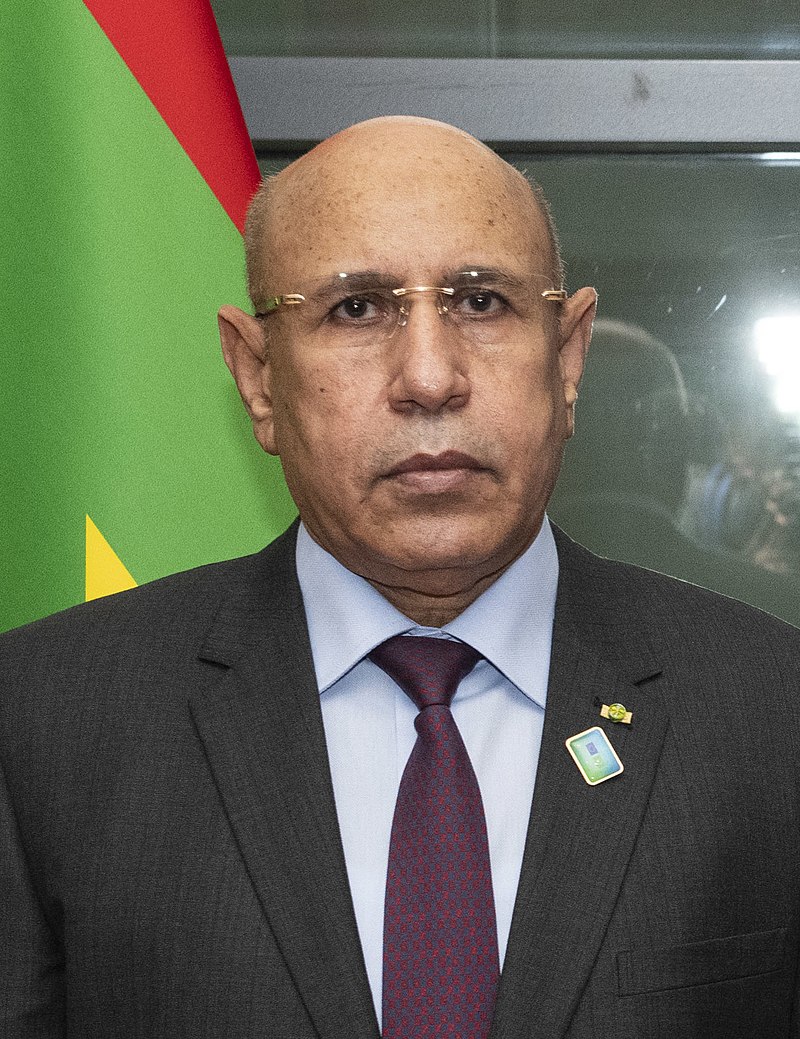

Jamal Ould Mohamed praised the objectives of the meeting as an important step in the developmental path.
لعيون: ورشة لتدارس الإطار التشاوري لتنمية الحوض الغربي في مجال تعزيز الأمن الغذائي والصمودMauritania· 2025-10-09
Jamal Ould Mohamed is the president of the Hodh El Gharbi region who expressed full readiness to support the educational process.
والي الحوص الغربي يدعو للتحضير الجيد لافتتاح العام الدراسي الجديد 2025- 2026Mauritania· 2025-09-26

Jamal Ould Mohamed emphasized the importance of accelerating firebreak road construction during the meeting.
الحوض الغربي: وزير التنمية الحيوانية يبحث مع المنمين والفاعلين التحديات وفرص النهوض بالقطاعMauritania· 2025-09-15
Jamal Ould Mohamed, the head of the Hodh El Gharbi region, emphasized the government's commitment to culture and heritage.
وزير الثقافة يشرف على افتتاح النسخة الرابعة من مهرجان لعيون لتنمية الثقافة والتراثMauritania· 2025-09-13


Jamal Ould Mohamed highlighted the efforts of all those involved in preparing and training the students.
جهة الحوض الغربي تكرم التلاميذ الاوائل في شهادات التعليم الثانوي و أساتذة متميزين في أدائهمMauritania· 2025-09-05Jamal Ould Mohamed stated that climate change is a tangible reality that requires local capacity building.
جهة نواكشوط تنظم ورشة للتحسيس وتبادل الخبرات مع المجموعات المحلية في الحوض الغربيMauritania· 2025-09-02
Jamal Ould Mohamed praised the visit, reflecting the interest of those in charge of the agricultural sector in the farmers.
وزير الزراعة: المصالح الفنية للقطاع في جاهزية تامة لمواكبة المزارعينMauritania· 2025-09-02

He confirmed that the festival's launch reflects the care given to national culture by the President.
افتتاح فعاليات مهرجان تمببه للثقافة والفنون في نسخته الأولىMauritania· 2025-08-31

Jamal Ould Mohamed praised the organization of the festival, highlighting the region's scientific and heritage characteristics.
افتتاح النسخة الأولى من مهرجان تنحماد للثقافة والتراثMauritania· 2025-08-26

Jamal Ould Mohamed highlighted the importance of the workshop and the role of the Food Security Commission.
تنظيم ورشة تكوينية لإطلاع اللجان الجهوية على آليات جمع البيانات المتعلقة بالأمن الغذائيMauritania· 2025-08-22Jamal Ould Mohamed is the president of the Hodh El Gharbi region and expressed support for sports activities.
انطلاق تصفيات بطولة كأس رئيس جهة الحوض الغربي لكرة القدمMauritania· 2025-08-17
Jamal Ould Mohamed, the President of the Hodh El Gharbi region, praised the organization of the cultural event.
افتتاح مهرجان السياحة الخريفية والأسبوع الجهوي للثقافه بلعيونMauritania· 2025-08-17

Jamal Ould Mohamed is the President of the Western Hodh region, praising the new radio station's impact.
تدشين ثلاث محطات إذاعية جديدة بقطبي الإذاعات الحدودية ومناطق الصمتMauritania· 2025-08-17


Jamal Ould Mohamed is the President of the Hodh El Gharbi region who discussed local environmental projects.
اطلاق حملة التشجير والبذر المباشر في مسار الوكالة الوطنية للسور الأخضر الكبير....Mauritania· 2025-08-03


Jamal Ould Mohamed praised the attention given to youth by the President.
انطلاق فعاليات المؤتمر الوطني لتمكين الشباب على مستوى الحوض الغربيMauritania· 2025-07-29
Jamal Ould Mohamed is the president of the regional council of the Hodh El Gharbi.
المجلس الجهوي لجهة الحوض الغربي يعقد دورته العادية الثالثة لهذا العامMauritania· 2025-07-23
Jamal Ould Mohamed highlighted the workshop's importance in response to the President's directives.
ورشة لإعداد الخطة الاستراتيجية للرابطة الجهوية لعمد الحوض الغربيMauritania· 2025-07-18

Jamal Ould Mohamed is the president of the regional council of Hodh El Gharbi.
المجلس الجهوي للحوض الغربي يعقد دورته العادية الثانية لسنة 2025Mauritania· 2025-04-25