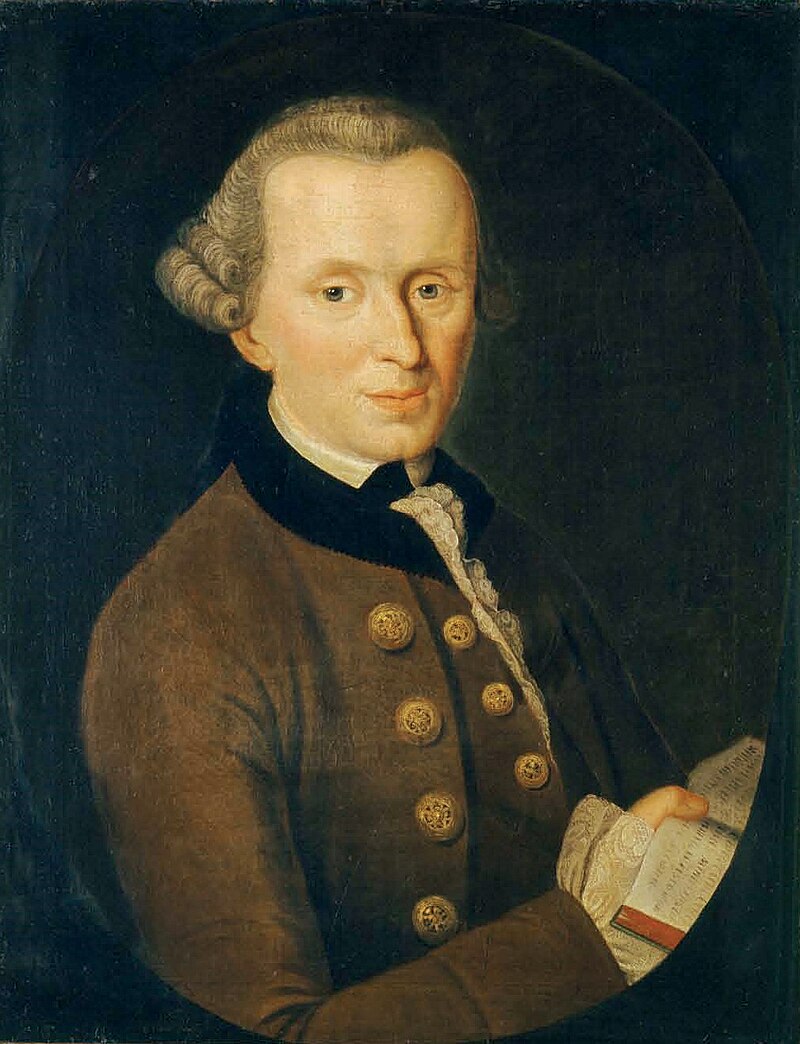
Kant
 RomaniaphilosopherMaleb. 17247.0Global Dominance: 0.00%
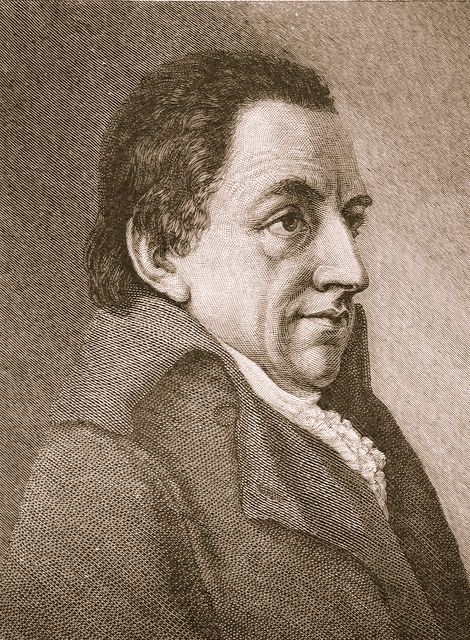
Immanuel Kant was an influential German philosopher in the 18th century, known for his contributions to metaphysics, epistemology, ethics, and aesthetics. His work, particularly 'Critique of Pure Reason,' sought to reconcile the rationalist and empiricist traditions in philosophy. Kant's moral philosophy, centered around the concept of the categorical imperative, has had a lasting impact on ethical theory and continues to be a fundamental aspect of modern philosophical discourse.
Country presence
Recent news mentions
Kant a mutat centrul de greutate spre datorie și autonomie morală.
Morala dincolo de reguliRomania· 2026-09-13


Kant's concept of practical reason emphasizes the importance of moral deliberation.
Syarat Konsolidasi Demokrasi Indonesia· 2026-07-08


Kant's influence is noted in the principles outlined in Claude's constitution.
el debate Karp vs. Claude Argentina· 2026-01-30


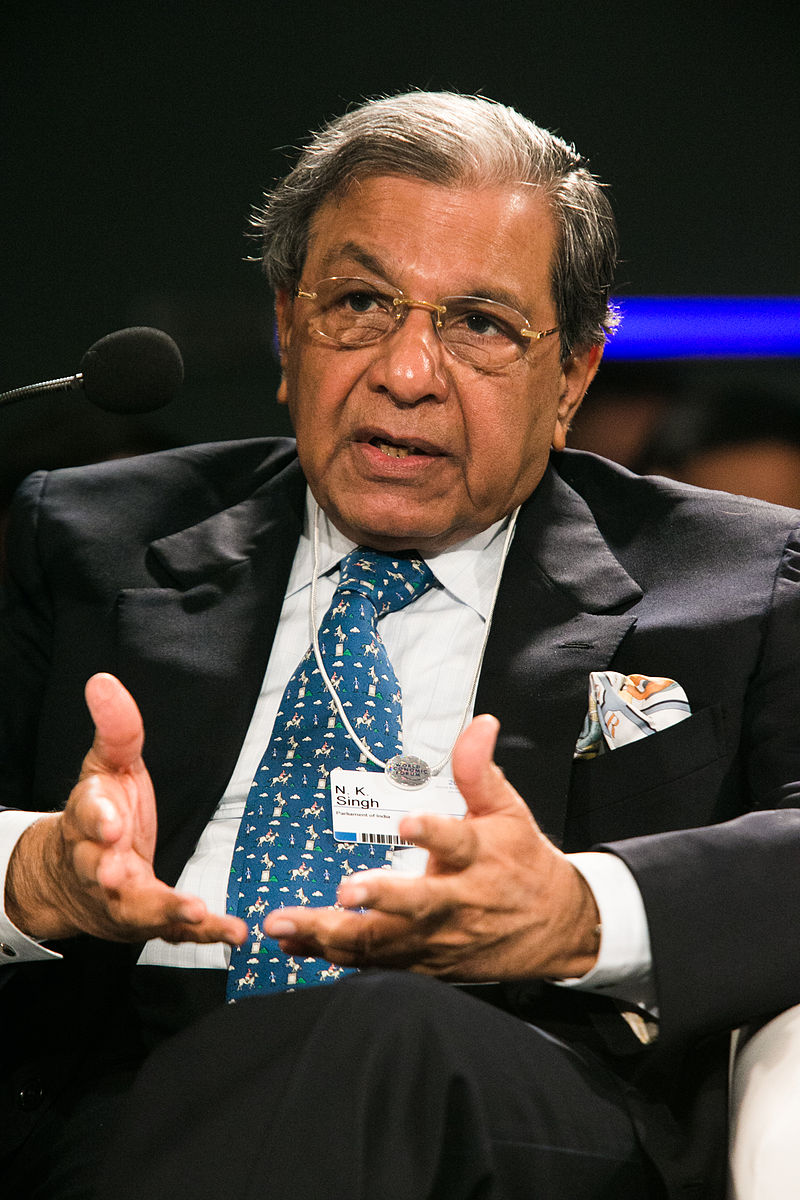
CJI Kant emphasized the importance of High Courts as guardians of citizens' rights.
Magistrate cannot be a judge in his own cause: Supreme Court | India News India· 2026-01-26
Sartre critiques Kant's notion of autonomy, arguing against universal values.
Sartre e os Dilemas da Existência Cabo Verde· 2025-12-21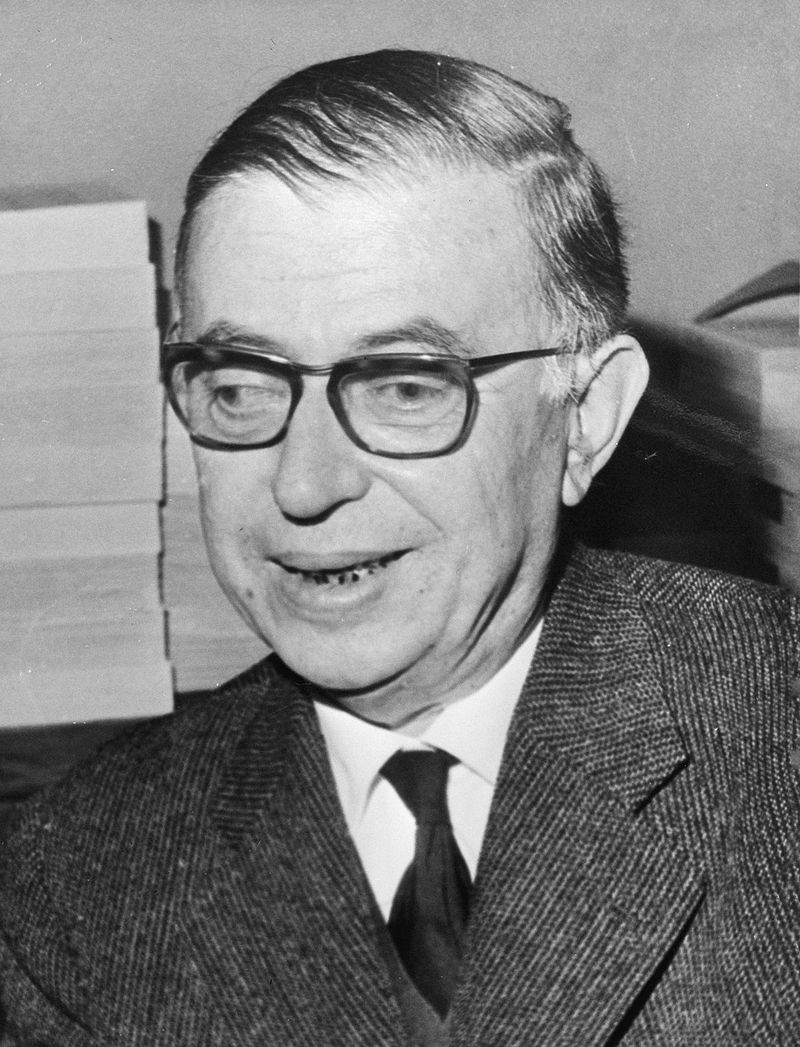

Kant is mentioned in relation to the moral challenges faced by democracies.
Vicios ordinarios | Opinión | EL PAÍS Spain· 2025-12-14




Kant proposed that all philosophy can be summarized in four questions.
Necesitamos más filósofos | OpiniónSpain· 2025-12-13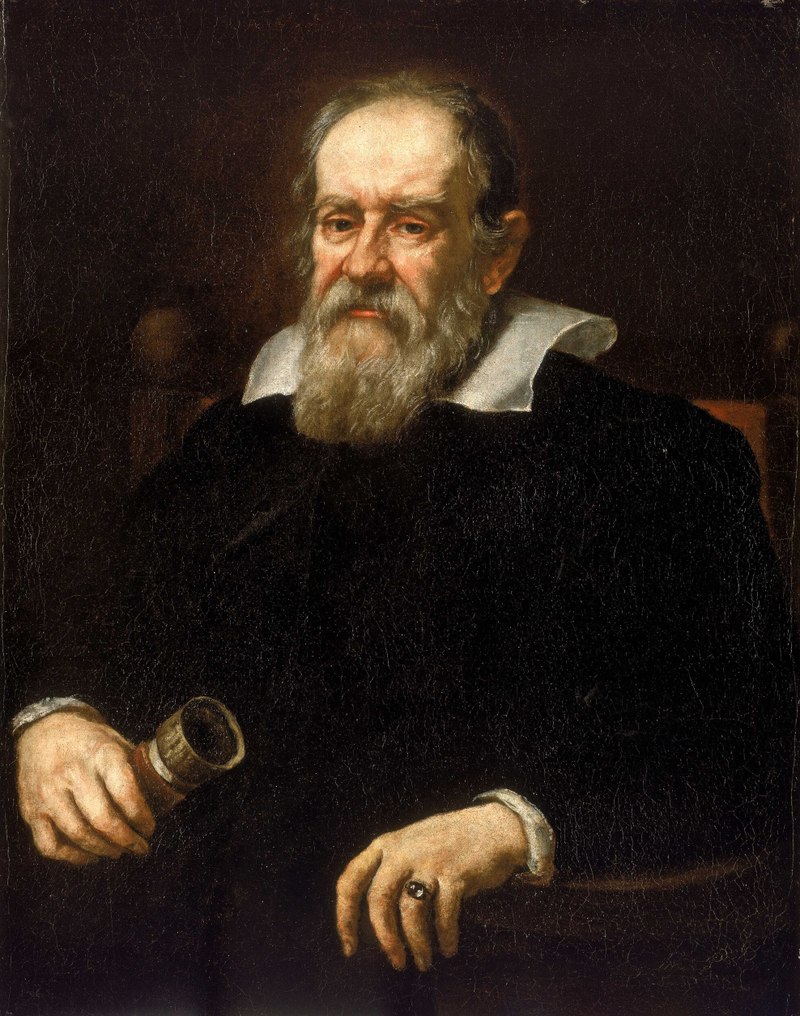


CJI Kant is involved in directing the CBI to investigate digital arrest scam cases.
SC orders CBI probe into ‘digital arrest’ scam cases | India NewsIndia· 2025-12-01
CJI Kant emphasized the social responsibility of comedians to support individuals with disabilities.
'Social burden, not penal': SC tells Samay Raina, 3 comics to platform disabled achievers - what court said | India NewsIndia· 2025-11-27
Kant is referenced for his ideas on autonomy and moral action.
Index - Tudomány - Három hónapon belül felmondok az Indexnél Hungary· 2025-10-17


Pere Lluís Font has edited and translated Kant's works.
Pere Lluís Font Andorra· 2025-06-11

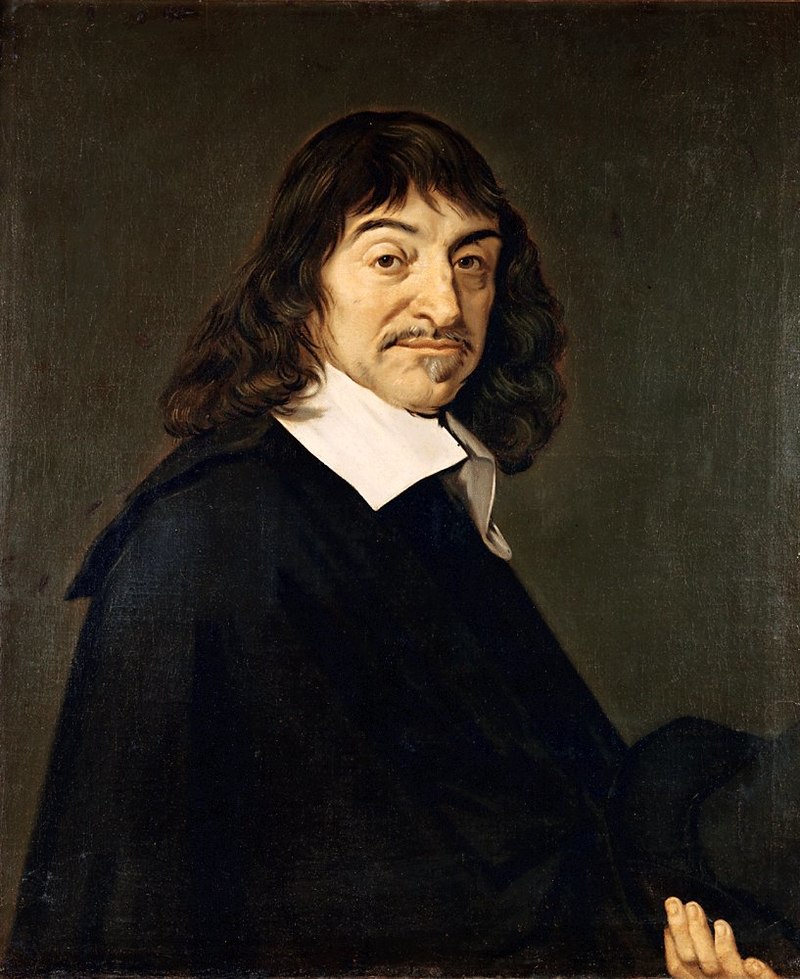

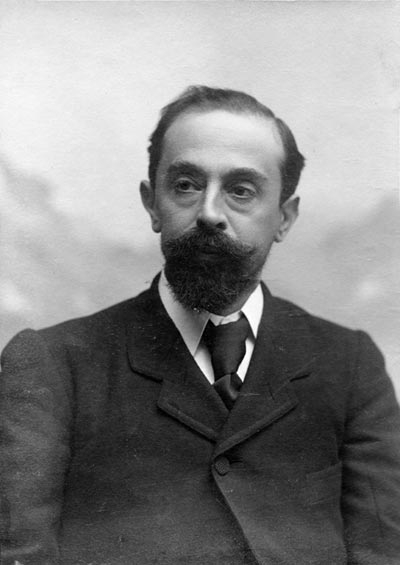
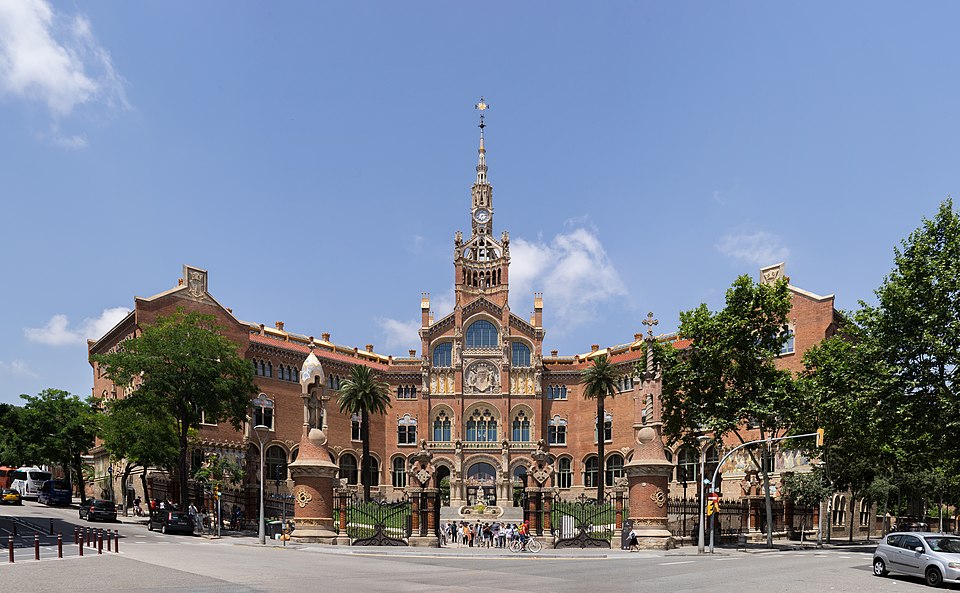
Kant is included among the influential thinkers that shape the views of cardinals.
Que pensadores fazem a cabeça dos papas nos assuntos terrenos ou espirituais? Liechtenstein· 2025-05-07
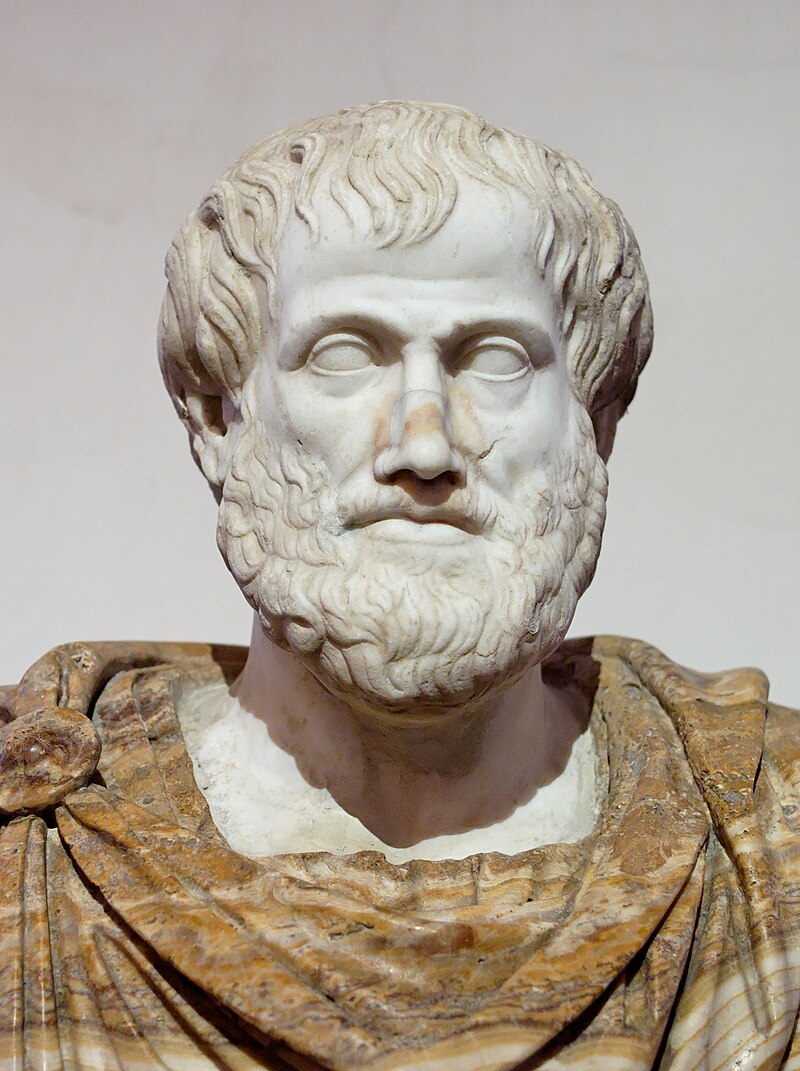


El idealismo de Kant, el empirismo de Locke, así como la ilustración de Voltaire y Rousseau.
La Edad Digital: el oscurantismo informativo del siglo XXI Venezuela· 2025-04-30

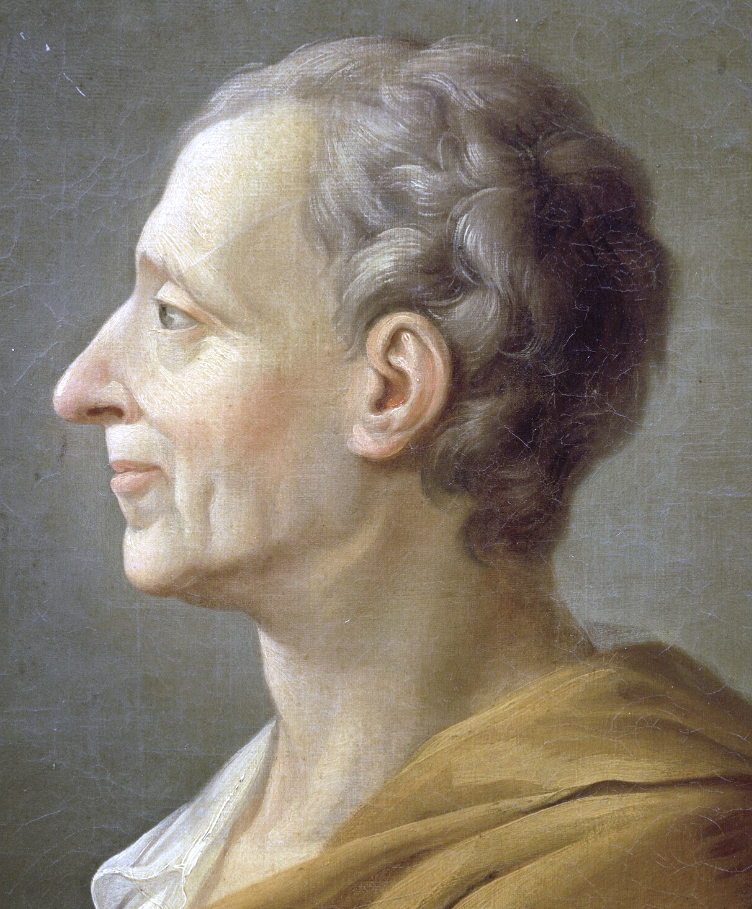

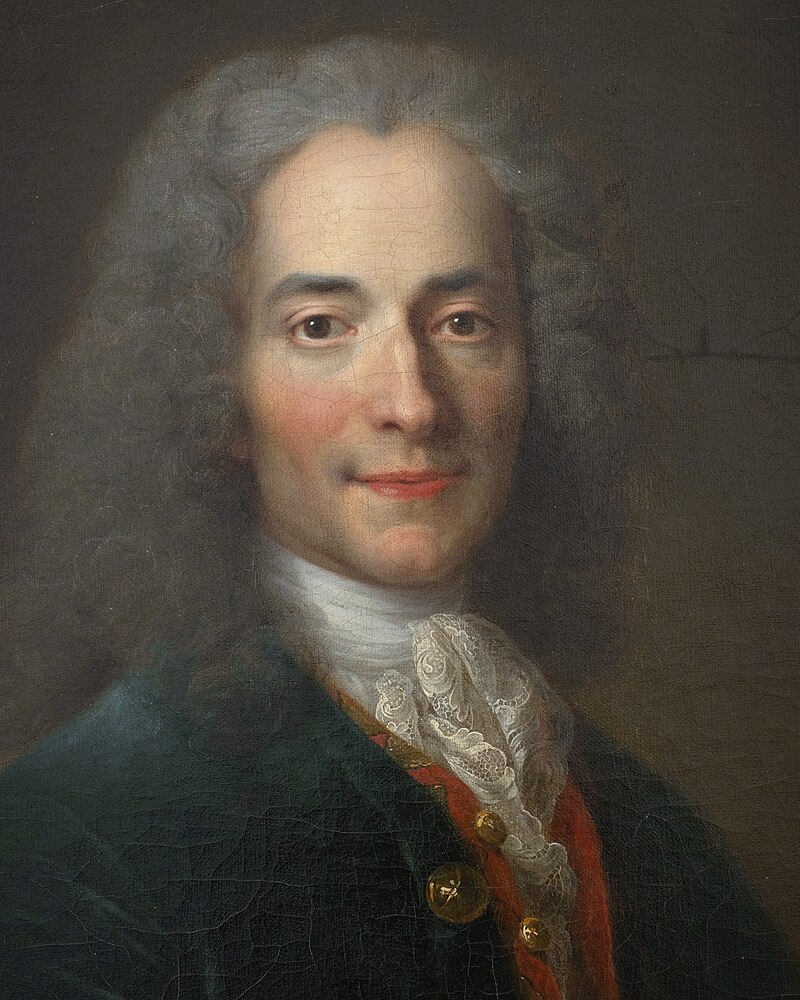
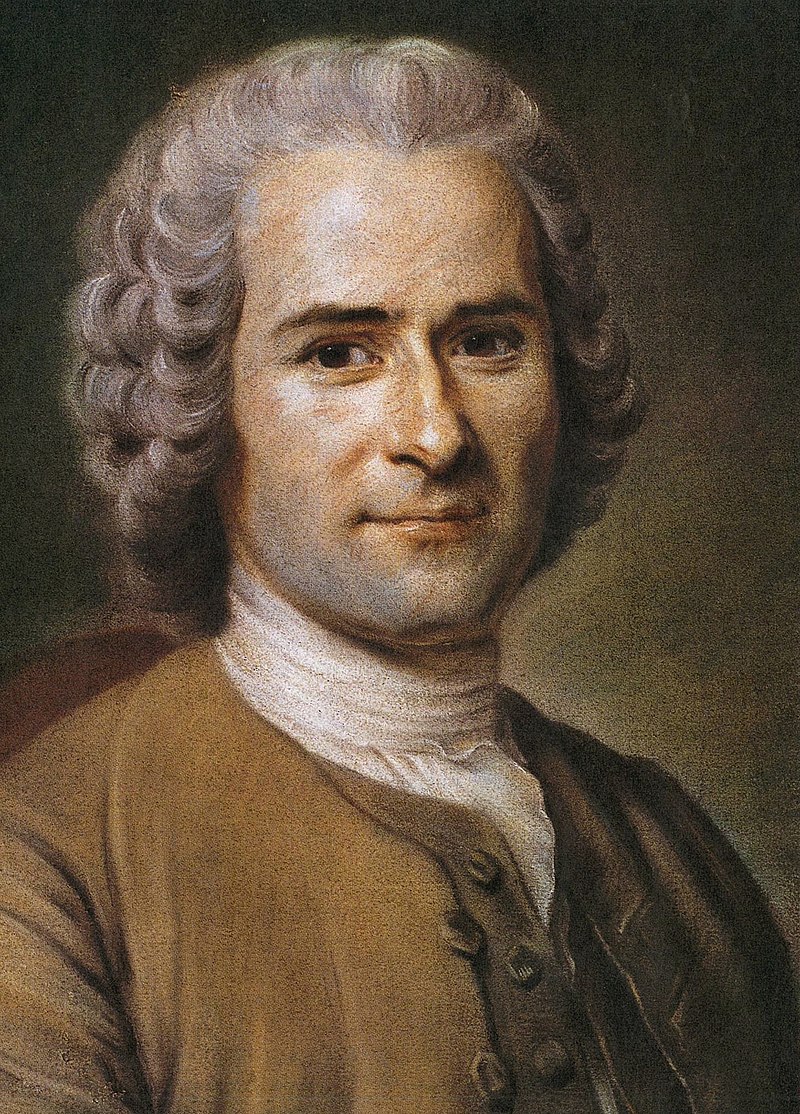
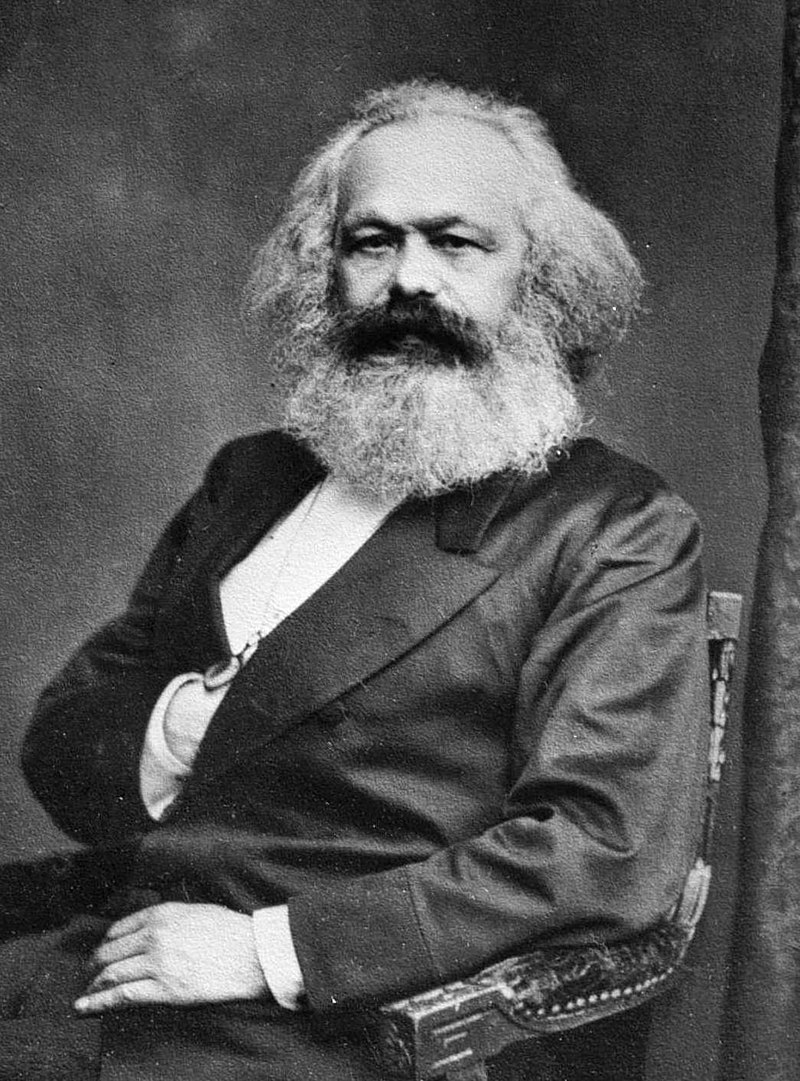
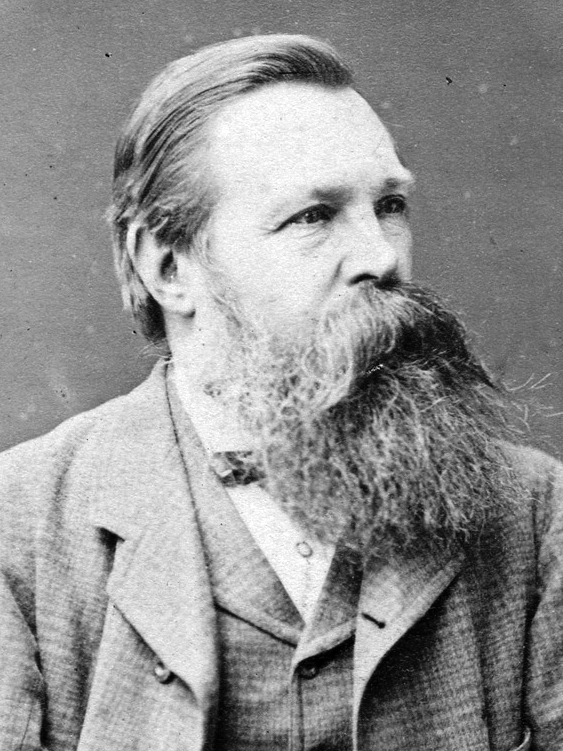
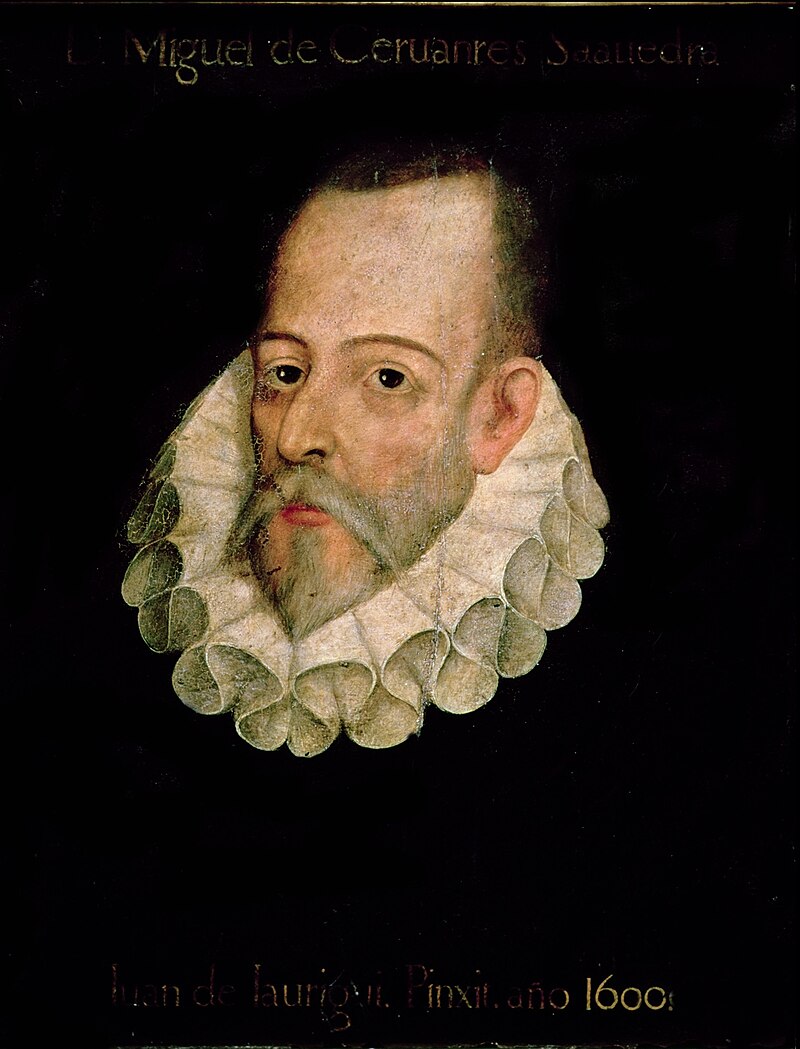
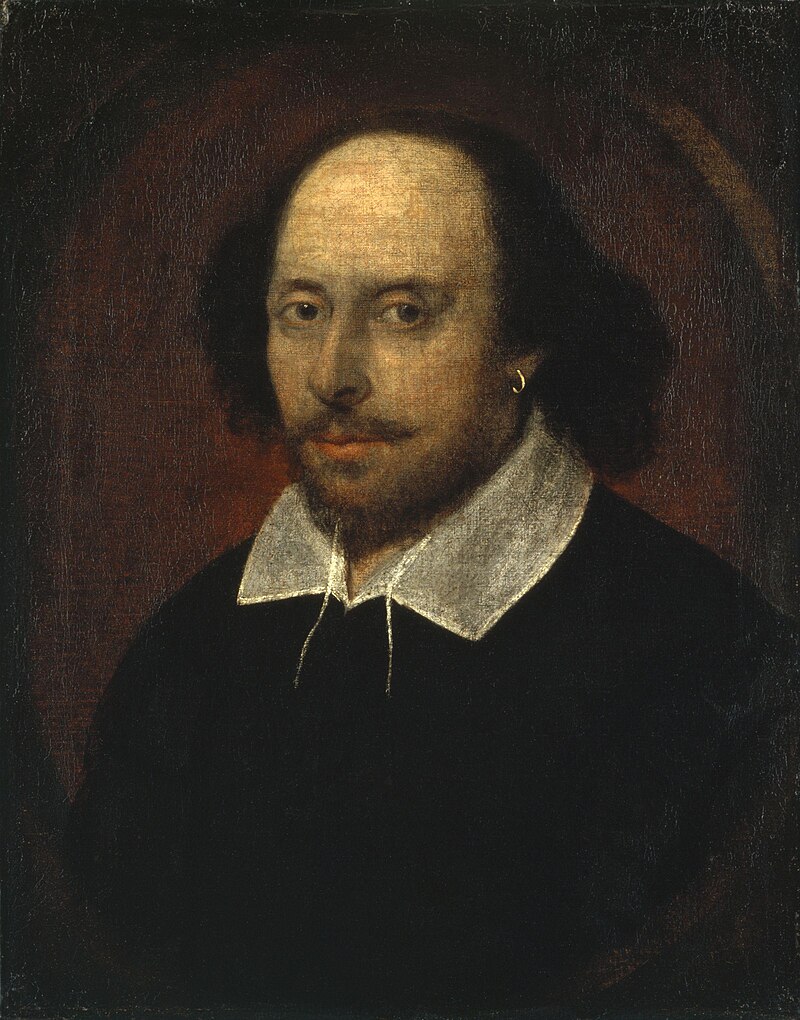
Kant is mentioned among the illustrious thinkers.
Big bang, naturaleza y humanidadVenezuela· 2025-03-19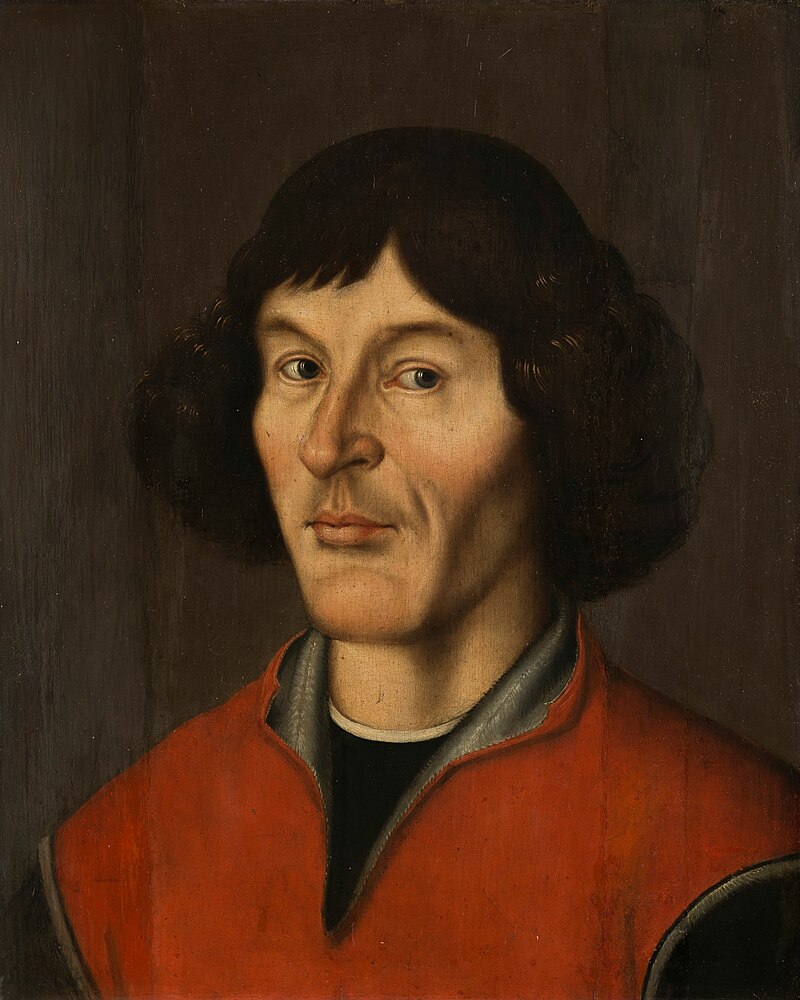
Kant's categorical imperative is mentioned as part of the rationalist crisis.
La moral de la amoralidadVenezuela· 2025-02-20