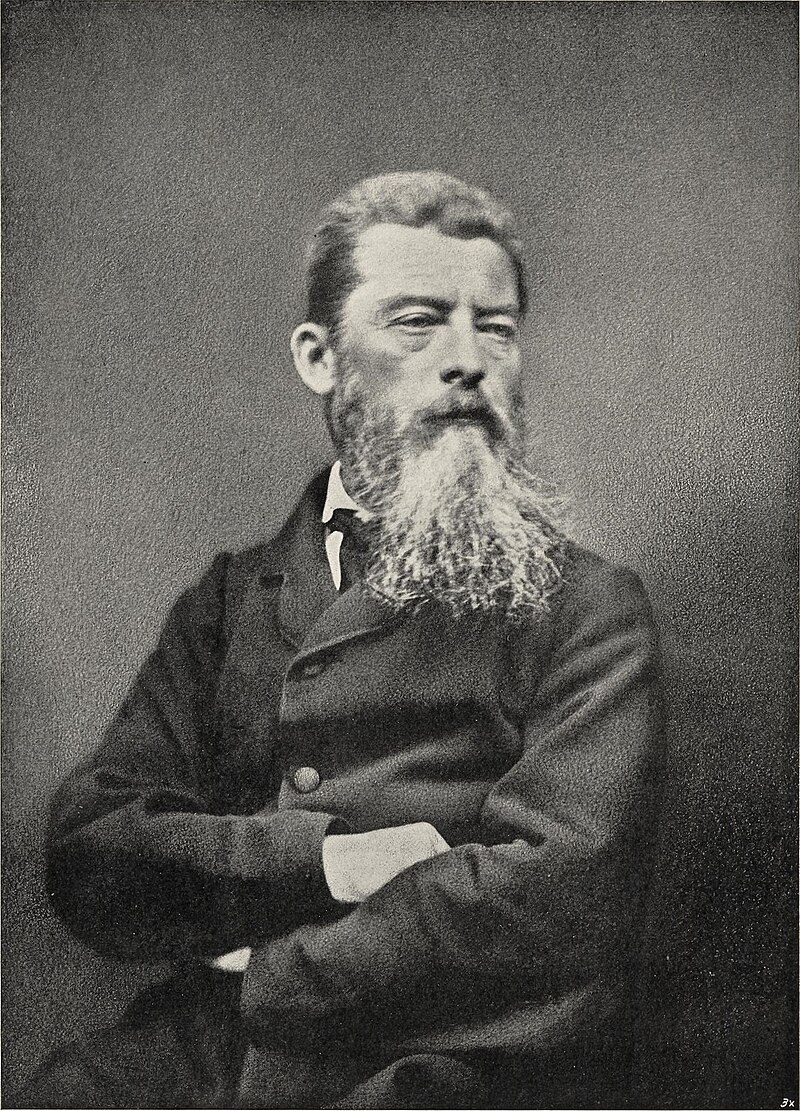
Ludwig Feuerbach
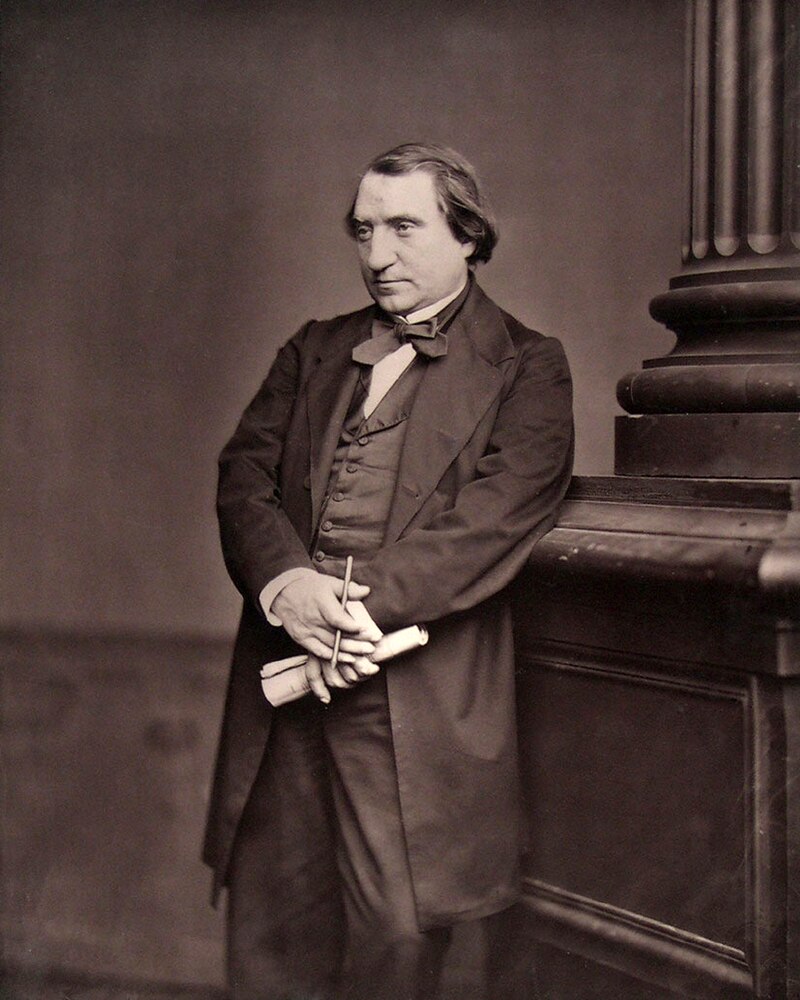
Ludwig Feuerbach (1804-1872) was a German philosopher and anthropologist best known for his critique of religion and his influence on the development of humanism and materialism. He argued that the concept of God is a projection of human qualities and desires, emphasizing the importance of human experience and sensuousness in understanding existence. Feuerbach's ideas laid the groundwork for later thinkers, including Karl Marx, and he is often associated with the philosophical movement known as 'Young Hegelianism'. His works, particularly 'The Essence of Christianity', challenged traditional religious beliefs and contributed to the secularization of Western thought.
Not in the pool (under ¢1).
Recent news mentions
Ludwig Feuerbach is noted for his fundamental importance in Augias's conception of spirituality.
Corrado Augias, l'autobiografia del giornalista: il libro con il «Corriere» Italy· 2026-08-07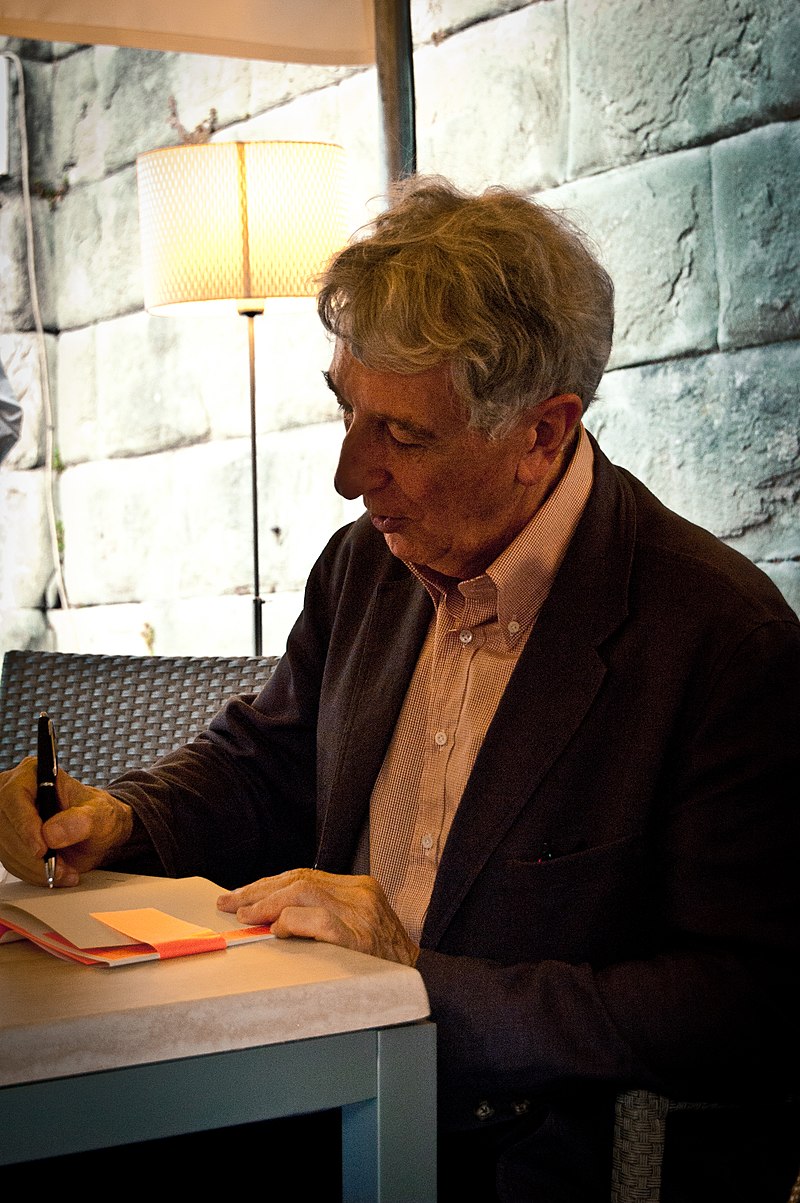

Ludwig Feuerbach is mentioned as a philosopher who contributed to the idea that 'we are what we eat'.
Solène, Kelezatan dari Selatan Perancis Indonesia· 2026-07-25

Ludwig Feuerbach is mentioned as a philosopher who contributed to the idea that 'we are what we eat'.
Solène, Kelezatan dari Selatan PerancisIndonesia· 2026-07-25Ludwig Feuerbach is referenced in the context of a conversation between John Ames and Boughton about Christianity.
Marilynne Robinson: El cuarteto de Gilead Venezuela· 2025-03-30


Ludwig Feuerbach's quote about being what we eat is referenced to emphasize the importance of food labeling.
Editorial: El derecho a saber lo que comemos Costa Rica· 2025-03-19