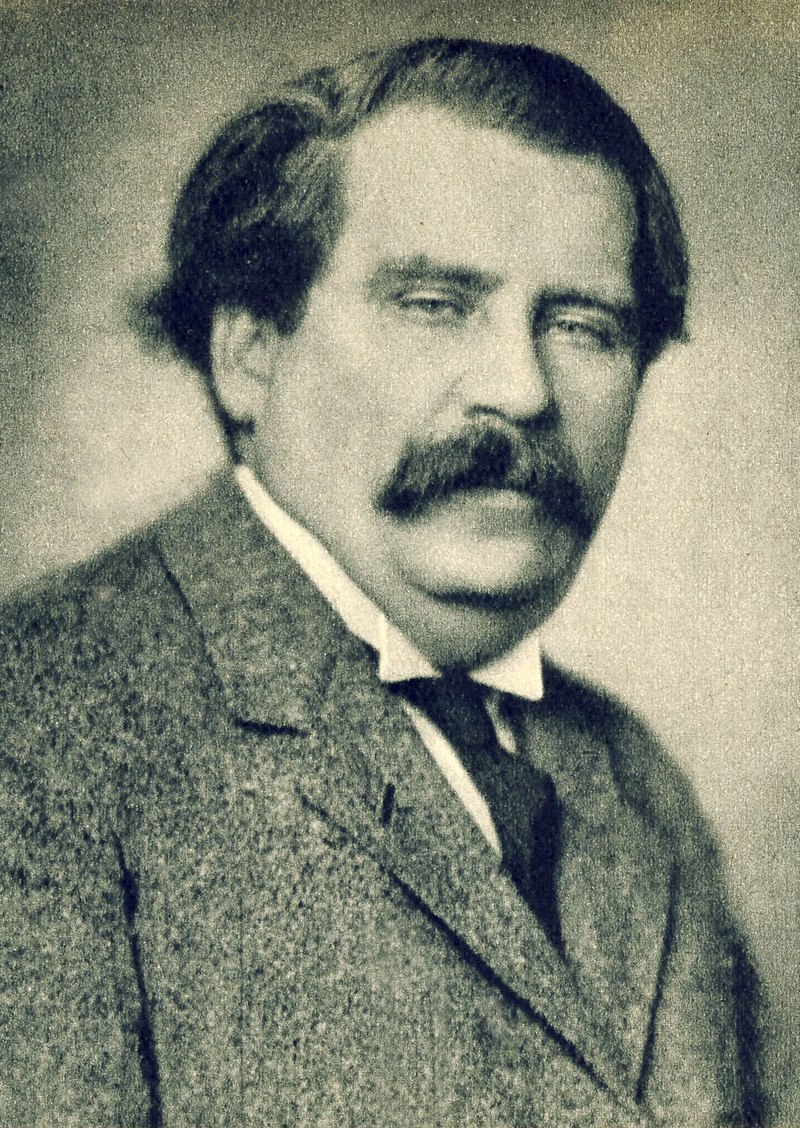
Móricz Zsigmond
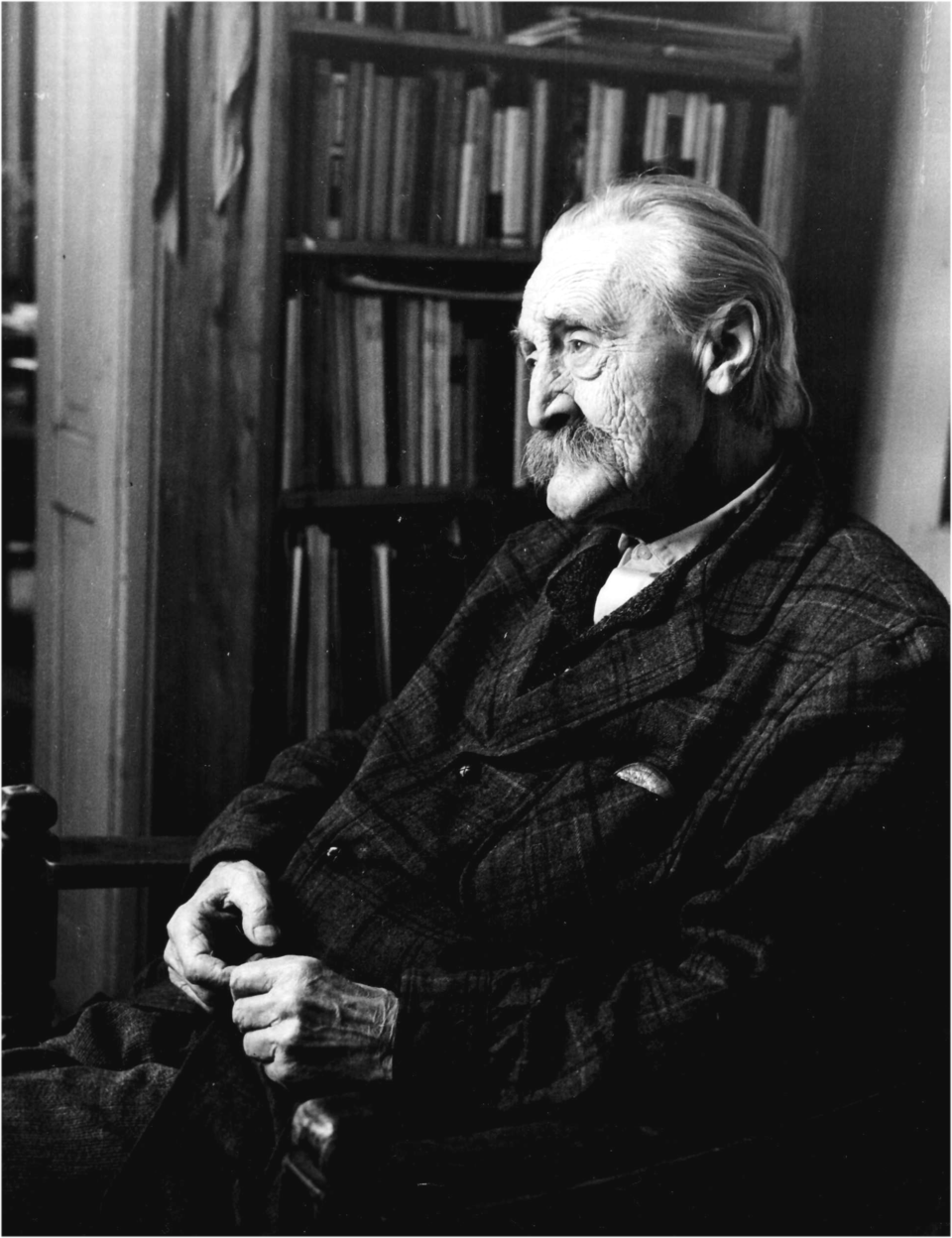
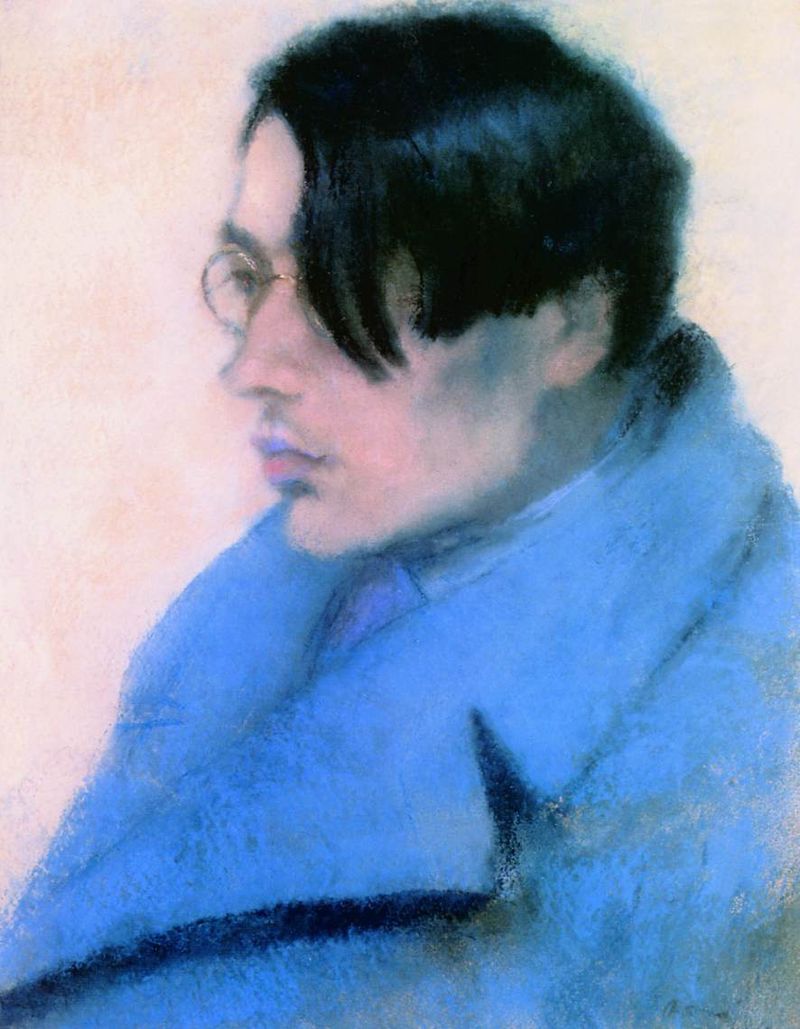
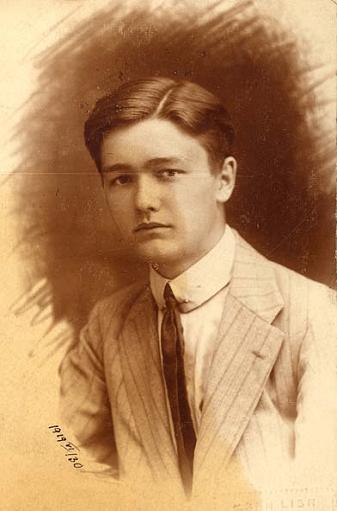
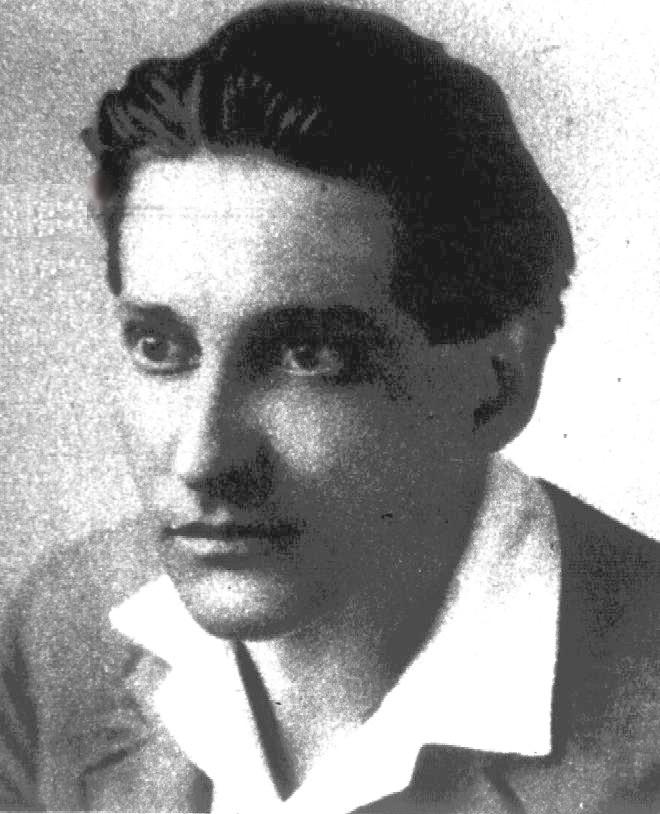
Móricz Zsigmond was a prominent Hungarian writer and novelist, known for his influential works that explore the complexities of rural life and the struggles of the Hungarian peasantry in the early 20th century. His literature often reflects deep social and political themes, portraying the intricate relationships between individuals and their environments. Móricz's writing is characterized by its vivid realism and psychological insight, making him a significant figure in Hungarian literature. He is particularly celebrated for works such as 'The Man of the House' and 'The Gentry', which illustrate the conflicts between tradition and modernity in Hungarian society. His legacy continues to resonate in contemporary discussions around culture and identity.
Not in the pool (under ¢1).
Recent news mentions
Móricz Zsigmond's novella 'Barbárok' depicts the harsh realities of life in the wilderness.
Index - Kultúr - Derékszíja miatt ölték meg az apát és a fiát Hungary· 2026-01-14








Móricz Zsigmond was a prominent Hungarian writer who passed away and was mourned by many.
Index - Kultúr - Szombaton meghalt, hétfőn temették, úgy siratták, mint a kurucok Vak BottyántHungary· 2025-09-05

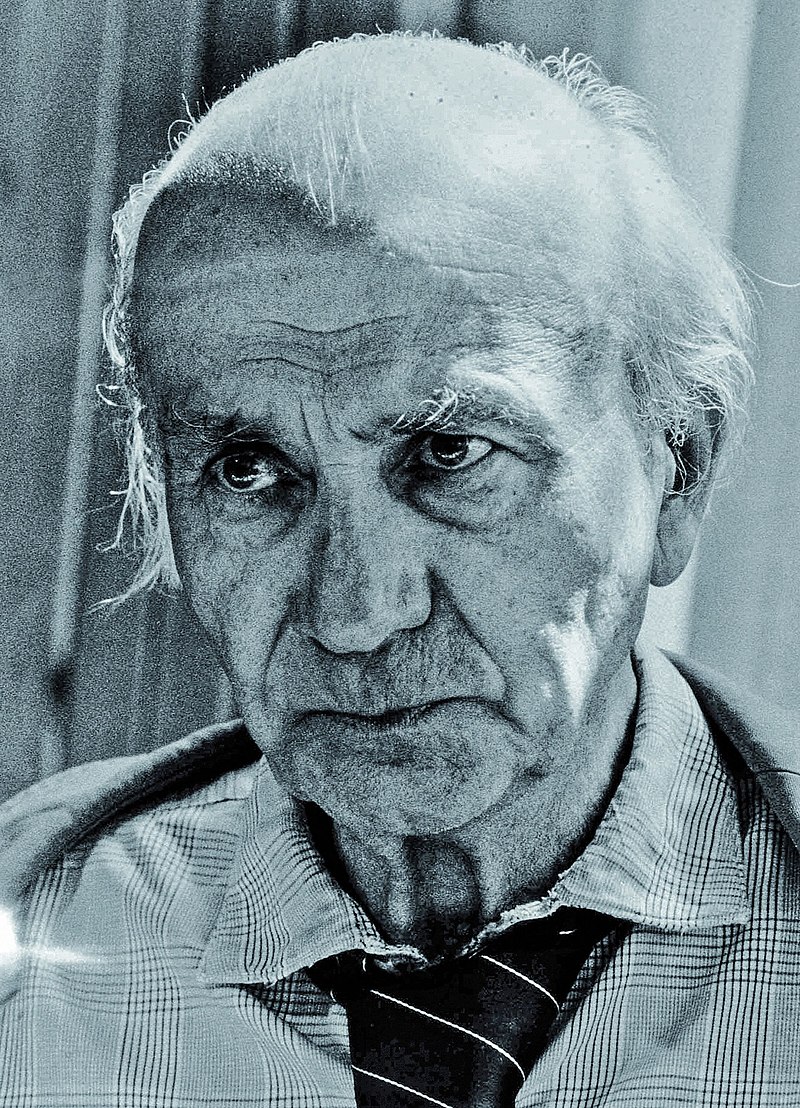


Móricz Zsigmond's work was described by Vidnyánszky Attila as insightful into the complexities of the Hungarian people's soul.
Index - Kultúr - Vidnyánszky Attila szerint sokat kellett várni a lelki sebek begyógyulására a nemzetis baleset utánHungary· 2025-05-29