
Mormor
Mormor, which means 'grandmother' in Danish, is depicted as a brave and humble woman who enjoyed simple pleasures like bingo, pastries, and watching boxing on television. Coming from modest beginnings, she experienced the hardships of the 1930s social struggles. In her later years, she became increasingly fearful, influenced by stories that led her to avoid taking taxis alone due to concerns for her safety. Her character reflects the resilience shaped by her past, along with the vulnerabilities that can arise from societal fears.
Not in the pool (under ¢1).
Recent news mentions
The author's grandmother experienced inherited shame related to a tragic event involving her daughter.
Den arvede skam trives især i generationer, hvor traumer er noget, der ikke tales om Denmark· 2026-01-20

Mormor is referred to as the grandmother who can be visited by her grandchildren.
Folk siger, at min kone og jeg har tabt sutten i en sådan grad, at vi næppe nogensinde finder den igenDenmark· 2025-11-17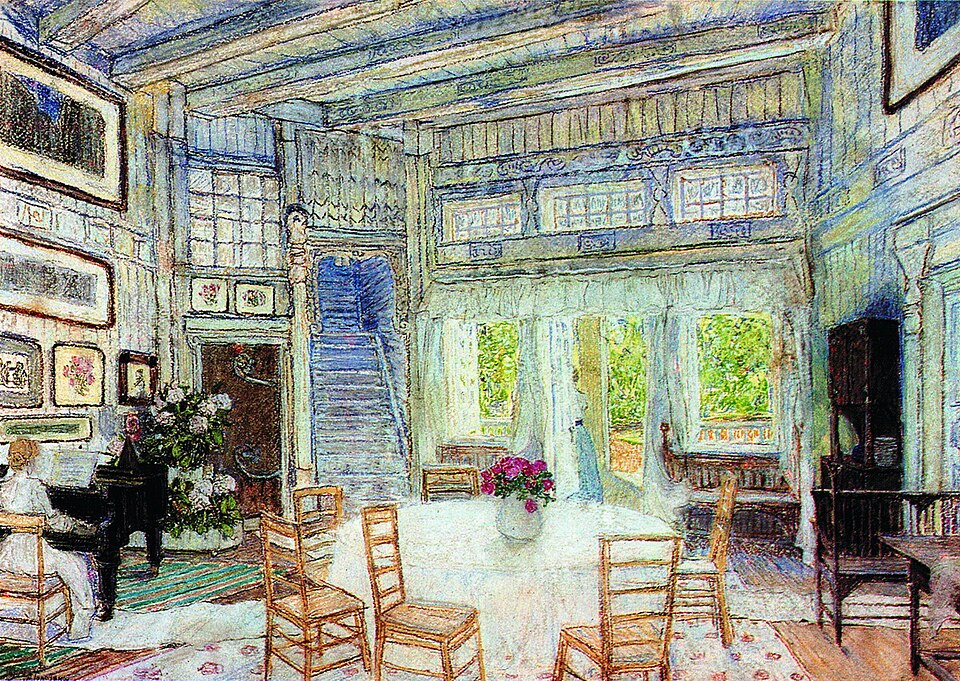
The author's grandmother is a great inspiration for using ingredients wisely and living in balance with the planet.
»Det er den bedste oplevelse, jeg har haft meget længe«Denmark· 2025-08-26
The narrator expresses a desire to have a brick from their grandmother's old house.
Tara Moshizi: Varför vill svenskarna åka till ”landet”? Sweden· 2025-07-19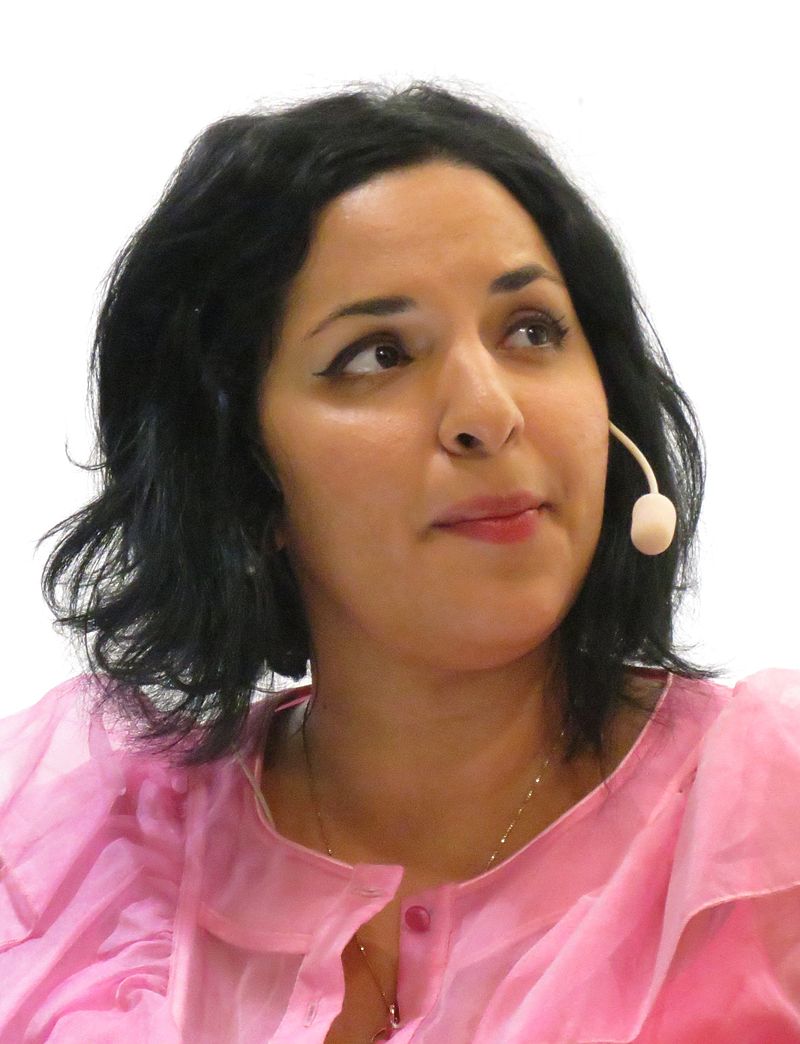



The author's grandmother was a strong opponent of the Nazi regime in Germany and fled to Sweden with her children.
Insändare. Min mormor var en tillgång, inte en kostnadSweden· 2025-06-10The author fondly remembers spending happy moments with their grandmother on Bornholm.
Det er uværdigt og skamfuldt at se små mænd puste sig op til store helteDenmark· 2025-04-22Mormor is described as a brave and humble person who had a fear of traveling alone in taxis.
Løgnen har bidt sig fast som politisk strategiDenmark· 2025-04-01