
Nic Rawlence
Dr. Nic Rawlence is a paleogeneticist at the University of Otago, specializing in ancient DNA analysis and the study of extinct species. He is known for his work on reconstructing genetic information from fossilized remains, which has provided insights into the biology and ecology of extinct animals. Recently, he has been vocal about the limitations of current genetic techniques used by companies like Colossal Biosciences, particularly in their claims of de-extincting the dire wolf.
Not in the pool (under ¢1).
Recent news mentions
Nic Rawlence, a moa expert, expresses doubt about the chances of successfully bringing the giant birds back.
It’s 12ft tall, covered in feathers and has been extinct for 600 years – can the giant moa bird really be resurrected? | Extinct wildlife United Kingdom· 2025-07-11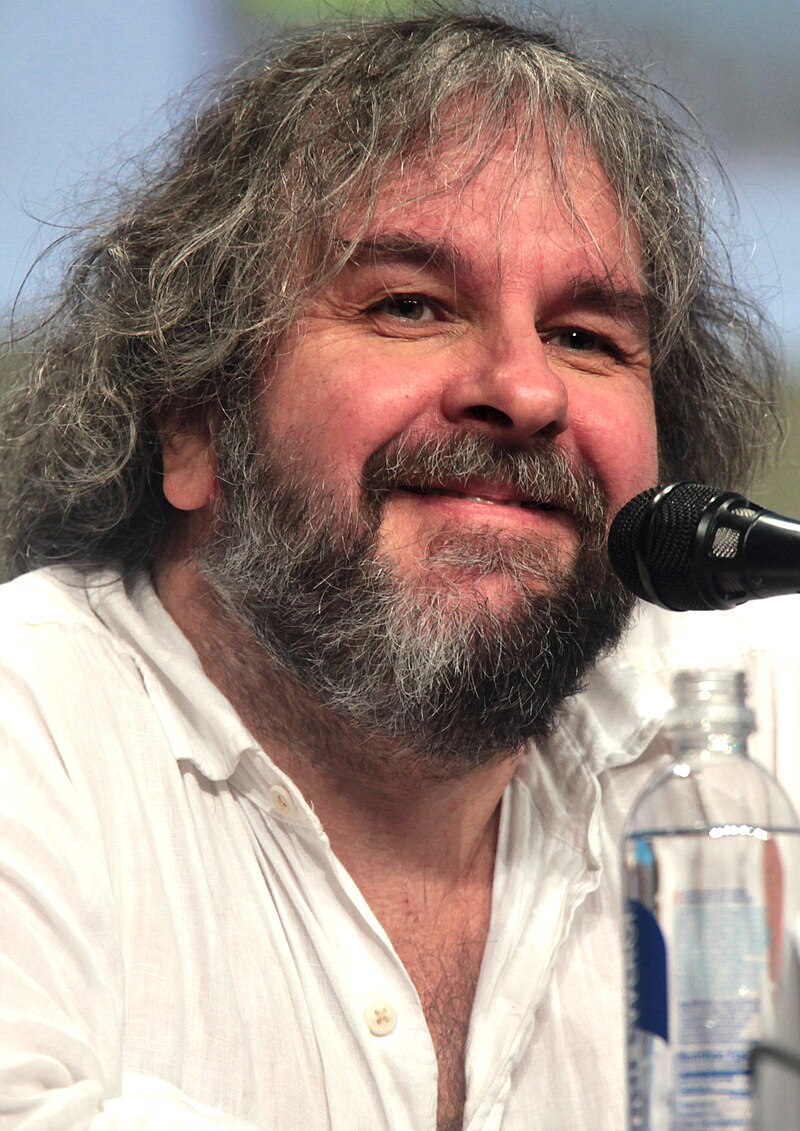

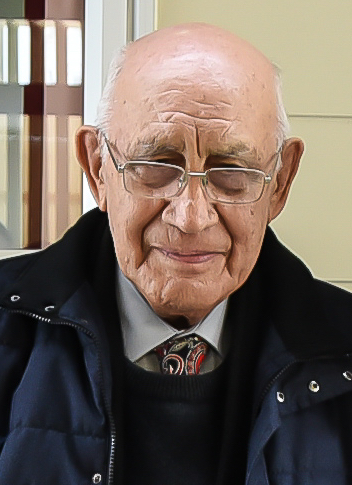


Associate Professor Nic Rawlence challenges the term 'de-extinction' regarding the technology developed for conservation.
Moa de-extinction plans: Greens react, say money would be better spent saving living species New Zealand· 2025-07-09
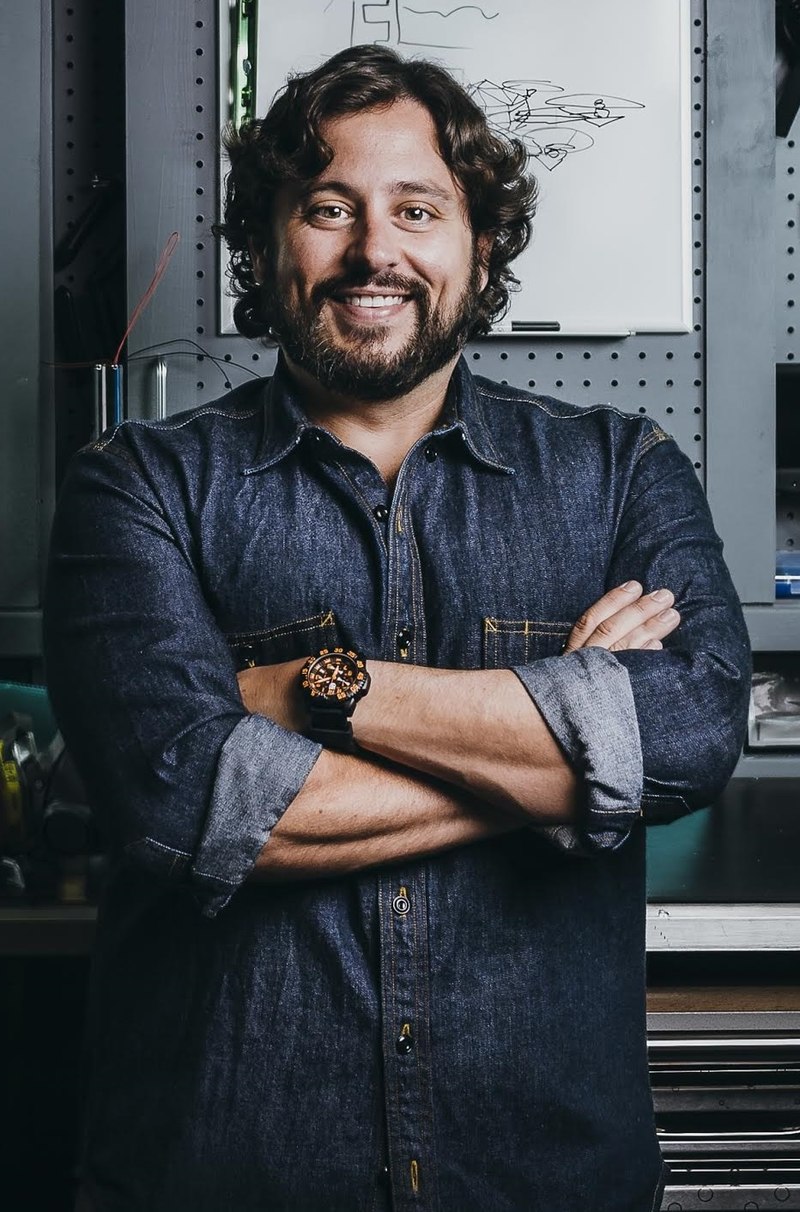
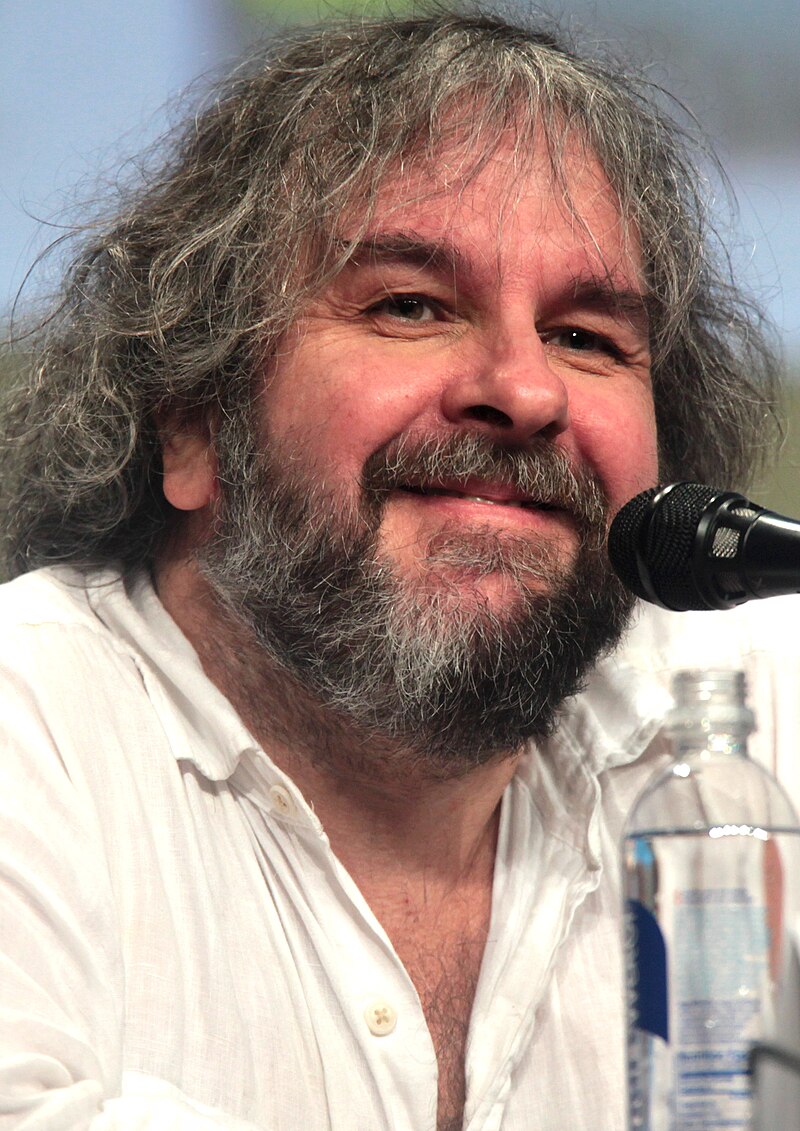
Associate Professor Nic Rawlence challenges the term 'de-extinction' regarding the project.
South Island giant moa de-extinction plans: Sir Peter Jackson teams up with Colossal BiosciencesNew Zealand· 2025-07-08




Nic Rawlence commented on the characteristics of the wolves produced by Colossal Biosciences.
Desextinción: el lobo terrible y el dilema ético Mexico· 2025-06-02
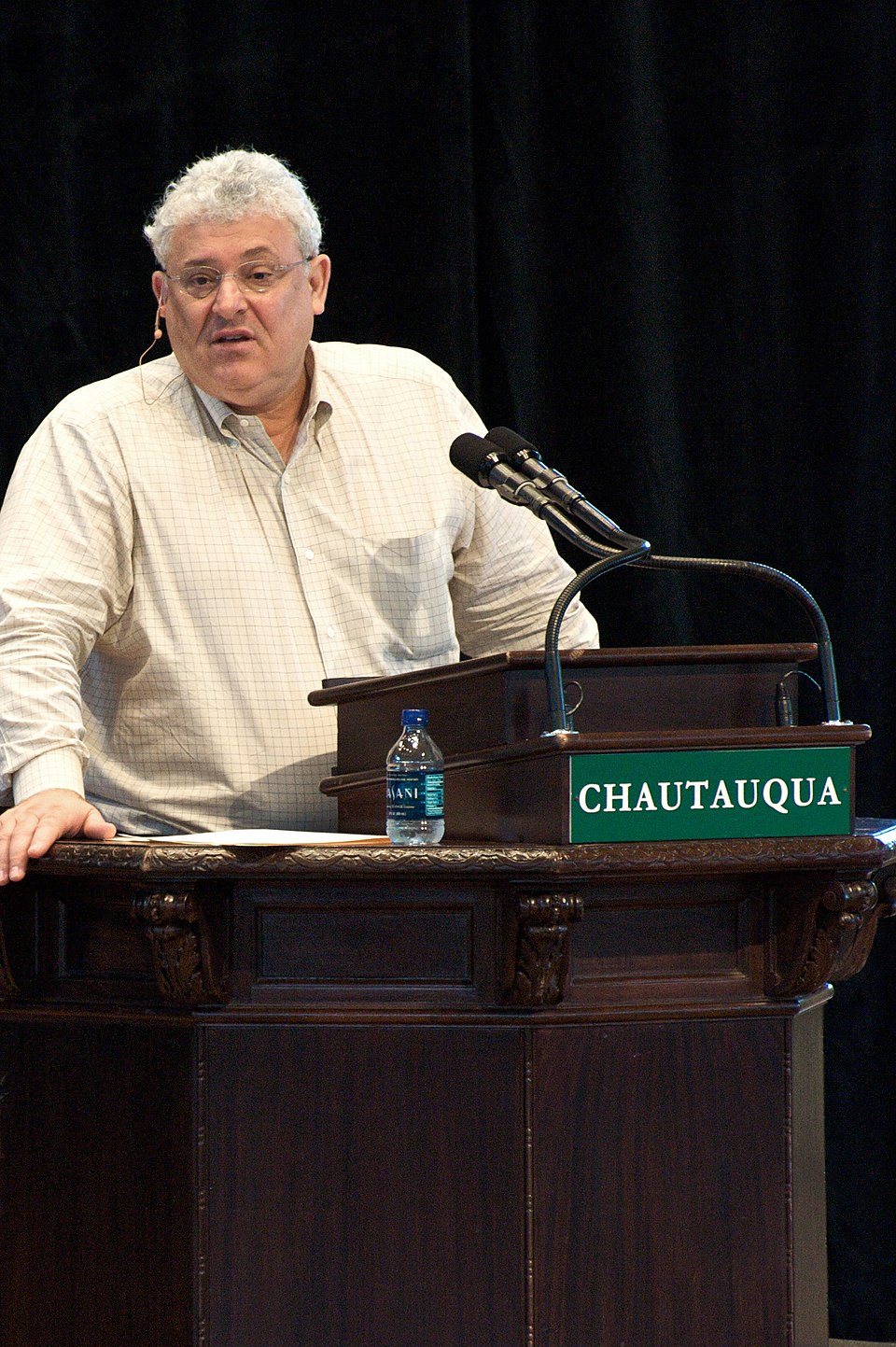

Nic Rawlence challenges the term 'de-extinction' and discusses the implications of genetic modifications in conservation.
Jurassic tech: Company claims the dire wolf is ‘de-extinct’, but is it ethical? - The Front PageNew Zealand· 2025-05-25
Nic Rawlence from the University of Otago commented critically on the presentation of the animals.
Labor-Kreatur: Grauwolf mit ein paar Schattenwolf-Genen Luxembourg· 2025-04-10
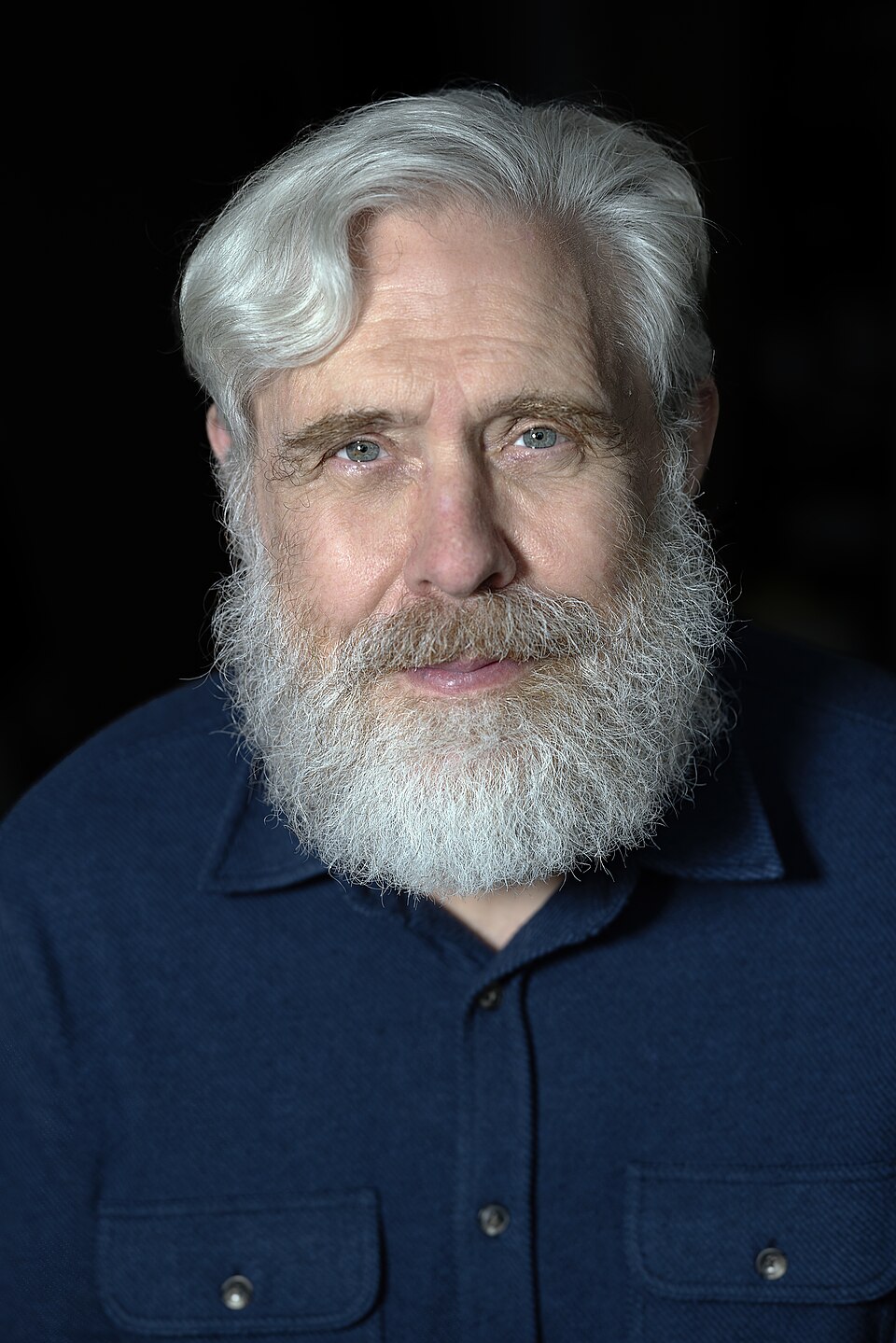
Nic Rawlence is the director of the Paleogenetics Laboratory at Otago and an associate professor in the Department of Zoology at the University of Otago.
¿por qué traer a la vida al lobo de ‘Game of Thrones’ preocupa a los científicos? Colombia· 2025-04-09

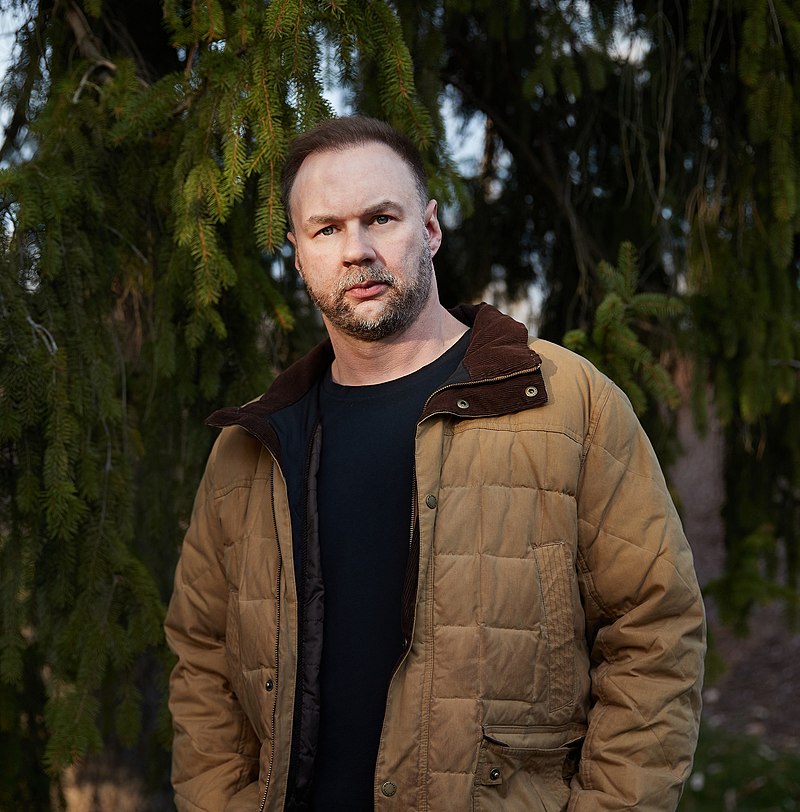
Nic Rawlence explained that the ancient DNA of the dire wolf is too degraded to clone biologically.
Los expertos disputan que una empresa haya "desextinguido" a los lobos terribles Bolivia· 2025-04-09
Paleontologist Nic Rawlence from the University of Otago called the ancient DNA too fragile to be truly copied or cloned.
Yritys väittää herättäneensä henkiin muinaisen hirviösuden Finland· 2025-04-09
Paleogeneticist Dr Nic Rawlence, also from Otago University, explained how ancient dire wolf DNA - extracted from fossilised remains - is too degraded and damaged to biologically copy or clone.
Experts dispute Colossal claim dire wolf back from extinctionUnited Kingdom· 2025-04-08