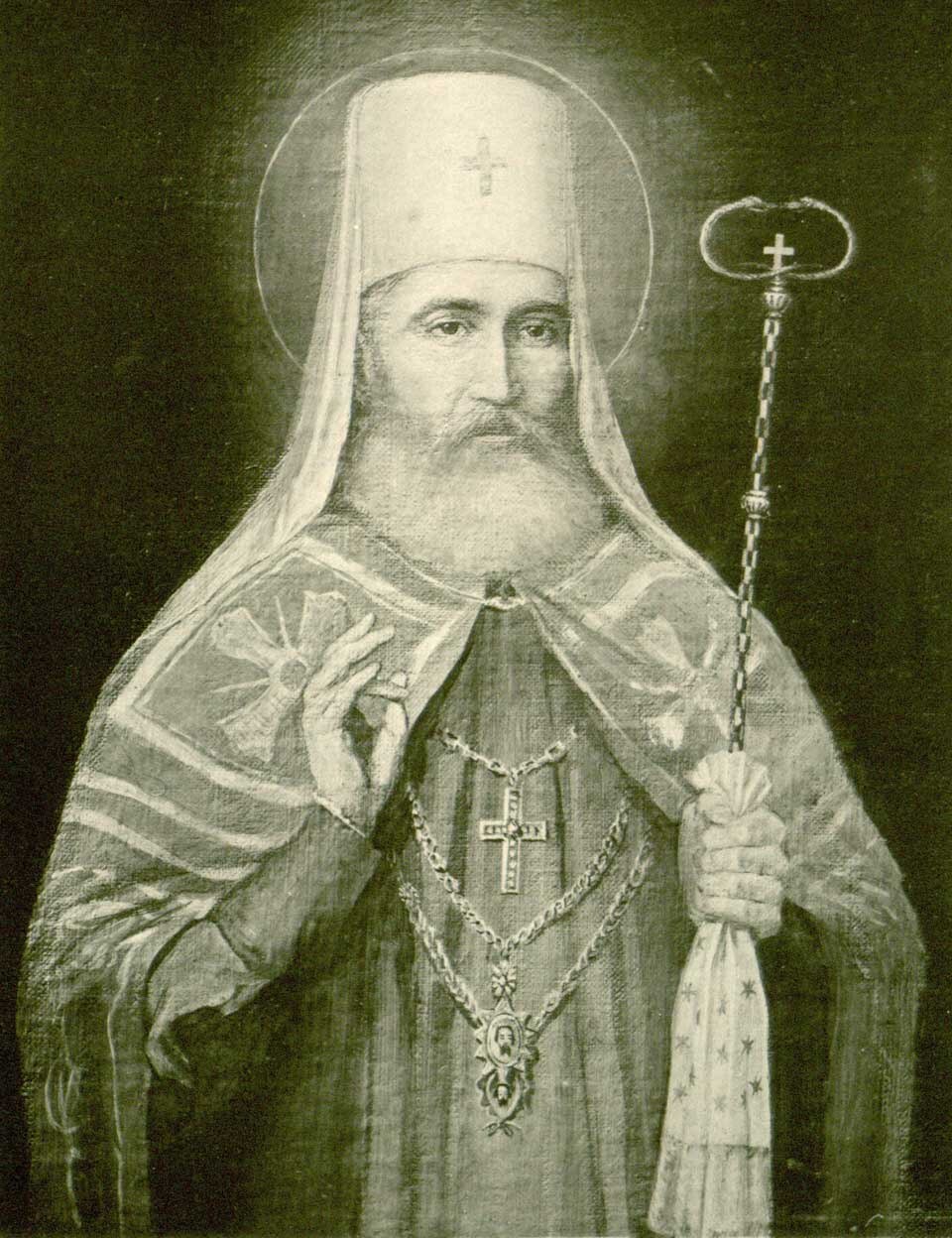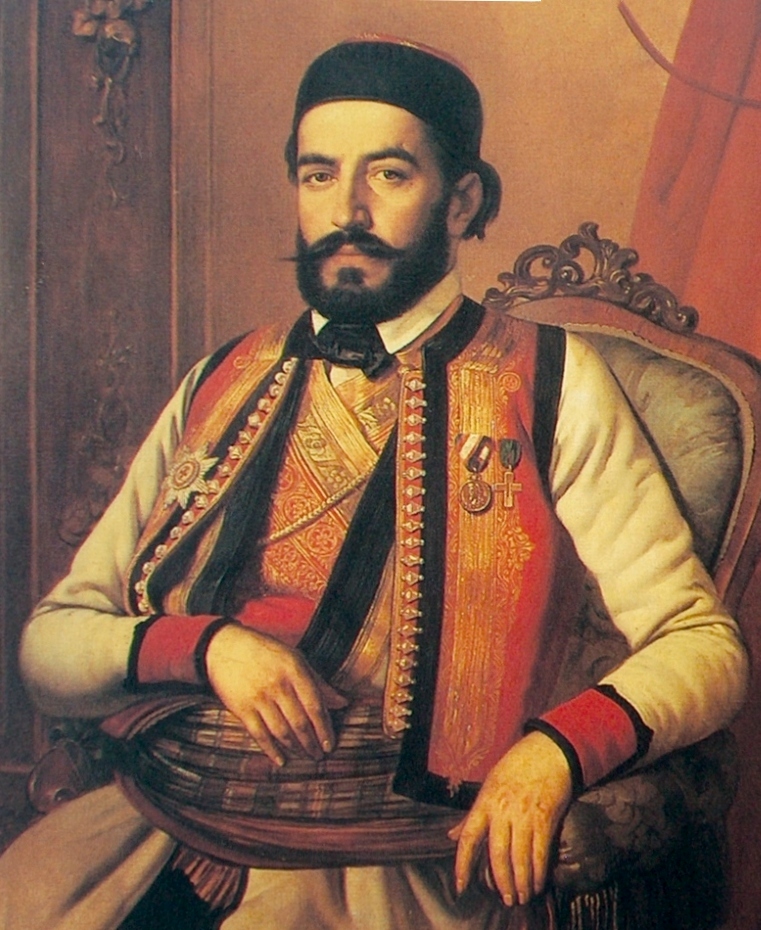
NJegoš
 MontenegropoetMaleb. 18135.0Global Dominance: 0.00%
Petar II Petrović Njegoš (1813-1851) was a prominent Montenegrin prince-bishop, poet, and philosopher, known for his influential works in Serbian literature, particularly 'Gorski vijenac' (The Mountain Wreath). As a key figure in the Montenegrin struggle for independence, he combined his religious leadership with political authority, striving to unify the Serbian people in the face of Ottoman domination. His legacy continues to resonate in Montenegro and Serbia, where he is celebrated as a national hero and symbol of resilience.
Country presence
Recent news mentions
Njegoš is mentioned as a significant figure whose 200th anniversary was overlooked by the regime.
U susret Zakonu o kulturi (4)Montenegro· 2026-09-12


Njegoš is referenced in relation to his literary work and its impact on Montenegrin identity.
Ofanziva na BotunMontenegro· 2025-12-12
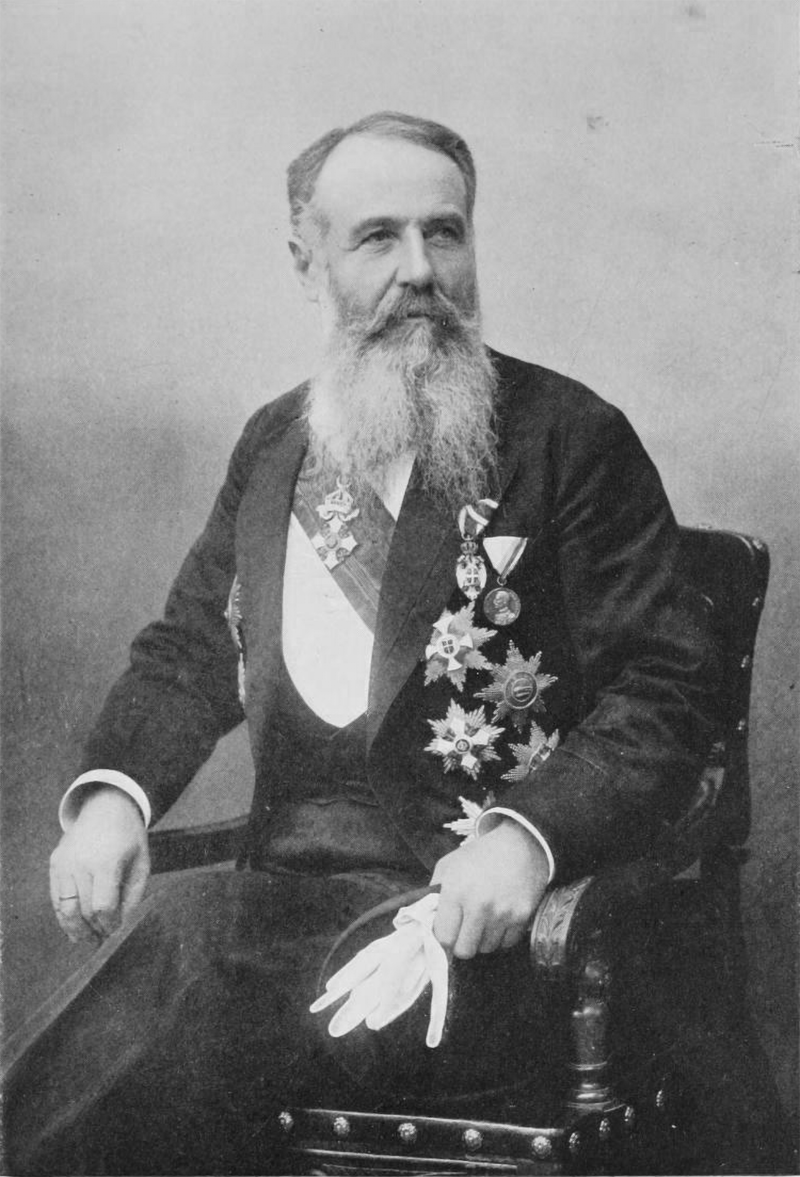

Njegoš is referenced in the context of political discourse and the mayor's actions.
NeljudiMontenegro· 2025-12-06



Njegoš is referenced as a significant figure whose legacy is being misinterpreted by politicians.
Njegoš (ni)je Pavle ĐurišićMontenegro· 2025-11-25
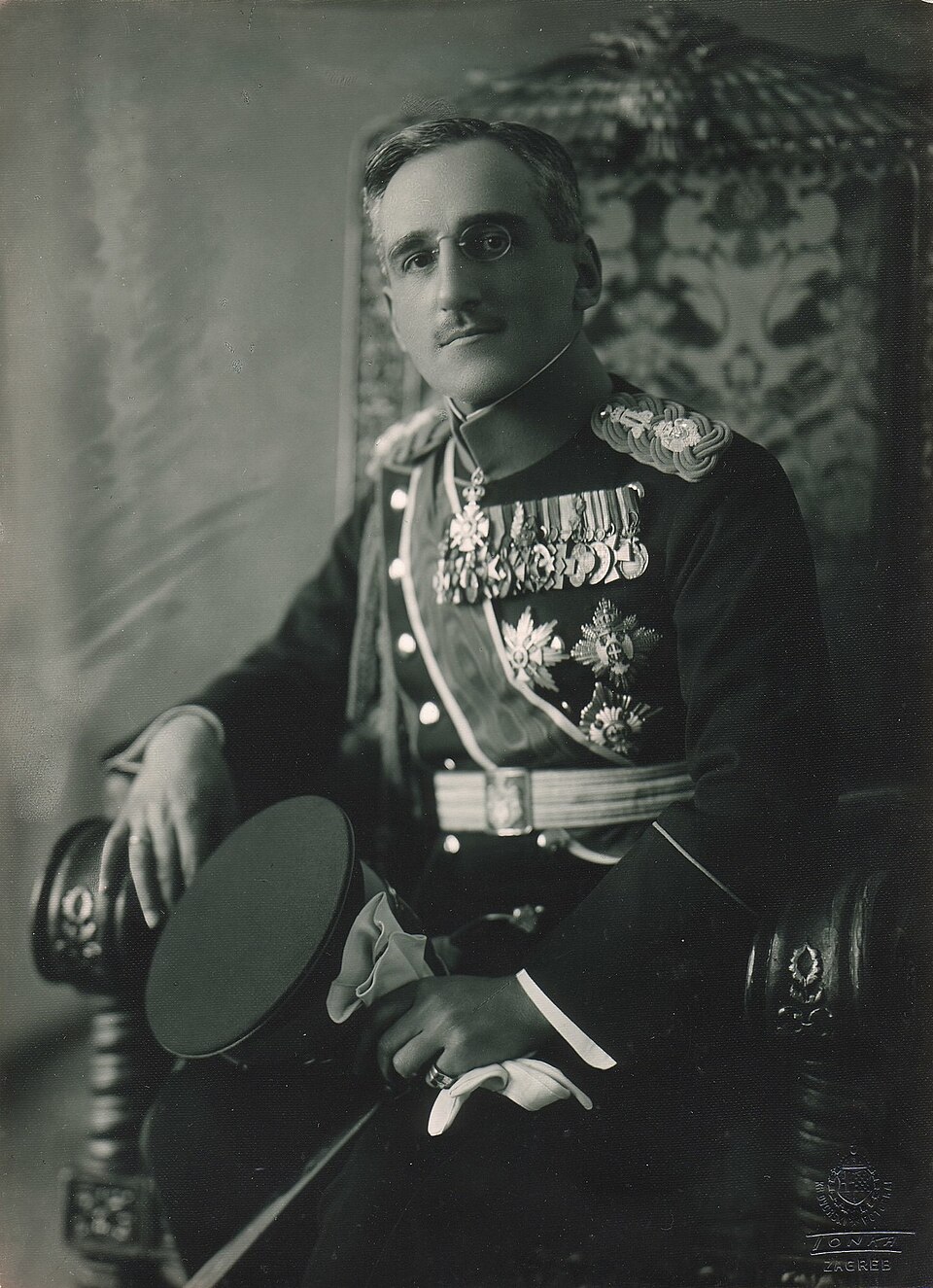


Njegoš modeled a striking character of a rebel - Satan, who dares to question God's right to absolute rule.
"Luča mikrokozma", svjetlosni mač duha i identitetaMontenegro· 2025-11-13

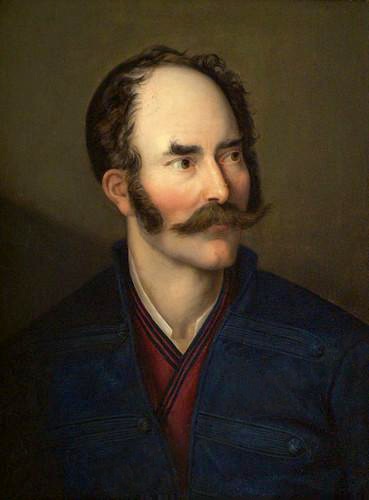
Joanikije mentioned that a great injustice was done to Njegoš regarding the destruction of his chapel.
Nadamo se da će vlasti ispraviti nepravduMontenegro· 2025-08-20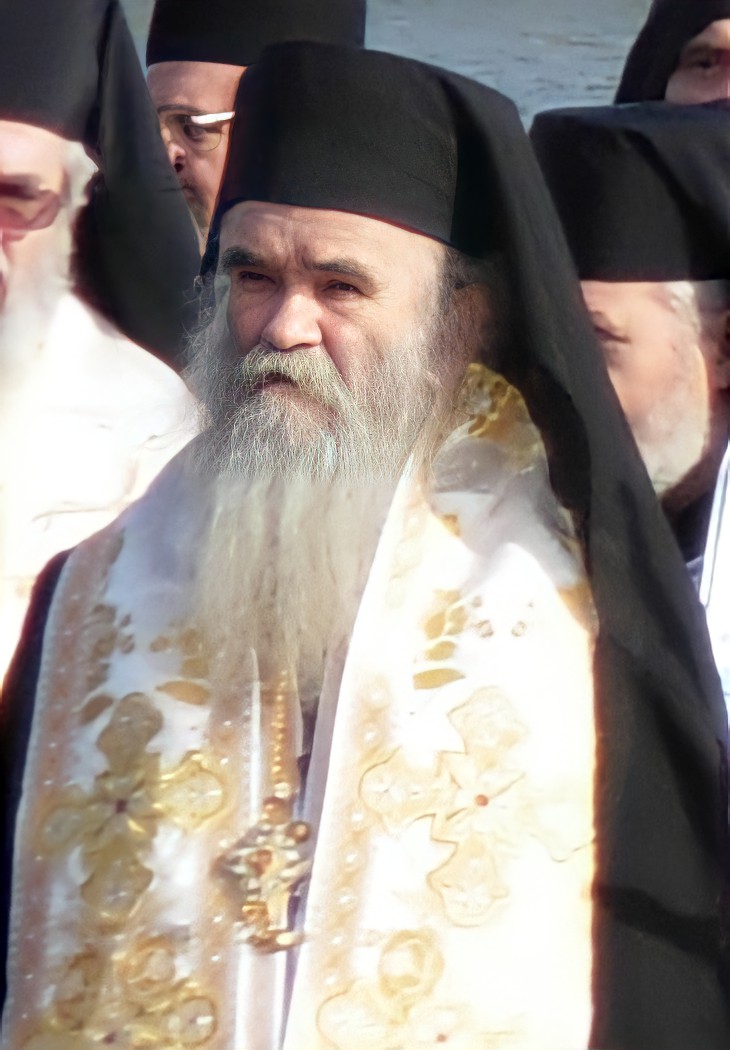
Njegoš visited Pisa to see the famous tower.
Venecija, dan skuplji vijeka...Montenegro· 2025-06-28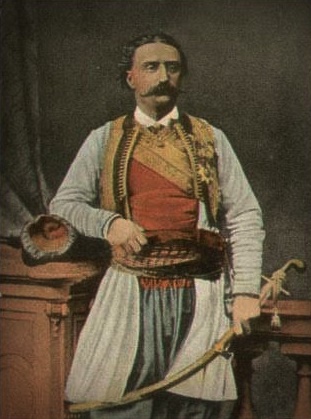





Njegoš is mentioned as having shaped the country more than various other figures.
Inženjeri dušeMontenegro· 2025-05-24




Njegoš is celebrated as Montenegro's greatest poet and ruler.
Kroz stihove inspirisane Njegošem pokazala svoj talenatMontenegro· 2025-05-19


Andrea Nikolić's poetry is inspired by Njegoš's verses.
Titulu koristi da ukaže na prava i položaj osoba s invaliditetomMontenegro· 2025-05-10

Njegoš is quoted in the context of the victims' message about the permanence of shame and disgrace.
Žrtve pitaju kome smetaju spomeniciMontenegro· 2025-04-19
Njegoš is referenced as a significant figure whose last will and testament regarding the chapel on Lovćen is being called to be fulfilled.
Donijeti odluku o obnovi kapele na Lovćenu, Crna Gora najbrže napredovala dok je imala vjeronauku u školamaMontenegro· 2025-04-19NJegoš is referenced as a significant figure in the context of Serbian identity and spirituality in Kosovo.
Albanski teroristi nad Srbima nekažnjeno počinili ubistva, progone, prebijanja, pljačke...Montenegro· 2025-04-18