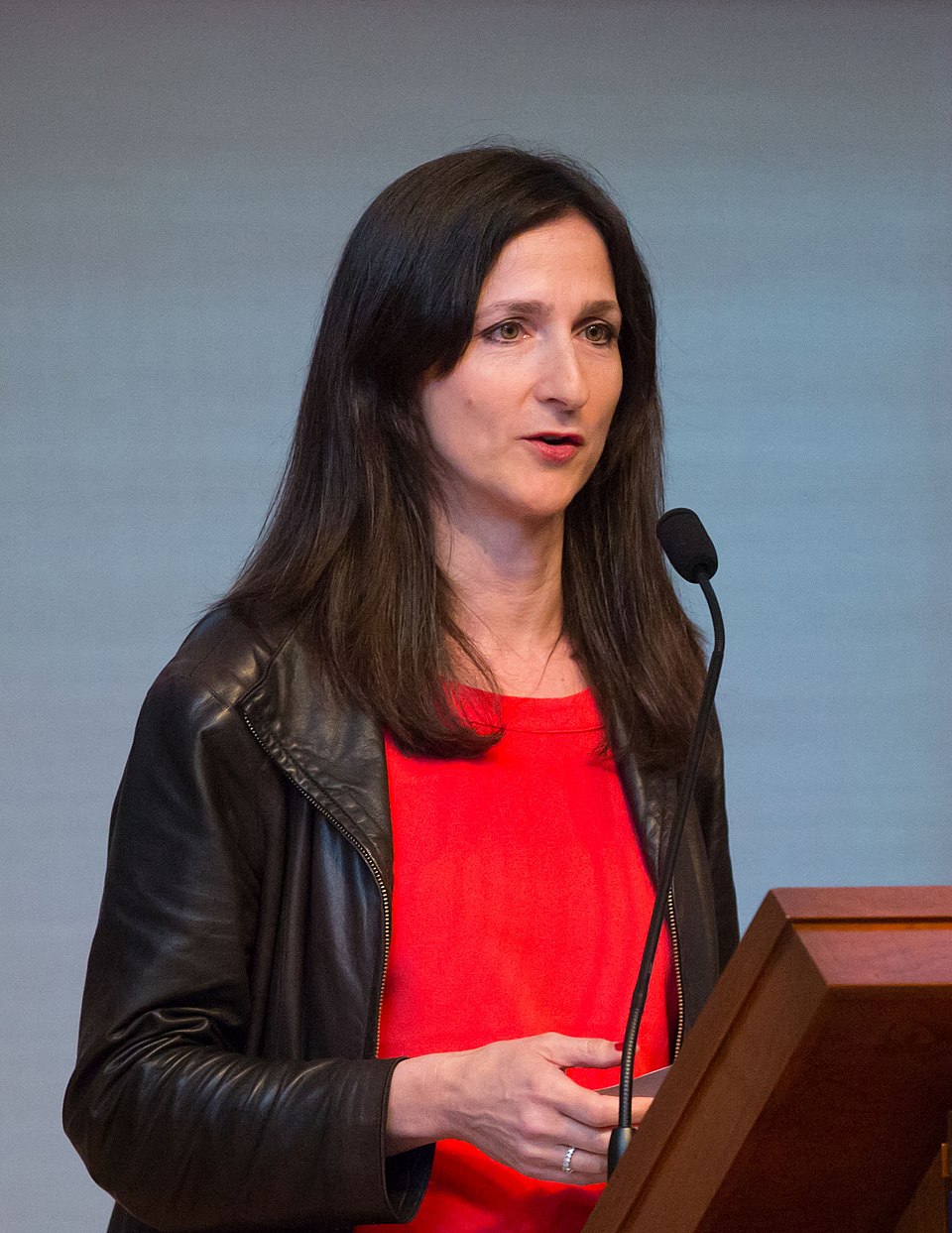
Sara Seager
 BrazilprofessorFemaleb. 19718.0Global Dominance: 0.00%
Sara Seager is a professor of planetary sciences at MIT, recognized for her work on exoplanets and the search for extraterrestrial life. In recent discussions about K2-18b, she has cautioned against premature conclusions regarding the planet's atmosphere, referencing past misinterpretations of atmospheric data.
Country presence
Recent news mentions
Sara Seager is a planetary scientist who helped develop techniques to probe exoplanet atmospheres.
Cerca de 100 bilhões de outros planetas podem existir em nossa galáxia. Quais os mais promissores a ter vida além da Terra?Brazil· 2026-09-17


Sara Seager is from MIT in Cambridge, Massachusetts, and is involved in the search for extraterrestrial life.
Gibt es Aliens? Wie ETH-Forscher nach Leben im All suchen Switzerland· 2026-09-15



Sara Seager has noted the challenges in measuring the variables related to the development of life on other planets.
The great silence: why haven’t we found any aliens yet? | Alien life United Kingdom· 2026-08-11
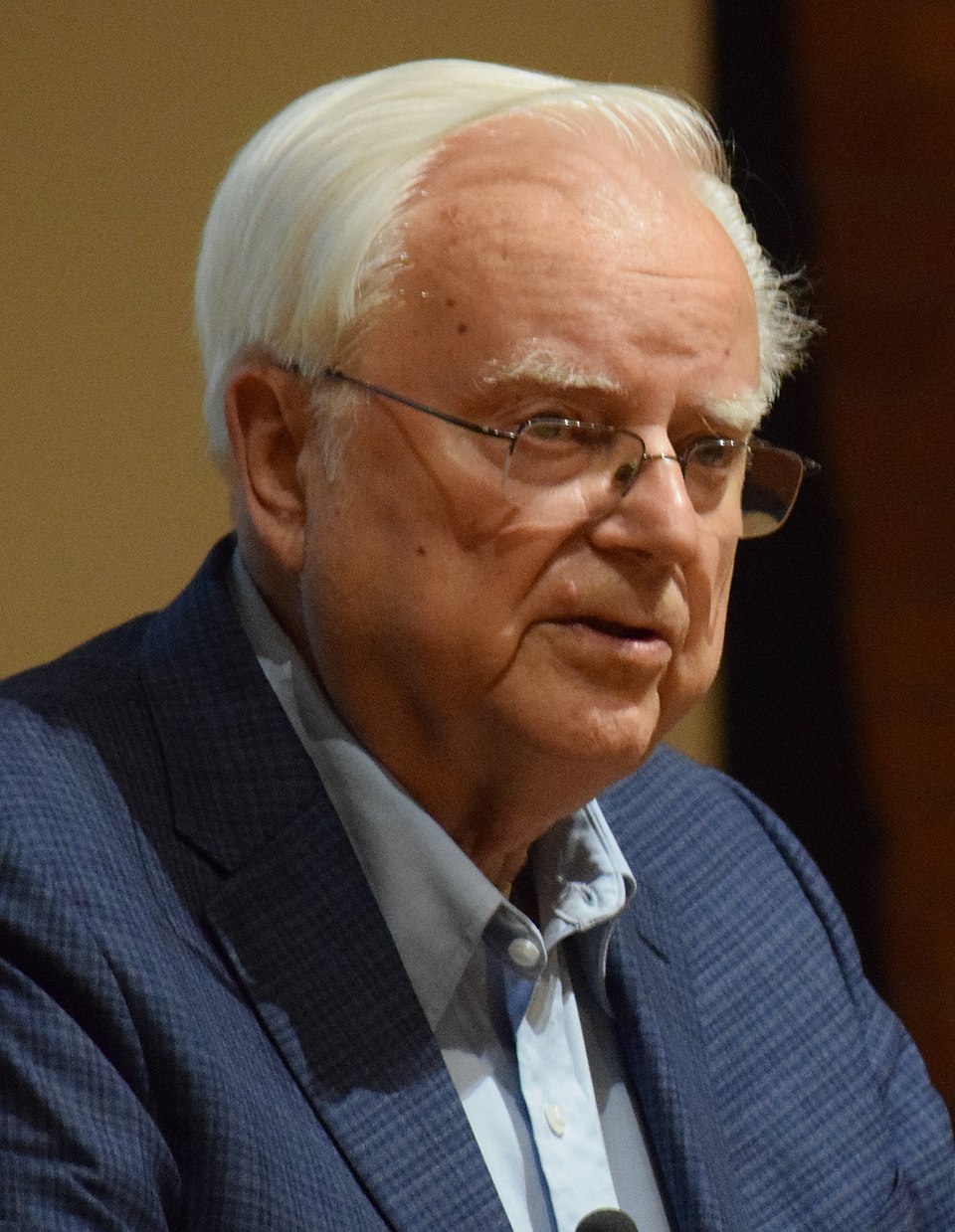



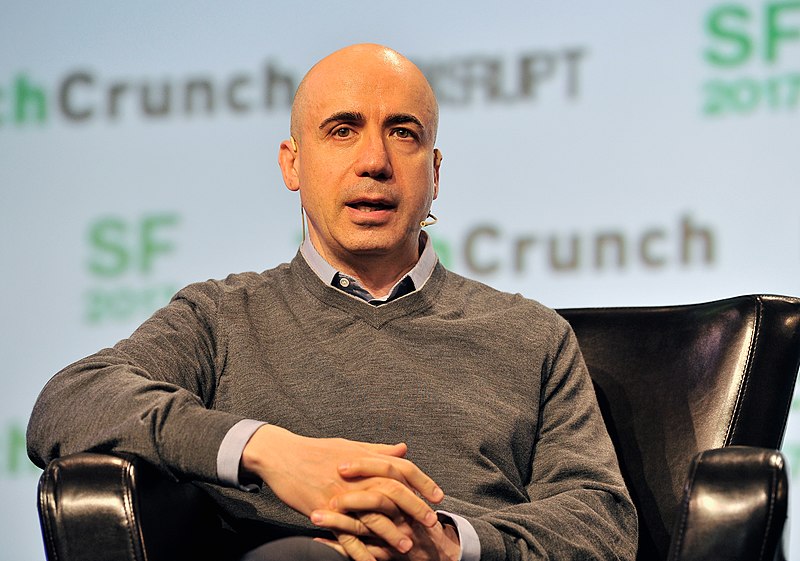
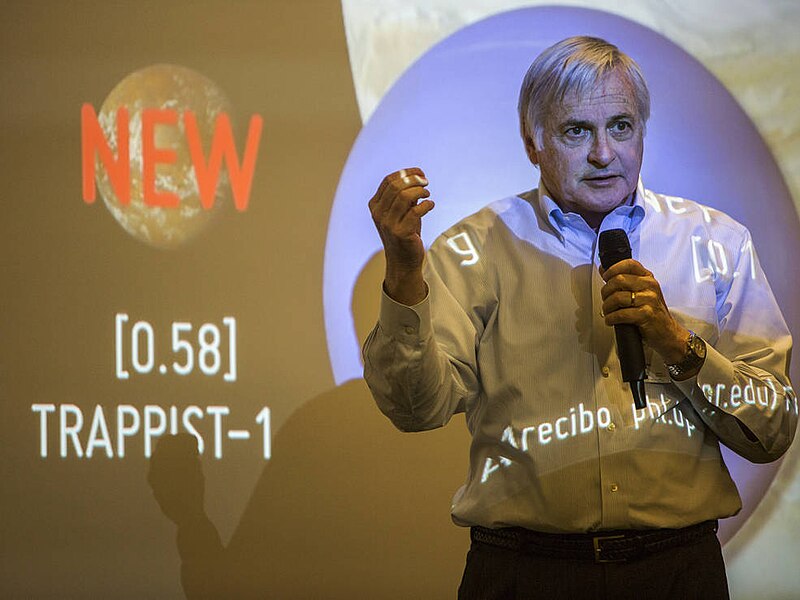
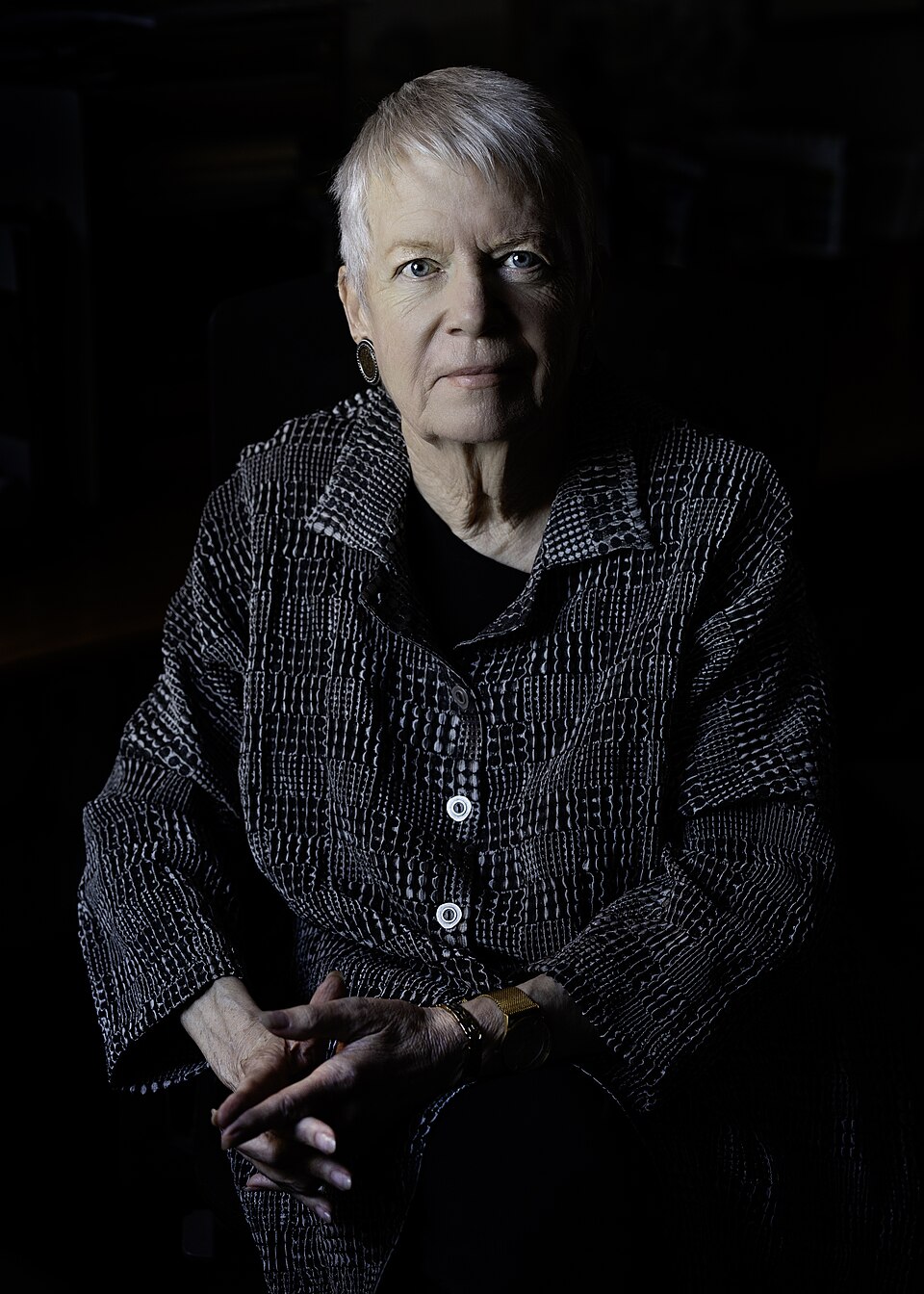


Sara Seager is a professor of planetary science and physics at the Massachusetts Institute of Technology and a coauthor of the study.
Astronomers detect a solar system they say should not be possible United States· 2026-02-13
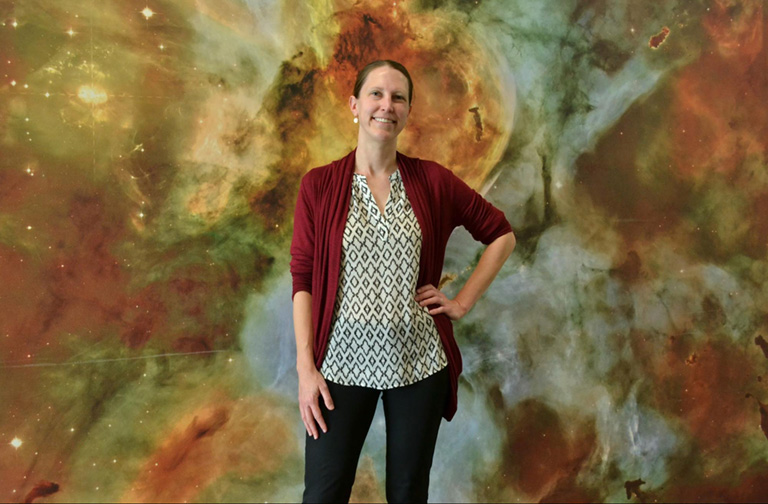


Sara Seager is an MIT professor and exoplanet scientist who is moving her research program to the University of Toronto.
NASA’s Pandora is on a mission to help answer the question: Is there other life out there? Canada· 2026-01-11
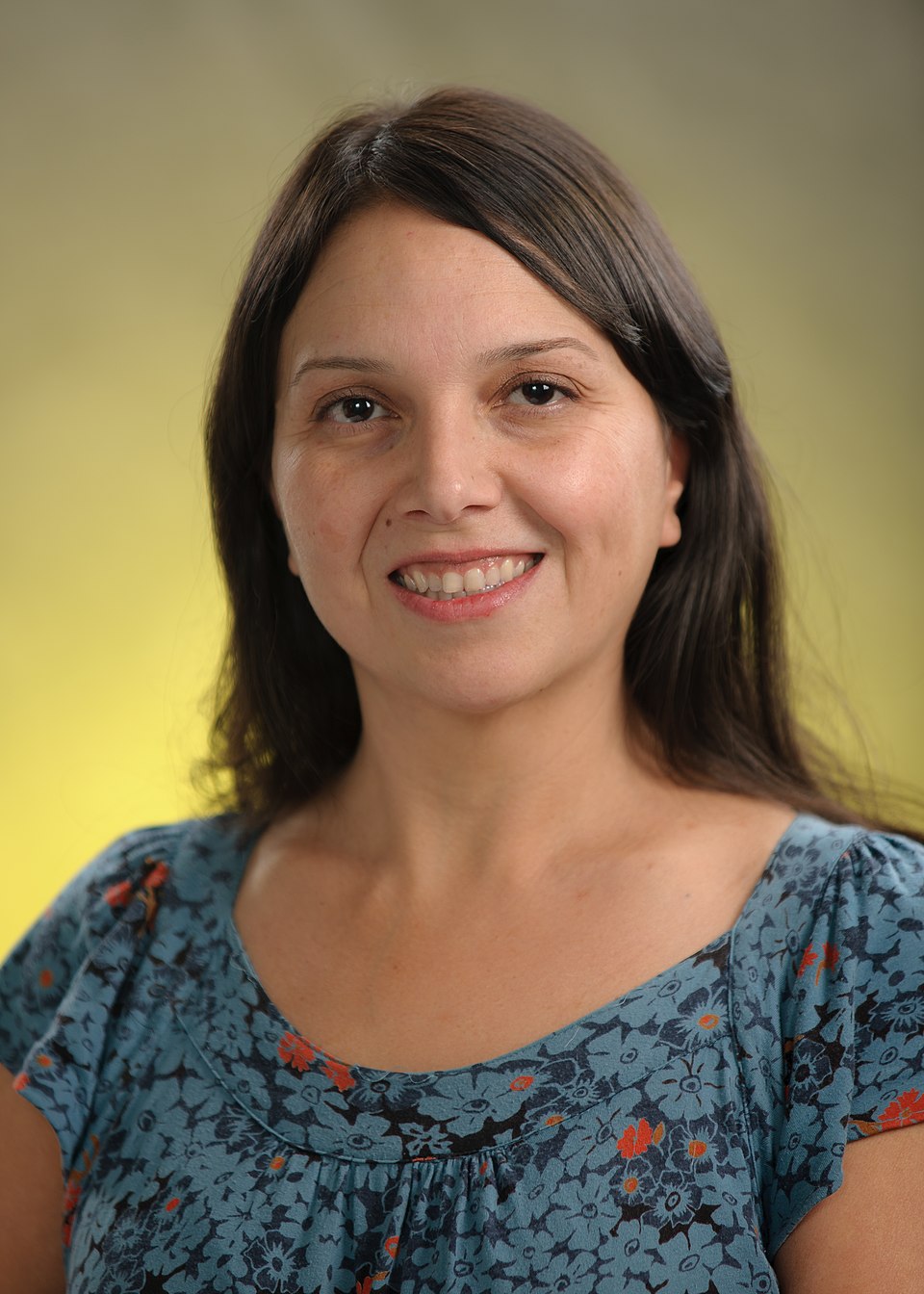
Sara Seager is a Canadian-born astrophysicist currently at MIT who has played a prominent role in a NASA mission to discover planets around nearby stars.
U of T hires three top U.S. scholars, plans for 100 new postdocsCanada· 2025-11-12


Sara Seager is a professor at the Massachusetts Institute of Technology (MIT) and a pioneer in the study of exoplanets.
So funktioniert die Suche nach AliensSwitzerland· 2025-06-30
Sara Seager from MIT has argued that ocean worlds may have the right conditions for microbial life.
K2-18b: Ενας πλανήτης, μία ένδειξη, μία υπόθεση ζωής Greece· 2025-05-02
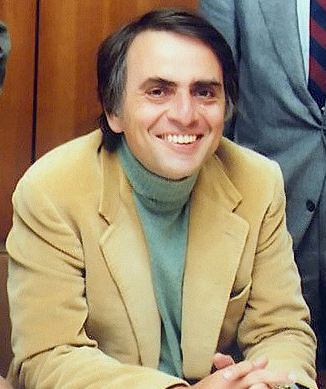

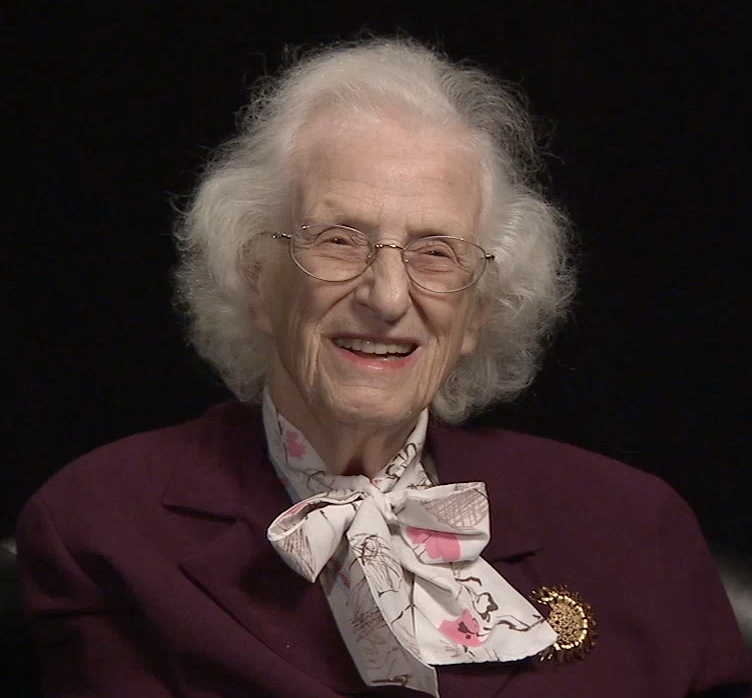
Sara Seager, a Canadian-American astrophysicist at the Massachusetts Institute, called the announcement from the Cambridge group 'a problematic start'.
Did scientists actually find the strongest evidence of alien life yet?Canada· 2025-04-20

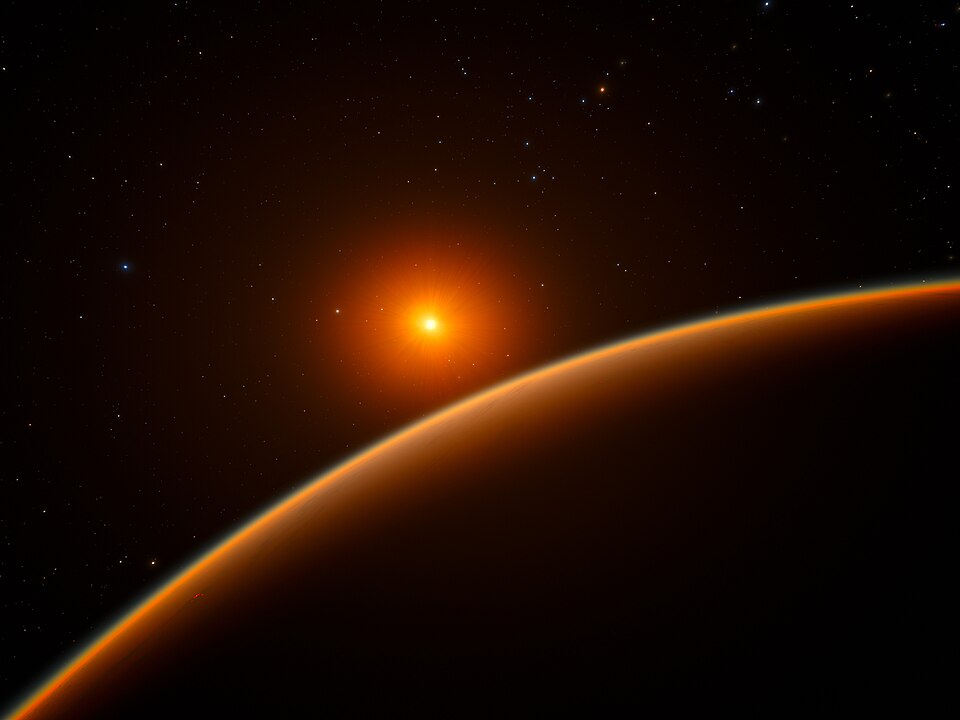
Sara Seager noted that previous traces of water vapor in the atmosphere of K2-18b turned out to be another gas.
Telescópio espacial detecta ‘indícios’ de vida em um exoplaneta Liechtenstein· 2025-04-19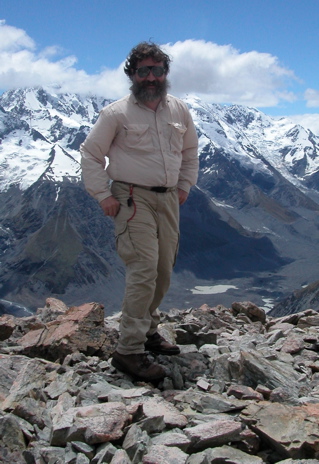
Sara Seager is an astrophysicist and professor at the Massachusetts Institute of Technology who commented on the interpretations of the planet K2-18b.
Scientists using Webb telescope detect signature of life on a distant planet, study suggestsUnited States· 2025-04-17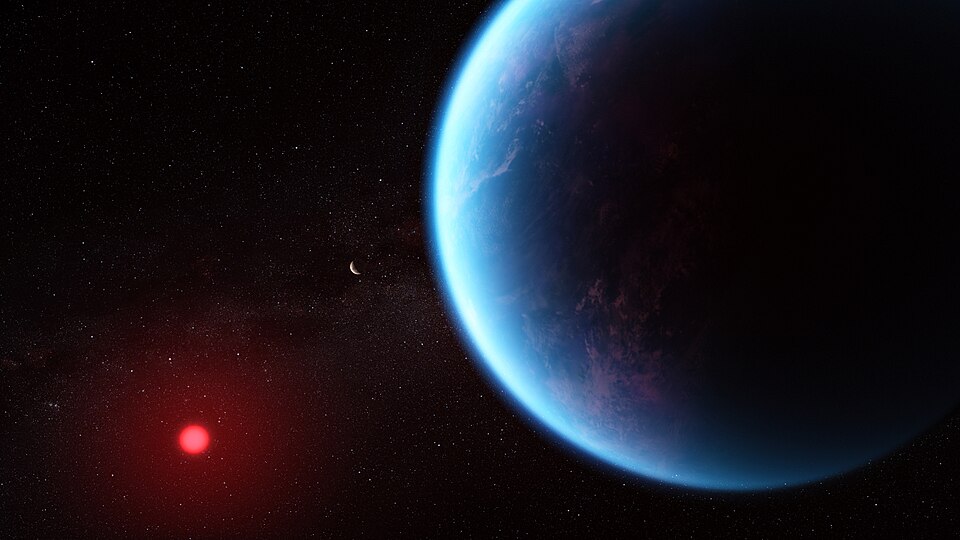

Sara Seager noted that previous traces of water vapor in the atmosphere of K2-18b turned out to be another gas.
¿No estamos solos? El telescopio espacial Webb detectó "indicios" de rastros de vida en un planeta fuera del Sistema Solar Argentina· 2025-04-17
Sara Seager is a leading figure in the study of exoplanets and raised critical questions about the detection of biosignatures.
Webb telescope detects a possible signature of life on a distant world New Zealand· 2025-04-17

Sara Seager is a professor of planetary sciences at MIT who noted that previous traces of water vapor in the atmosphere of K2-18b turned out to be another gas.
Astrónomos detectan "indicios" de vida en planeta fuera del Sistema Solar Dominican Republic· 2025-04-17
Sara Seager is a professor of planetary sciences at MIT who noted that previous traces of water vapor in the atmosphere of K2-18b turned out to be another gas.
¿Estamos solos en el universo? Telescopio James Webb capta indicios de posible vida en planeta a 124 años luz Costa Rica· 2025-04-17
Sara Seager is a professor of planetary sciences at MIT who noted that previous traces of water vapor in the atmosphere of K2-18b turned out to be another gas.
Telescopio James Webb detecta 'indicios' de posible existencia de vida fuera del Sistema Solar Colombia· 2025-04-17
Sara Seager noted that previous mentions of water vapor traces in K2-18b's atmosphere turned out to be another gas.
El telescopio Webb detecta ‘indicios’ de rastro de vida en un exoplaneta ubicado a 124 años luz | Doctor Tecno | La Revista Ecuador· 2025-04-17