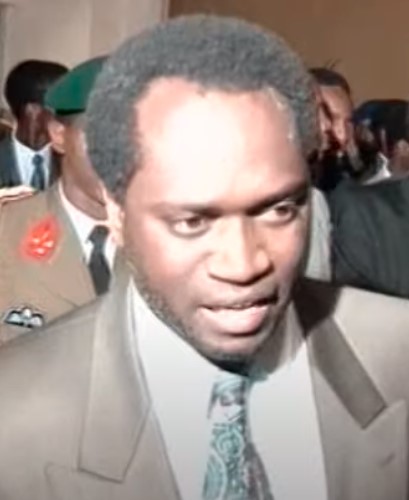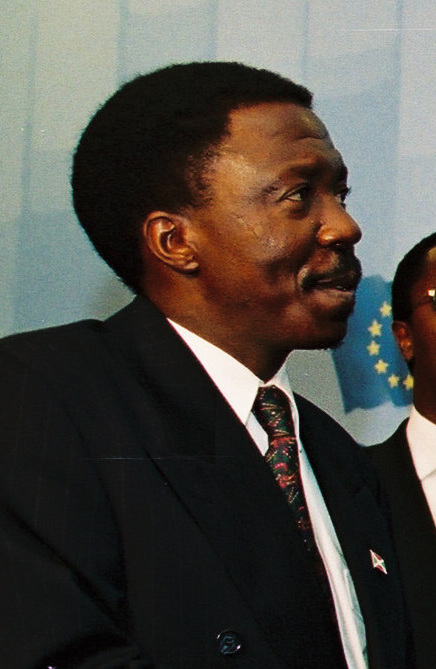
Sylvestre Ntibantunganya
Sylvestre Ntibantunganya is a Burundian politician who served as the President of Burundi from 1994 to 1996. He is known for his role during a critical period in the country's history, including the civil war and the complexities of the political landscape that followed. Ntibantunganya has been an advocate for peace and democracy in Burundi, often emphasizing the need for dialogue and collaboration among different political factions. Recently, he has been vocal about the current electoral process in Burundi and the importance of finding solutions to the ongoing socio-economic crises, urging the population and leaders to work together towards peaceful elections.
Not in the pool (under ¢1).
Recent news mentions
Sylvestre Ntibantunganya, former president of the Republic, emphasized the urgency of deep reforms in the education sector.
Le système éducatif burundais, victime d’une gouvernance défaillante – IWACU Burundi· 2026-01-28
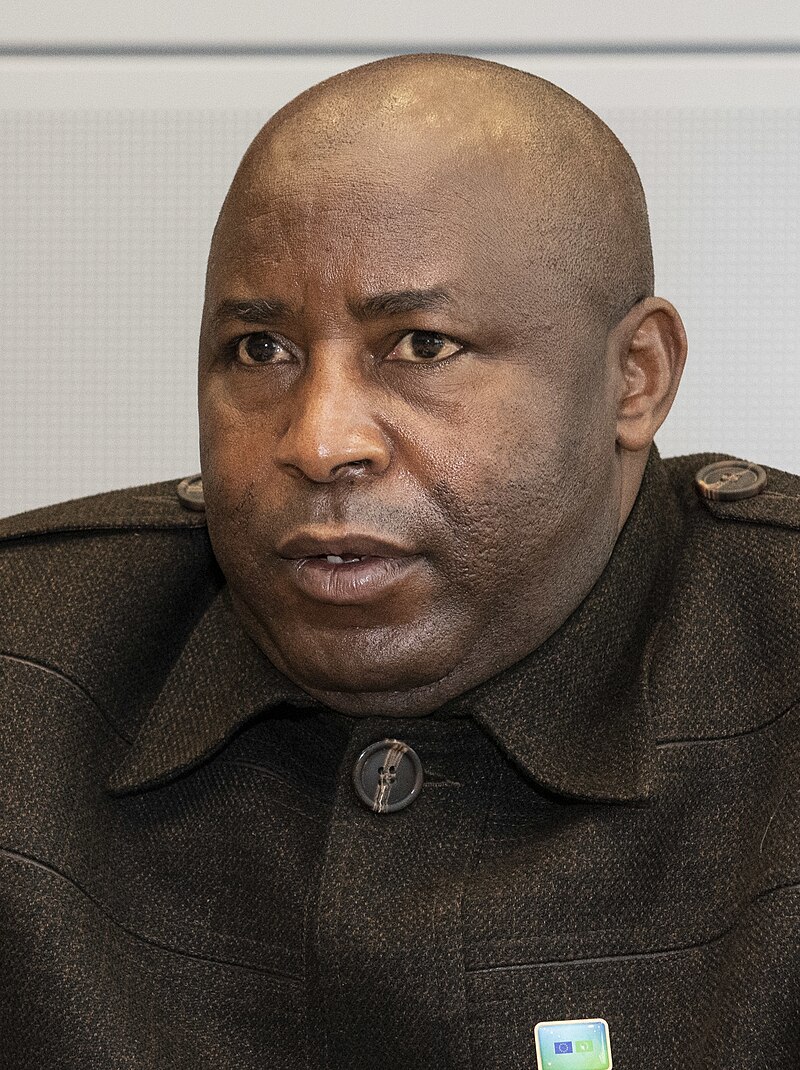


Sylvestre Ntibantunganya is a former president who emphasized the urgency of educational reforms.
Ndayishimiye face aux résistances internes « Si j’échoue, c’est tout le pays qui échoue » – IWACUBurundi· 2026-01-16

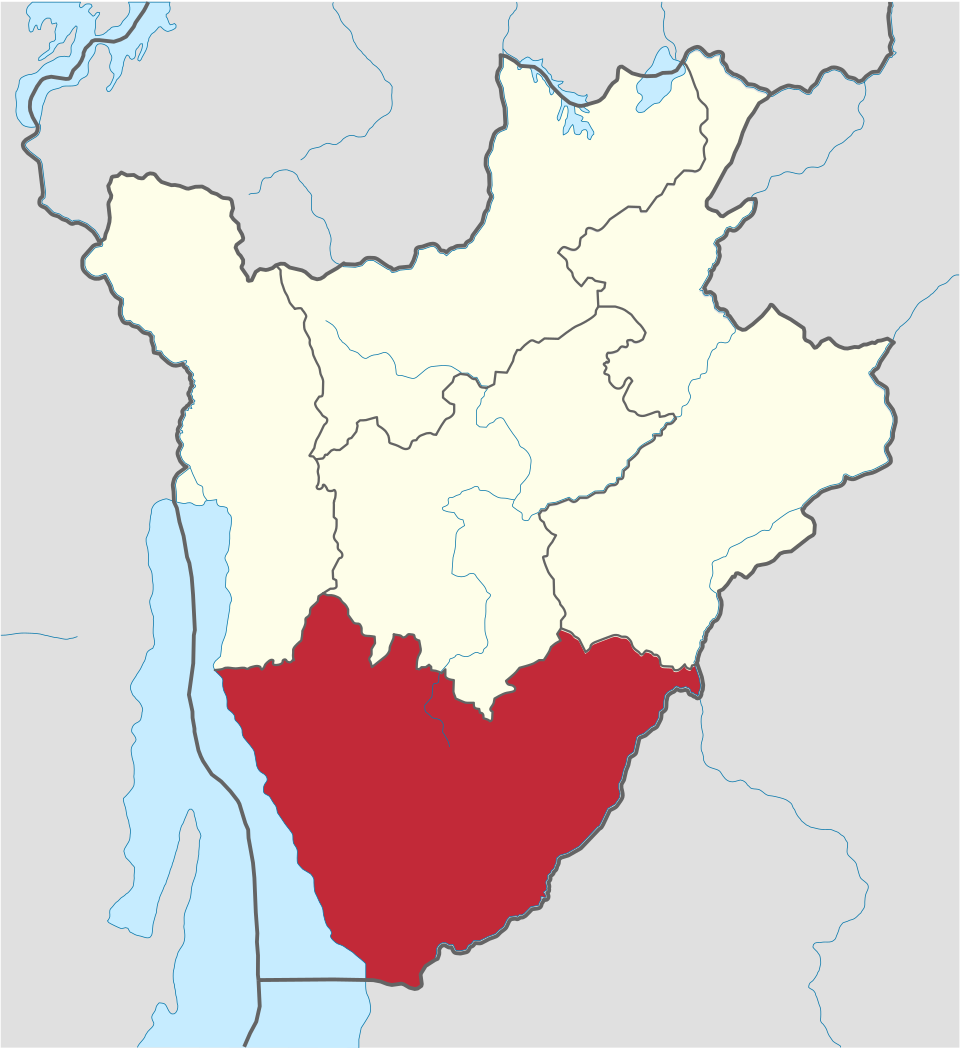


Sylvestre Ntibantunganya is a former president who called for restraint and dialogue during the electoral evaluation.
Droit dans ses bottes, l’opposition persiste et signe – IWACUBurundi· 2025-06-27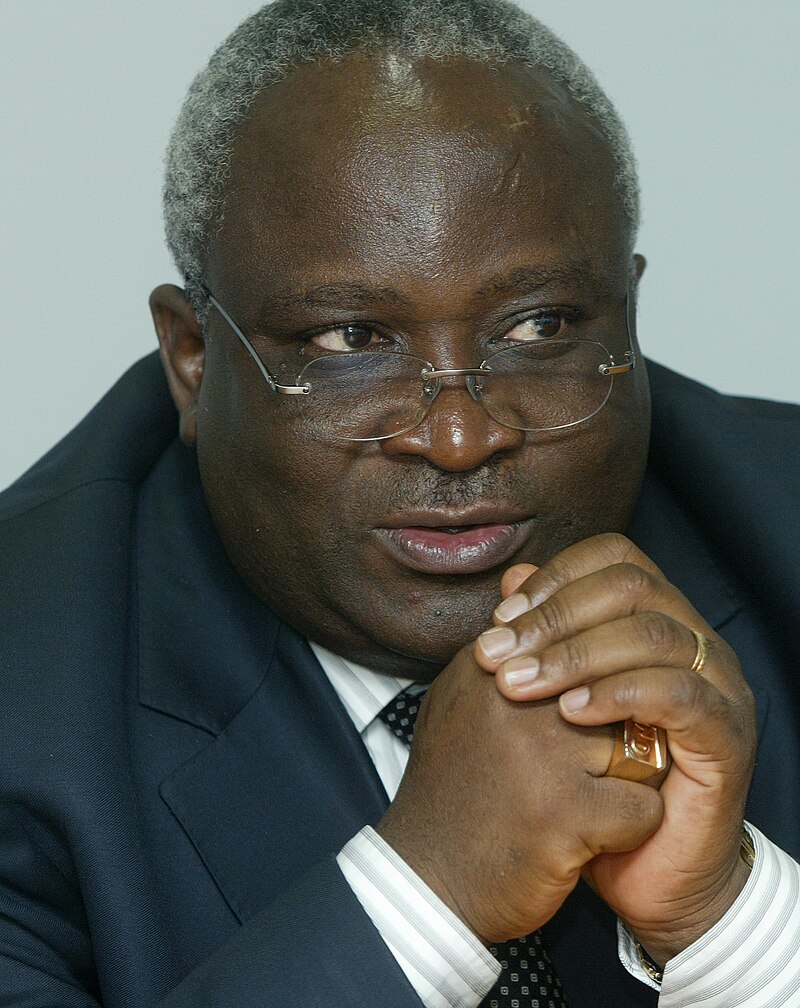




Sylvestre Ntibantunganya is a former president who joined the meeting shortly after it began.
Une campagne électorale qui ressemble à une présidentielle – IWACUBurundi· 2025-05-24





Sylvestre Ntibantunganya warned against mechanisms like the CVR that prolong their missions at the risk of demoralizing the population.
De la délicatesse dans la gestion des conflits – IWACUBurundi· 2025-03-25



Sylvestre Ntibantunganya, the former head of state, highlighted the importance of the reconciliation process and warned against prolonged commissions.
la CVR aux défis de la vérité et de la justice – IWACUBurundi· 2025-03-08


Sylvestre Ntibantunganya expresses his views on the electoral process and the current crises in Burundi.
« Les Burundais ont beaucoup plus droit à des solutions qu’à la persistance des problèmes. » – IWACUBurundi· 2025-02-13