Talib Abdul Aziz
 IraqpoetMale3.0Global Dominance: 0.00%
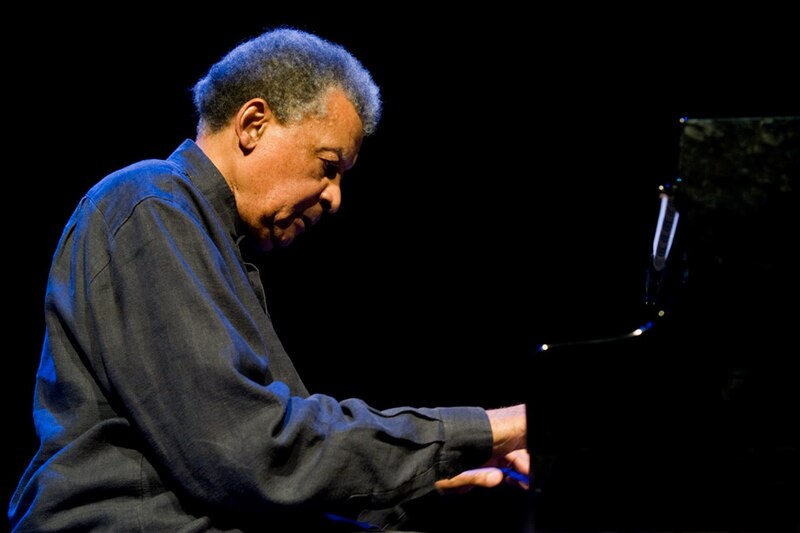
Talib Abdul Aziz is a contemporary Arab poet and writer known for his deep reflections on life, art, and the value of creativity. In his works, he often explores the personal significance of poetry and literature, arguing against the societal norms that prioritize material wealth over artistic expression. His recent discussions highlight the importance of understanding life through the lens of art, challenging the youth to find meaning beyond material pursuits.
Country presence
Recent news mentions
Talib Abdul Aziz discusses the environmental pollution crisis in Iraq and the government's inability to address it.
قناطر: العـــراق: أكثر من بيئة ملوثةIraq· 2026-09-27Talib Abdul Aziz is mentioned as a historian discussing the historical context of Basra and its political implications.
قناطر: البصرة: مالك النخل والناطورIraq· 2026-02-25
Talib Abdul Aziz discusses the potential for a joint dam with Iran to address the water crisis in Basra.
سدٌّ مشترك مع إيران ينهي أزمة المياه في البصرة!!Iraq· 2026-02-11Talib Abdul Aziz is mentioned in the context of discussing the challenges faced by the government in managing water and service projects due to population growth.
زيادة عدد السكان تهدد مشاريع الخدماتIraq· 2026-02-04Talib Abdul Aziz expresses deep emotions and reflections on love and beauty in his writing.
الحبُّ يقترحُ سماءً أكثرَ زرقةً اليــــومIraq· 2026-02-02


Talib Abdul Aziz discusses the political challenges in Iraq and the lack of genuine political organizations.
في البصرة.. هذا الكعك من ذاك العجينIraq· 2025-12-17



Talib Abdul Aziz expresses his deep affection for Baghdad and its beauty.
بغداد؛ اشراقةُ كلِّ دجلةٍ وشمسIraq· 2025-12-14



Talib Abdul Aziz expresses his dislike for Iraqi singing and comments on the cultural dynamics in Basra.
لا أحبُّ الغناء العراقي .. لكنIraq· 2025-11-26
Talib Abdul Aziz reflects on his writing rituals and the nature of creativity.
عن الرعبُ الذي ليس له ألوانIraq· 2025-11-19



Talib Abdul Aziz is mentioned in the context of the political transformations in Iraq leading up to the 2025 elections.
المَدَنيَّةُ تنتصرُ في انتخابات 2025Iraq· 2025-11-09


Talib Abdul Aziz is mentioned in the context of discussing the political and legislative issues surrounding personal status laws in Iraq.
قناطر: مغامرة الحياة خارج التشريعIraq· 2025-10-26Talib Abdul Aziz reflects on the nightlife in Al-Ashar and the presence of various communities.
قناطر: ليل العشار الغجريIraq· 2025-10-05
Talib Abdul Aziz discusses the importance of examining water quality before planting trees in Basra.
قناطر: شجرة المانغروف في البصرةIraq· 2025-09-21Talib Abdul Aziz is mentioned as the man who burned his vehicle in front of traffic police in Nasiriyah.
قناطر: في الناصرية: (أحرقها وأحرق روحي)!Iraq· 2025-09-17Talib Abdul Aziz is mentioned in the context of a café in Umm al-Brom.
قناطر: في مقهى بأمِّ البرومIraq· 2025-09-14



Talib Abdul Aziz reflects on the beauty of his hometown in Iraq and criticizes the negative portrayal of the country by some content creators.
ديمقراطية مسلّحة بين إتاحة القبح وملاحقة الجمالIraq· 2025-09-10
Talib Abdul Aziz expresses his pain over the dead trees and the government's inability to address environmental issues in Basra.
حكومات بلا تخطيط والنتائج كارثيةIraq· 2025-09-03Talib Abdul Aziz discusses the cultural responsibilities of the Iraqi state.
قناطر: في شجون الثقافة ثانيةًIraq· 2025-08-31Talib Abdul Aziz reflects on memories and the passage of time in a poetic manner.
قناطر: ما يتخلفُ في الهدمIraq· 2025-08-27

Talib Abdul Aziz reflects on the passage of time and the connection of his family to the seasons.
مواسم للضوء مواسم للفقد والضياعIraq· 2025-08-24

Talib Abdul Aziz is mentioned in the context of discussing Iranian culture and music.
قناطر: الغزالات تركضُ بصوت مهستيIraq· 2025-08-20





Talib Abdul Aziz reflects on the memories associated with scents and the significance of fragrance in his life.
قناطر: العطر ذاكرة ثانيةIraq· 2025-08-18








Talib Abdul Aziz is mentioned in the context of the historical and political significance of Basra.
شمسُ البصرة للنخل والثورة أيضاًIraq· 2025-07-27
Talib Abdul Aziz is mentioned in the context of the government's efforts to address the water crisis in Basra.
ماراثون البصرة أيهما ينتصر لسان الملح أم جهد الحكومة؟Iraq· 2025-07-23
Talib Abdul Aziz is mentioned in the context of the struggles faced by the people of Basra due to salty water affecting their lives.
أوجاعُ من صعد الملحُ قلبهIraq· 2025-07-16
Talib Abdul Aziz is mentioned in the context of discussing the historical significance of neighborhoods in Baghdad.
قناطر: بين الكريمات وأبو كوصرةIraq· 2025-06-29


Talib Abdul Aziz is mentioned in a conversation about placing flowers.
قناطر: اللعبة السريّة للأصداءIraq· 2025-06-17

Talib Abdul Aziz is mentioned in the context of the government's response to the water crisis in Basra.
الملح يأكل البصريين يا حكّام بغدادIraq· 2025-05-28
Talib Abdul Aziz discusses the challenges facing Iraq in the context of the Arab summit in Baghdad.
قمة بغداد العربية. . معادلة البقاء والزوالIraq· 2025-05-19Talib Abdul Aziz expresses sadness over the lack of cultural and artistic production in Iraq.
قناطر: أغنيةُ أبيIraq· 2025-04-13