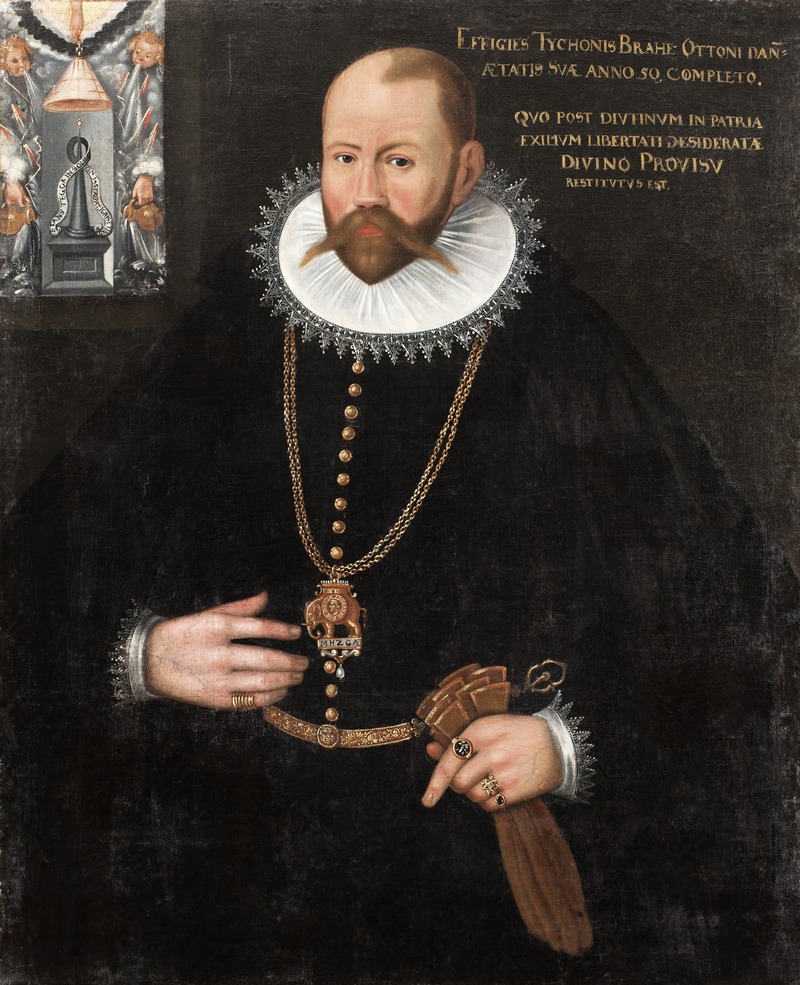
Tycho Brahe
Tycho Brahe was a Danish nobleman and astronomer known for his comprehensive astronomical observations and his contributions to the scientific revolution in the late 16th century. He is best known for his accurate and comprehensive data on planetary positions, which laid the groundwork for Johannes Kepler's laws of planetary motion. Brahe's innovative approach combined observational astronomy with meticulous recording techniques, and he established one of the first modern observatories on the island of Hven, called Uraniborg. His work marked a significant transition from the medieval view of astronomy to a more modern scientific perspective. Brahe's fascination with alchemy also led him to experiment with the transformation of materials, including the ancient goal of turning lead into gold, reflecting the broader intellectual currents of his time.
Not in the pool (under ¢1).
Recent news mentions
Tycho Brahe is commemorated with a new monument Globus Magnus at the site of his former research facility on Hven.
»Dengang syntes folk på øen ikke, at han var så bra« Denmark· 2026-07-12
Tycho Brahe's measurements of celestial bodies demonstrated that their movements were actually elliptical.
La esfera: Figura clave para el desarrollo de la ciencia Mexico· 2025-12-05
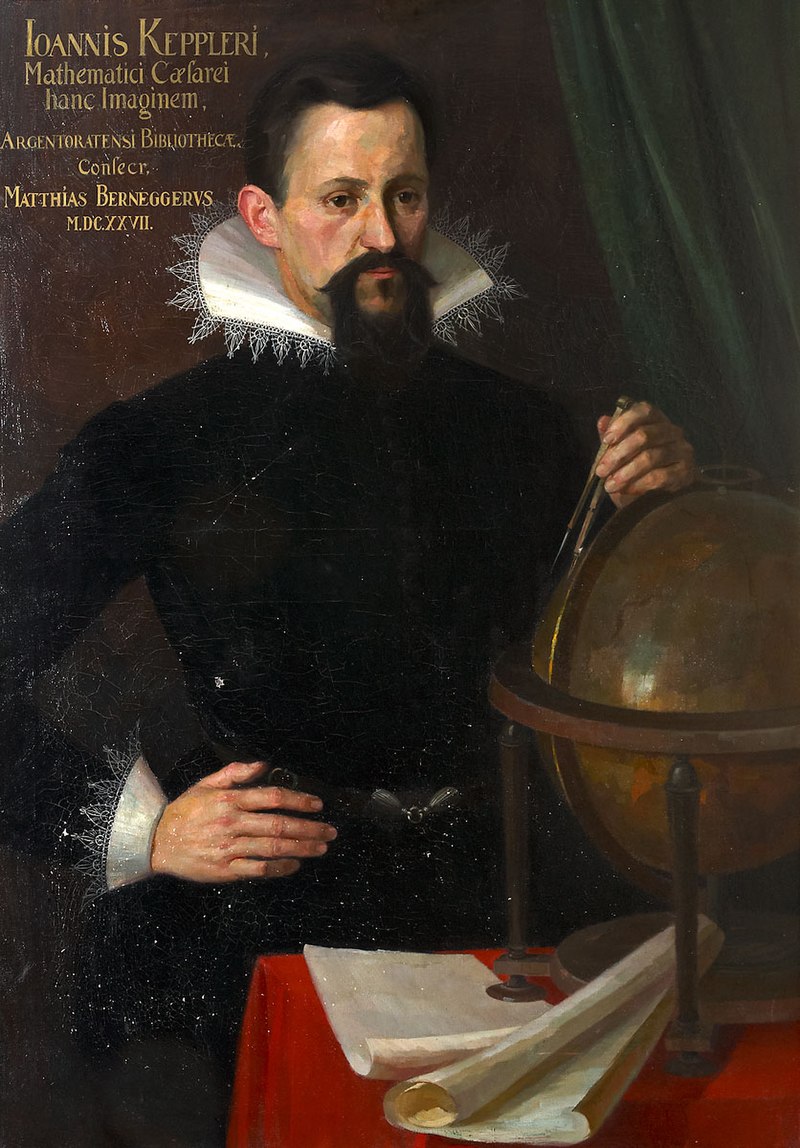
Tycho Brahe held firmly to the geocentric model of the universe and attempted to support it with precise observations.
Revolution des Weltbilds: Von Ptolemäus zu Kopernikus Switzerland· 2025-11-26


Tycho Brahe measured the parallax of comets and concluded they were much farther than the Moon.
Šta je kometa, a šta je asteroid Montenegro· 2025-11-21


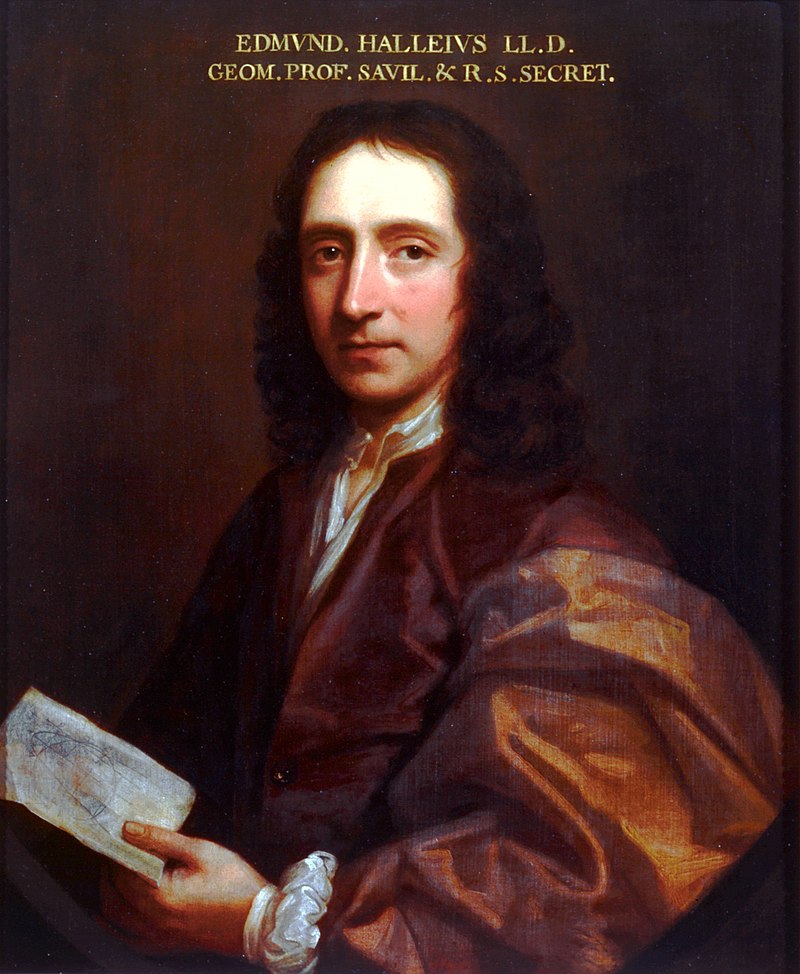
Tycho Brahe observed the remnants of a supernova in the constellation of Cassiopeia in 1572.
«Οταν ανατέλλει ο Σκορπιός…» | Η ΚΑΘΗΜΕΡΙΝΗ Greece· 2025-08-08
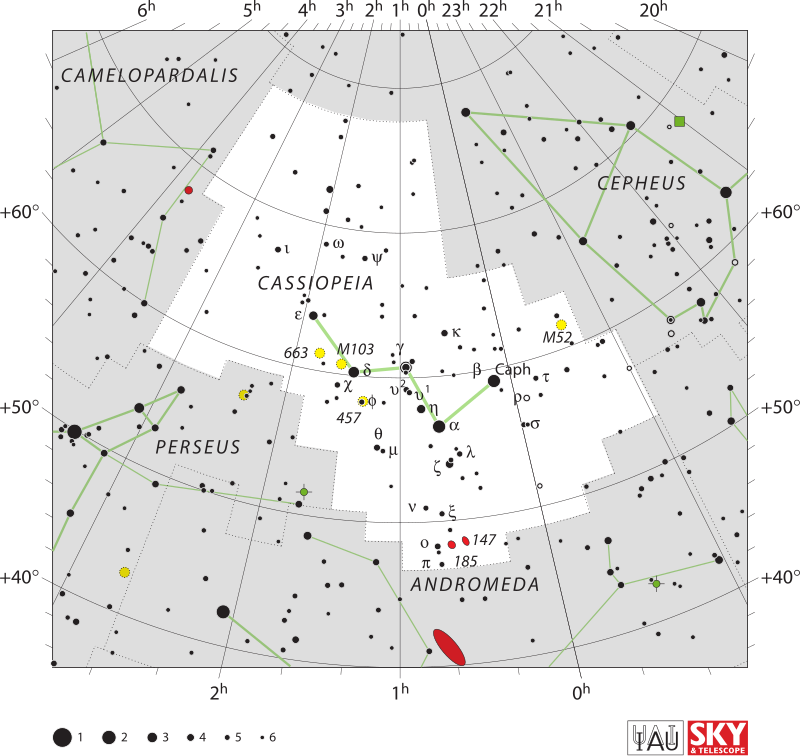

Tycho Brahe made more accurate observations than ever before.
היקום המוזר של מכחישי המדע Israel· 2025-05-23
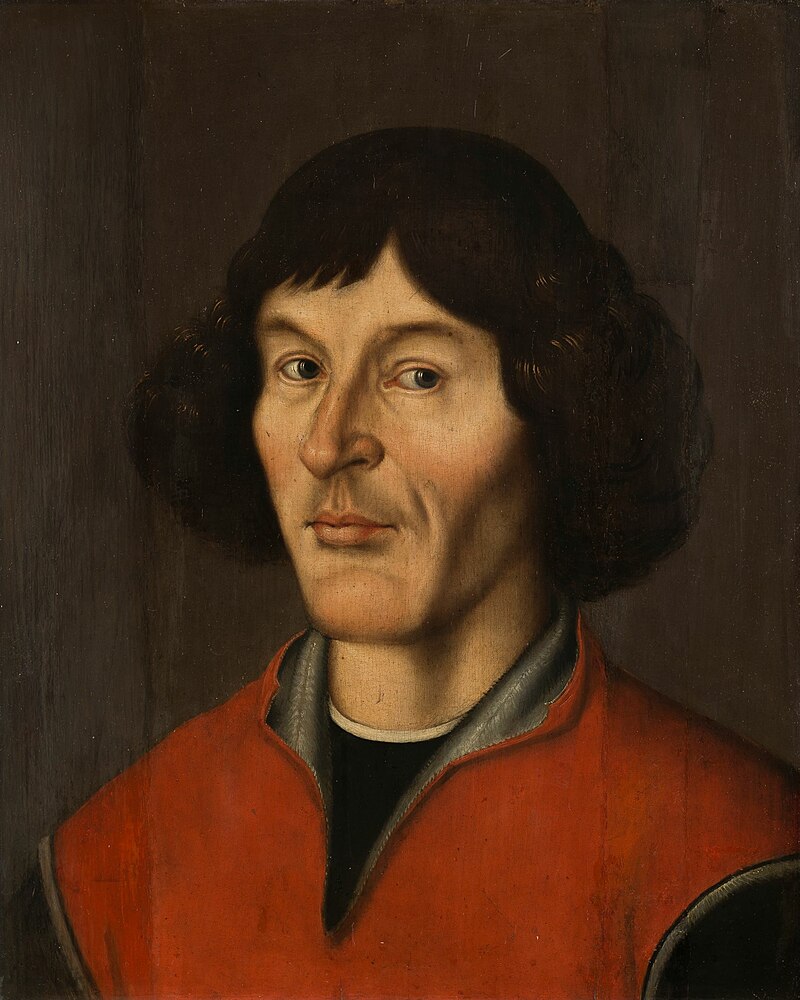


Tycho Brahe was a significant astronomer who worked in alchemy.
Cern-Experiment erzeugt aus Blei Gold - Materie Austria· 2025-05-09