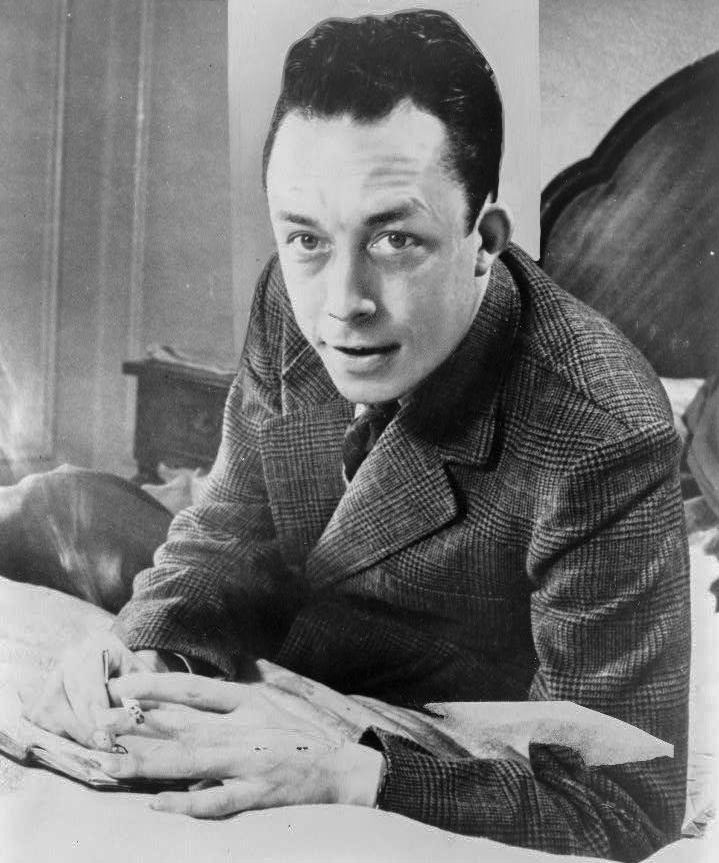
Albert Camus
 BrazilwriterMaleb. 19137.5Global Dominance: 0.00%
Albert Camus was a French philosopher, author, and journalist born on November 7, 1913, in Mondovi, Algeria. A prominent figure in 20th-century literature, he is best known for his works that explore themes of absurdism and existentialism, including 'The Stranger' and 'The Myth of Sisyphus.' Camus received the Nobel Prize in Literature in 1957 for his significant contribution to literature and thought. His experiences in Algeria, particularly during World War II, deeply influenced his writing and philosophical outlook. Camus's legacy endures as he remains a central figure in discussions of morality, meaning, and the human condition.
Country presence
Recent news mentions
Albert Camus was a French philosopher and Nobel laureate whose work focused on the absurdity of human existence.
Aussenseiter prägten das Selbstbild des Menschen Switzerland· 2026-09-27
Albert Camus was a French-Algerian writer and philosopher whose work Zuenir Ventura admired.
Velório de Zuenir Ventura será aberto ao público na Academia Brasileira de LetrasBrazil· 2026-09-22




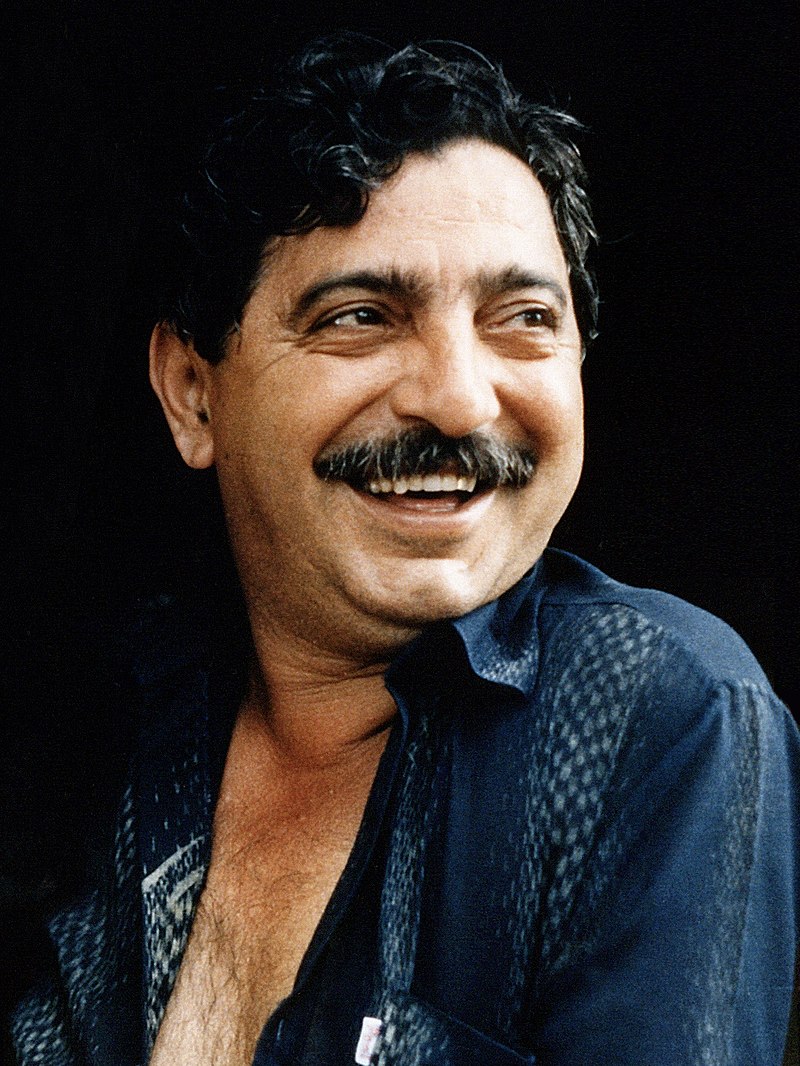

Zuenir's passion for Albert Camus opened the path to his journalism career.
paixão por Albert Camus abriu caminho para carreira no jornalismo; entendaBrazil· 2026-09-22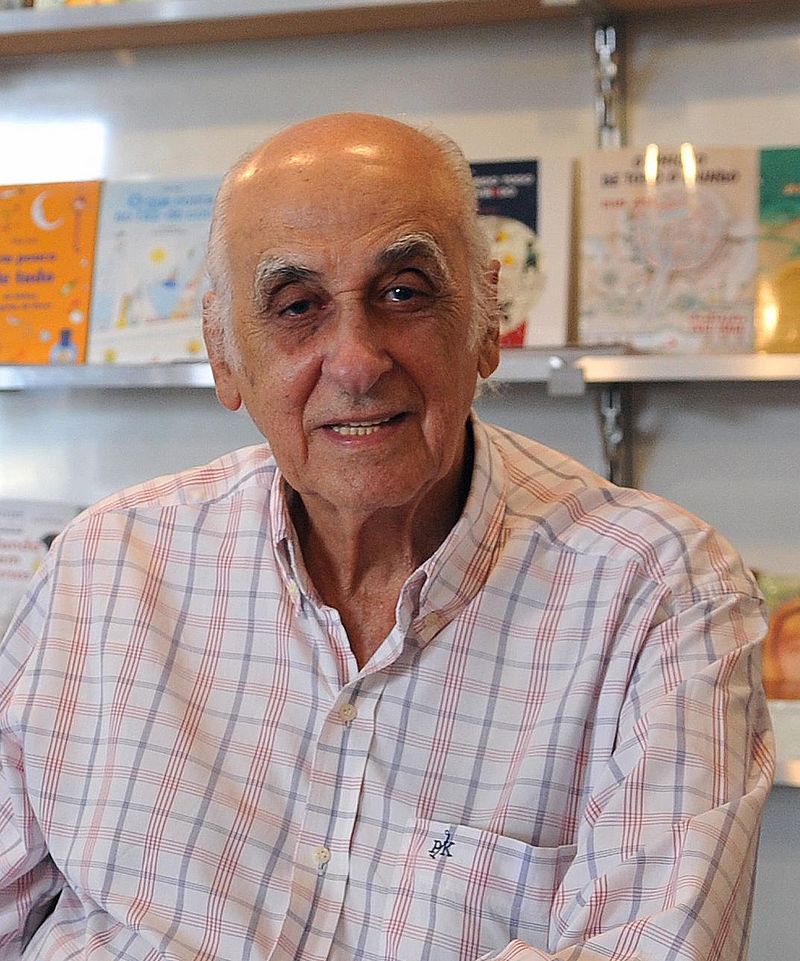





Albert Camus's 'The Myth of Sisyphus' offers a powerful reflection on human existence.
25 libros para vacunar a nuestros jóvenes contra el autoritarismo Costa Rica· 2026-09-14


Albert Camus is referenced for his insights on epidemics and wars in history.
Zakaj svet beži od Amerike in njenega dolarja Slovenia· 2026-09-12

Hatem El Mekki frequented major figures of the French intellectual life, including Albert Camus.
Hatem El Mekki : une vie entre deux terres, une œuvre pour tout un peuple Tunisia· 2026-08-04
Albert Camus's 'The Plague' uses a fictional epidemic in Oran as a mirror of the Occupation, a space to think about solidarity and resistance in the face of misfortune.
« Vous dansez alors qu'on meurt ailleurs » : jusqu'où va le procès fait à la culture ?Tunisia· 2026-08-04
Albert Camus is referenced for his philosophical essay about Sisyphos.
Bärbel Bas im ZDF-Sommerinterview: Nach dem Rentenstreit ist vor dem Rentenstreit - Medien Germany· 2026-08-02
Albert Camus is quoted in the article regarding the moral lessons learned from football.
La il·lusió que em condemna Andorra· 2026-08-01
Dazai's writing connects with the ideas of French philosopher Albert Camus, who believed people search for meaning in a meaningless world.
Quote of the day by Osamu Dazai: 'I could believe in hell, but it was impossible for me to believe in the existence of heaven' and the chilling reason why the human mind trusts pain far more than peace India· 2026-07-31


Albert Camus is referenced in relation to the concept of human dignity and rebellion.
Dignidad matemática, por Francisco Miró Quesada Rada Peru· 2026-07-22


Albert Camus contrasts ancient Greek lessons about humility with modern ideological certainty.
Stories win elections. So why are some politicians so bad at telling them? – The Irish Times Ireland· 2026-07-21


Existentialist philosophers like Albert Camus took many of Nietzsche's ideas about freedom, meaning and responsibility and developed them.
Quote of the Day by Friedrich Nietzsche "What makes unhappy marriages? It is not the lack of love but the absence of...."India· 2026-07-20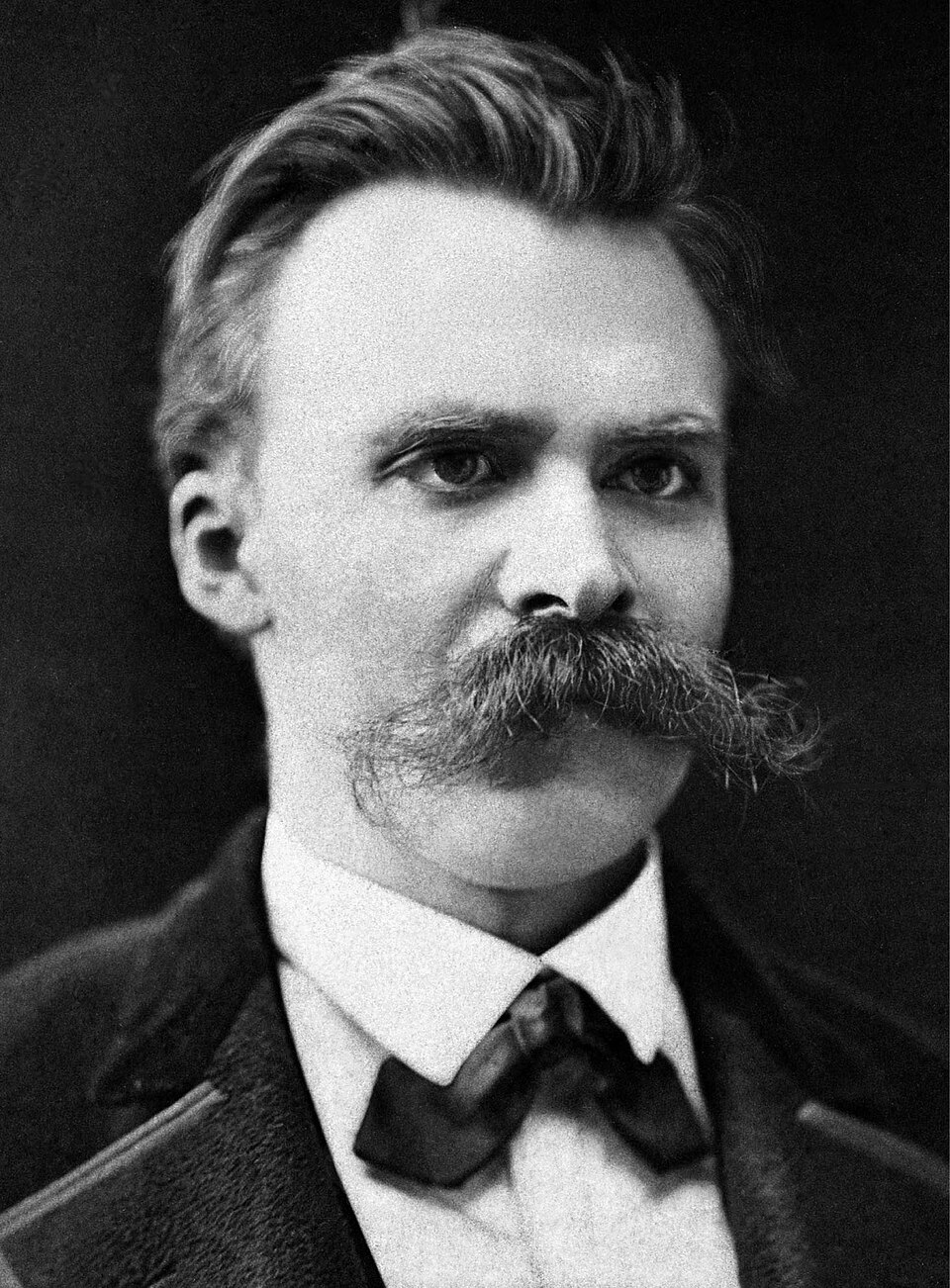
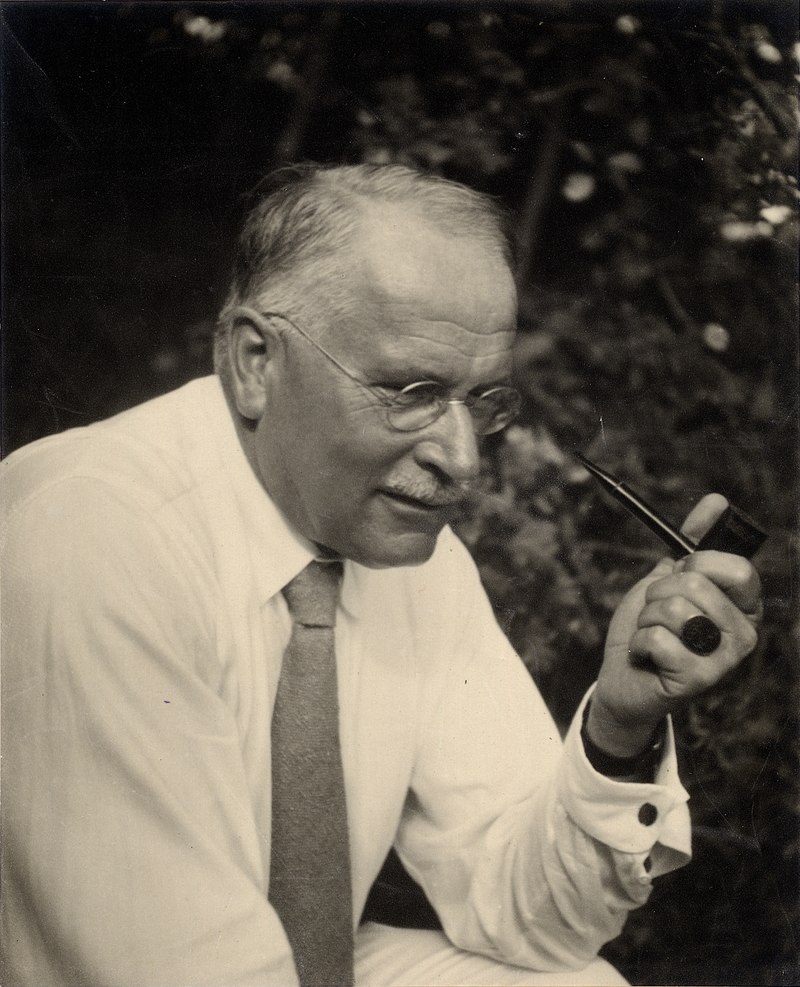
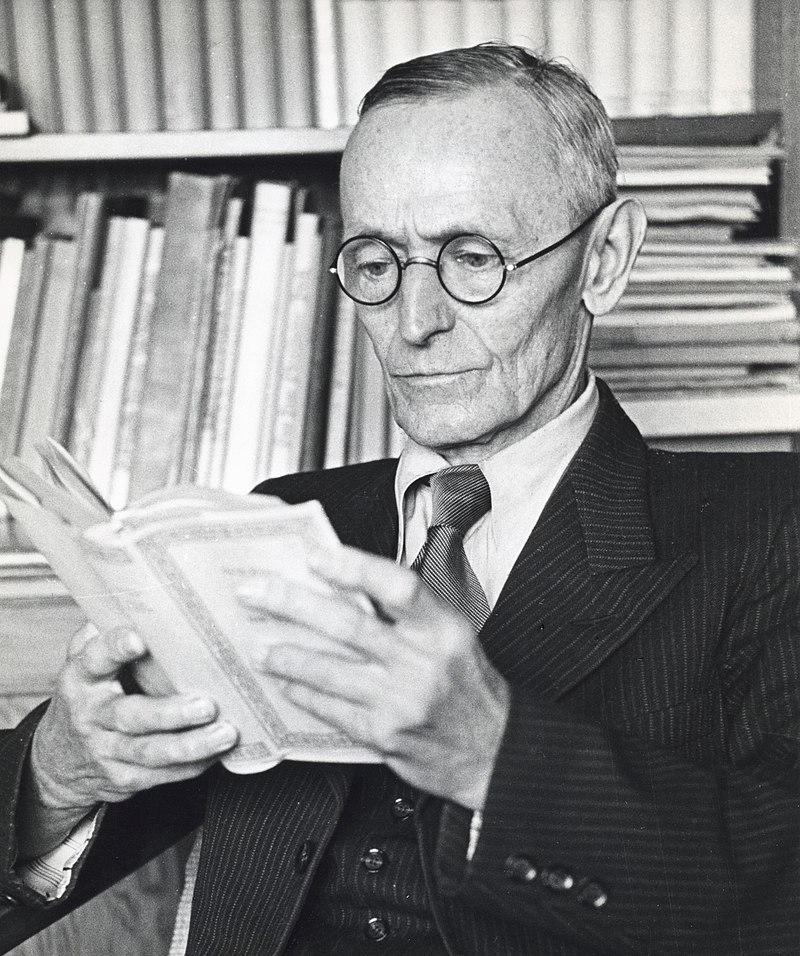
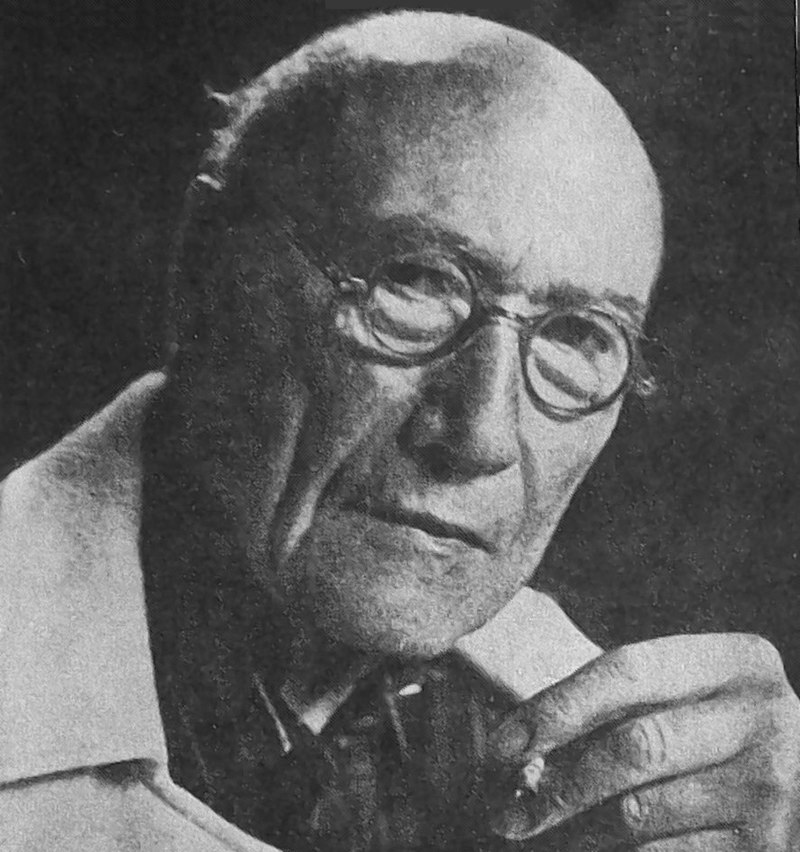
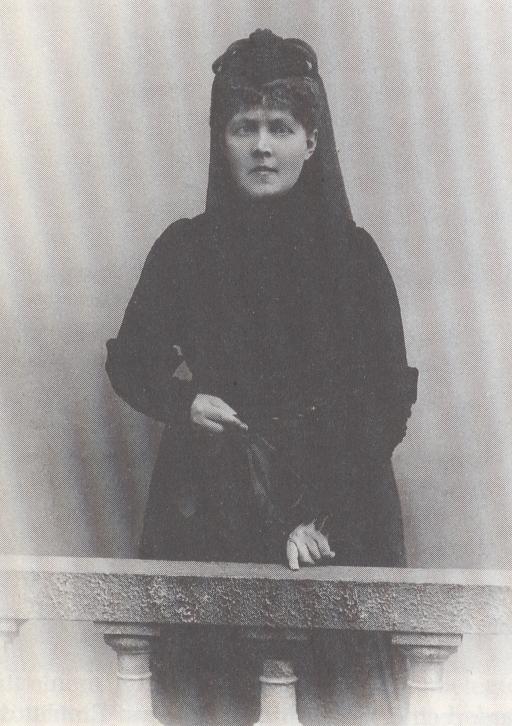
Albert Camus was a Nobel Prize-winning writer who also played as a goalkeeper in football.
No estamos llorando, se nos metió un país en el ojo Argentina· 2026-07-20


Albert Camus, a Nobel Prize-winning author, reflected on the moral lessons he learned from football.
A la Selección, por el fuego y por las lágrimas, graciasArgentina· 2026-07-20



Albert Camus was a Nobel Prize-winning author who was hosted by Susana Soca in Montevideo.
Susana Soca, la poeta que recibió a Camus en Montevideo, vivió la ocupación nazi y fue retratada por Picasso, cumple 120 años bajo una luz difusa Uruguay· 2026-07-18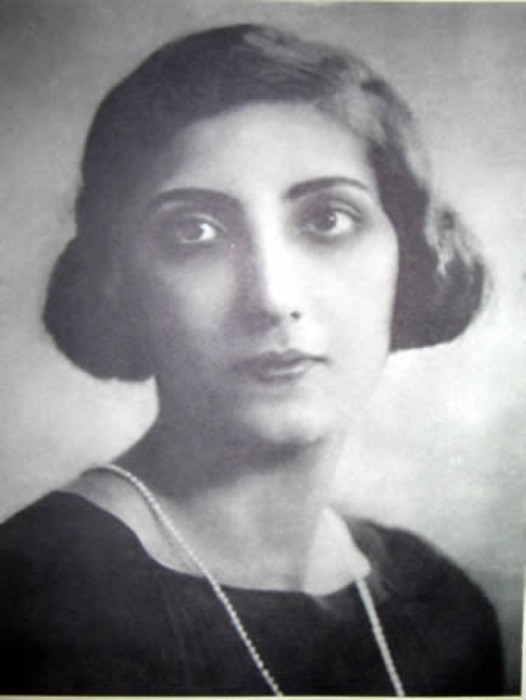


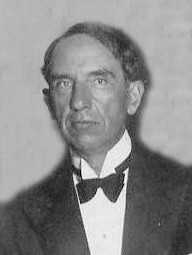


Albert Camus wrote a line in his philosophical essay that emphasizes the value in the struggle of life.
Quote of the day by Albert Camus: 'One must imagine Sisyphus happy' and how accepting life’s absurdity can become the key to finding freedom and meaningIndia· 2026-07-17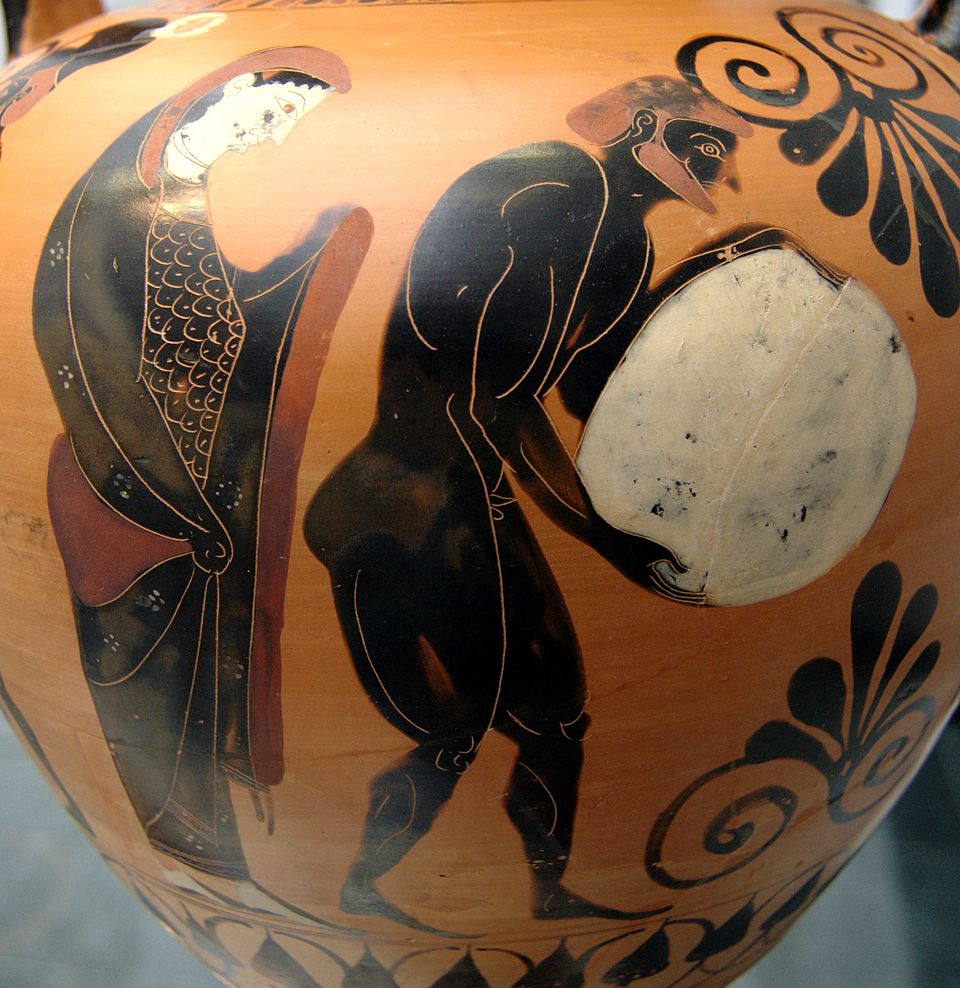
Albert Camus wrote 'The Stranger' in 1942 in Algeria, using the plot to question the existence of human life not based on illusions and false conventions.
Ξένος για σένανε κι εχθρός Greece· 2026-06-30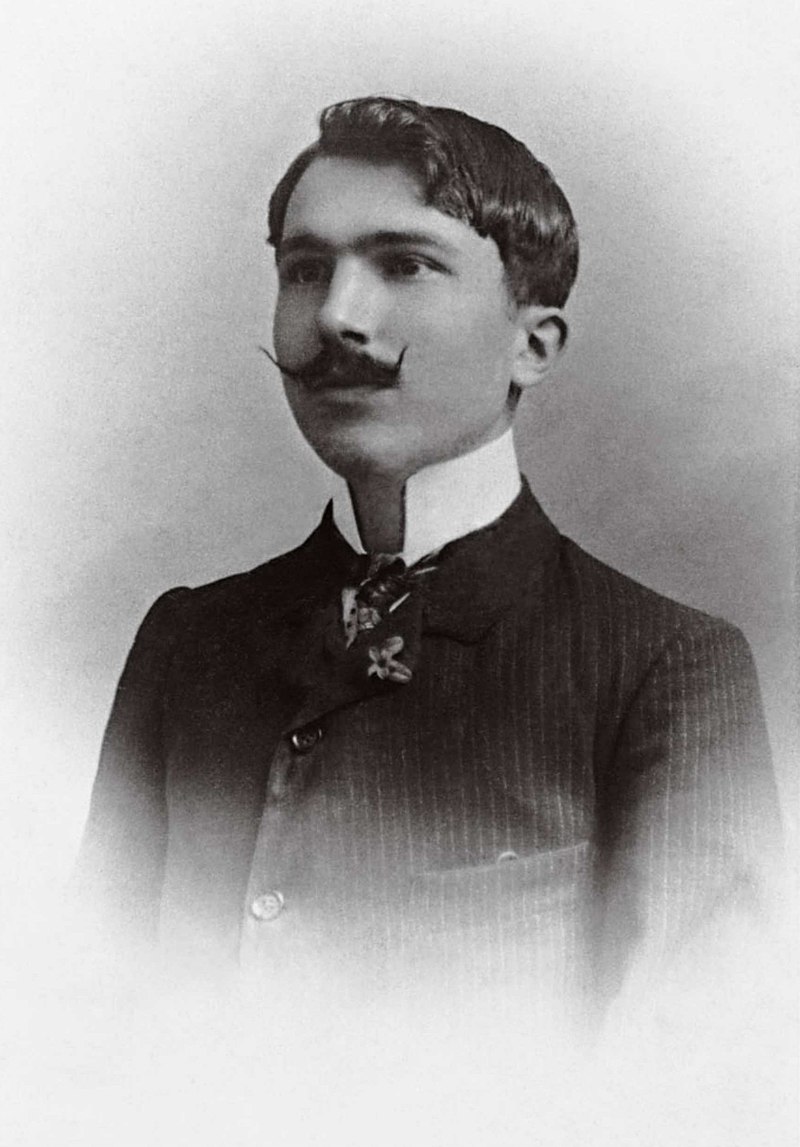

Albert Camus is mentioned as part of the literary scene in Paris during the 1920s and 30s.
Why moving to Paris at 50 helped me make sense of a changing world Australia· 2026-06-28


Albert Camus wrote the novel 'L'Étranger', which is the basis for the film.
„Странецот“ во режија на Франсоа Озон и бездната на модерниот човек North Macedonia· 2026-06-27


Öde Nerdrum mentions Camus as part of the classic literature he values.
Klassikere fra Camus til Voltaire Norway· 2026-06-20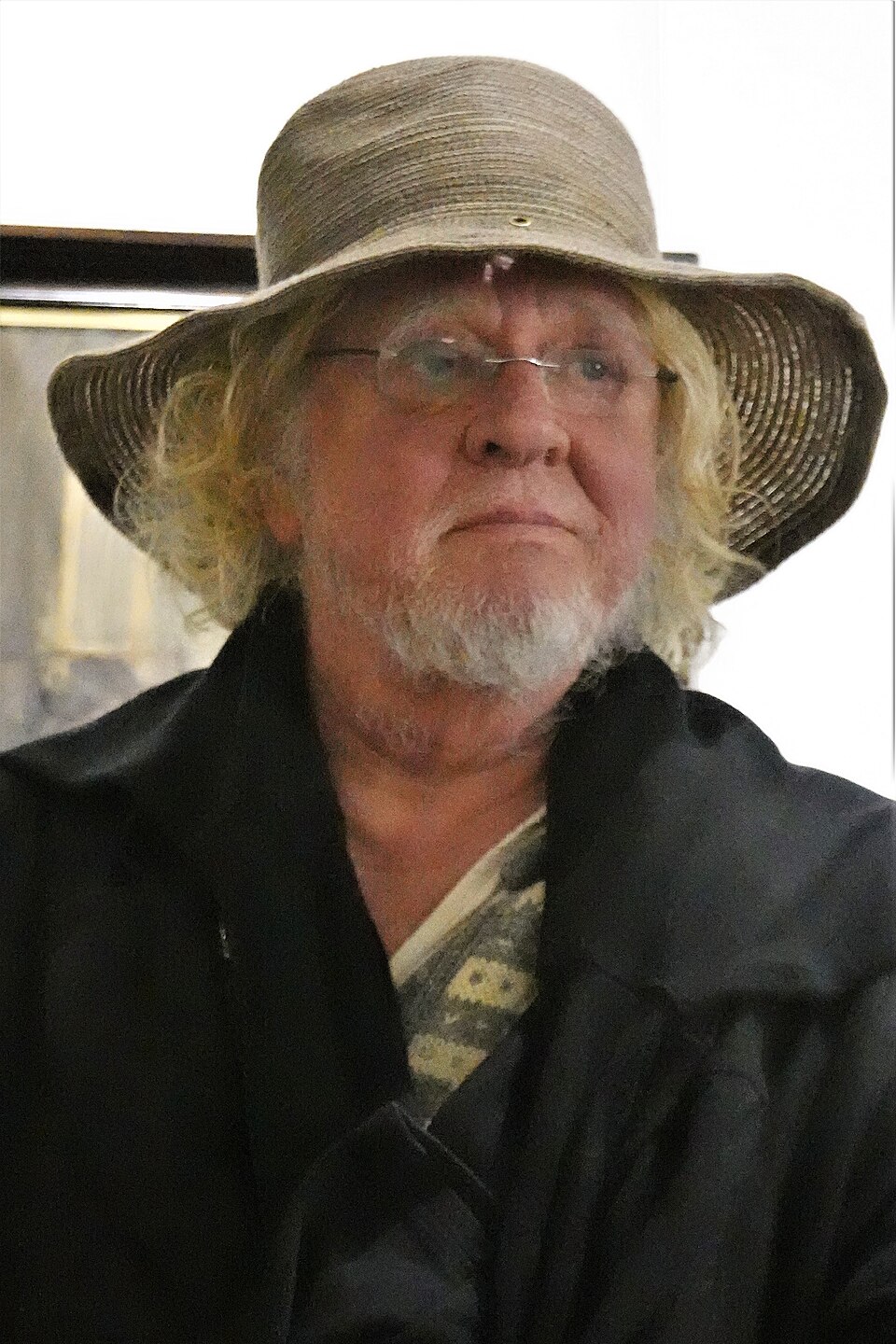
Albert Camus is the author of the book O Estrangeiro, which is being adapted into a film.
A filosofia do absurdo e os sonhos da independência | Podcast Na Terra dos Cacos Portugal· 2026-03-05
Albert Camus once said that each era lives its own version of the abyss.
Piques para agudizar la mente: los recomendados de Picnic!Uruguay· 2026-02-26






Albert Camus is a significant influence on Aramburu's writing and philosophy.
En el taller alemán de Fernando Aramburu: “Las víctimas tendrán en mi literatura una casa” | Babelia Spain· 2026-02-21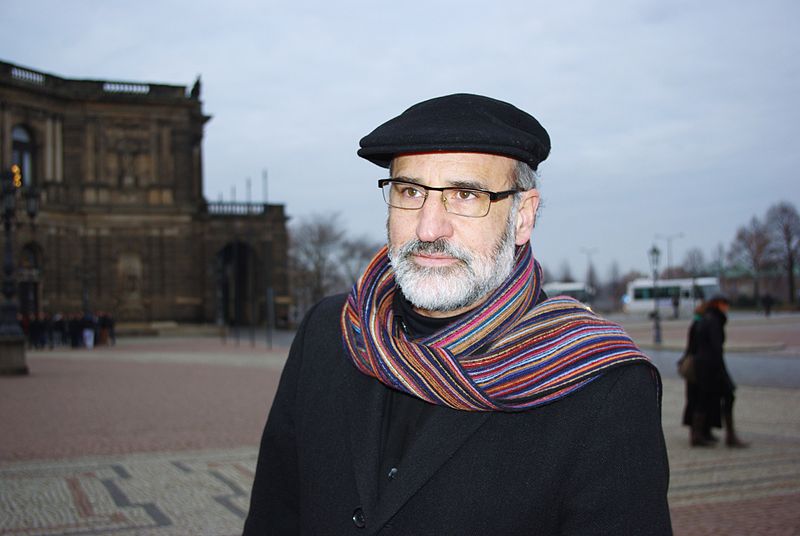




Albert Camus's childhood experience with a hen is cited as a pivotal moment leading to his anti-death penalty stance.
Joan Ganyet: Els animals i nosaltresAndorra· 2026-02-13


Albert Camus is referenced in relation to the concept of testimony in the face of crime.
Reminiscencia del alma. Sin reproche Dominican Republic· 2026-02-07
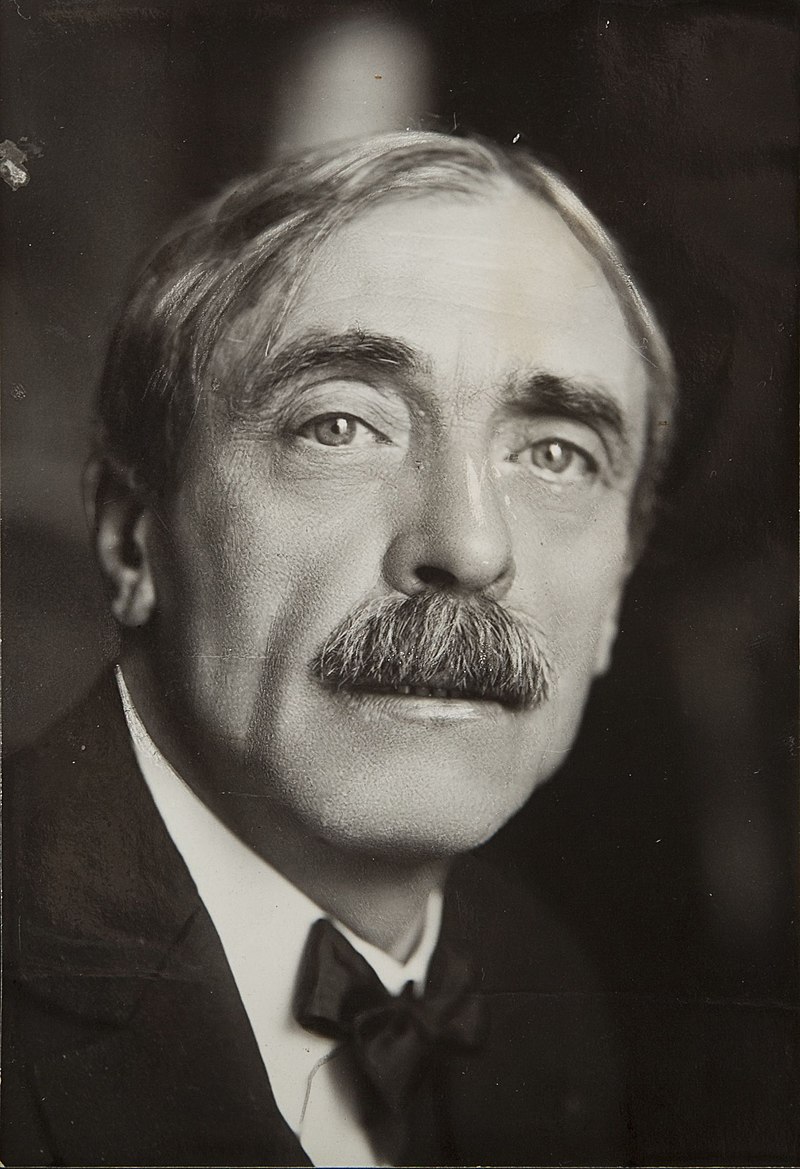
Albert Camus reflects on Sisyphus, a tragic hero condemned to push a rock up a mountain.
Patience running out for African leaders tormenting their people Kenya· 2026-01-18



Albert Camus is noted as one of the figures who signed the French resistance newspaper Combat.
La hora de la resistencia antifascista | OpiniónSpain· 2026-01-17

The French philosopher Albert Camus formulated the paradox of revolt.
Det finnes ingen sterkere kraft enn et folk som ikke lenger er aleneNorway· 2026-01-17
Albert Camus is one of the authors that inspire Julija Lukovnjak.
V svetu svetlobnih nimf in goste temeSlovenia· 2026-01-12