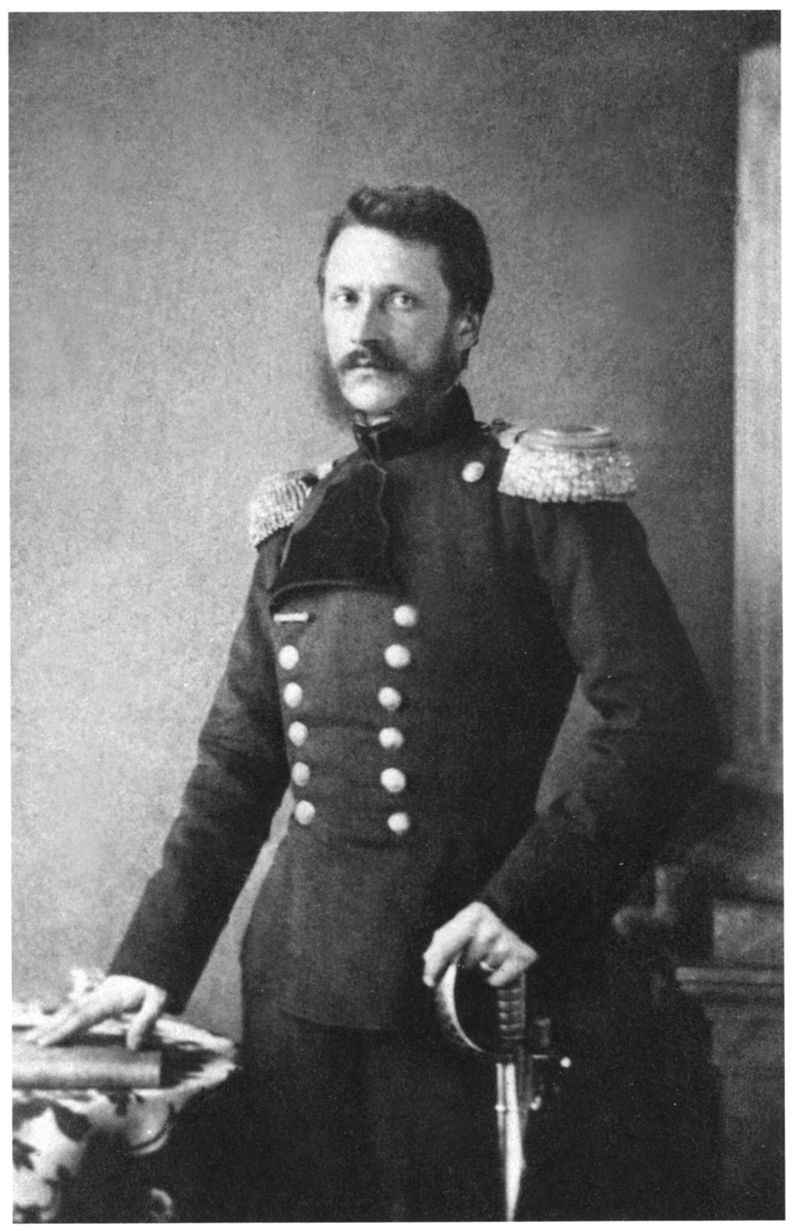
Alexandru Ioan Cuza
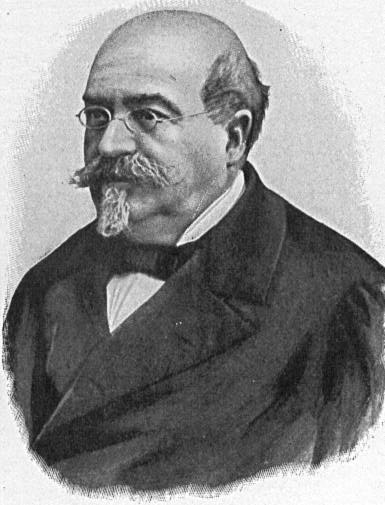
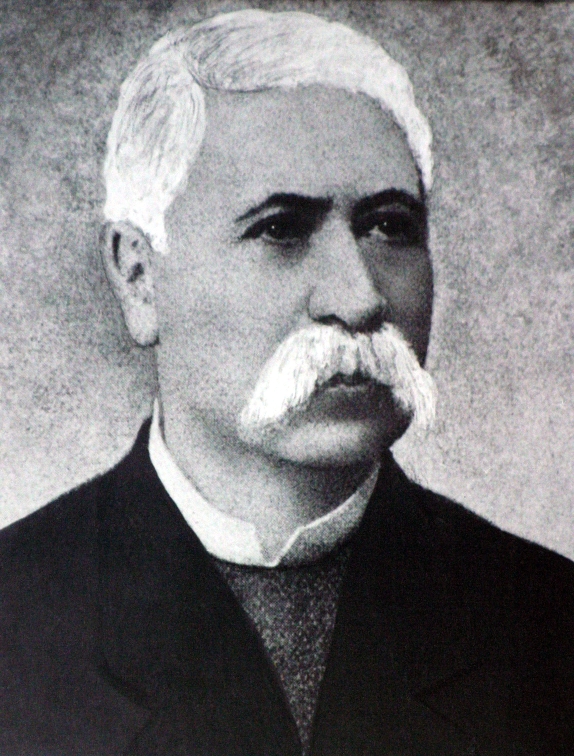
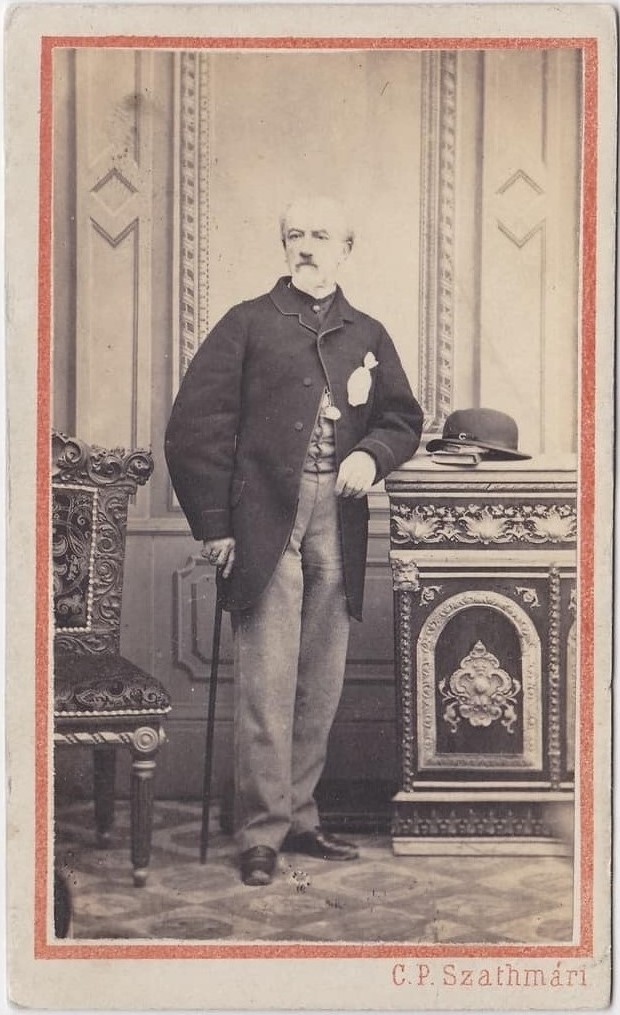
Alexandru Ioan Cuza was the first ruler of the United Principalities of Romania, serving from 1859 to 1866. He played a pivotal role in the unification of the Romanian principalities of Moldavia and Wallachia, implementing significant reforms that laid the groundwork for modern Romanian statehood. His abdication in 1866 led to the election of Carol I and the establishment of a new constitutional framework.
Not in the pool (under ¢1).
Recent news mentions
The first subject of the history exam focused on the modern history of Romania, specifically the reign of Alexandru Ioan Cuza.
Rezolvarea subiectelor la Istorie la Bacalaureat 2026. Ce capcane au avut de evitat absolvenții de la profilul uman. Analiza unui profesor Romania· 2026-07-01

A 12-year-old girl from the village of Alexandru Ioan Cuza is missing after leaving home.
Minoră de 12 ani, dispărută după ce a plecat de acasă. Poliția cere ajutorul cetățenilor – Ziarul de Gardă Moldova· 2026-06-22
Alexandru Ioan Cuza initiated a program of reforms that included the improvement of roads in Romania.
Harta autostrăzilor din România aprinde spiritele. De ce s-a oprit Ceaușescu la doar 113 kilometri?Romania· 2026-02-28


Alexandru Ioan Cuza initiated a series of reforms aimed at modernizing Romania, including the agrarian reform of 1864.
Legea care a nenorocit țăranul român. L-a făcut dependent de marii moșieri, l-a expus abuzurilor și a dus la izbucnirea Răscoalei de la 1907Romania· 2026-02-11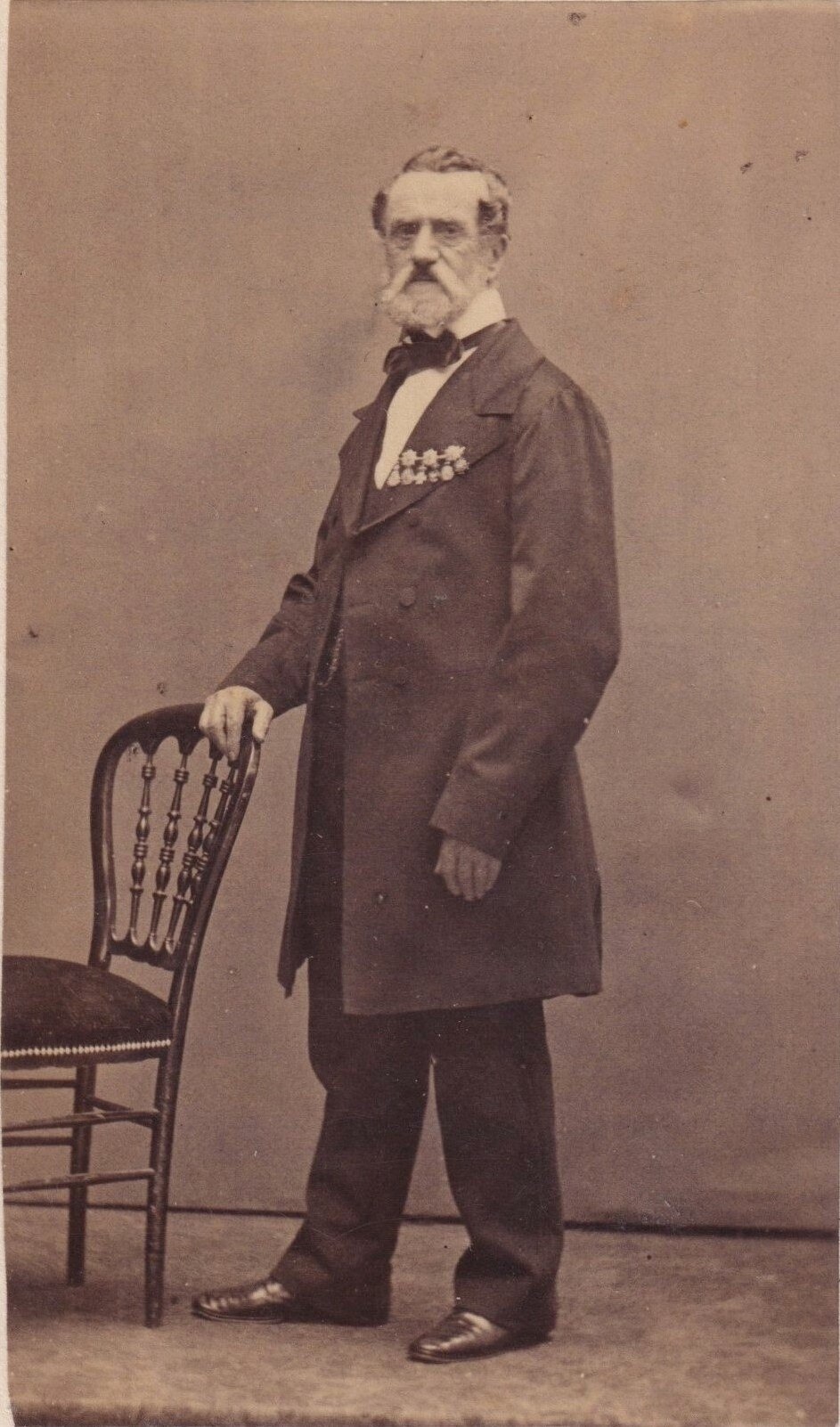



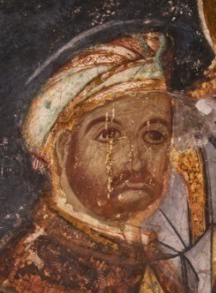
Alexandru Ioan Cuza was the first ruler of the United Principalities of Romania and played a key role in modernizing the state.
11 februarie: Ziua în care s-a stins din viață Whitney HoustonRomania· 2026-02-10
Alexandru Ioan Cuza was a significant figure in Romanian history, known for initiating important internal reforms during his reign.
10 februarie: Ziua în care s-a născut Victor Rebengiuc, o legendă a teatrului și filmului românescRomania· 2026-02-10



Cuza was the first ruler of the United Principalities of Romania and played a crucial role in the unification process.
Cele 70 de ore care au decis soarta României. Țara noastră risca să fie invadatată și dezembrată de ruși, austrieci și turciRomania· 2026-02-08
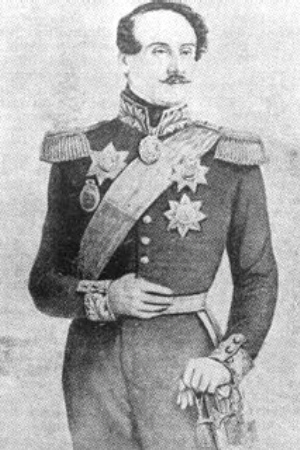
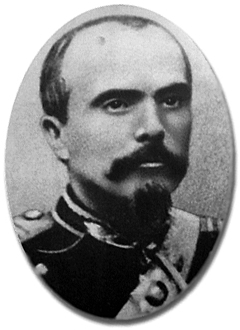
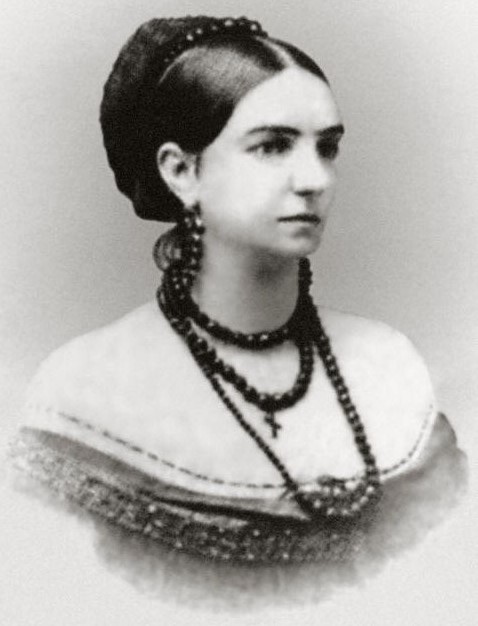
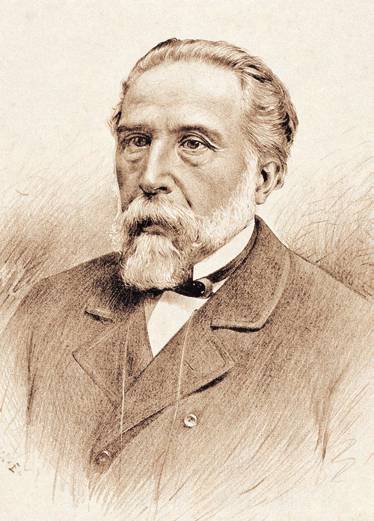
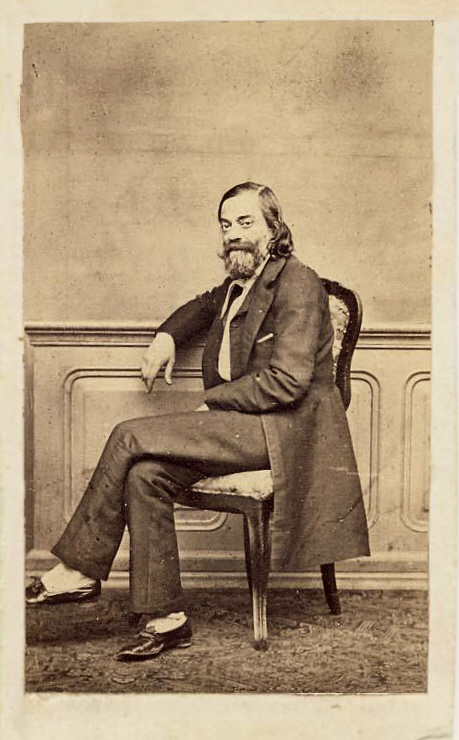
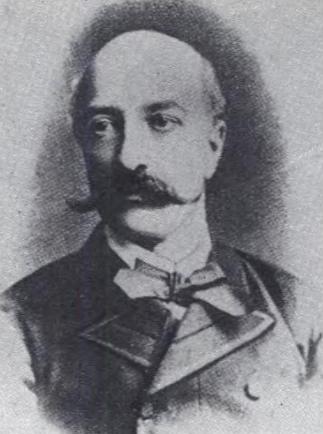
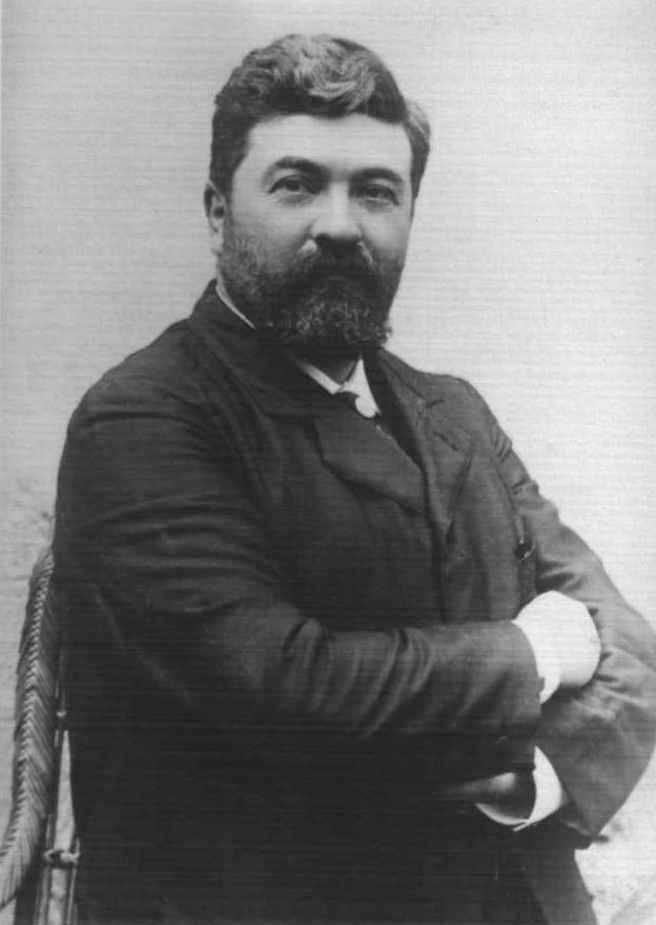
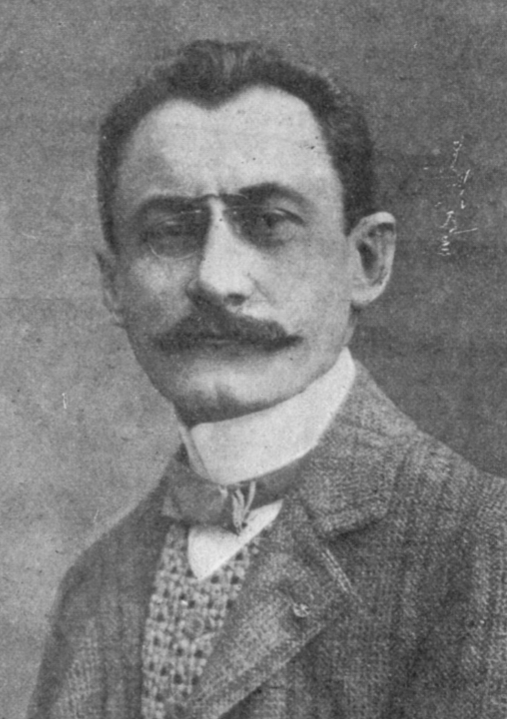
Alexandru Ioan Cuza is remembered as the ruler who laid the foundations of modern Romania.
Imagini inedite cu Nicușor Dan la parastasul lui Alexandru Ioan Cuza, în biserica „Sfinții Trei Ierarhi”, unde este înmormântat domnitorulRomania· 2026-01-25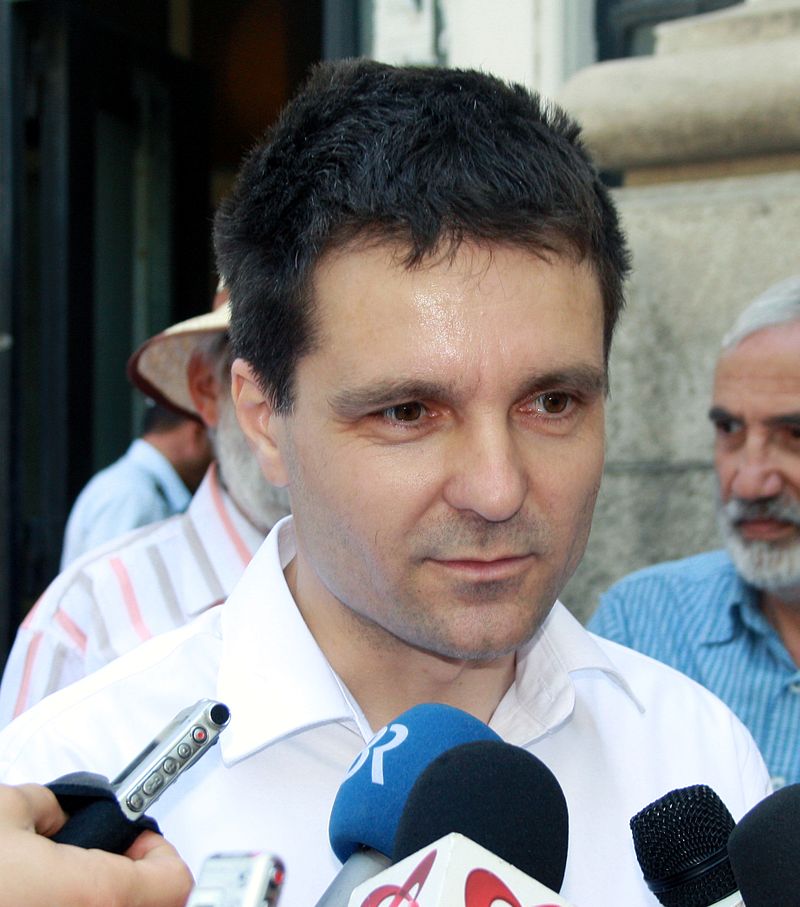
Alexandru Ioan Cuza is commemorated as the ruler who played a significant role in the unification of the Romanian Principalities.
Președintele, întâmpinat la Iași de scandalagiii Dianei Șoșoacă, după ce a fost huiduit la Focșani: „Vă rog să nu mai huiduiți pe Imnul Național”Romania· 2026-01-24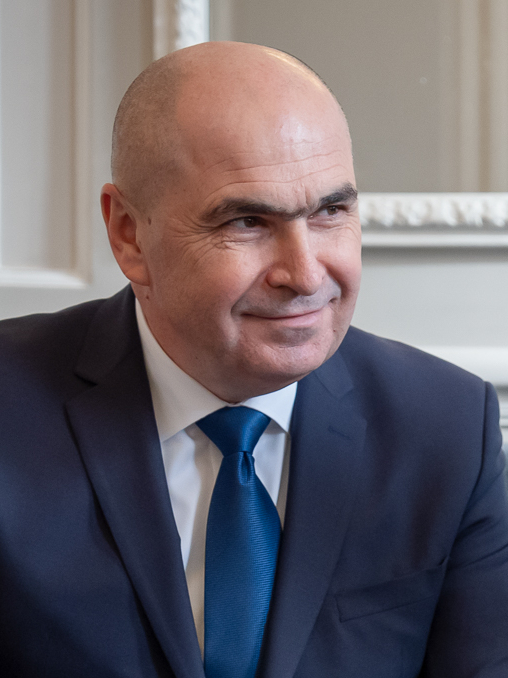

Alexandru Ioan Cuza was elected as the first ruler of the United Principalities of Romania.
Oamenii din umbră care au făcut posibilă Unirea Principatelor. Trio-ul fantastic cu „Moș Pisoi”, vărul și amanta lui CuzaRomania· 2026-01-24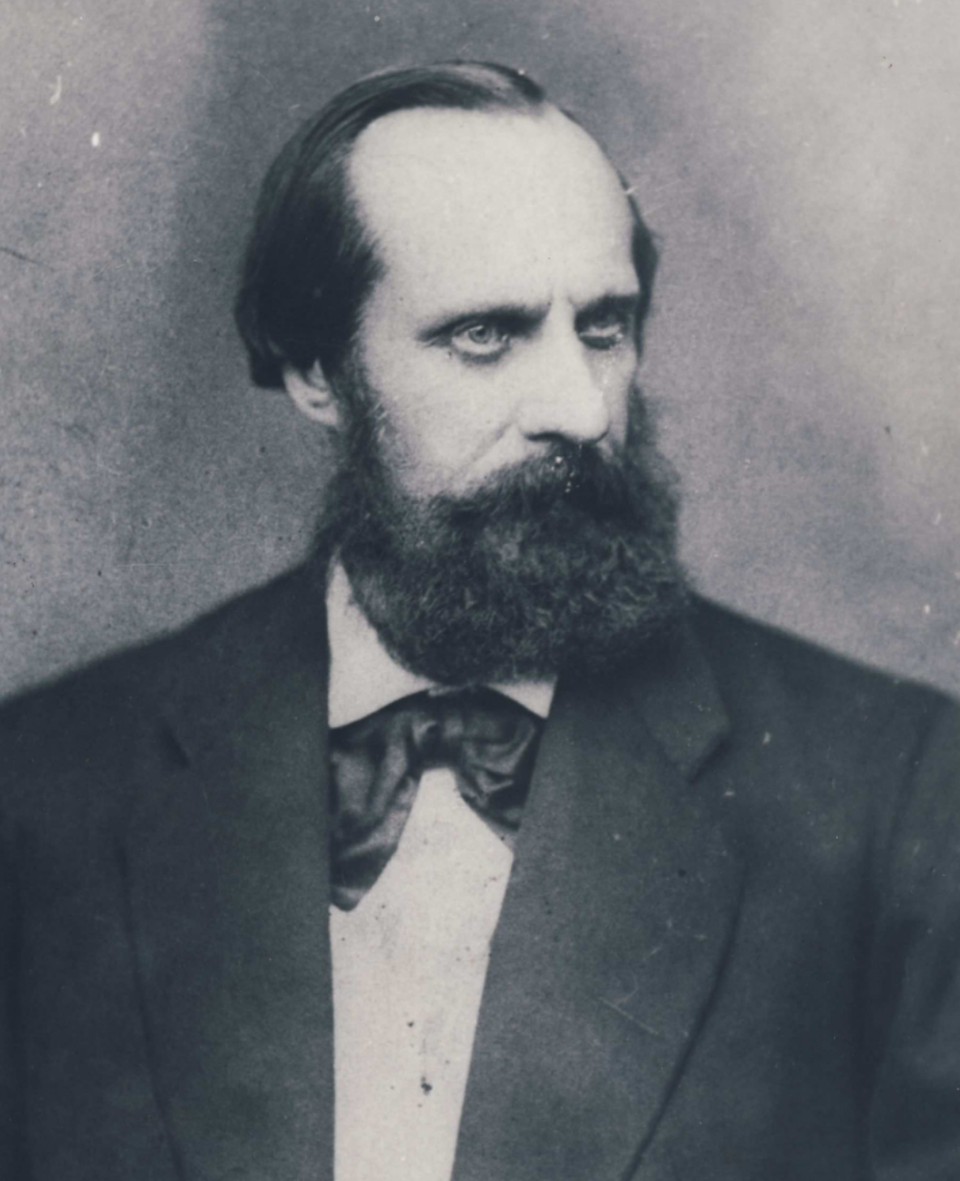
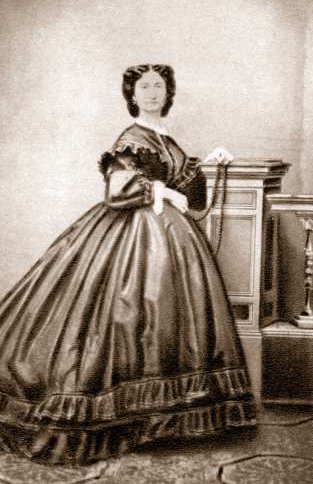
Alexandru Ioan Cuza was elected as the ruler of both principalities, marking a significant historical event.
O delegație de primari din R. Moldova va fi prezentă la evenimentul dedicat sărbătoririi Zilei Unirii Principatelor, organizat la IașiMoldova· 2026-01-24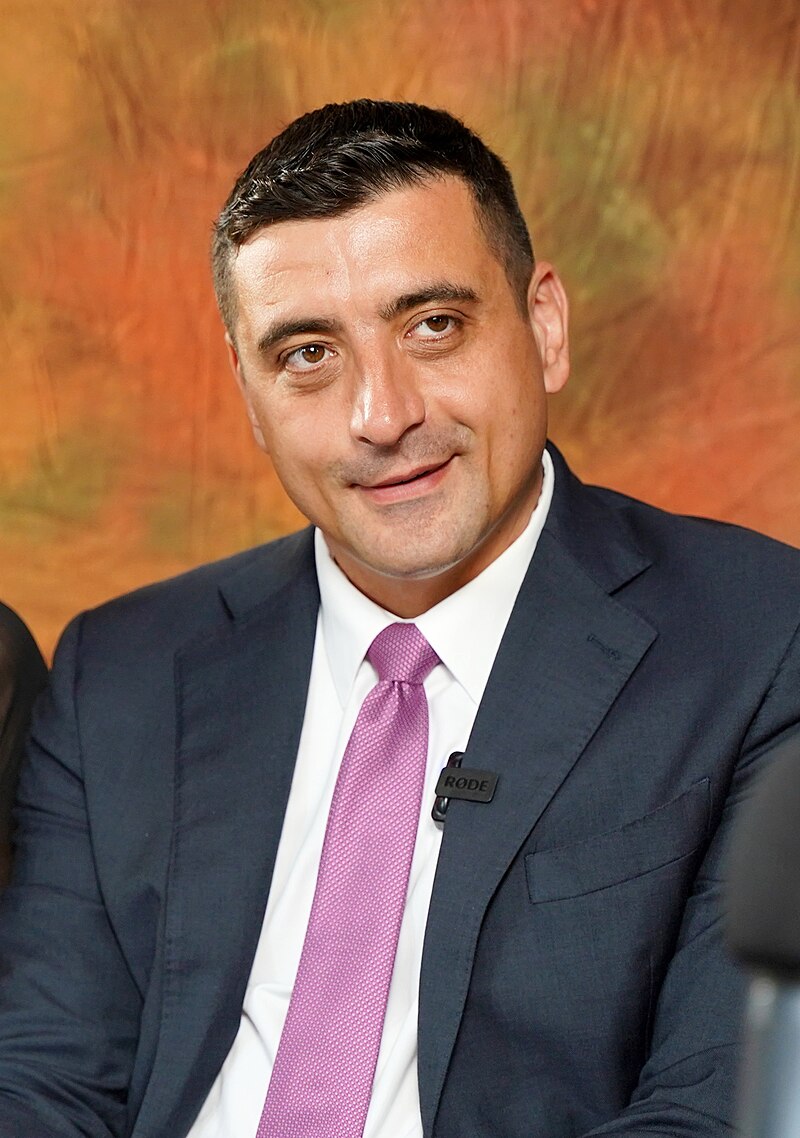


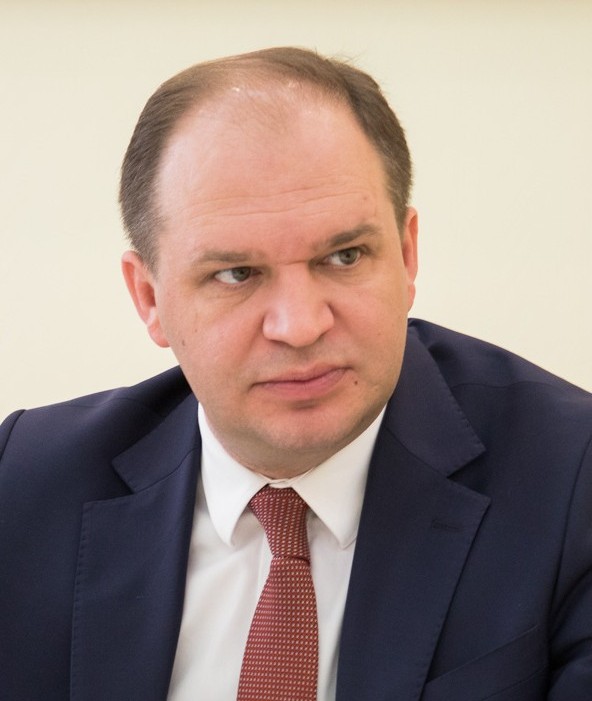
Alexandru Ioan Cuza was elected as the ruler of both Moldavia and Wallachia, marking a significant moment in Romanian history.
Ziua în care românii au reușit să facă istorie. 167 de ani de la Mica Unire. Ce s-a intamplat pe 24 ianuarie 1859Romania· 2026-01-24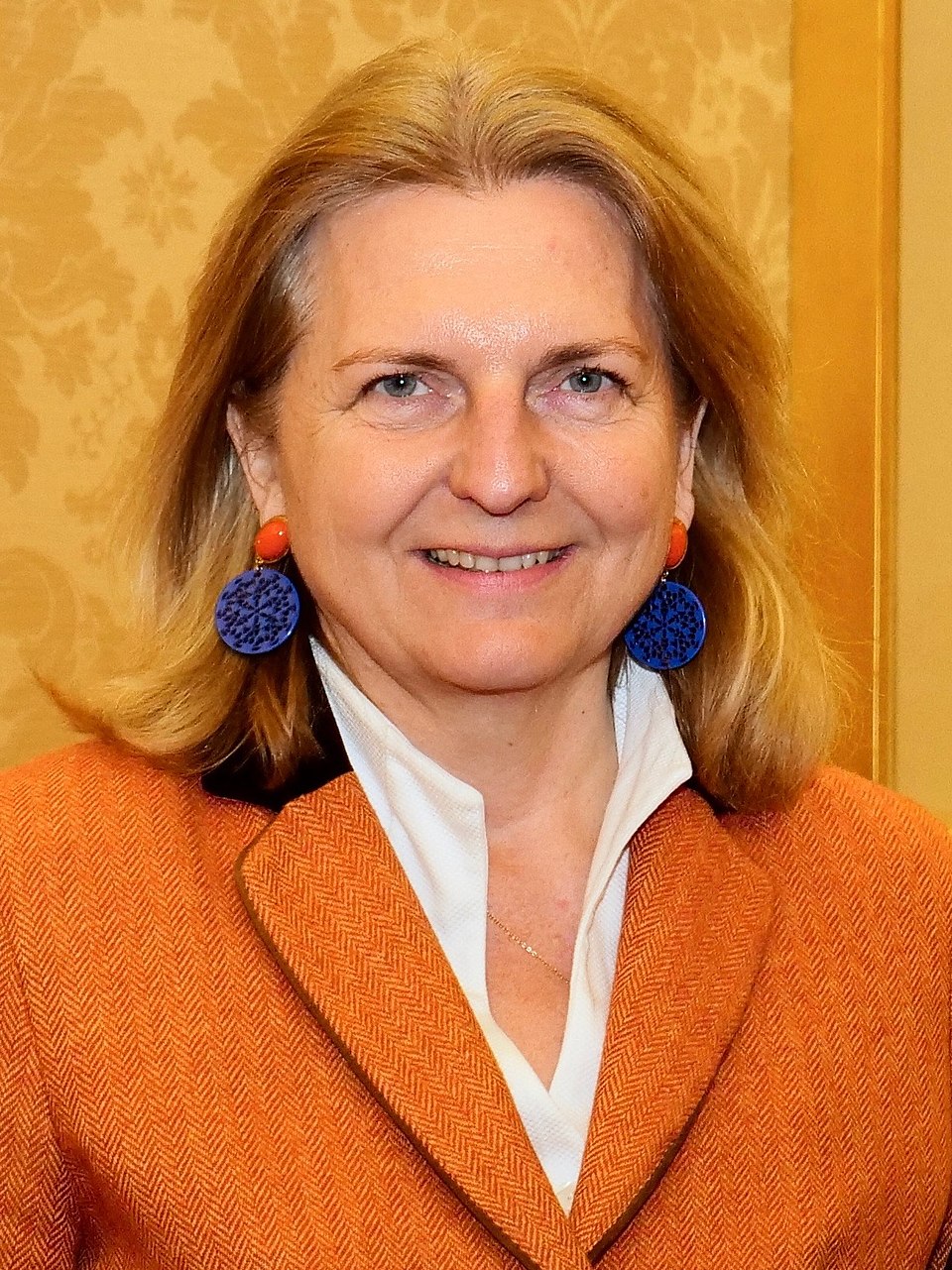


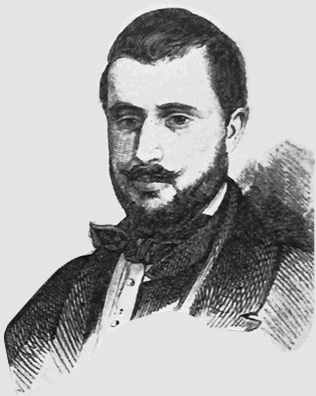

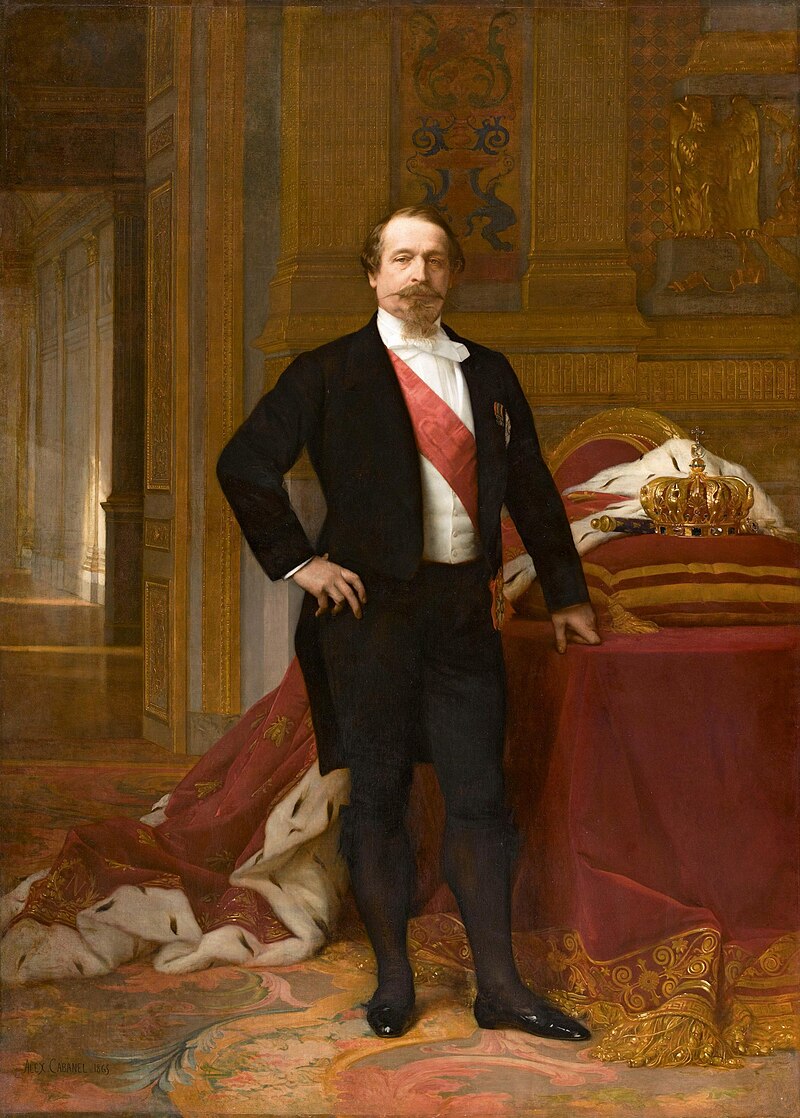
Alexandru Ioan Cuza was elected as the ruler of both Moldavia and Wallachia, solidifying the union of the Romanian Principalities.
24 ianuarie: Ziua în care a fost proclamată Unirea Principatelor Române. Trei ani mai târziu, era inaugurat primul Parlament al țăriiRomania· 2026-01-24
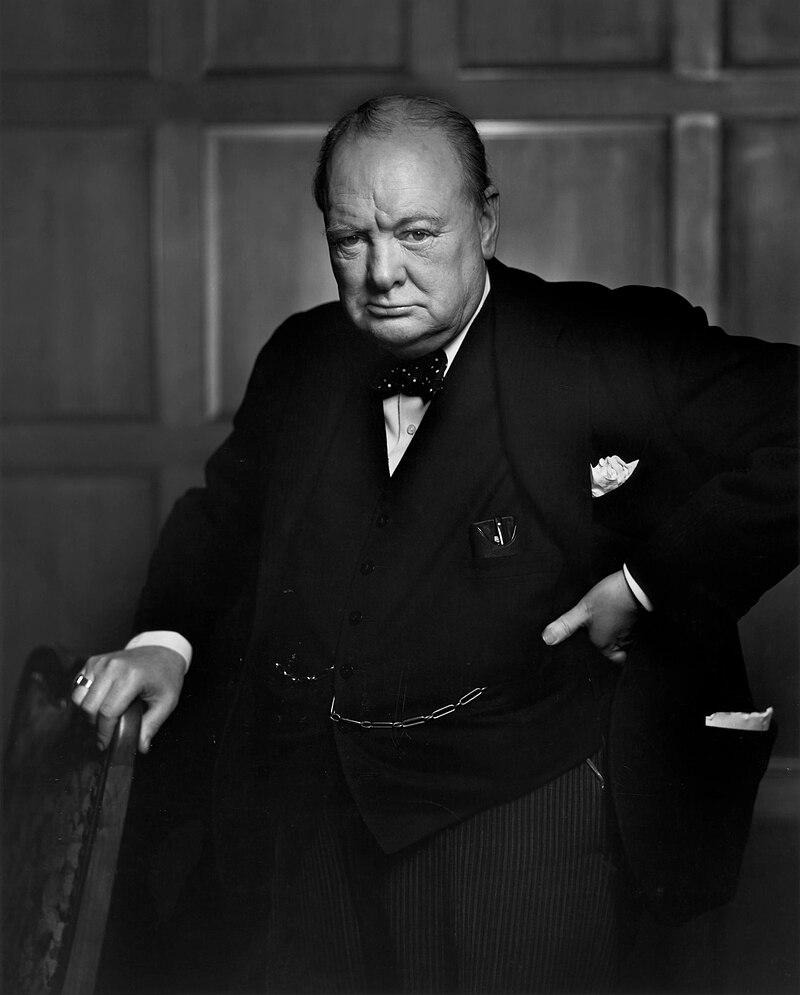


Alexandru Ioan Cuza was a Romanian leader who appointed Vasile Sturdza as the first prime minister of Moldova.
17 ianuarie: Ultimatumul ortacilor din Valea Jiului, care a precedat a cincea mineriadă. Ce a cerut atunci Miron CozmaRomania· 2026-01-17


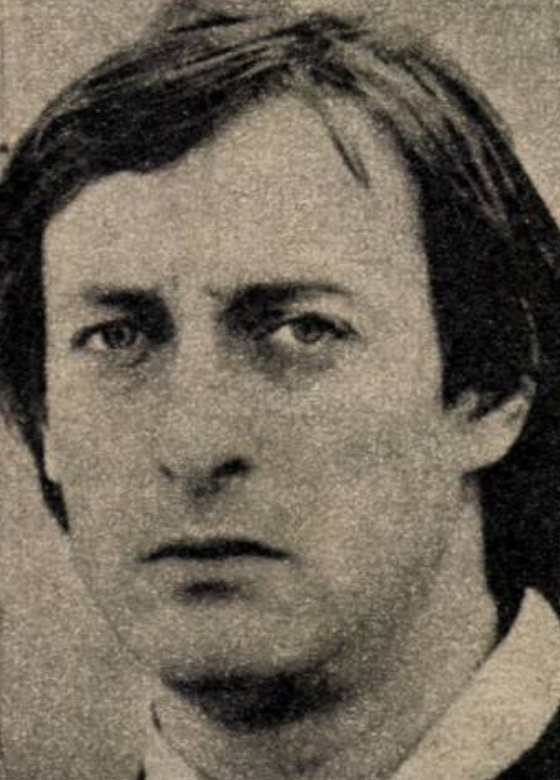
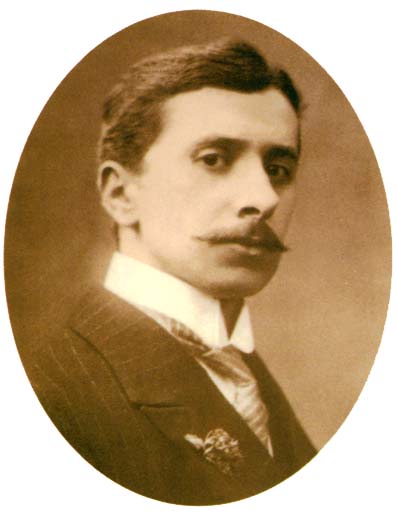

Alexandru Ioan Cuza was elected as the ruler of both Moldavia and Wallachia, playing a crucial role in the unification of the Romanian principalities.
Destinul tragic al primului șef de Guvern din istoria modernă a României. Cum vedea dezvoltarea țării și ce legătură a avut Cuza cu moartea luiRomania· 2026-01-16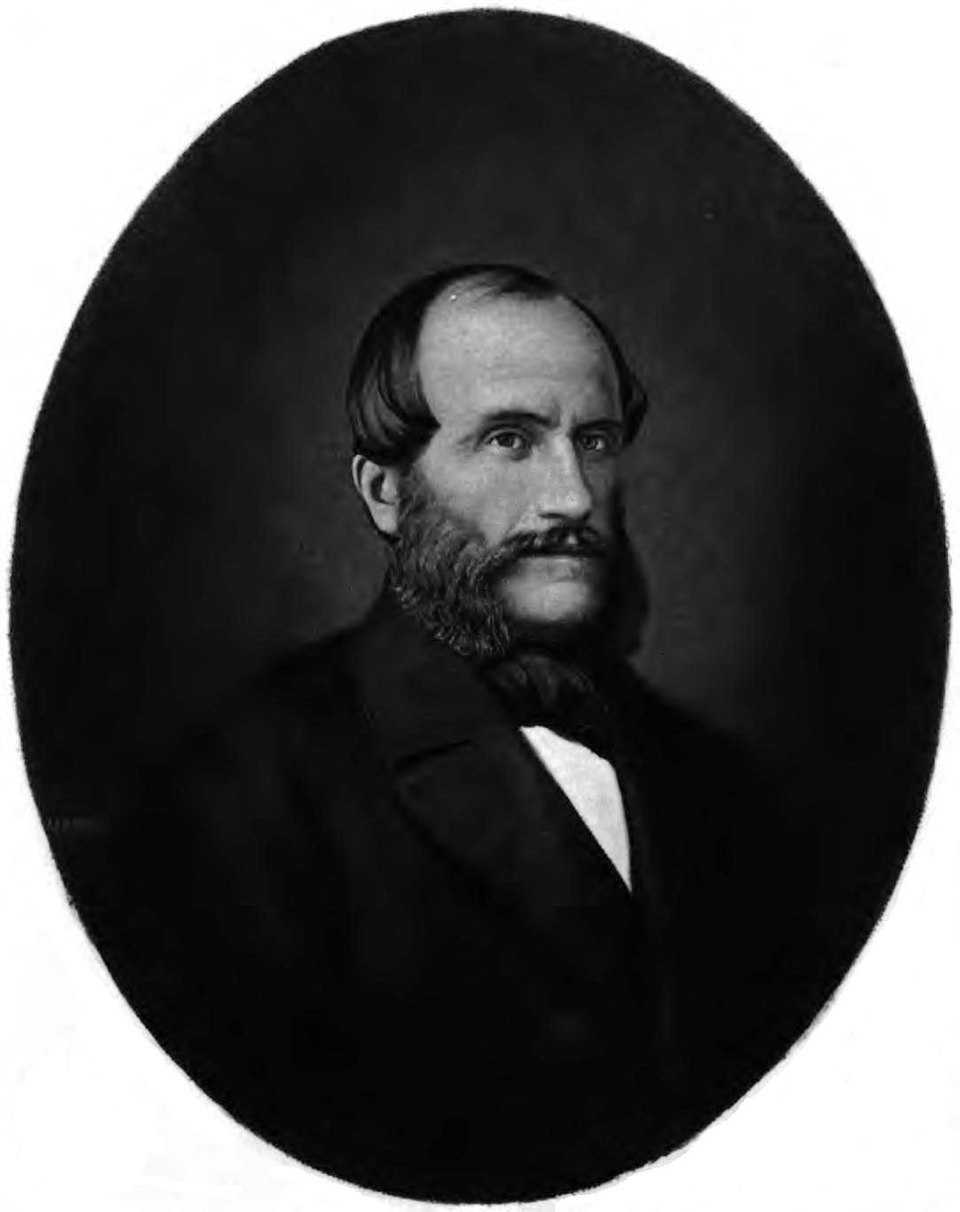
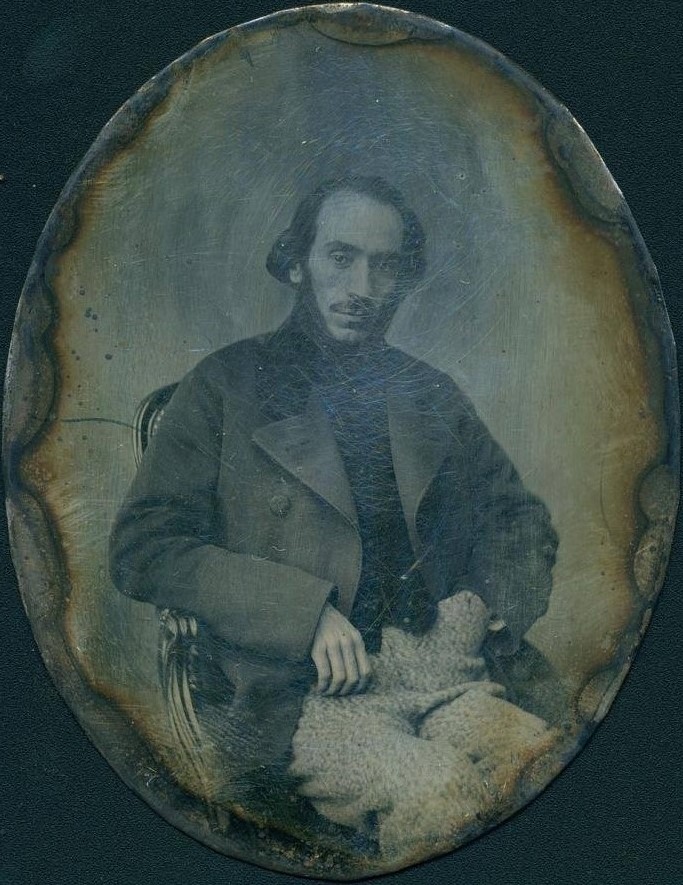

Alexandru Ioan Cuza was the ruler who supported the secularization law alongside Mihail Kogălniceanu.
13 decembrie: Guvernul Kogălniceanu votează legea secularizării averilor mănăstireștiRomania· 2025-12-13
Alexandru Ioan Cuza promulgated the first modern Romanian Penal Code in 1864, marking an important moment in legislative modernization.
2 decembrie: Ziua în care s-a produs unul dintre cele mai grave accidente navale din România - naufragiul cargoului „Sadu”. De ce comuniştii au clasat dosarul la "secret"Romania· 2025-12-02
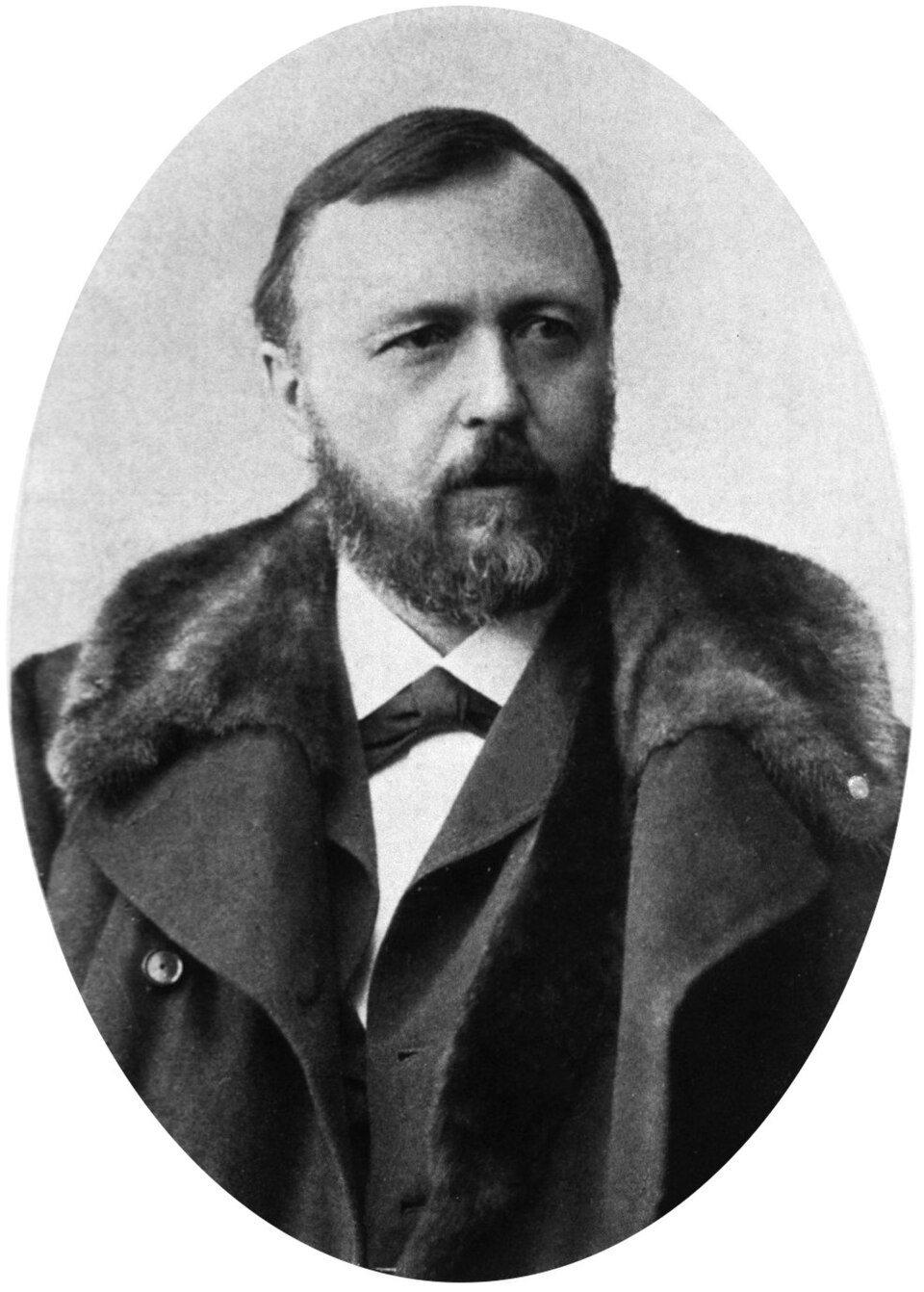



Grigore Alexandru Ghica dreamed of the unification of the principalities long before Alexandru Ioan Cuza.
Povestea ultimului domn al Moldovei, Grigore Alexandru Ghica: „Tot ce pămîntul Daciei avea mai luminat a fost strîns de el împrejurul tronului“Romania· 2025-11-16
Alexandru Ioan Cuza was the ruler during whose reign the first official Romanian currency was introduced in 1867.
Originea leului românesc. Denumirea dorită de Cuza și puterea de cumpărare în vremea lui Carol IRomania· 2025-11-02
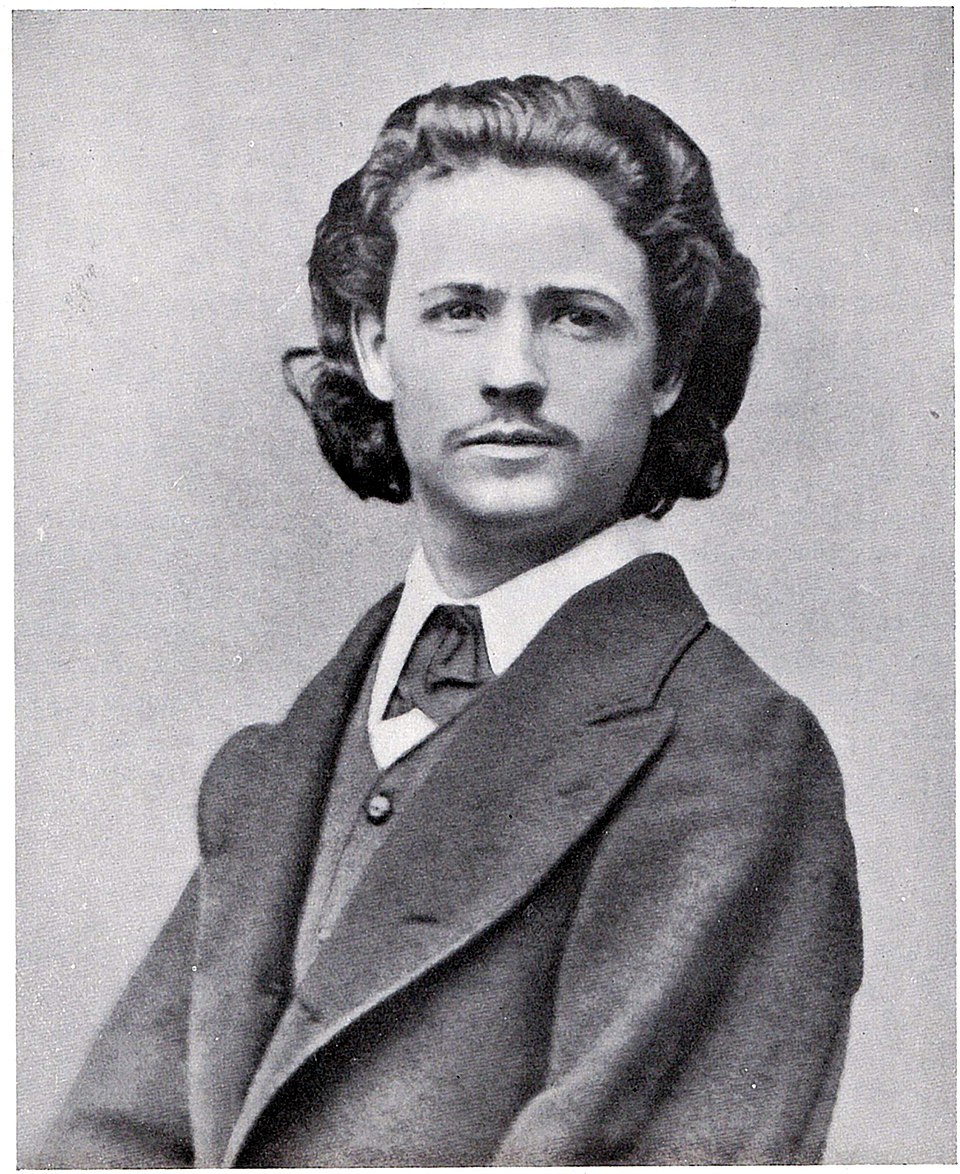
Aurora Oprea afirmă că învățământul românesc și-a atras antipatia de la Alexandru Ioan Cuza încoace.
Românii și-au pierdut încrederea în școală: doar 12% consideră sistemul educațional de calitate. ONG: „Educația gratuită costă 10.000 de lei pe an”Romania· 2025-10-13
Alexandru Ioan Cuza is recognized as a key figure in the history of Romania.
Istoria de 75 de ani a Palatului Copiilor. „Șandramaua regală“ unde pionierii învățau să devină tovarășiRomania· 2025-09-15
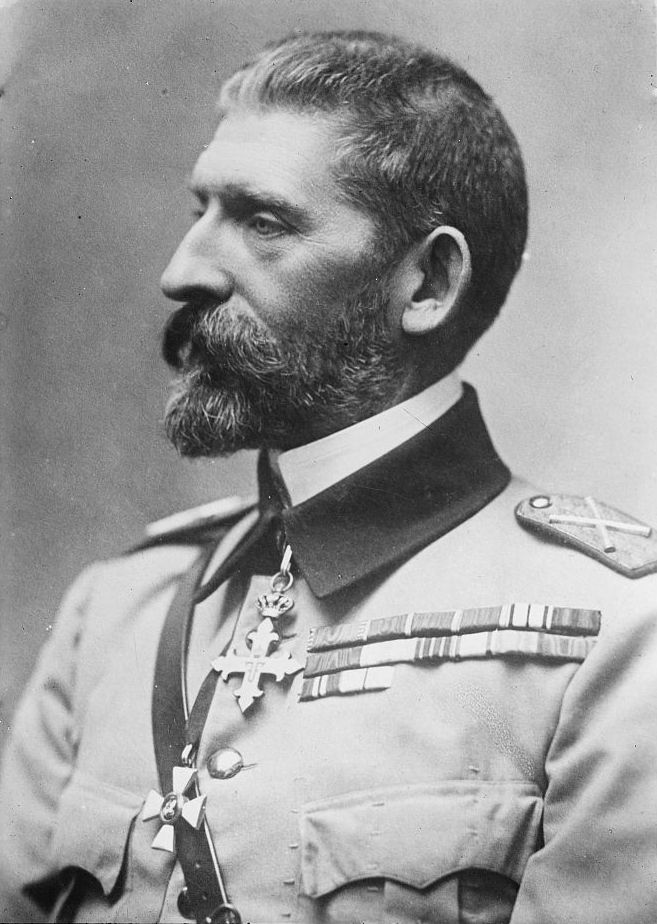


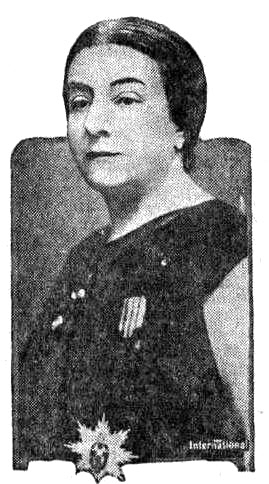
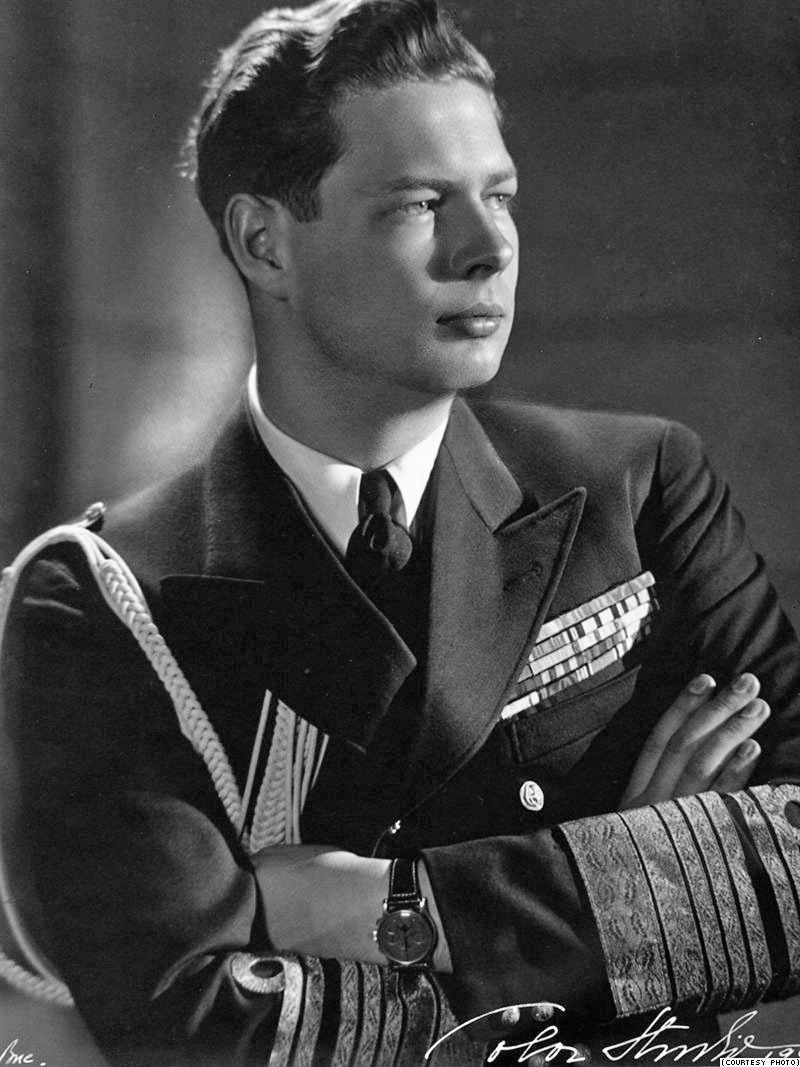

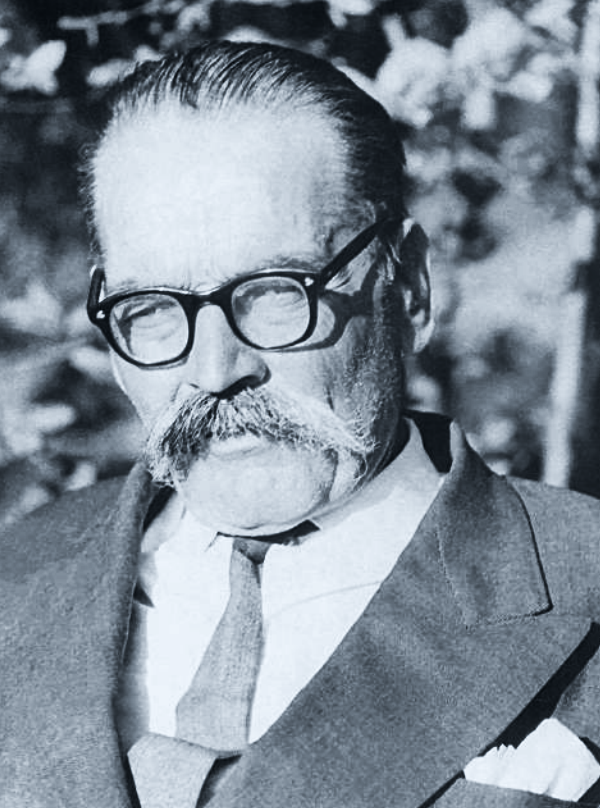
Alexandru Ioan Cuza faced challenges in implementing reforms due to a lack of qualified officials.
Adrian Majuru, istoric: „Prim-ministrul Nicolae Iorga, un iubitor de învățământ, nu reușește să plătească salariile timp de cel puțin trei luni întregului corp didactic“Romania· 2025-09-08
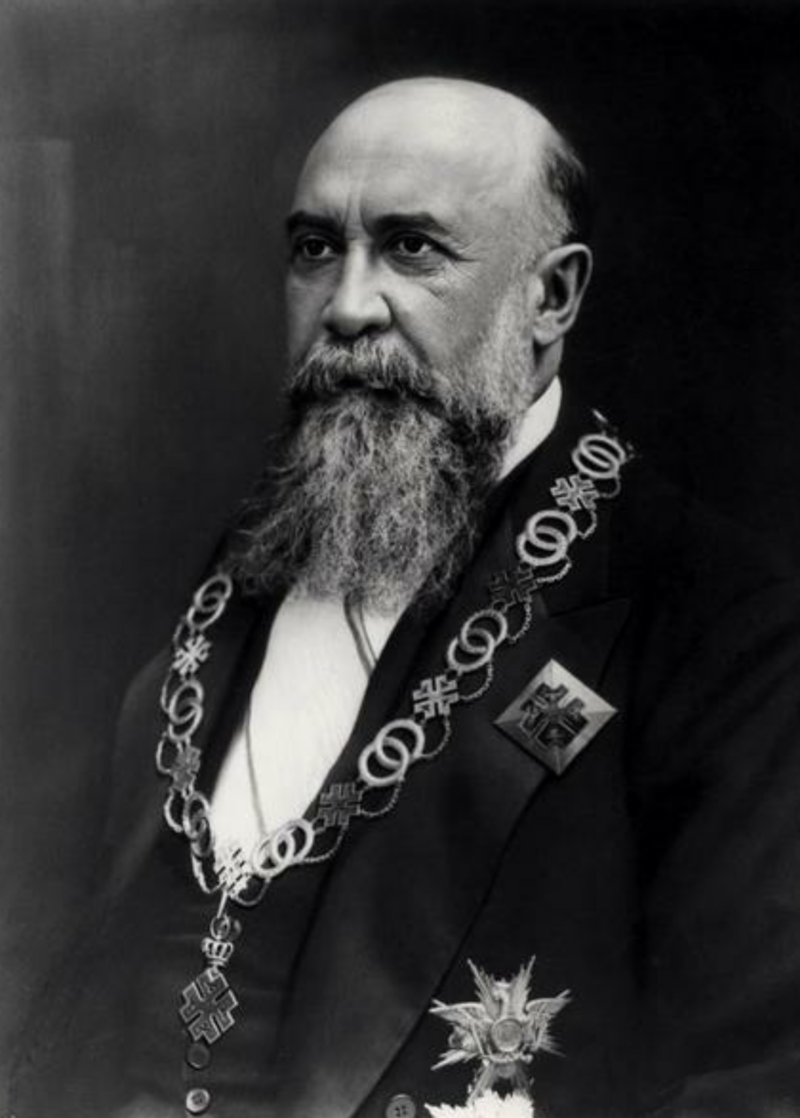
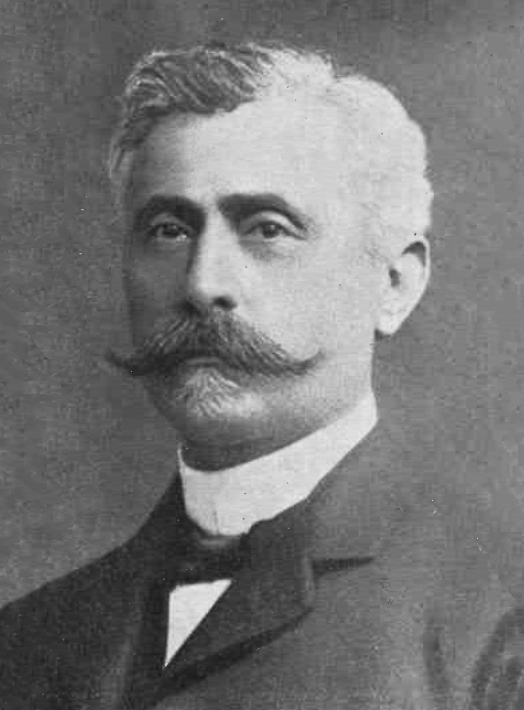

Alexandru Ioan Cuza was the first ruler of the United Principalities of Romania and initiated significant educational reforms.
Cele mai importante reforme ale învățământul românesc. Oamenii care ne-au scos din bezna evului mediu și au dat copiii românilor la școalăRomania· 2025-09-06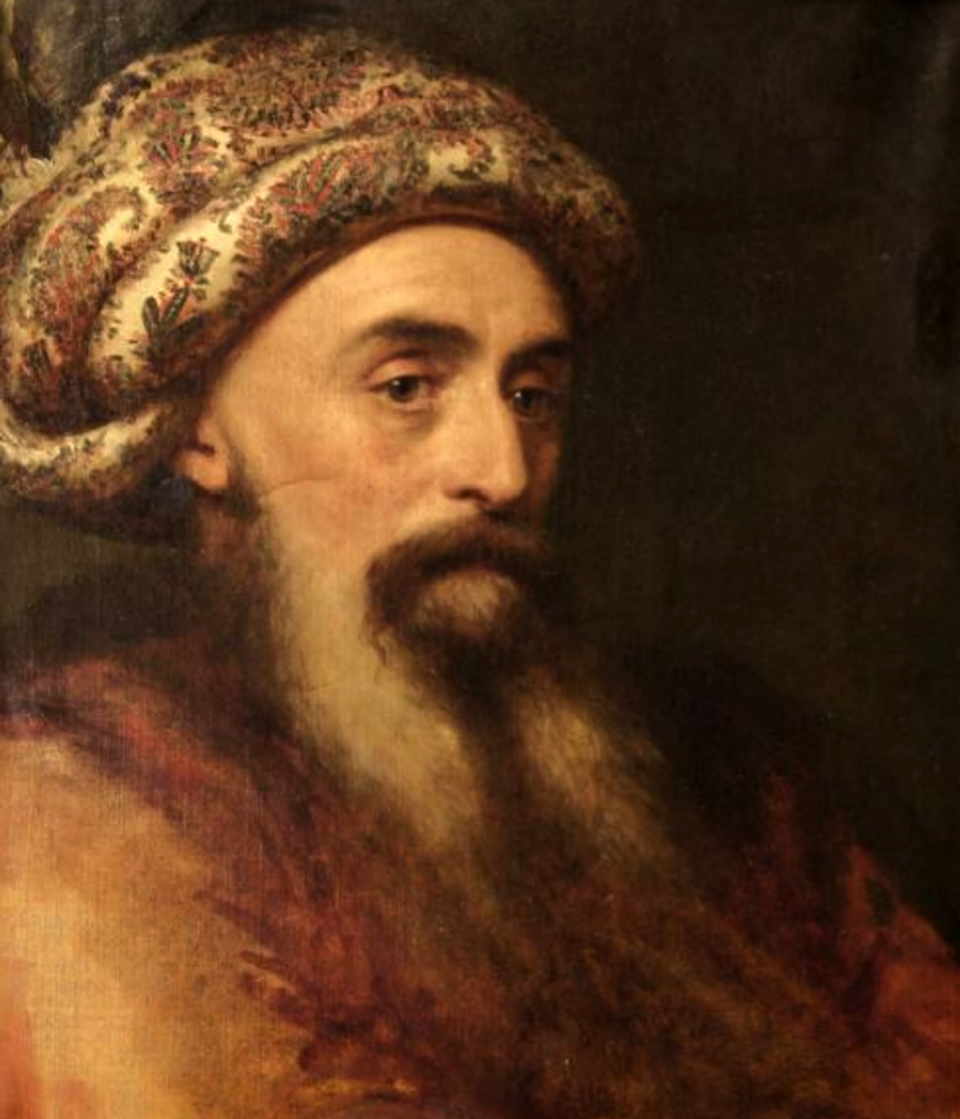
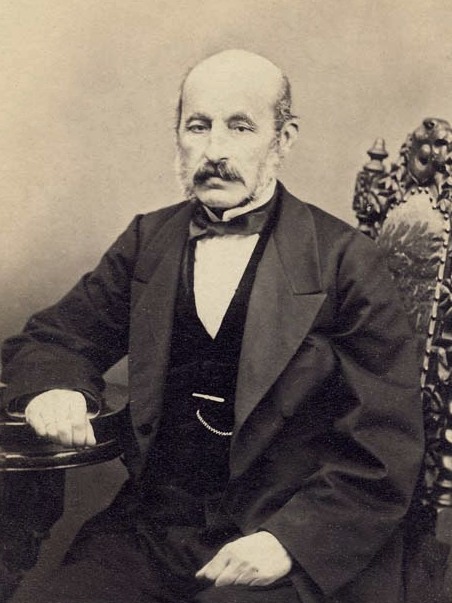
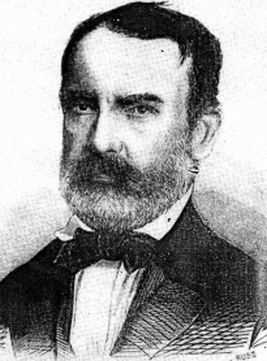

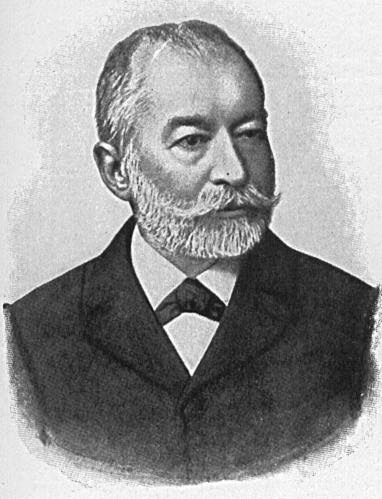
Alexandru Ioan Cuza played a key role in the unification of the Romanian Principalities.
Motivele revoltătoare ale analfabetismului la români. Țăranii erau ținuți intenționat în bezna inculturii iar copiii erau trimiși la muncă, nu la cititRomania· 2025-09-06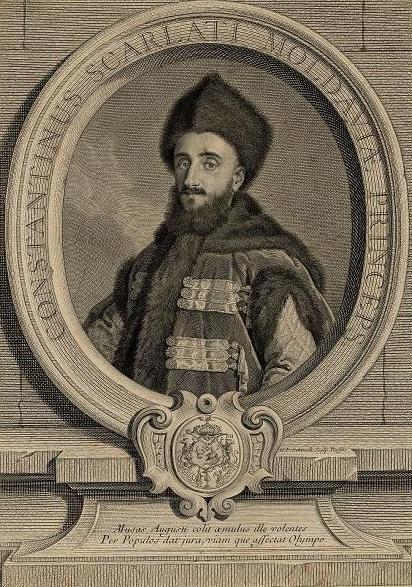

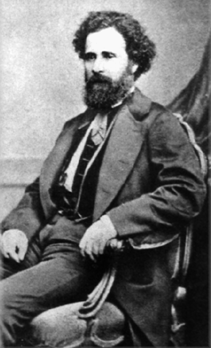

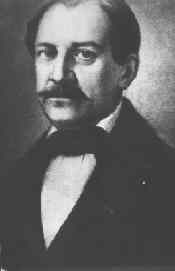
Alexandru Ioan Cuza's dual election marked the beginning of modern history for Romania.
Adevărata „Epocă de Aur” a României. Perioada în care au avut loc cele mai importante reforme din istoria țării noastre și ne-a scos din evul mediuRomania· 2025-08-20
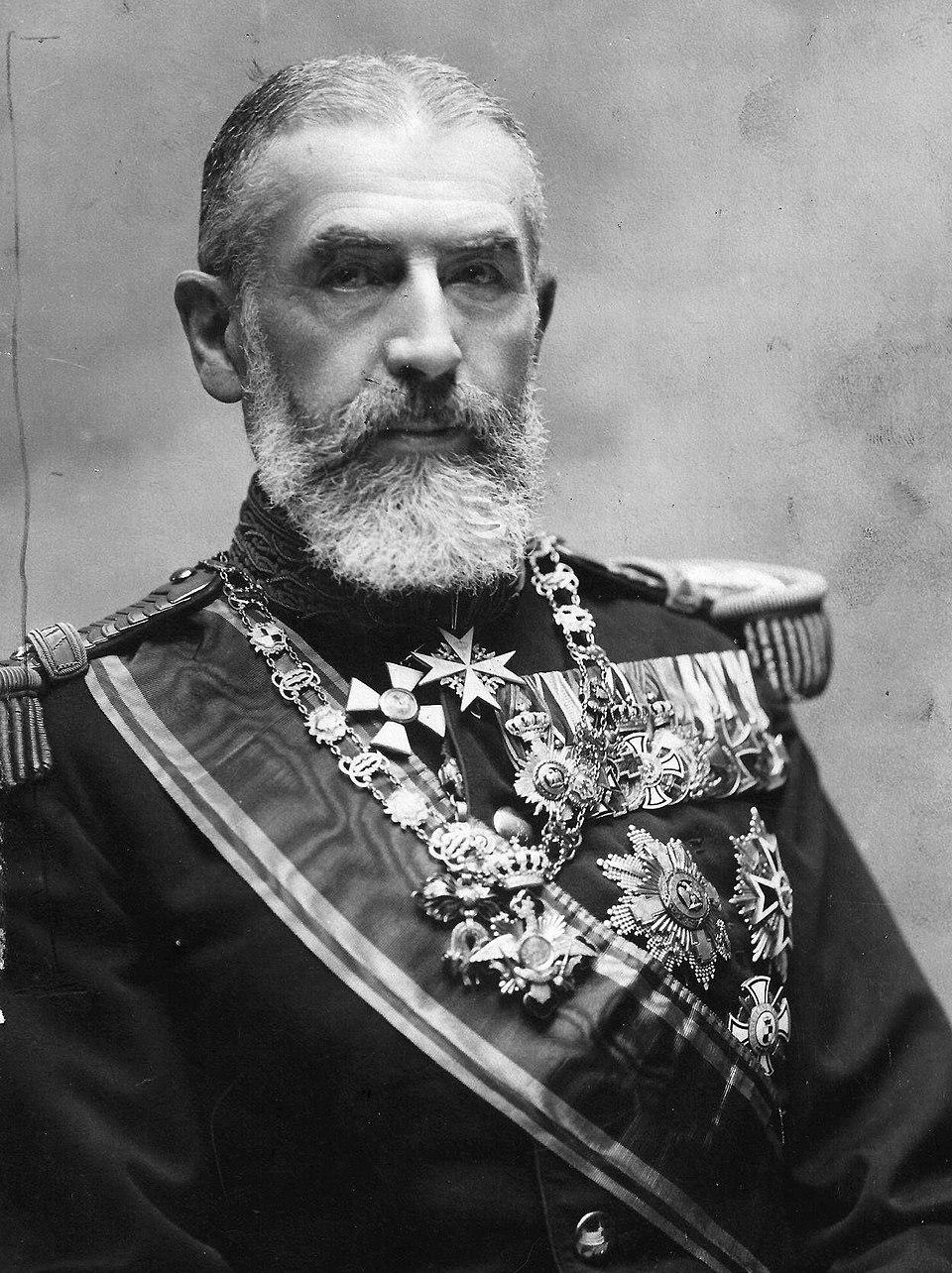
Alexandru Ioan Cuza was the ruler who contracted Romania's first external loan shortly after the unification of the principalities.
Cum a ajuns România o țară îndatorată la străini. Credite cheltuite pe afaceri păguboase, proiecte megalomanice și lipsă crasă de viziuneRomania· 2025-08-08
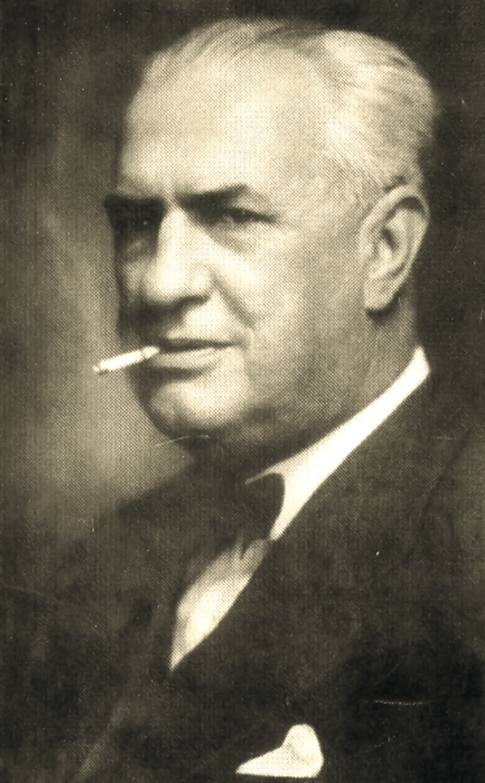

He signed the act establishing the Ministry of Foreign Affairs of Romania.
1 august, ziua în care forțele americane au atacat orașul Ploiești, în una dintre cele mai costisitoare misiuni ale aviației SUA în EuropaRomania· 2025-07-31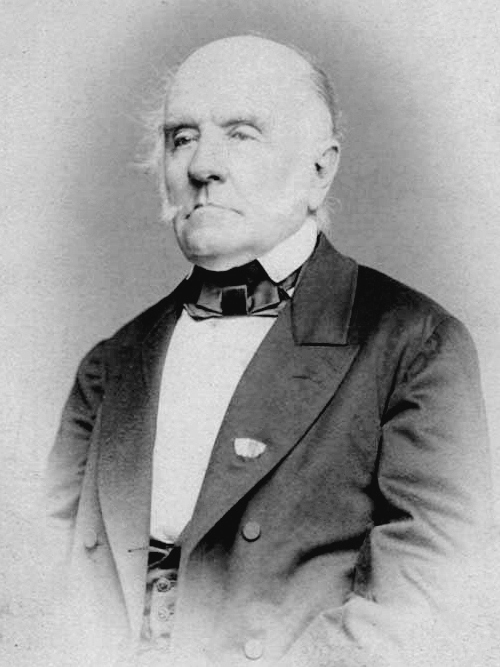
Alexandru Ioan Cuza was the ruler of the Romanian Principalities who welcomed the American consul with honors.
Ce părere aveau americanii despre români acum un secol jumătate. „Moldo-vlahii au fost poporul cel mai rău guvernat din lume”Romania· 2025-06-16
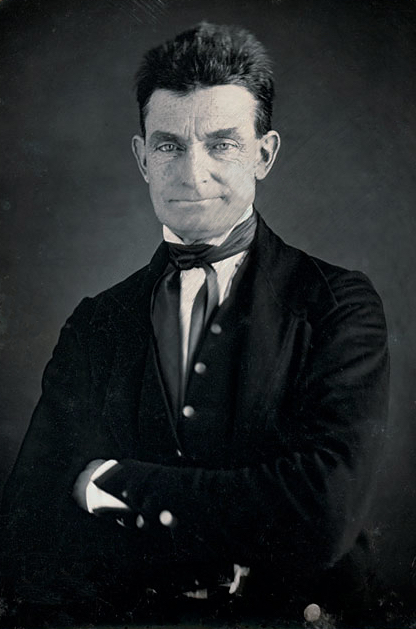

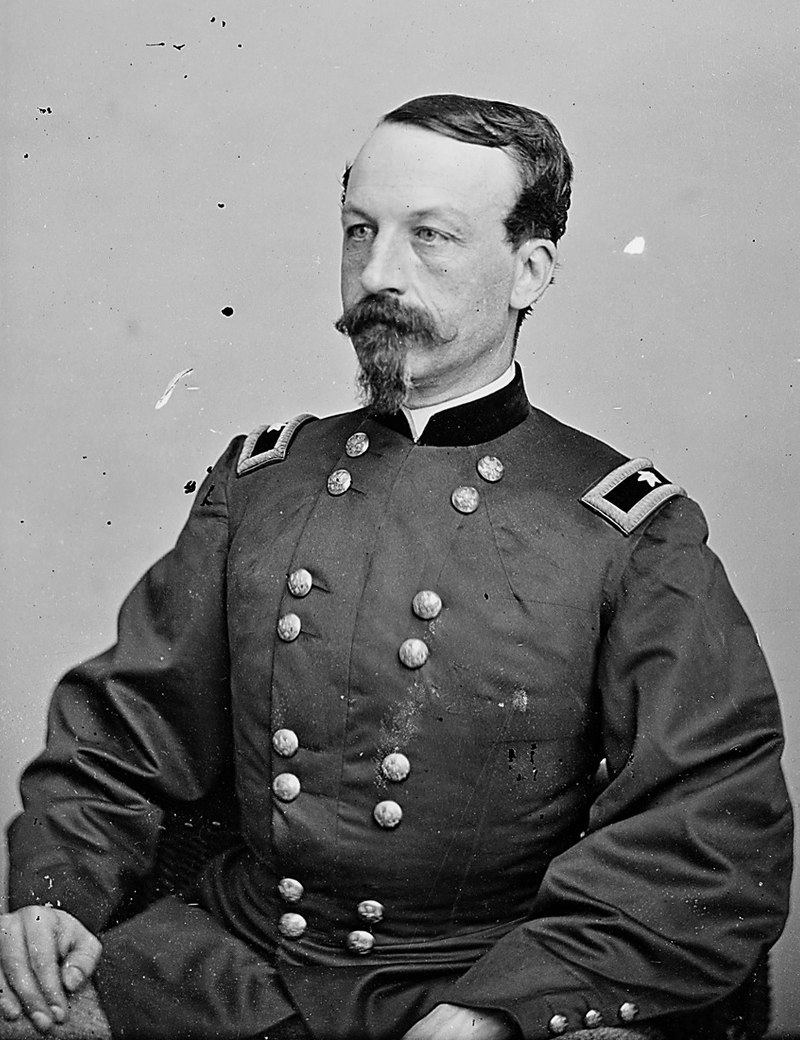
Alexandru Ioan Cuza was the first ruler of the United Principalities of Moldavia and Wallachia.
Micul dejun care nu lipsea niciodată de pe masa domnitorului Alexandru Ioan Cuza. Este considerat un super alimentRomania· 2025-05-24Alexandru Ioan Cuza renovated the royal houses at Cotroceni, making it a summer residence.
Istoria neștiută a Palatului Cotroceni: distrus de cutremure, ars de foc și zguduit de lupte politiceRomania· 2025-05-19