Arnold Gehlen
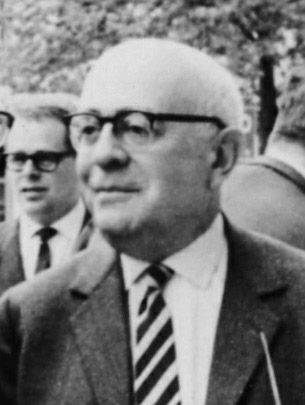
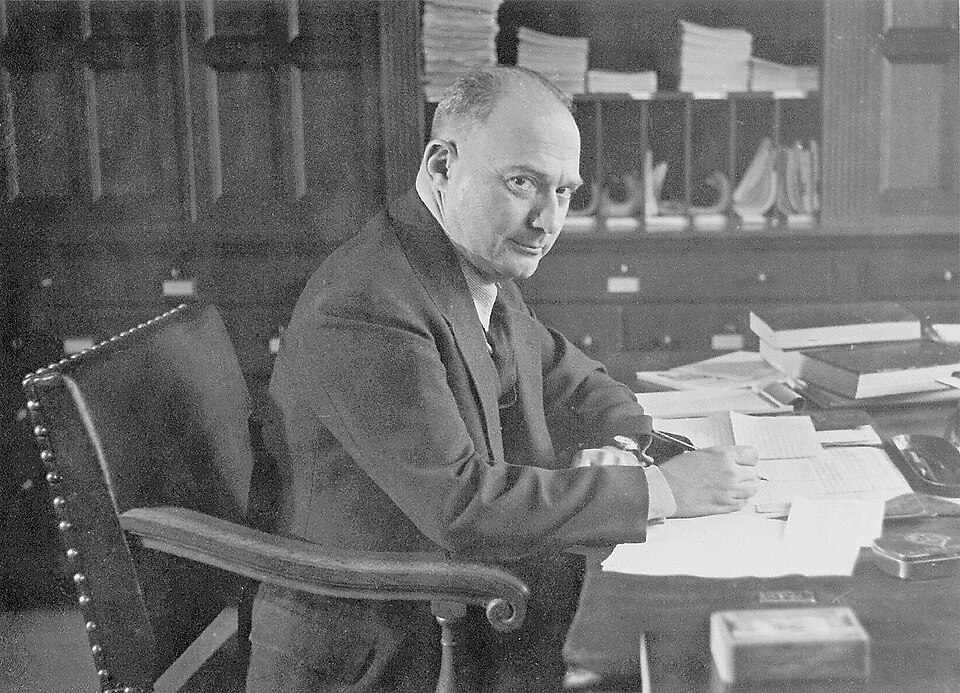
Arnold Gehlen (1904-1976) was a German philosopher and sociologist known for his conservative, authoritarian-leaning theories. He joined the NSDAP in 1933 and maintained a prominent academic career post-World War II, despite his lack of remorse for his Nazi affiliations. Gehlen's works, including 'Urmensch und Spätkultur,' explored the concept of humans as 'deficient beings,' emphasizing the necessity of institutions to provide stability and order. His ideas have drawn both criticism and interest, particularly from intellectuals he often disparaged, and remain relevant in contemporary discussions of authority and societal structures.
Not in the pool (under ¢1).
Recent news mentions
Arnold Gehlen is a key figure in conservative thought, known for his controversial ideas and association with the Nazi Party.
Warum Arnold Gehlen heute noch relevant ist Switzerland· 2026-01-31