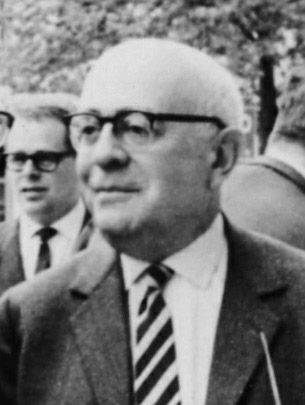
Theodor W. Adorno
 PanamaphilosopherMaleb. 19037.0Global Dominance: 0.00%
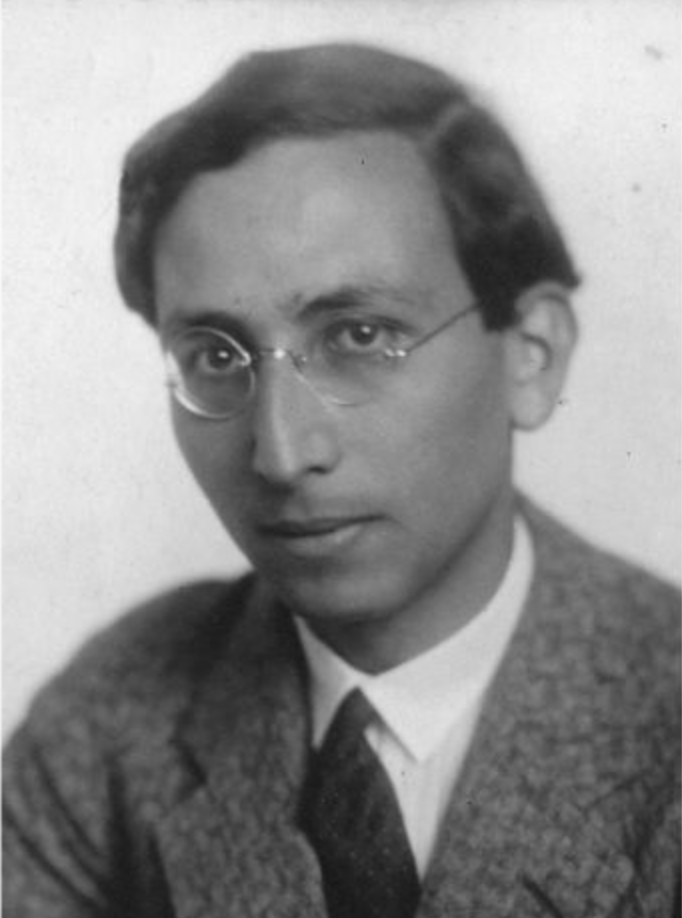
Theodor W. Adorno was a prominent German philosopher, sociologist, and musicologist known for his influential work in critical theory and the Frankfurt School. He co-authored 'The Authoritarian Personality,' a seminal study that sought to understand the psychological factors contributing to fascism and authoritarianism. His insights continue to resonate in contemporary discussions surrounding ideology and social behavior.
Country presence
Recent news mentions
Theodor W. Adorno was a key figure in the Frankfurt School and a mentor to Jürgen Habermas.
Habermas: del patriotismo constitucional a la compasión en el seno de la disrupción del tecnofeudalismoPanama· 2026-09-14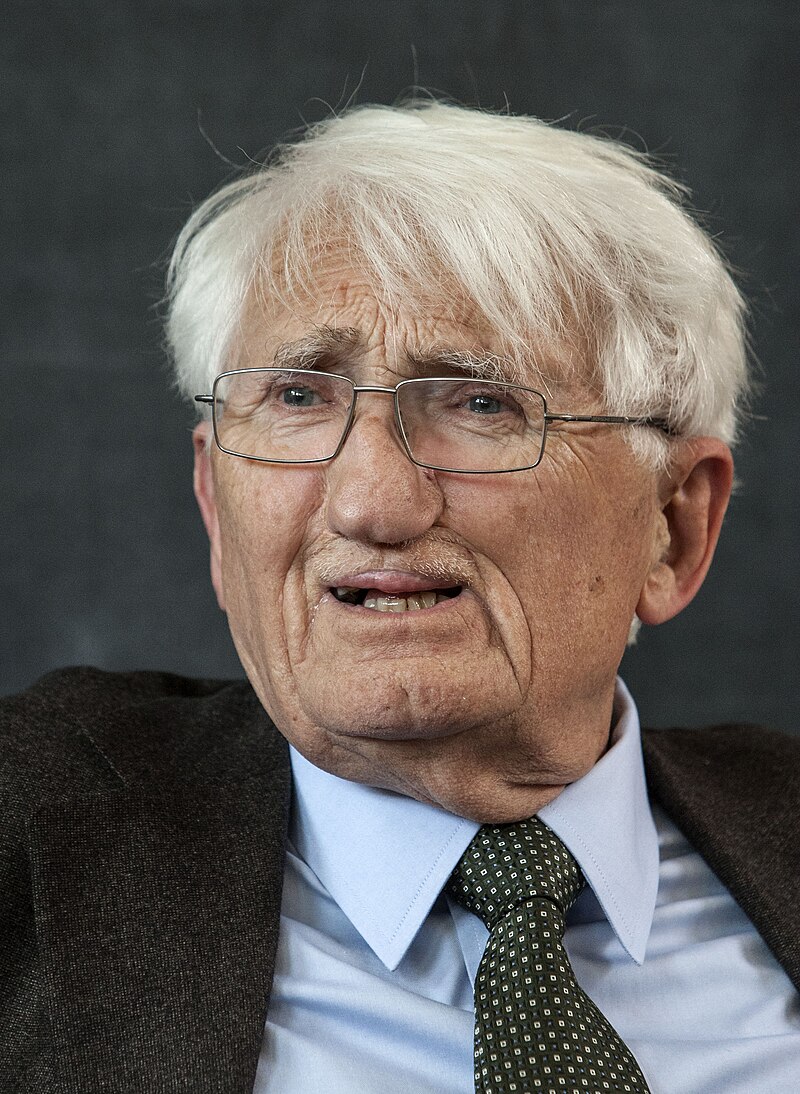


Theodor W Adorno warned that a flawed life never produces a fully true life.
Seni dan Tangan yang Menyuapi Indonesia· 2026-07-03

Theodor W. Adorno is referenced as a foundational figure in the Critical Theory tradition.
Interview mit Hartmut Rosa: „Jeder geht davon aus, dass er übers Ohr gehauen wird“ - Kultur Germany· 2026-02-17
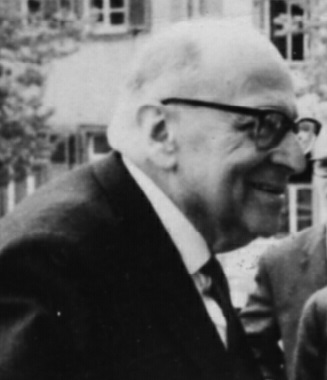
Theodor W. Adorno is referenced as a foundational figure in the Critical Theory tradition.
Interview mit Hartmut Rosa: „Das selbstfahrende Auto ist der Horror schlechthin“ - KulturGermany· 2026-02-15Theodor W. Adorno engaged in discussions with Arnold Gehlen, despite criticizing his ideas.
Warum Arnold Gehlen heute noch relevant ist Switzerland· 2026-01-31
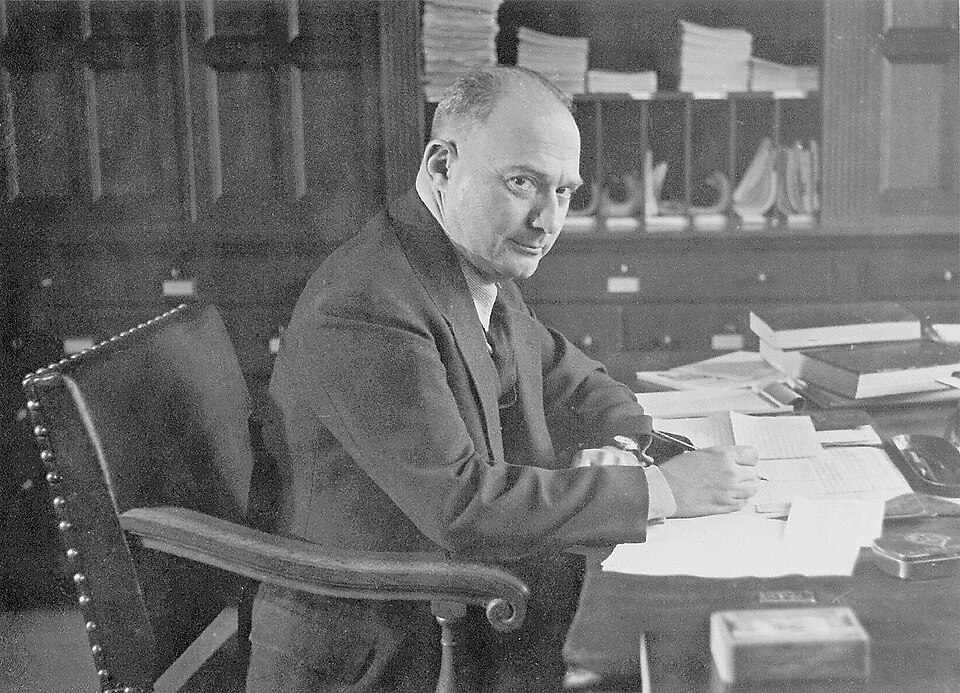


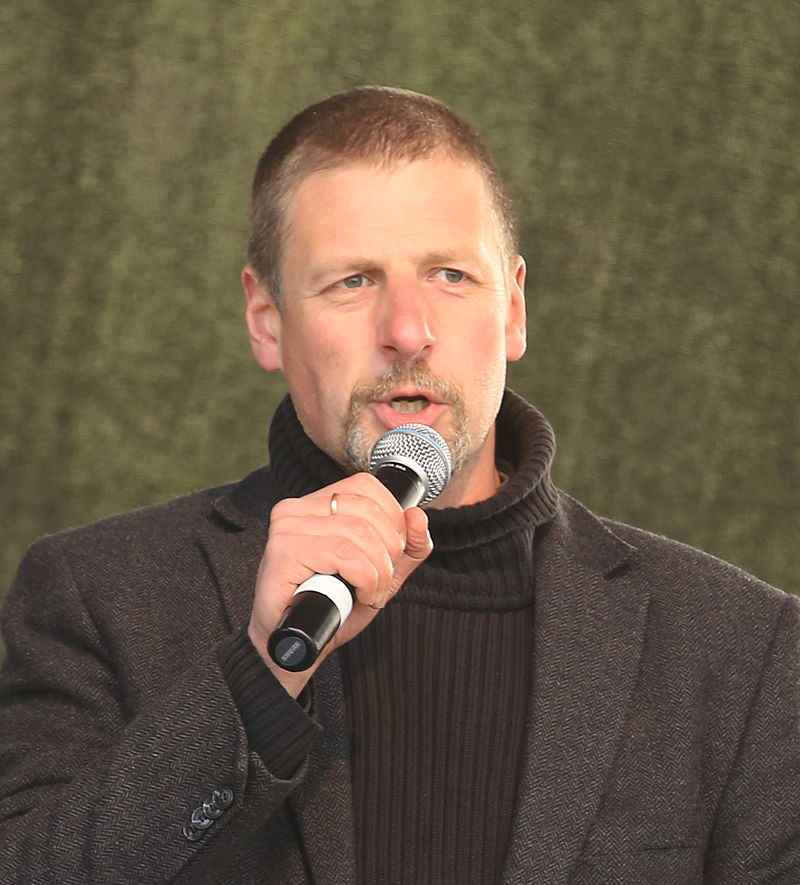
Theodor W. Adorno commented on the role of students in society.
So war’s mit den Talaren vor 58 Jahren - KulturGermany· 2025-11-09
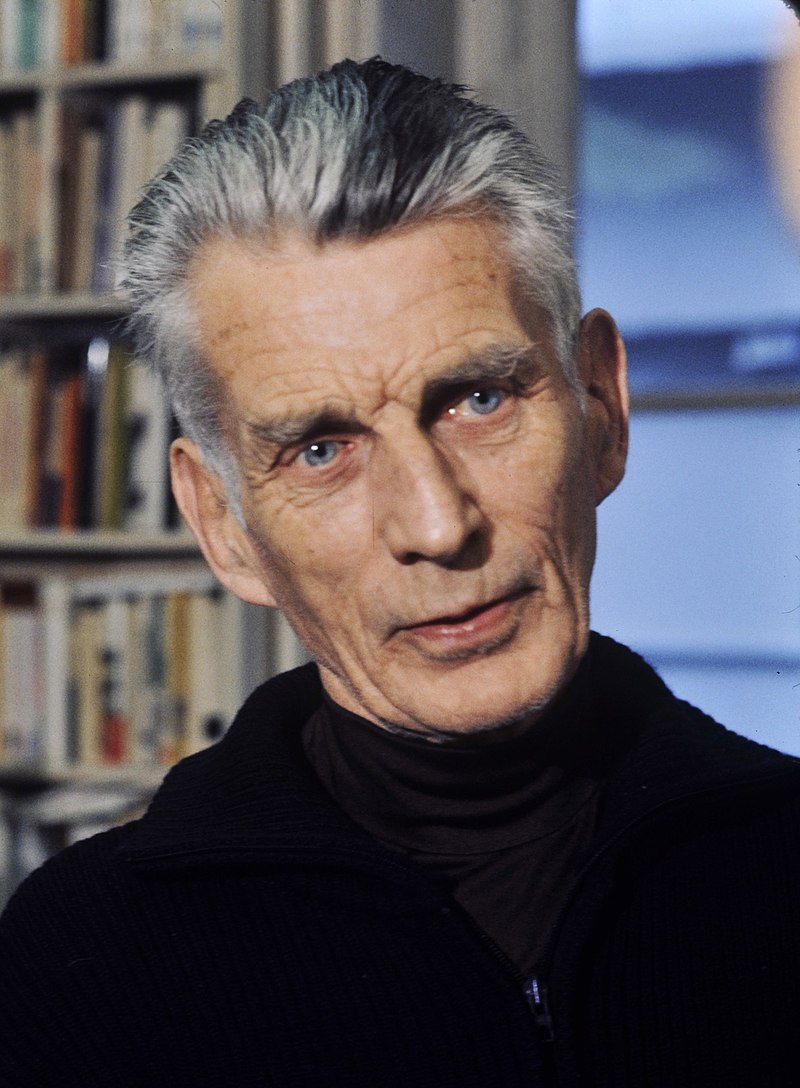







Theodor W. Adorno's writings are revisited to understand the current political landscape.
Ikke alt trenger å gå etter Putins plan Norway· 2025-10-30



Theodor W. Adorno is mentioned as a critical thinker whose ideas contrast with the sentiments expressed by Amlinger and Nachtwey.
Carolin Amlinger und Oliver Nachtwey über ZerstörungslustSwitzerland· 2025-10-16

Theodor W. Adorno is quoted regarding the concept of living correctly in a flawed system.
Es gibt kein sauberes Leben im vermülltenSwitzerland· 2025-10-16
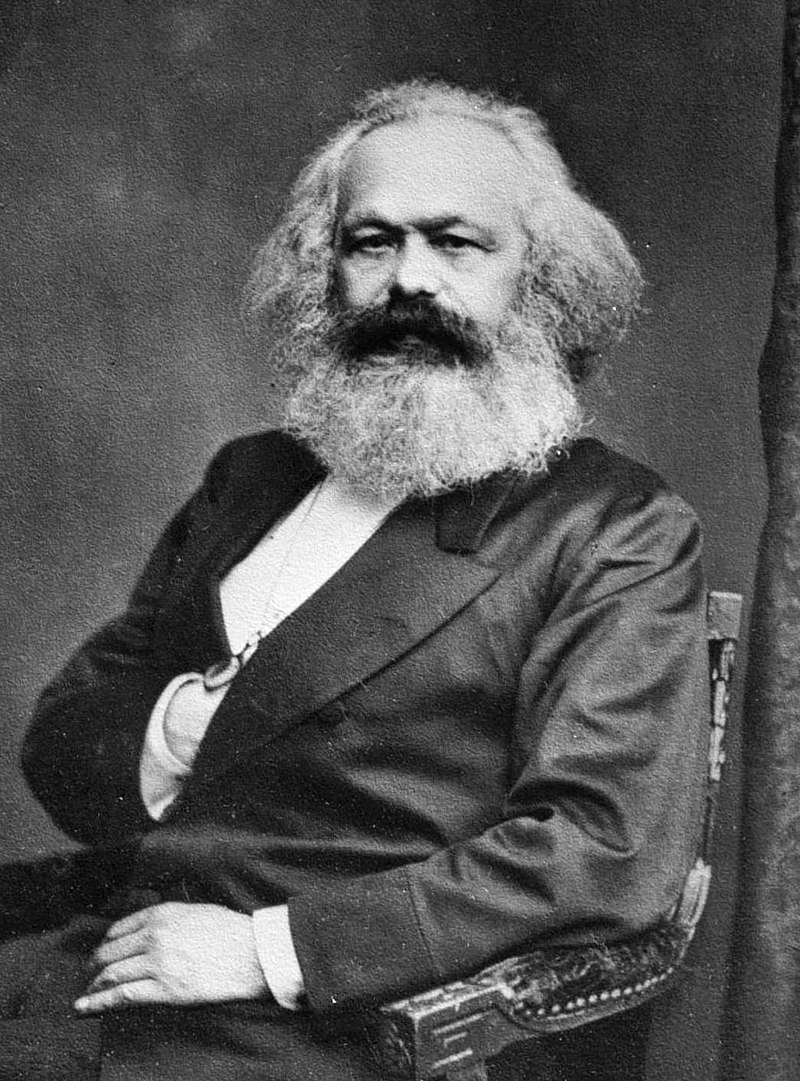



Theodor W. Adorno was a German philosopher known for his critical theory and contributions to social philosophy.
Dorothee Elminger, "Die Holländerinnen": "Es ist mein Körper, der da liegt" - KulturGermany· 2025-08-25
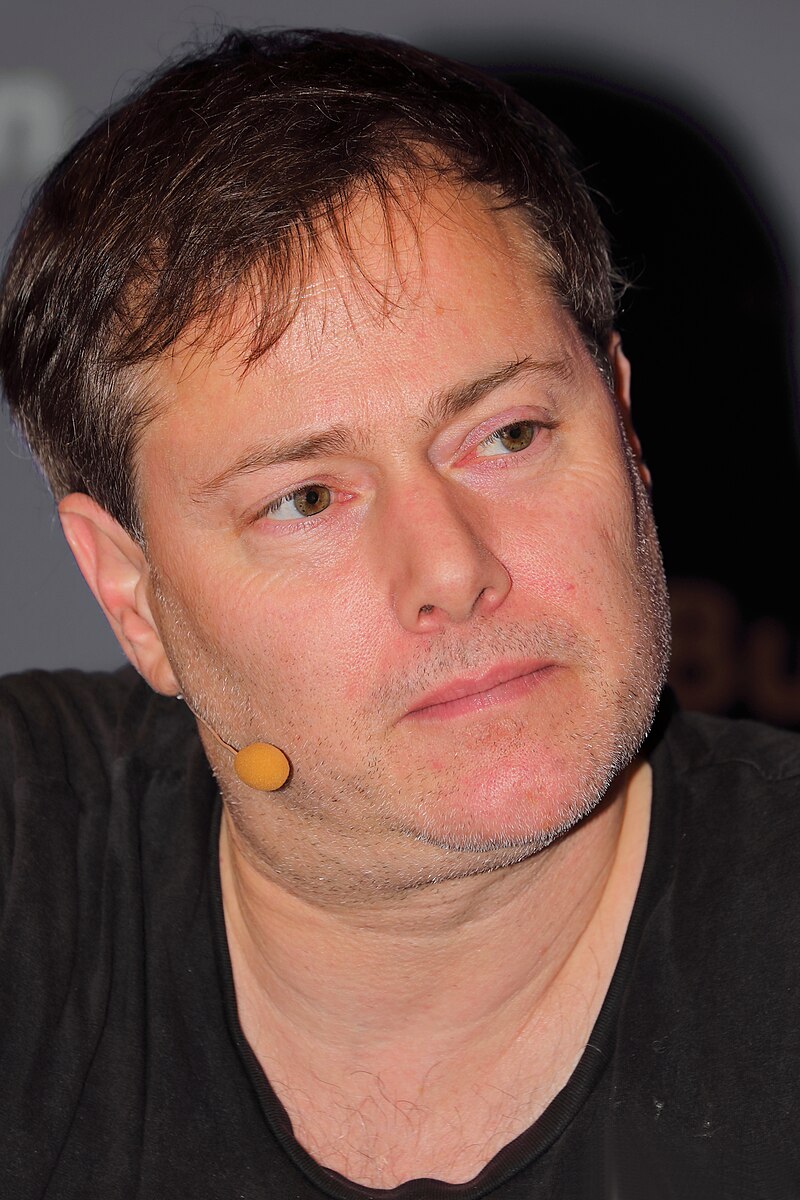


Theodor W. Adorno criticized Jung's collective archetypes as a romanticizing perspective that overlooks the historical and social dimensions of humanity.
Grenzgänger zwischen Psyche und SeeleSwitzerland· 2025-07-26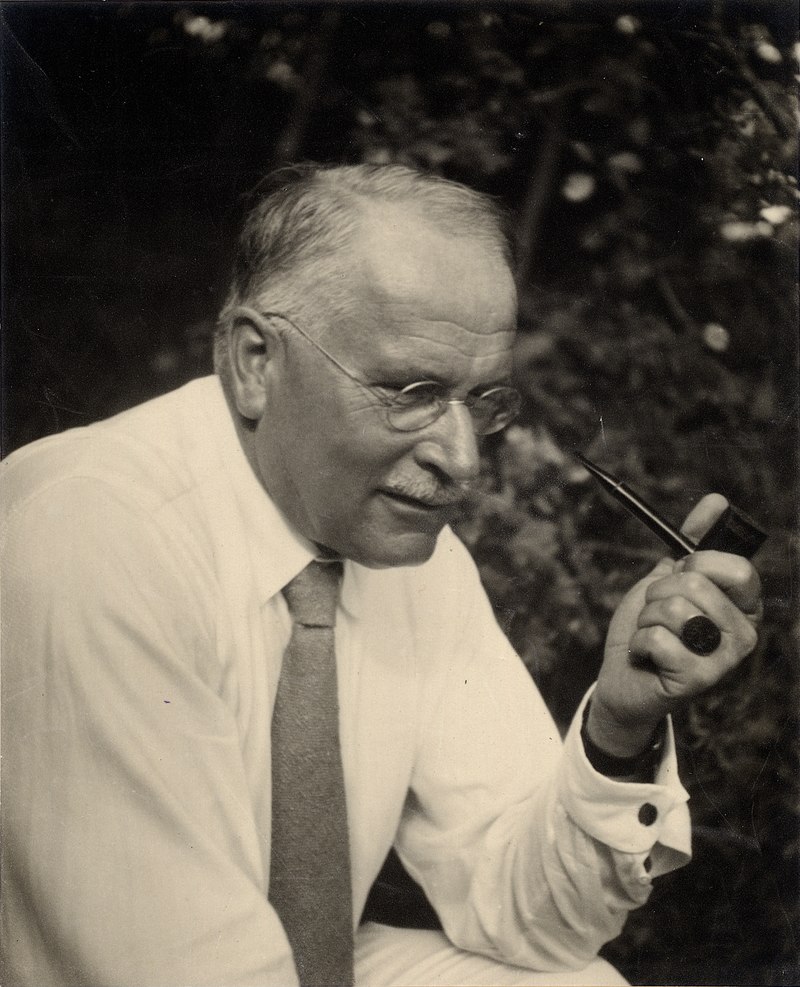
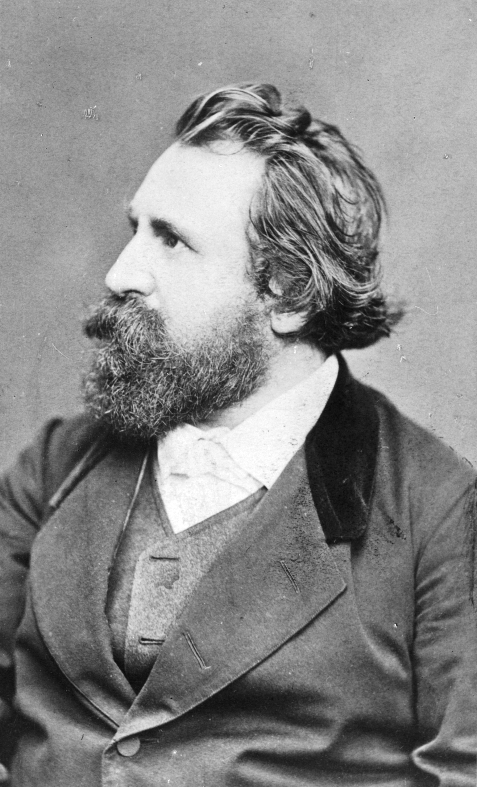
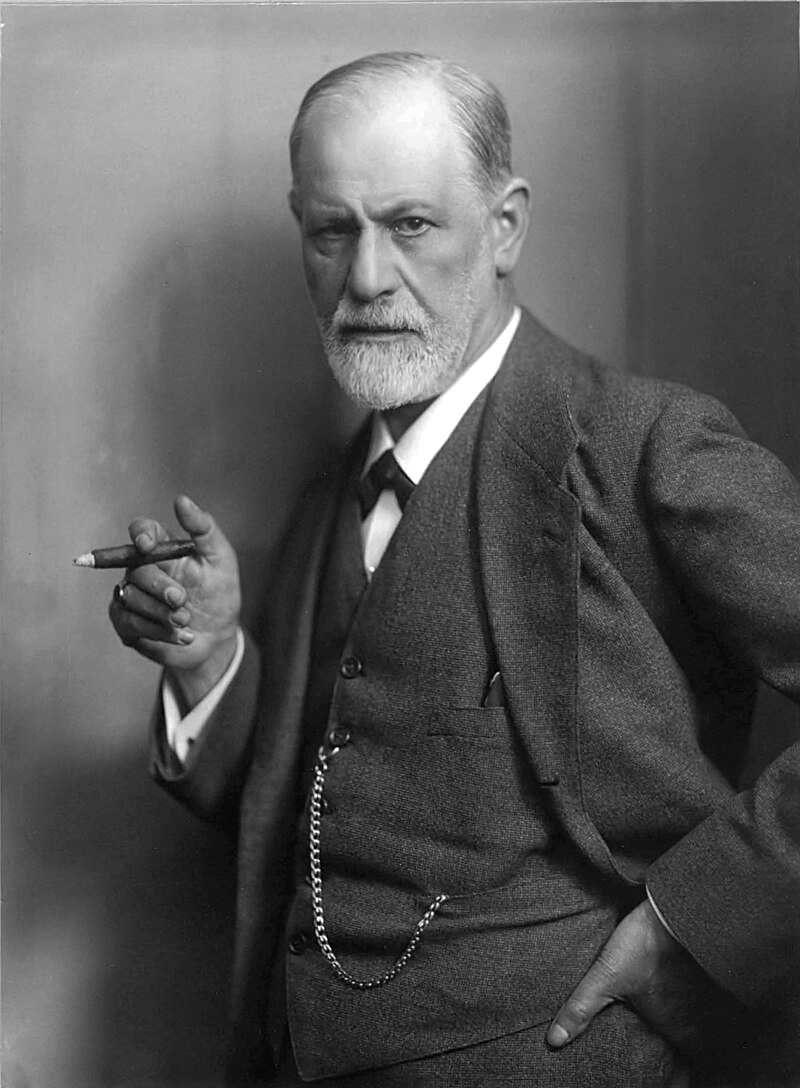


Grete Weil attended lectures by philosopher Theodor W. Adorno in Frankfurt.
« Le Chemin de la frontière », de Grete Weil : écrire contre l’affliction et la terreur France· 2025-06-28

Theodor W. Adorno regarded 'Kunst der Fuge' as one of the speculative works of Bach's late period.
Neues zu Bachs «Kunst der Fuge»Switzerland· 2025-06-22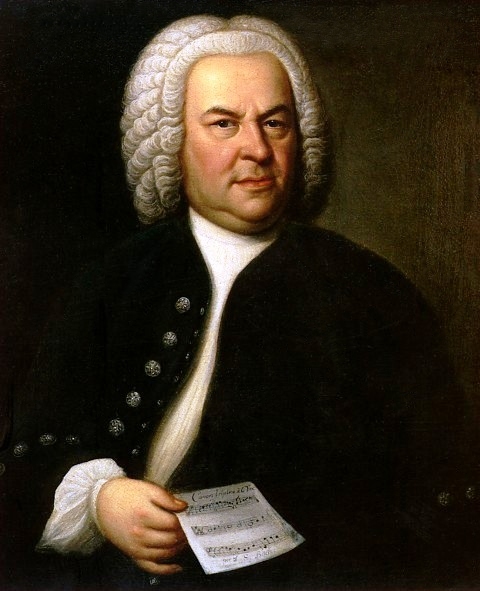

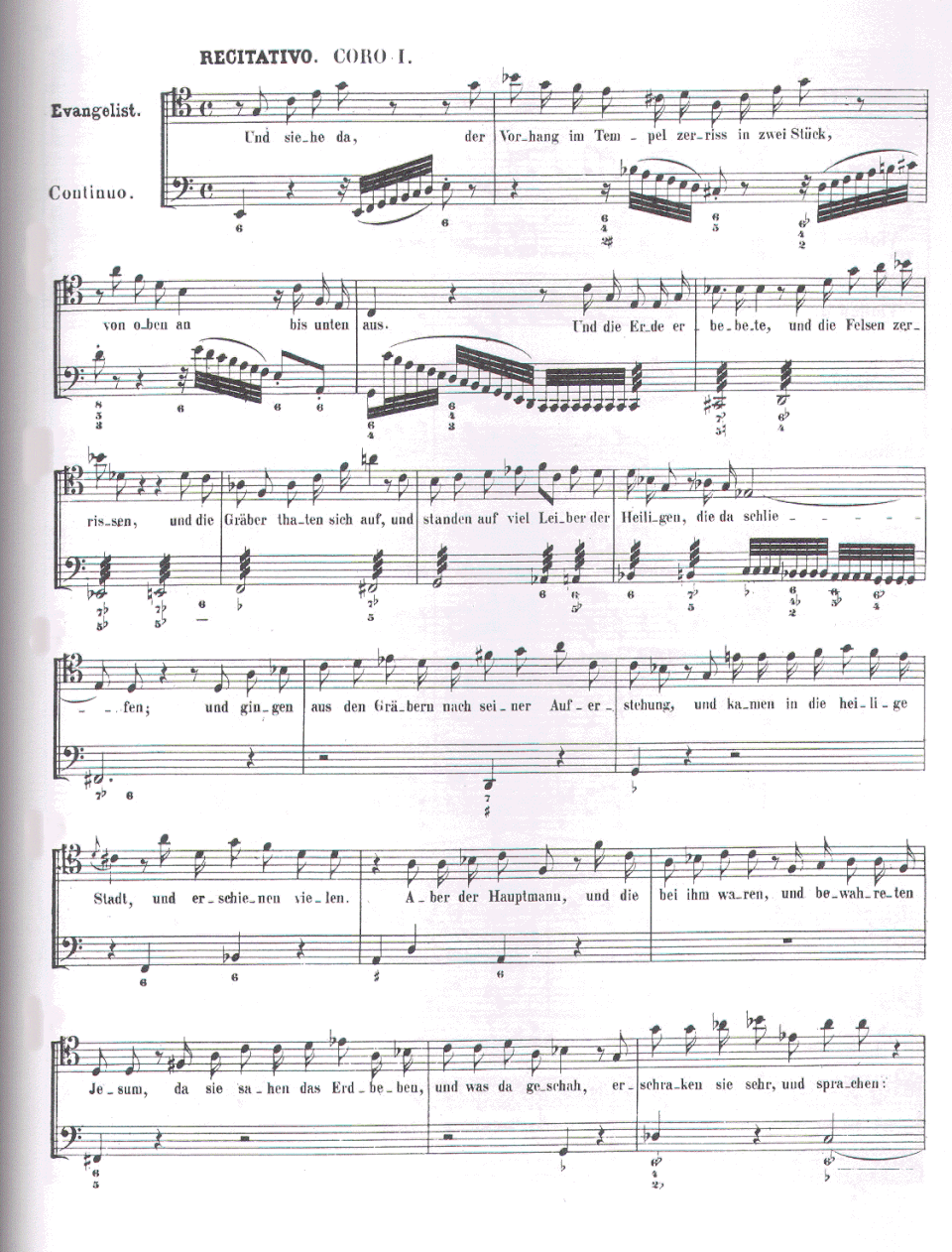
Theodor W. Adorno's work is referenced in relation to Thomas Mann's 'Doktor Faustus' and its themes.
Beethovens 9. Sinfonie im Gegenlicht von Thomas Manns «Doktor Faustus»Switzerland· 2025-06-01

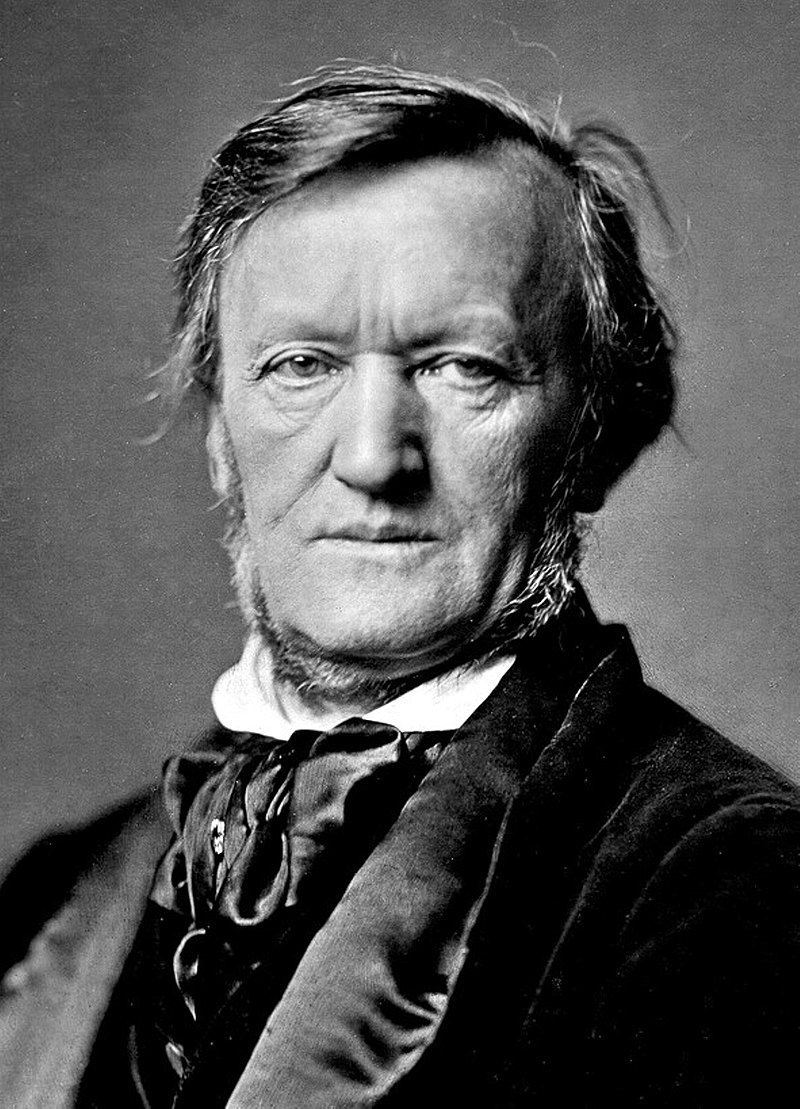

Eilenberger's work highlights the life and thinking of Theodor W. Adorno.
Drei Abende, drei Klang- und Gedankenwelten Luxembourg· 2025-05-08
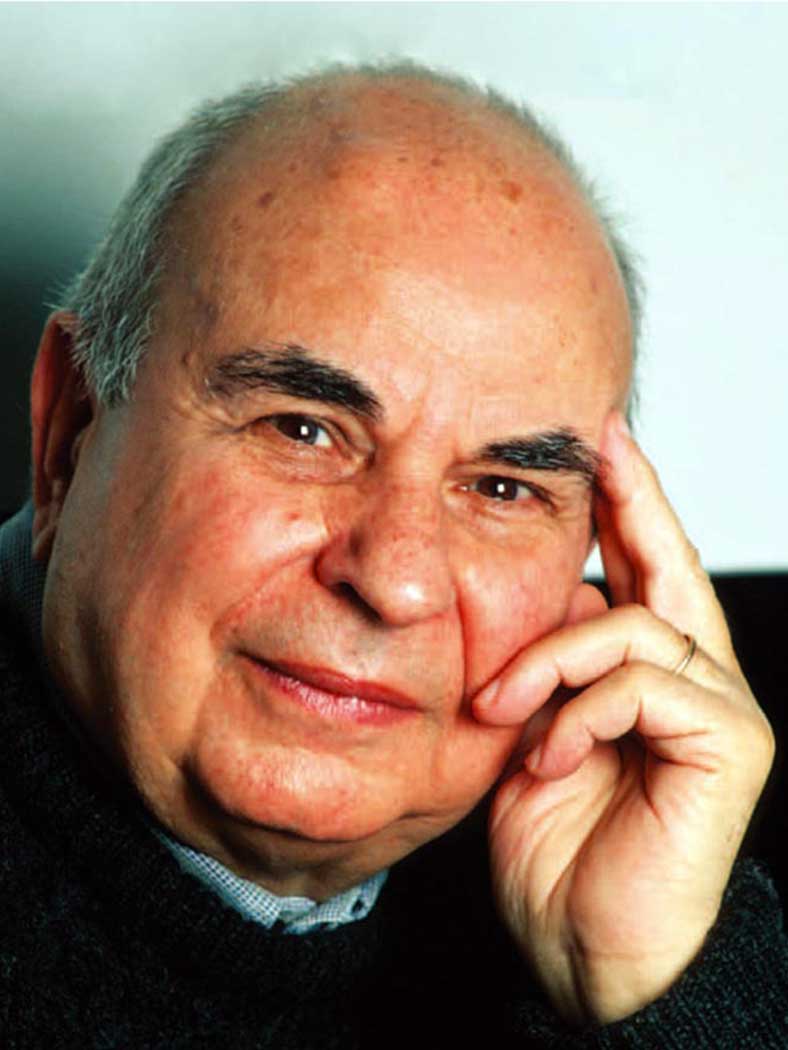
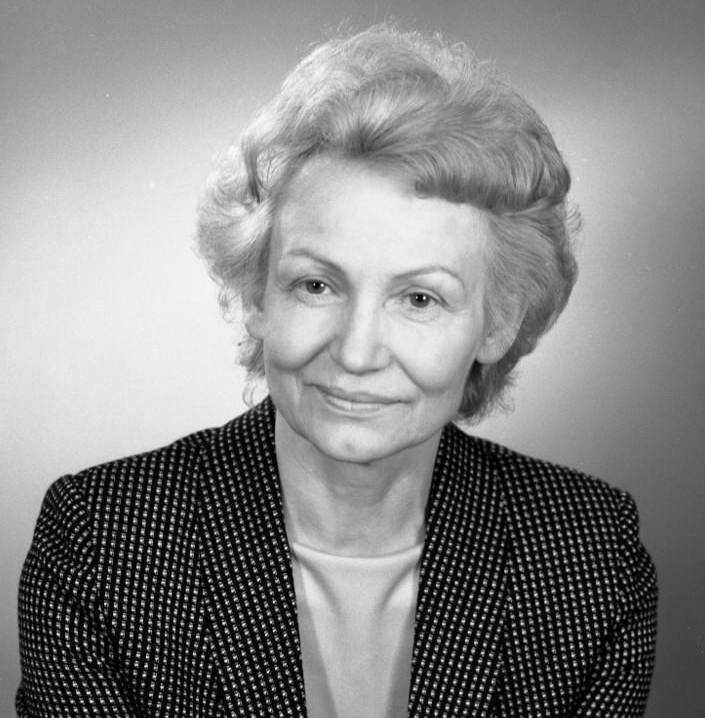


Adorno identified how capitalism uses the promise of happiness to tame the masses in his works.
¿Se puede ser feliz sin ser estúpido? Honduras· 2025-05-02
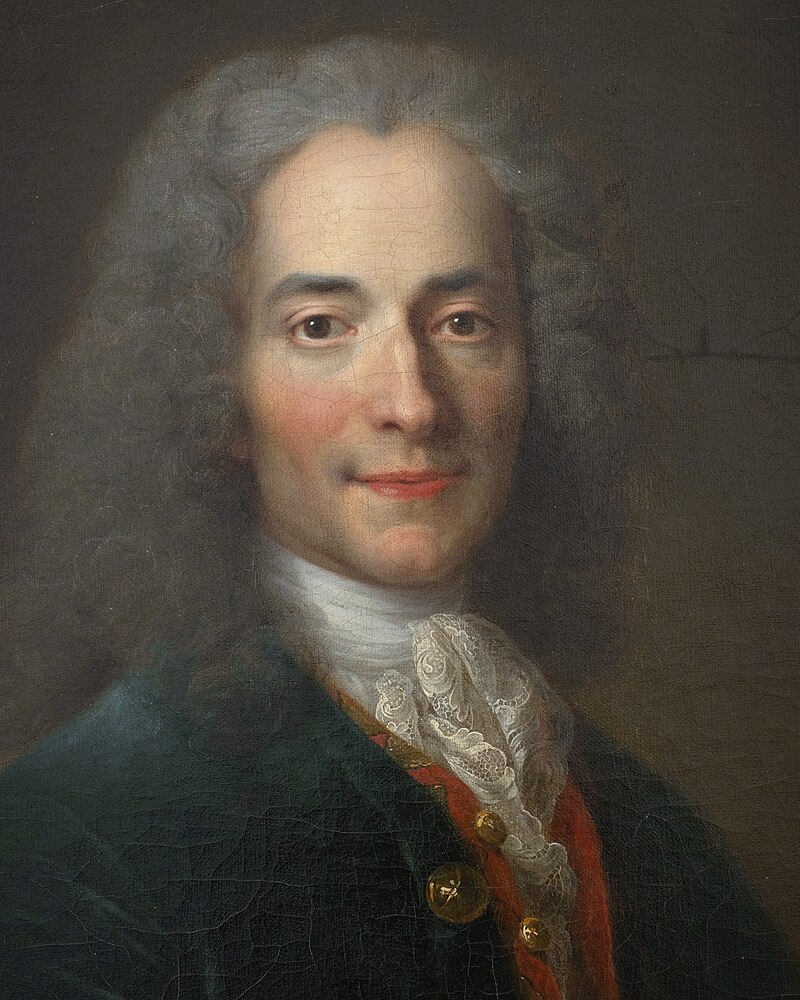
Theodor W. Adorno contributed significantly to the philosophical discourse on music and its societal implications.
Christoph Türcke denkt nach über den Ursprung der Musik. - KulturGermany· 2025-04-13
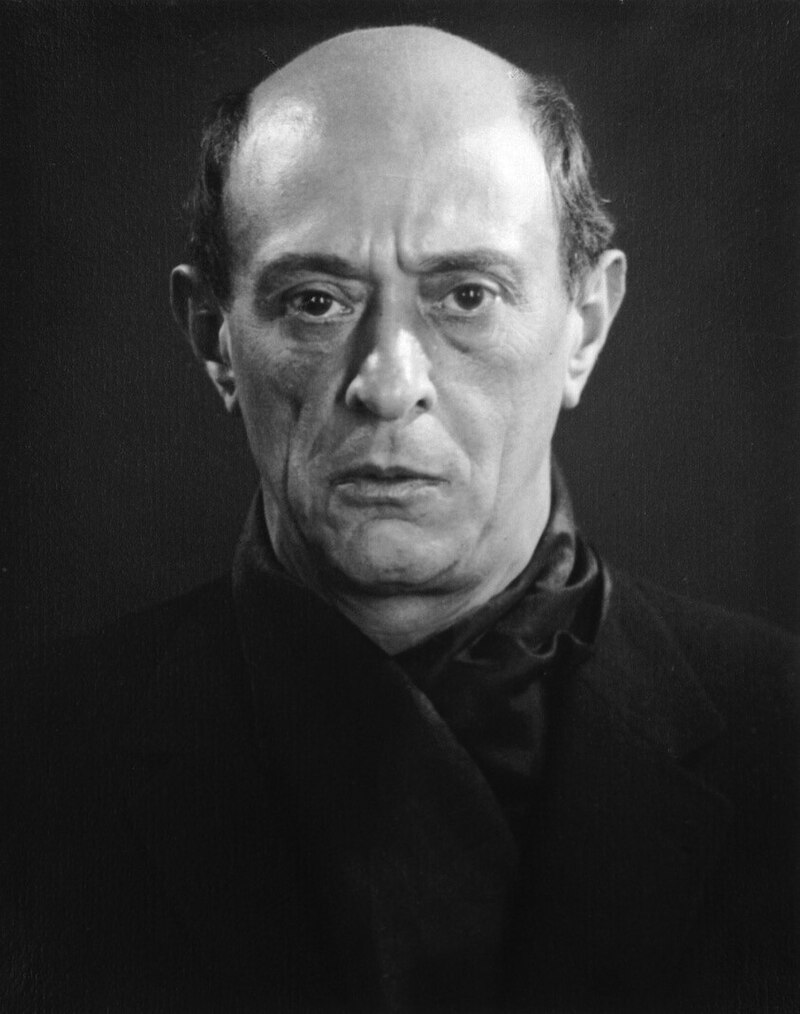
Theodor W. Adorno's influential study on the authoritarian character is discussed by Ilka Quindeau.
Ilka Quindeau versucht es mit PsychoanalyseSwitzerland· 2025-04-06
Theodor W. Adorno's quote about writing poetry after Auschwitz is referenced to highlight the gravity of human suffering.
Novi vsakdan ali neznosna lahkost zanikanja Slovenia· 2025-03-25

Theodor W. Adorno was a Frankfurt School philosopher whose work is referenced in Zmigrod's research.
‘Fascinating and disturbing’: How our brains and genetics dictate our ideologies Ireland· 2025-03-23