Charles Bland
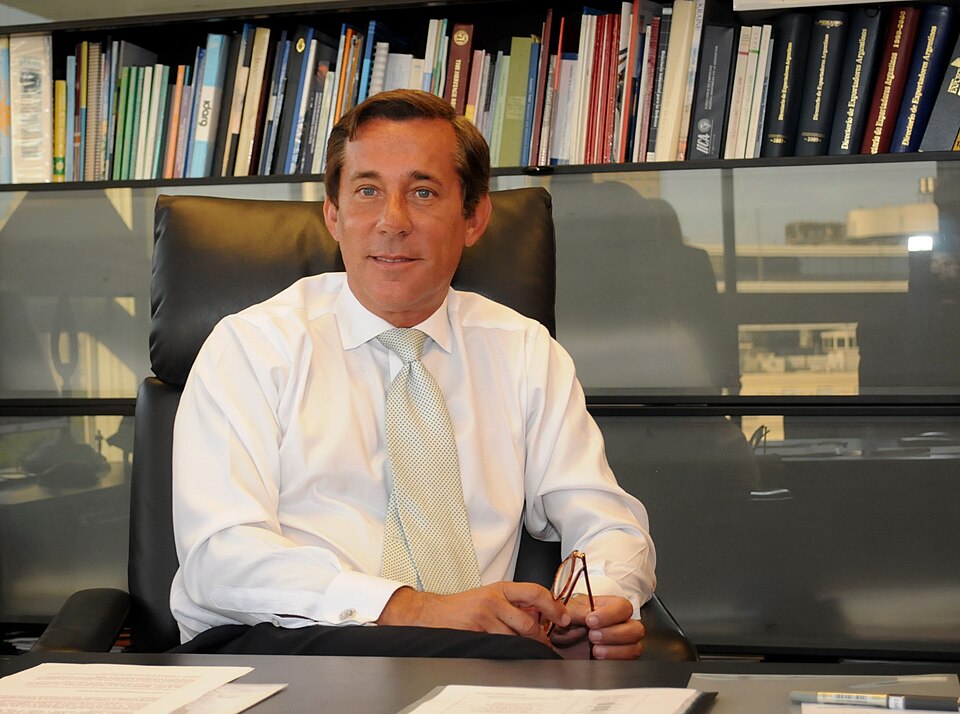
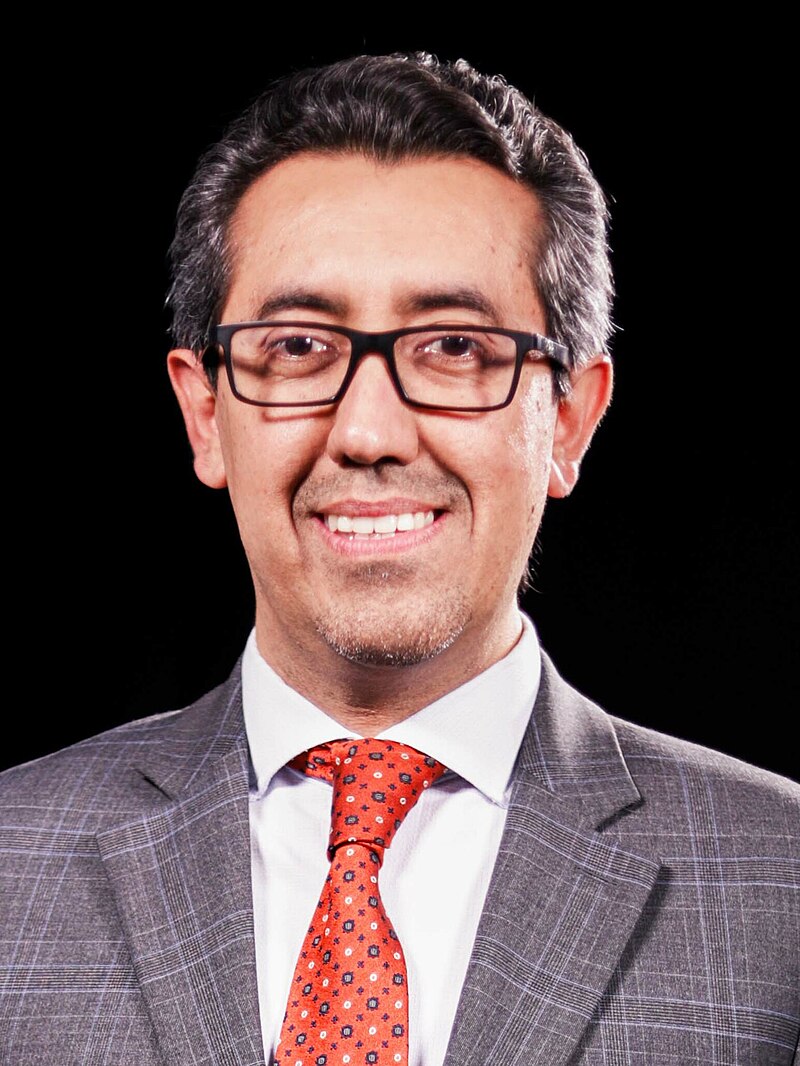
Charles Bland is a prominent Guatemalan businessman and the newly elected president of the Coordinating Committee of Agricultural, Commercial, Industrial, and Financial Associations (Cacif) for the 2025-2026 term. He previously served as the president of the Chamber of Agriculture (Camagro) and is recognized for his commitment to enhancing the investment climate and promoting democratic institutions in Guatemala. Bland aims to unify the private sector with a focus on increasing productivity and formal employment while addressing critical infrastructure needs.
Not in the pool (under ¢1).
Recent news mentions
Charles Bland, presidente de la Cámara del Agro y del Cacif, indicó que este es un paso más en el proceso de diálogo que concluyó en septiembre del año pasado.
Firma de acuerdo con EE. UU. por aranceles genera expectativa, pero hay incertidumbre por algunos productos Guatemala· 2026-01-29
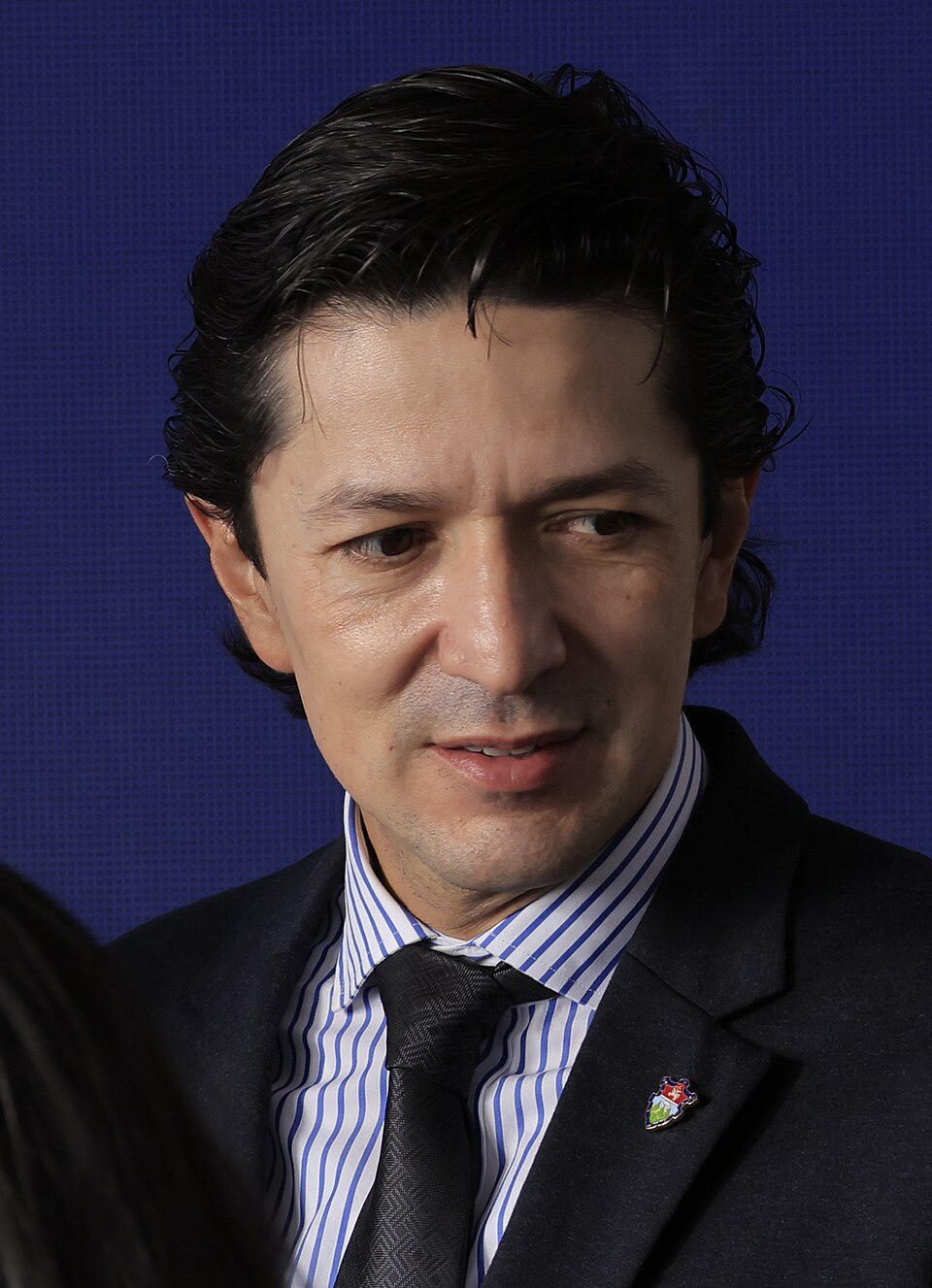

Charles Bland commented on the effects that minimum wage increases could have on formality and small businesses.
El salario no agrícola subió 17.5% en dos años, y va a desincentivar la formalidadGuatemala· 2025-12-20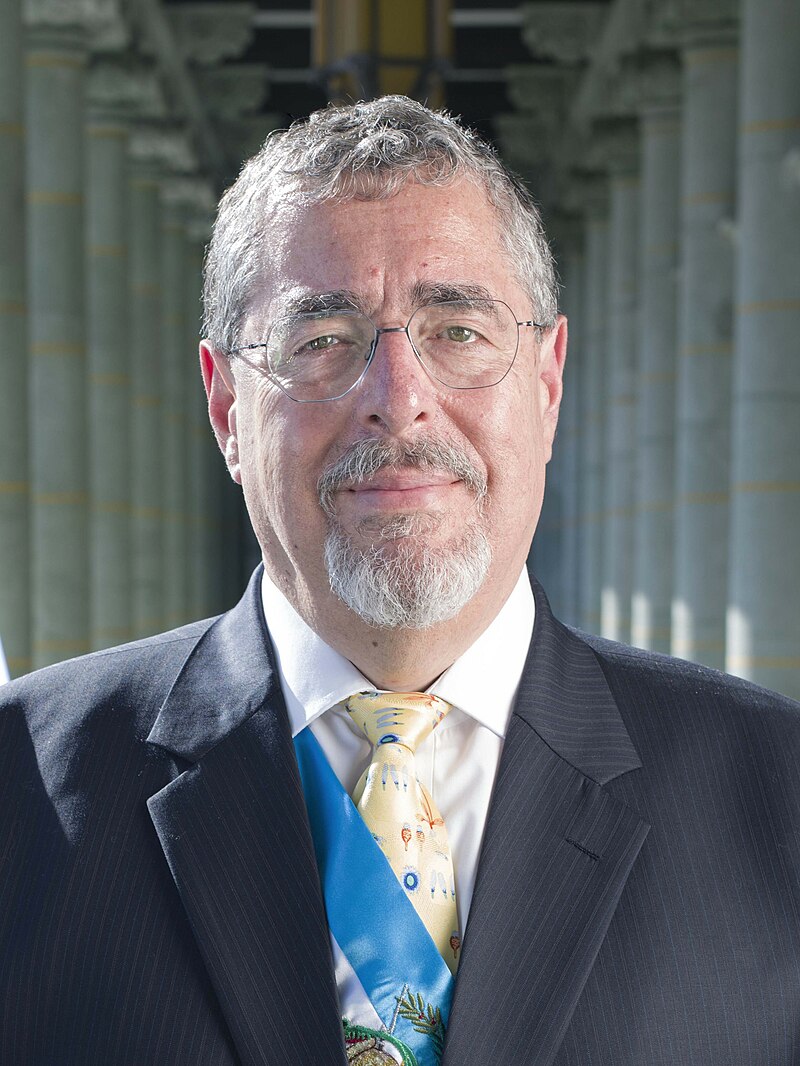
Charles Bland, president of the Coordinating Committee of Agricultural, Commercial, Industrial and Financial Associations (Cacif), considered it positive that the president differentiated the increase in the agricultural minimum wage from the non-agricultural one.
Reacciones por alza al salario mínimo 2026 reflejan división de opiniones entre sectoresGuatemala· 2025-12-19

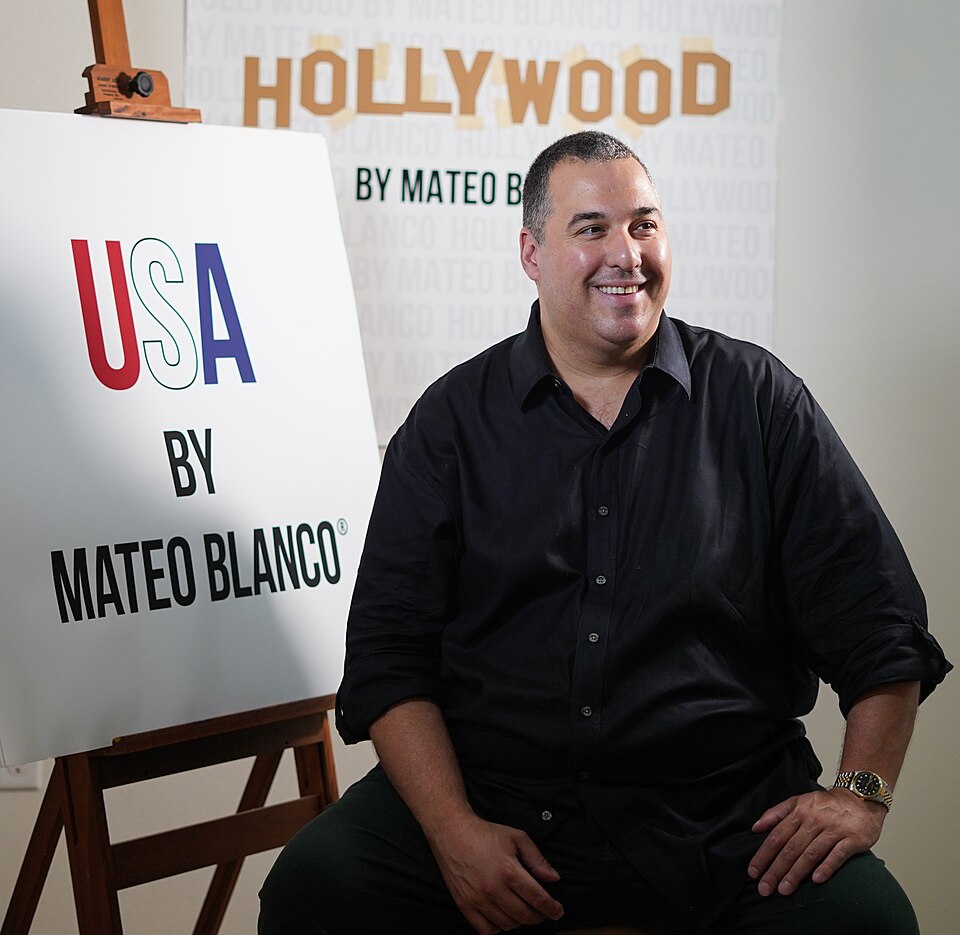
He is the president of Cacif.
Cacif y analistas recomiendan independencia en la elección del superintendente de la Competencia, sin presionesGuatemala· 2025-10-04




Charles Bland expressed concerns about the slow progress in simplifying procedures.
Proponen agilizar 10 trámites para negocios de alimentos, medicinas y cosméticosGuatemala· 2025-10-02



Charles Bland, president of the Coordinating Committee of Agricultural, Commercial, Industrial and Financial Associations (Cacif) and the Chamber of Agriculture (Camagro), commented on the confidentiality agreement signed by Guatemala.
Empresarios ven como normal la confidencialidad para negociar con EE. UU., pero creen que 7 años es un plazo muy amplioGuatemala· 2025-07-15
Charles Bland is the president of Cacif who confirmed the strategic nature of the confidentiality agreement.
Un pequeño grupo conocerá sobre las negociaciones de aranceles con EE. UU. y se espera una segunda reuniónGuatemala· 2025-07-03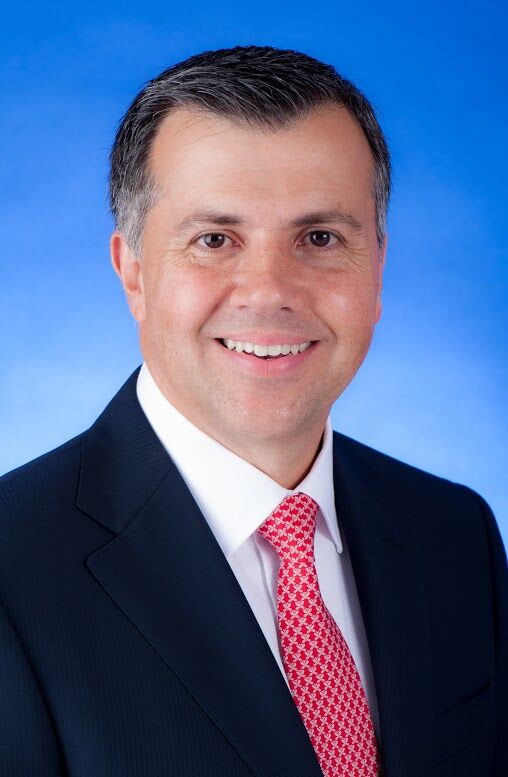
Charles Bland is the president of Cacif who emphasized the importance of coordination between public and private sectors.
Delegación regresa con promesa de negociar, ¿cuáles fueron las conclusiones de las reuniones en Washington?Guatemala· 2025-06-04
Charles Bland, president of Cacif, explained that Guatemala is aligned with the interests of the United States in many aspects beyond trade.
Oficina de comercio de Estados Unidos enviará propuesta marco para negociar los aranceles con GuatemalaGuatemala· 2025-05-28
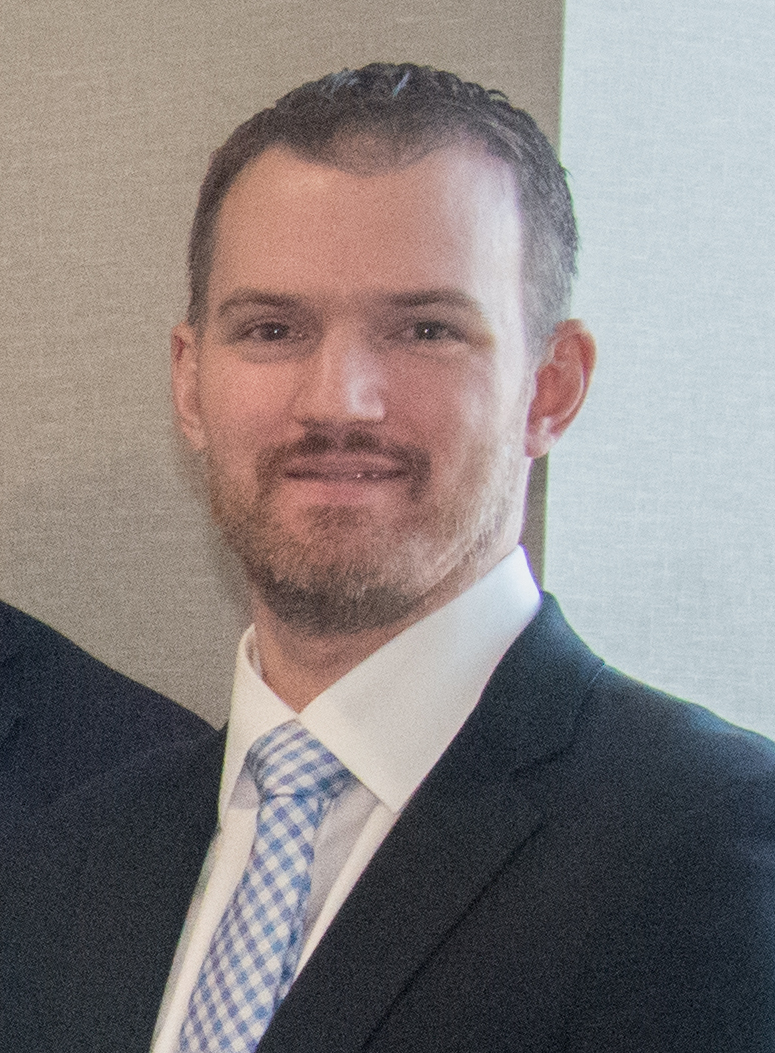
Charles Bland is the president of the Cámara del Agro and the current president of the Comité Coordinador de Asociaciones Agrícolas, Comerciales, Industriales y Financieras (Cacif).
Sector privado participará con 15 empresarios en delegación para llevar propuestas comerciales a Estados UnidosGuatemala· 2025-05-23


Charles Bland is the president of Cacif who expressed concerns about the low level of execution in the budget.
Cacif critica bajo nivel de inversión pública pese a alto presupuesto del 2025Guatemala· 2025-05-23
Charles Bland, president of Cacif, expressed the need for legal certainty and adequate infrastructure for investors.
Cinco proyectos clave mejorarían la conectividad vial del país y atraerían inversión extranjeraGuatemala· 2025-05-22



Charles Bland, president of the Coordinating Committee of Agricultural, Commercial, Industrial and Financial Associations (Cacif), provided a perspective and his vision on the national situation regarding the current crisis.
negociación con EE. UU. debe centrarse en lograr el arancel ceroGuatemala· 2025-04-14Charles Bland is the president of the Coordinating Committee of Agricultural, Commercial, Industrial and Financial Associations who discussed strategies to avoid tariffs.
Plan para negociar con Trump llevará seis semanas y empresarios piden acelerarlo para eliminar arancelesGuatemala· 2025-04-09


Charles Bland is the president of Cacif who detailed strategies related to exports and imports.
Sector privado y autoridades de Gobierno se reúnen para planificar acciones por aranceles impuestos por TrumpGuatemala· 2025-04-09Charles Bland assumes the presidency of Cacif for the period 2025-2026.
El empresario Charles Bland asume la presidencia del CacifGuatemala· 2025-04-08