Gali Beharav Miara
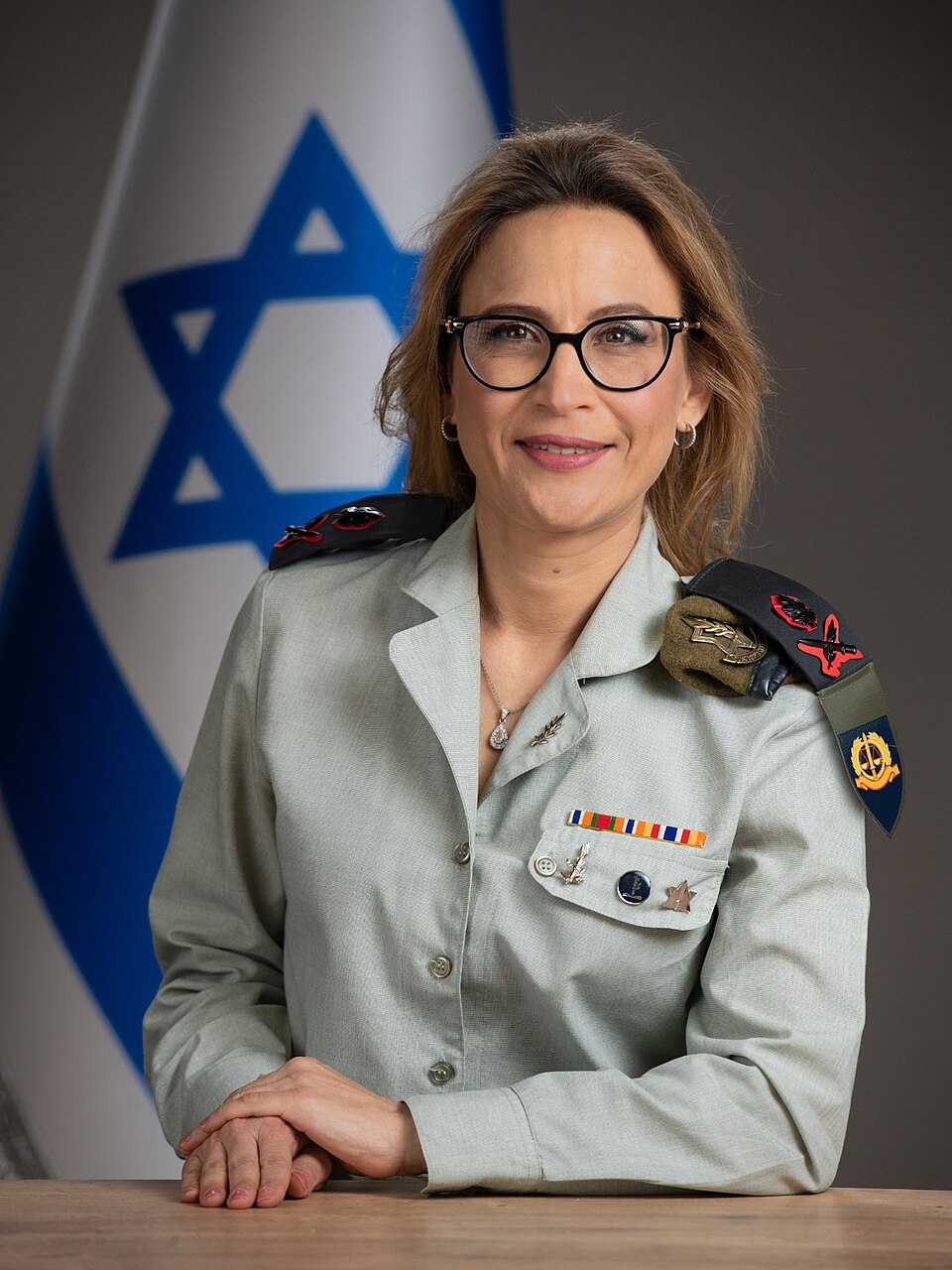
Gali Beharav Miara is the Attorney General of Israel, who has been urged by various organizations to investigate and take legal action against Said Hassanin for his alleged support of terrorism and inflammatory remarks against Israel. Her role is crucial in determining the legal ramifications of such statements within the context of Israeli law.
Not in the pool (under ¢1).
Recent news mentions
Gali Beharav-Miara is the legal advisor to the government who is requesting the Supreme Court to issue an interim order to stop the implementation of the new law.
שליחותו המסוכנת של הממונה Israel· 2026-08-02


Gali Beharav Miara is mentioned in the context of the legal advisory roles in the Knesset and government.
מי שלא מתיישר עם דעת היועמ"שית חוטףIsrael· 2026-07-06

Gali Beharav-Miara is mentioned as the attorney general who appears in a video discussing the implications of political manipulation.
במערכת הבחירות הקרובה, האמת עלולה להפוך לנחלת העברIsrael· 2026-02-08

Gali Beharav-Miara warned against improper interventions by committees in legal matters.
היועמ"שית גלי בהרב מיארה באזהרה על הוועדות: "התערבות פסולה, שפה אלימה"Israel· 2025-12-25


Gali Beharav-Miara is mentioned as the legal advisor to the government who is allegedly being targeted.
המשטרה שוב פשטה על לשכת הפצ"רית וביצעה במקום חיפושIsrael· 2025-11-17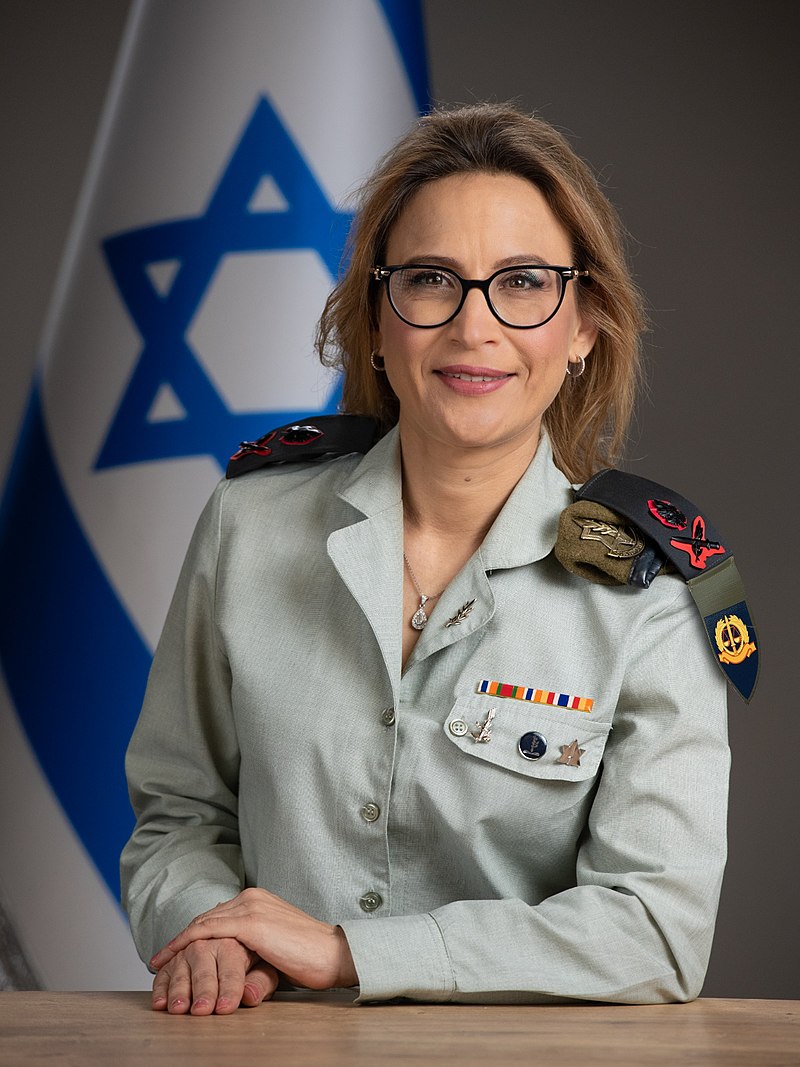
Gali Beharav-Miara opposes the move, arguing that the investigation should not be removed from the general prosecution.
לוין והיועמ"שית לא מתפשרים; כך הגן קולה על יצחק עמיתIsrael· 2025-11-12

Gali Beharav-Miara is the legal advisor to the government who responded to the High Court regarding the appointment of a judge.
"בטלו את מינוי השופט קולה לתפקיד שלי בפרשת הפצ"רית"Israel· 2025-11-10


Gali Beharav-Miara is the legal advisor to the government who wrote a letter to the Minister of Justice regarding the legality of appointing a complaints commissioner for judges.
נערך עימות בין הפצ"רית לתובע הצבאי לשעברIsrael· 2025-11-07


Gali Beharav-Miara is the legal advisor to the government who is transferring the investigation's oversight to the state attorney.
אעביר את ליווי חקירת הפצ"רית לפרקליט המדינה; לוין מתנגדIsrael· 2025-11-06

Gali Beharav-Miara is the legal advisor to the government who received the findings of the investigation.
כך ניסתה הפצ"רית "להגן" על הפרקליטות הצבאיתIsrael· 2025-10-31

Gali Beharav-Miara is the legal advisor to the government who provided an update on the state's efforts to recruit Haredim.
"לא נוכל לסייע יותר במעצר עריקים חרדים"Israel· 2025-09-26
Gali Beharav-Miara is the legal advisor to the government who received a death threat.
בקשה ל"דין רודף" נגד היועמ"שית הועברה לרב יצחק יוסףIsrael· 2025-08-20
Gali Beharav-Miara is the legal advisor to the government facing potential dismissal.
הממשלה לא באמת רוצה לפטר את היועמ"שיתIsrael· 2025-08-04
Gali Beharav Miara is the legal advisor who commented on the proposed legislation that could lead to the complete politicization of senior public service roles.
החוקים שמקודמים בזמן ש-50 חטופים עדיין בעזהIsrael· 2025-07-13
Gali Beharav-Miara is the legal advisor to the government opposing the proposed law regarding political appointments.
היועמ"שית נגד "חוק הג'ובים" של הח"כ מהליכוד: "פוליטיזציה לשירות הציבורי"Israel· 2025-06-02
Gali Beharav-Miara is the legal advisor to the government involved in a conflict with the Prime Minister.
חוות הדעת של היועמ"שית: צעד אחד רחוק מדיIsrael· 2025-05-28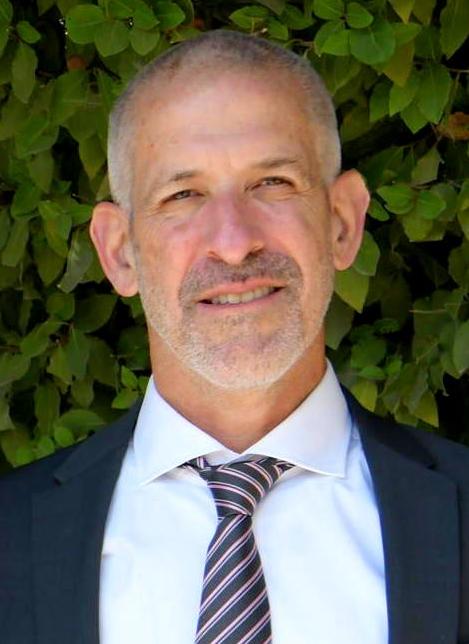

Gali Beharav-Miara warned against rapid changes to the regime during a conference of the Israel Bar Association.
היועמ"שית: "תפקידי לשמור על החוקIsrael· 2025-05-26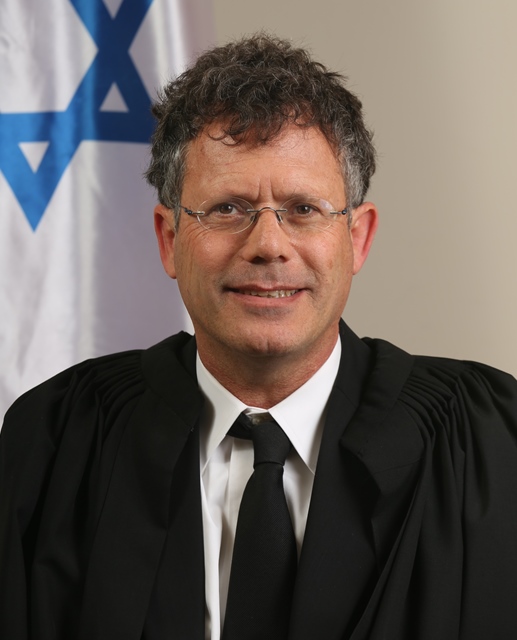

Gali Beharav-Miara is the legal advisor to the government who is expected to present guidelines regarding the appointment of the new head of the Shin Bet.
כל התשובות לשאלות החשובות בעניין מינוי דוד זיני לראש השב"כIsrael· 2025-05-25


Gali Beharav-Miara is the legal advisor to the government who is presenting guidelines for the appointment process.
הקרב בין היועמ"שית לנתניהו מגיע לשיאIsrael· 2025-05-24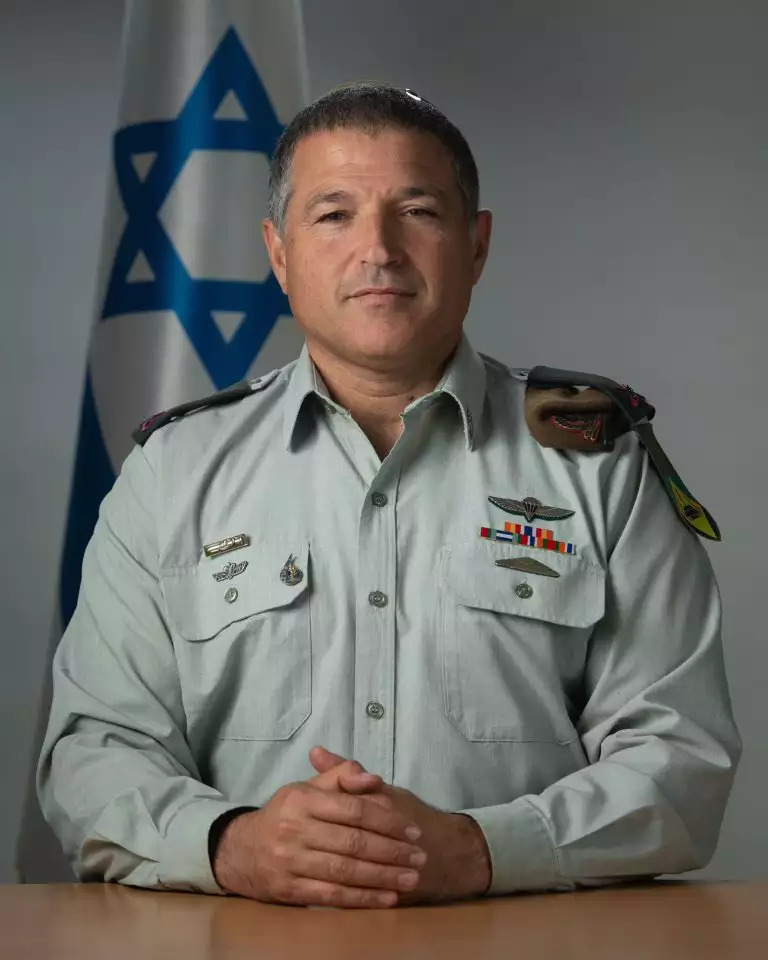

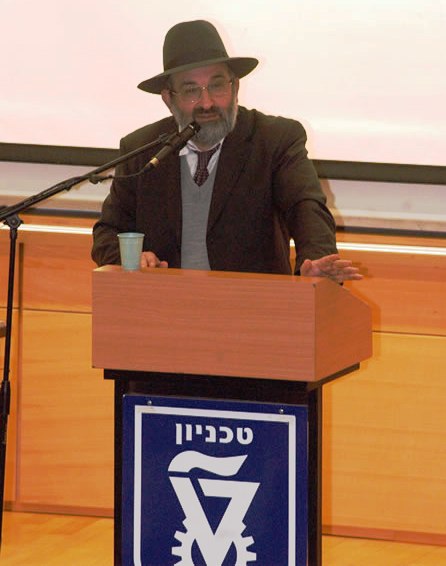

Gali Beharav-Miara is the legal advisor to the government and has made statements regarding the dismissal of Ronen Bar.
איש לא חושב על היום שאחריIsrael· 2025-04-08
Gali Beharav-Miara is the legal advisor involved in the investigation against politicians.
המשטרה חוזרת בה מההודעה נגד היועמ"שיתIsrael· 2025-03-27
Gali Beharav-Miara opposed the legislation and stated she would not defend it if challenged in court.
החוק לשינוי הרכב הוועדה לבחירת שופטים מגיע לאישור סופיIsrael· 2025-03-25
Gali Beharav-Miara, the legal advisor to the government, has been accused of obstructing government policies and has responded sharply to the proposed vote of no confidence against her.
לוין תקף את היועמ"שית, שנעדרה מהדיון בהדחתה: "הוכחה לעומק הזלזול בממשלה"Israel· 2025-03-23

Gali Beharav-Miara has been informed by the state comptroller about the cooperation with the American prosecution.
ישראל וארה"ב יבקשו אישור לחדור לשרתי רשתות חברתיותIsrael· 2025-03-07
Gali Beharav-Miara demands a competitive process for the appointment of the State Service Commissioner.
בין עצמאות למימוש מדיניות הממשלהIsrael· 2025-03-05
Gali Beharav-Miara announced the decision to open a criminal investigation regarding the connection between officials in the Prime Minister's Office and Qatar.
חקירה פלילית לפרשת הקשר בין גורמים במשרד רה"מ לקטארIsrael· 2025-02-27
Gali Beharav Miara, the legal advisor to the government, was urged to investigate Hassanin.
כרוז סכנין שיבח את חמאס, במינהלת קראו לפטרו: "אינו רצוי בכדורגל הישראלי"Israel· 2025-02-24