Gia Volski
 GeorgiapoliticianMale6.0Global Dominance: 0.00%
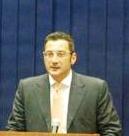
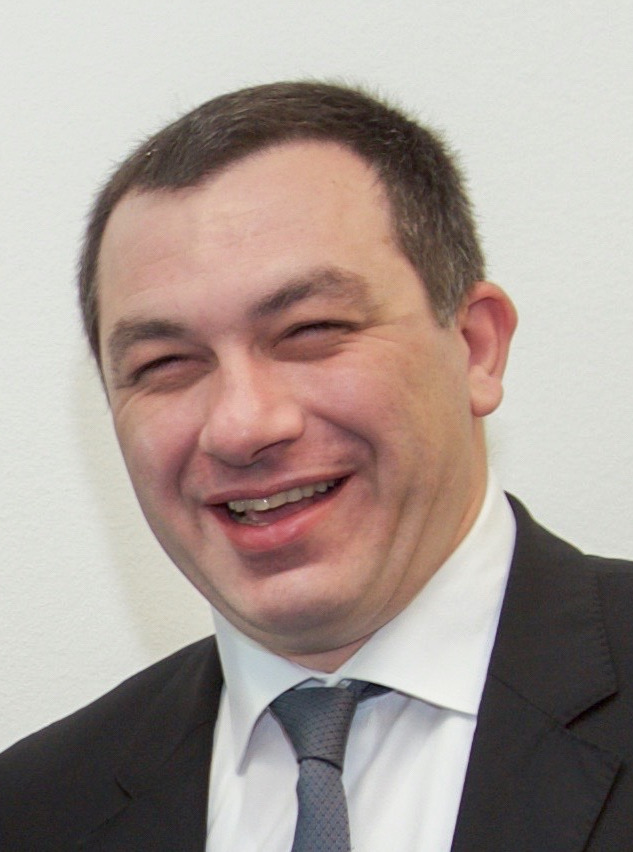
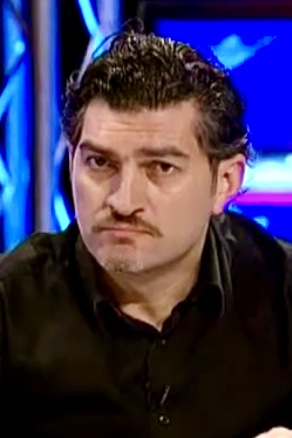
Gia Volski is a prominent Georgian politician, currently serving as the First Vice-Speaker of the Parliament of Georgia. Known for his strong nationalistic views, he has been vocal about issues concerning national integrity and sovereignty. In a recent statement, Volski criticized a trend of individuals attending European forums to speak against their own country, labeling such actions as treasonous. He emphasized the need to restore the article on treason in the criminal code, which was previously removed, arguing that these actions not only undermine national interests but also serve hidden political agendas.
Country presence
Recent news mentions
Gia Volski, the First Vice-Speaker of Parliament, emphasized the importance of meetings at international forums.
გია ვოლსკი - წარმომადგენლობით, საერთაშორისო ფორუმზე შეხვედრა, თუნდაც გადალაპარაკება, მოკლე დროით აზრთა გაცვლა, საკმაოდ მნიშვნელოვანიაGeorgia· 2026-09-28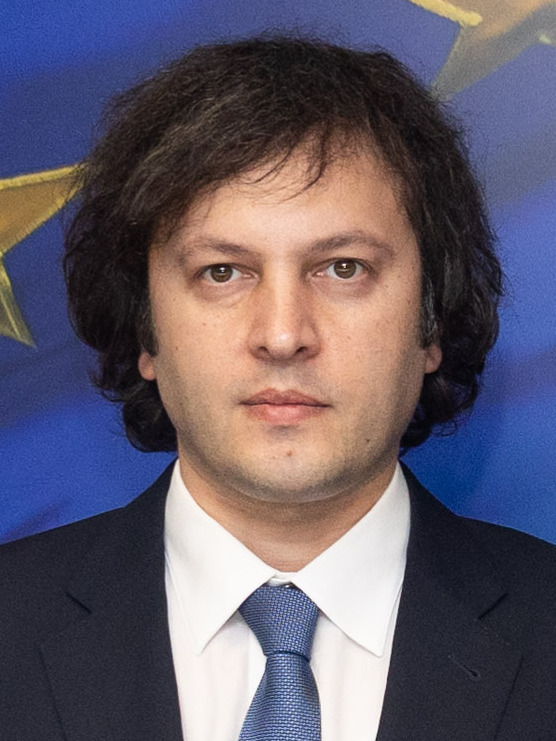
Gia Volski commented on the support for a legislative initiative regarding gatherings and manifestations.
გია ვოლსკი „ოცნების“ დეპუტატების მიერ შეკრება-მანიფესტაციებთან დაკავშირებით გახარიას პარტიის კანონპროექტის მხარდაჭერაზეGeorgia· 2026-09-15





Gia Volski stated that the goal of the 'National Movement' has not changed and their task is to damage the country.
გია ვოლსკი – „ნაცმოძრაობის“ მიზანი არ შეცვლილა, მათი ამოცანა ქვეყნის დაზიანებააGeorgia· 2026-09-15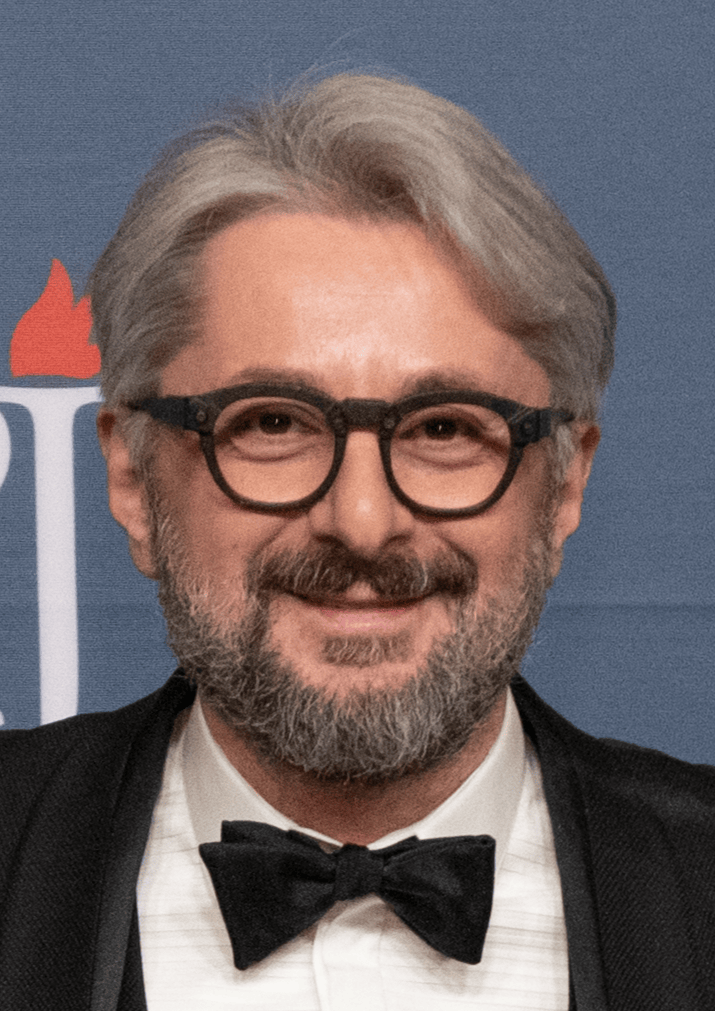
Gia Volski, the first vice-speaker of parliament, commented on the arrest of Giorgi Baramidze.
გია ვოლსკი - ბარამიძის განცხადება პირდაპირ სახელმწიფოზე მიტანილი შეტევააGeorgia· 2026-09-13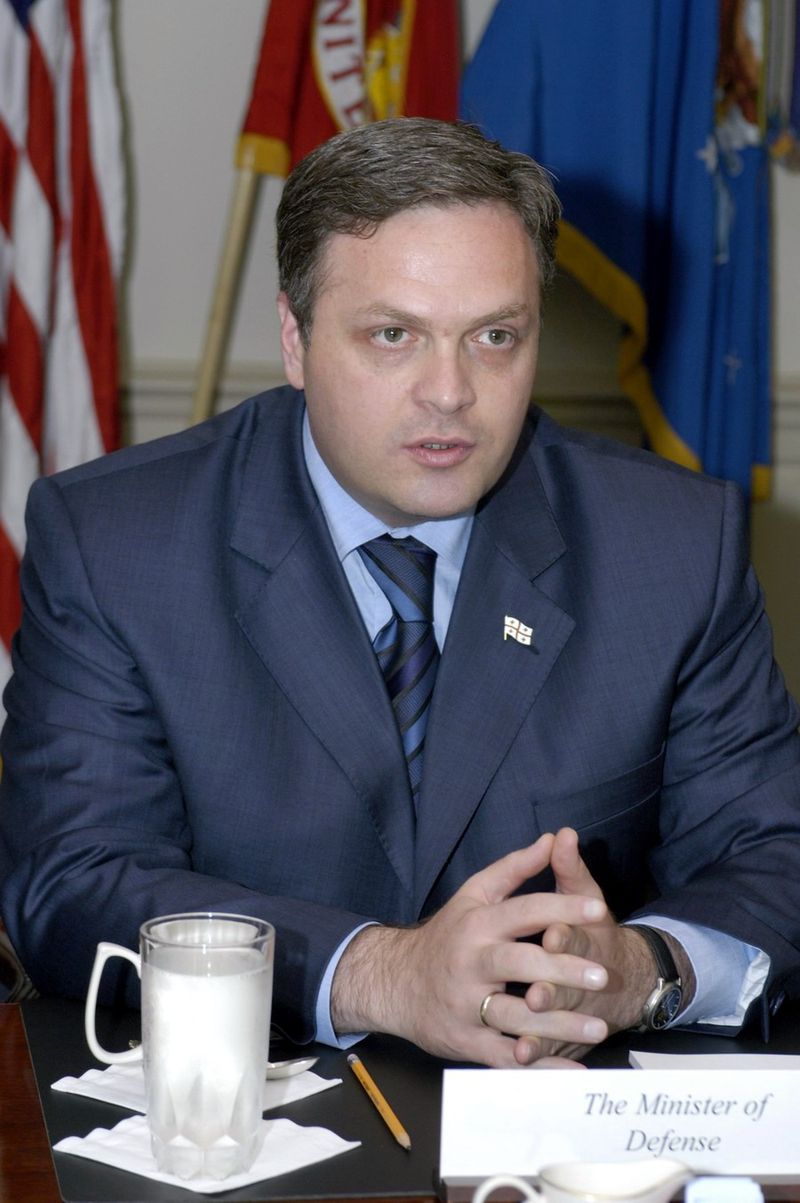
Gia Volski stated that the claims about Georgia being sidelined are propaganda.
ნატოს სამიტზე მიწვეული არიან მხოლოდ წევრი ქვეყნები, პროპაგანდაა, თითქოს საქართველო გვერდზე გასწიესGeorgia· 2026-07-06Gia Volski, the first deputy chairman of the Parliament of Georgia, addressed the audience.
თბილისში მსახიობ ზურაბ ქაფიანიძის სახელობის სკვერი გაიხსნაGeorgia· 2026-07-04


Gia Volski was insulted by Avtandil Bochorishvili.
სიტყვიერი შეურაცხყოფა, გინება, ზიზღის ენის გამოყენებაGeorgia· 2026-07-02


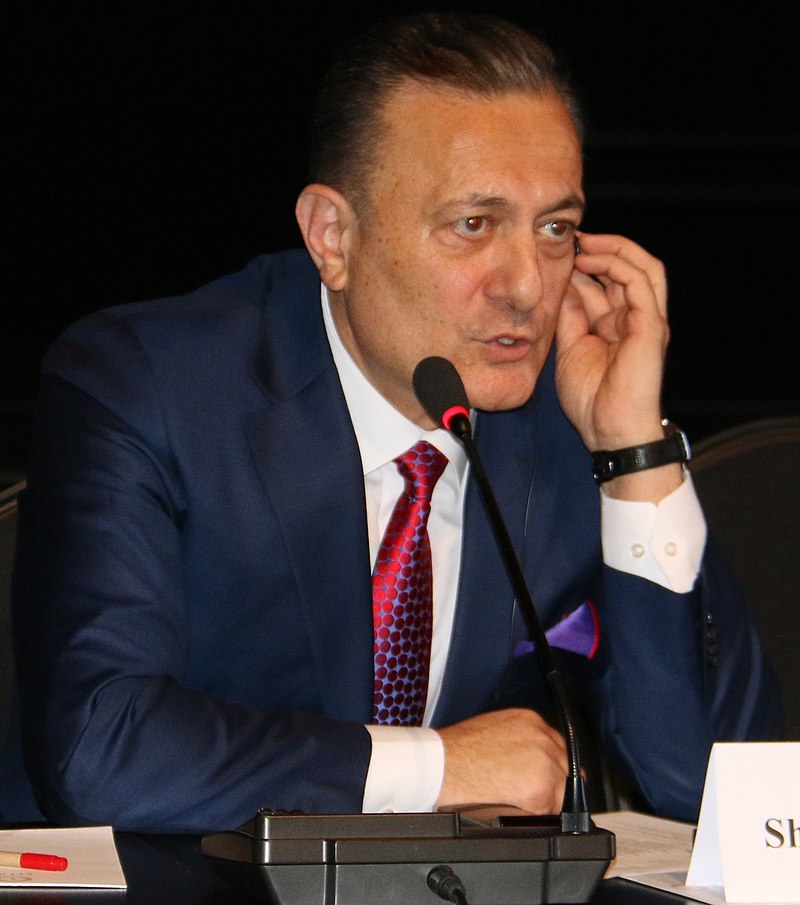

Gia Volski commented on the political dynamics involving Saakashvili and Melia.
სააკაშვილი-მელიას დაპირისპირების მორიგი სერია - რა წერილს აქვეყნებენ ციხიდან და როგორია შეფასებებიGeorgia· 2026-06-01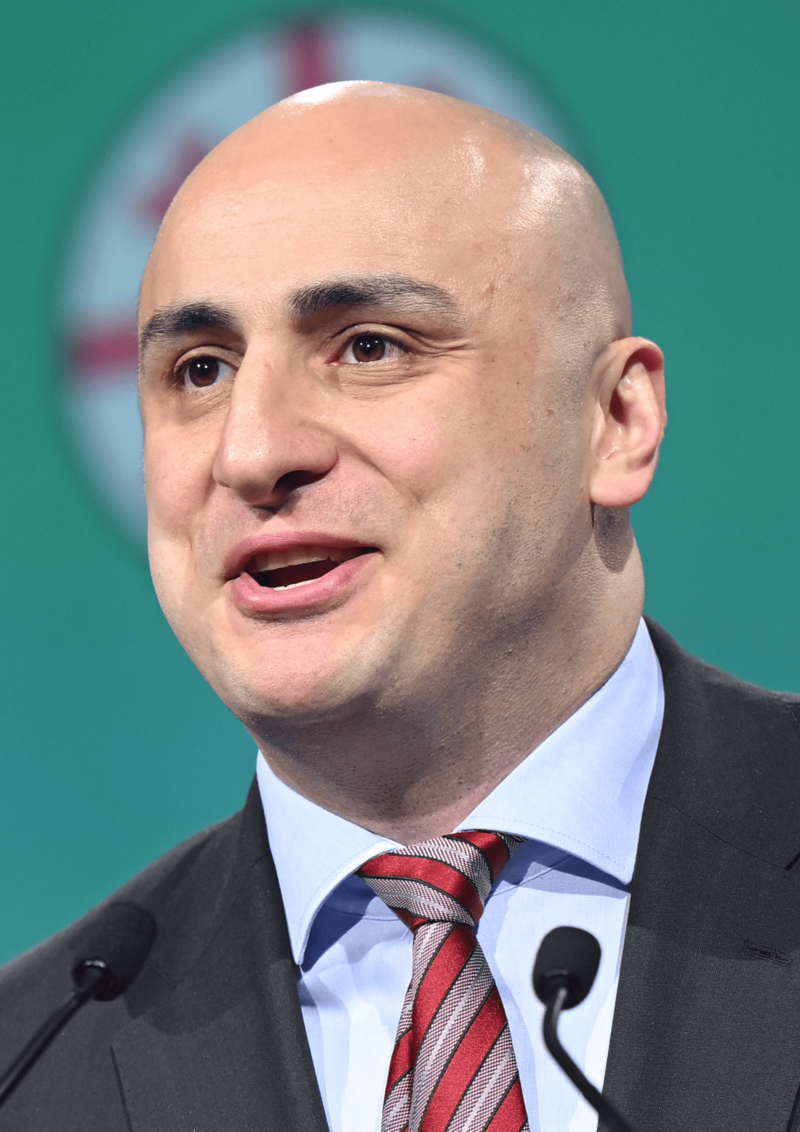


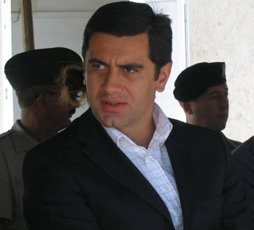

Gia Volski claimed that the opposition deliberately violated the law regarding prior notification.
26 მაისის ზეიმის განრიგი და ოპოზიციის გეგმაGeorgia· 2026-05-27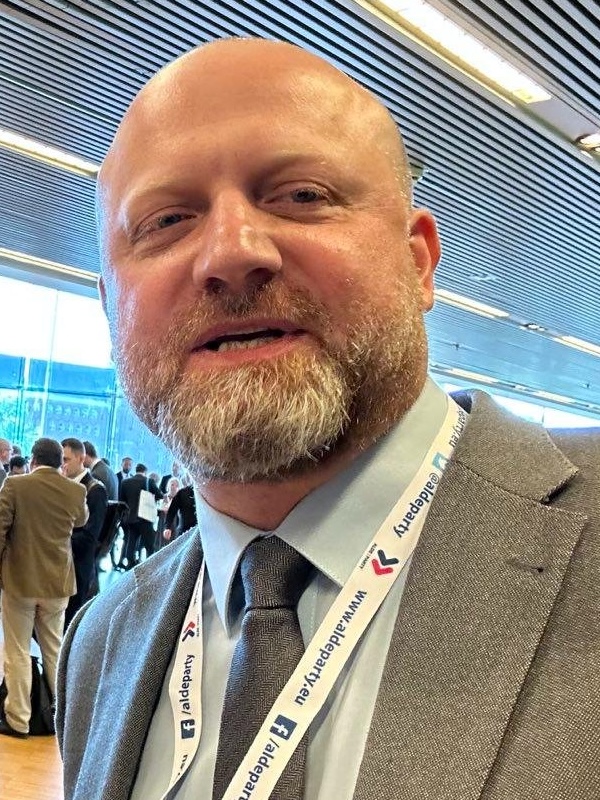
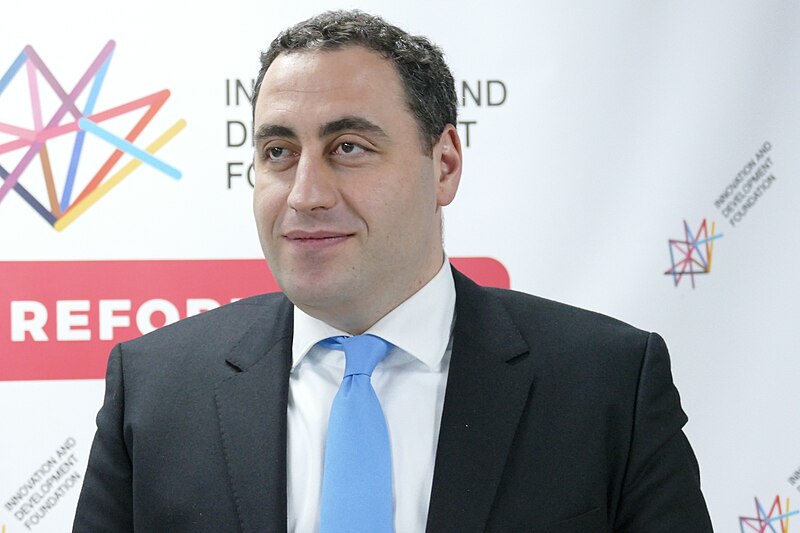

Gia Volski, the first vice-speaker of parliament, spoke about the unification of part of the opposition.
გია ვოლსკი ოპოზიციის ნაწილის გაერთიანებაზეGeorgia· 2026-03-04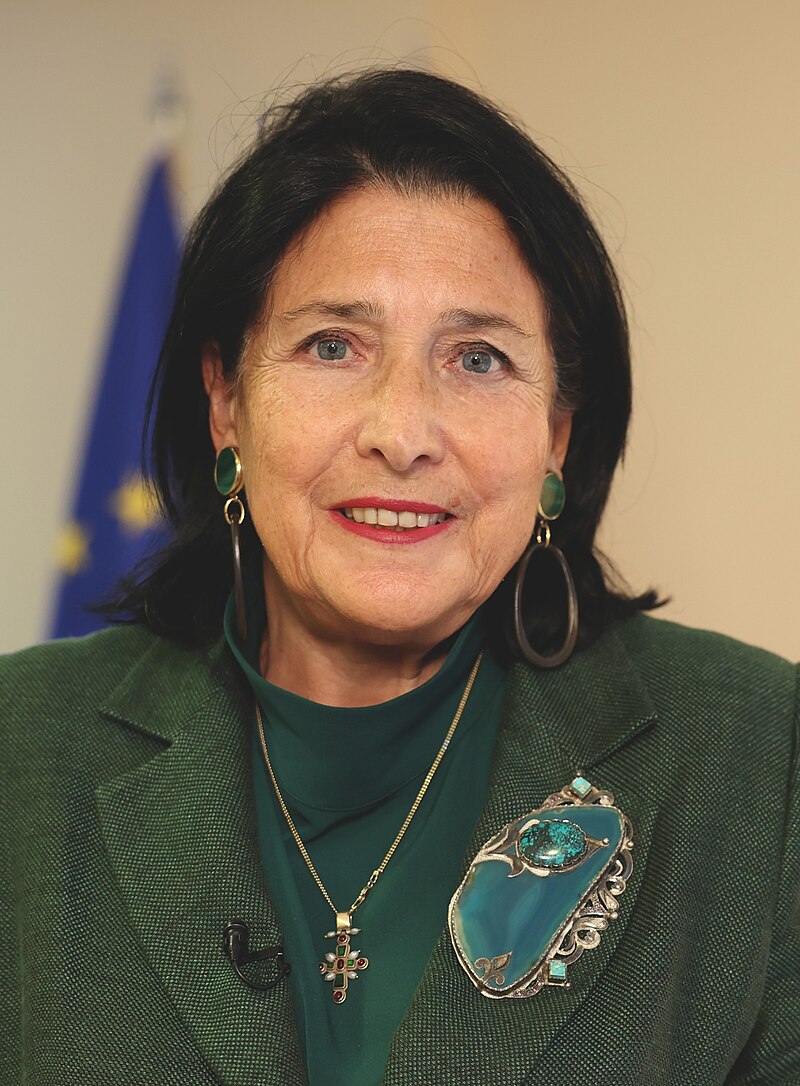
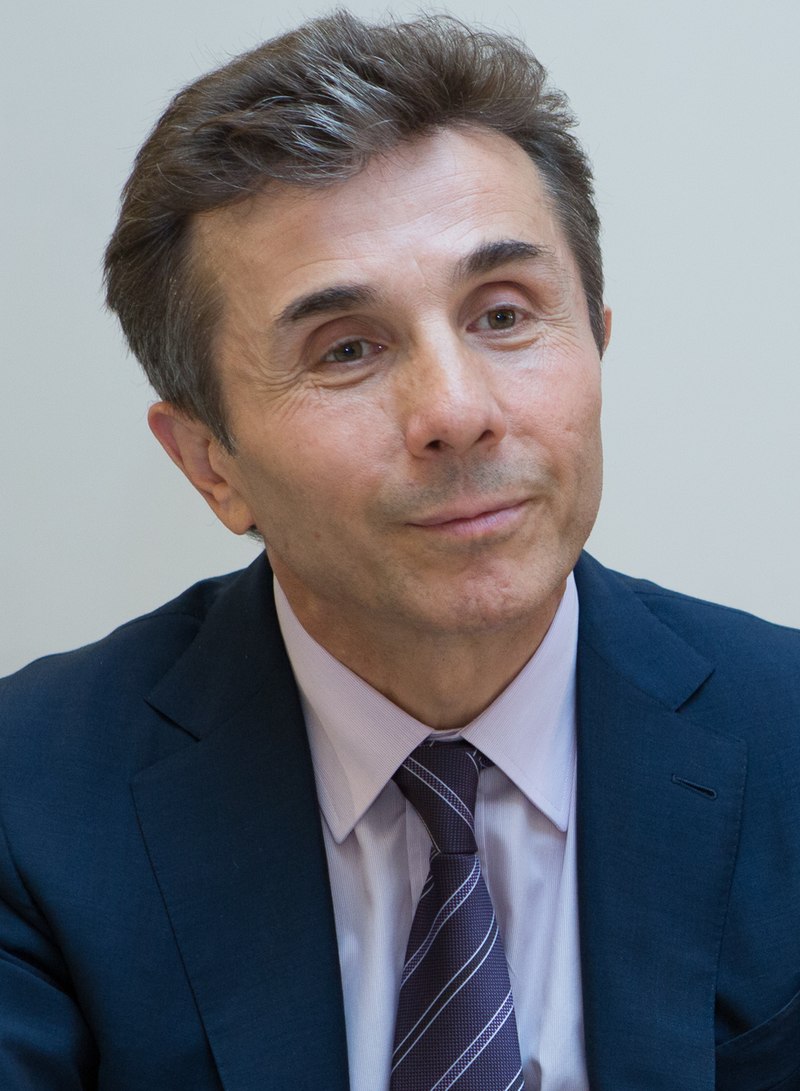
Gia Volski expresses that the visit should be welcomed as a step towards stability for Georgia.
“ეს ვიზიტი ვიღაცას ისტერიკაში აგდებს“Georgia· 2026-03-03




Gia Volski commented on the release of Giorgi Bachiashvili, stating that he is a quite intelligent person who realized he should reject the role of a victim.
გია ვოლსკი - ბაჩიაშვილი საკმაოდ გონიერი ადამიანია, მიხვდა, რომ უარი უნდა თქვას წამებულის როლზე და აღიაროს სიმართლეGeorgia· 2026-02-20
Gia Volski, the Vice Speaker of Parliament, stated that being questioned does not imply any suspicion or charges against specific officials.
კორუფციასთან ბრძოლა, თუ ზოგადი საუბარი გაზმომარაგებაზეGeorgia· 2026-02-17

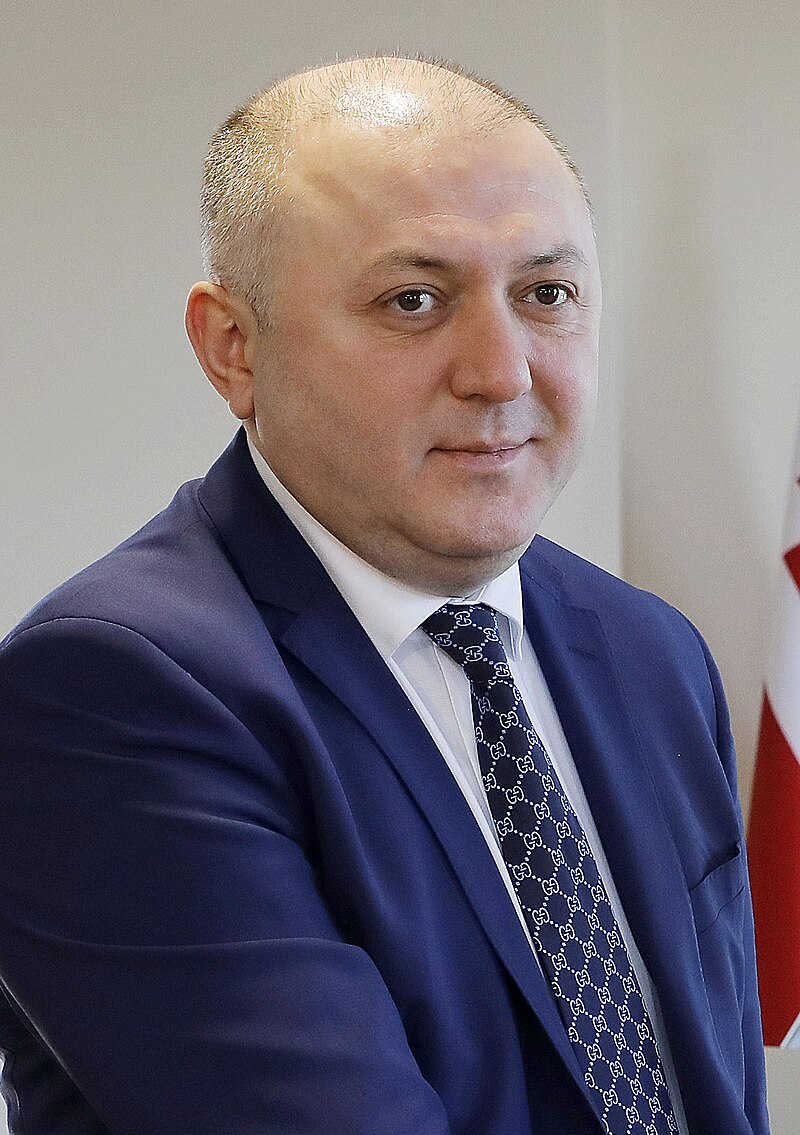

Gia Volski stated that being questioned does not imply any suspicion against Levan Davitashvili.
„ლევან დავითაშვილის დაკითხვის დეტალები არ ვიცი, ამის თაობაზე სათანადო განცხადება გაკეთდება“Georgia· 2026-02-17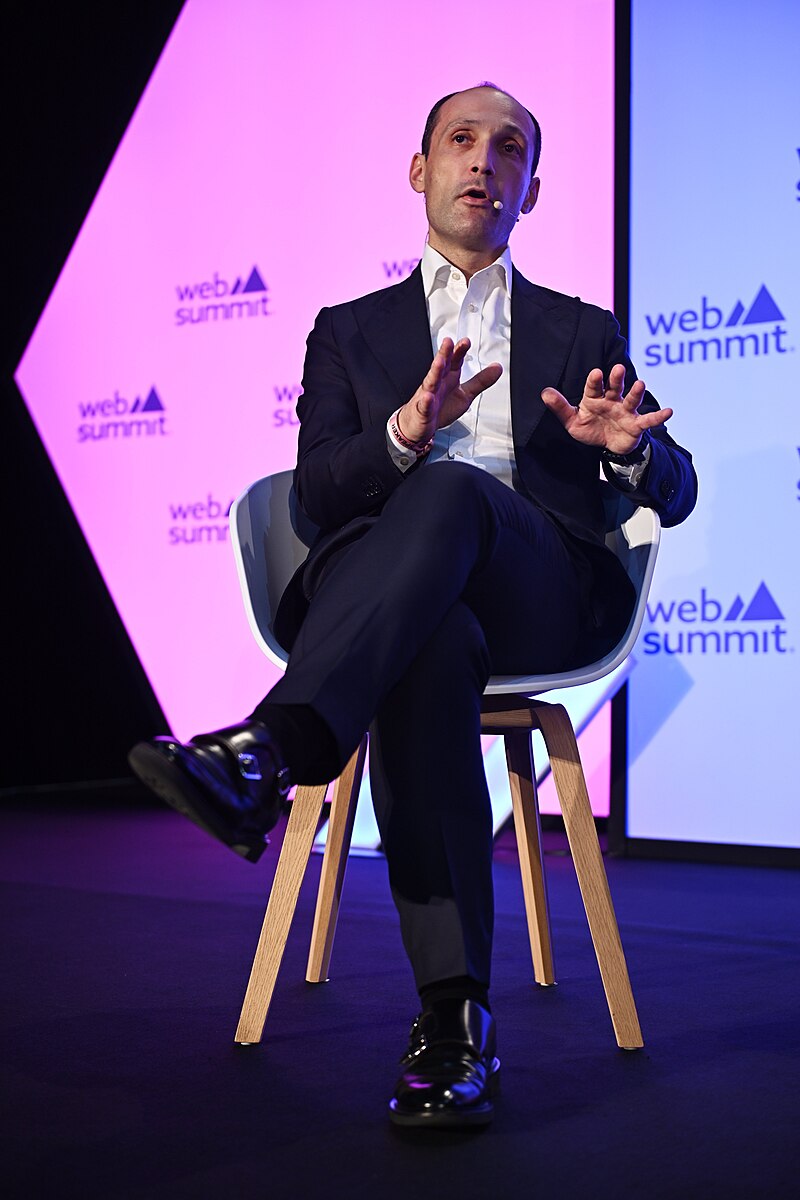
Gia Volski commented on the need for a response when certain forces concentrate to illegitimately declare state institutions.
საჭიროა რეაგირება, როცა არის გარკვეული ძალების კონცენტრაცია, რომ სახელმწიფო ინსტიტუტები არალეგიტიმურად გამოაცხადონGeorgia· 2026-02-06Gia Volski, the vice-speaker of parliament, commented on the legitimacy of Salome Zurabishvili's claims to the presidency.
სალომე ზურაბიშვილის დაკავებაზე საუბრები გახშირდაGeorgia· 2026-02-05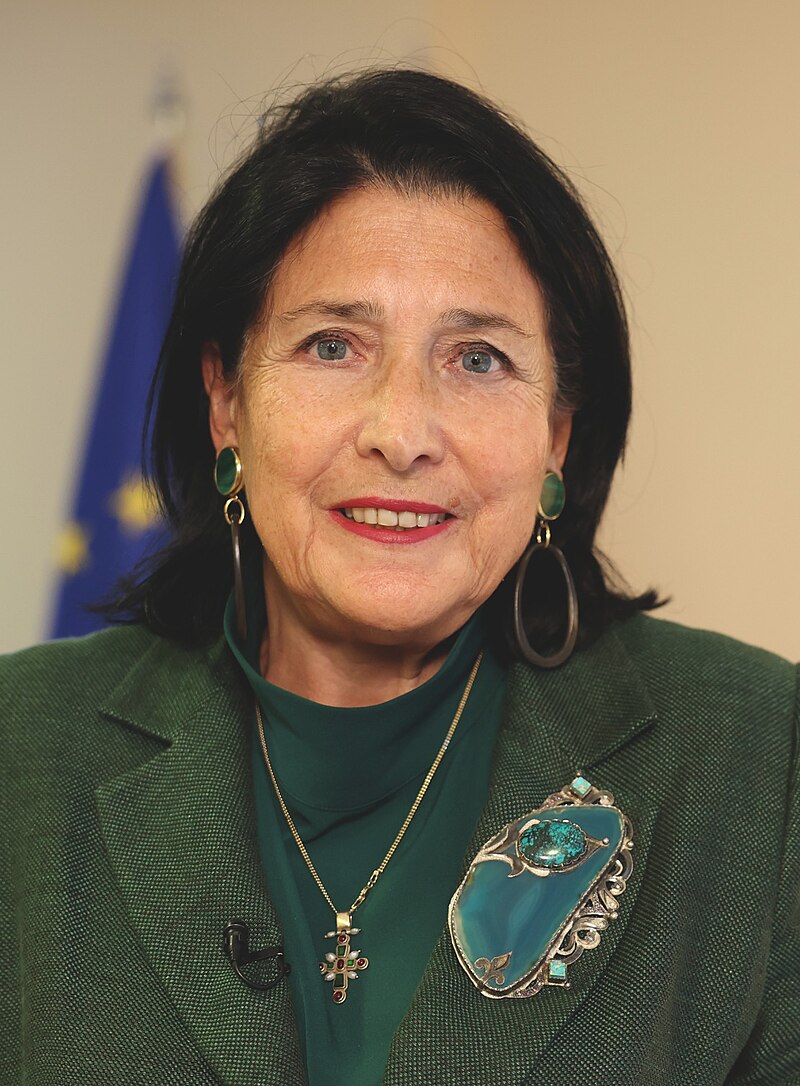

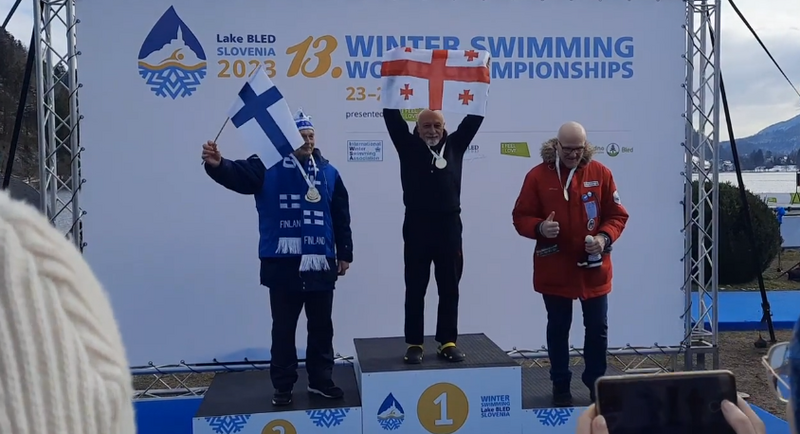
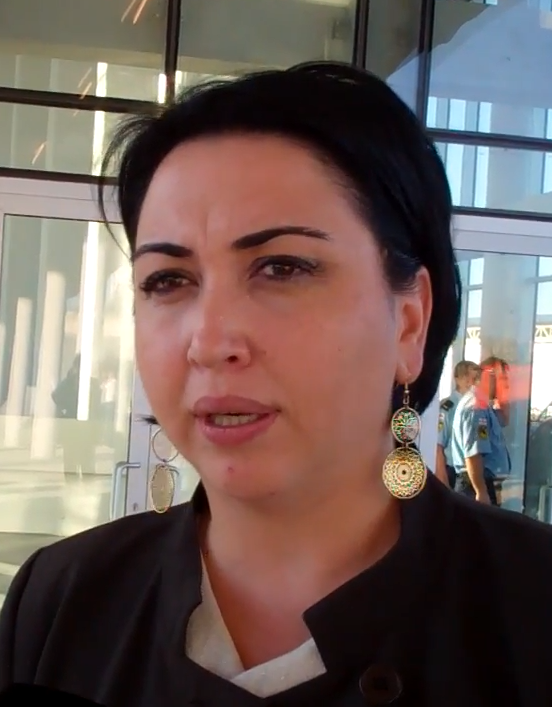
Gia Volski stated that there will be no repressions regarding the grant law.
პოლიტიკურ დაფინანსებაზე კონტროლი მკაცრდება - გრანტების ცვლილებები განხილვის ეტაპზე გადადისGeorgia· 2026-02-02


Gia Volski discussed the planned changes to the grant law, emphasizing the need for transparency.
12 წლამდე ციხე - გრანტების კანონის მკაცრებაზე და მწვავე გამოხმაურებებიGeorgia· 2026-01-29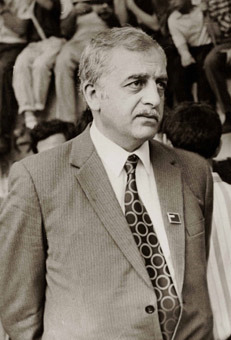


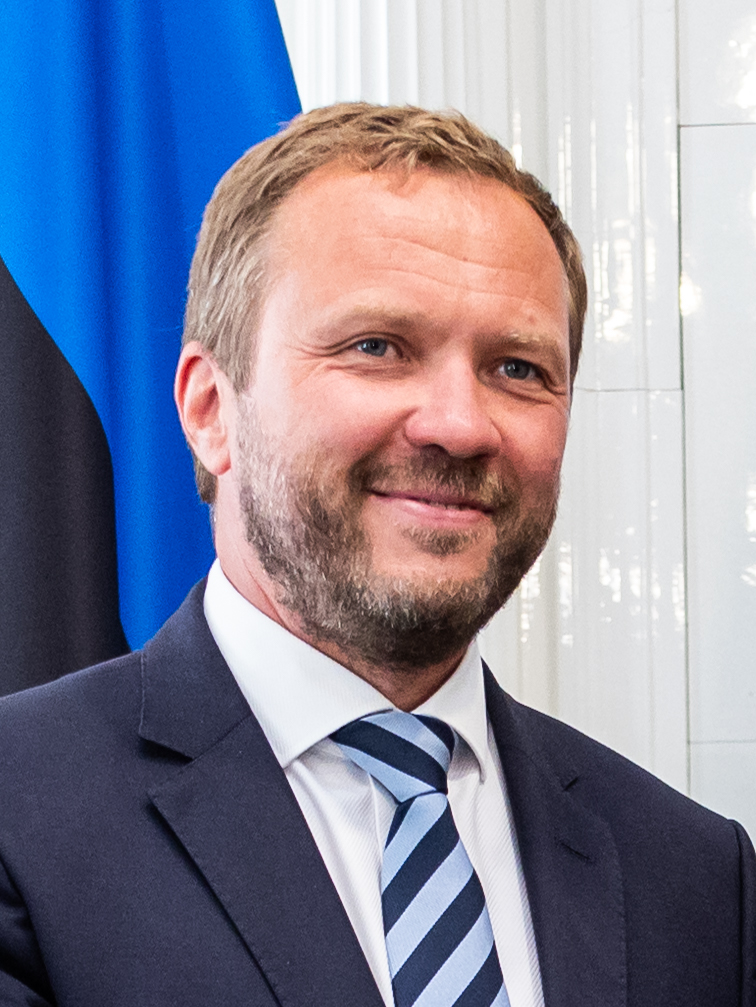
Gia Volski, the First Vice-Speaker of Parliament, commented on proposed changes to the grant law.
გია ვოლსკი - ყოველგვარ ლოგიკას სცდება პარტნიორების განცხადებები, რომ ქვეყანა არასამთავრობო ორგანიზაციების მეშვეობით უნდა მართონ და ამ ჯგუფებით დააფინანსონ ექსტრემისტული პროცესებიGeorgia· 2026-01-29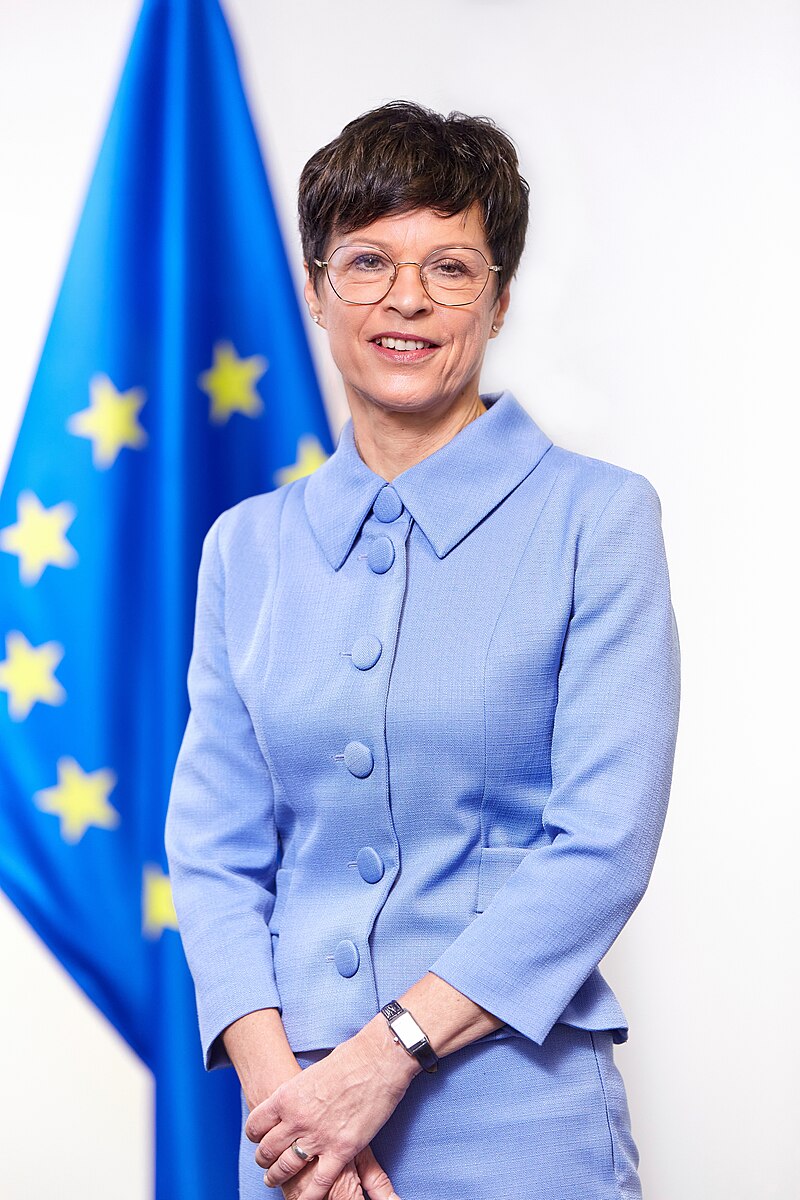
Gia Volski commented on the importance of the instructions given to the new Ukrainian ambassador.
ელჩის დაბრუნება - თბილისში ვარაუდობენ, რომ ზელენსკიმ საქართველოსთან ურთიერთობის გადატვირთვა დაიწყოGeorgia· 2026-01-27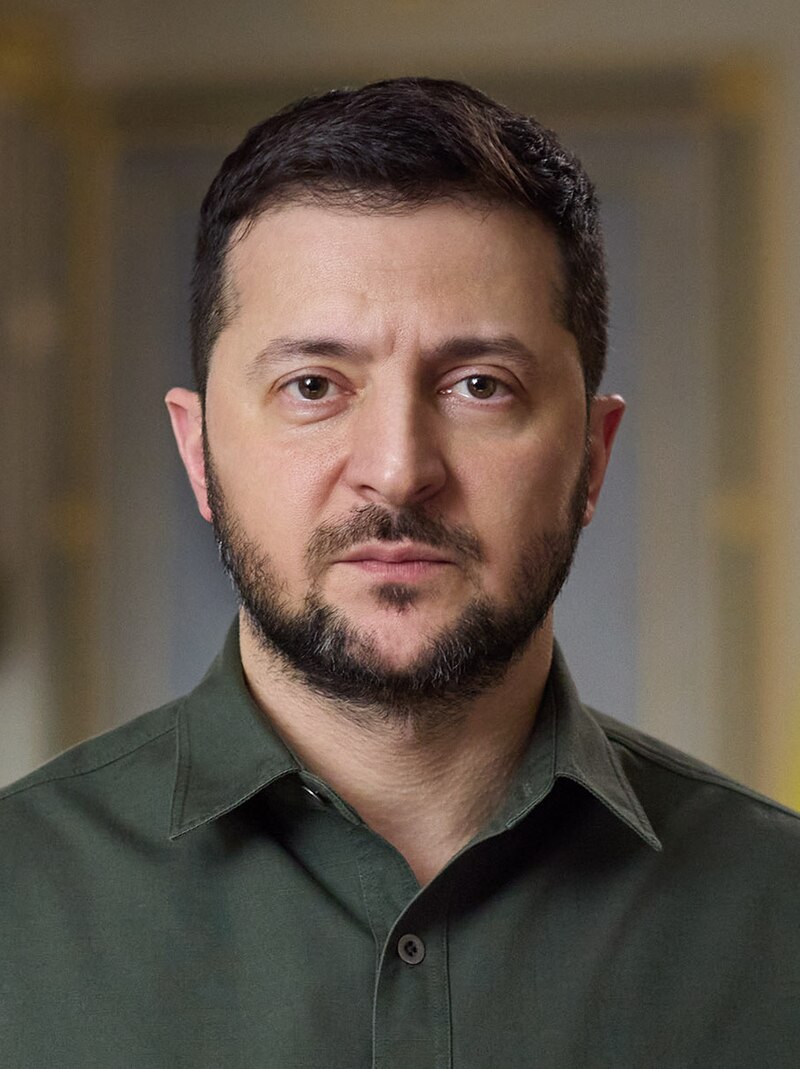

Gia Volski expressed that those who do not repent do not deserve clemency.
აჟიოტაჟი შეწყალებაზე - რატომ იქნებოდა წინასწარ მოლოდინი და ვინ როგორ აფასებს პრეზიდენტის გადაწყვეტილებასGeorgia· 2026-01-21



Gia Volski, the first vice-speaker of parliament, commented on the opposition's unity and criticized Zurab Ghirchi Jafaridze.
„უხერხემლო ლიდერები“ - ოპოზიციის გაერთიანების მცდელობა და ხელისუფლების მკაცრი რეაქციაGeorgia· 2026-01-19
Gia Volski commented on the opposition's unification in response to a question.
გია ვოლსკი - ზურაბ ჯაფარიძემ გადაწყვიტა, რომ სადავეები ხელში უნდა აიღოს, ამისთვის ზოდელავამ, ბურჭულაძემ და ნებისმიერმა სხვამ არ ივარგაGeorgia· 2026-01-19Gia Volski, the vice-speaker of parliament, commented on the need for explanations from Peter Fischer regarding his meetings.
„პეტერ ფიშერისგან განმარტებებს ველოდებით, რას ნიშნავს პოლიტიკაში ჩართული, მათ შორის, ექსტრემისტული ჯგუფების წარმომადგენლებთან შეხვედრა და რა თემაზე ჰქონდათ საუბარი“Georgia· 2026-01-18




Gia Volski stated that there were no mistakes made during Saakashvili's government.
გია ვოლსკი - ბაჩო ახალაია უშუალოდ მონაწილეობდა ძალადობის ორგანიზებაში, ჩართული იყო ადამიანების წამებაში, რაზეც სტრასბურგის სასამართლომაც მიგვითითაGeorgia· 2026-01-18
Gia Volski mentioned that the state should generally be characterized by the act of pardoning prisoners.
იქნება თუ არა შეწყალება - ოპოზიცია ნათლისღებას ელოდება და „ოცნებასთან“ დიალოგზე აკეთებს მინიშნებასGeorgia· 2026-01-17
Gia Volski, the first vice-speaker of Parliament, commented on the EU embassy's video, stating it reflects a disrespectful attitude towards Georgia.
გია ვოლსკი: „ევროკავშირის საელჩოს მიერ გავრცელებული ვიდეორგოლი არ არის პაველ ჰერჩინსკის გადაწყვეტილებაGeorgia· 2026-01-14
Gia Volski expressed that Garibashvili's situation is a painful topic for the entire team.
რატომ გაიმეტა ივანიშვილმა თავისი ფავორიტიGeorgia· 2026-01-13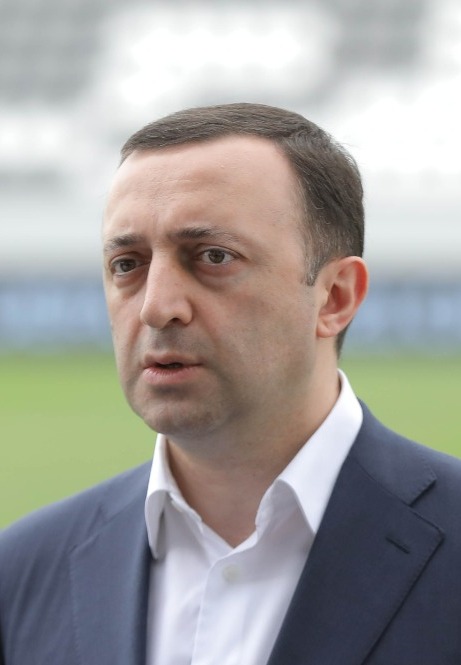

Gia Volski expressed that Gharibashvili's imprisonment is a personal tragedy for him and the team.
ირაკლი ღარიბაშვილის დაკავება პირადად ჩემთვის და გუნდისთვის ტრაგედიააGeorgia· 2026-01-12Gia Volski described Gharibashvili's detention as a personal tragedy but welcomed his admission of guilt.
როგორ აფასებენ ღარიბაშვილის მოულოდნელ დაკავებასGeorgia· 2026-01-12