Gustav Mahler
 AndorracomposerMaleb. 18608.0Global Dominance: 0.00%
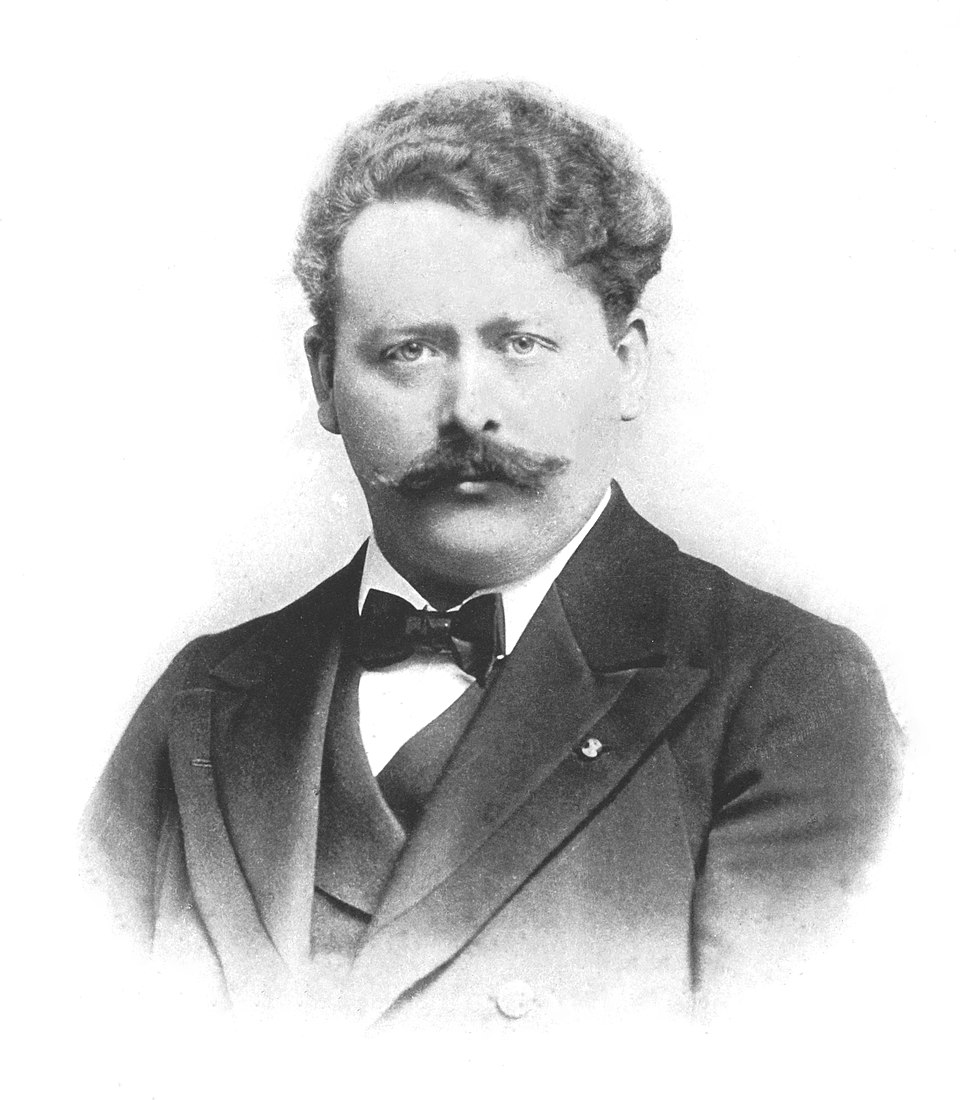
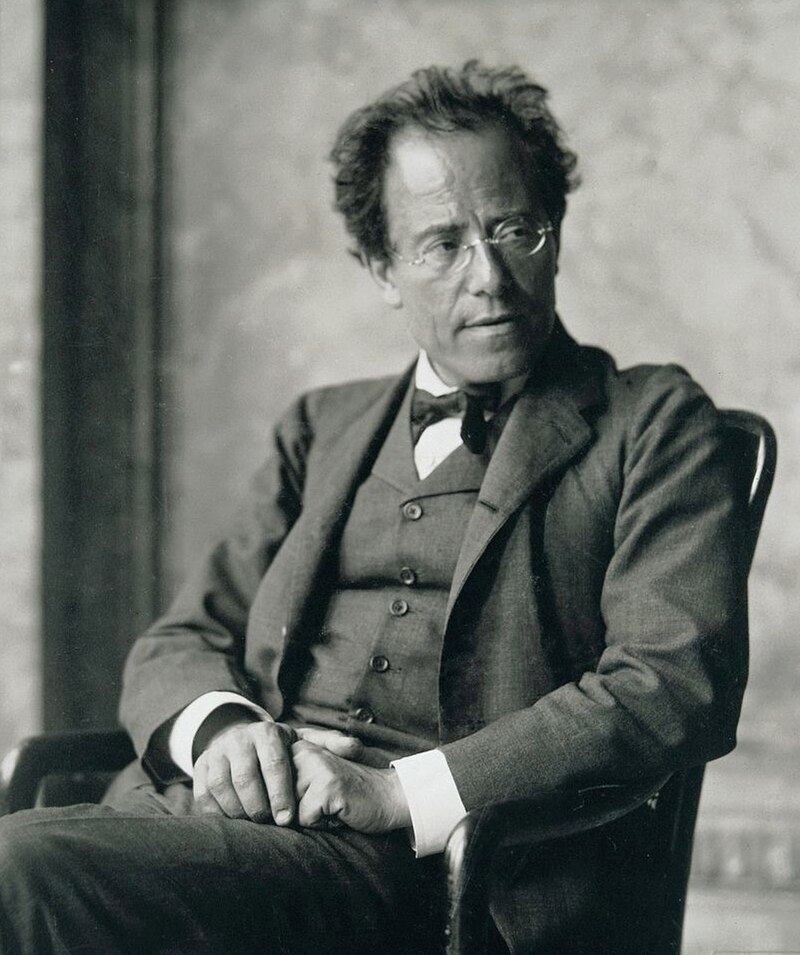
Gustav Mahler (1860–1911) was an Austro-Bohemian composer and conductor, widely regarded as one of the leading figures in late-Romantic music. His symphonies and song cycles are characterized by their emotional depth, complex orchestration, and incorporation of folk elements. Mahler's Fourth Symphony, composed in 1899, is notable for its lighter, more lyrical qualities compared to his other works, reflecting his transition to Catholicism and his interest in themes of innocence and spirituality. His music continues to influence and inspire contemporary composers and musicians.
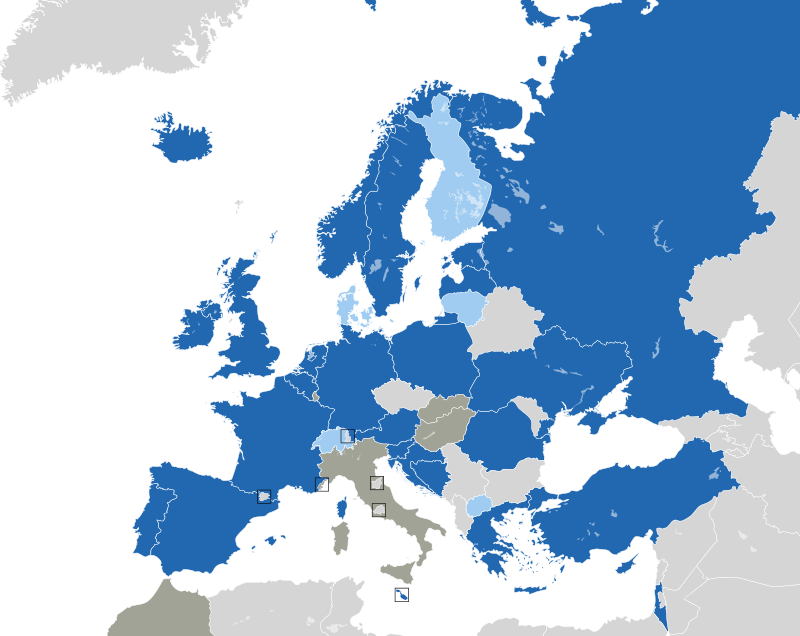
Country presence
Recent news mentions
The formation will perform Mahler's Symphony No. 1 Titan, arranged by Iain Farrington for a reduced orchestral ensemble.
L’ONCA d'Andorra interpretarà Debussy i Mahler en el segon concert de la temporadaAndorra· 2026-09-25


The production features the Kindertotenlieder by Gustav Mahler.
Joan Anton Rechi estrena ‘Sorrow’ a l'Òpera d'OviedoAndorra· 2026-09-10







The monumental Symphony No. 2 'Resurrection' by Gustav Mahler was the highlight of the XX International Festival of Academic Music Alfredo De Saint Malo.
El Festival Alfredo De Saint Malo celebra 20 años con la monumental ‘Resurrección’ de Mahler Panama· 2026-07-26



Gustav Mahler is noted for setting the miracle of resurrection heroically in notes in his Second Symphony.
Wiener Philharmoniker mit Dudamel: Schallpegel, um Tote aufzuwecken - Musik Austria· 2026-07-26
Gustav Mahler's grave is located near Peter Alexander's grave at the Grinzinger Friedhof.
Am 30. Juni wäre Peter Alexander 100 Jahre alt: Die unerträgliche Heiterkeit des Seins - KulturAustria· 2026-06-29

Gustav Mahler premiered his Second Symphony in Berlin.
Efemérides del 13 de diciembre: ¿Qué pasó en el mundo un día como hoy? | Saddam Hussein | Irak últimas | MUNDO Peru· 2025-12-13




Gustav Mahler premiered his Second Symphony in Berlin.
¿Qué se celebra este sábado 13 de diciembre? | Sociedad | La Revista Ecuador· 2025-12-13
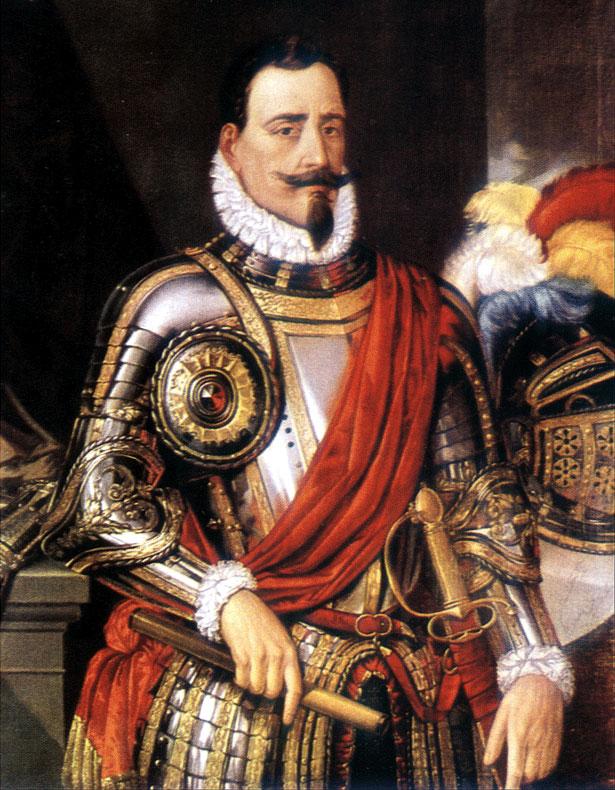
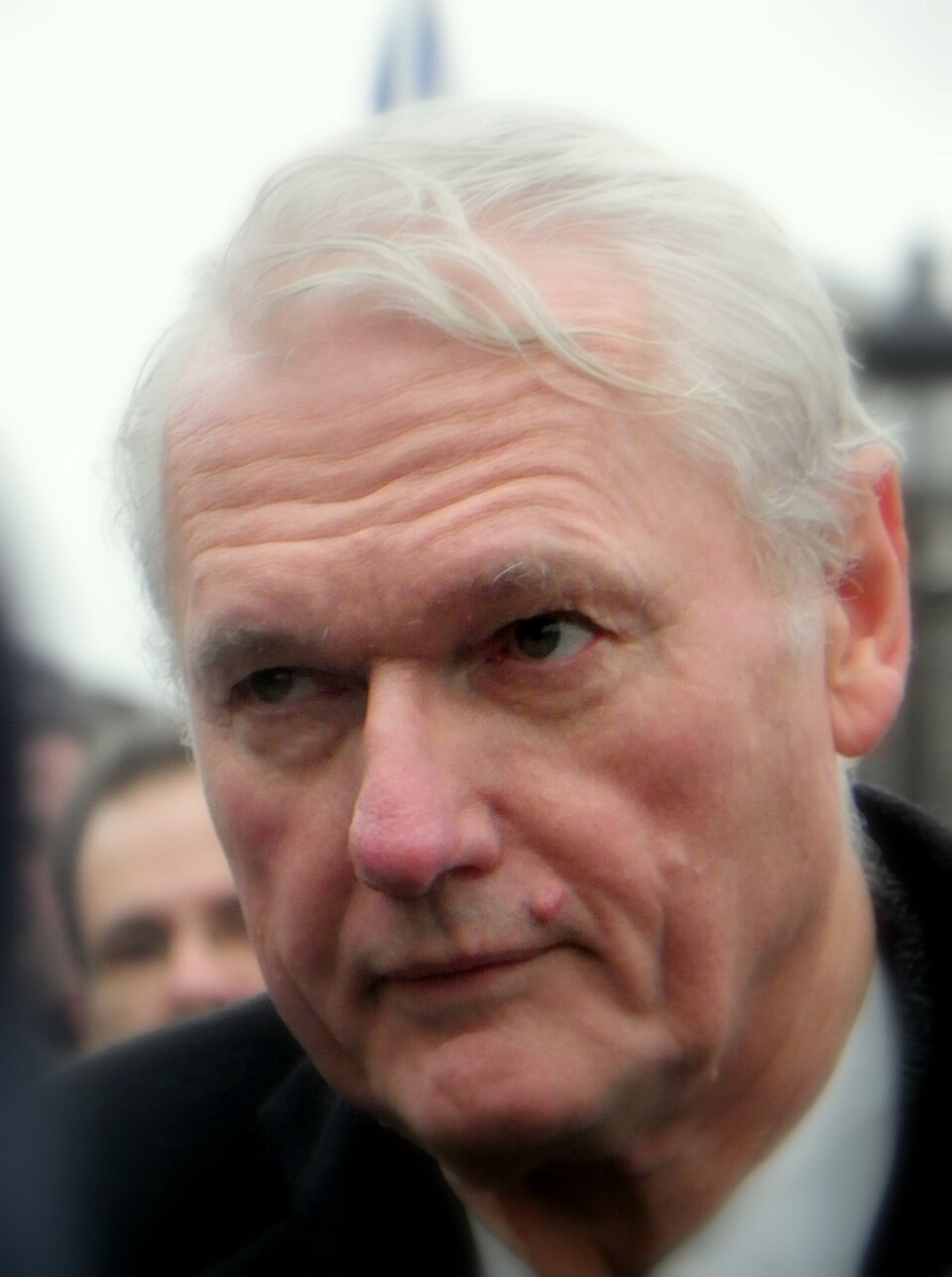
Gustav Mahler's Second Symphony is being performed by the Tonhalle Orchestra under the direction of Paavo Järvi.
Paavo Järvi mit Mahlers «Auferstehungssinfonie» Switzerland· 2025-11-15

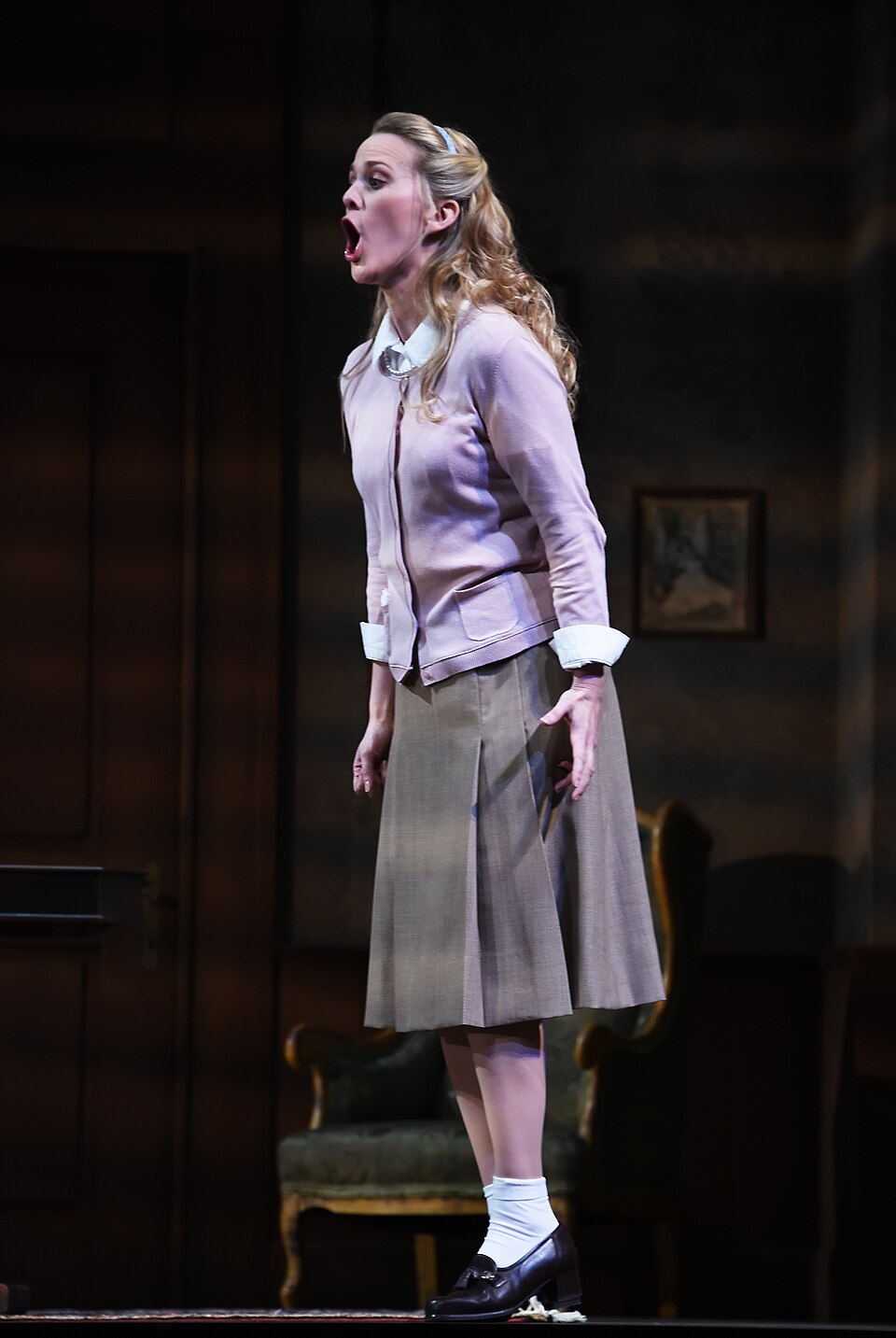

Gustav Mahler wrote about his colossal 8th symphony, which was performed in Munich in 1910 with over 1,000 participants.
Ingen andre i landet har muskler til den slags Denmark· 2025-11-01
Gustav Mahler's monumental symphony serves as the main theme of the exhibition.
Latvijas Nacionālais mākslas muzejs piedalās izstādē Deivids Hoknijs. Dziesma par zemi Monsā / Diena Latvia· 2025-10-21
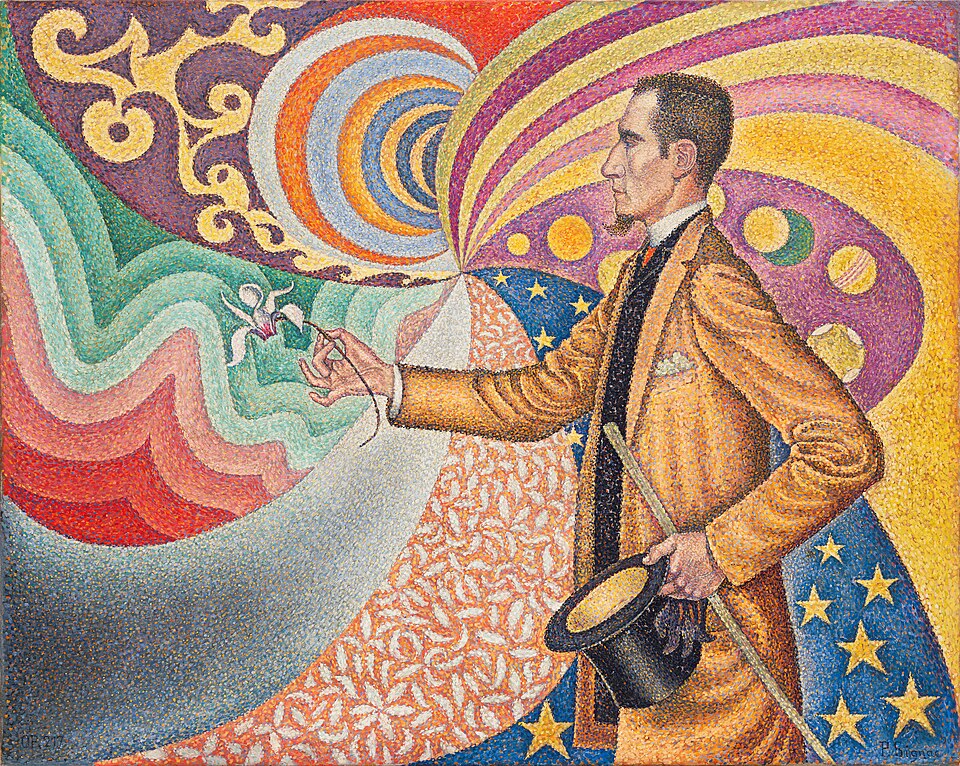
Gustav Mahler's Symphony No. 5 was performed, leaving the audience euphoric and transformed.
Final strălucitor de Festival: Klaus Mäkelä și jocul cu muzica Romania· 2025-09-25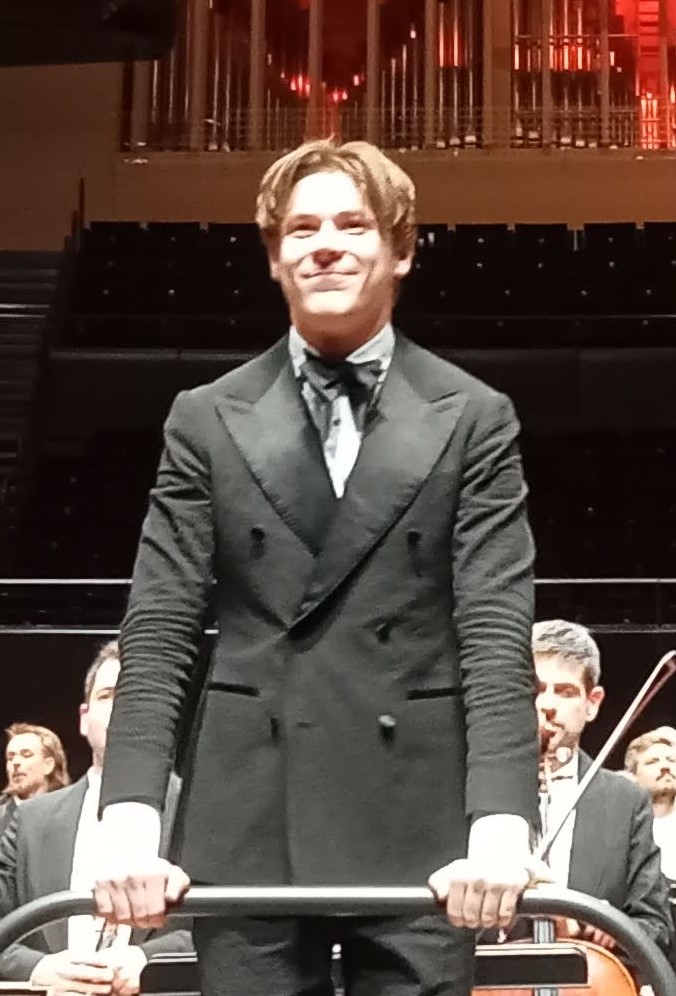

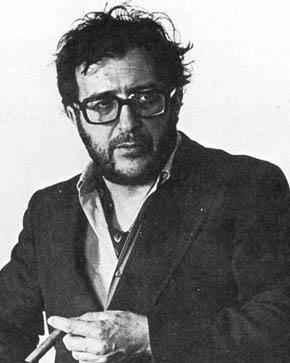
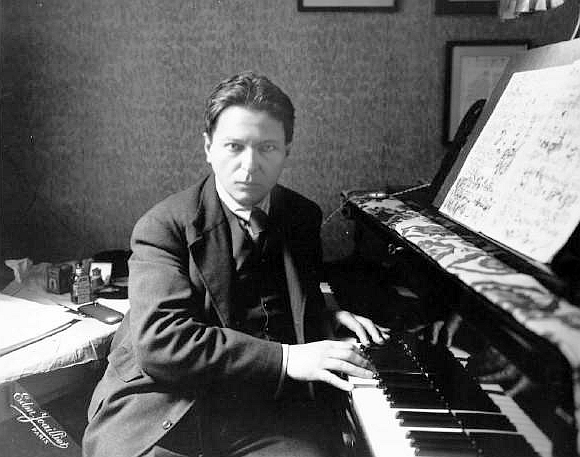

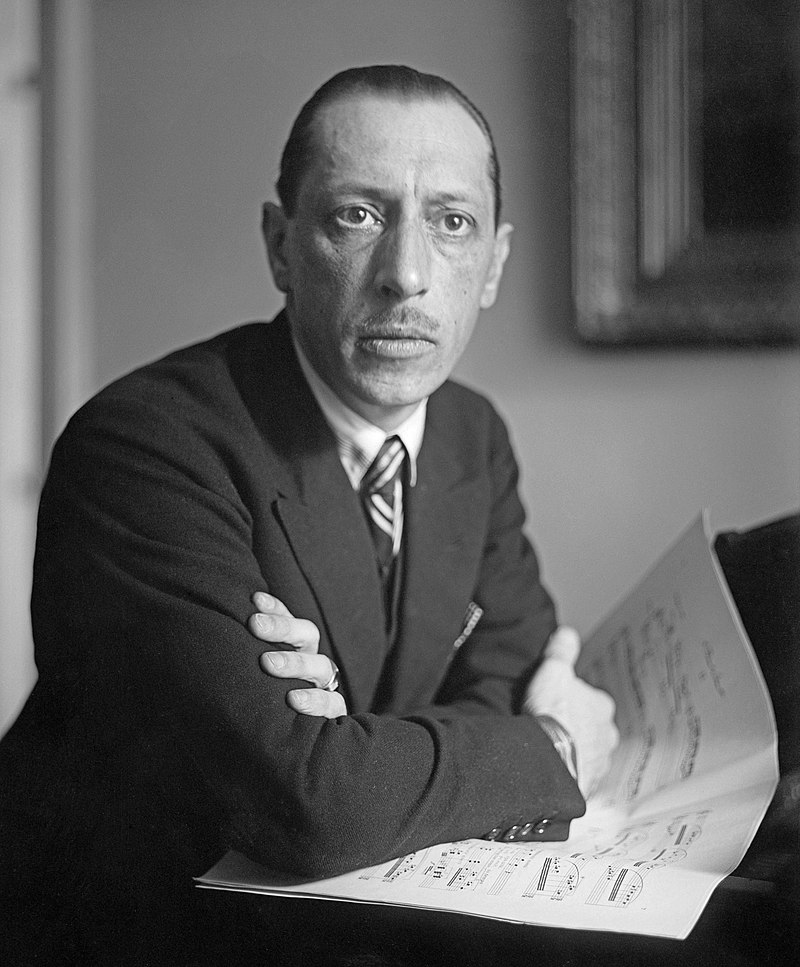
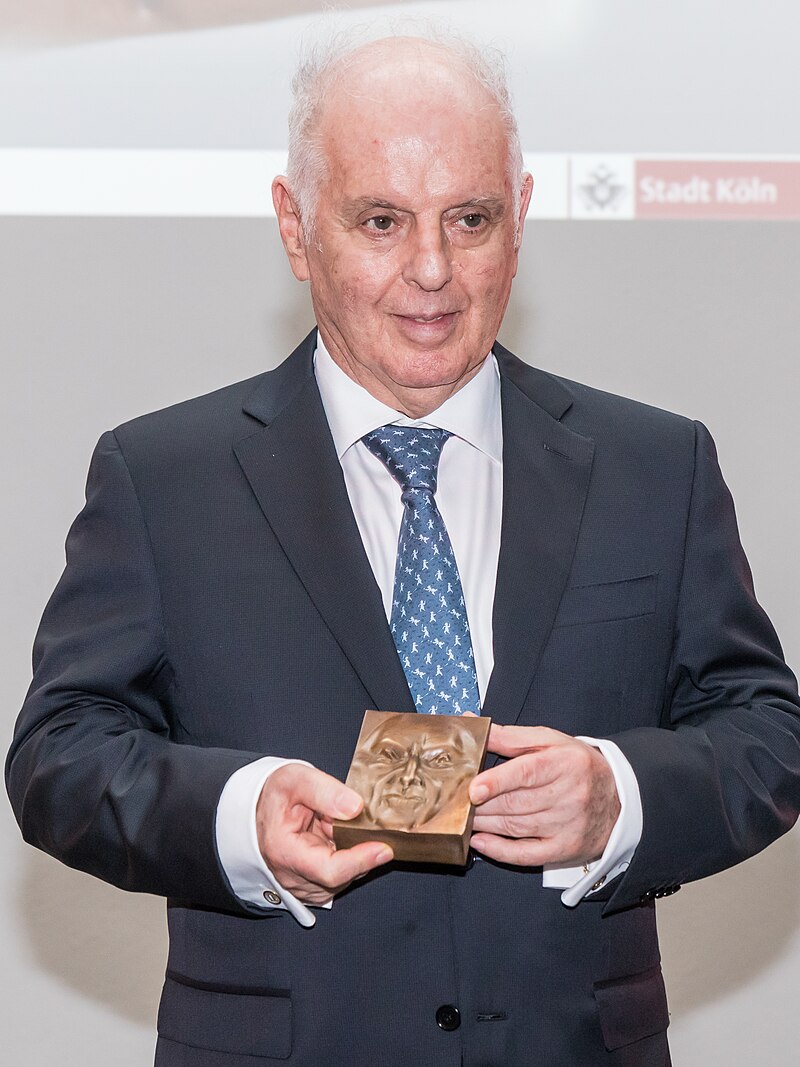
Gustav Mahler's Eighth Symphony is considered his most monumental work and one of the grandest vocal-symphonic pieces in the history of world music.
Ceļš līdz paradīzes vārtiem. Gustava Mālera Astotās simfonijas atskaņojuma recenzija / DienaLatvia· 2025-09-19

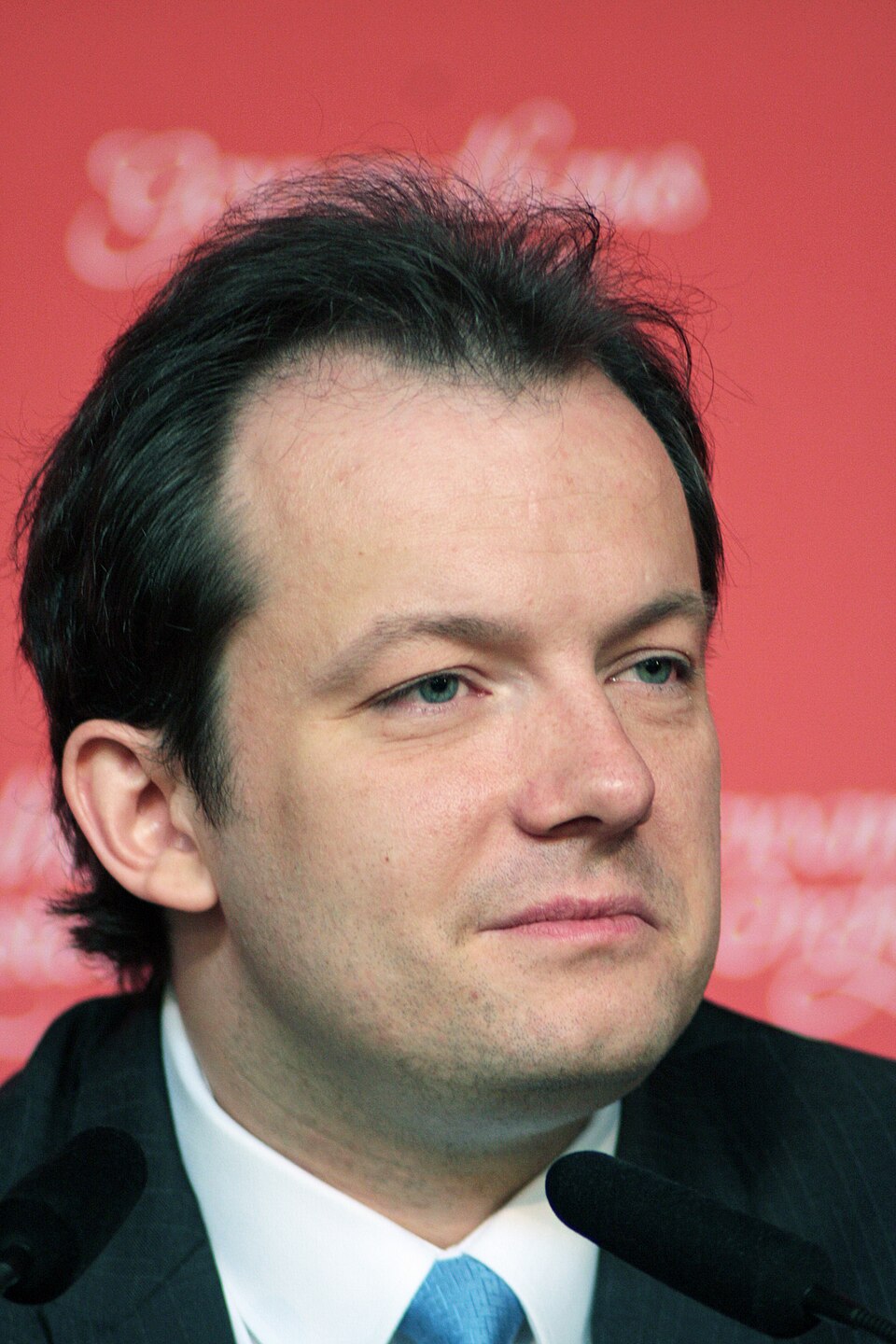






Gustav Mahler's music profoundly influences Čena Reisa, who feels a personal connection to him as they share the same birthday.
Kāds ir tavs zīmols? Intervija ar dziedātāju Čenu Reisu, kuras balss skanēs Mālera Astotajā simfonijā / DienaLatvia· 2025-09-12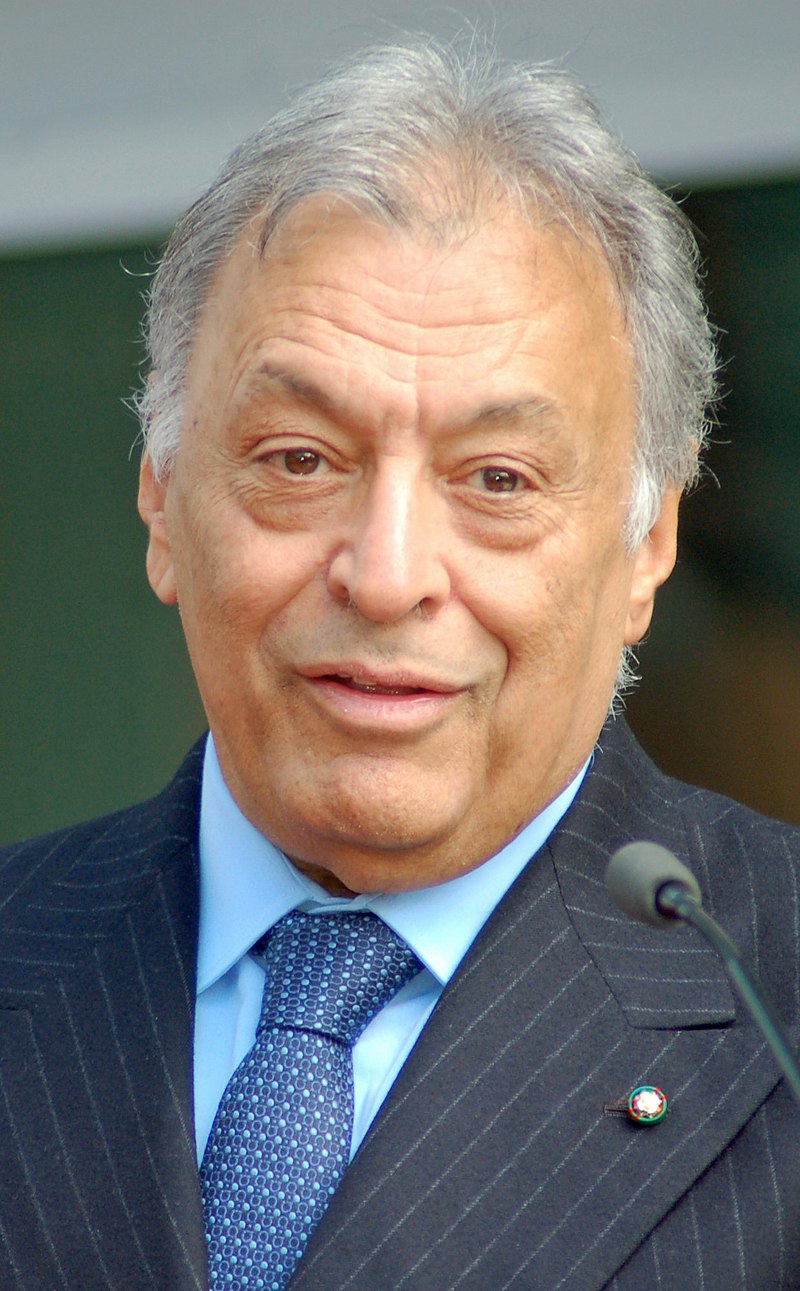



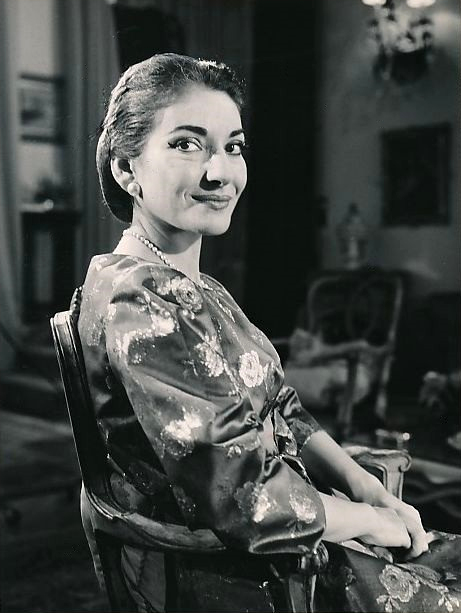

Gustav Mahler is the renowned composer whose symphonies are being reinterpreted and complemented by contemporary works in a new concert project.
Zwei Schweizer entdecken Gustav Mahler neuSwitzerland· 2025-08-29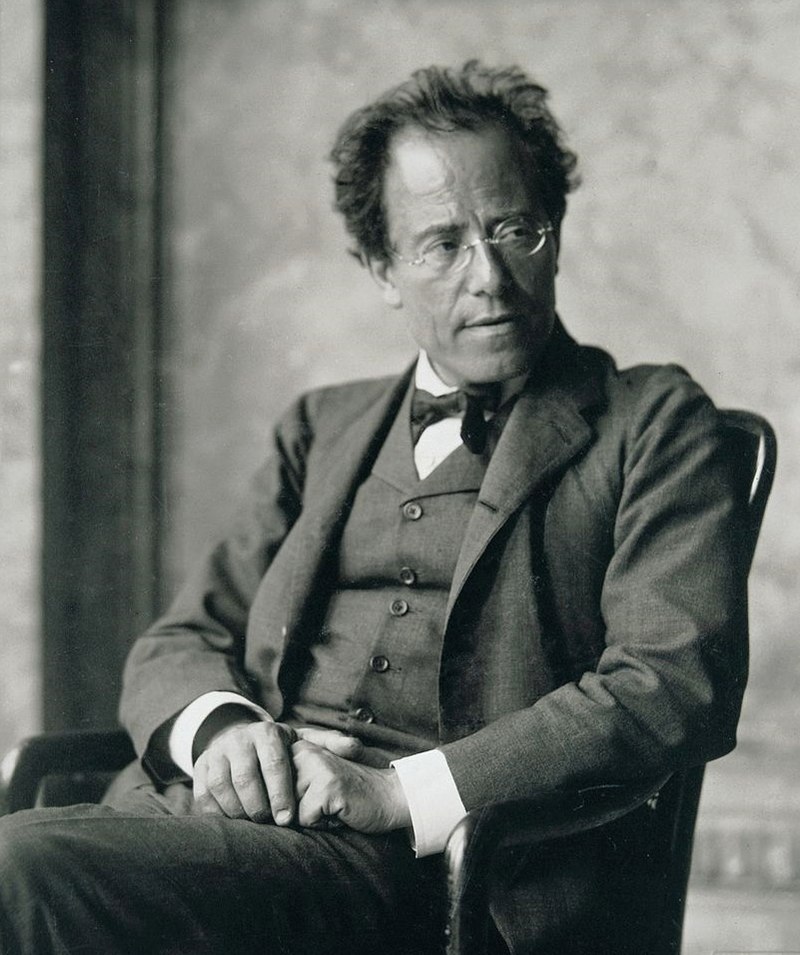

Gustav Mahler is referenced in relation to Nietzsche's self-identification as a 'failed composer'.
Für Nietzsche klang Musik wie Erotik Luxembourg· 2025-08-24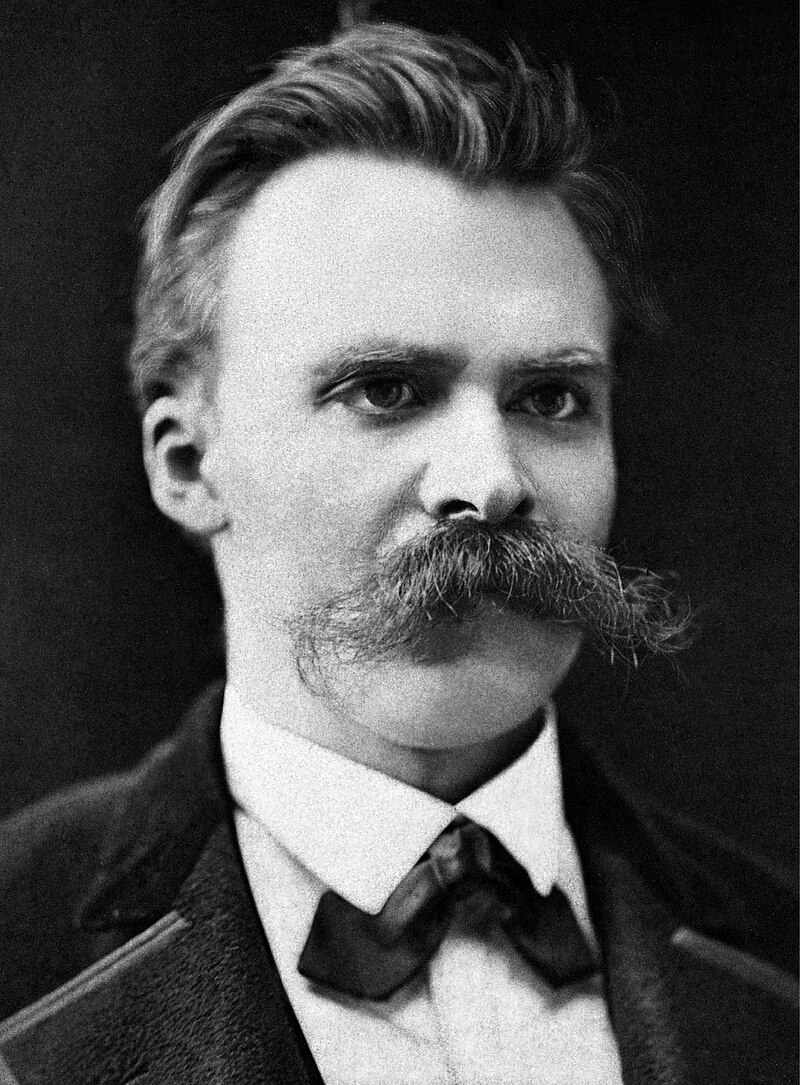
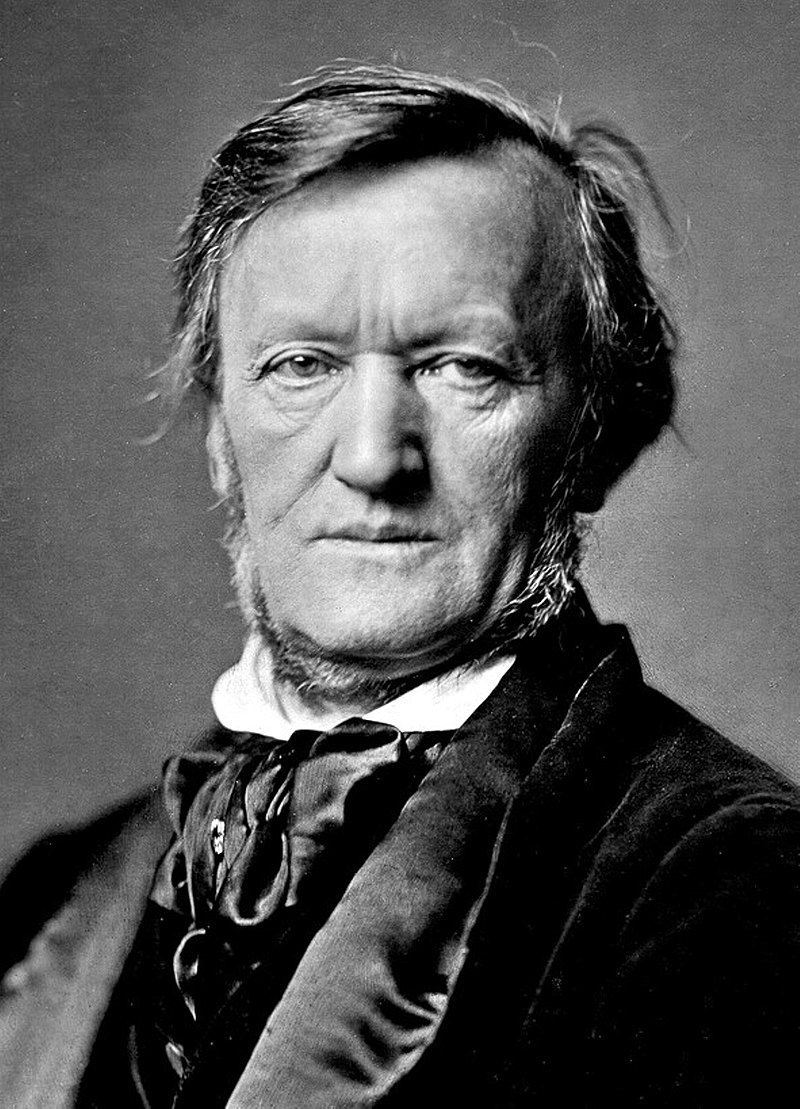
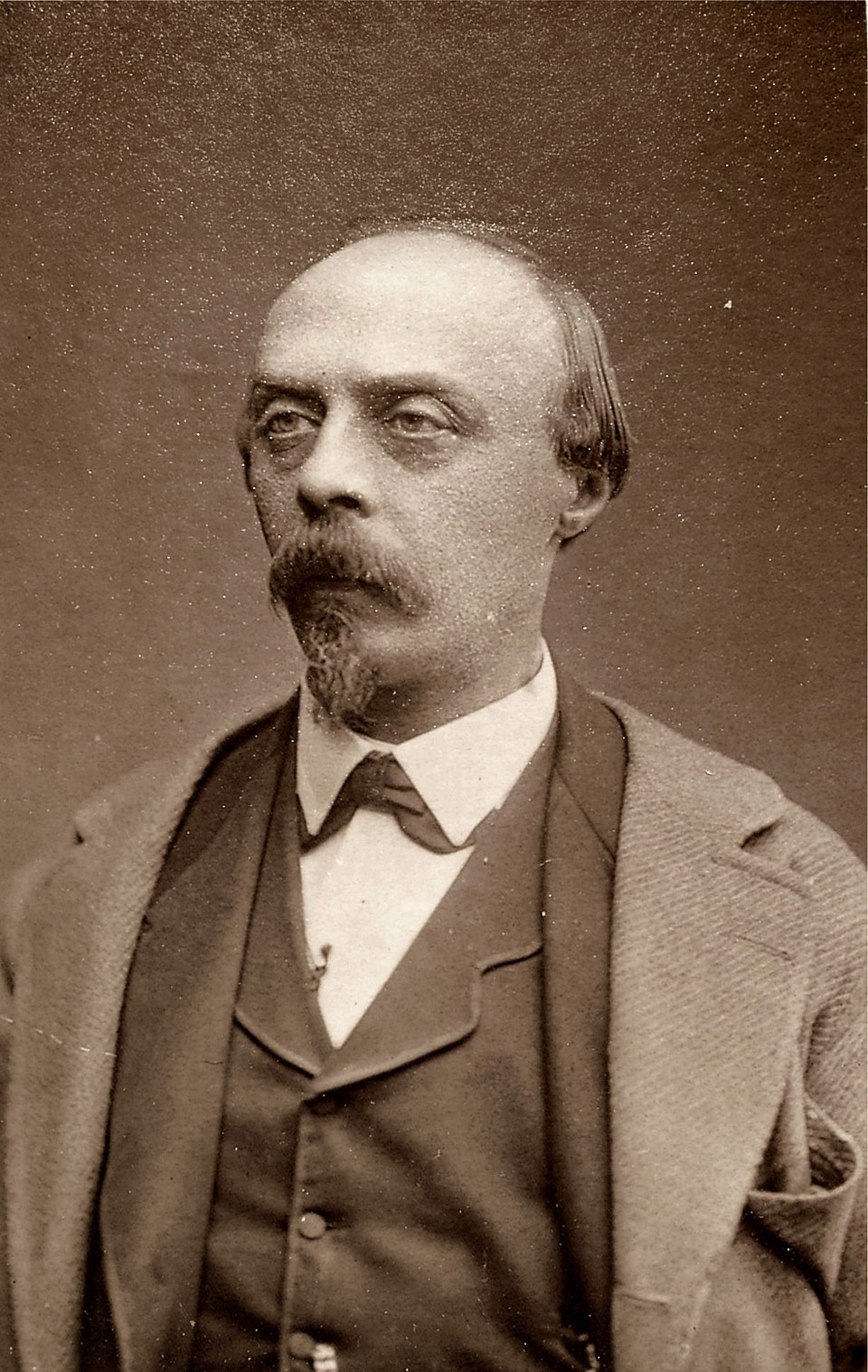
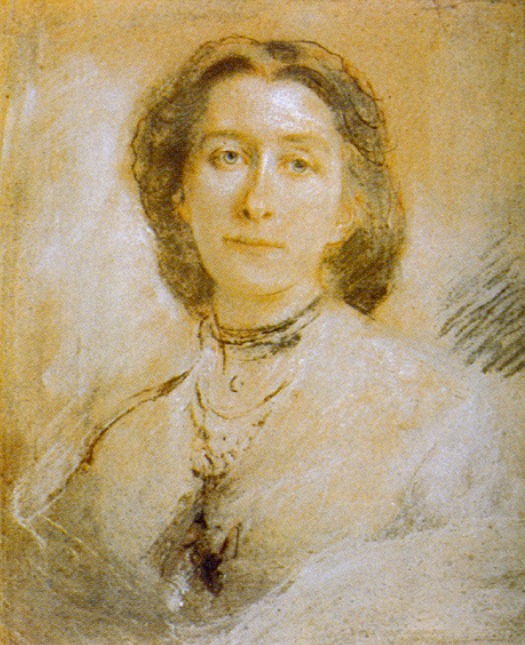
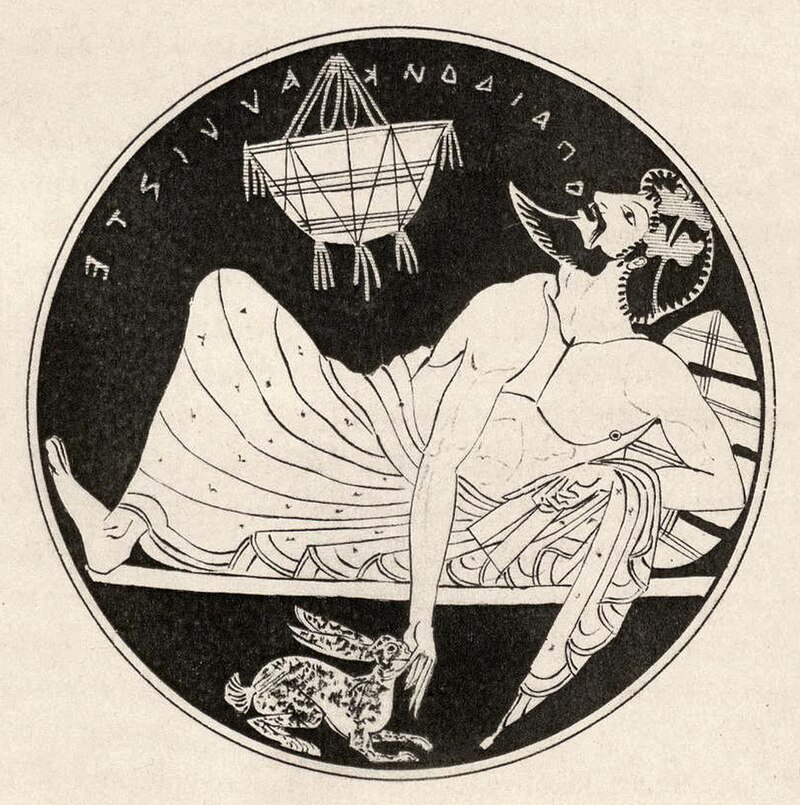

Mahler often retreated to the Alps in summer to compose, leading to his beautiful symphonies.
Más allá de ‘Las cuatro estaciones’ de Vivaldi: los compositores que inmortalizaron el verano | Cultura Spain· 2025-08-14
Gustav Mahler's music is referenced by Shostakovich in his own compositions.
Musik zwischen Widerstand und ZensurSwitzerland· 2025-08-09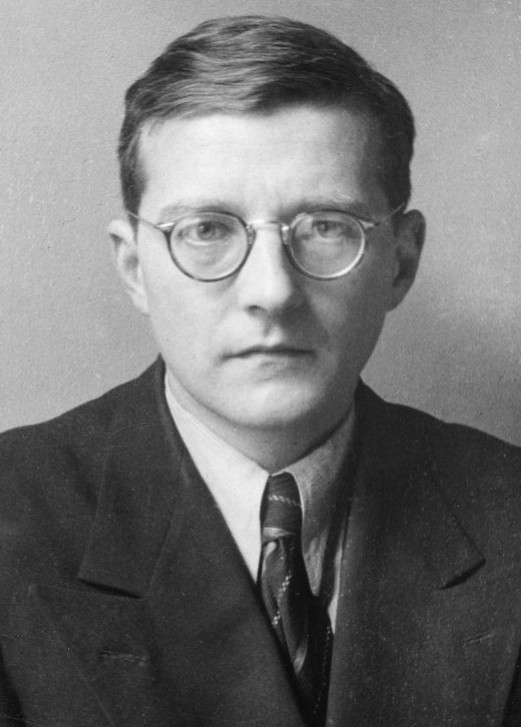


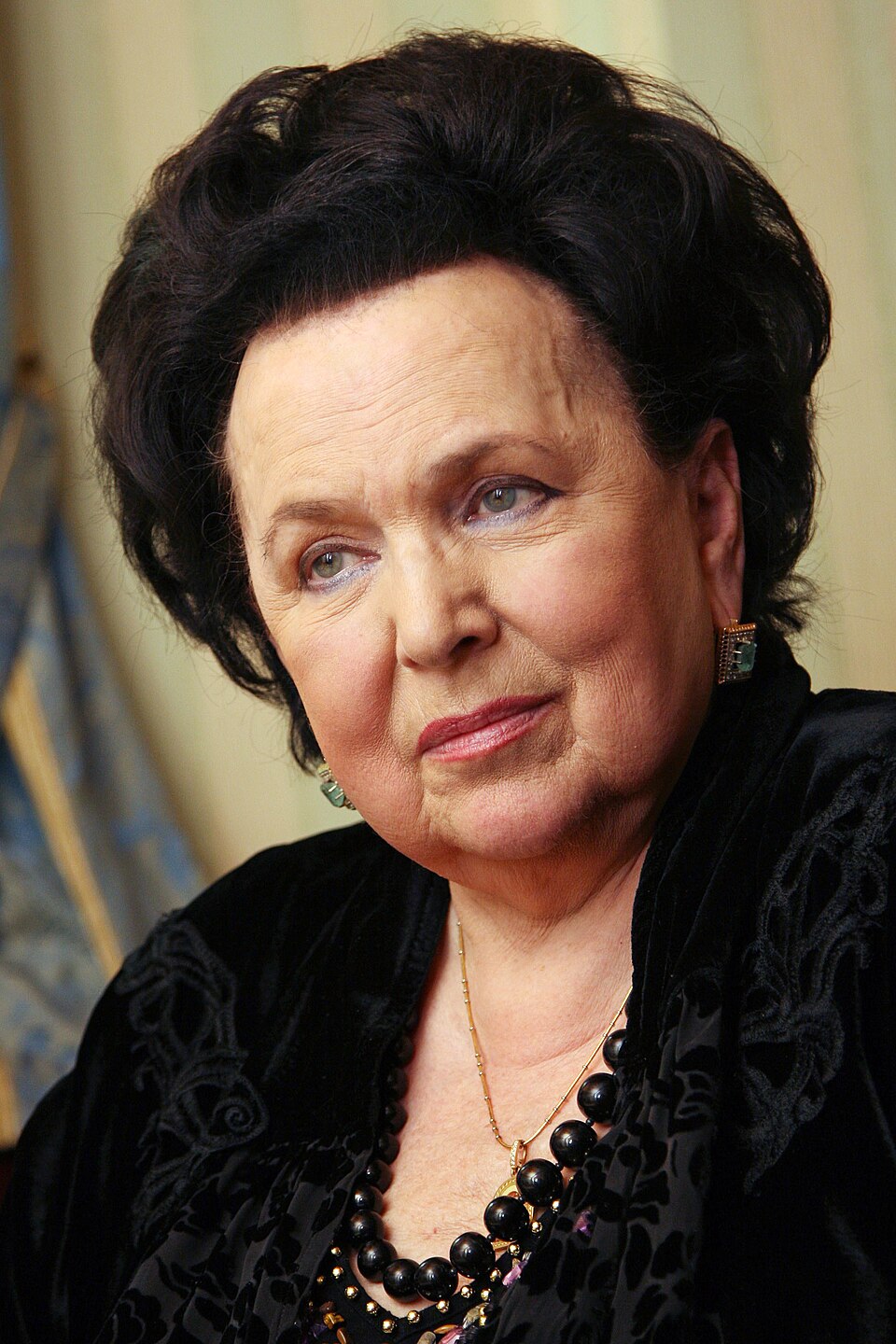

Gustav Mahler's 'Five Ruckert Songs' were performed in the second part of the concert.
Elīnas Garančas Veltījums saviļņo Liepājas klausītājus / DienaLatvia· 2025-07-28


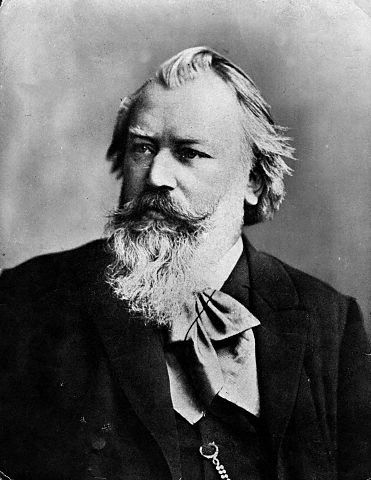
Gustav Mahler's work 'Kindertotenlieder' is referenced in the music composed by Anthony Sahyoun.
Minningar um heim sem aldrei verður Iceland· 2025-07-14


Gustav Mahler's work 'Das Lied von der Erde' was featured in a performance directed by Giorgos Ziavras.
Γιώργος Ζιάβρας στην «Κ»: Πάντα ως μουσικός ένιωθα φοβερή μοναξιά Greece· 2025-07-13

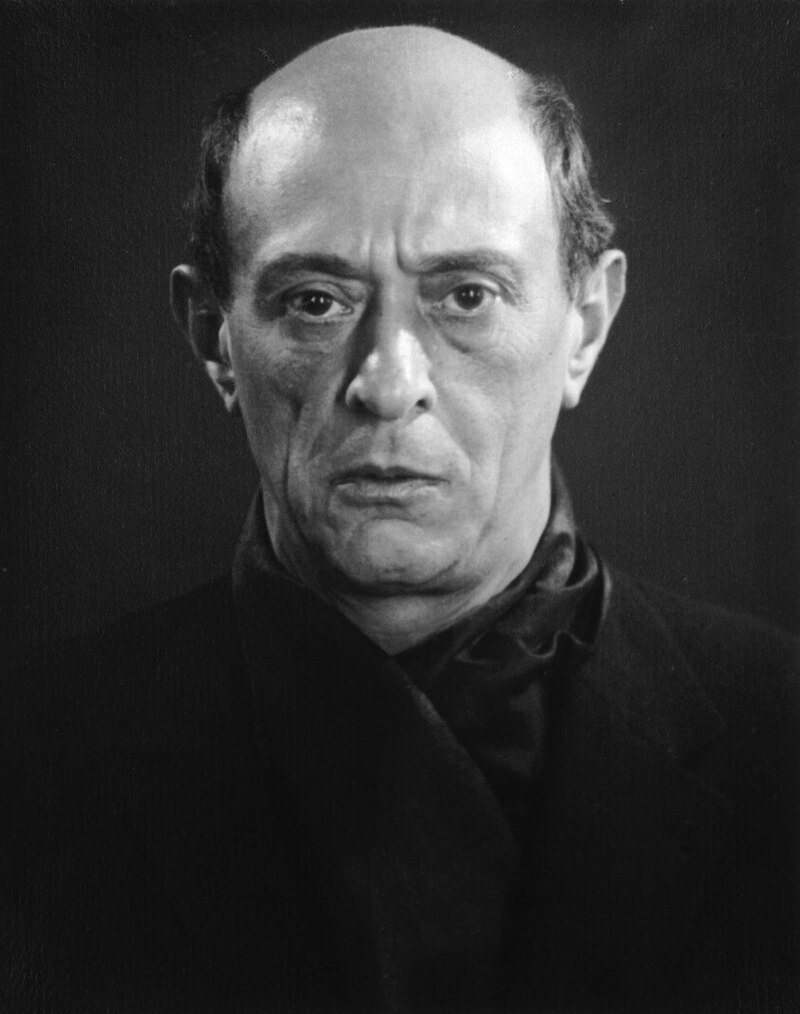
Gustav Mahler greatly admired Wagner's music, which influenced his own compositions.
Jüdische Perspektiven auf Wagners Antisemitismus: eine Ausstellung in TribschenSwitzerland· 2025-07-12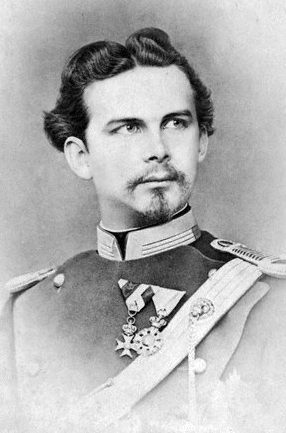
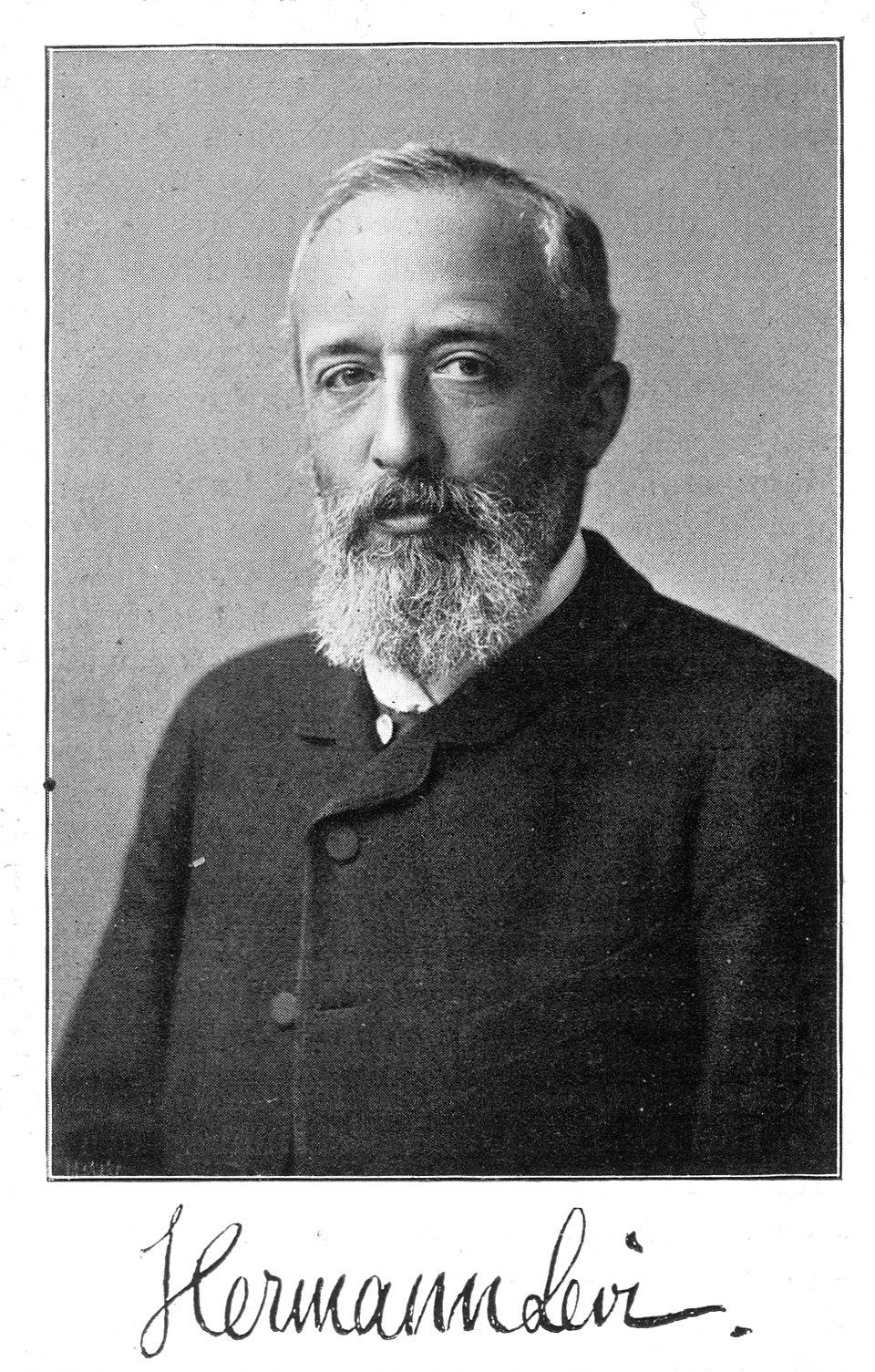

Gustav Mahler composed Symphony No. 2, which was performed by the Toronto Symphony Orchestra under the direction of Mandle Cheung.
Mandle Cheung’s direction of the TSO affirmed the ideals of Gustav Mahler’s Symphony No. 2 Canada· 2025-06-26



Gustav Mahler's works were a significant part of Dietrich Fischer-Dieskau's repertoire, showcasing his vocal prowess.
Fischer-Dieskau, el cantante omnímodo | BabeliaSpain· 2025-06-22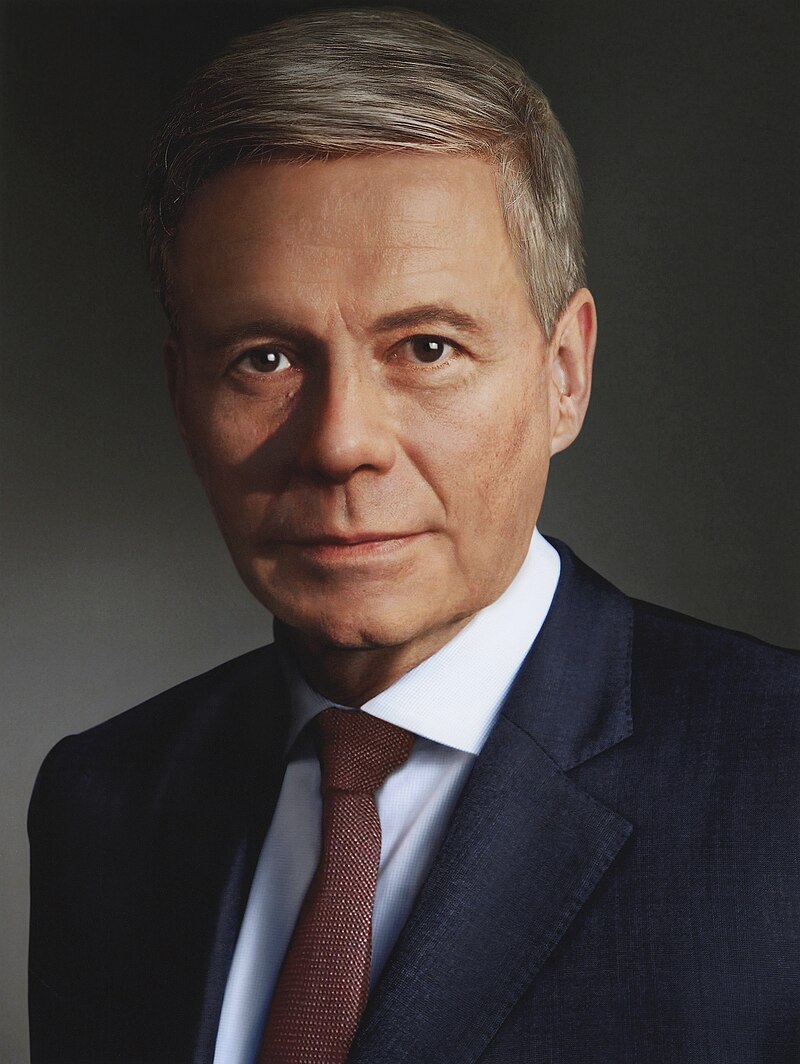


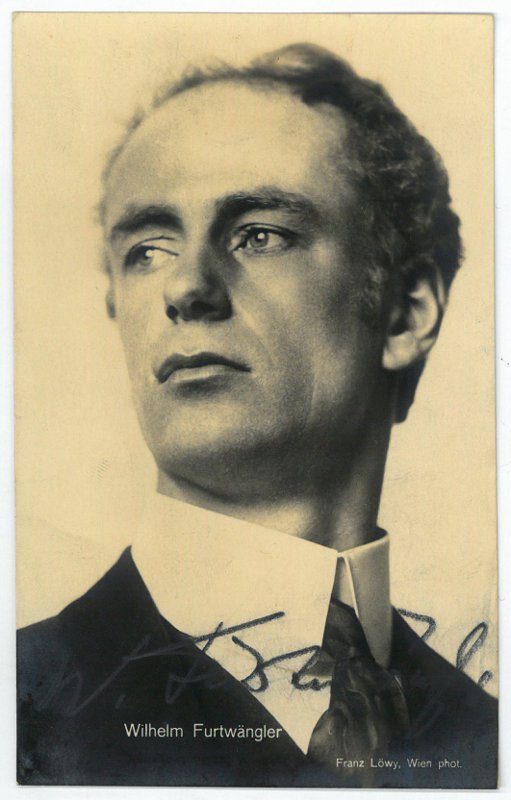

Gustav Mahler's Sixth Symphony was performed at the LNSO season finale concert.
Tilts uz jubilejas sezonu. LNSO sezonas noslēguma koncerta recenzija / DienaLatvia· 2025-06-20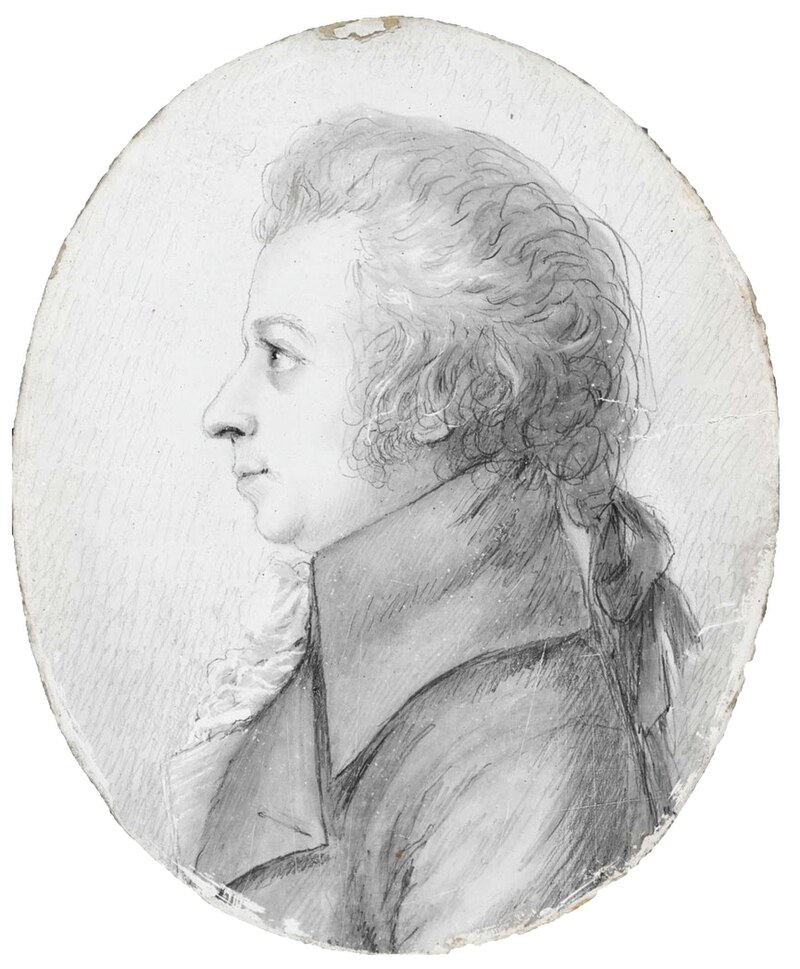

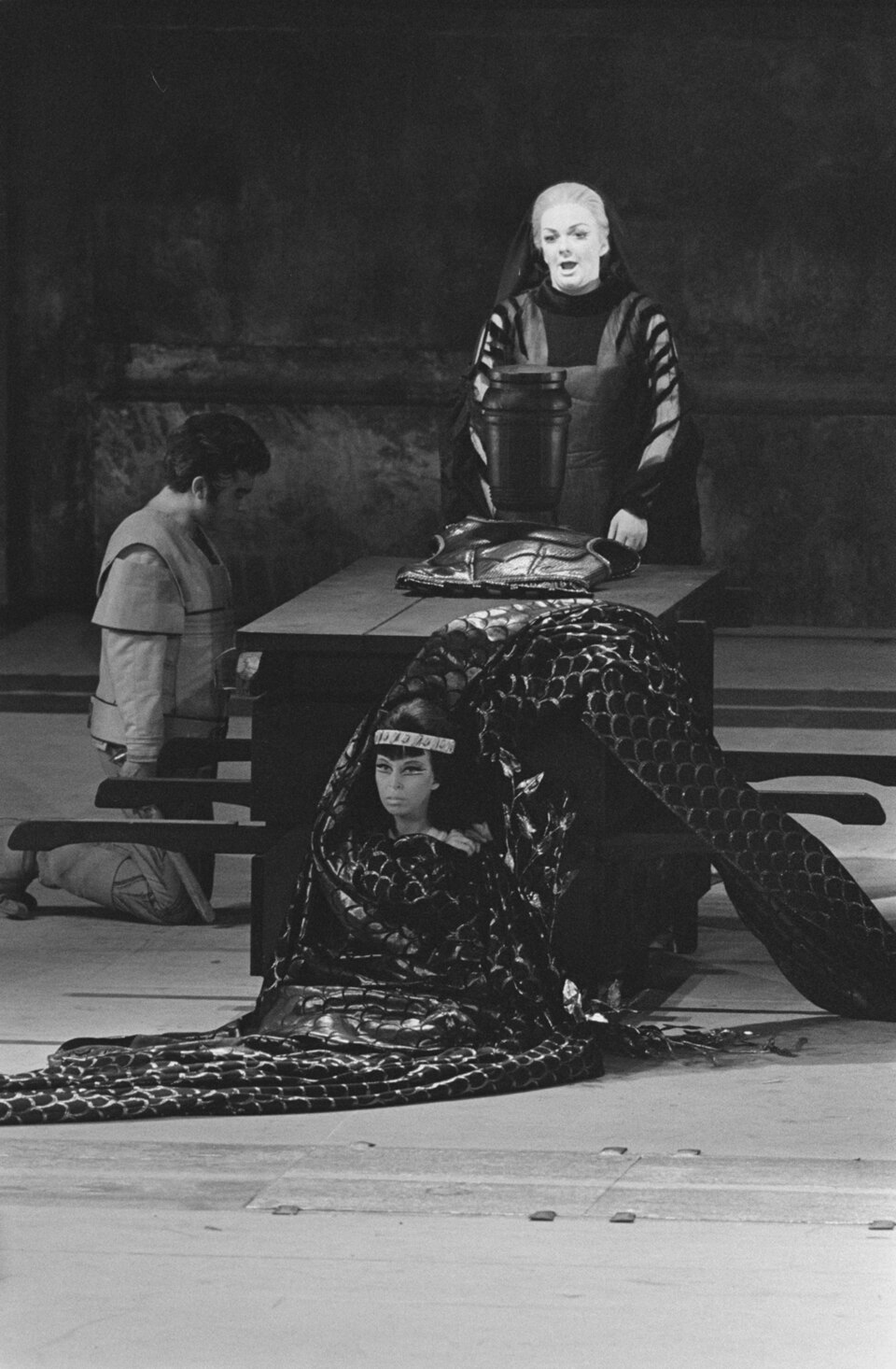


Hadjidakis refers to Mahler as his great teacher in song.
«Διέθετε αφέλεια, που εγώ δεν διαθέτω»Greece· 2025-06-19
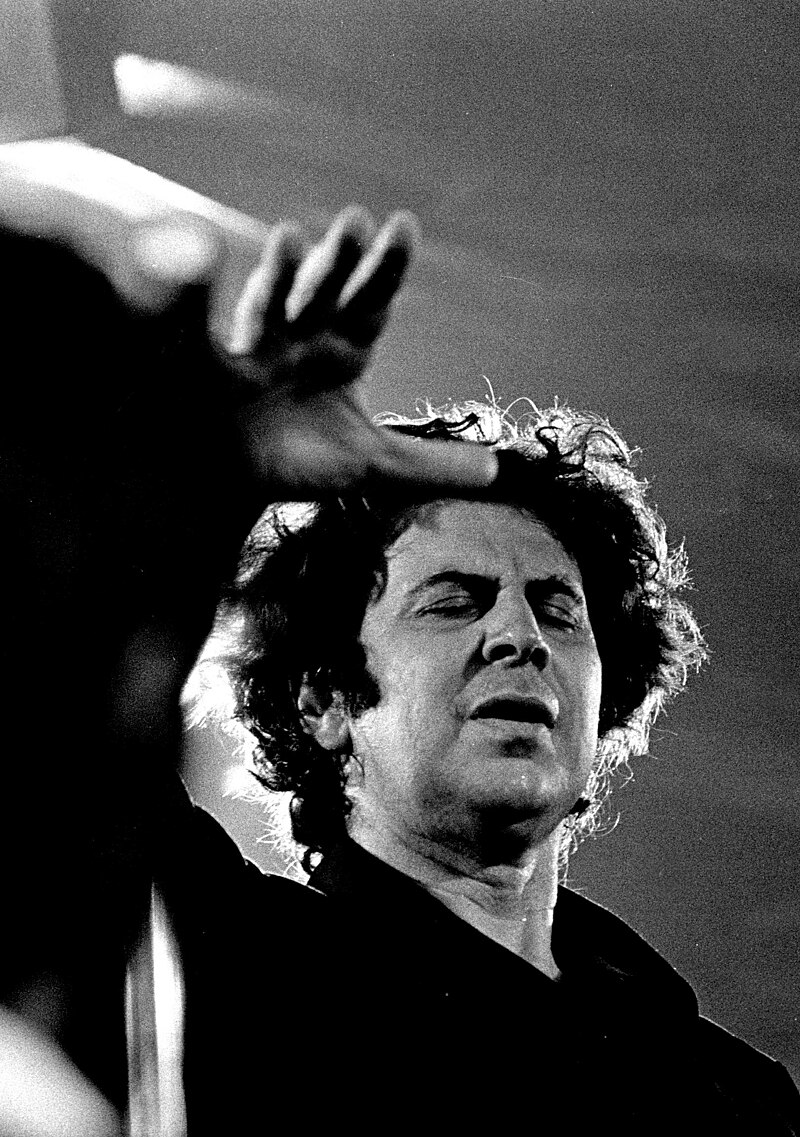
Gustav Mahler's Sixth Symphony is included in the concert program.
LNSO 99. sezonu noslēdz kopā ar Vinetu Sareiku un Tarmo Peltokoski / DienaLatvia· 2025-06-04
Gustav Mahler was a prominent composer and the first husband of Alma Mahler.
Oskar Kokoschka und Alma Mahler: Ein grandioser künstlerischer LiebestaumelSwitzerland· 2025-05-31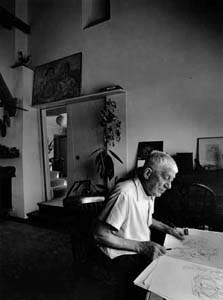
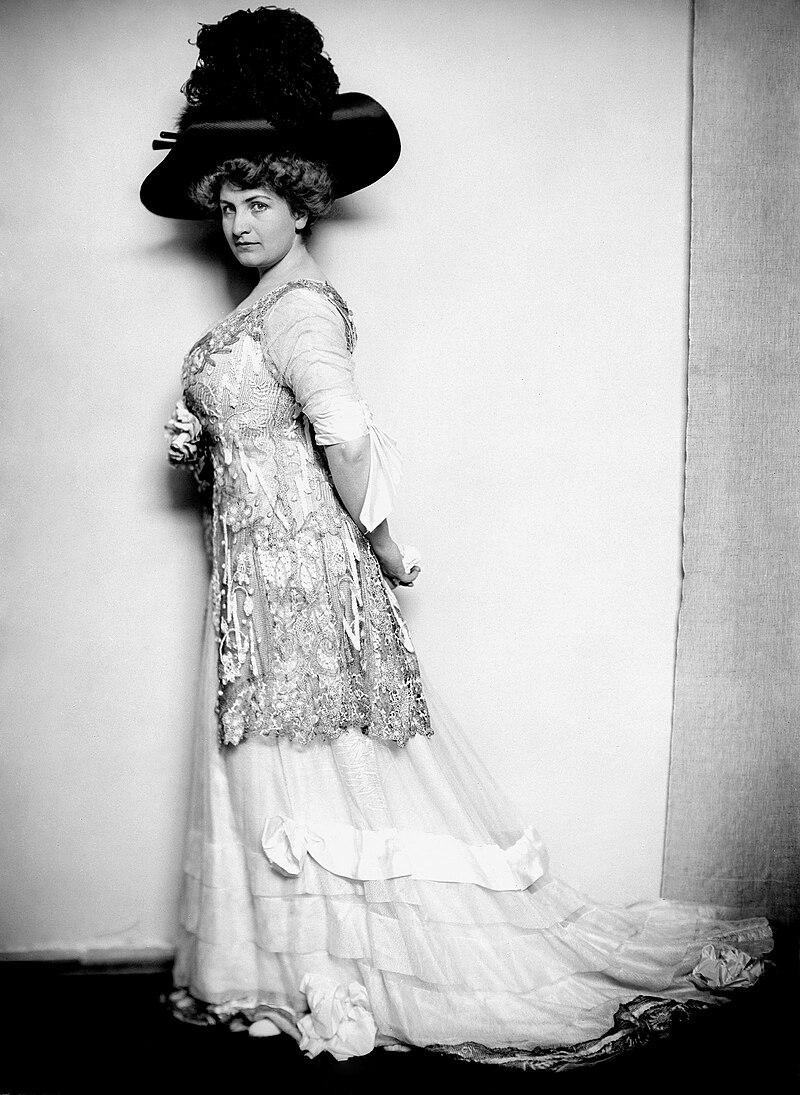
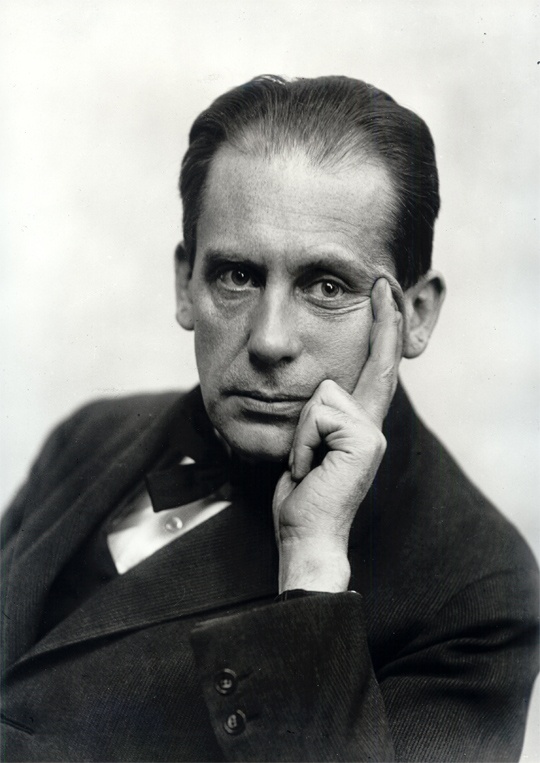
Gustav Mahler was a Bohemian-Austrian composer and conductor known for his significant contributions to post-romantic music.
Tal día como hoy 18 de mayo Venezuela· 2025-05-18

Gustav Mahler is described as a tragic figure and a great composer who faced significant obstacles.
Corrado Augias: «Il piano è il mio rimpianto. Da giovane mi impressionò la Sesta di Beethoven. Amo Mahler, così tragico» Italy· 2025-05-18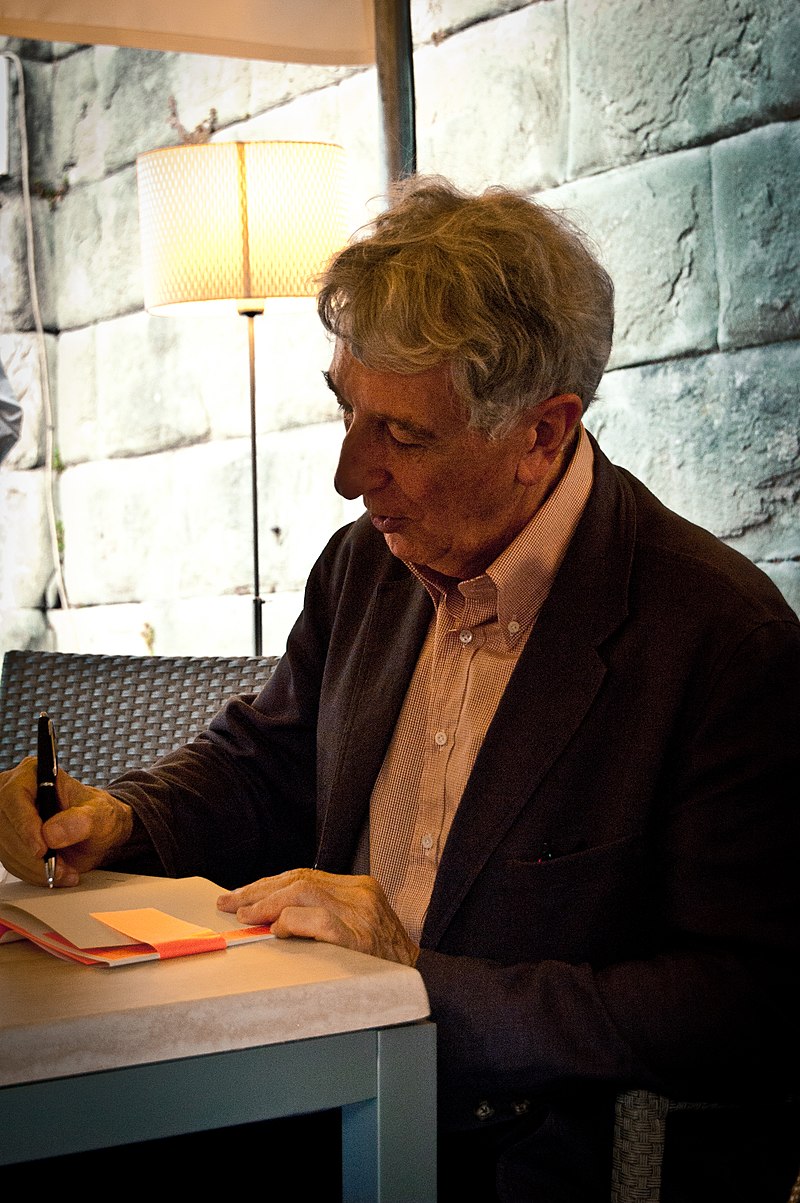


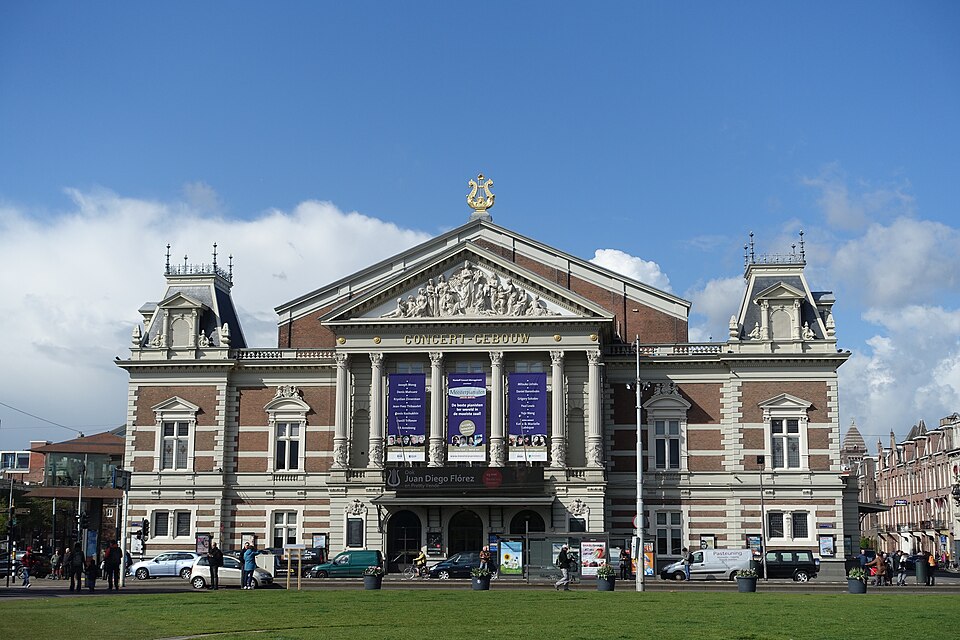
Gustav Mahler is honored at the festival in Amsterdam, a city he truly loved.
Mālera festivāls Amsterdamā. Tikai reizi mūžā / DienaLatvia· 2025-05-08