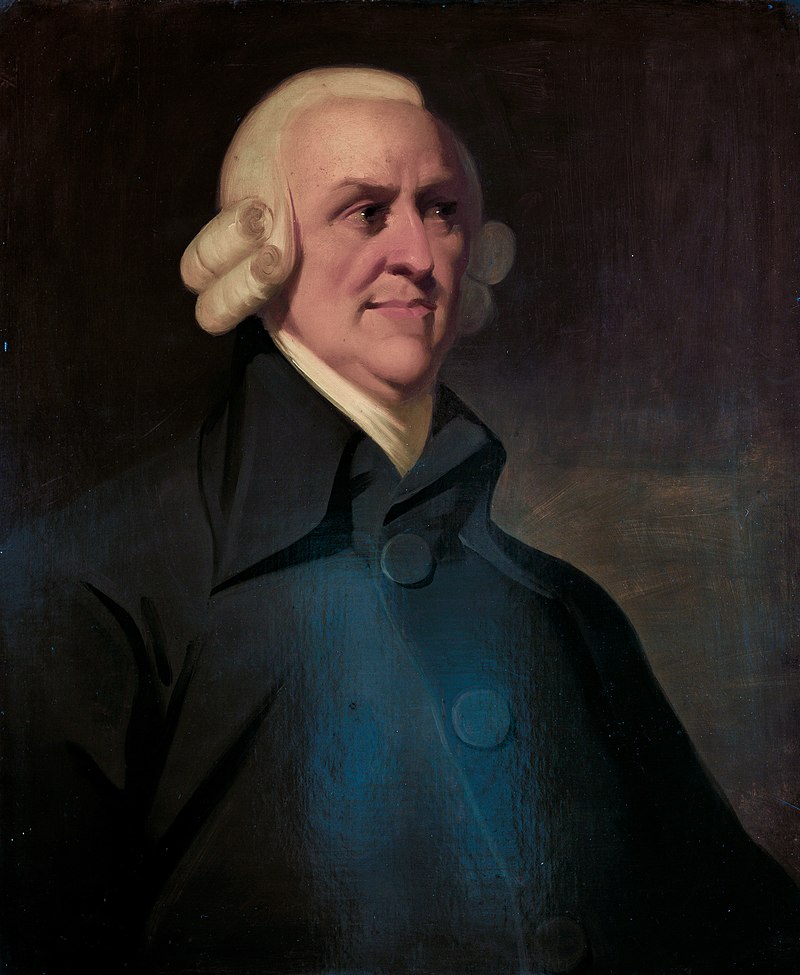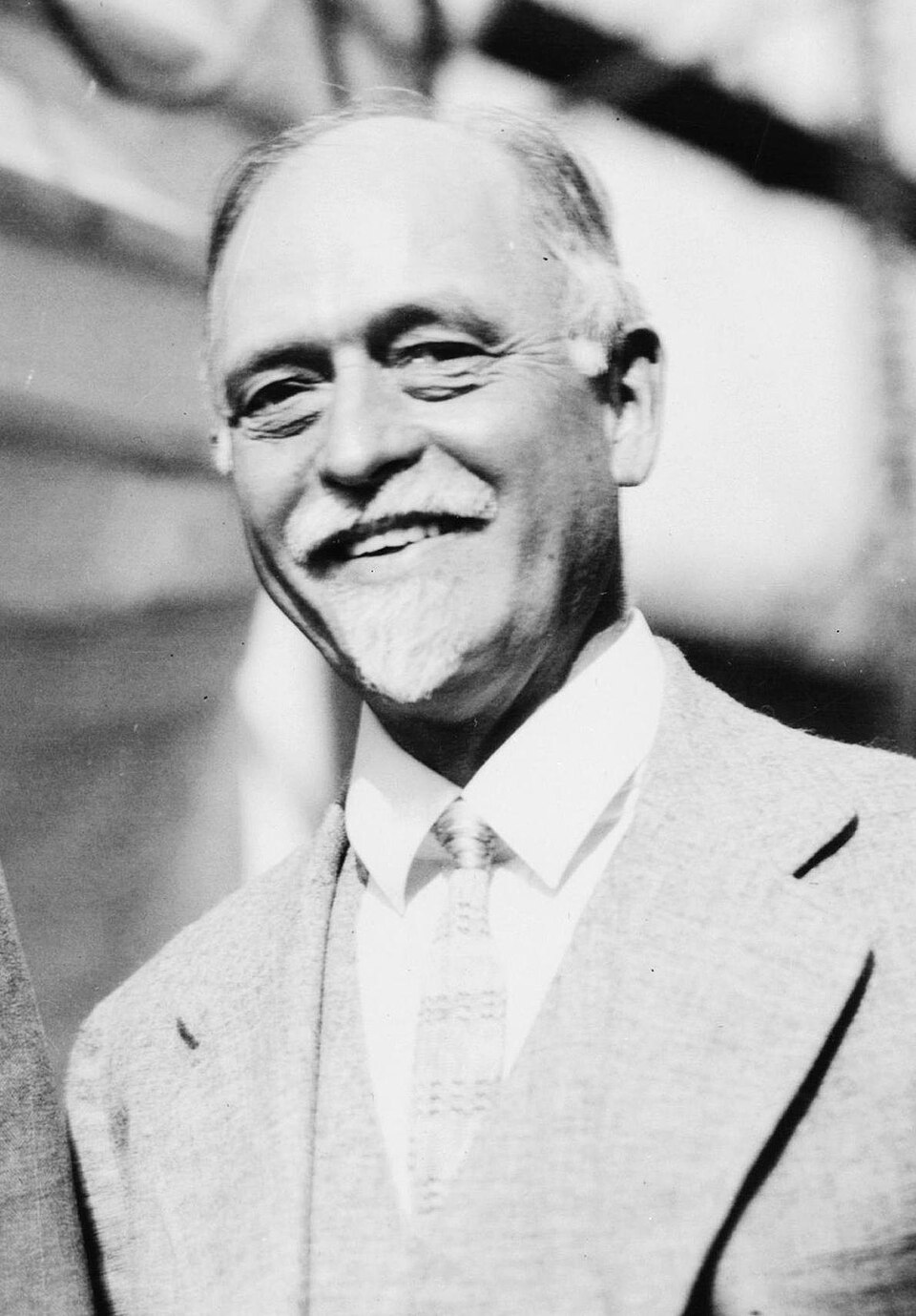
Irving Fischer
economistMaleb. 18670.0Global Dominance: 0.00%
Irving Fischer was an influential American economist, renowned for his work on the theory of interest rates and the relationship between inflation and economic cycles. His most notable contribution was the Fisher Equation, which describes the relationship between nominal interest rates, real interest rates, and inflation. Fischer's insights during the Great Depression highlighted the dangers of deflation, emphasizing the adverse effects it could have on debt and economic stability. His theories remain foundational in monetary economics and continue to inform current economic policies.
Power0
Reach0
Collect
Not in the pool (under ¢1).
Recent news mentions
Irving Fischer's studies during the Great Depression are mentioned in relation to deflation.
"¡Maten a todos y que el mercado separe a los buenos de los malos!", la cruzada de MileiClarín· Argentina· 2026-03-04
Argentina· 2026-03-04