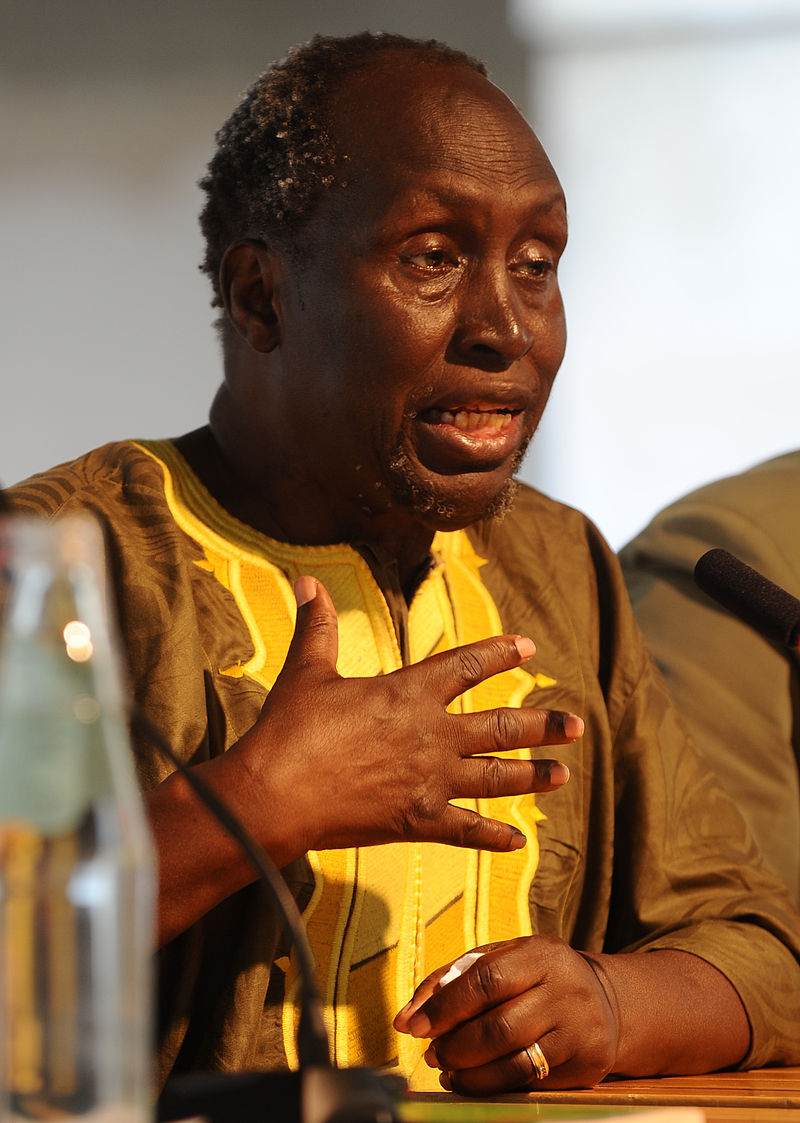
Ngũgĩ wa Thiong’o
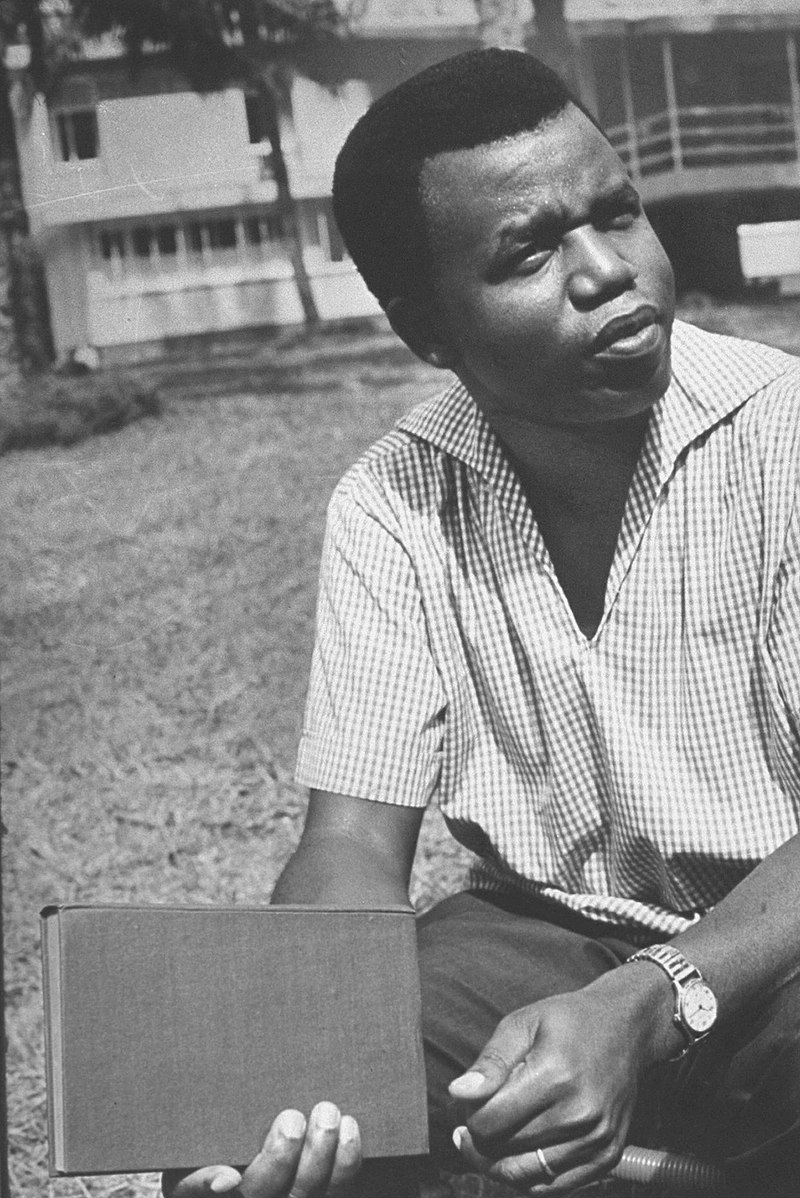
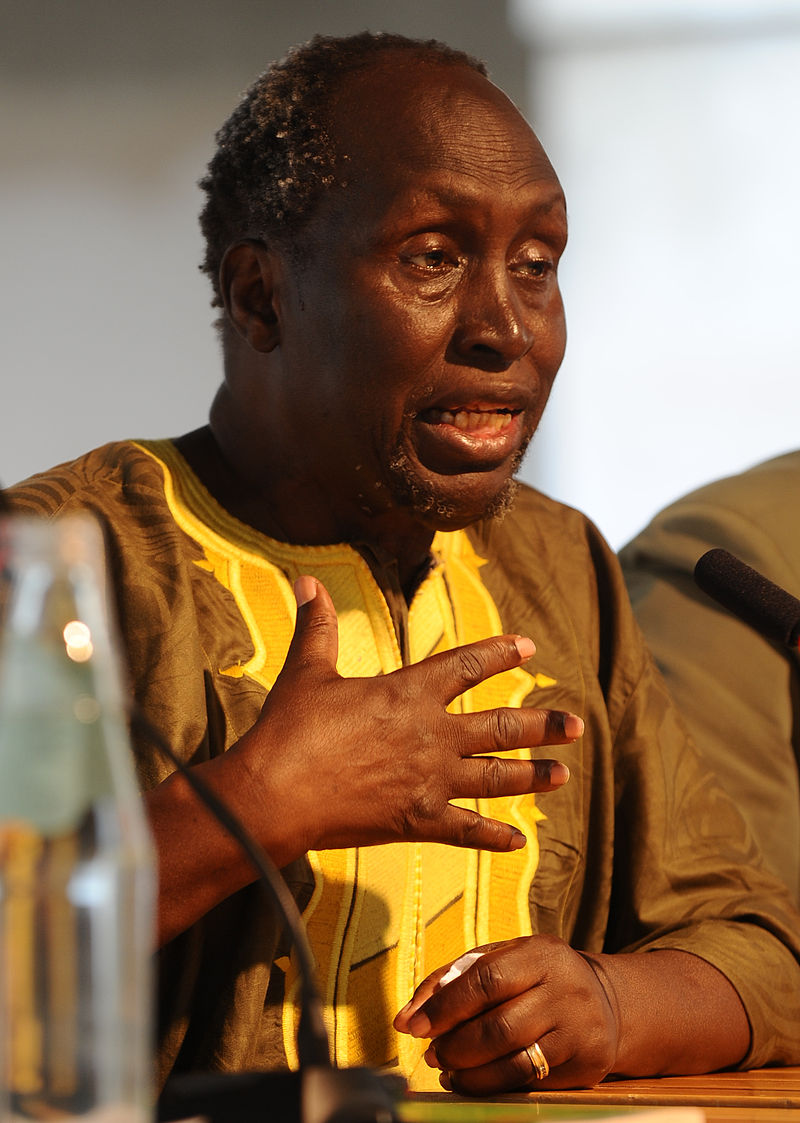
Ngũgĩ wa Thiong’o is a renowned Kenyan writer and academic, celebrated for his novels, plays, and essays that critique colonialism and advocate for African identity. His work often explores themes of language, culture, and social justice, and he has played an influential role in promoting the use of indigenous African languages in literature. A former political prisoner, Ngũgĩ’s experiences have profoundly shaped his writing and activism.
Not in the pool (under ¢1).
Recent news mentions
Ngugi wa Thiong'o is identified with the struggle against colonial oppression through his work.
Rereading the Madlanga Commission through Pirandello's Six Characters in Search of an Author South Africa· 2026-08-12



Ngugi wa Thiong’o’s A Grain of Wheat and Petals of Blood explore the betrayals of the postcolonial elite.
From divide-and-rule to woke: Fear politics faces new voters Kenya· 2026-07-25



Ngũgĩ wa Thiong'o has repeatedly argued that language carries culture, memory and identity.
Monuments for runners and politicians, silence for writersKenya· 2026-07-11


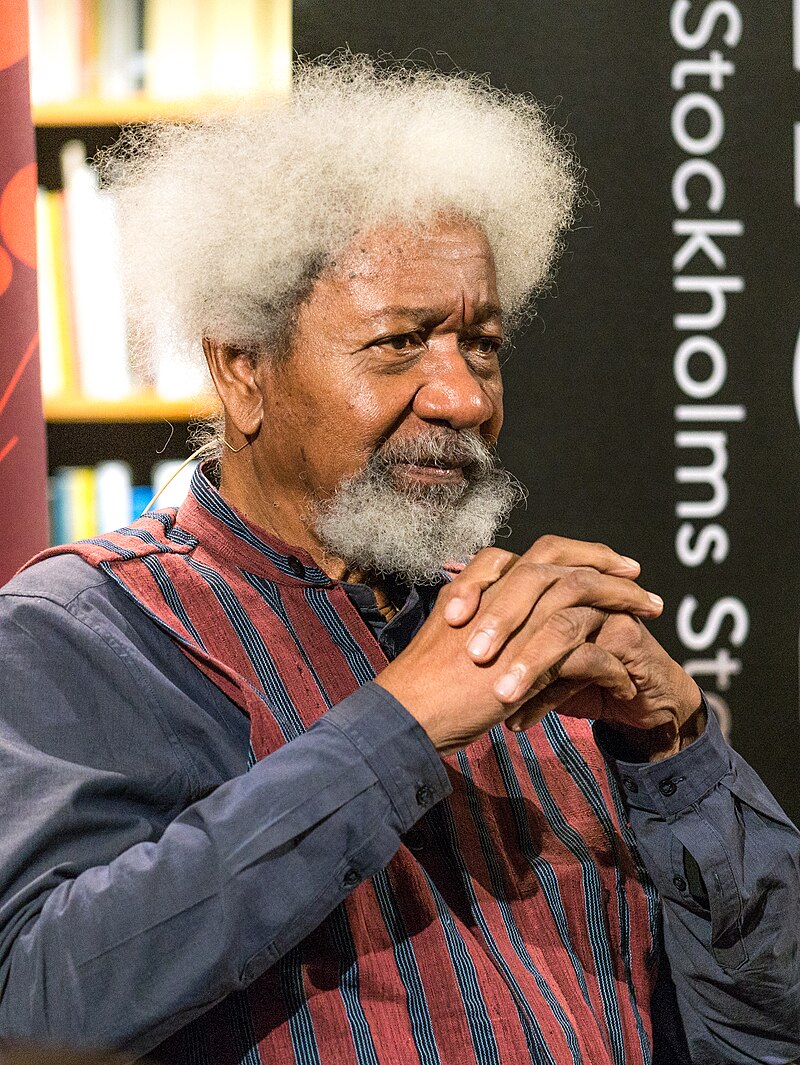
Ngugi wa Thiong'o is remembered as a significant figure in the arts and literature.
Remembering Ngugi wa Thiong'o - The StandardKenya· 2026-05-28Ngugi argued that language is not just a tool of communication.
Why writing in your mother tongue is true labour of loveKenya· 2026-02-28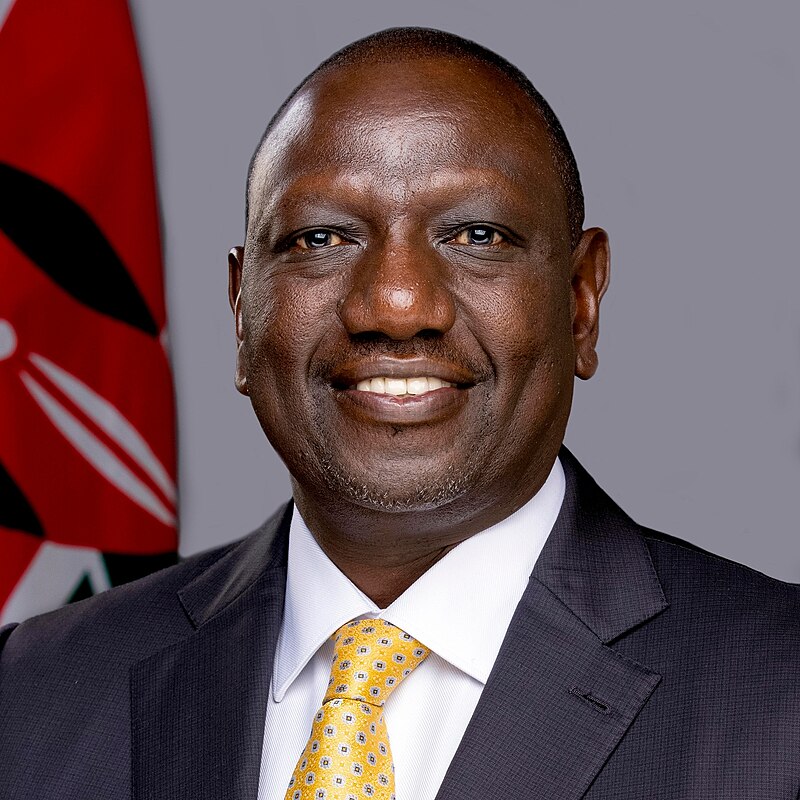
The series so profoundly shaped the African literary worldview that it arguably laid the foundation for Ngugi wa Thiong’o, Awuor Anyumba and my friend Taban lo Liyong to anchor the Africanisation of literature studies at the University of Nairobi in the 1980s.
Celebrating the great tradition set by African Writers SeriesKenya· 2026-01-31


Ngugi wa Thiong'o was a leading voice amongst intellectuals focused on creating a post-colonial order founded on African ideologies.
Ngugi's failed socialist dream and the way forward for KenyaKenya· 2026-01-13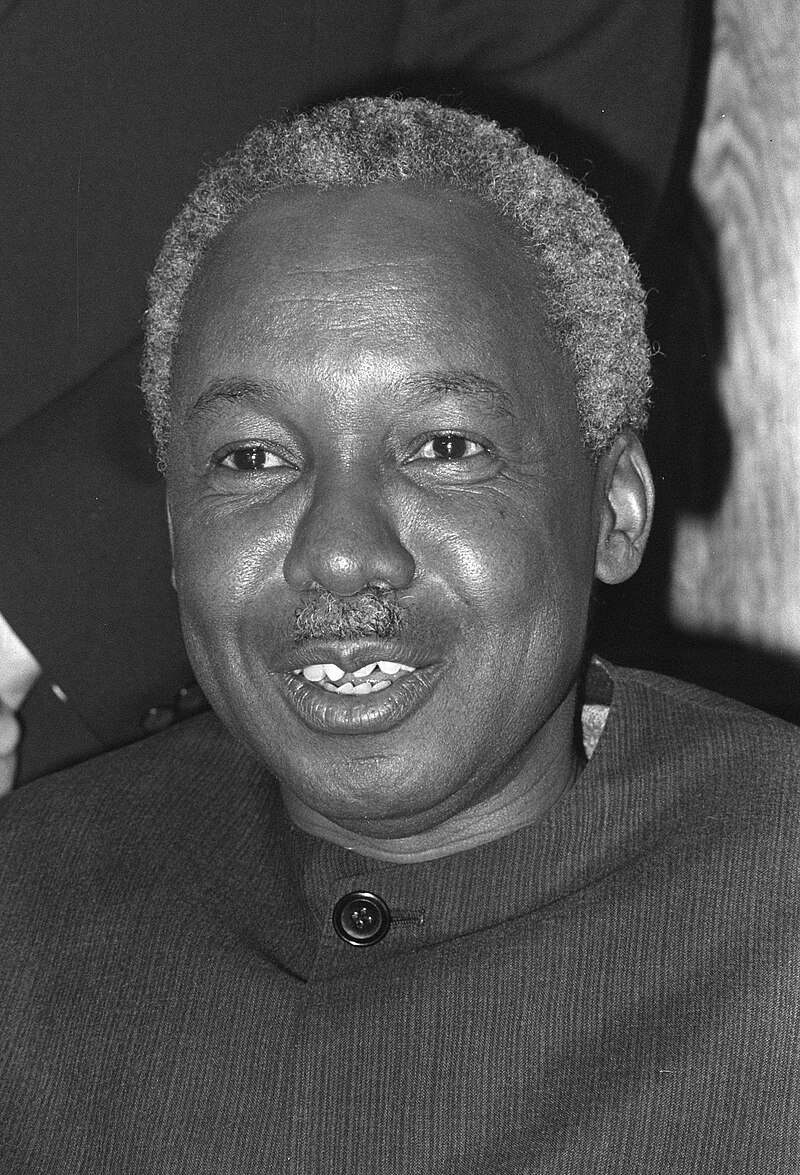
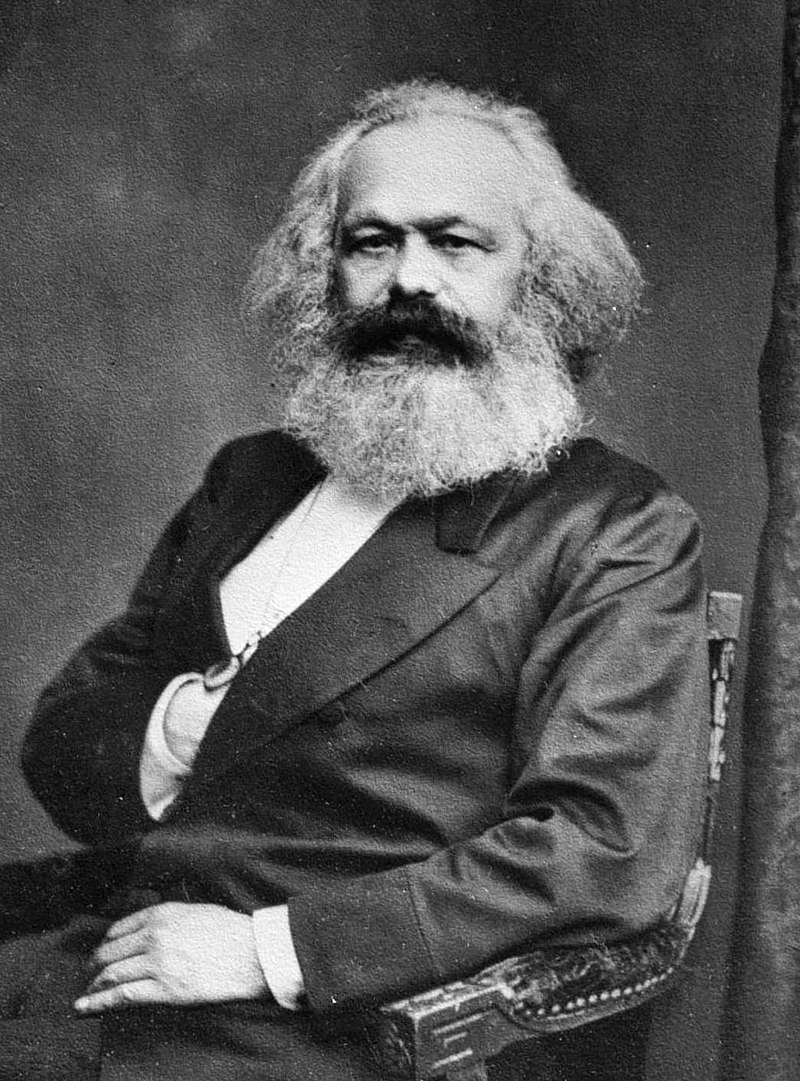
The legendary author and intellectual passed away in May 2025.
In memoriam: The entertainment voices we lost in 2025 Tanzania· 2025-12-26





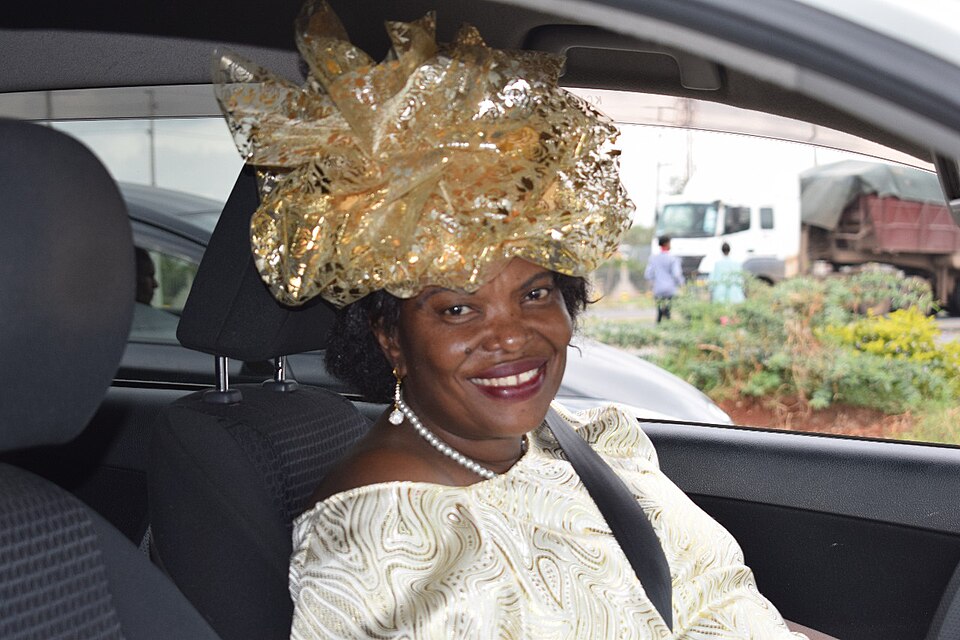


Ngũgĩ wa Thiong'o was a celebrated Kenyan writer and scholar who played a major role in the African literary revolution.
Ngugi wa Thiong'o and the African literary revolutionKenya· 2025-12-19
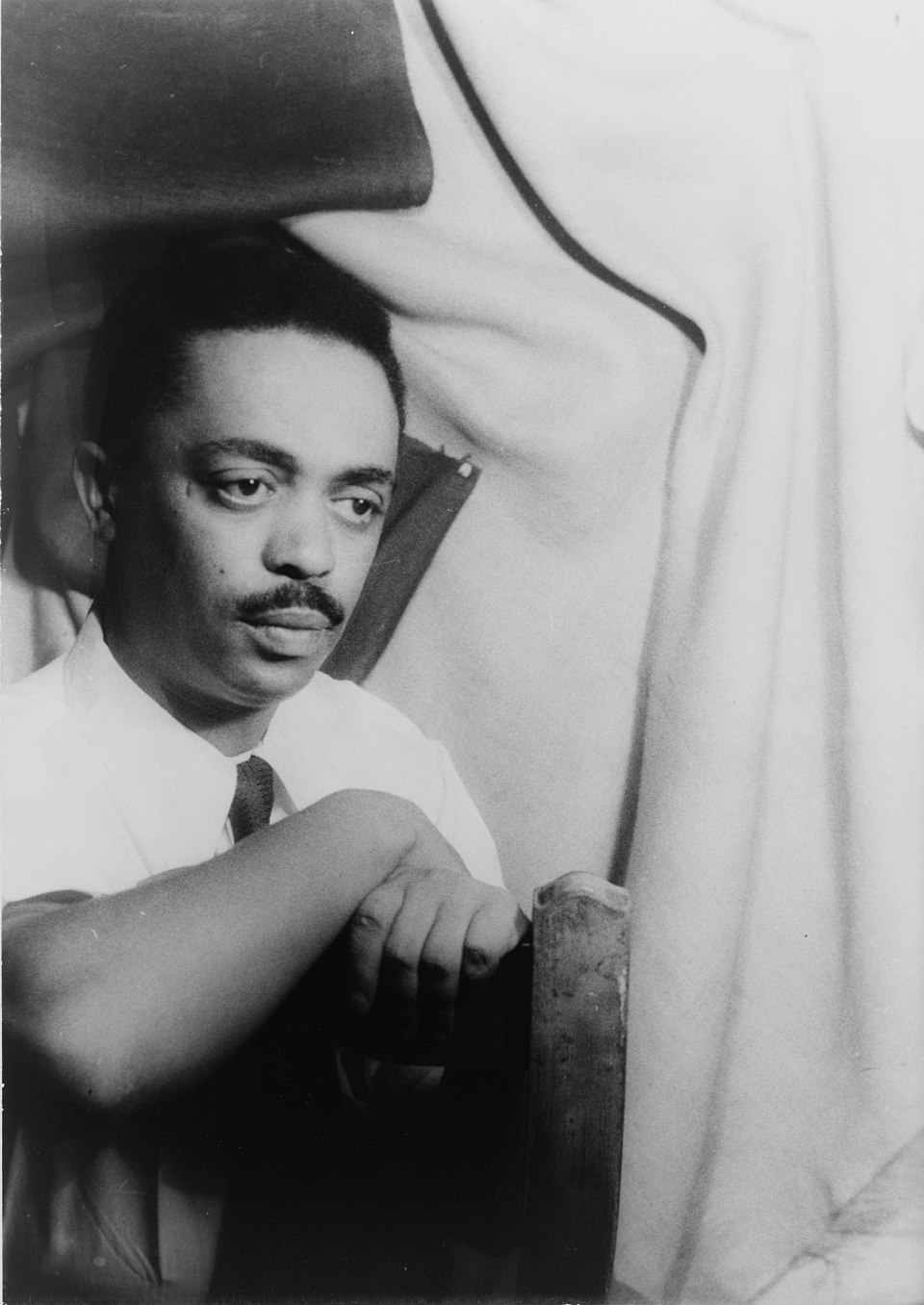
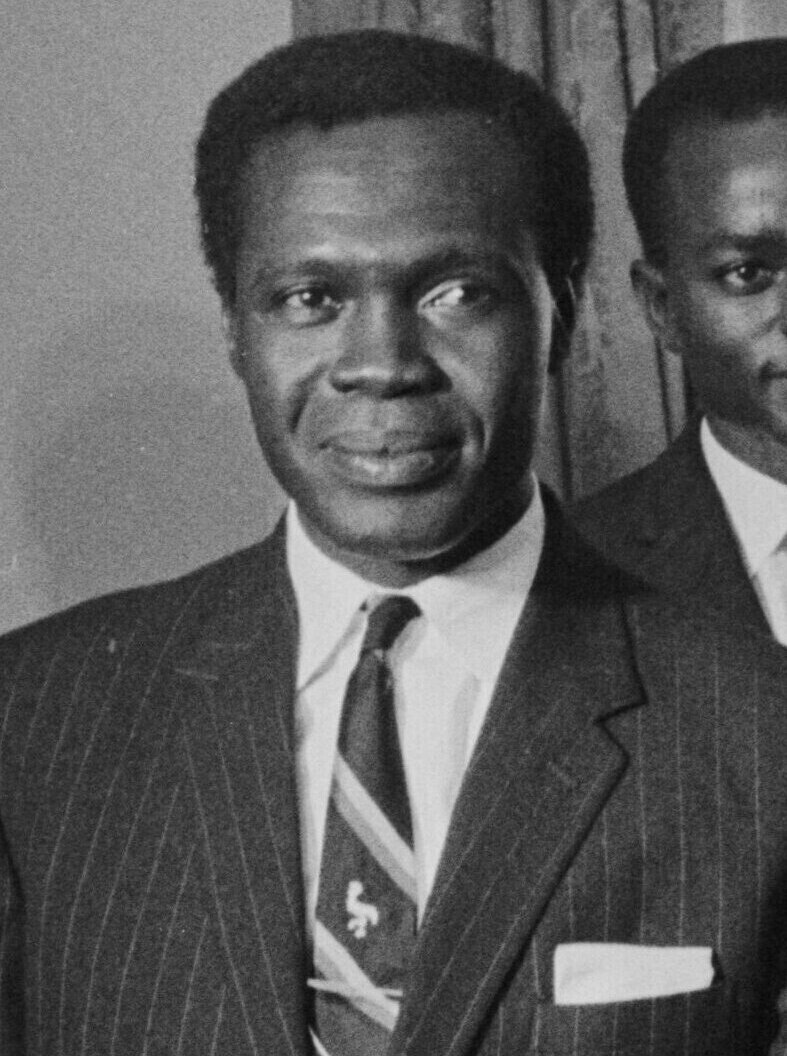
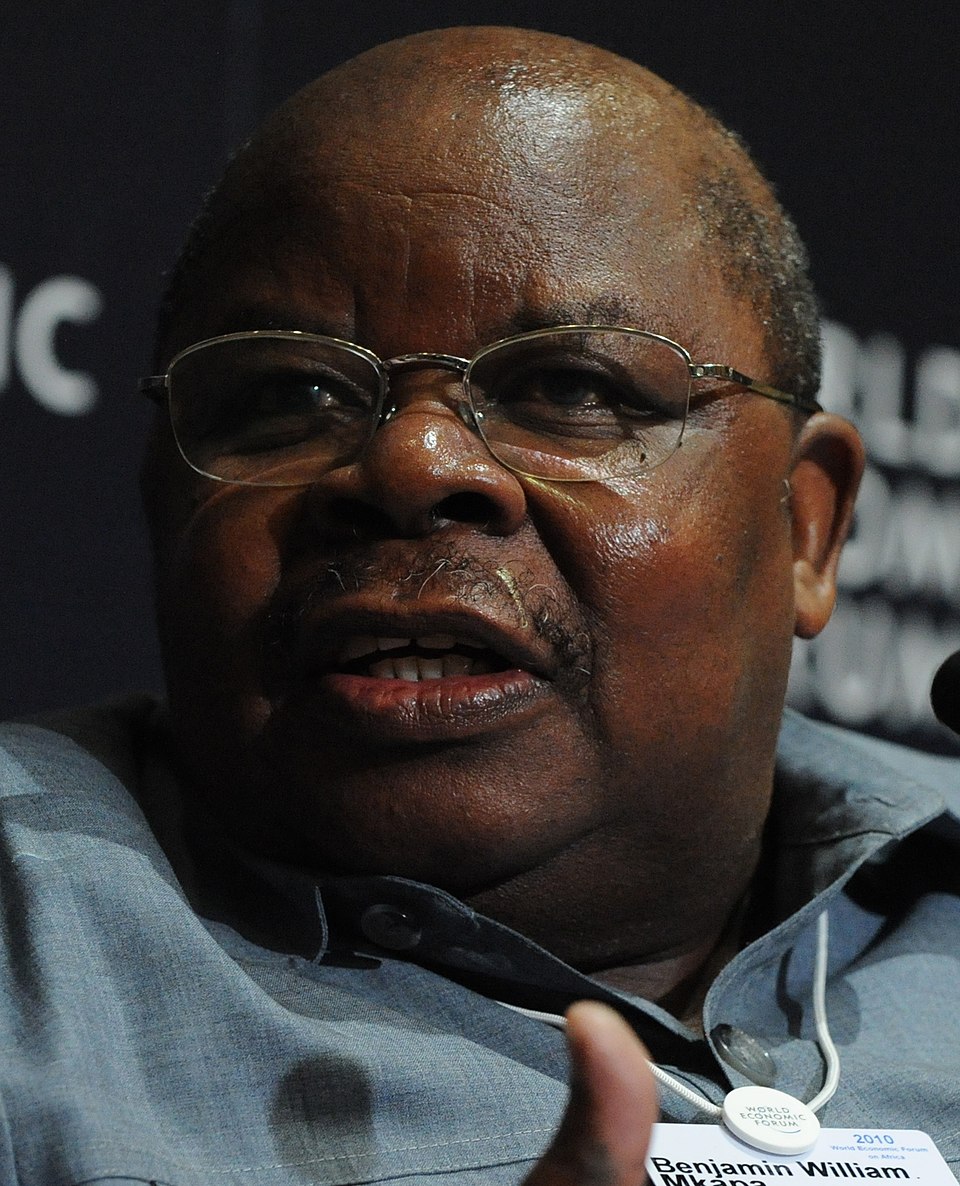
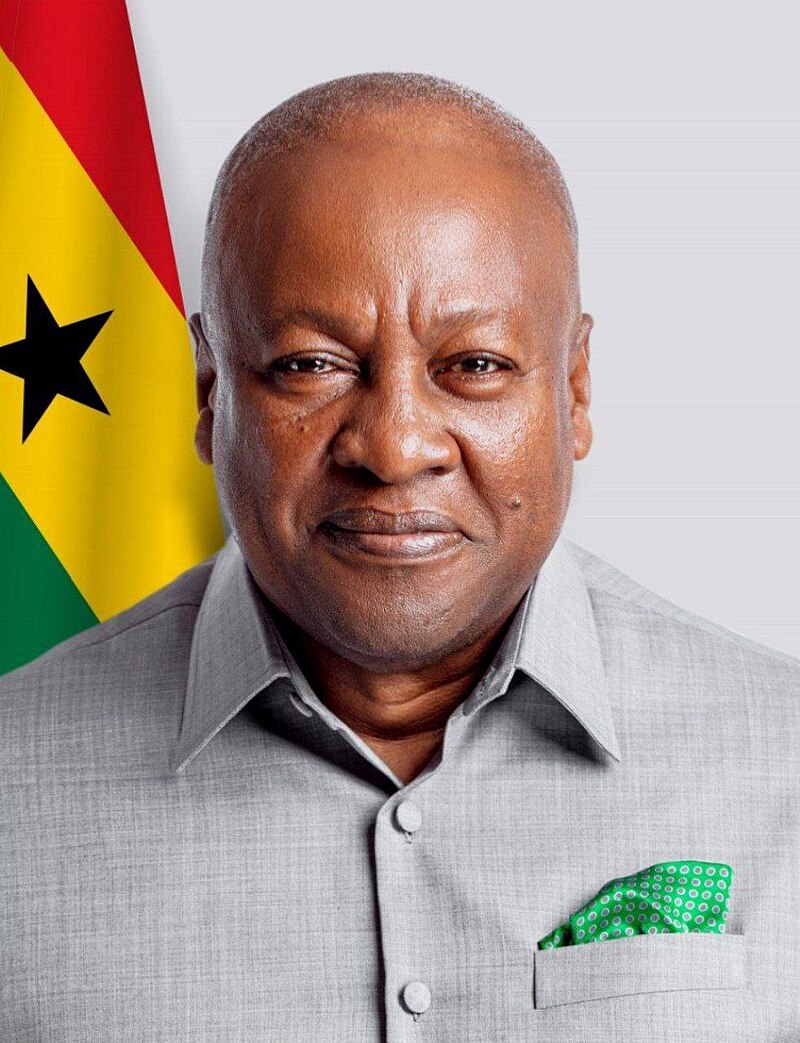
Ngũgĩ wa Thiong’o’s Wizard of the Crow is mentioned as part of the magical stories from Mbeere.
Of Mbeere, magical realism and the rich African literary worldKenya· 2025-12-05


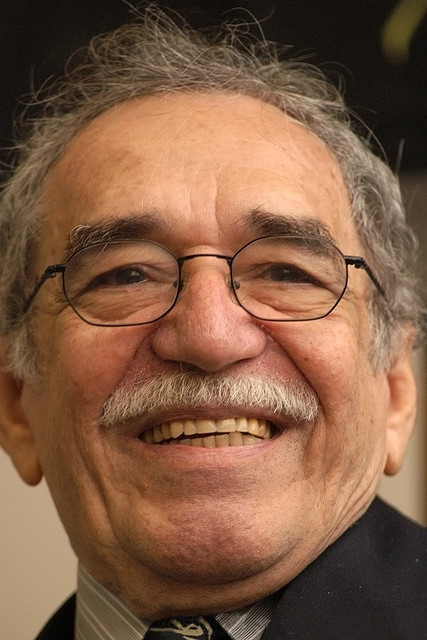
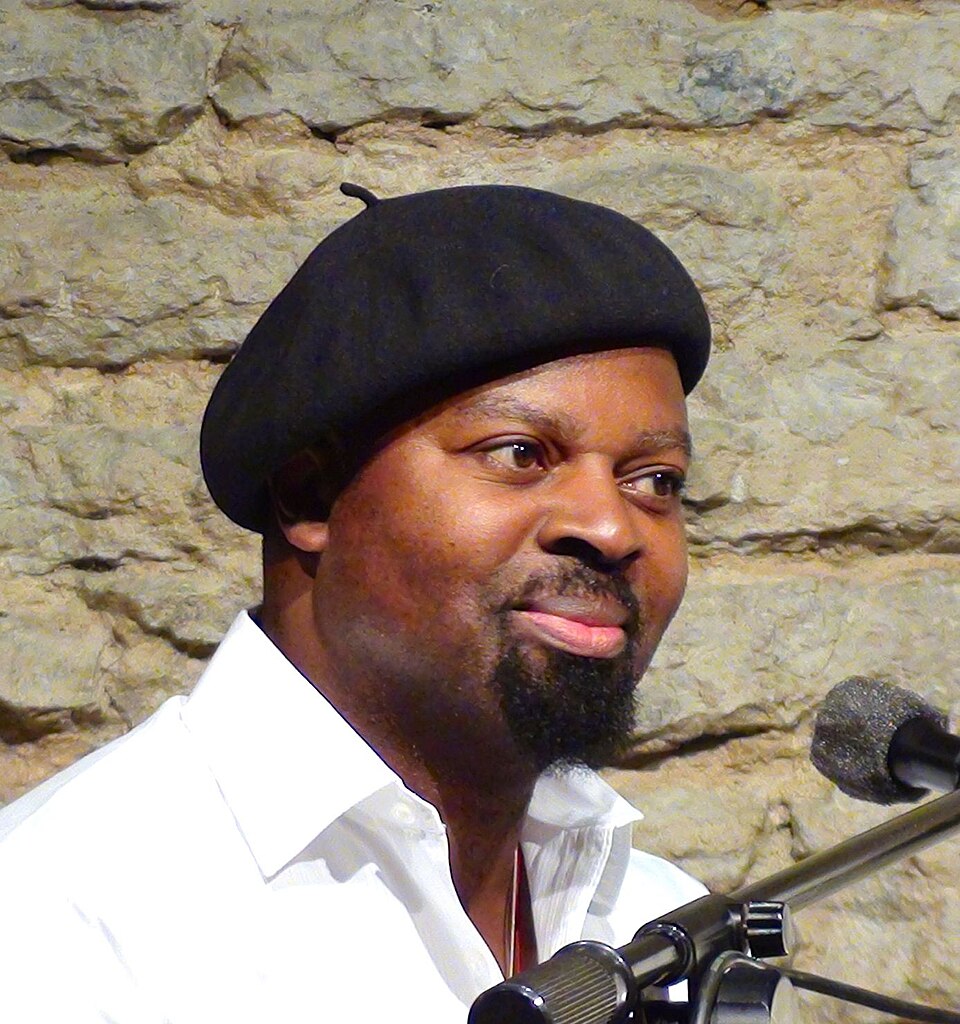
Ngugi wa Thiong’o's work gained momentum after meeting Chinua Achebe, contributing to the legacy of African literature.
African journals offer writers a sure path toward literary fameKenya· 2025-11-29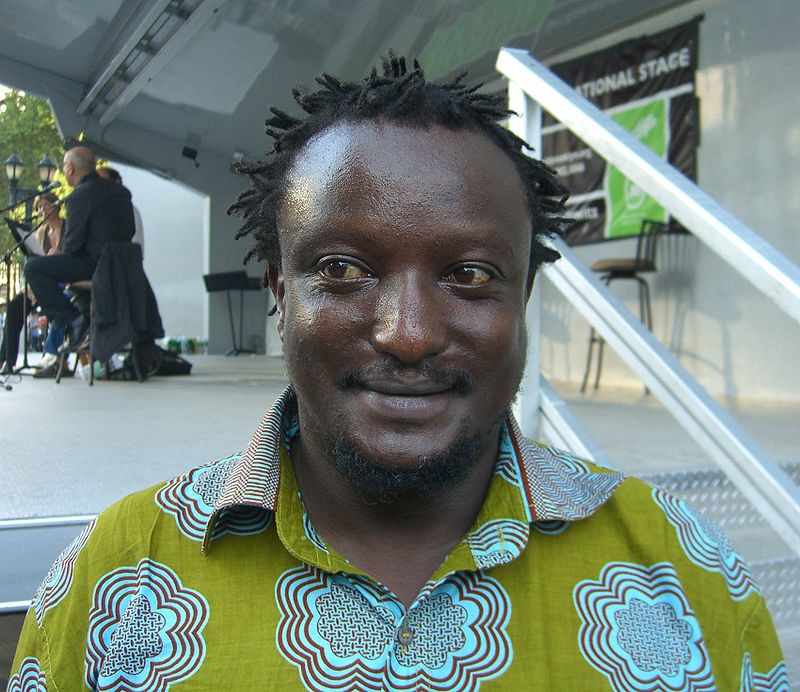


Ngugi wa Thiong'o is mentioned in the context of unsung pedagogies.
Why Kenya's Harambee Stars are not ready for world footballKenya· 2025-11-20


Long before Ngugi wa Thiong’o launched his campaign to decolonise African minds, the Harlem Renaissance in early 20th-century America showed that even as Africans back home drowned in rivers trying to cross to the West, those already there were forever trying to belong.
Of self-hatred, mimic men and fallacy of detesting your waysKenya· 2025-11-15
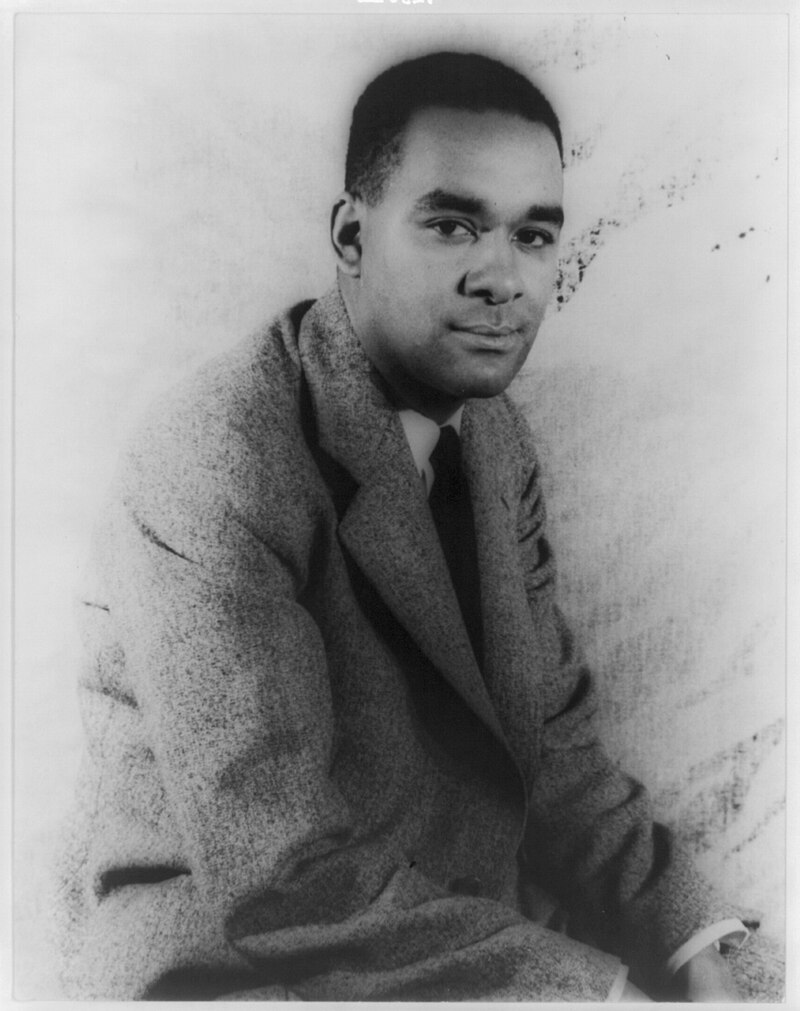
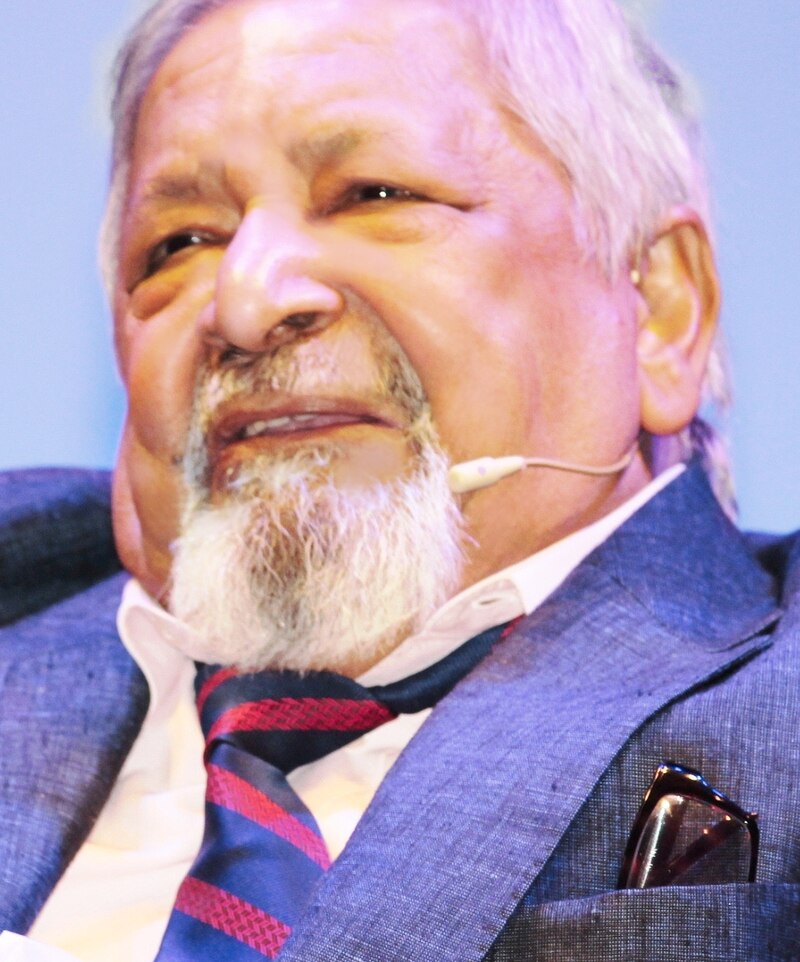


Ngugi wa Thiong'o is mentioned in the context of unsung pedagogies.
Celta Vigo youngster living the dream after maiden Harambee Stars call-upKenya· 2025-11-13

Ngũgĩ wa Thiong’o is referenced as a literary figure important for understanding societal dynamics.
Angola: psicopolítica do falso oprimido e do opressor | Ensaio Portugal· 2025-11-02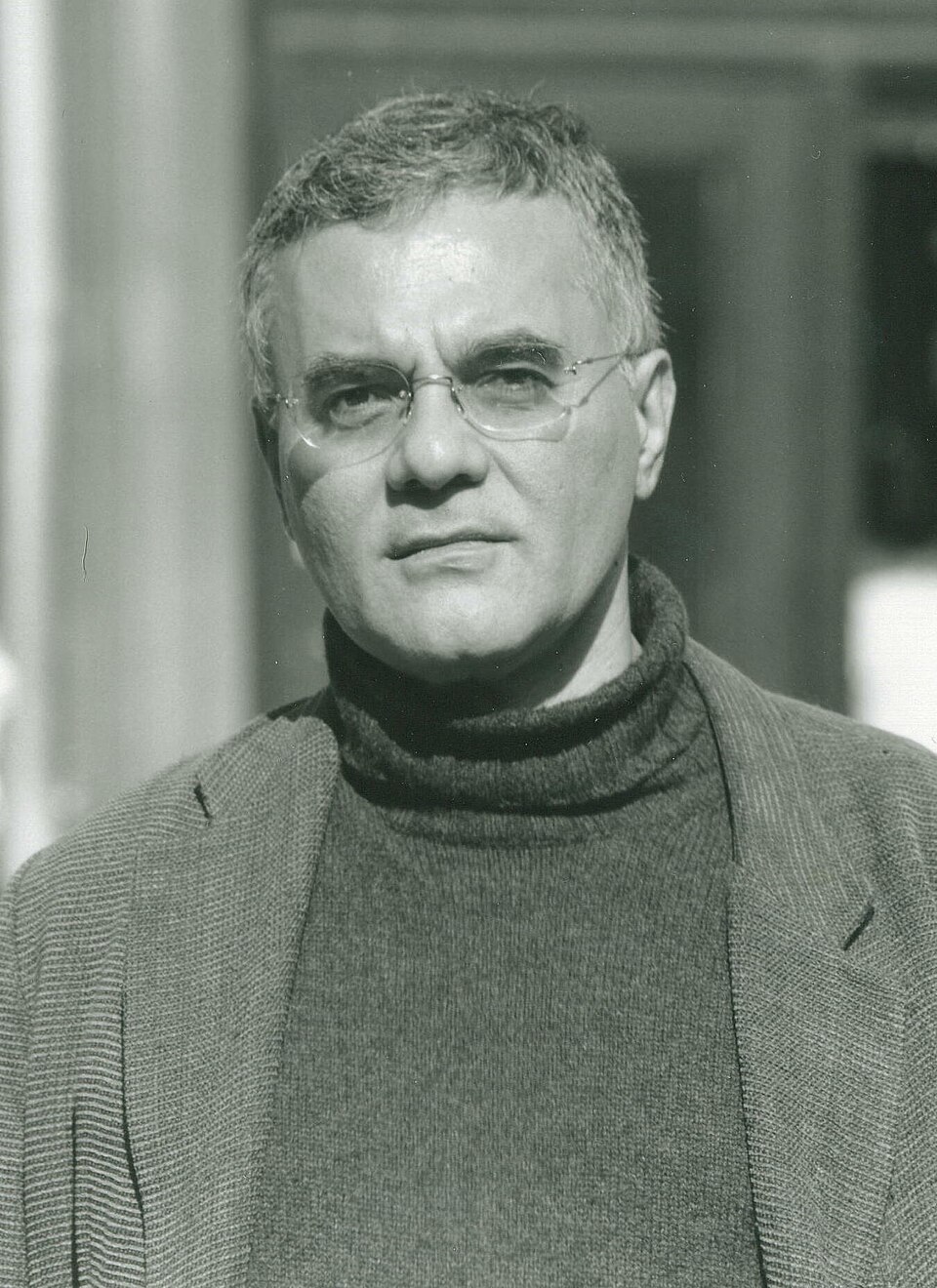


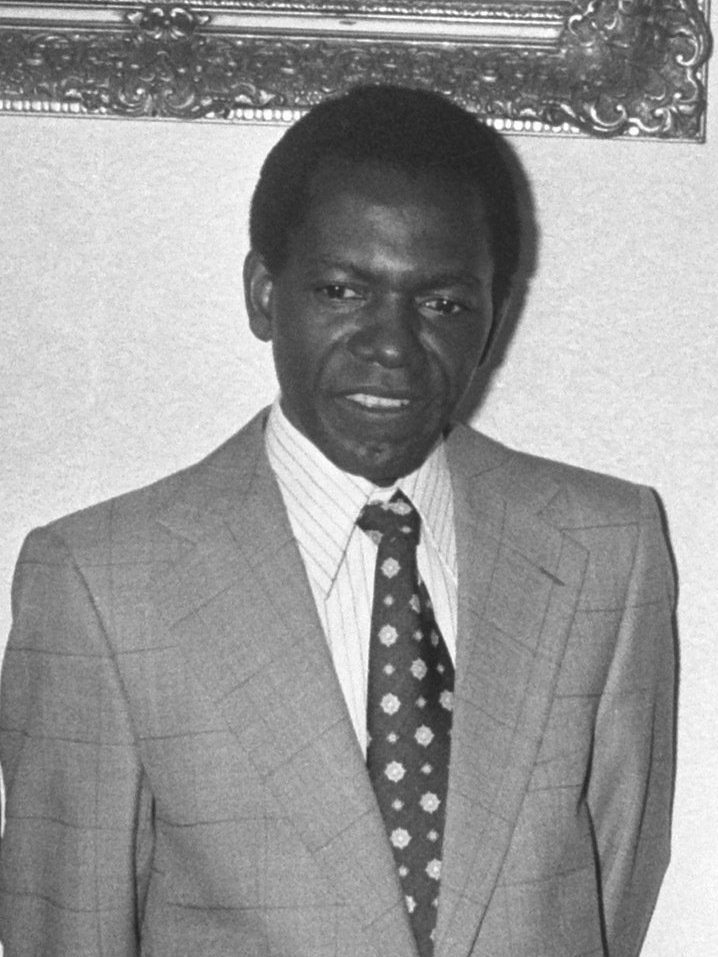


Ngũgĩ wa Thiong’o is a prominent figure in East African literature whose works have been adapted into new forms.
EA golden age of popular fiction lives on, beautifully reimaginedKenya· 2025-10-25
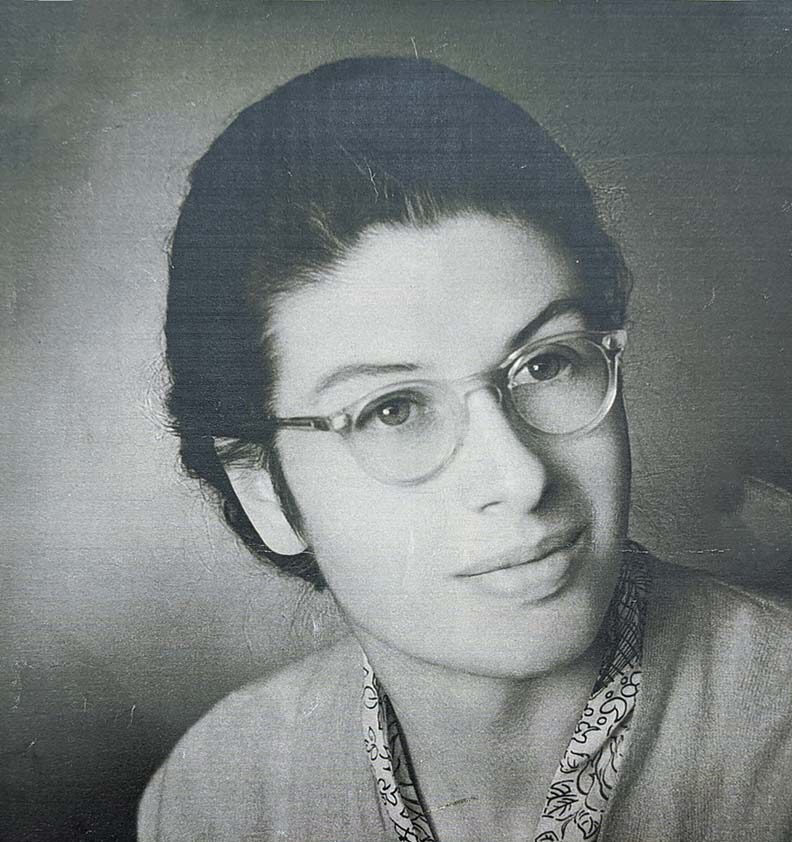

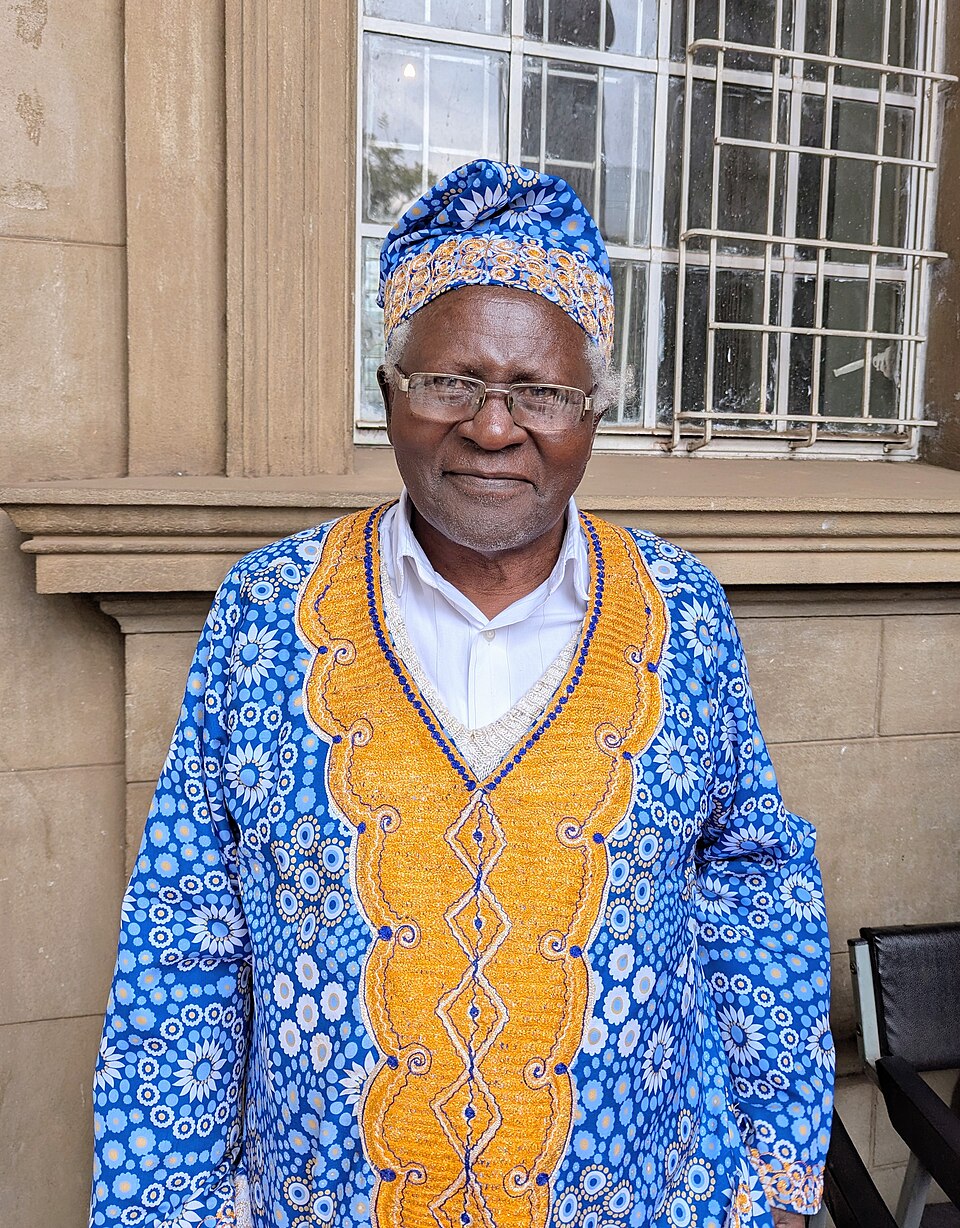


Prof Ngugi wa Thiong’o was posthumously recognised for his revolutionary works in African literature.
Top researchers, innovators and educators awardedKenya· 2025-10-21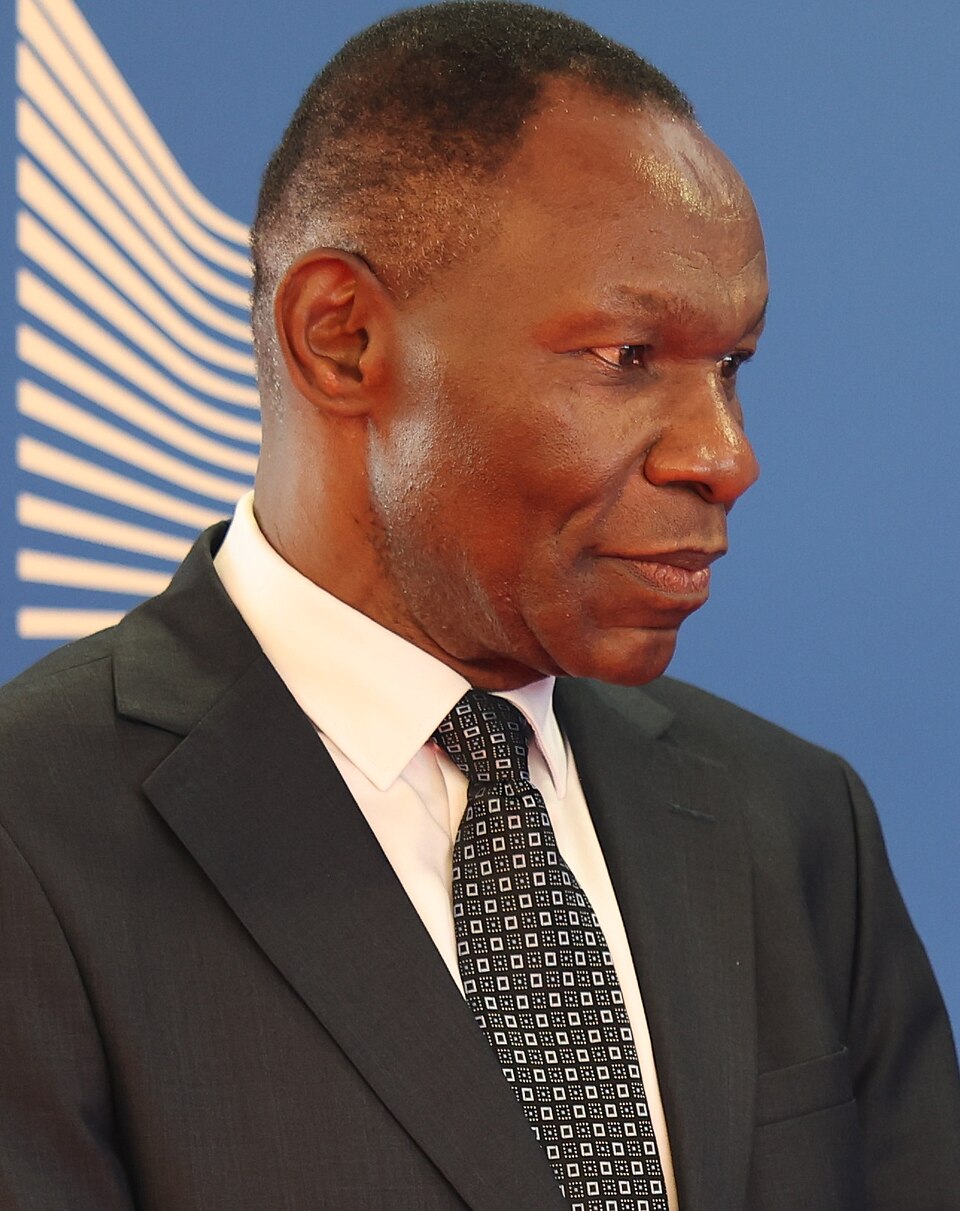
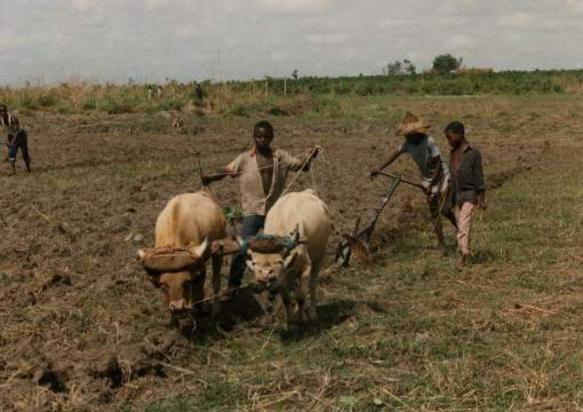

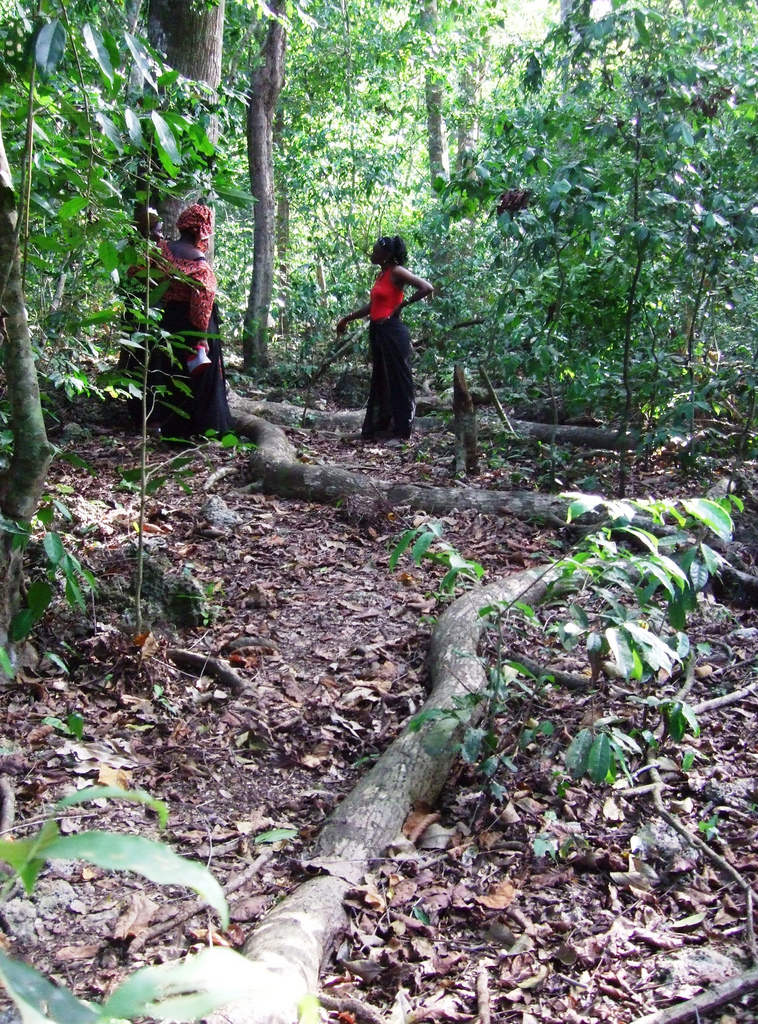



Among those named are author Ngugi wa Thiong’o.
Mashujaa Day 2025: Kenya to honour 160 heroes of courage, unity and innovationKenya· 2025-10-20
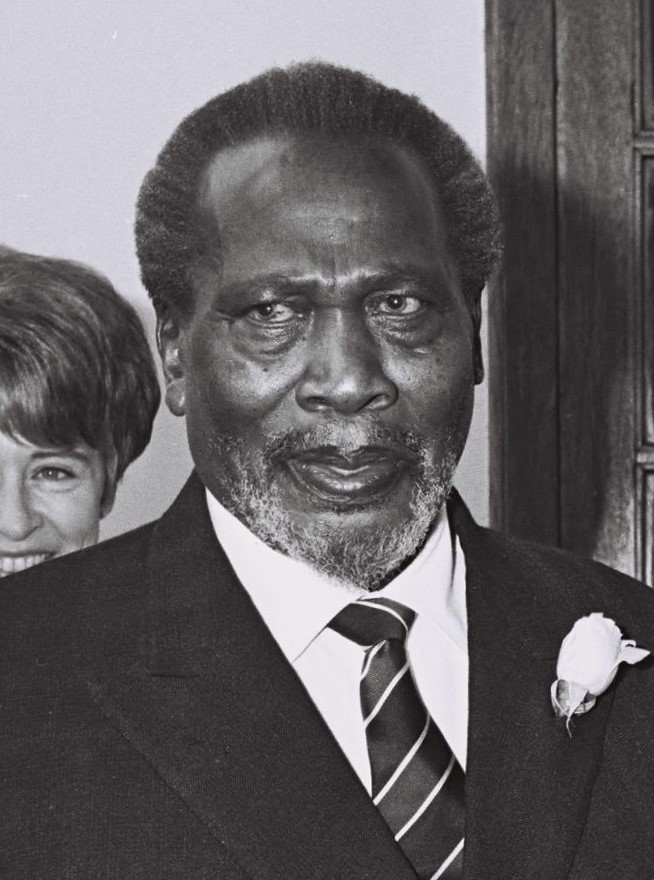

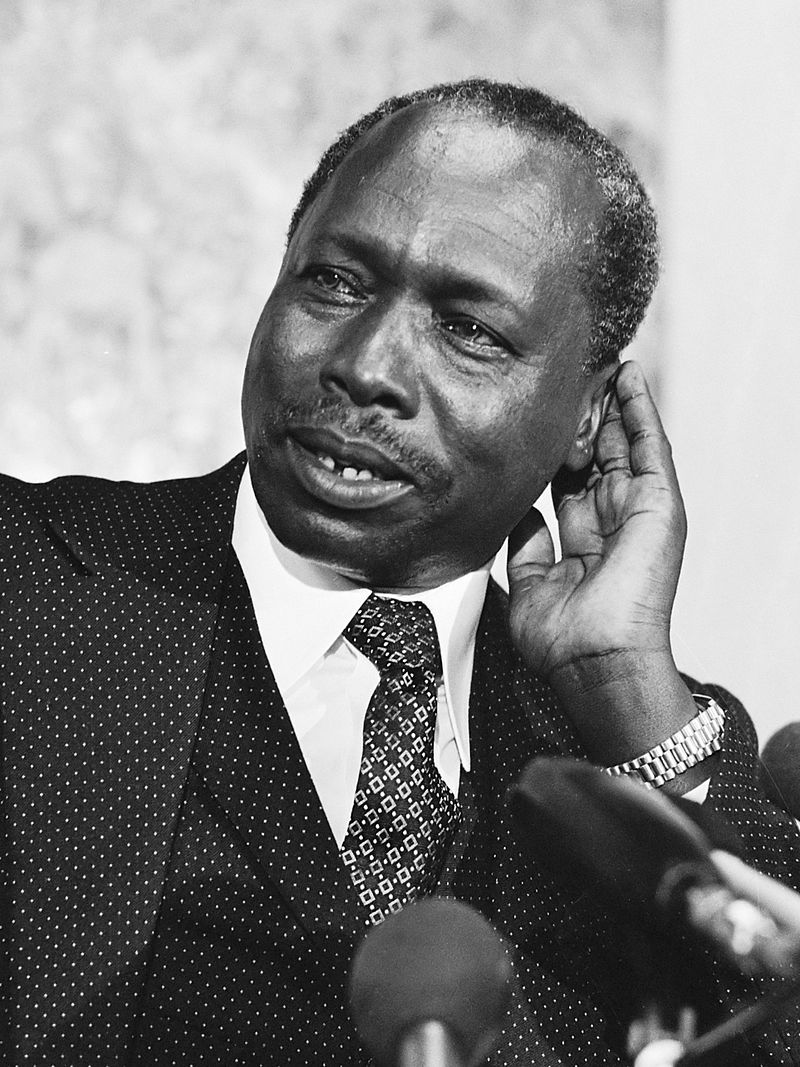
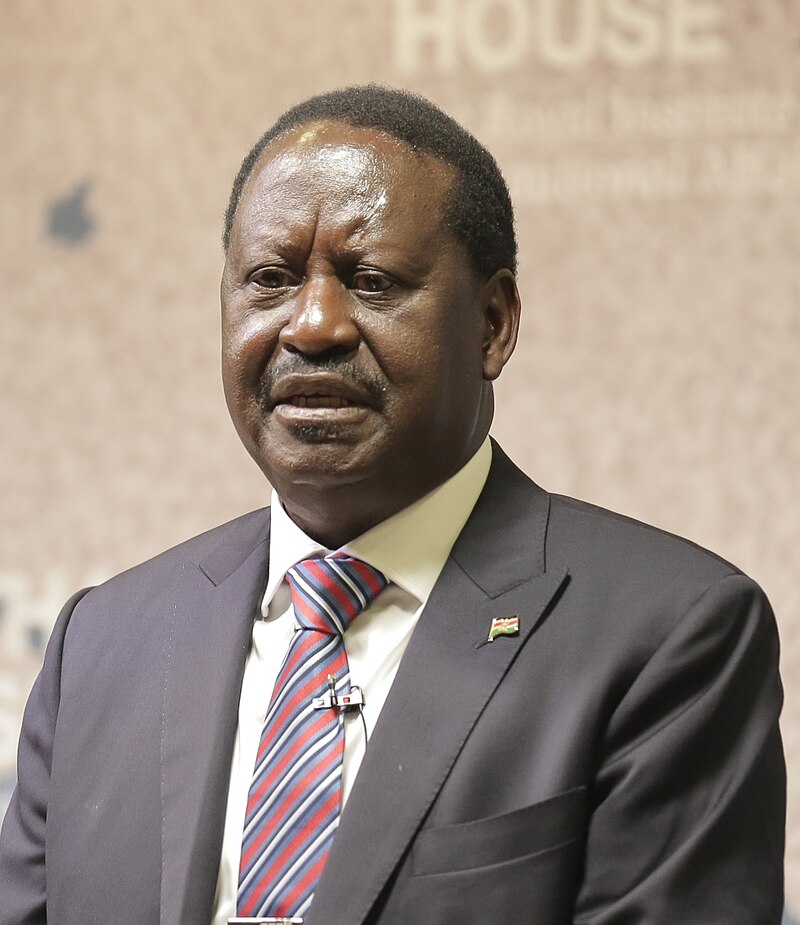
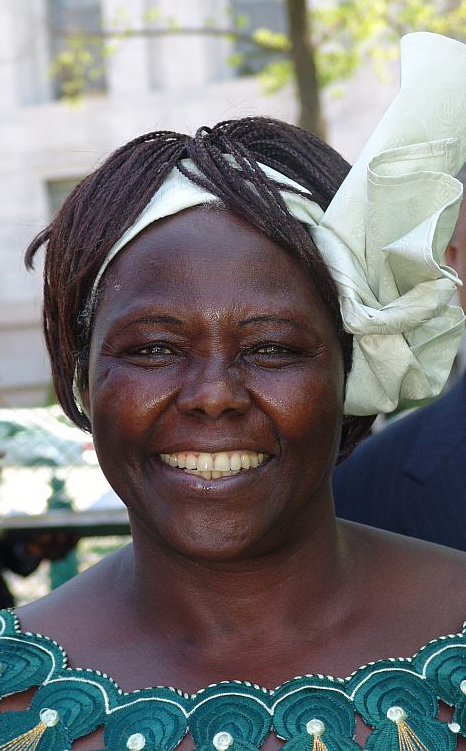

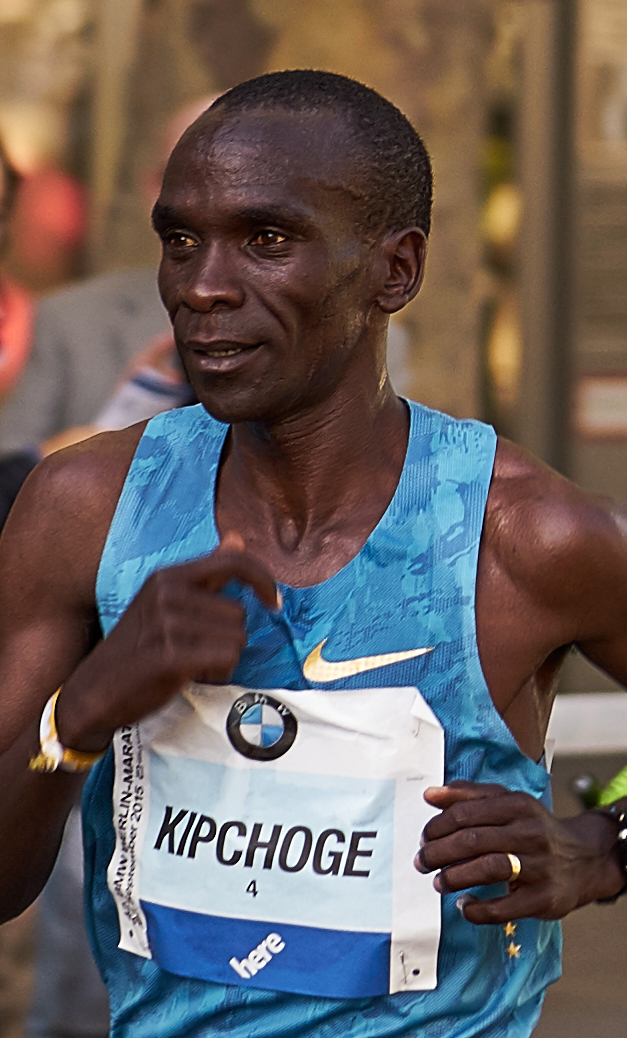


Ngugi wa Thiong’o wove an impassioned case for decolonising speech by upholding the dignity of African languages in an imperialist world.
Unified learning shows 'town games' for what they really areKenya· 2025-10-11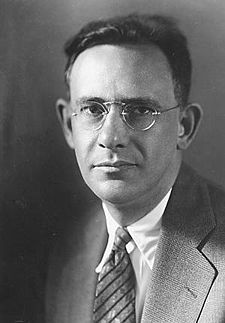
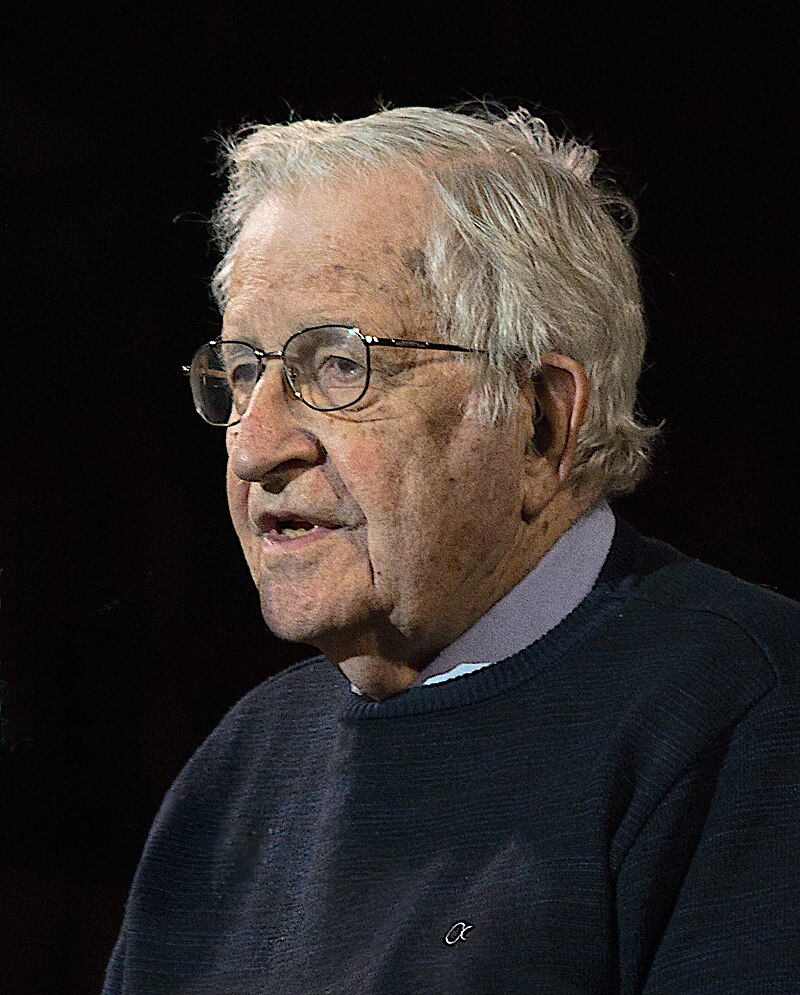

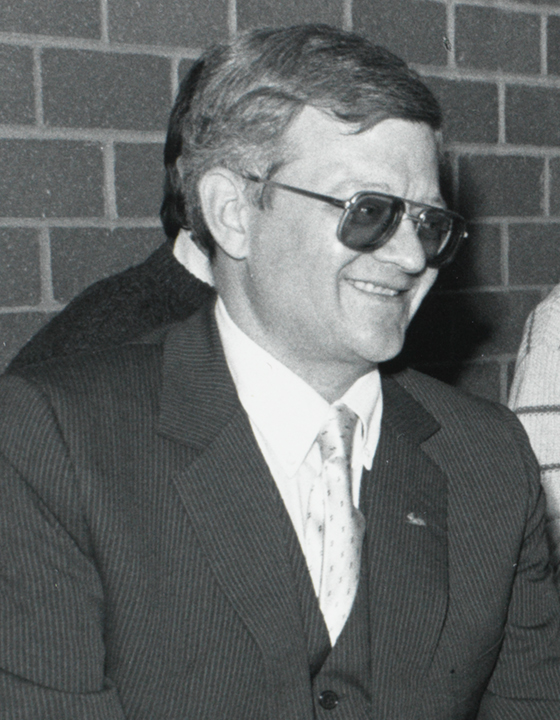
Ngũgĩ wa Thiong’o insists that writers have a moral responsibility to confront oppression and liberate minds.
Mirror, lamp and why those broken souls in books are usKenya· 2025-09-20

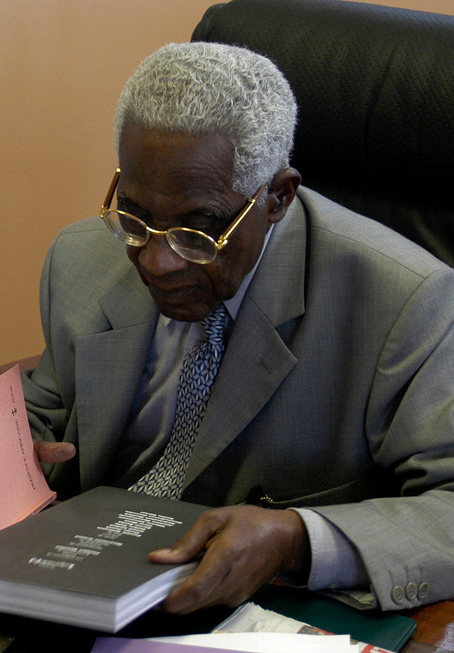


Ngugi wa Thiong'o is a celebrated author whose legacy is referenced in the context of promoting local languages.
Why impeachment proceedings must always consider public interestKenya· 2025-09-16

A tribute to the giant of African literature Ngugi wa Thiong'o.
CAF Champions League women Cecafa qualifiers down to last fourKenya· 2025-09-13
A tribute to the giant of African literature Ngugi wa Thiong'o.
Harambee Stars defender Omija completes move to Tunisian club toile Sportive du SahelKenya· 2025-09-10
A tribute to the giant of African literature Ngugi wa Thiong'o.
Kenya's Gwendo in American Youth Athlete of the Year Award finalsKenya· 2025-09-02

The article references Ngugi Wa Thiong'o in relation to questions about historical narratives in education.
How distorted history raises concerns over what students learnKenya· 2025-09-01Ngũgĩ wa Thiong’o's book is an account of his displacement from his own native ground.
Sorry, Baby to Earl Sweatshirt: the week in rave reviews | Culture United Kingdom· 2025-08-23





Ngũgĩ wa Thiong’o is a renowned Kenyan novelist who questioned the logic of African literature in European languages.
Decolonizing Language by Ngũgĩ wa Thiong’o review – final words of a literary giant | History booksUnited Kingdom· 2025-08-18
Ngũgĩ wa Thiong’o is a prominent writer and activist known for his work on decolonisation and the promotion of African languages.
Take away our language and we will forget who we are: Ngũgĩ wa Thiong’o and the language of conquest | Ngugi wa Thiong'oUnited Kingdom· 2025-08-12



Ngugi wa Thiong'o is a late literary icon who is remembered fondly by Gen Zs.
Harambee Stars start chase for Sh452.2 million prize moneyKenya· 2025-08-02
Ngugi wa Thiong'o is a late literary icon whose contributions are being remembered by Gen Zs.
The man Harambee Stars will bank on for goalsKenya· 2025-07-31
