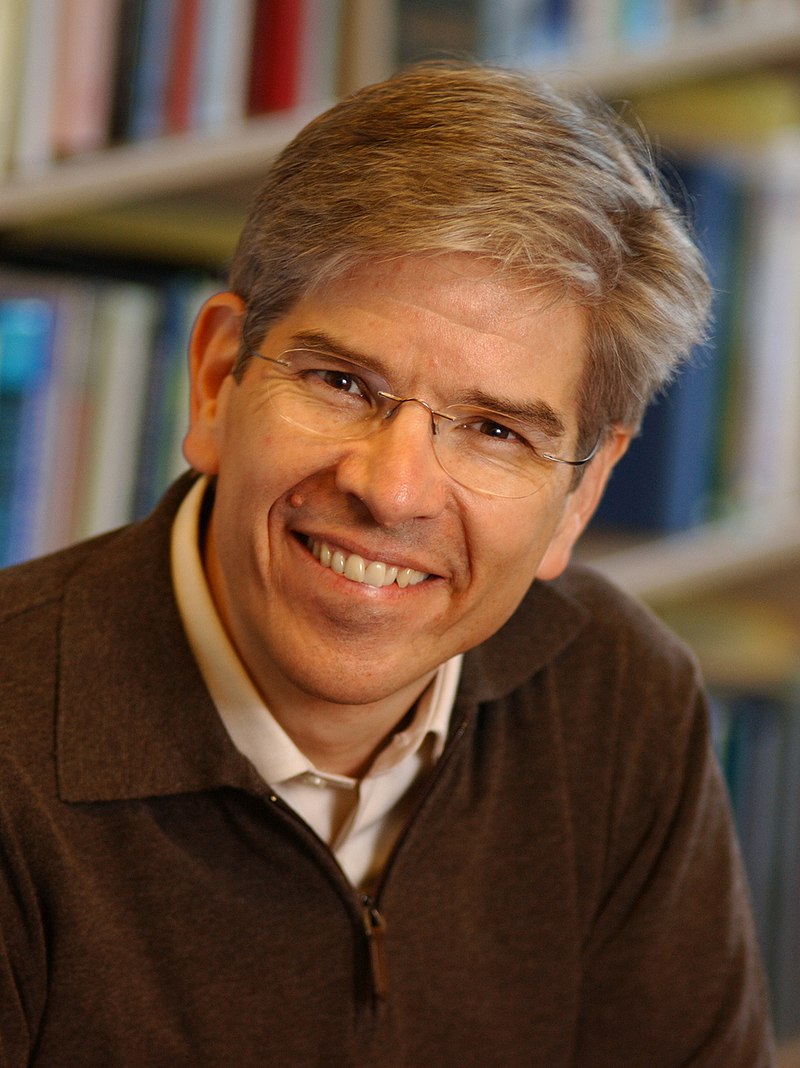
Paul Romer
Paul Romer is a Nobel Prize-winning economist who initially supported the concept of private cities like Próspera as a means to stimulate economic growth in developing countries. However, he has since expressed concern that Próspera's approach may isolate it from the local population and fail to create the transformative impact originally envisioned.
Not in the pool (under ¢1).
Recent news mentions
Paul Romer is a former chief economist of the World Bank and an early advocate of the libertarian movement.
Jutarnji list - Kriptomilijarder zamislio grad budućnosti na rajskom otoku: 'Totalna ludost' Croatia· 2026-06-22






Paul Romer introduced innovation as an endogenous driver of growth and received the Nobel Prize in 2018.
Lecciones del Nobel de Economía para RD Dominican Republic· 2025-11-19

Paul Romer is mentioned as a great economist who specializes in economic growth.
La gran coartada: culpar a la educación por los pecados del poder Bolivia· 2025-09-29
Paul Romer won the Nobel Prize for his model emphasizing investment in human capital as the main driver of growth.
محمود محيي الدين: الذهب يتفوق على الدولار فى احتياطات البنوك المركزية لأول مرة Egypt· 2025-09-20
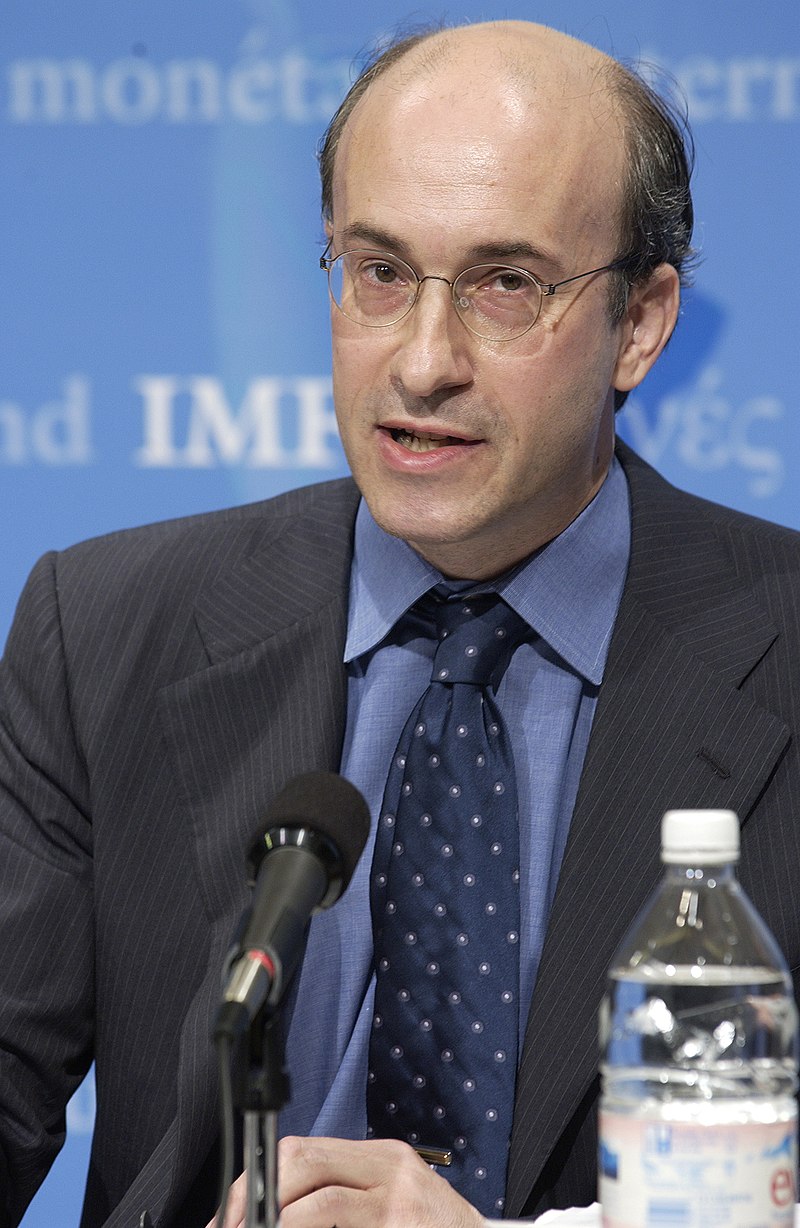
Paul Romer, the 2018 Nobel Prize winner in Economics, emphasizes that long-term growth is determined by knowledge, innovation, and institutions that structure incentives.
Reformasi 2025: Jihad Institusi untuk Indonesia Indonesia· 2025-09-10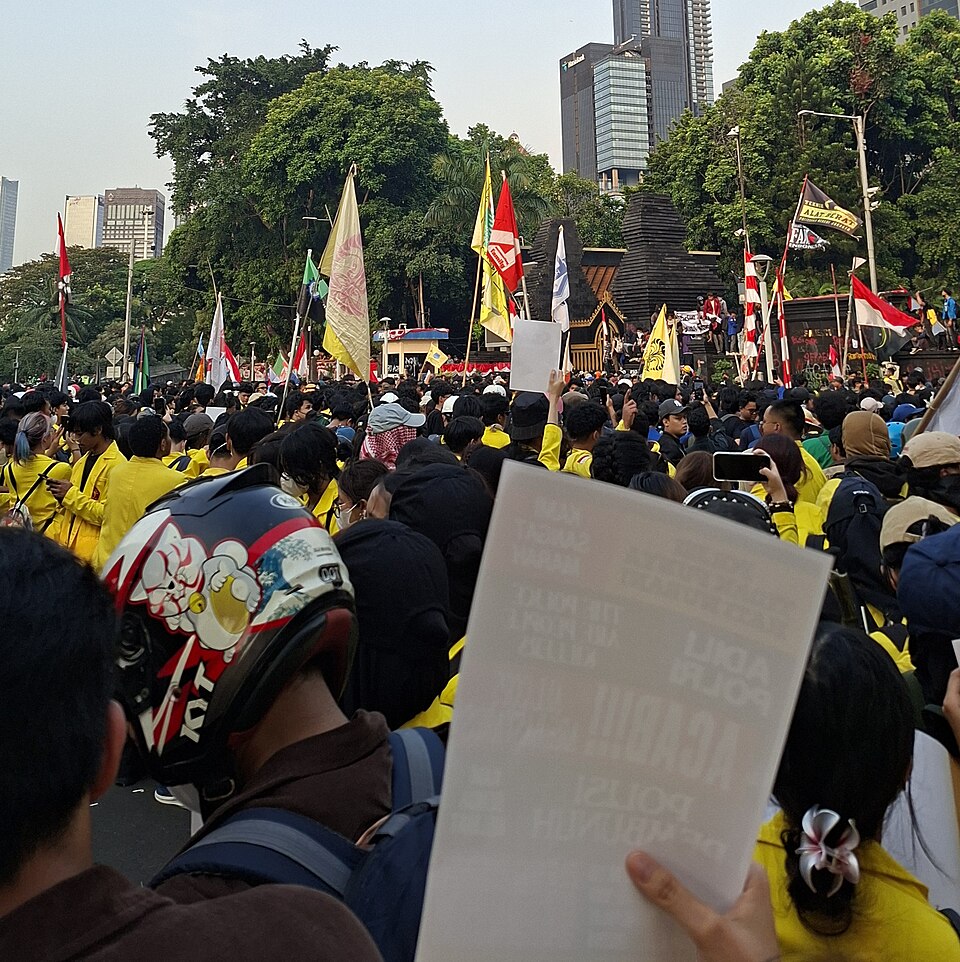
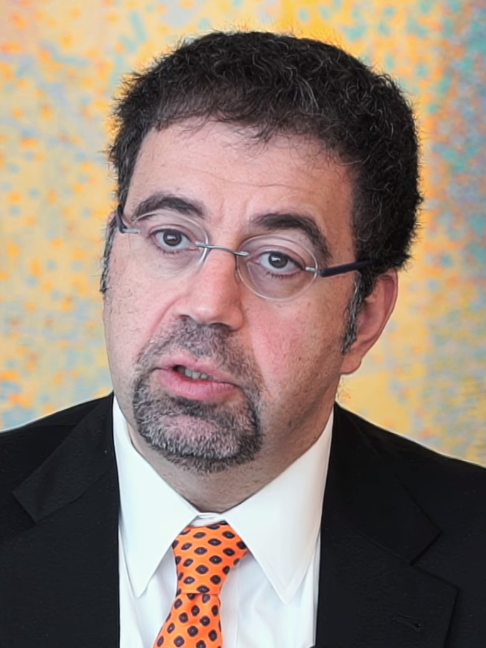

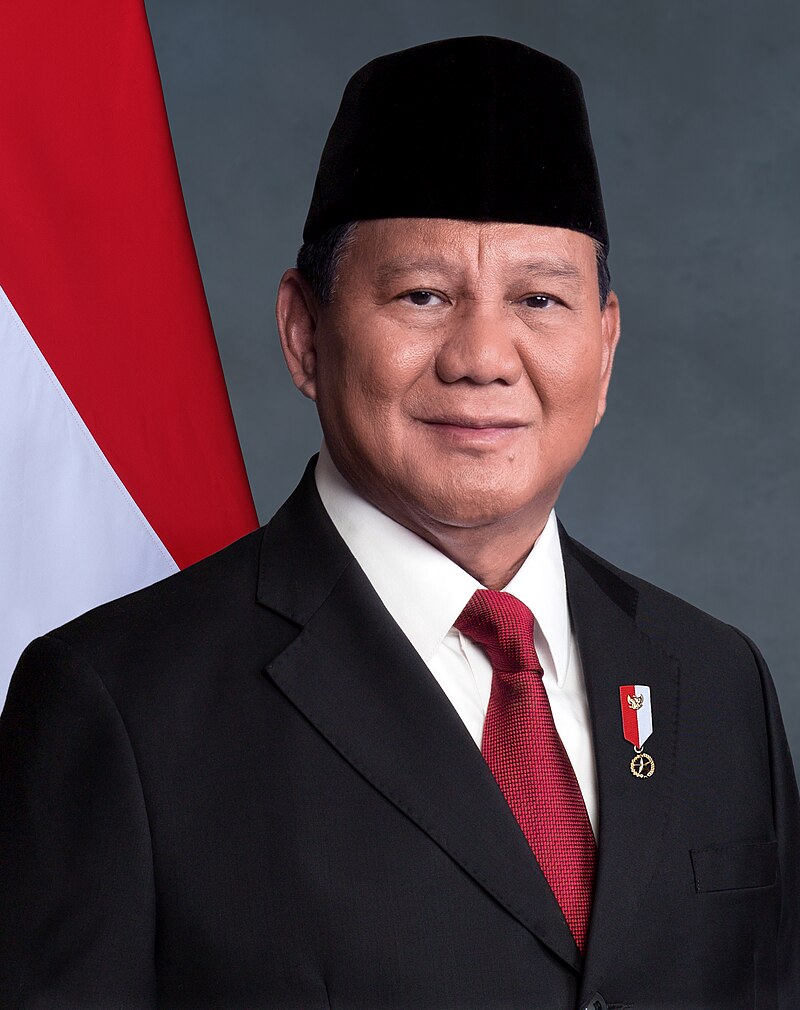

Paul Romer is a Nobel Prize-winning economist recognized for integrating technological innovations into long-term macroeconomic analysis.
Entrevista a Paul Romer Nobel de Economia sobre IA en Convencion Asobancaria Colombia· 2025-06-06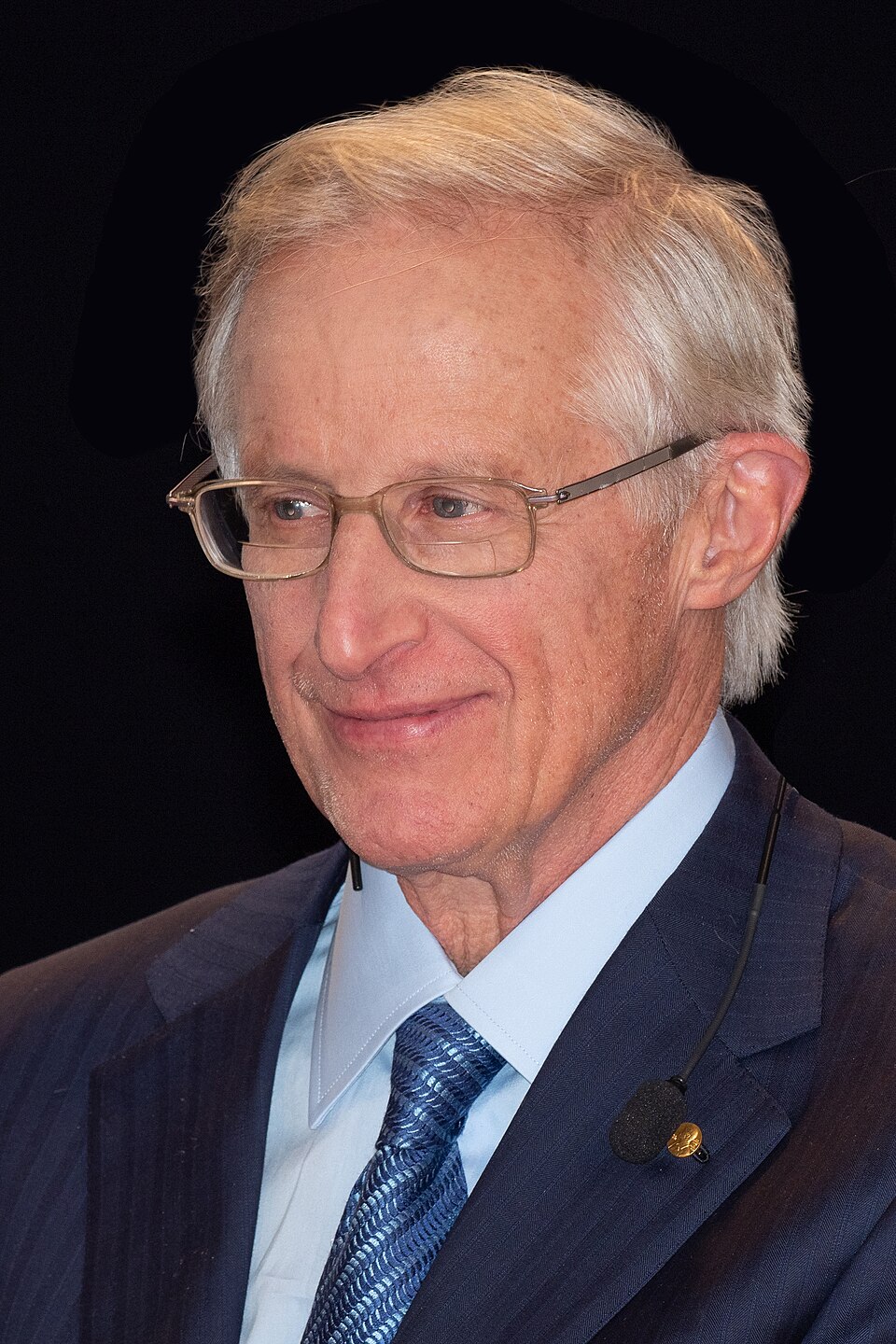
Paul Romer is a Nobel Prize-winning economist who will be a speaker at the Convención Bancaria.
Inclusión crediticia superará el 60 por ciento, anuncia Asobancaria / Entrevista de Yamid AmatColombia· 2025-05-18


Nobel Prize-winning economist Paul Romer settled the debate over long-run growth determinants in favour of human capital.
Minerals and national wealth - Newspaper Pakistan· 2025-04-30

Nobel Prize-winning economist Paul Romer settled the debate over long-run growth determinants in favour of human capital.
Minerals and national wealth - NewspaperPakistan· 2025-04-30Romer initially supported Próspera but now believes its approach is inadequate for transforming Honduras.
Próspera, la isla libertaria de Honduras cuyo autogobierno amenaza con llevar al país a la quiebra Uruguay· 2025-02-23