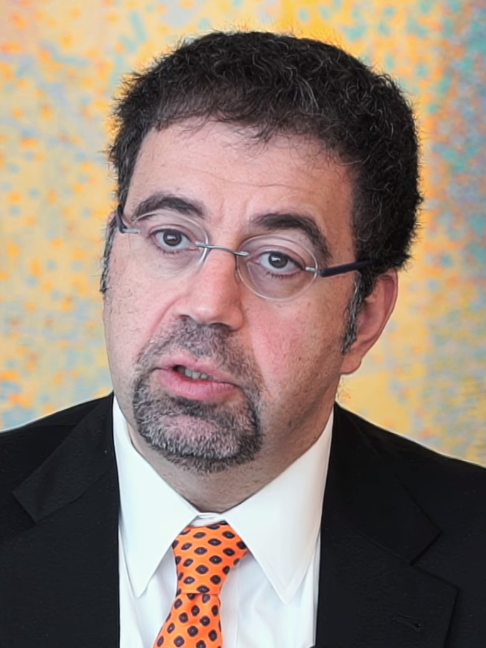
Daron Acemoglu
 SwitzerlandeconomistMaleb. 19675.0Global Dominance: 0.00%
Daron Acemoglu is a prominent economist known for his extensive research on the factors that lead to economic disparities among nations. Born in Istanbul to Armenian parents, he has made significant contributions to the understanding of political economy and institutional economics. He co-authored the influential books 'Why Nations Fail' and 'The Narrow Corridor,' which explore the relationship between institutions, economy, and society. A professor at the Massachusetts Institute of Technology (MIT) since 1993, Acemoglu was awarded the Nobel Prize in Economic Sciences in 2024. Recently, he has been in the news for warning about the decline of trust in Western democracies and the growing polarization exacerbated by social media.
Country presence
Recent news mentions
Daron Acemoglu presents a working paper linking automation to autocracy and inequality.
Mit KI steuert die Menschheit auf Neuland zu, wie dieses aussieht, weiss niemandSwitzerland· 2026-09-19




Daron Acemoglu issued a public challenge to Elon Musk regarding his wealth and philanthropy.
'Donate your $1 trillion fortune by 2036': Nobel economist challenges Elon Musk after his 'money won't matter' prediction | World News India· 2026-07-29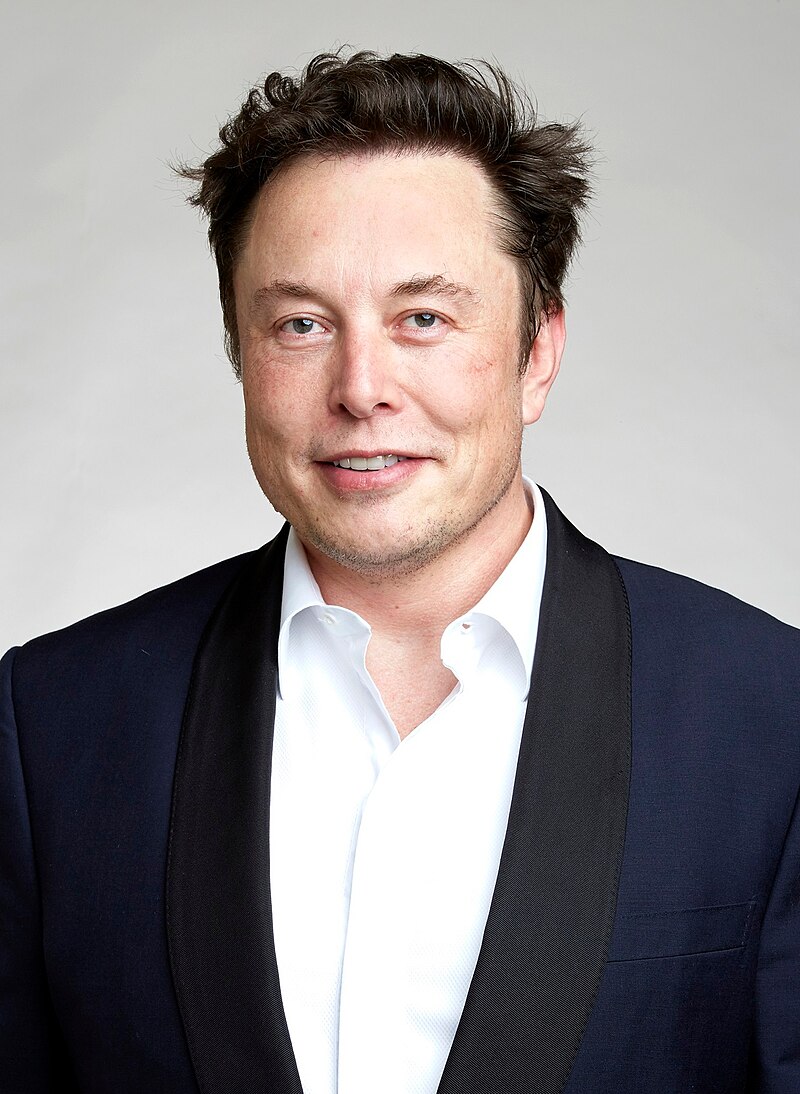


Daron Acemoglu, the Nobel prize-winning economist, noted that insiders still believe artificial general intelligence is around the corner.
The AI jobs apocalypse probably isn’t coming anytime soon | Eduardo Porter United Kingdom· 2026-07-25

Daron Acemoglu's work is cited regarding the factors that contribute to the success or failure of nations.
Nasionalisme Ekonomi yang Rapuh Indonesia· 2026-07-21
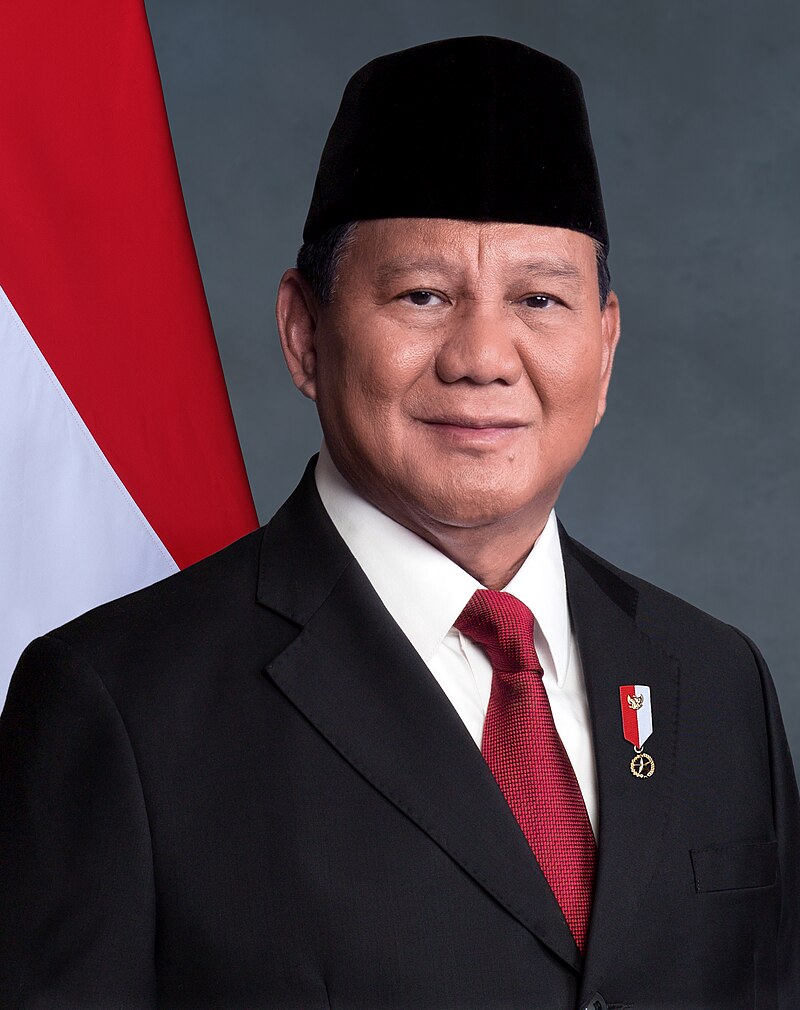


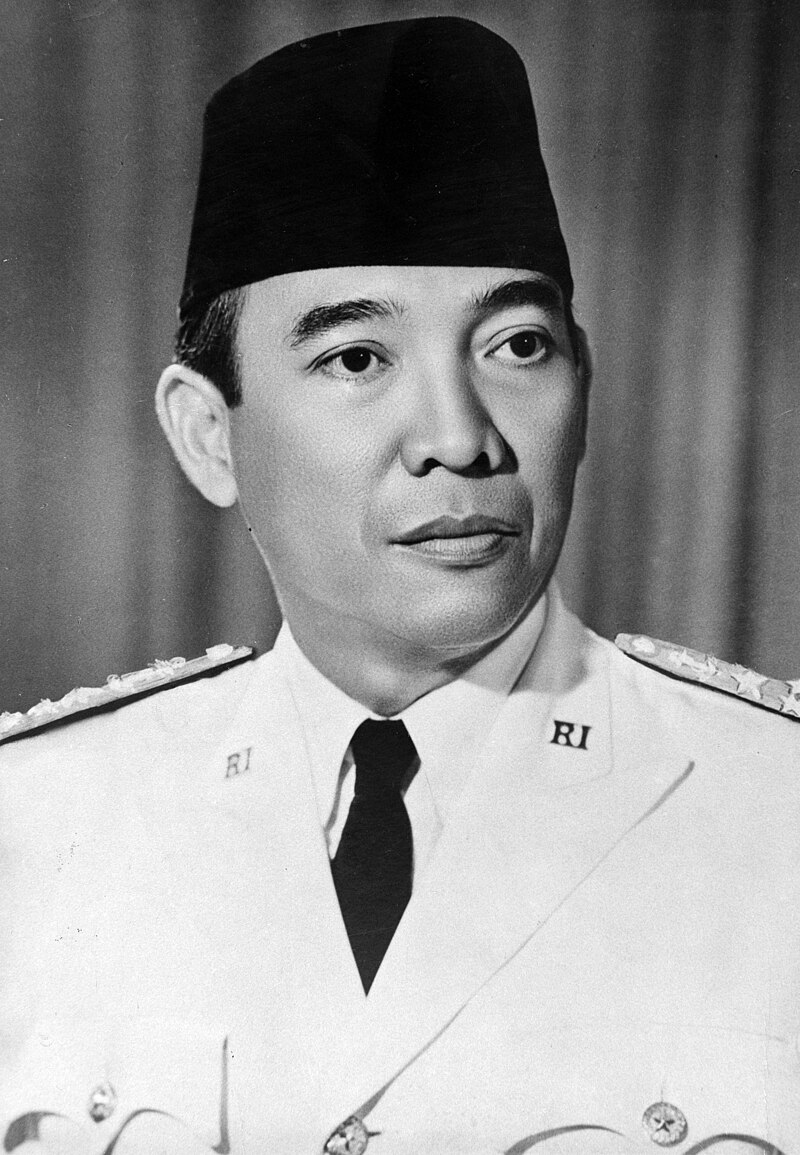
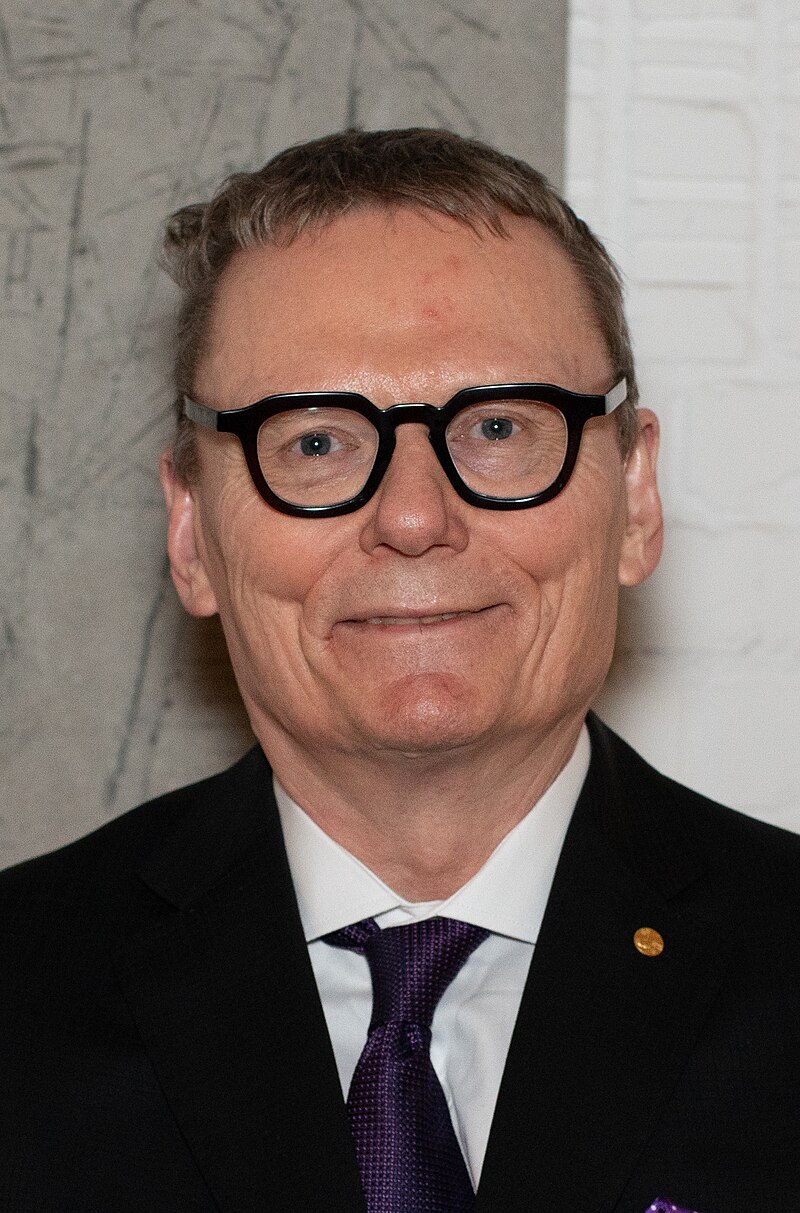
Daron Acemoglu is a Nobel Prize-winning economist who offers a different interpretation of declining birth rates.
Спад рождаемости может стимулировать экономический рост Belarus· 2026-07-15

Daron Acemoglu is an MIT professor and Nobel laureate who previously published a paper skeptical of the AI hype.
200 Ökonomen und Tech-Experten warnen vor RisikenSwitzerland· 2026-07-14
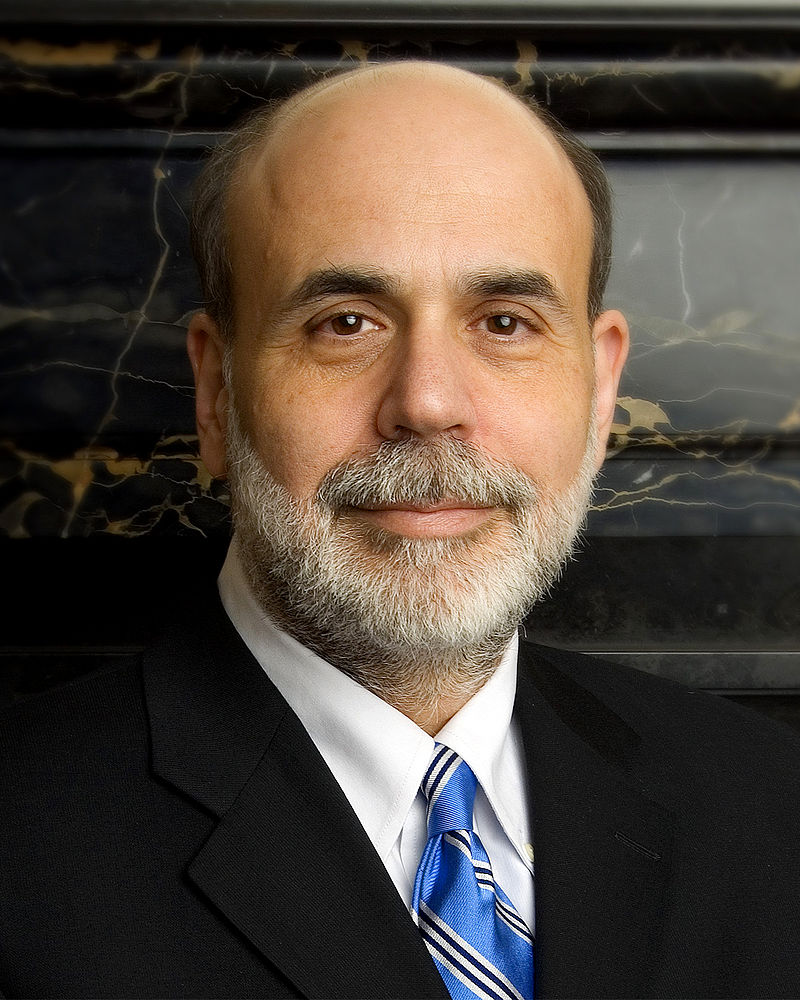

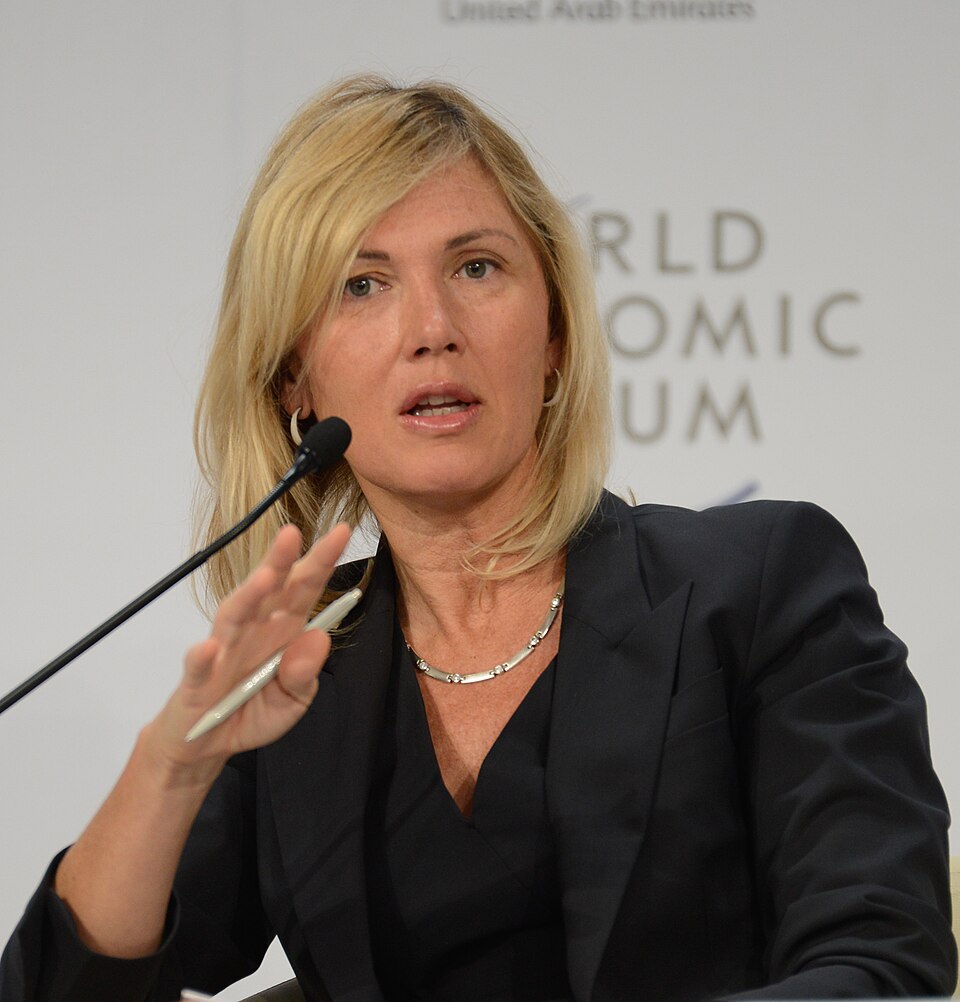

Daron Acemoglu warns that automation can replace certain tasks and increase inequalities if economies do not adapt.
La próxima reforma laboral de Costa Rica la está escribiendo la inteligencia artificial Costa Rica· 2026-07-07

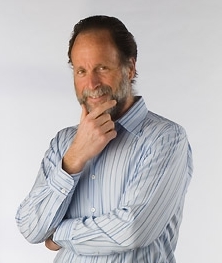

Daron Acemoglu is one of the authors of the book 'Why Nations Fail'.
”Redaksi Yth”: Membaca ”Why Nations Fail”Indonesia· 2026-07-06
Daron Acemoglu is a Nobel Prize-winning economist and a professor at MIT.
Gleichheit und Patriotismus – die Fussball-WM als Antidot gegen ExtremismusSwitzerland· 2026-07-04
Daron Acemoglu's concept of inclusive economic institutions is referenced in the context of reducing poverty.
Un Julio Velarde en el Midis, por Omar Mariluz Laguna Peru· 2026-06-21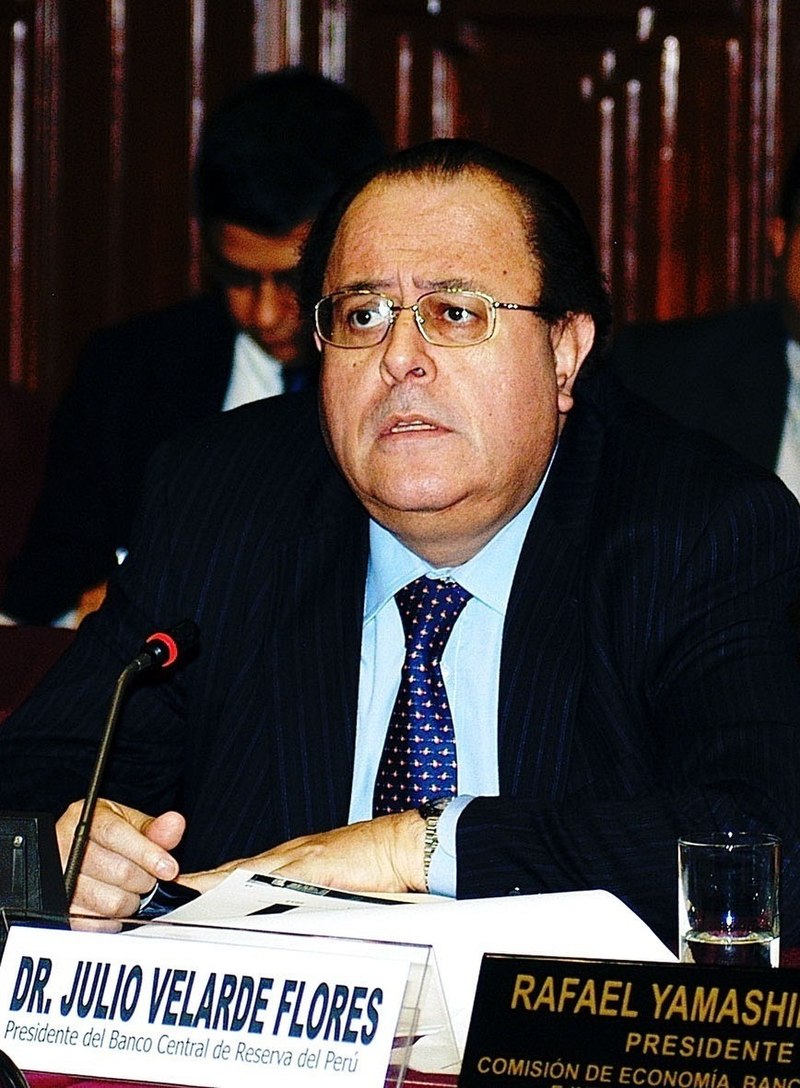

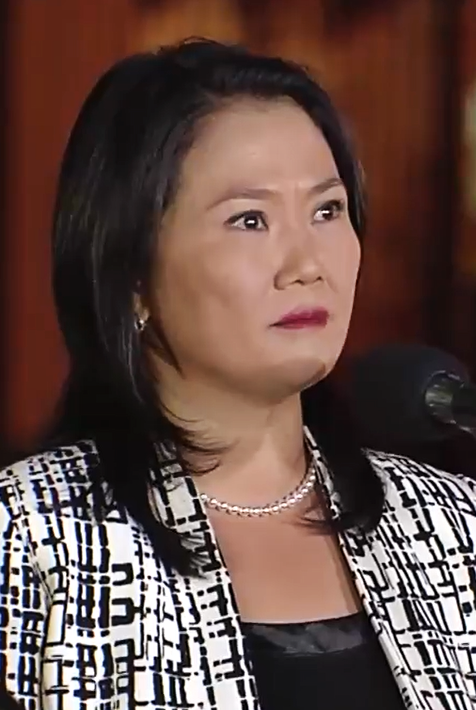


Daron Acemoglu and James Robinson stated that sustainable economic development requires inclusive institutions, not just an active state.
Melebihkan Kegagalan Pasar, Melupakan Kegagalan NegaraIndonesia· 2026-06-02

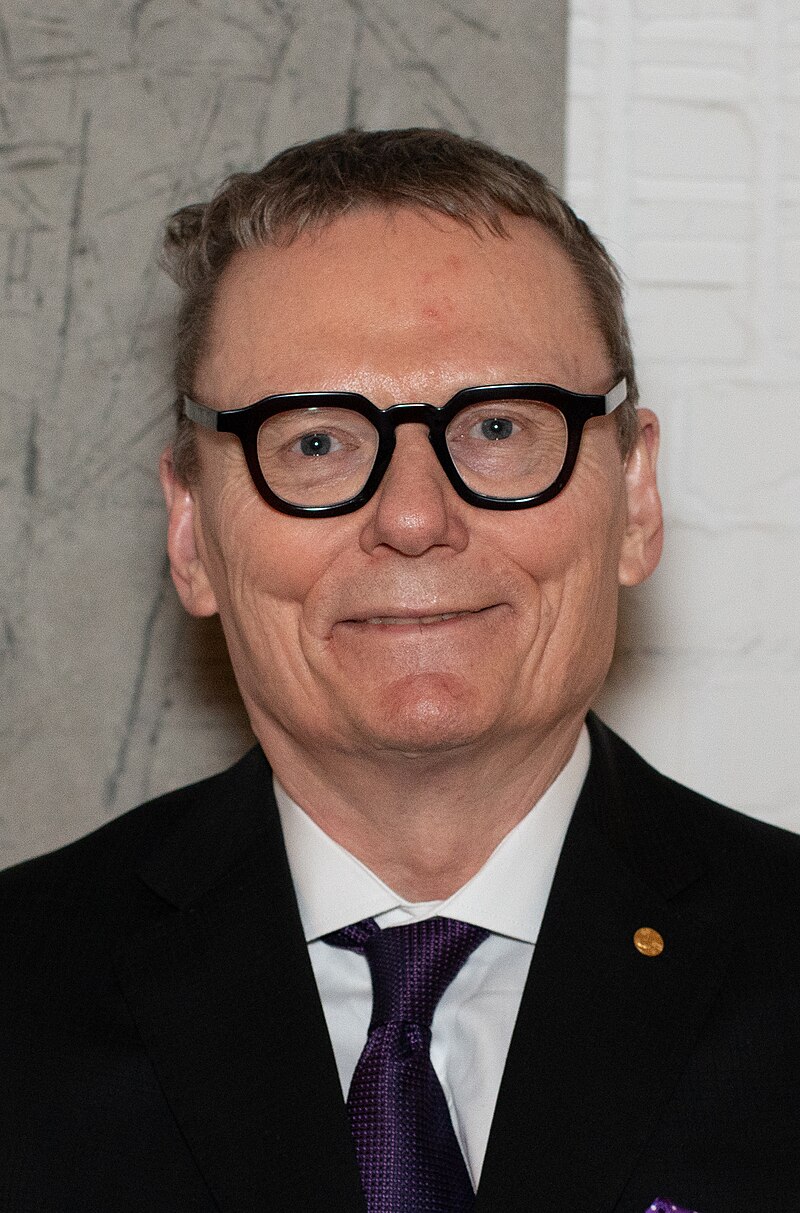

As Nobel prize winning economist Daron Acemoglu wrote: 'The handful of people unleashing this technology on the world are guided by an ideology of control (over humanity) and by a conviction that machines are uniformly better than humans.'
Our tech overlords are planning for conscious AI to conquer the cosmos. What could go wrong? | TechnologyUnited Kingdom· 2026-05-31



Daron Acemoglu is mentioned for his views on the importance of inclusive institutions for economic success.
L’autoritarismo «astuto»: come fa la Cina a essere leader mondiale di innovazione nonostante la repressione Italy· 2026-02-16
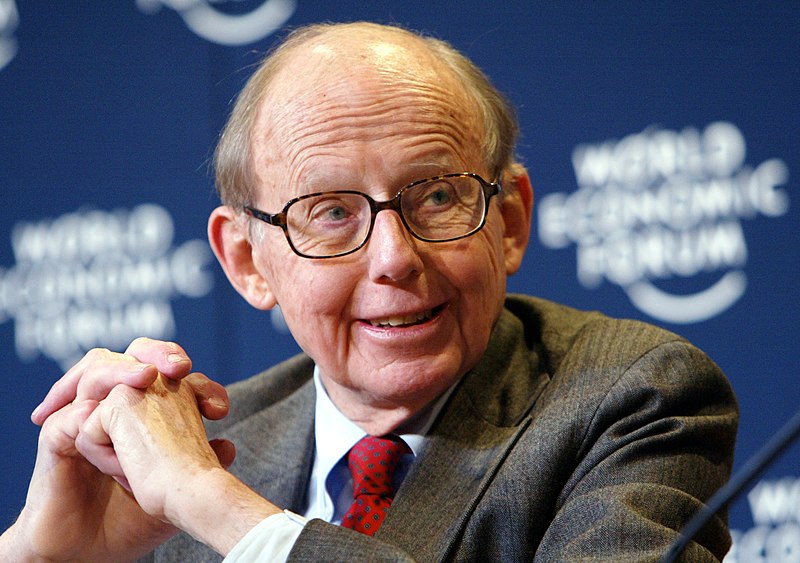




Daron Acemoglu is a Nobel Prize-winning economist from MIT referenced in the article.
Oriente Occidente di Rampini | Il capitalismo è cambiato: tecnologie e rapporto capitale-lavoro, ecco l'origine delle nuove diseguaglianzeItaly· 2026-02-14
Daron Acemoglu from the Massachusetts Institute of Technology collaborated with Pascual Restrepo on the impact of automation on labor's share.
такая теперь экономика, и будет ещё хуже (или лучше?)Belarus· 2026-02-14

Daron Acemoglu is referenced for his insights on the failures of nations reliant on resources.
لعنة الموارد وتزييف الوعي الجمعي Iraq· 2026-02-10



Daron Acemoglu's work in 'Power and Progress' discusses the lessons learned from various countries regarding democracy.
Entropi Demokrasi MesianismeIndonesia· 2026-02-08

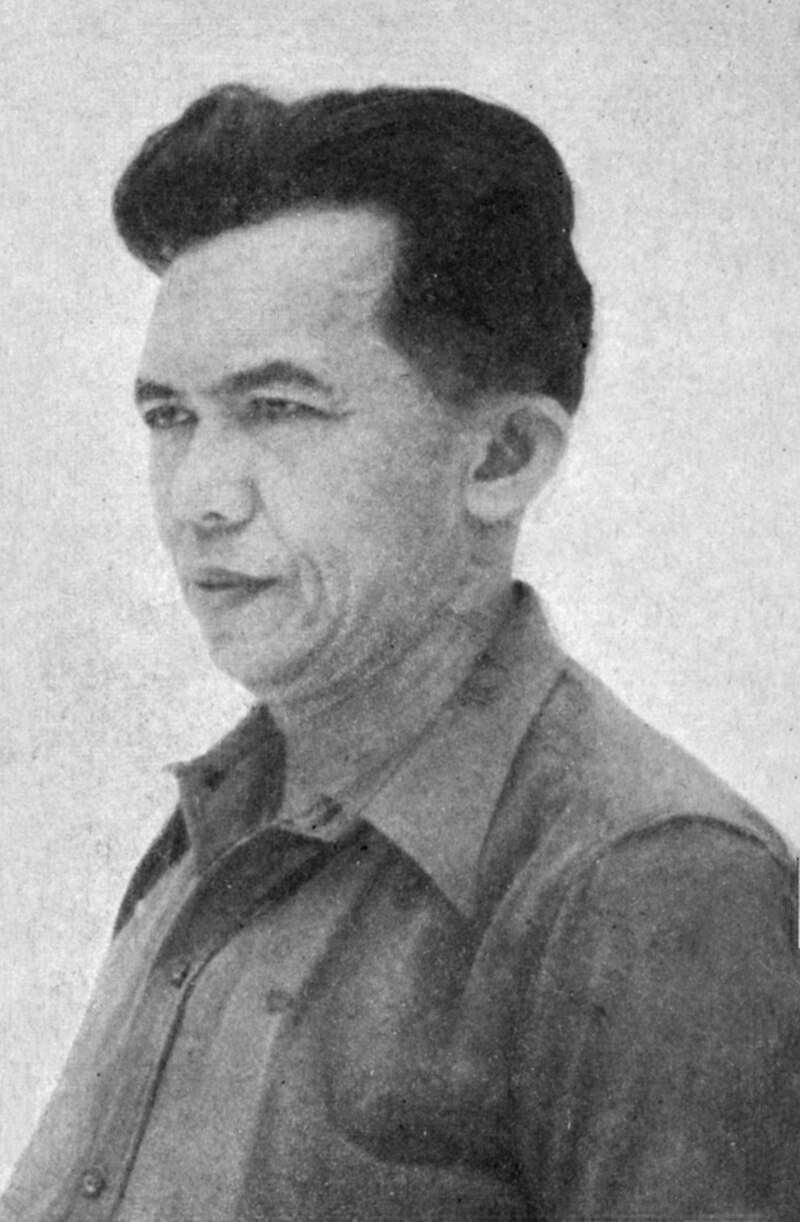
Daron Acemoglu's work in 'Power and Progress' discusses the lessons learned from various countries regarding democracy.
Entropi Demokrasi MesianismeIndonesia· 2026-02-08Daron Acemoglu is a Nobel laureate in Economics who signed the letter supporting the tax proposal.
El debate | ¿Hay que establecer un impuesto especial a los ultrarricos? | Opinión Spain· 2026-02-04
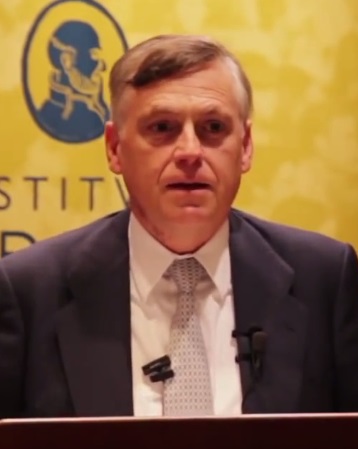
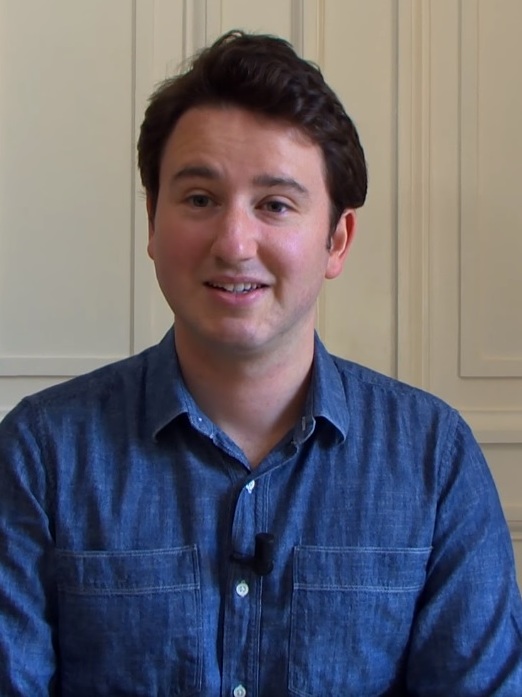
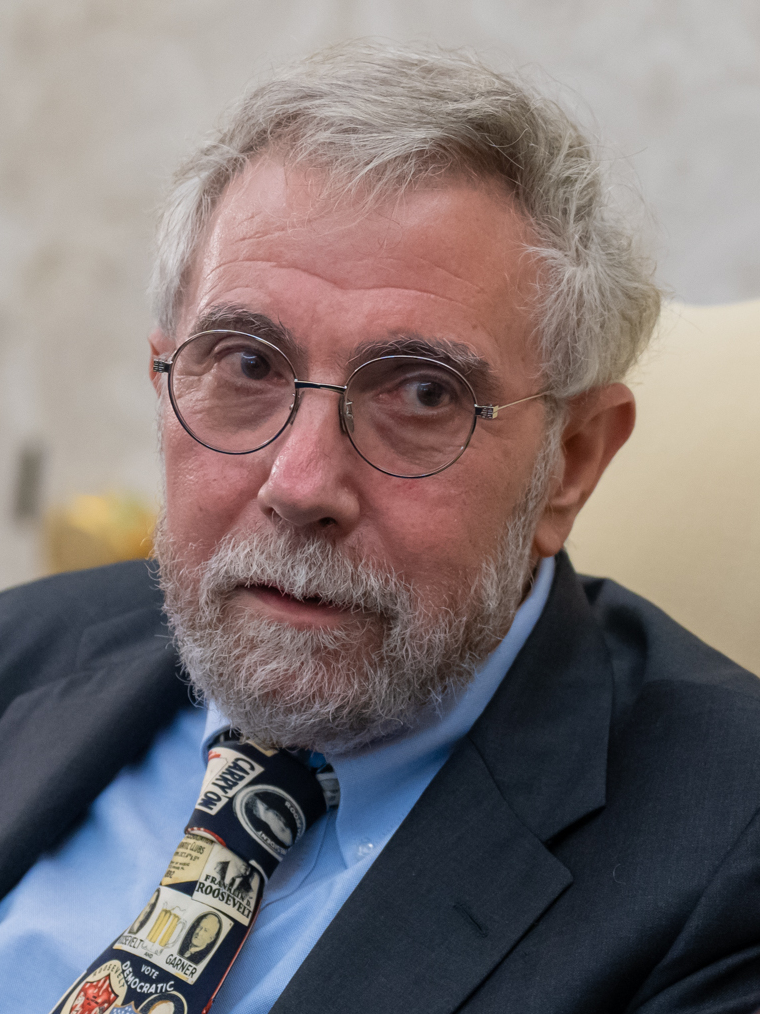
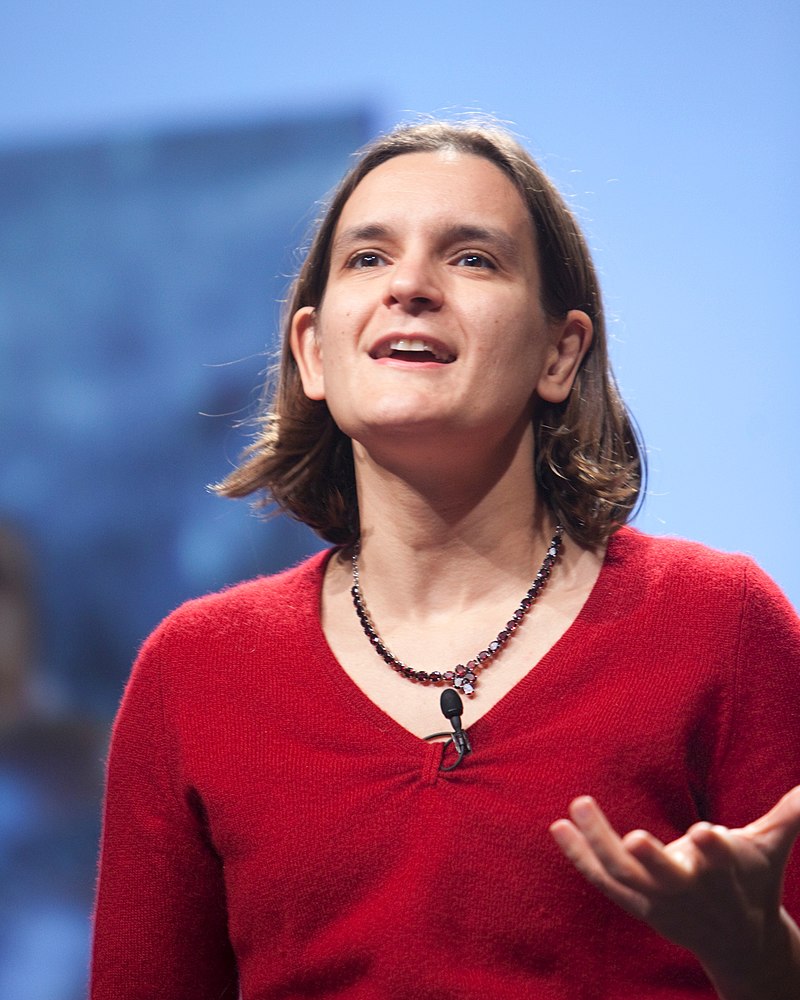
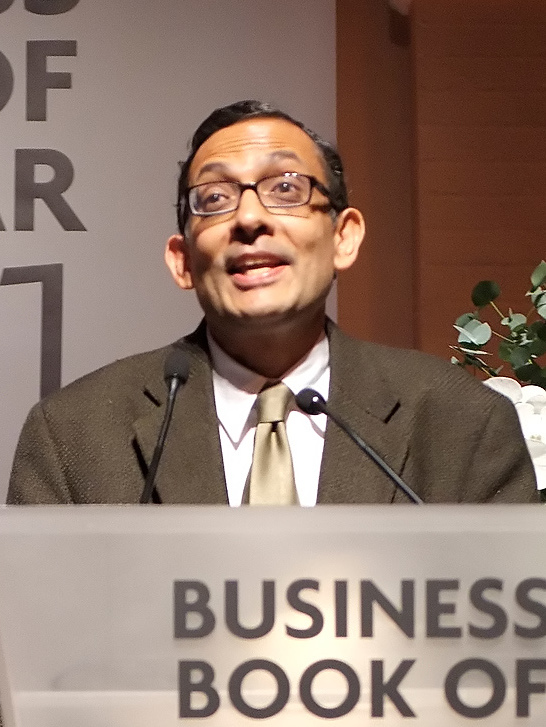
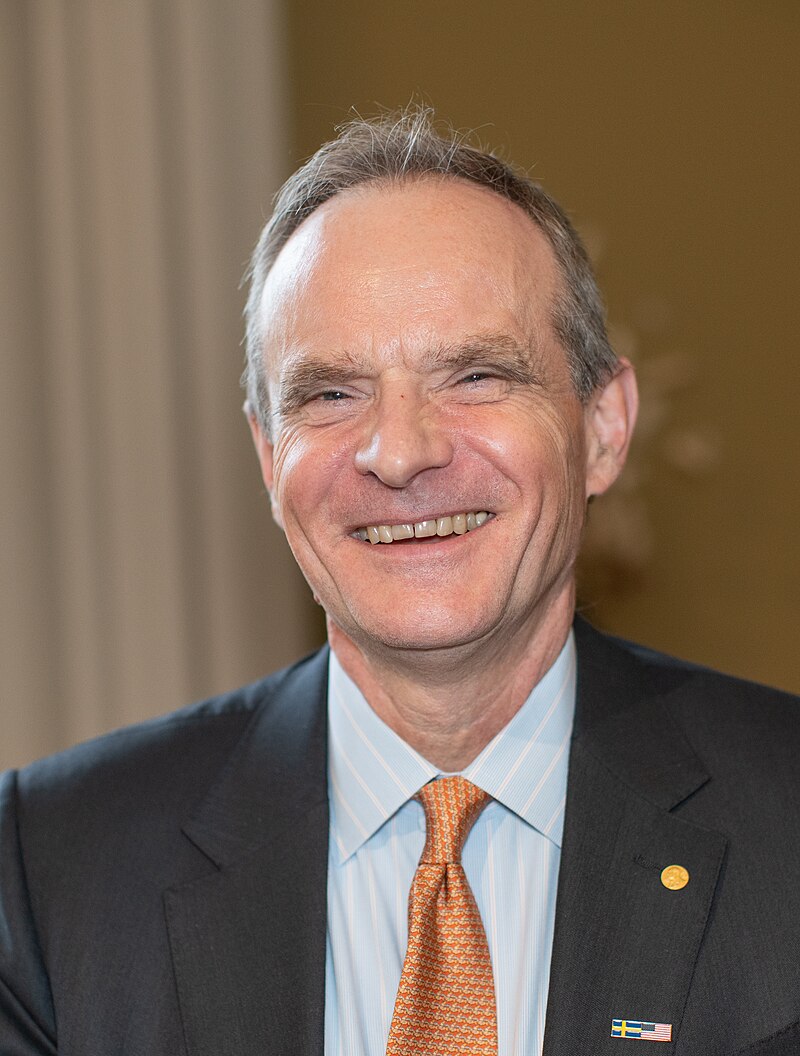


Daron Acemoglu is one of the authors of the well-known book 'Why Nations Fail'.
Олег Вьюгин рассказал, что почитать для «широкого» взгляда на экономику — РБК Russia· 2026-01-25
Mora references the contributions of Daron Acemoglu in his analysis of macroeconomic stability.
Paraguay, con piso macroeconómico firme, pero con deuda en desarrollo - Economía Paraguay· 2025-12-26

Daron Acemoglu is mentioned in relation to his book 'Why Nations Fail' discussing critical junctures in nations.
The Liberia We Want | Commentaries Liberia· 2025-12-25

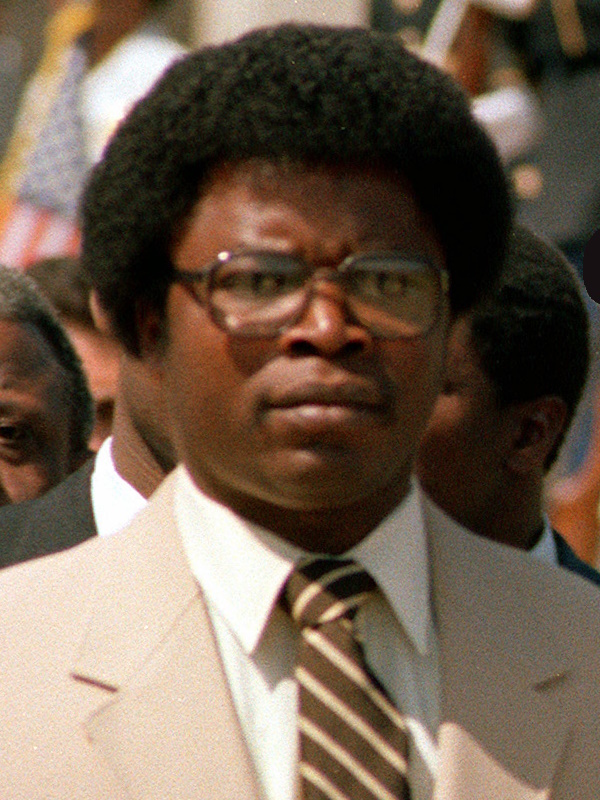
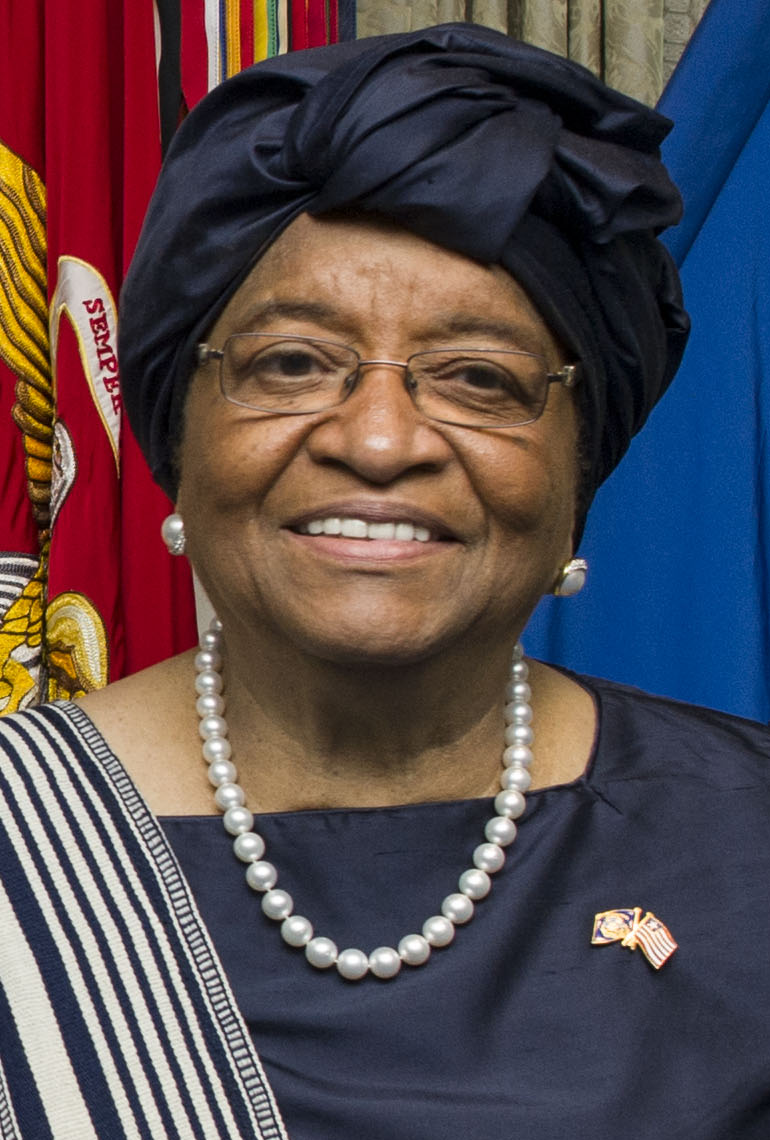

Daron Acemoglu argues that the role of technology in society is determined by politics.
Bruken av sosiale medier faller drastisk blant unge Norway· 2025-12-15

Daron Acemoglu is the most cited economist of his generation and won the Nobel Prize in 2024.
Los 10 pensadores tecnológicos más influyentes del mundo | IdeasSpain· 2025-12-14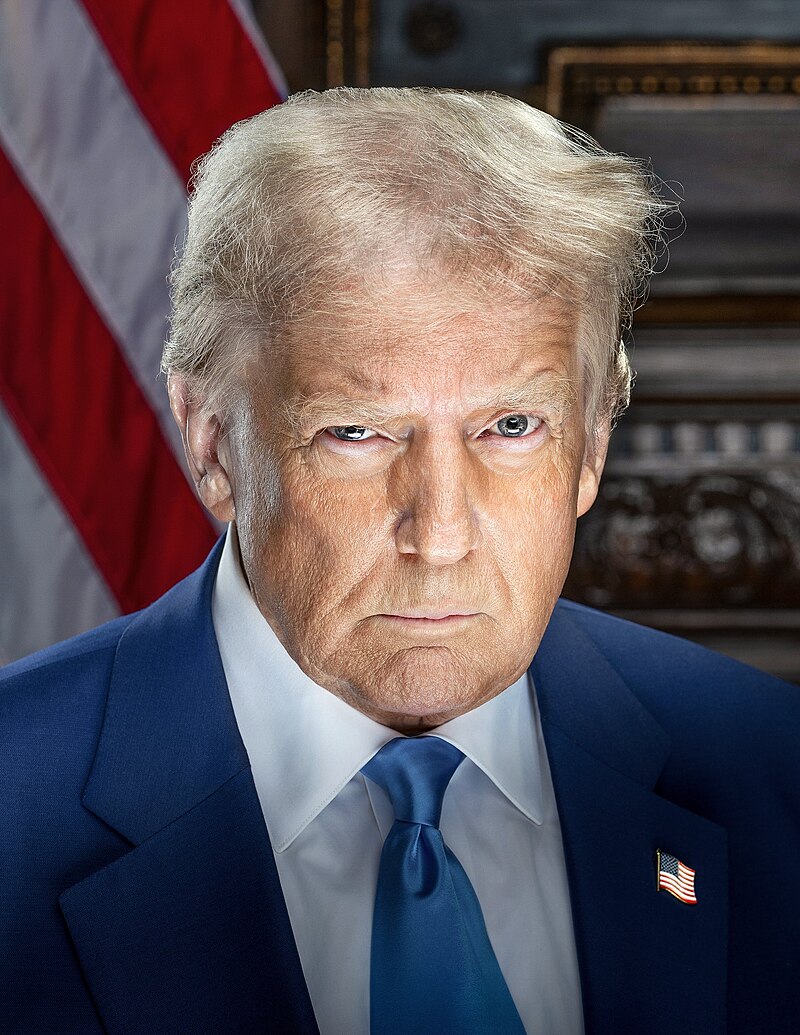
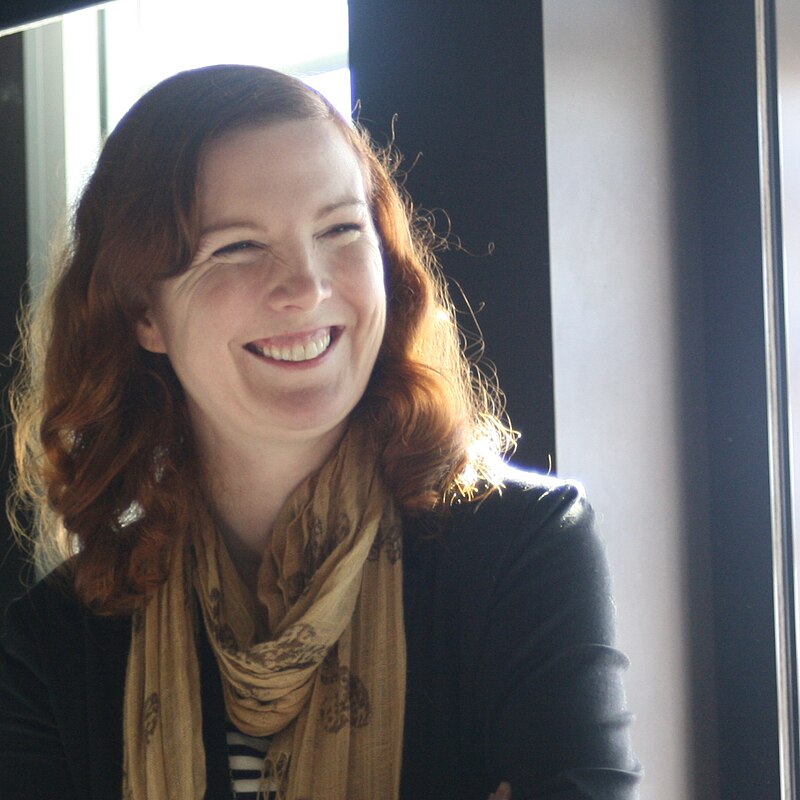


Daron Acemoglu is one of the Nobel Prize winners in Economics who has extensively written about AI's impact on employment.
Premios Nobel de Economía piden a gobiernos intervenir para evitar que la IA agrave la desigualdad en empleosCosta Rica· 2025-12-07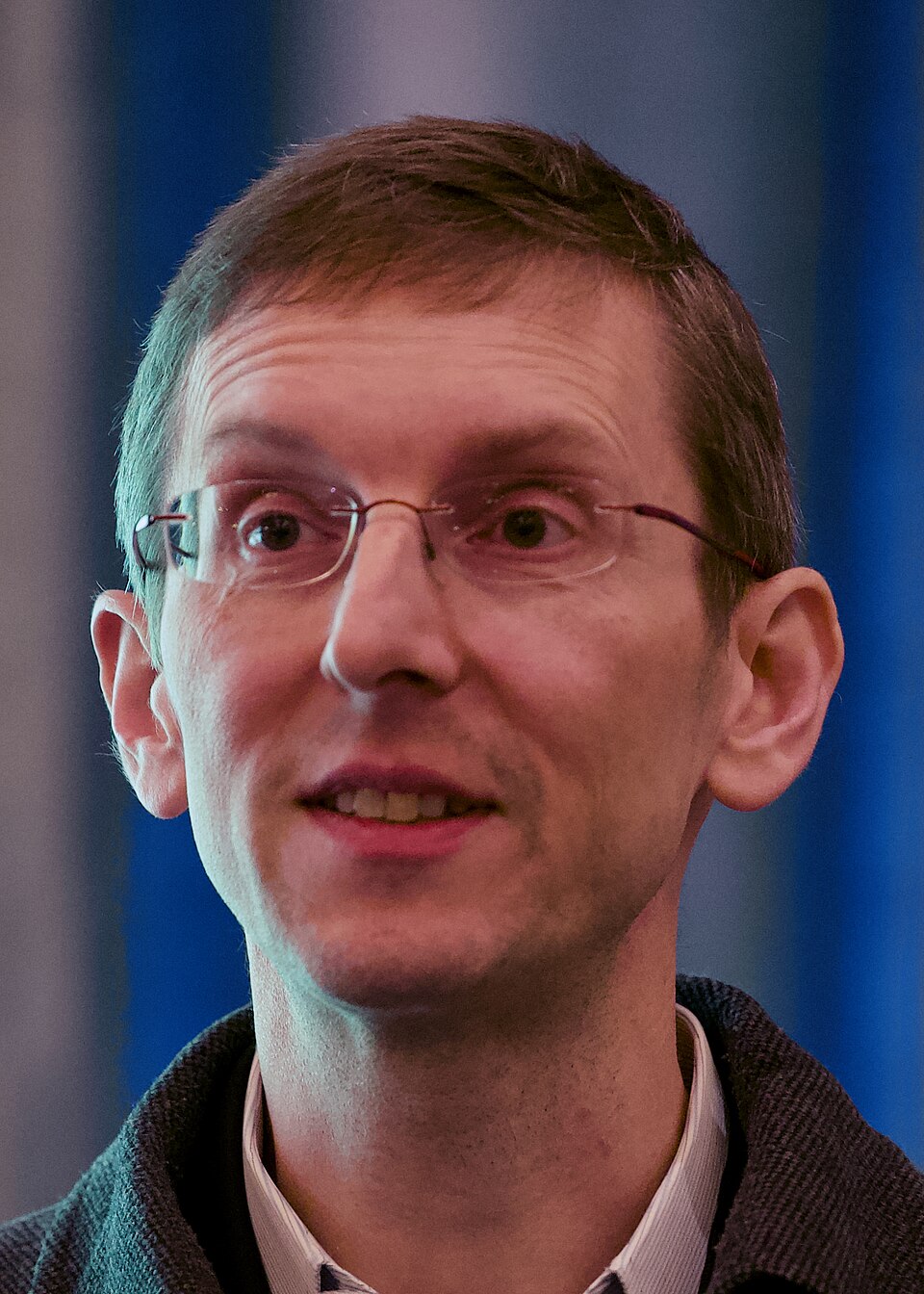
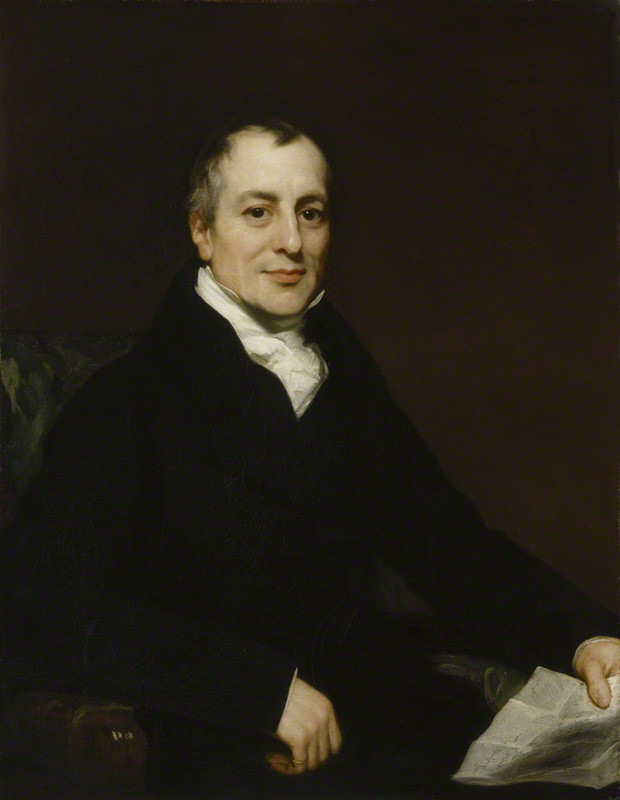

Daron Acemoglu discusses the realities of economic behavior in his recent article.
La plata dulce para pedir prestado está, ¿y la plata en mano para llenar el changuito? Argentina· 2025-12-03


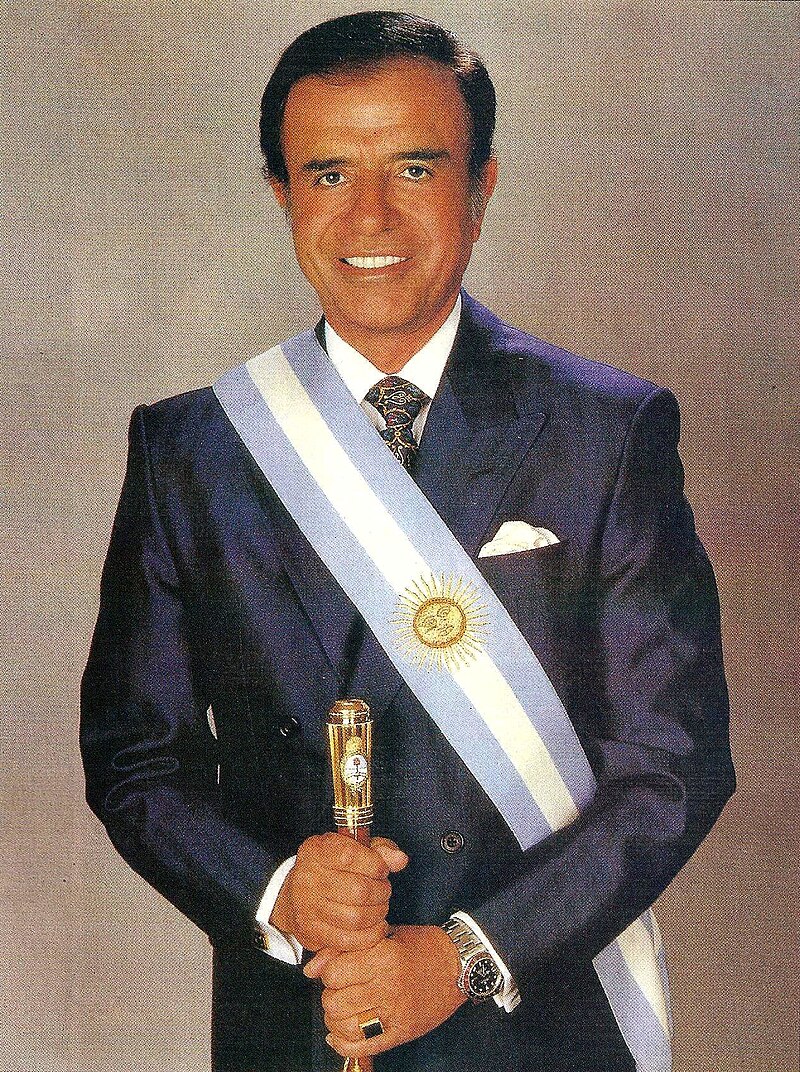
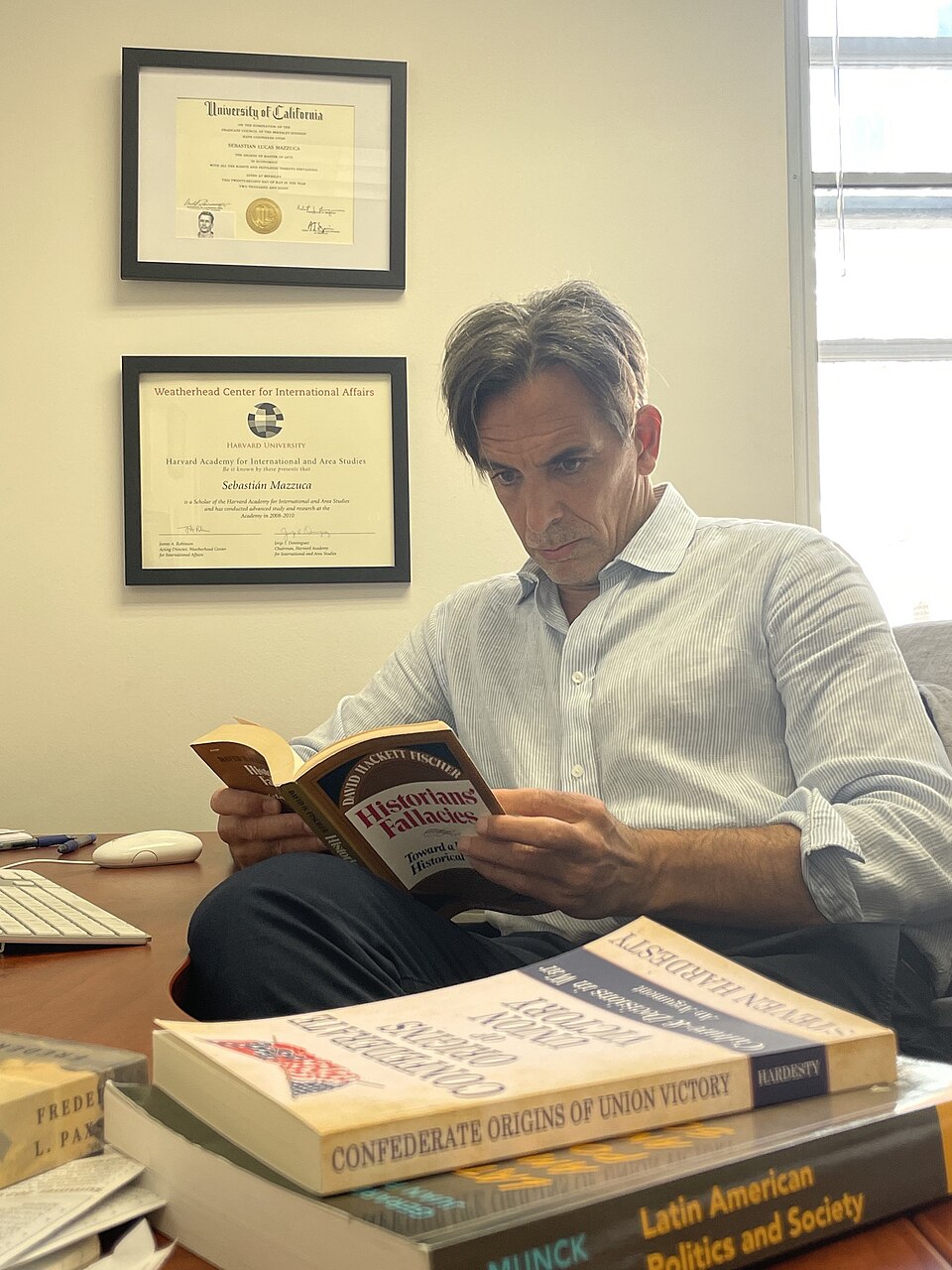
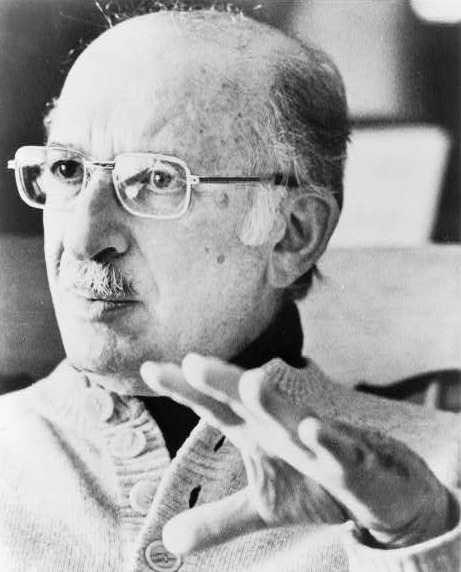

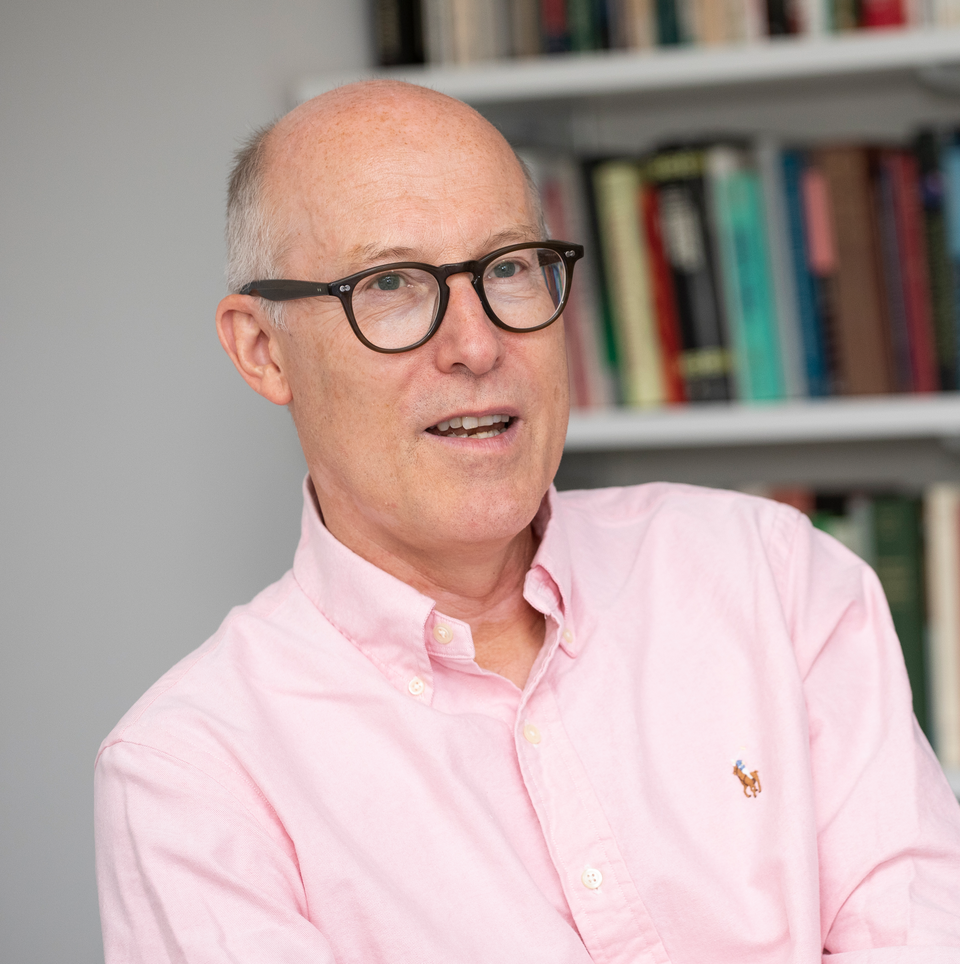

Daron Acemoglu is one of the 2024 Nobel Prize winners in economics who has shown how democratic governance enhances innovation.
What democracy means for a society’s bottom line Guyana· 2025-11-13
Acemoglu reminds us that the true challenge is not in adopting technology, but in guiding it.
Cabo Verde, Uma Data Island No Atlântico Cabo Verde· 2025-11-10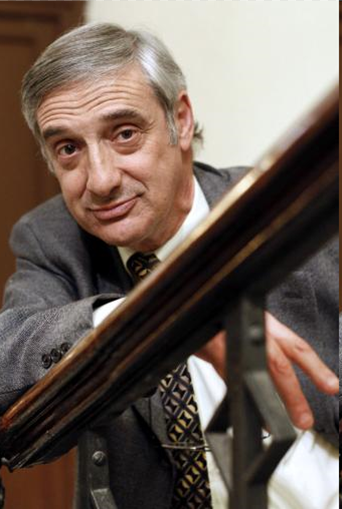

Daron Acemoglu, along with his colleagues, refers to the Argentine case in their book 'Why Nations Fail'.
Cristina, Milei y un índice que debería preocuparArgentina· 2025-11-10

Daron Acemoglu, a Nobel laureate, believes that the productivity gains from AI are overestimated.
Blase bei KI-Investitionen? Vanguard-Chefökonom warnt vor KorrekturSwitzerland· 2025-10-27