George Akerlof
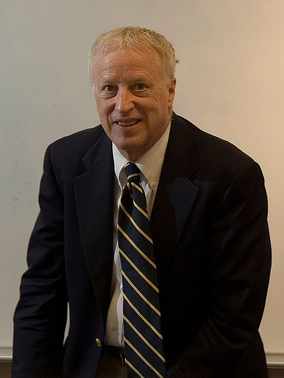
George Akerlof is an esteemed economist and Nobel laureate, best known for his contributions to the understanding of information asymmetry in markets. His research has also touched on the interplay between economic factors and social behaviors, including the relationship between contraception and marriage.
Not in the pool (under ¢1).
Recent news mentions
George Akerlof is a Nobel laureate in Economics who supports the tax proposal.
El debate | ¿Hay que establecer un impuesto especial a los ultrarricos? | Opinión Spain· 2026-02-04
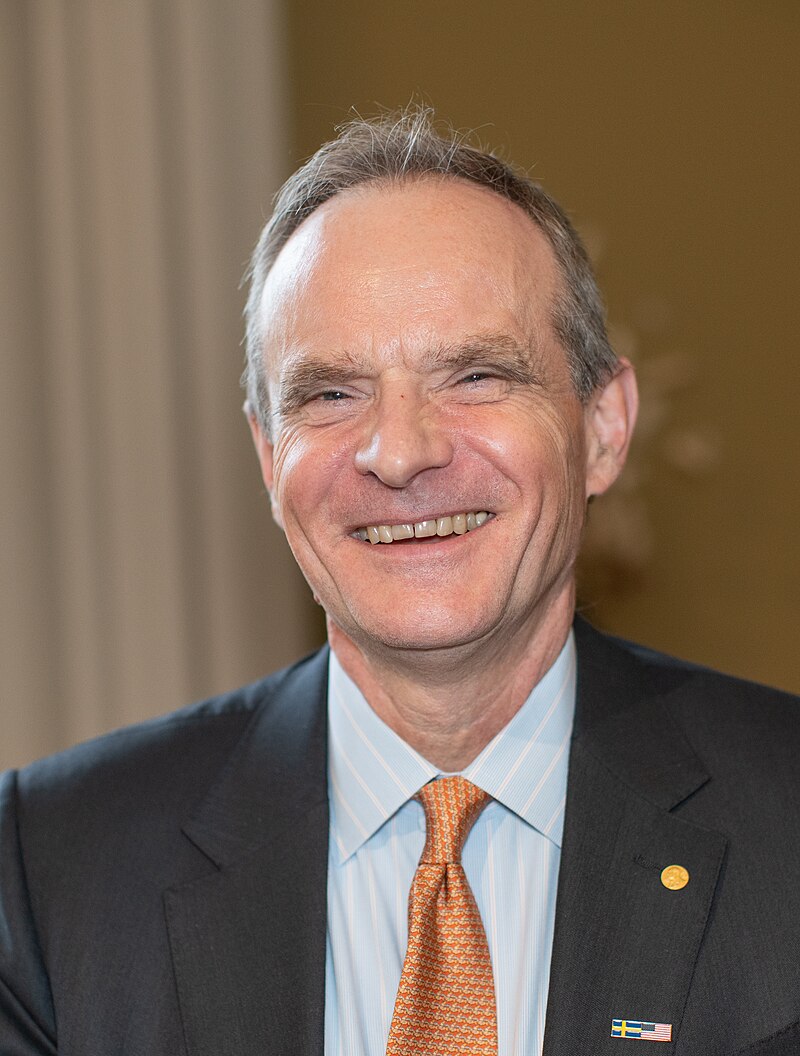
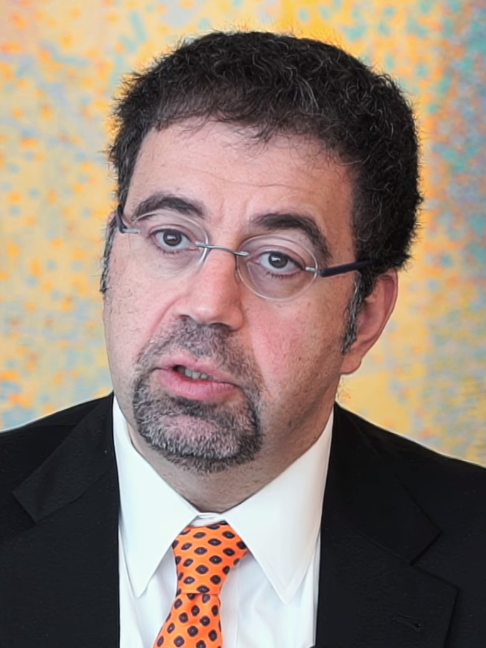
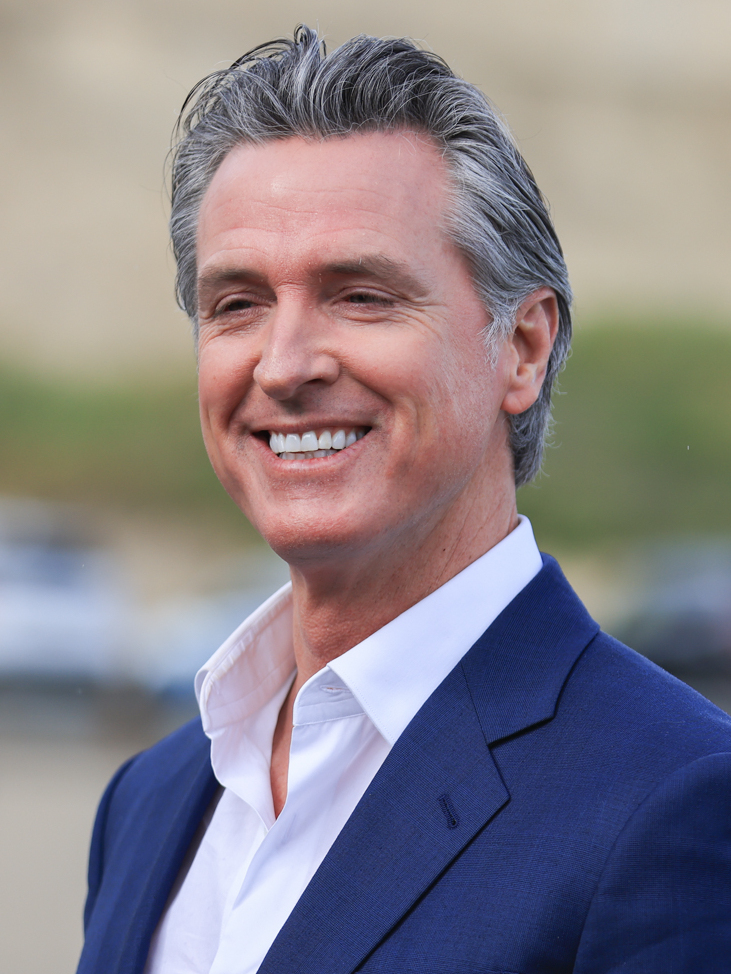

George Akerlof explained that in the used car market, sellers always know more about the condition and 'hidden information' of the cars being sold compared to buyers.
Asimetri 2.0, Ketika Masyarakat Sangat Memercayai Mesin Indonesia· 2025-11-29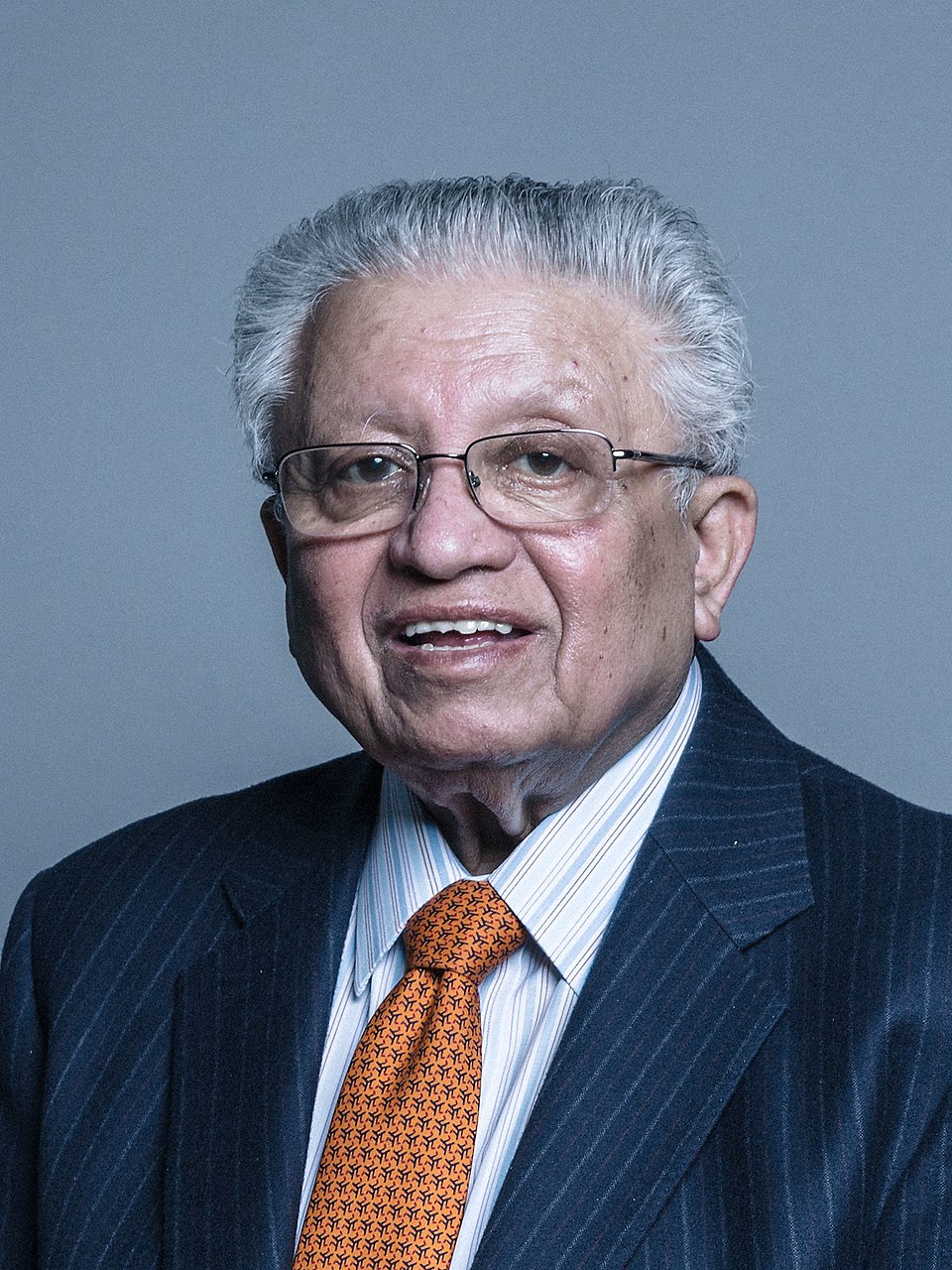

George Akerlof is a Nobel Prize-winning economist who shared an anecdote about procrastination.
Los premios nobel también procrastinan: por qué insistimos en dejar para mañana lo que podemos hacer hoy Costa Rica· 2025-11-20

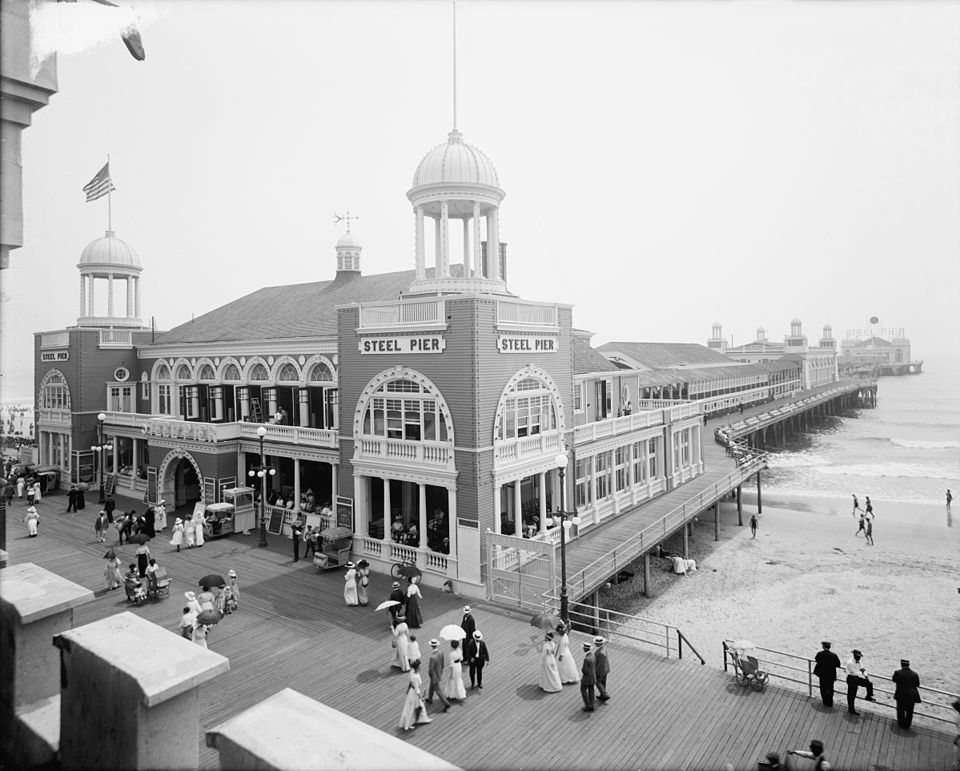
Nobel laureate George Akerlof demonstrated in a 1970 study that buyers struggle to distinguish between well-maintained vehicles and those with hidden defects.
Boj med kupci in podjetji v areni umetne inteligence Slovenia· 2025-11-11
George Akerlof shared the Nobel Prize in Economics with Joseph Stiglitz for their analyses of markets with asymmetric information.
Nobelpreisträger Stiglitz im Interview zu Trump, Zöllen, Demokratie, Fed, Wahlen Switzerland· 2025-09-06
George Akerlof is referenced for his work on information asymmetry in markets.
« Restreindre l’installation de nouveaux restaurants risque de scléroser le secteur » France· 2025-08-28
George Akerlof is mentioned as a Nobel laureate supporting the call for a wealth tax.
«Tassare gli ultraricchi»: un 40enne geniale e 7 Samurai dell’uguaglianza rilanciano l’idea della patrimoniale Italy· 2025-07-10
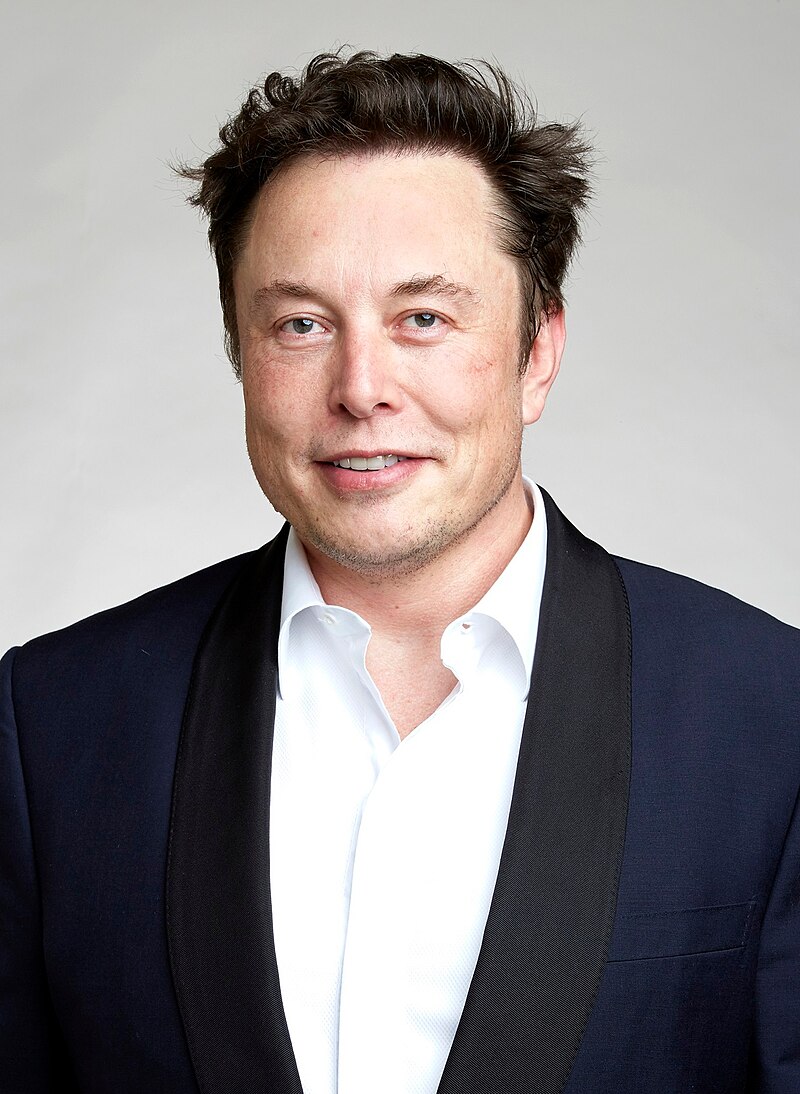
George Akerlof is a Nobel Prize-winning economist from Georgetown University supporting the wealth tax.
« Avec l’impôt sur les ultrariches, la France peut montrer la voie au reste du monde » : le plaidoyer de sept Prix Nobel d’économie pour la taxe ZucmanFrance· 2025-07-07George Akerlof is a co-recipient of the Nobel Prize in Economics with Joseph Stiglitz.
«Trump zerstört gerade die Grundlagen unserer Innovationskraft»Switzerland· 2025-06-13
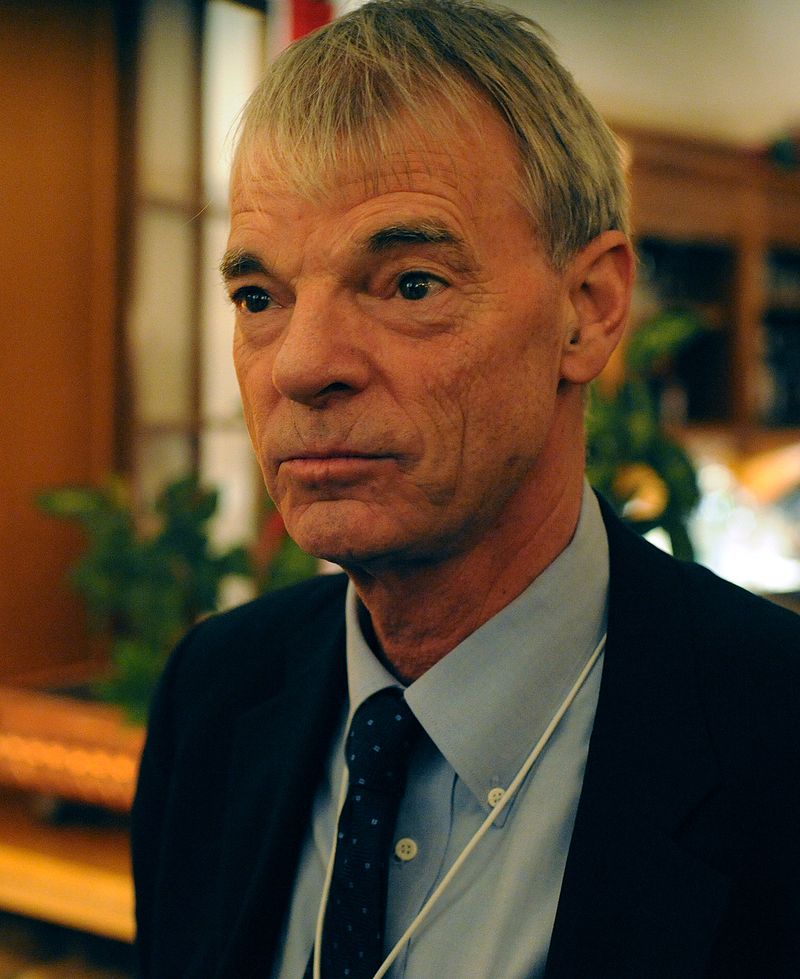
George Akerlof is a Nobel Prize-winning economist known for his insights on economic transparency.
Tasse più alte e caro-bollette? Cosa c’entra il «segreto di Akerlof» sulle auto usate e cosa rivelaItaly· 2025-06-02

George Akerlof is a Nobel Prize-winning economist known for his work on asymmetric information in markets.
el valor de la información (privilegiada) según la lección de un Nobel Argentina· 2025-04-12

George Akerlof discovered that the use of contraception has separated sex from marriage.
Nguyên nhân người Mỹ ngày càng khó kết hôn Vietnam· 2025-02-10