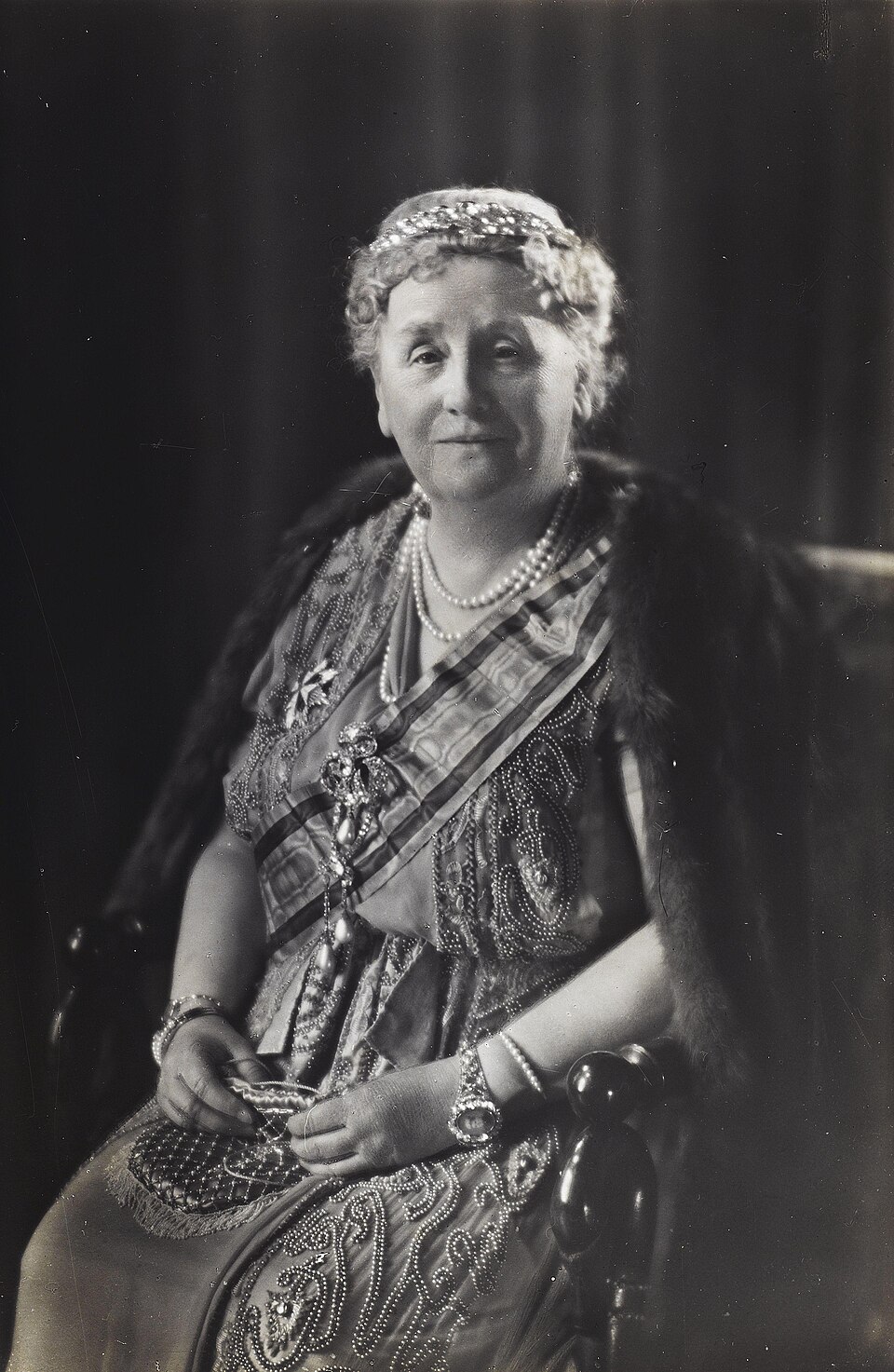
Queen Wilhelmina

Queen Wilhelmina of the Netherlands reigned from 1890 until her abdication in 1948, making her one of the longest-serving monarchs in European history. She is known for her strong leadership during World War I and II, as well as for her efforts to modernize the Dutch monarchy and promote social welfare. Her reign was marked by significant political and social changes, including the rise of the suffrage movement and the impact of the Great Depression. Wilhelmina also played a crucial role in the Netherlands' post-war recovery and the decolonization process. She is remembered as a symbol of Dutch resilience and national unity.
Born on Aug 31, 1880 (145 years old)
Global Media Ratings
Countries Mentioned
No country-level mention data available.
Interactive World Map
Each country's color is based on "Mentions" from the table above.
Recent Mentions
 United Kingdom:
At the draw for the 1928 Amsterdam Olympics, when Henry of Mecklenburg-Schwerin, the husband of Queen Wilhelmina of the Netherlands, pulled out his country to face the champions, Uruguay.
5
United Kingdom:
At the draw for the 1928 Amsterdam Olympics, when Henry of Mecklenburg-Schwerin, the husband of Queen Wilhelmina of the Netherlands, pulled out his country to face the champions, Uruguay.
5
 Estonia:
Queen Wilhelmina gifted a sword to Eisenhower in 1947.
5
Estonia:
Queen Wilhelmina gifted a sword to Eisenhower in 1947.
5