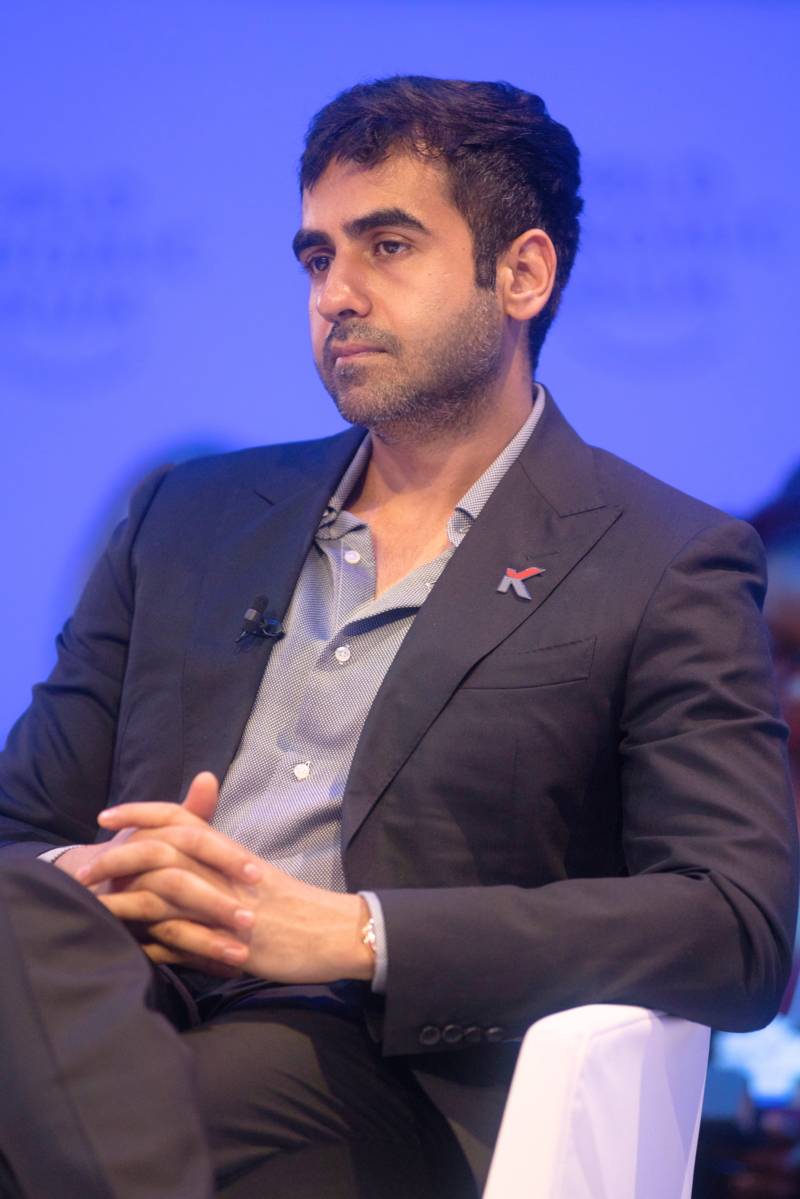
Subrahmanyan Chandrasekhar
Subrahmanyan Chandrasekhar was an Indian-American astrophysicist who received the Nobel Prize in Physics in 1983 for his work on the structure and evolution of stars. Born in 1910 in Lahore, British India, he made significant contributions to the understanding of stellar dynamics and the formation of black holes. His most notable achievement is the Chandrasekhar limit, which describes the maximum mass of a stable white dwarf star. Chandrasekhar's work laid the foundation for modern astrophysics and greatly enhanced our understanding of the life cycles of stars. He served as a professor at the University of Chicago and was influential in mentoring many future scientists. His legacy continues to inspire generations in the fields of physics and astronomy.
Not in the pool (under ¢1).
Recent news mentions
One of Musk's sons is named after the famous Indian physicist Subrahmanyan Chandrasekhar.
Musk’s race to the top: Meet my Indian family India· 2026-07-24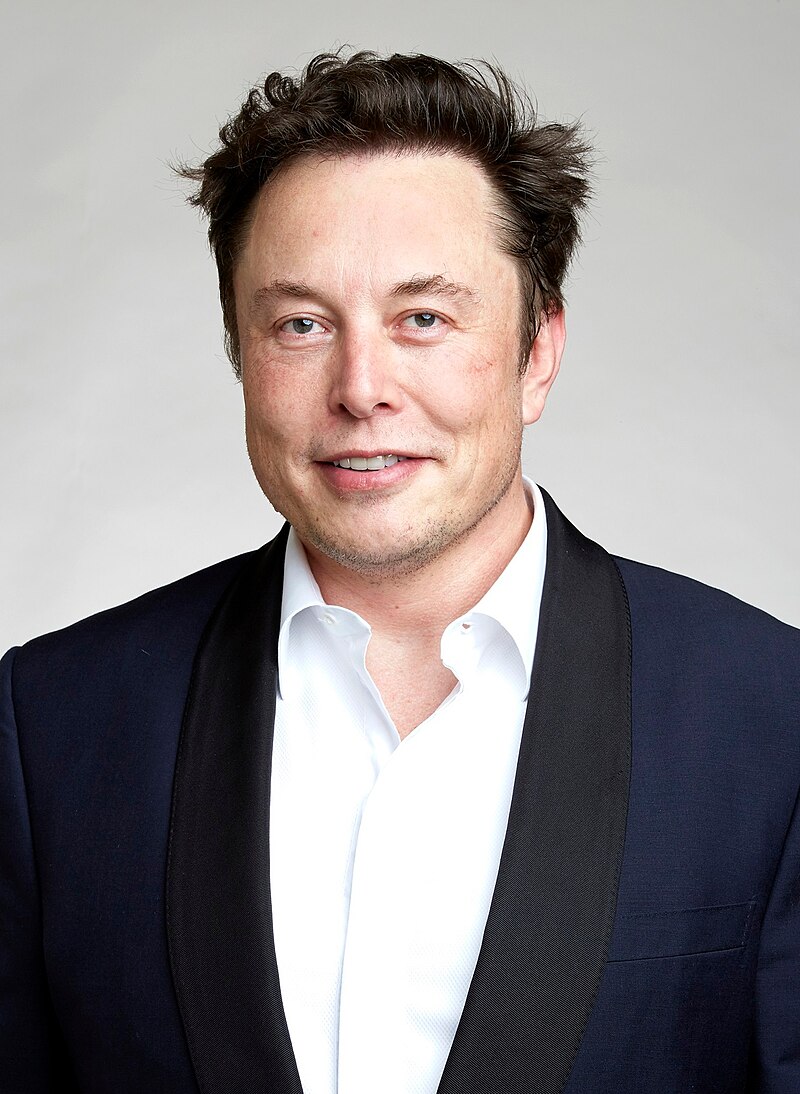


Subrahmanyan Chandrasekhar is a Nobel laureate honored by Musk through his son's middle name.
'My partner is half-Indian': Elon Musk reveals on Nikhil Kamath podcast — 'son’s middle name is Sekhar' | India NewsIndia· 2025-11-30