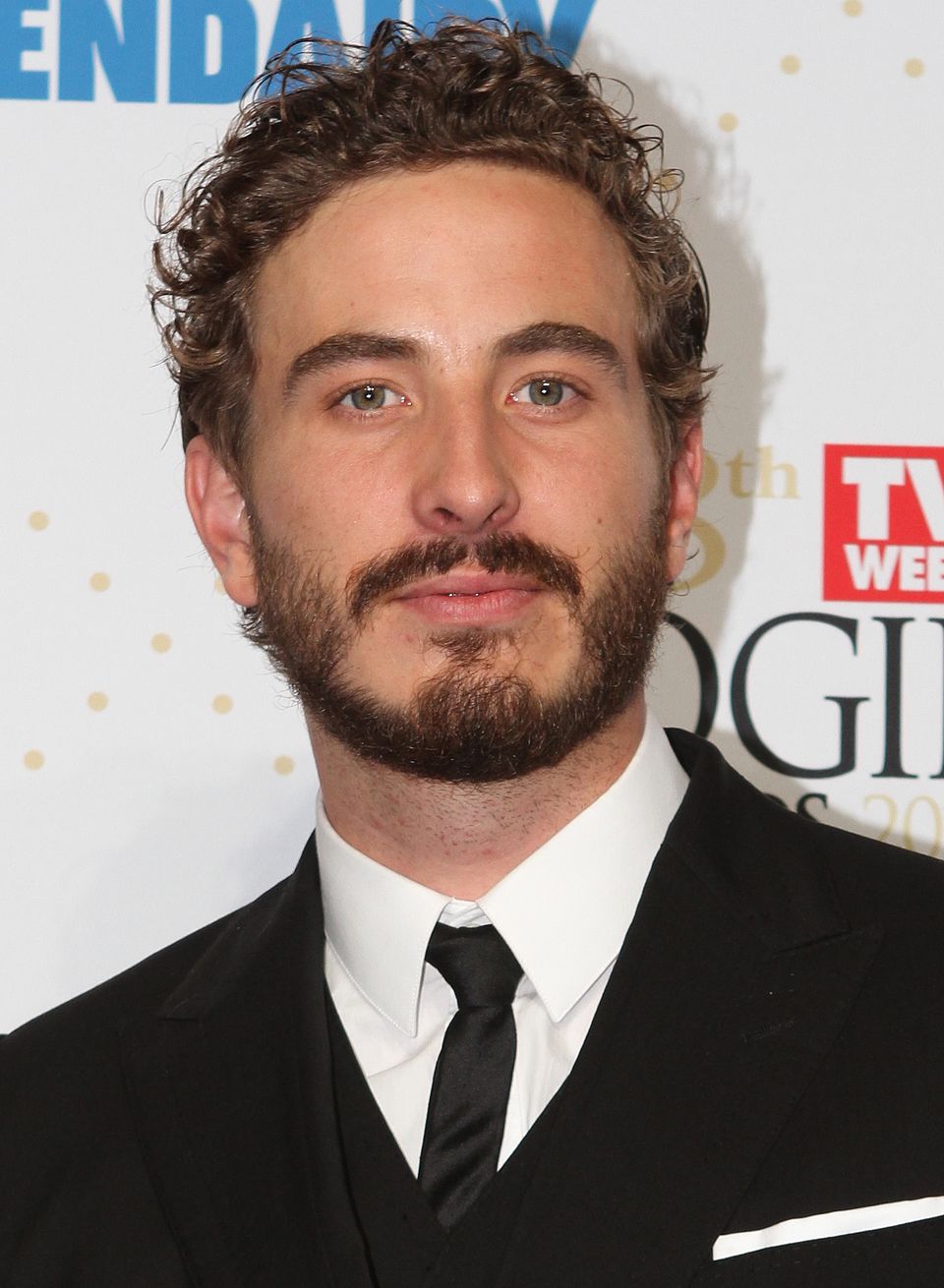
Terry Rawnsley
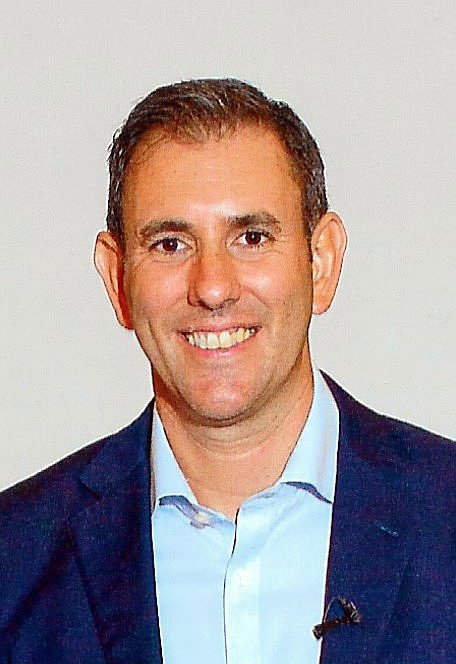
Terry Rawnsley is a KPMG urban economist known for his expertise in analyzing local economies and employment trends. His recent insights highlight the anticipated transformation of local economies in New South Wales as the population ages, predicting shifts in spending patterns and demand for health and aged care services. Rawnsley's work emphasizes the importance of understanding demographic changes and their impact on job creation and industry growth, particularly in western Sydney where employment opportunities are expected to increase significantly.
Not in the pool (under ¢1).
Recent news mentions
Terry Rawnsley, KPMG’s director of planning and infrastructure economics, said.
How many home owners are in negative equity now Australia· 2026-08-06


KPMG urban economist Terry Rawnsley commented on the impact of reduced investor activity on house prices.
First home buyers drop out of property market as interest rates rise and sentiment coolsAustralia· 2026-07-29


KPMG urban economist Terry Rawnsley said that higher balances clustered around the CBD reflect where younger career professionals are living.
HECS debt in Sydney: The suburbs most affectedAustralia· 2026-07-26
Terry Rawnsley, KPMG’s director of planning and infrastructure economics, said Sydney’s house price growth over recent years had created a ripple effect still working its way across regional NSW.
Broken Hill, Armidale, Inverell among NSW regional towns where house prices rose mostAustralia· 2026-07-25

Terry Rawnsley, a KPMG urban economist, analyzed the latest local area population figures.
Why seniors now outnumber young people in 54 neighbourhoodsAustralia· 2026-07-20Terry Rawnsley, a KPMG urban economist who wrote the study, said Sydney has gone backwards on home ownership over more than half a century.
Why owner-occupier rates are falling as rental costs reach record highsAustralia· 2026-07-16


Terry Rawnsley, director of planning and infrastructure economics at KPMG, said the three interest-rate rises so far this year had begun to impact the rental market.
Regional towns where rents soared most include Temora, Liverpool Plains, Leeton, Inverell, TweedAustralia· 2026-07-15

KPMG senior economist Terry Rawnsley said the big mortgages meant the interest bill on Australians’ home loans had soared.
Nation’s interest bill is larger than when official interest rates were almost 20 per centAustralia· 2026-07-01
KPMG urban economist Terry Rawnsley commented on the impact of COVID lockdowns on regional housing markets.
Tree-change towns still benefiting from WFH policiesAustralia· 2026-06-20

KPMG urban economist Terry Rawnsley says the high cost of housing and the growing prevalence of apartment living has contributed to smaller family sizes.
One in four women say they don’t plan to have a baby as birth rate declines.Australia· 2026-05-31


KPMG urban economist Terry Rawnsley said greater Sydney was increasingly divided by a 'fertility wall' separating areas of high and low birth rates.
The Sydney suburbs running out of kindergarten studentsAustralia· 2026-02-07
Terry Rawnsley, an urban economist at KPMG, conducted a study highlighting the financial behaviors of Baby Boomers.
Australian wealth: Boomers reshape how money is distributedAustralia· 2026-02-01KPMG urban economist Terry Rawnsley agrees that residents of more affluent neighbourhoods often move interstate or back to family overseas.
Suburbs where residents put down roots and stay the longestAustralia· 2026-01-31


Terry Rawnsley is an urban economist at KPMG who commented on the impact of the first home buyer scheme.
58,000 avoid stamp duty but experts warn of price increasesAustralia· 2026-01-29
Terry Rawnsley said the agriculture sector had done well across regional NSW in the past year.
Regional towns where house prices rose mostAustralia· 2026-01-28
Terry Rawnsley is a KPMG economist predicting significant changes in Sydney's economic landscape due to new transport infrastructure.
Healthcare and technology to boom amid ageing populationAustralia· 2026-01-15



Terry Rawnsley is a KPMG economist who researches retirement behaviour.
Which of the four types of retiree are you?Australia· 2025-12-16

KPMG urban economist Terry Rawnsley said the data offers a new way to look at the city.
Data reveals four distinct income zones amid cost-of-living crisisAustralia· 2025-11-30

KPMG urban economist Terry Rawnsley said Sydney was at the centre of the Australian housing affordability crisis.
Data shows gap between what buyers expect to pay and what sellers think their property is worth, Domain report findsAustralia· 2025-11-11


KPMG urban economist Terry Rawnsley said differences in work hours across suburbs were influenced by the composition of the workforce.
These suburbs work the longest weeksAustralia· 2025-11-05

KPMG urban economist Terry Rawnsley said contrasting industry needs was a major factor in the way work hours differ across occupations and locations.
Full-time employees average 43.7 hours per week, census showsAustralia· 2025-11-02




Terry Rawnsley conducted research indicating an increase in the share of 70-year-old men still in paid employment.
Will you ever get rid of the Boomers? Find a crowbar, kidsAustralia· 2025-09-23
Terry Rawnsley is an urban economist at KPMG who discusses the trend of older workers staying in the workforce.
Number of people working into their 70s rising, KPMG research showsAustralia· 2025-09-17KPMG director of planning and infrastructure economics Terry Rawnsley said suburbs such as Terrey Hills tend to grow in value slowly due to the demographics and location.
Sydney suburbs where property values doubled fastest – and slowestAustralia· 2025-08-23



KPMG director of planning and infrastructure economics Terry Rawnsley agreed renters facing high costs had been under pressure to re-form group households.
How to fix housing affordability without hitting 1.2 million new homes targetAustralia· 2025-08-19

KPMG urban economist Terry Rawnsley analyzed the influence of housing on Sydney’s fertility patterns.
Great baby divide could prove a reckoning for Sydney real estateAustralia· 2025-08-18

Terry Rawnsley conducted the birth rate analysis and discussed the influence of housing on fertility patterns in Sydney.
Western suburbs boom as affluent area numbers plummetAustralia· 2025-08-18
KPMG urban economist Terry Rawnsley said a third of Australians earned too much to qualify for social housing.
Labor makes issue central to economic summitAustralia· 2025-08-13

KPMG director of planning and infrastructure economics Terry Rawnsley said that yields have always been pretty good because rental returns weren’t bad compared to purchase price.
The NSW towns where house prices rose most over the past yearAustralia· 2025-07-24

Terry Rawnsley, KPMG’s urban economist, discussed the challenges of getting tradespeople into remote areas after large-scale weather events.
Malua Bay, the holiday town that is much cheaper than five years ago to rentAustralia· 2025-06-27