Walther Ulbricht
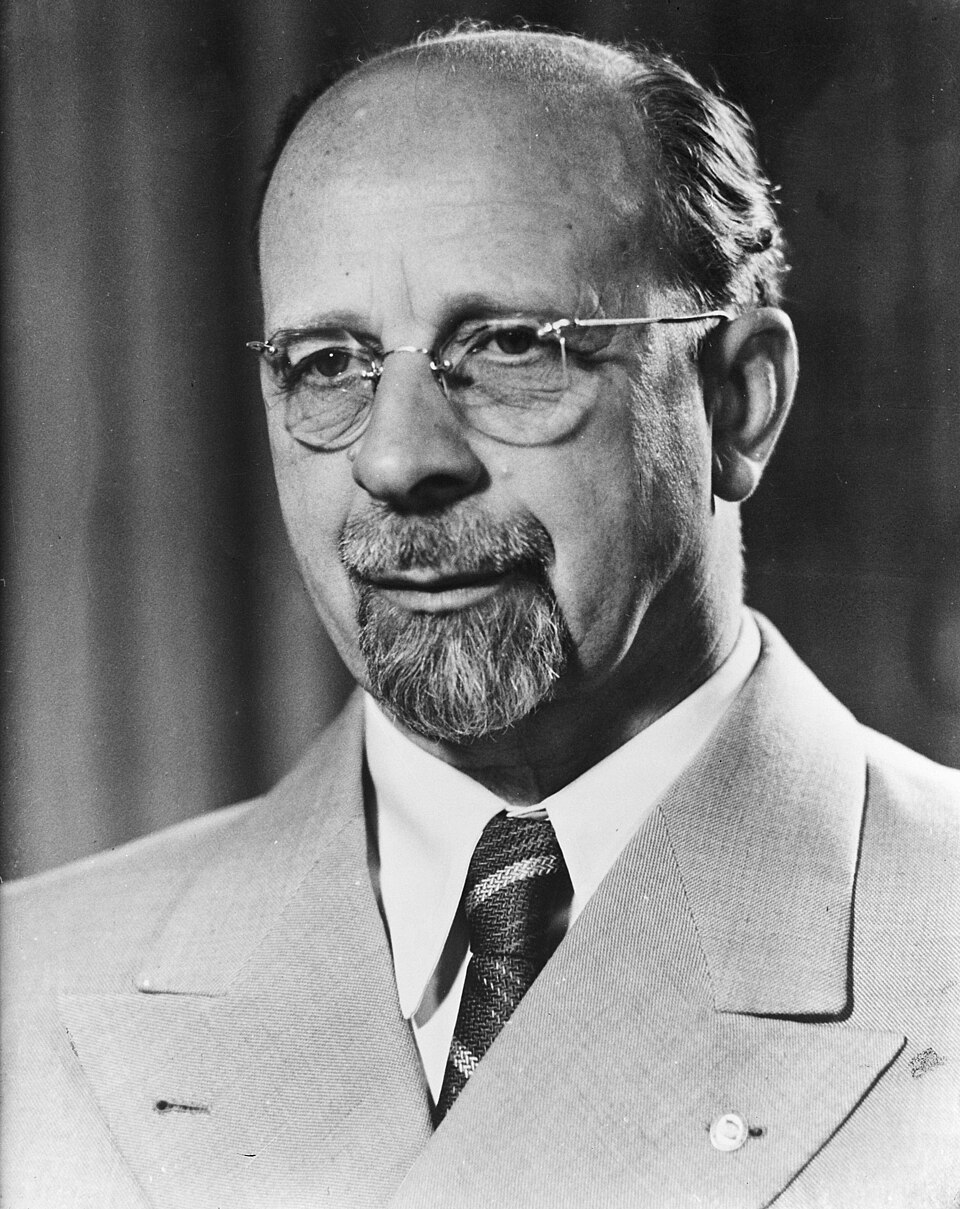
Walther Ulbricht was a prominent East German politician and the leader of the Socialist Unity Party, serving as the de facto leader of East Germany from its founding in 1949 until his resignation in 1971. He played a crucial role in the establishment of the German Democratic Republic (GDR) and was known for his staunch loyalty to Soviet communism. Ulbricht was instrumental in implementing policies that led to the construction of the Berlin Wall in 1961, which aimed to prevent East Germans from fleeing to the West. His leadership style was characterized by authoritarianism, and he was often criticized for his repressive measures against dissent. Despite his controversial legacy, Ulbricht's influence on East German politics and society remains significant in the context of Cold War history.
Not in the pool (under ¢1).
Recent news mentions
Walther Ulbricht was the maximum leader of the now gone-to-ashes, whisked to the winds, East Germany.
Policy Forum Guyana’s office break-in rekindles memories of Guyana as a non-democratic state Guyana· 2025-11-29