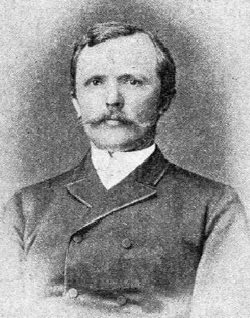
Wilhelm Dörpfeld
Wilhelm Dörpfeld was a German archaeologist, best known for his work in the excavation and analysis of the ancient city of Troy. Working alongside Heinrich Schliemann, Dörpfeld brought a more scientific approach to archaeological methods during the late 19th and early 20th centuries, refining the stratigraphic techniques used to identify and date layers of settlement in Troy. His collaboration with Schliemann led to the identification of nine main layers of occupation, including the famed Troy VIIa, which is often associated with the Trojan War myth. Dörpfeld's contributions significantly advanced the understanding of ancient urban development and the historical context of Troy, despite the romanticized methods of his contemporaries.
Not in the pool (under ¢1).
Recent news mentions
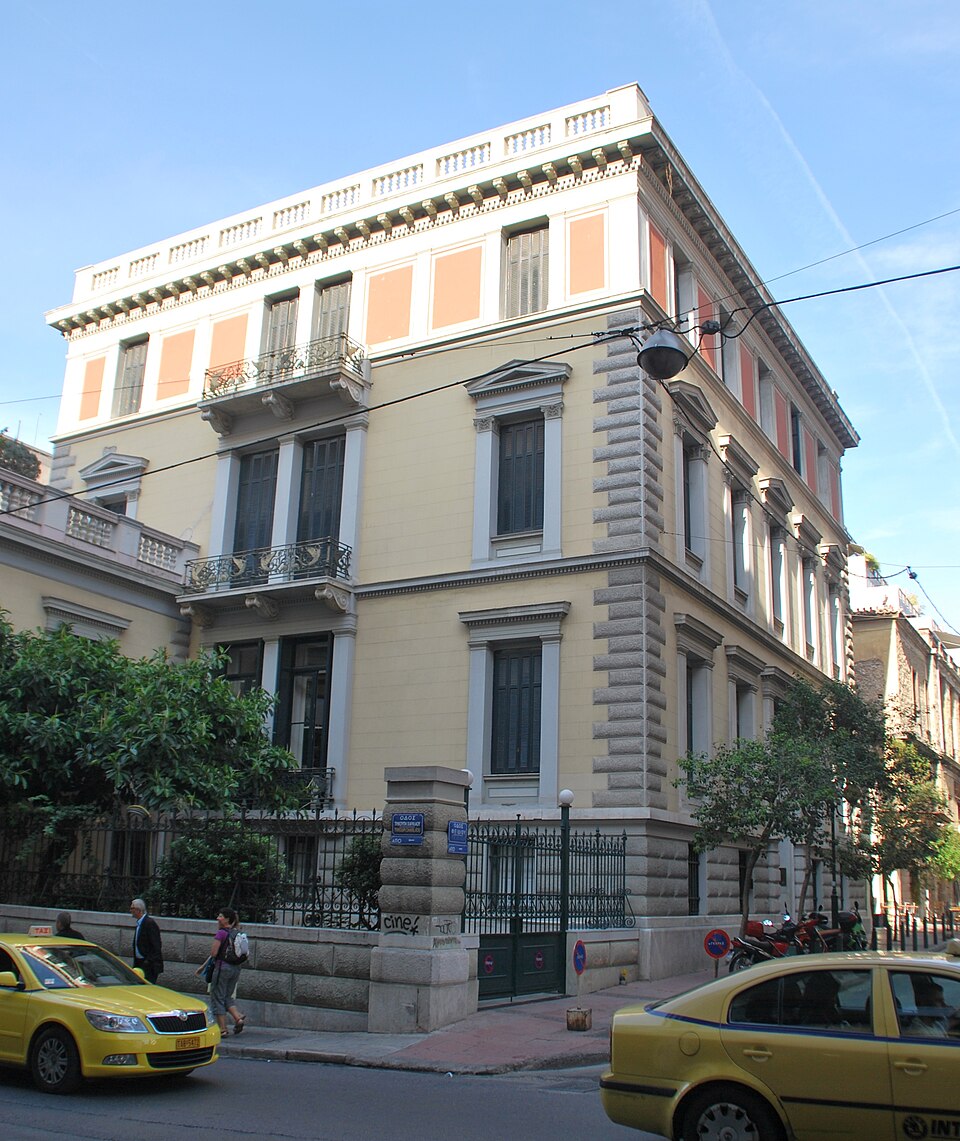
Wilhelm Dörpfeld was involved during the construction of the Institute while excavations in Olympia were ongoing.
Ολυμπία, 150 χρόνια | Η ΚΑΘΗΜΕΡΙΝΗ Greece· 2025-10-16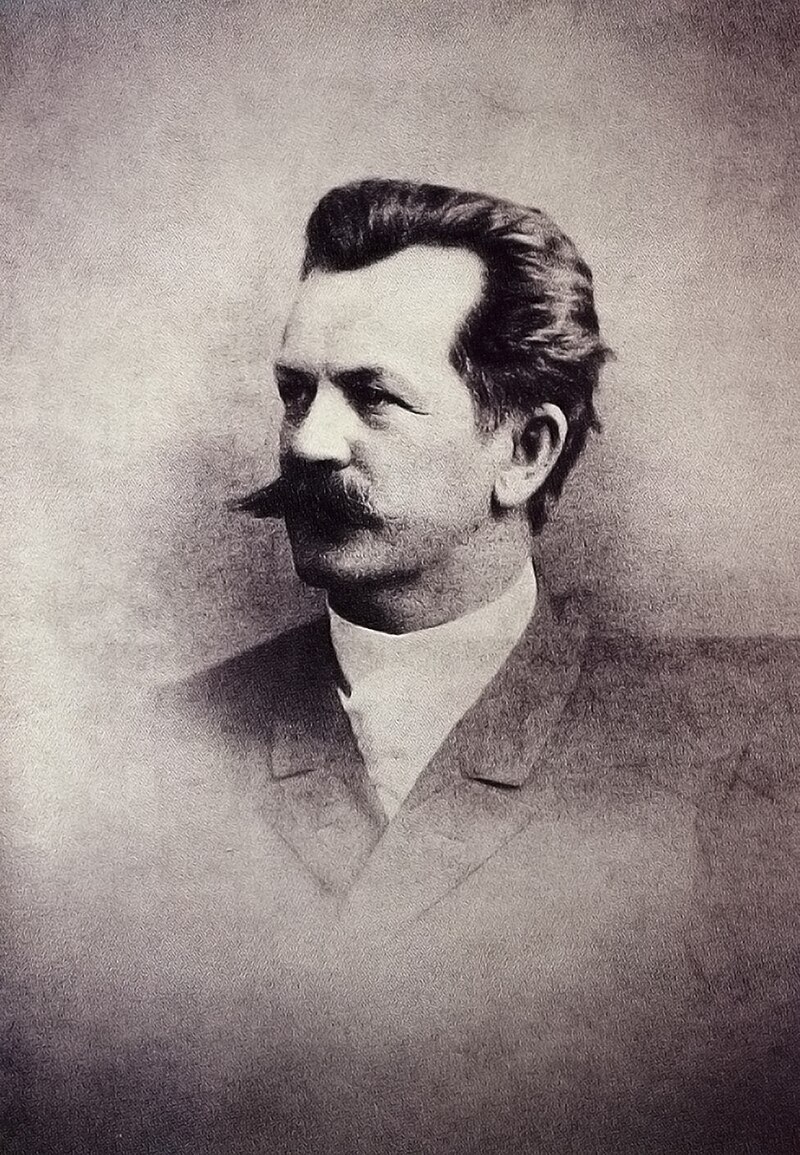

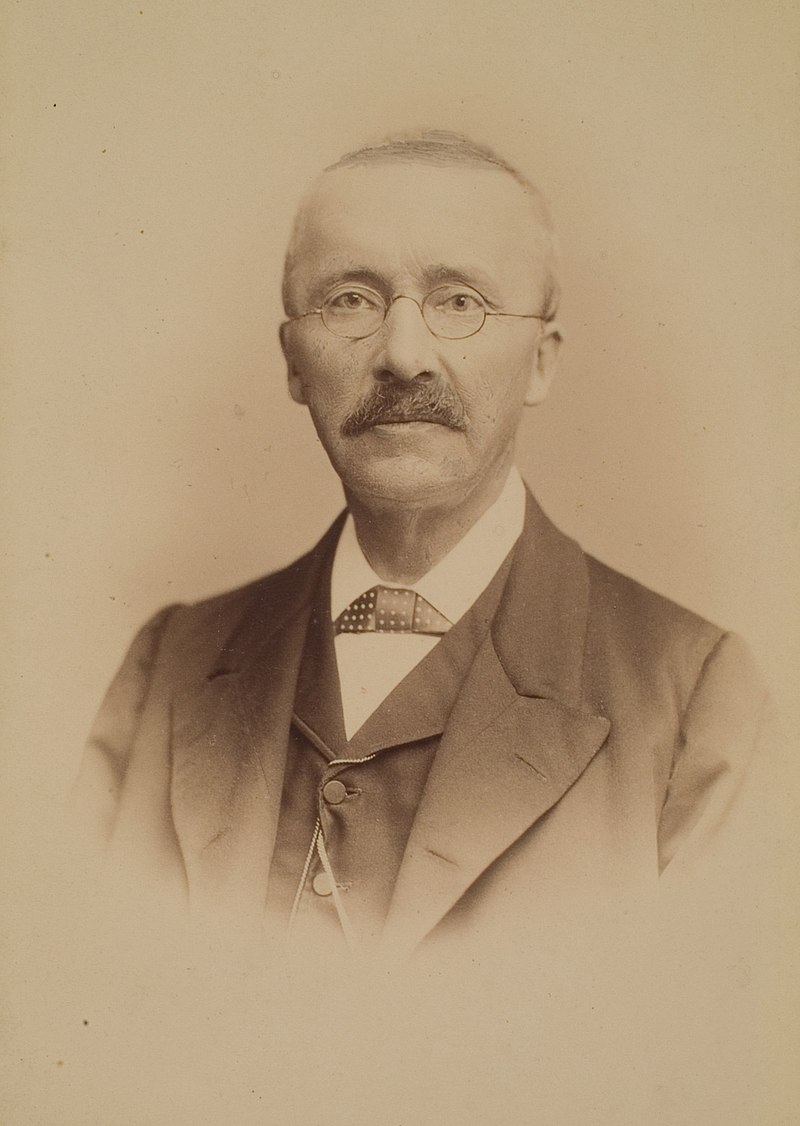
Wilhelm Dörpfeld, a more serious specialist in stratigraphic archaeology, helped Schliemann clarify the layers in the case of Troy.
Index - Tudomány - Megfejtették Trója titkát, nem csak a faló okozhatta a vesztét Hungary· 2025-09-25