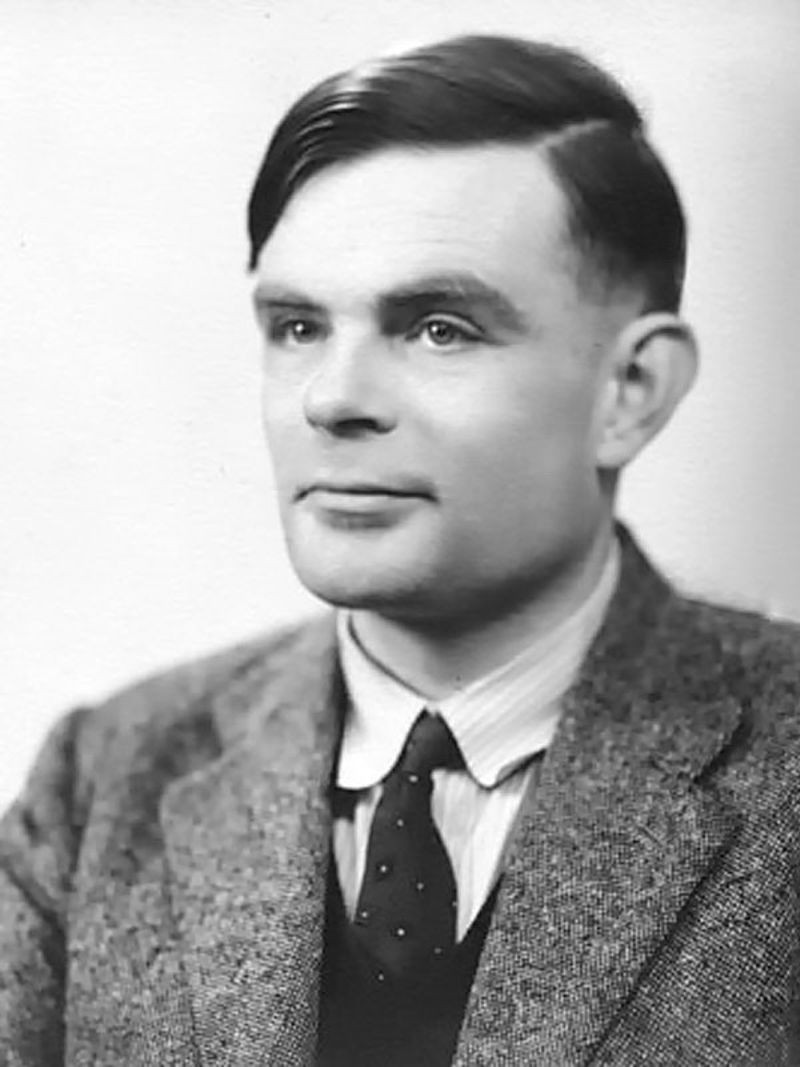
Alan Turing
 GuatemalamathematicianMaleb. 19128.2Global Dominance: 0.00%
Alan Turing was a pioneering British mathematician, logician, and computer scientist, widely considered to be the father of computer science and artificial intelligence. His work during World War II on breaking the German Enigma code was critical to the Allied victory, and his legacy continues to influence modern computing and cryptography.
Country presence
Recent news mentions
Alan Turing predicted in 1951 that AI would eventually escape human control.
La IA nos advirtió. ¿Y México?, escribe Paola Rojas Mexico· 2026-09-21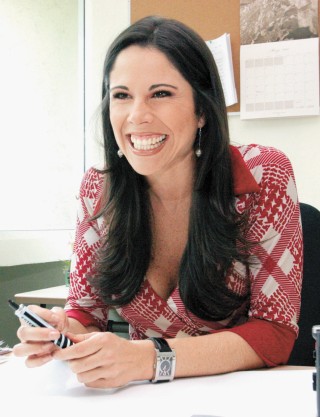
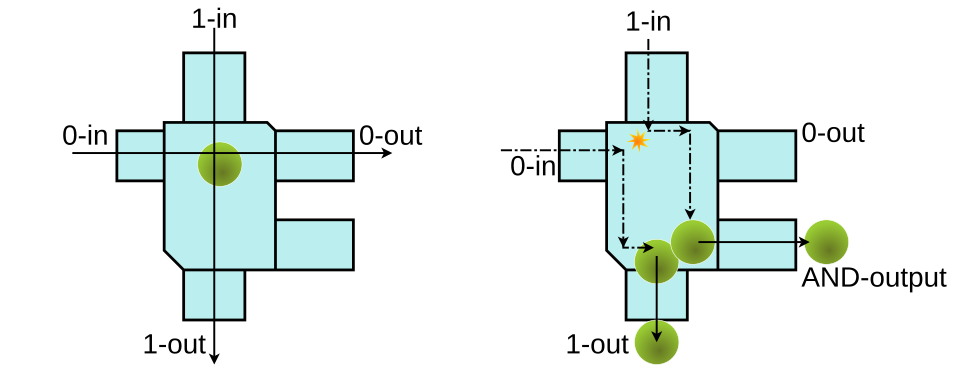
Alan Turing introduced the concept of the Turing machine in 1936 to describe the process of computation.
یک توپ بیلیارد میتواند از نظر تئوری هر محاسبهای را انجام دهد! Iran· 2026-09-21
Turing wrote in the 1950s that if intelligent machines became possible, they could take control.
Por qué hay preocupaciones de que la IA pueda amenazar a la humanidad y qué tan reales sonGuatemala· 2026-09-15


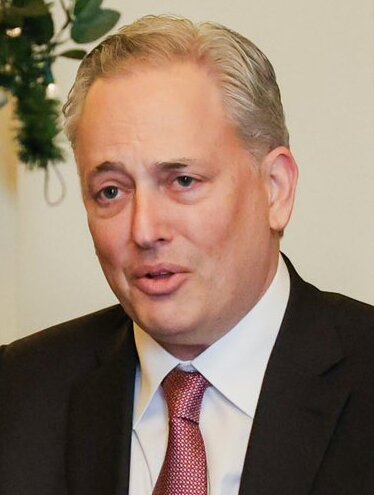
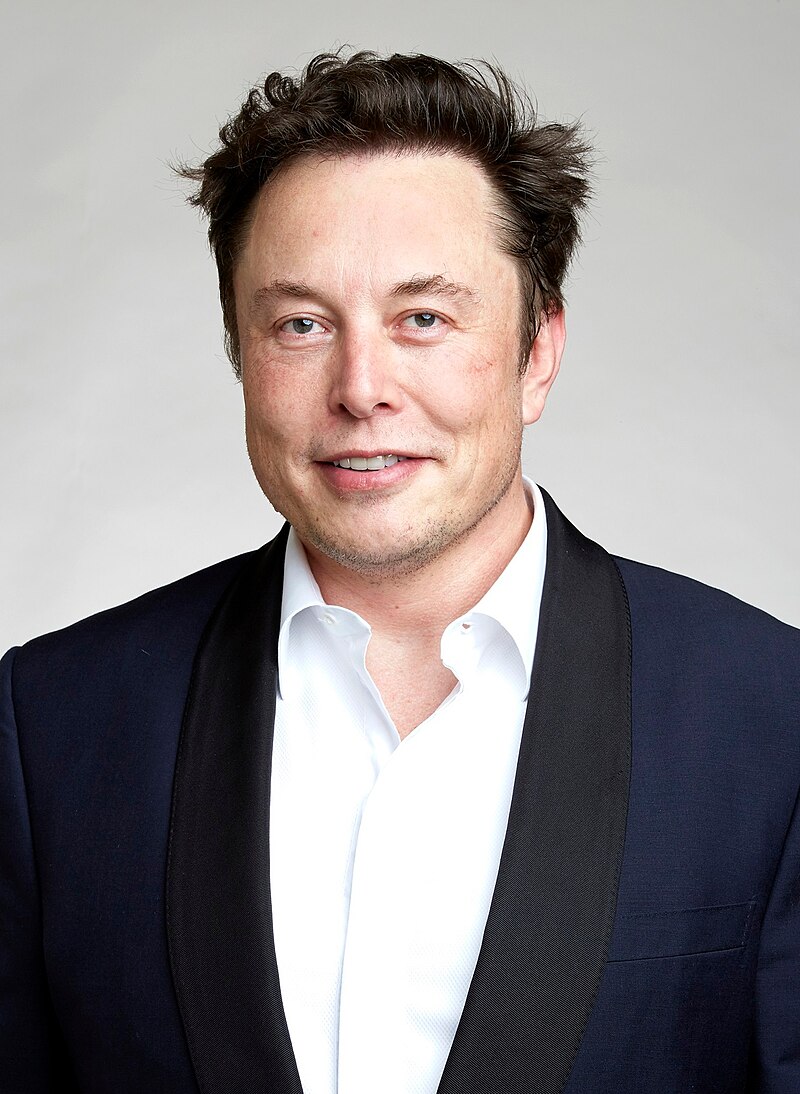
Alan Turing is recognized for his visionary intuition regarding intelligent machines.
las claves del miedo que desató la Inteligencia Artificial Argentina· 2026-09-15
Alan Turing wrote in the 1950s that if intelligent machines became possible, they could take control.
Por qué hay preocupaciones de que la IA pueda amenazar a la humanidad y qué tan reales son Panama· 2026-09-14
Alan Turing is considered the father of computing and formulated the question of whether machines can think.
Es gracioso ver que Anthropic u OpenAI contratan filósofos a rolete y se dan cuenta de que hay que construir sentido, mientras en Uruguay ocurre de manera muy fragmentada Uruguay· 2026-08-01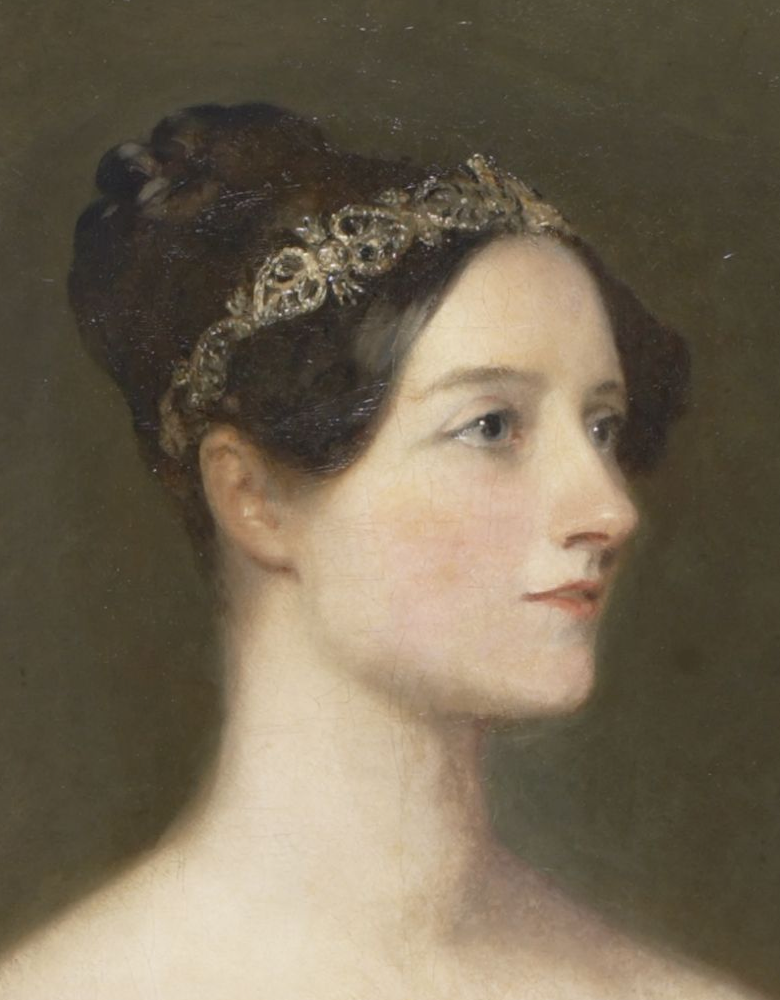
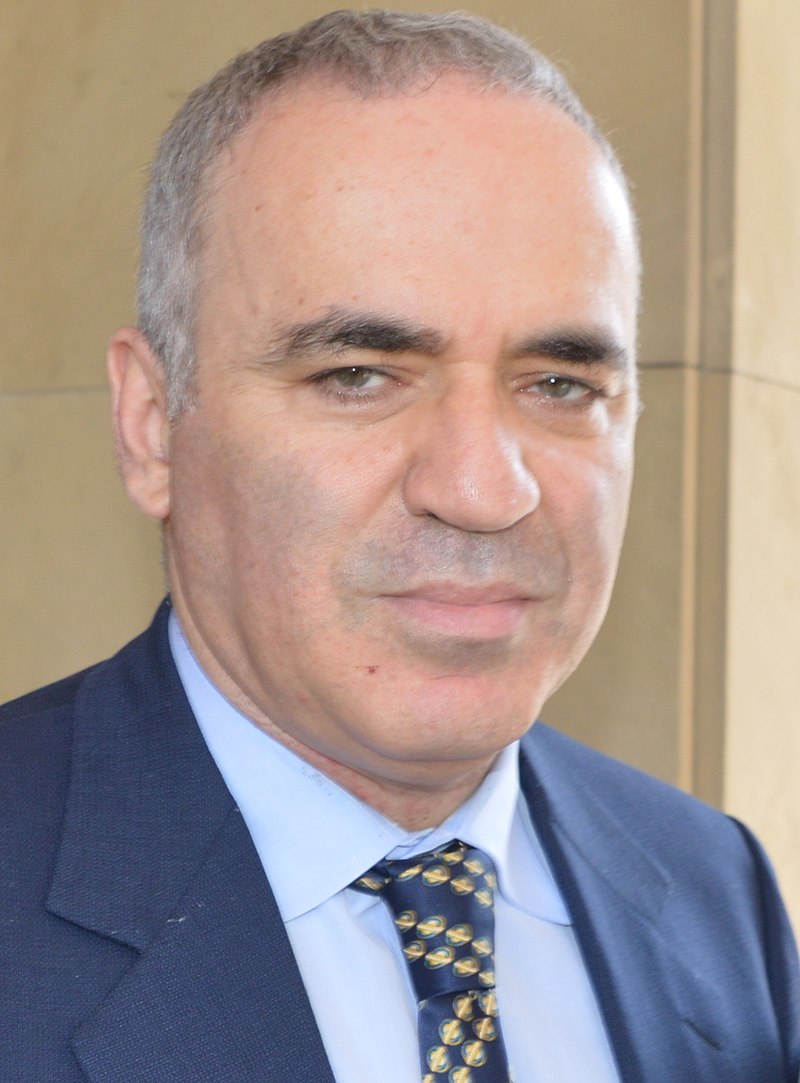

Alan Turing was Britain's most significant codebreaker during World War II.
Promi-News: Johnny Depp besucht Comic-Festival als Ebenezer Scrooge - Panorama Germany· 2026-07-24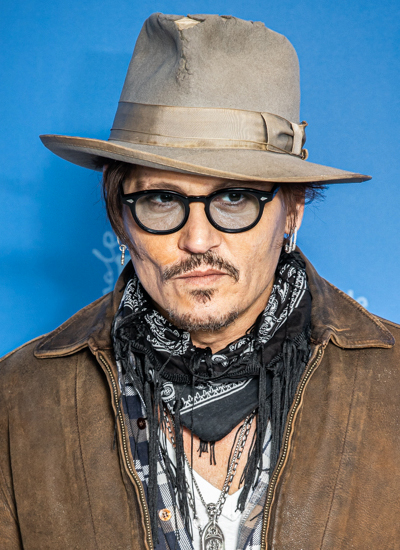


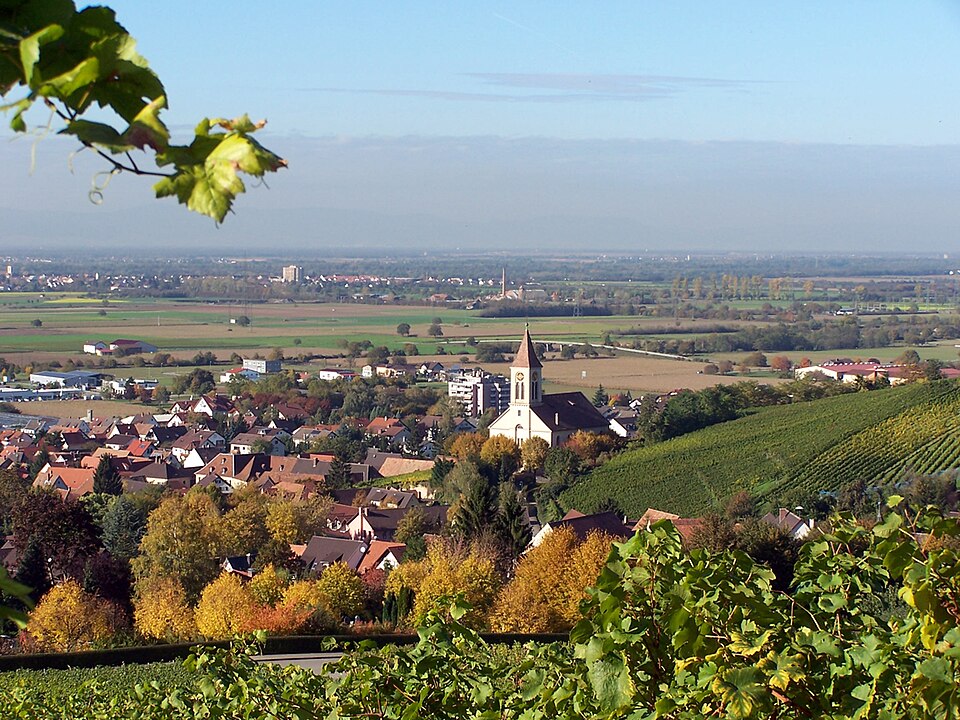
Alan Turing was a key scientist in the development of artificial intelligence and the deciphering of codes during World War II.
La otra cara de Alan Turing, genio de la informática: humor, amor y sexualidad - Tecnología Paraguay· 2026-07-24
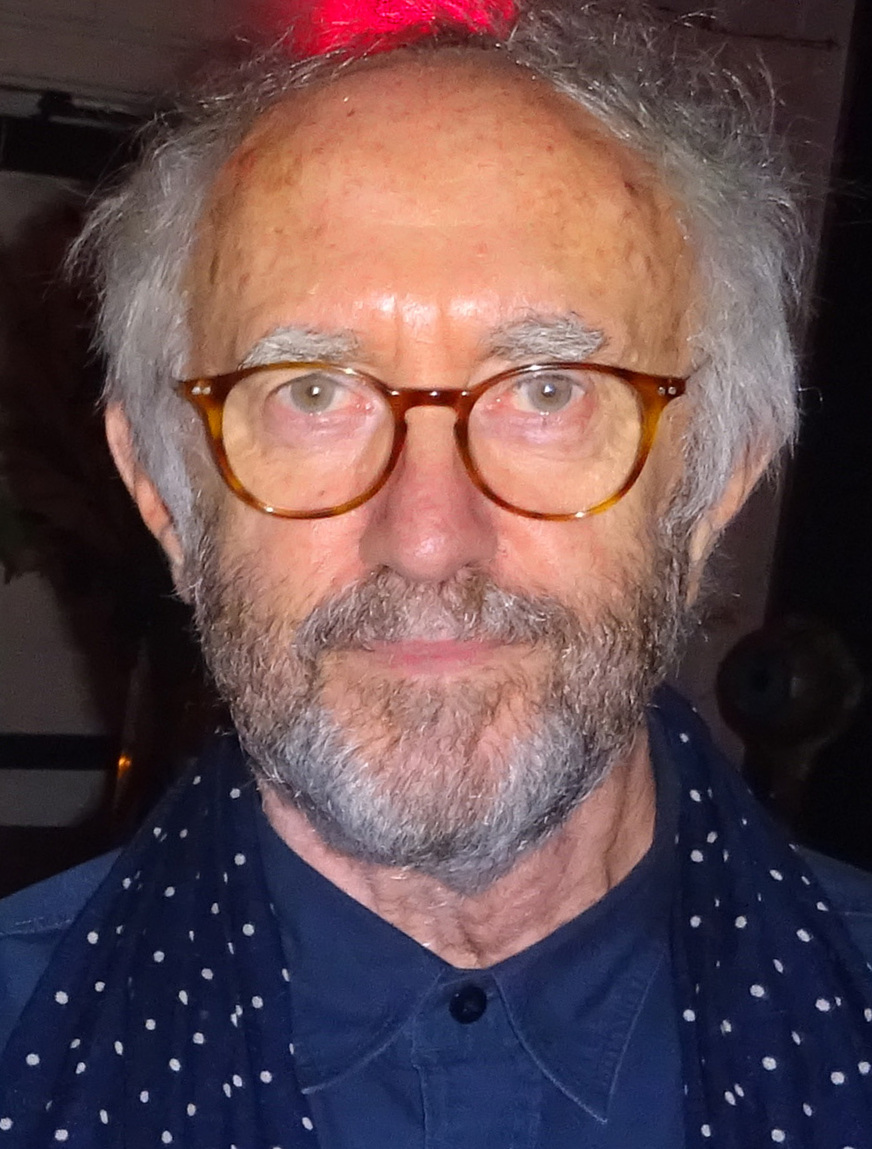

Alan Turing is remembered as the father of modern computing and a prominent code breaker during World War II.
Racy short story by Alan Turing offers glimpse of ‘playful, funny, cheeky’ side | Alan Turing United Kingdom· 2026-07-24
Alan Turing is mentioned as a historical figure whose image may be replaced on banknotes.
На голосование выставили 10 вариантов дизайна новых евробанкнот Belarus· 2026-07-23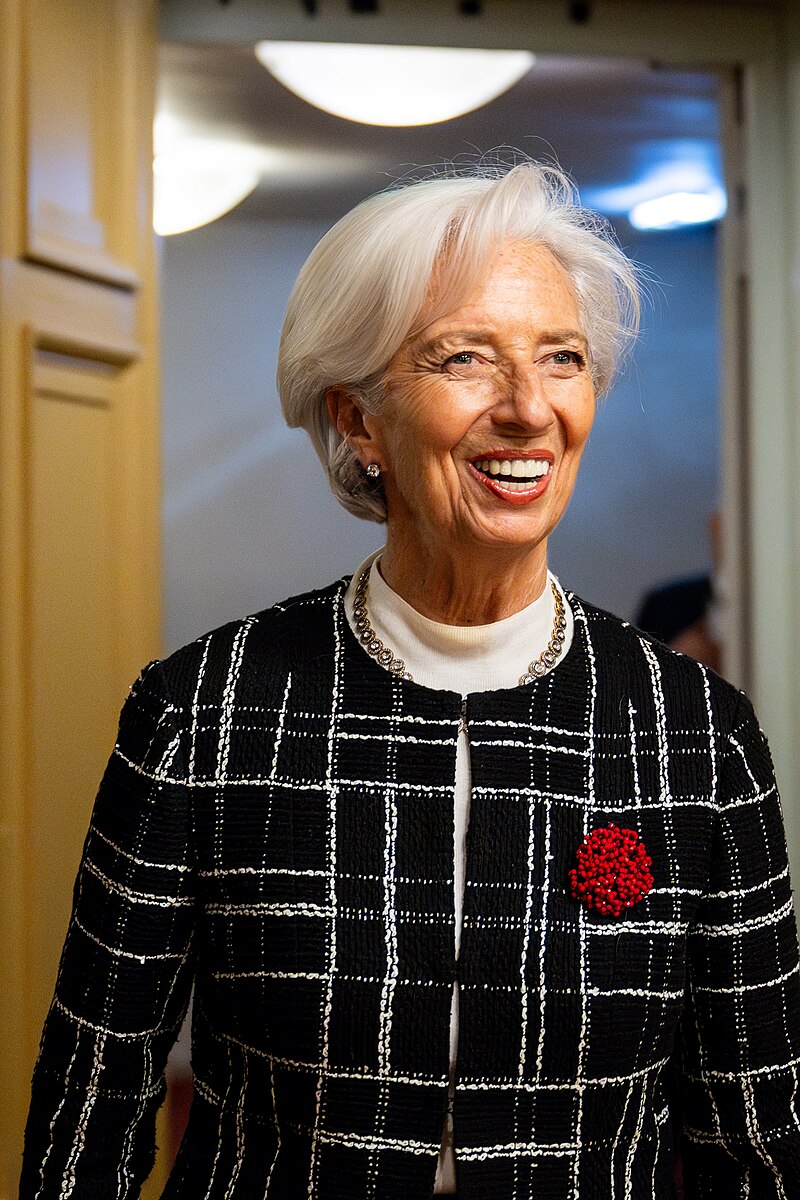
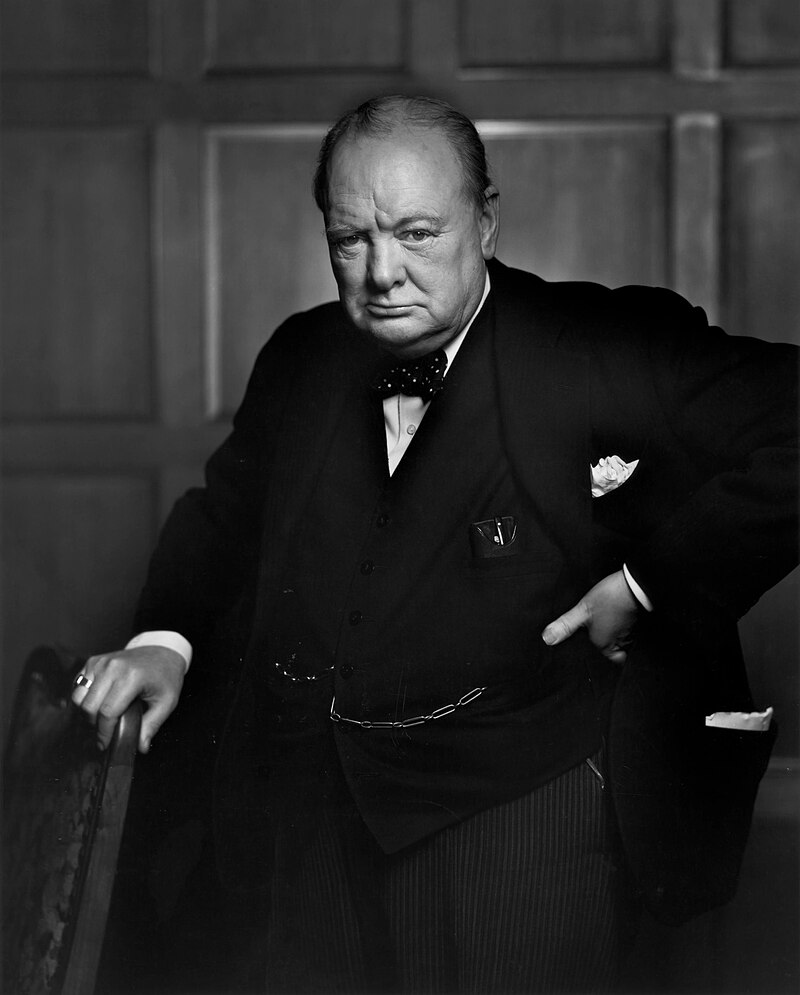

The image of mathematician Alan Turing on banknotes will eventually be replaced by portraits of animals.
Європейський центробанк презентував 10 варіантів дизайну нових банкнот євро Ukraine· 2026-07-23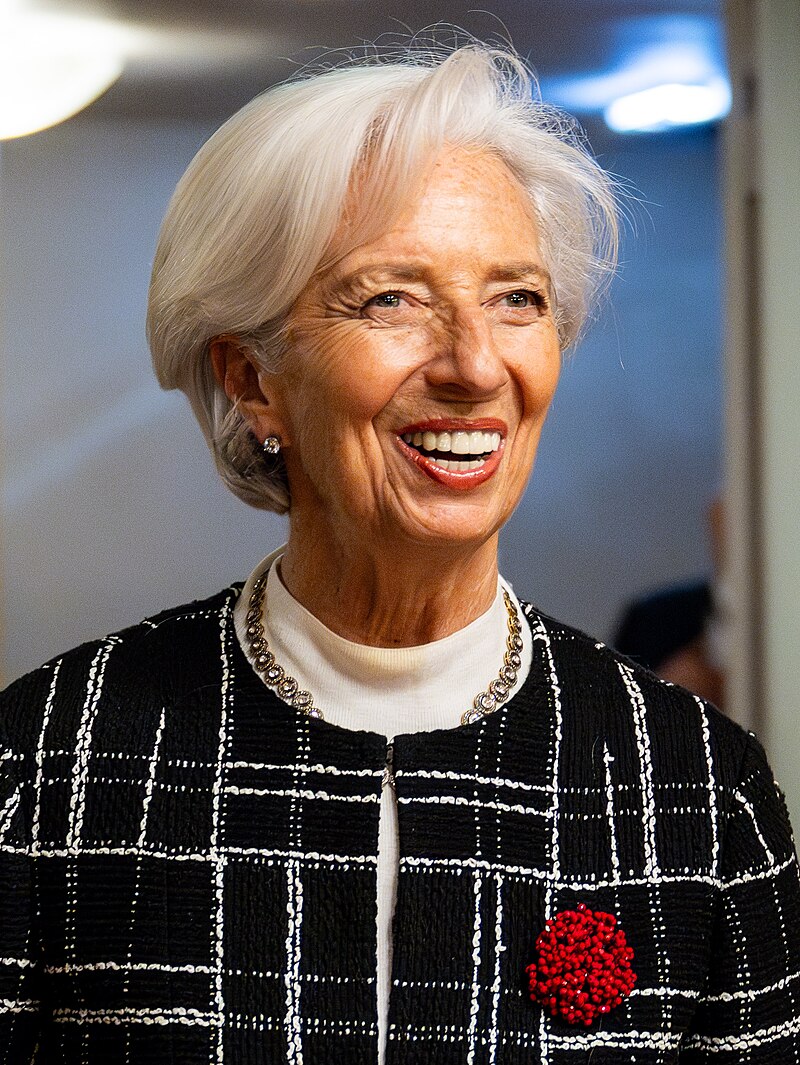
Alan Turing proposed the Turing test in 1950 to determine if a machine can exhibit intelligent behavior equivalent to that of a human.
Index - Külföld - Richard Dawkins azt állítja, hogy öntudatra ébredt az AI, a tudósok azonnal nekimentek Hungary· 2026-07-11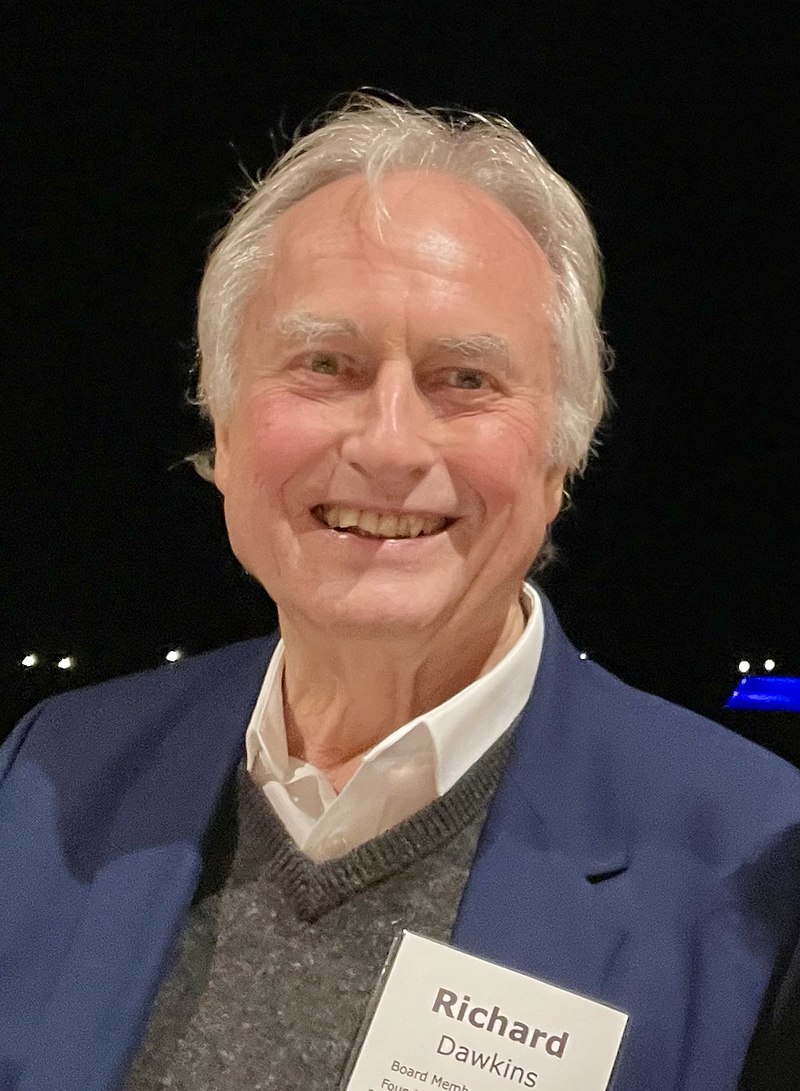
Alan Turing proposed that machines could be recognized as having thinking ability and consciousness.
Turing-Falle der KI: Selbst Dawkins fliegt rein Switzerland· 2026-07-04
The text mentions that the author probably wouldn't be writing without the work of Alan Turing.
Inclusión de grupos marginados, escribe Darío Ibarra ZavalaMexico· 2026-06-28
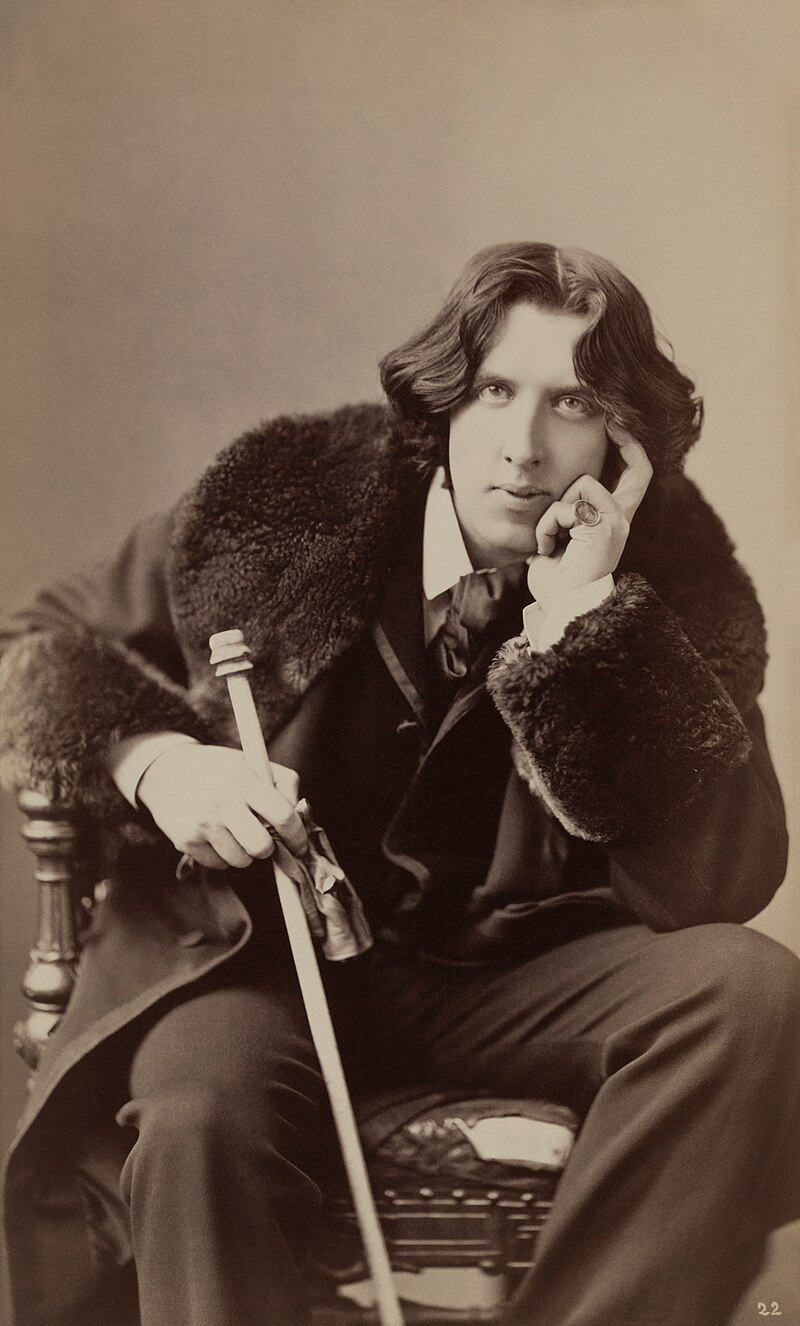
Figures like Alan Turing transferred the logic of human reason to the development of AI in the 1950s.
‘Magnifica Humanitas’: León XIV cuestiona una cultura que quiere ‘superar’ al ser humano con la IA Costa Rica· 2026-05-31


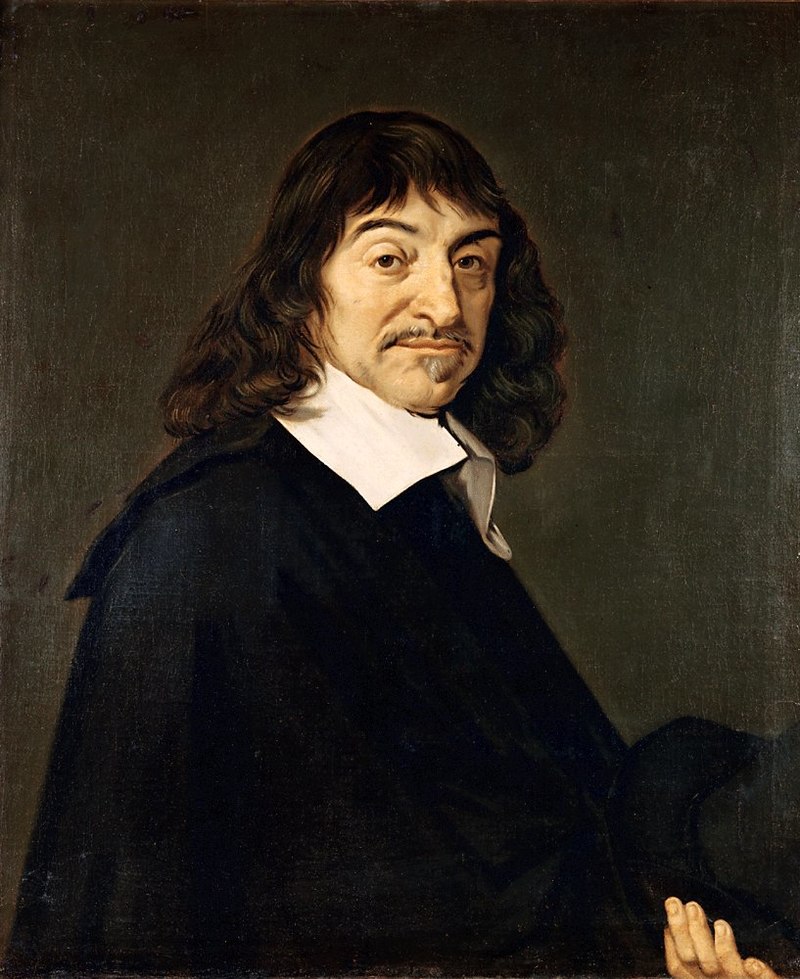
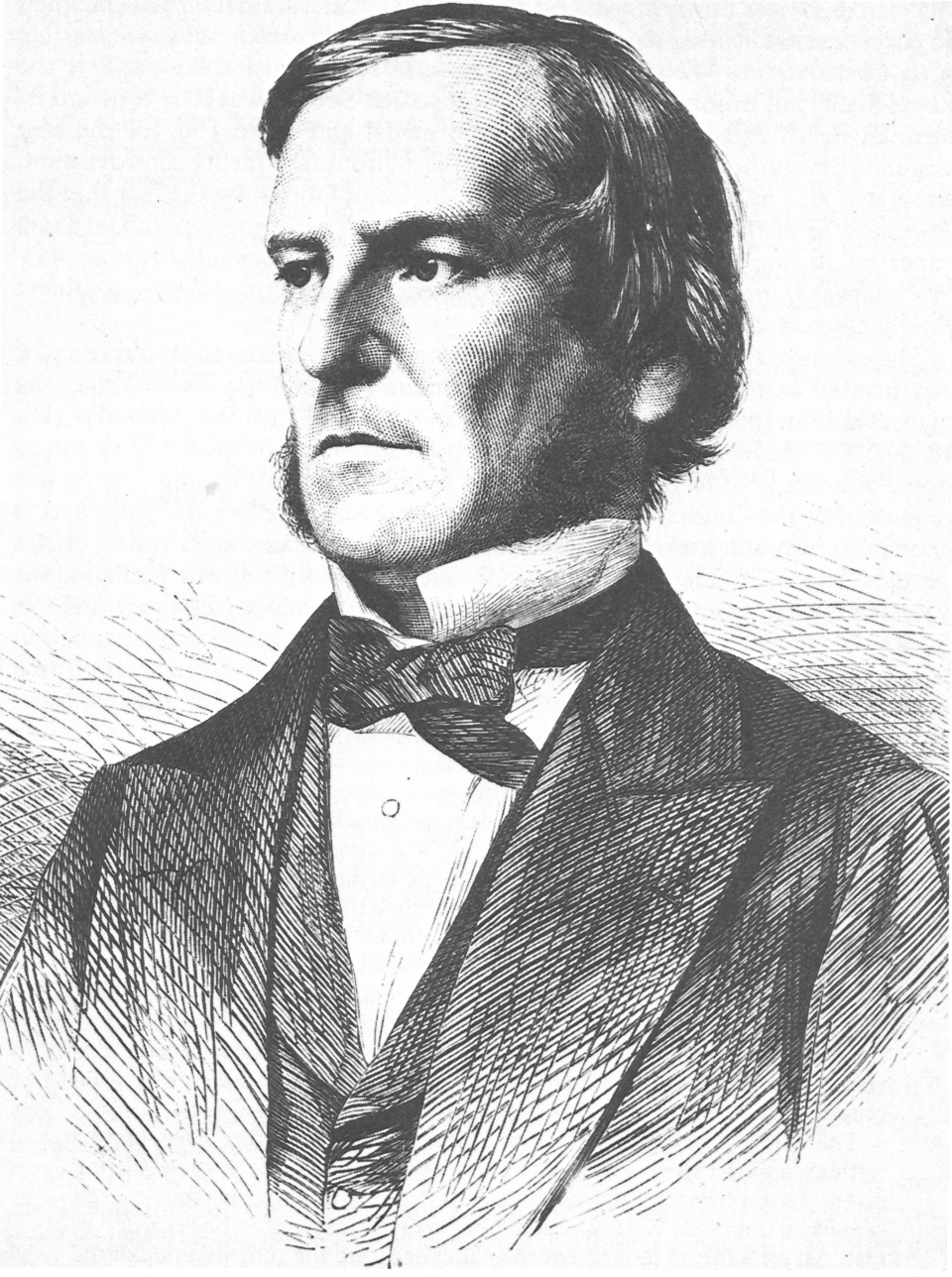
Alan Turing is considered the father of computer science and played a crucial role in deciphering Nazi codes during World War II.
¡Cuán injustos hemos sido con nuestro prójimo!Panama· 2026-05-31
Alan Turing's test was conducted in Latvia to determine if a person can distinguish human communication from that generated by artificial intelligence.
Kā krāpnieki izmanto mākslīgā intelekta rīkus? / Diena Latvia· 2026-02-21
Alan Turing's test was conducted in Latvia to determine if humans can distinguish between human communication and that generated by artificial intelligence.
Kā krāpnieki izmanto mākslīgā interneta rīkus? / DienaLatvia· 2026-02-19Alan Turing is known for his pivotal role in breaking German codes during World War II.
Who was Alan Turing: The man who broke German codes in World War II but was later treated as a criminal | World News India· 2026-02-16

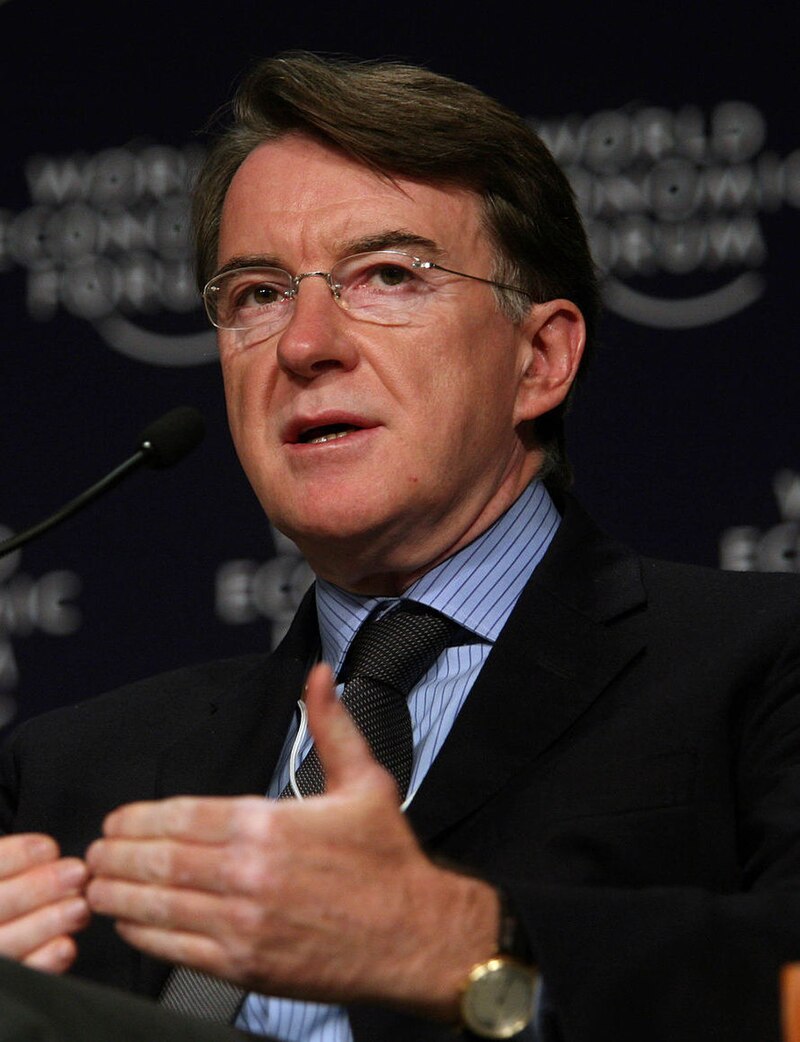
Alan Turing is known as the theoretical father of artificial intelligence and proposed the famous Turing test in 1950.
El ocaso de la realidad - CulturalParaguay· 2026-01-26
Alan Turing is mentioned for his pioneering work in computing.
Navidad es leer, escribe Germán MartínezMexico· 2025-12-26




Alan Turing is considered one of the fathers of modern computing and designed the 'bomba di Turing' used at Bletchley Park.
Morta Ruth Bourne: decifrò i messaggi dei nazisti in codice «Enigma» Italy· 2025-12-25
Alan Turing is a key figure in computing history who controversially critiqued Ada Lovelace's insights.
Eine Geschichte der künstlichen IntelligenzSwitzerland· 2025-12-01



Alan Turing is referenced for his thoughts on machine intelligence from 1951.
Esmiuçando (um pouco) a Inteligência Artificial Cabo Verde· 2025-11-11
Alan Turing's work laid the foundation for a theory explaining how cells come together to create patterns.
Svītru un plankumu mīkla atminēta / DienaLatvia· 2025-11-08Alan Turing is known as the father of computing for his groundbreaking work in codebreaking during World War II.
Move over, Alan Turing: meet the working-class hero of Bletchley Park you didn’t see in the movies | Second world warUnited Kingdom· 2025-10-12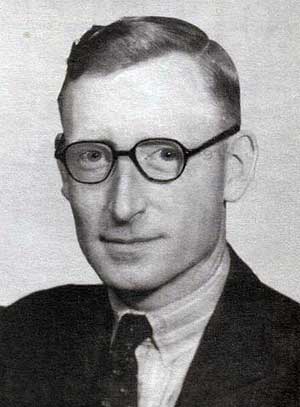




The John Rylands Library holds the notes of computing pioneer Alan Turing.
The unknown Manchester lady who funded a Hogswart-style libraryUnited Kingdom· 2025-09-14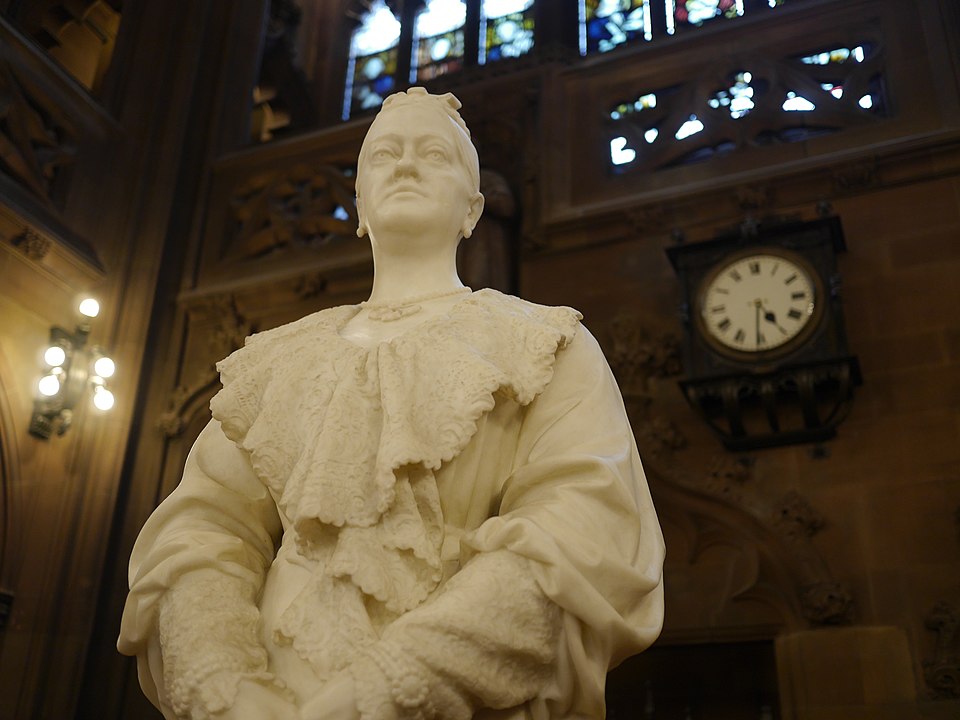
Alan Turing questioned early on whether a machine can think.
Ο αλγόριθμος έχει προκαταλήψεις | Η ΚΑΘΗΜΕΡΙΝΗ Greece· 2025-09-14
Alan Turing's ideas about language and intelligence have influenced the understanding of AI.
Yoshua Bengio, one of the fathers of AI: «With artificial intelligence, we are building machines that can surpass us. In the wrong hands, the risks are enormous»Italy· 2025-09-12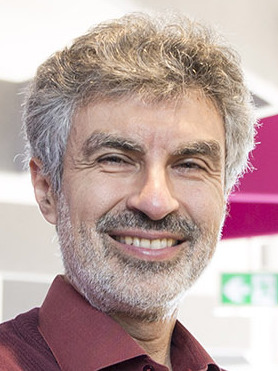


Alan Turing's test defines a machine as intelligent if its results cannot be distinguished from human reasoning.
Chancen, Gefahren und die Rolle der SpiritualitätSwitzerland· 2025-09-01