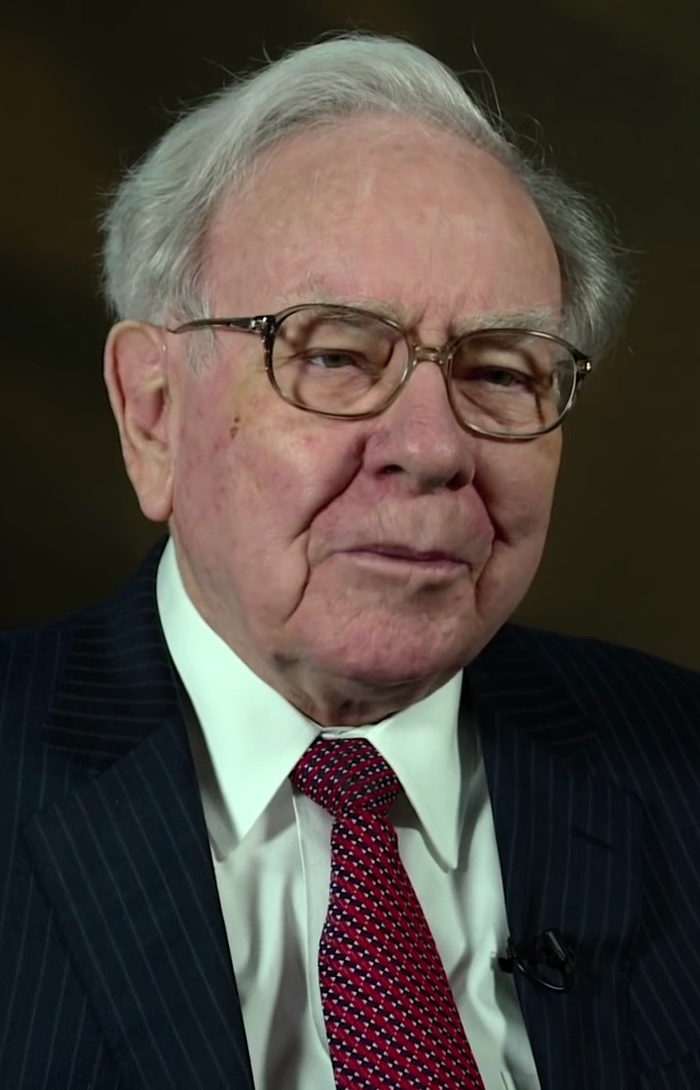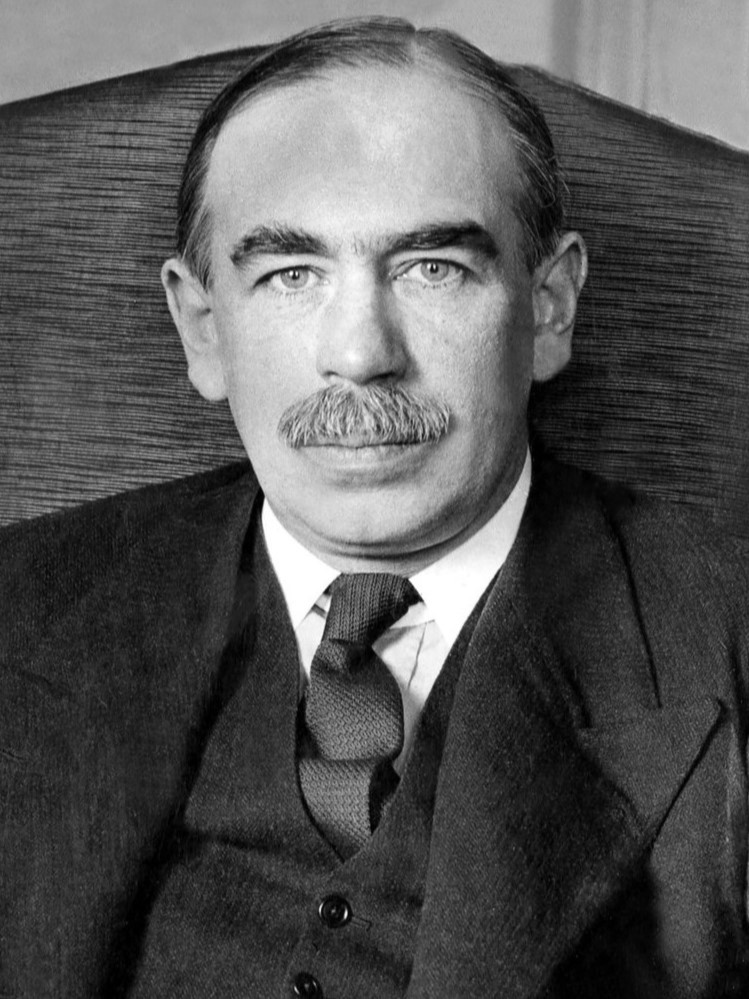
John Maynard Keynes
John Maynard Keynes was a British economist whose ideas, known as Keynesian economics, fundamentally changed the theory and practice of macroeconomics and economic policy, particularly regarding government intervention during economic downturns.
Not in the pool (under ¢1).
Recent news mentions
John Maynard Keynes is criticized by the current government for his views on economic uncertainty.
a cuánto cotiza el oficial y cuál es el precio del paralelo este miércoles 12 de agosto, minuto a minuto Argentina· 2026-08-12
John Maynard Keynes formalized the impact of uncertainty on the economy nearly a century ago.
Milei y la economía atados a un mástil y a la deriva de los vientosArgentina· 2026-08-12





John Maynard Keynes emphasized the importance of productive investment to build future wealth.
Panamá: la nación que todavía no descubre la dimensión de su mercado Panama· 2026-07-15
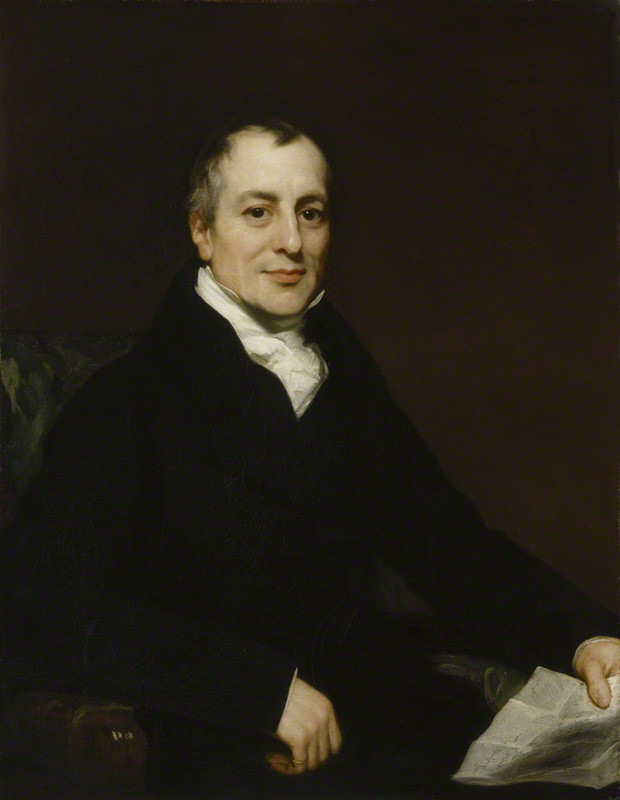
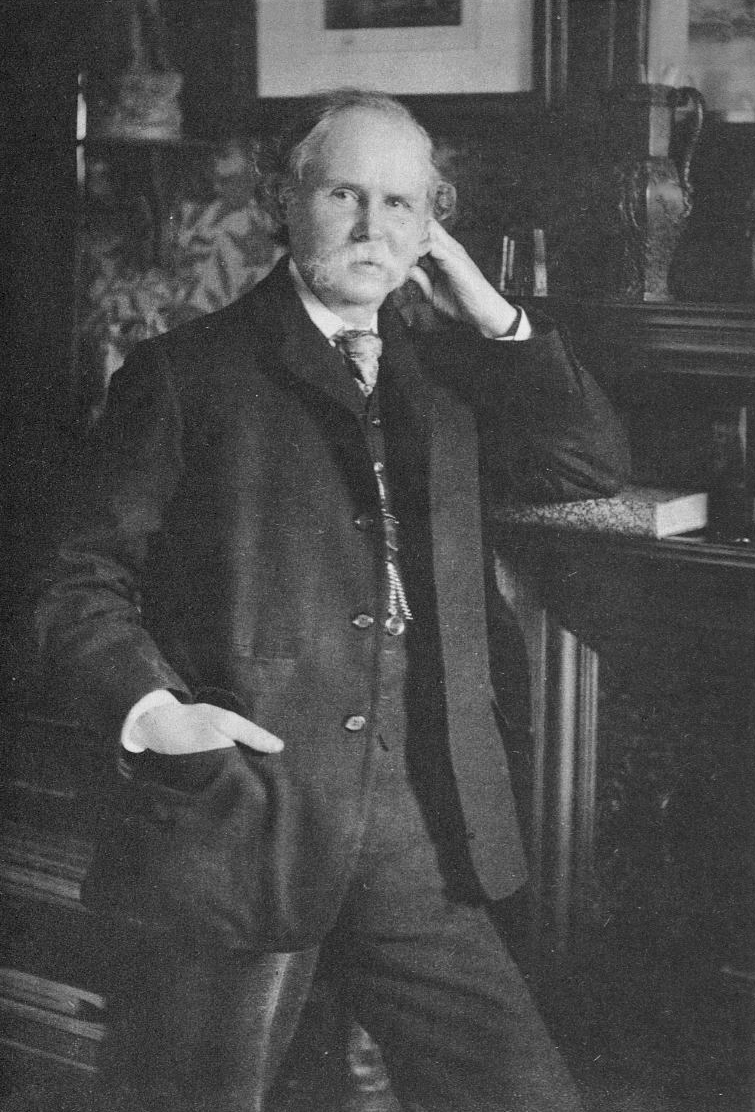
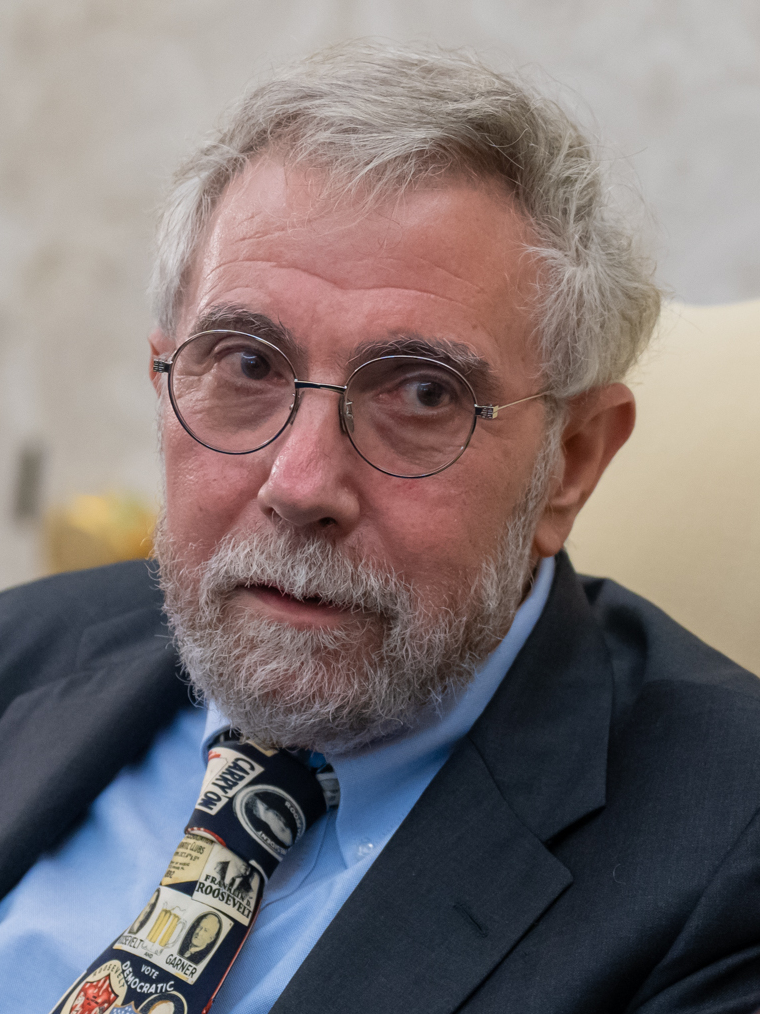

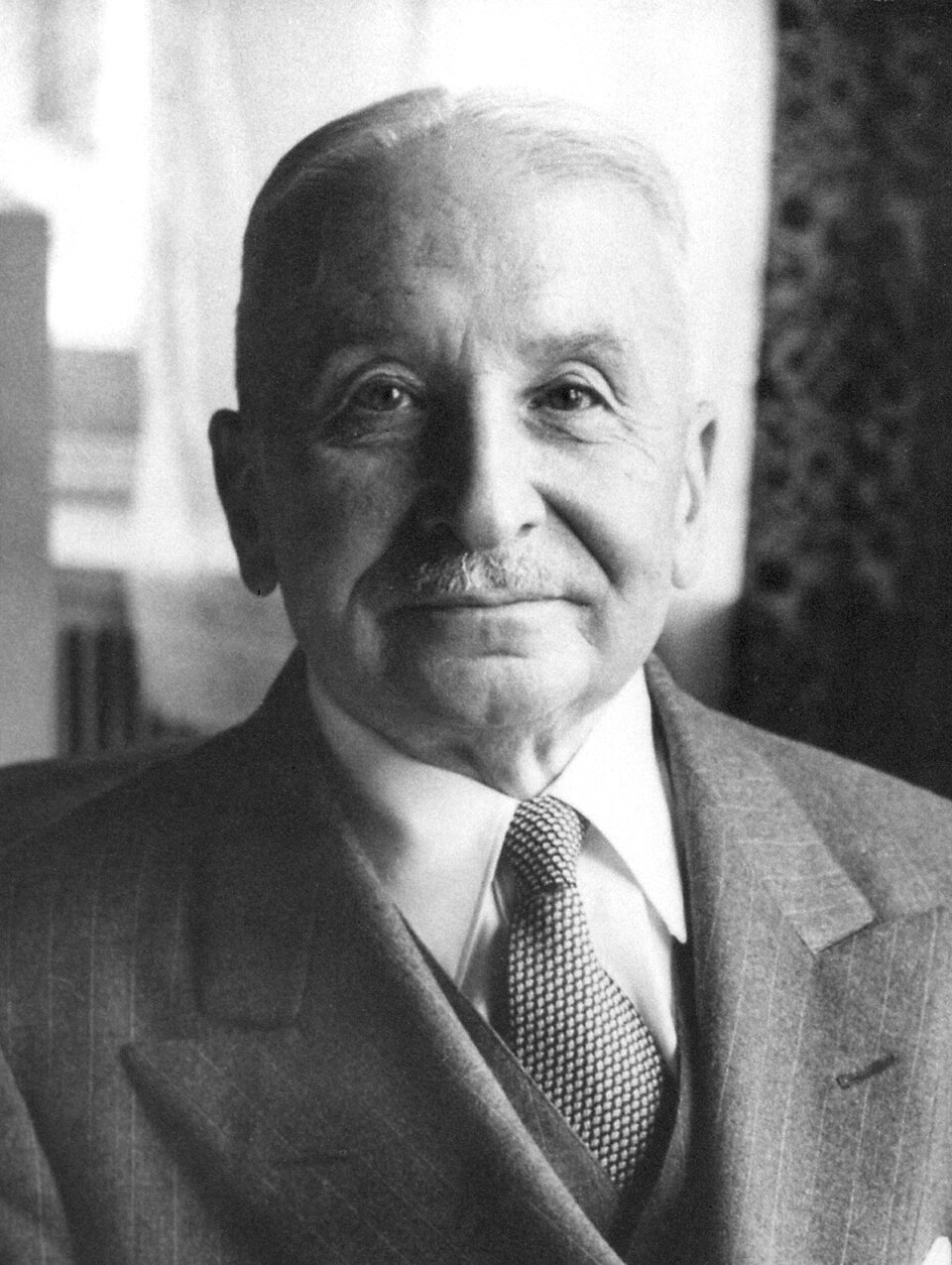

John Maynard Keynes is credited with the saying about market irrationality that is referenced in the article.
SPCX) will be in every Australian’s holding. That’s OK Australia· 2026-07-12


John Maynard Keynes was an economist who believed that the challenge of leisure time must be learned to avoid mental disorientation.
Die Herausforderung, nichts zu tun Switzerland· 2026-07-12
John Maynard Keynes famously stated that in the long run, we are all dead.
El espacio centrista, una aspiración vigenteArgentina· 2026-07-10

Keynes was a prominent economist whose theories influenced government economic policies.
Sobre keynesianos y maquiavelistasArgentina· 2026-06-01

John Maynard Keynes is referenced regarding changing opinions based on new facts.
Die Börsen feiern die Rückkehr des PhysischenSwitzerland· 2026-02-23




John Maynard Keynes was one of the most famous members of the Bloomsbury Group.
Quote of the day by Virginia Woolf: "Why are women more interesting to men than...." India· 2026-02-15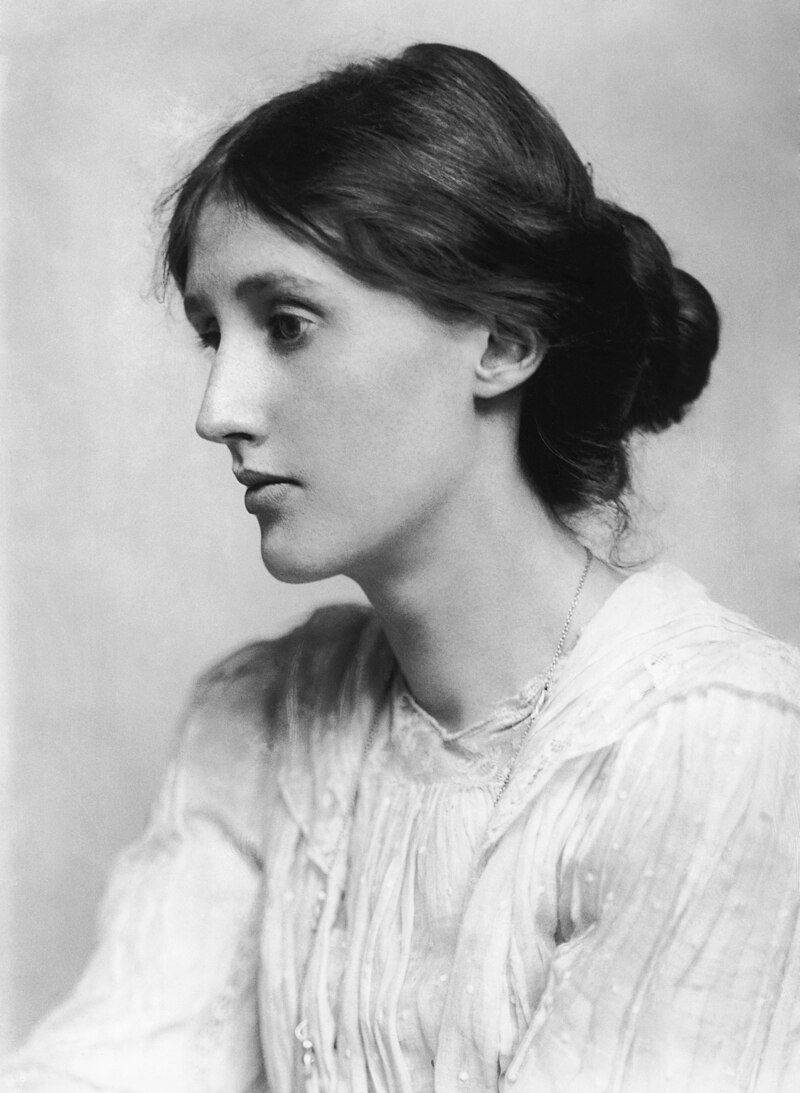
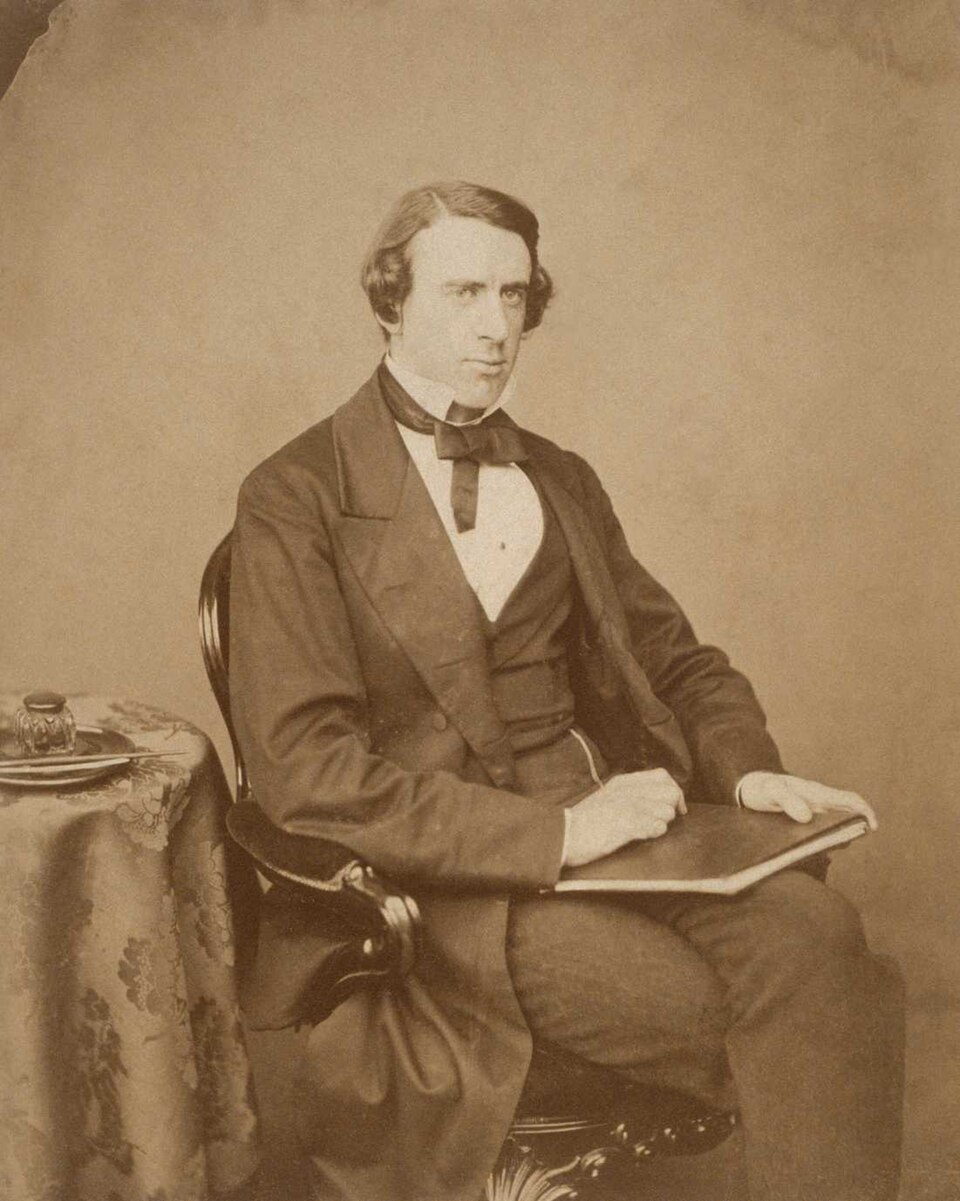


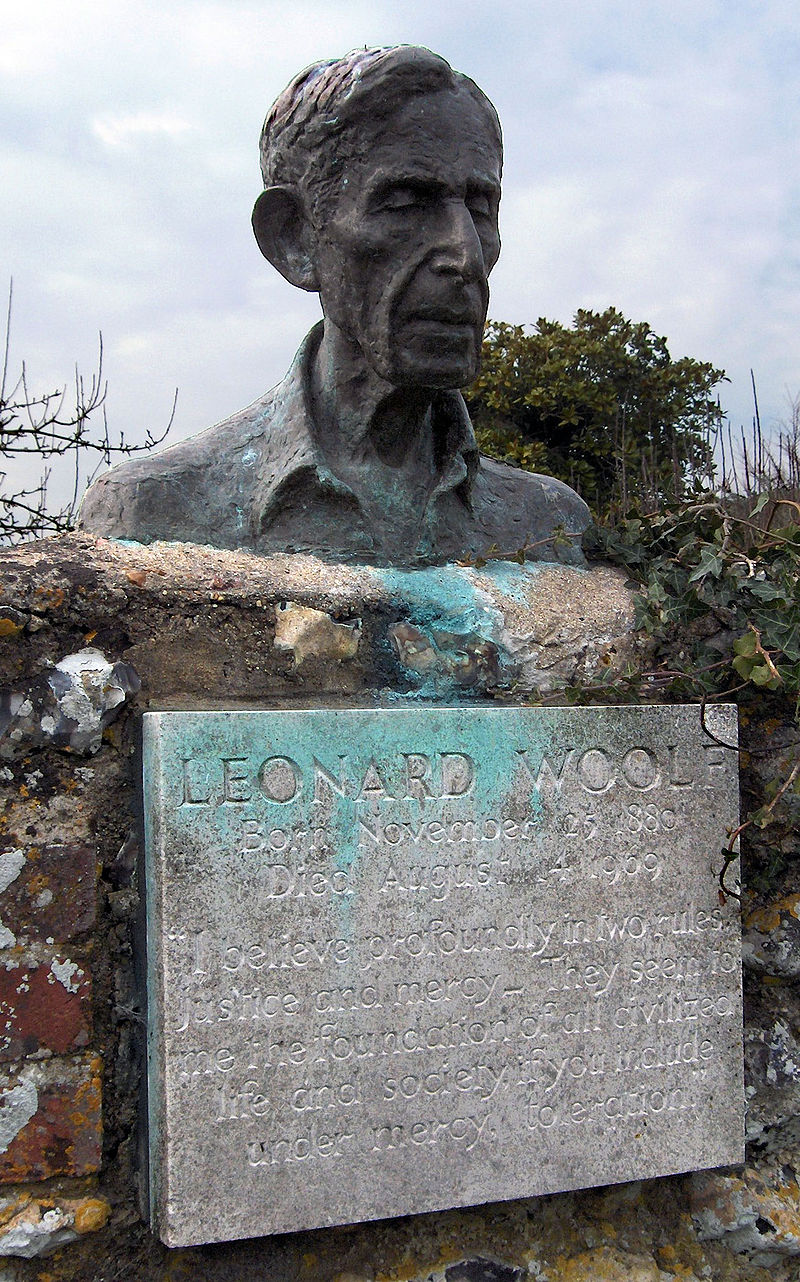
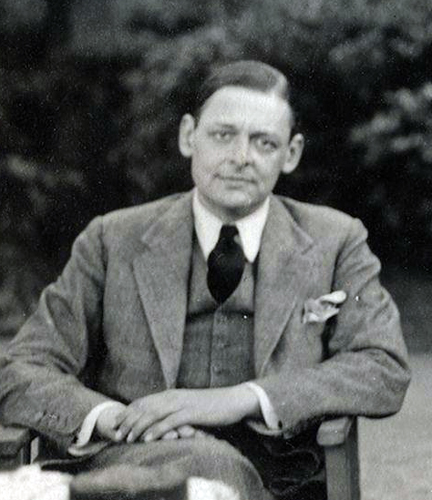
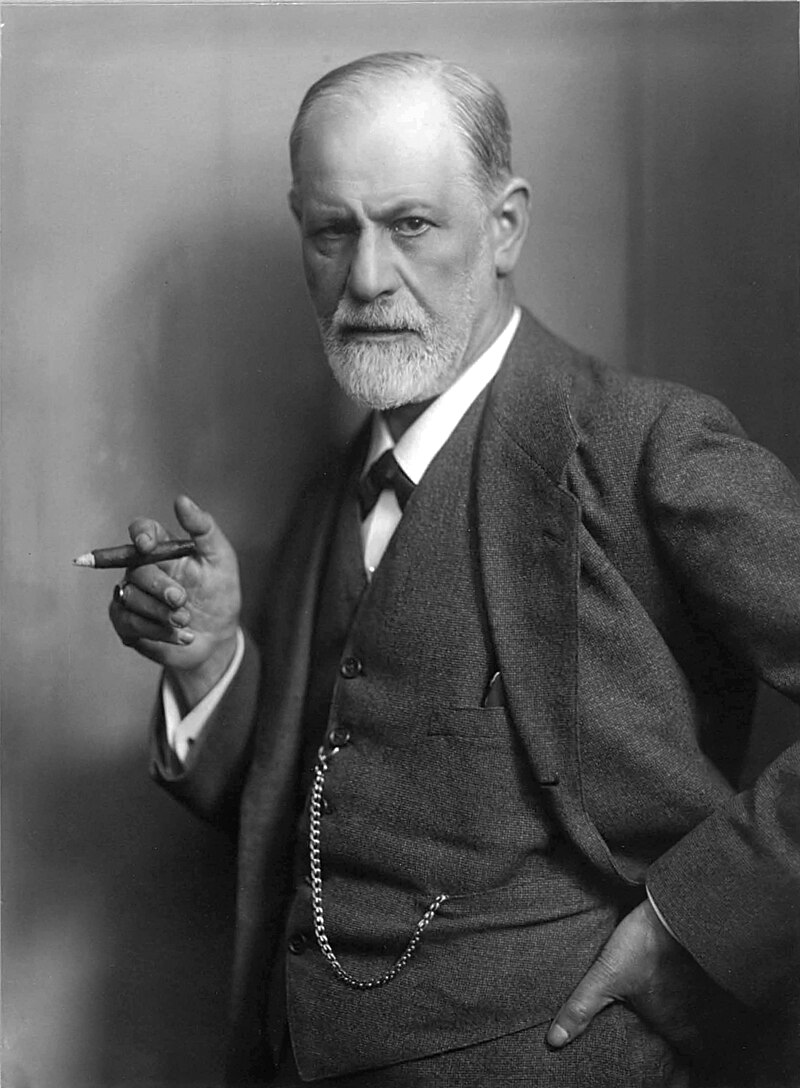

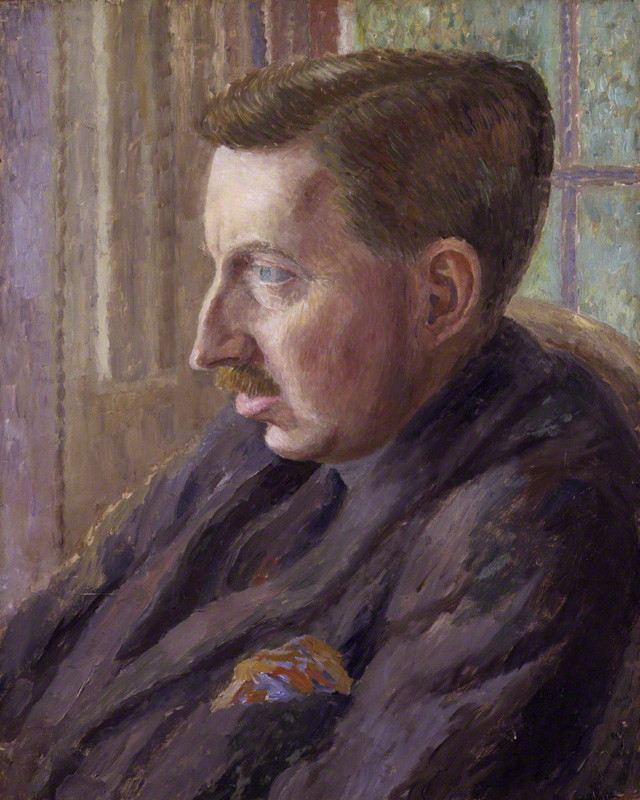

John Maynard Keynes presented a more optimistic revision of Malthus's theory, attributing poverty and hunger to market failures.
הפסימיסט שכלכל את המדע Israel· 2026-02-13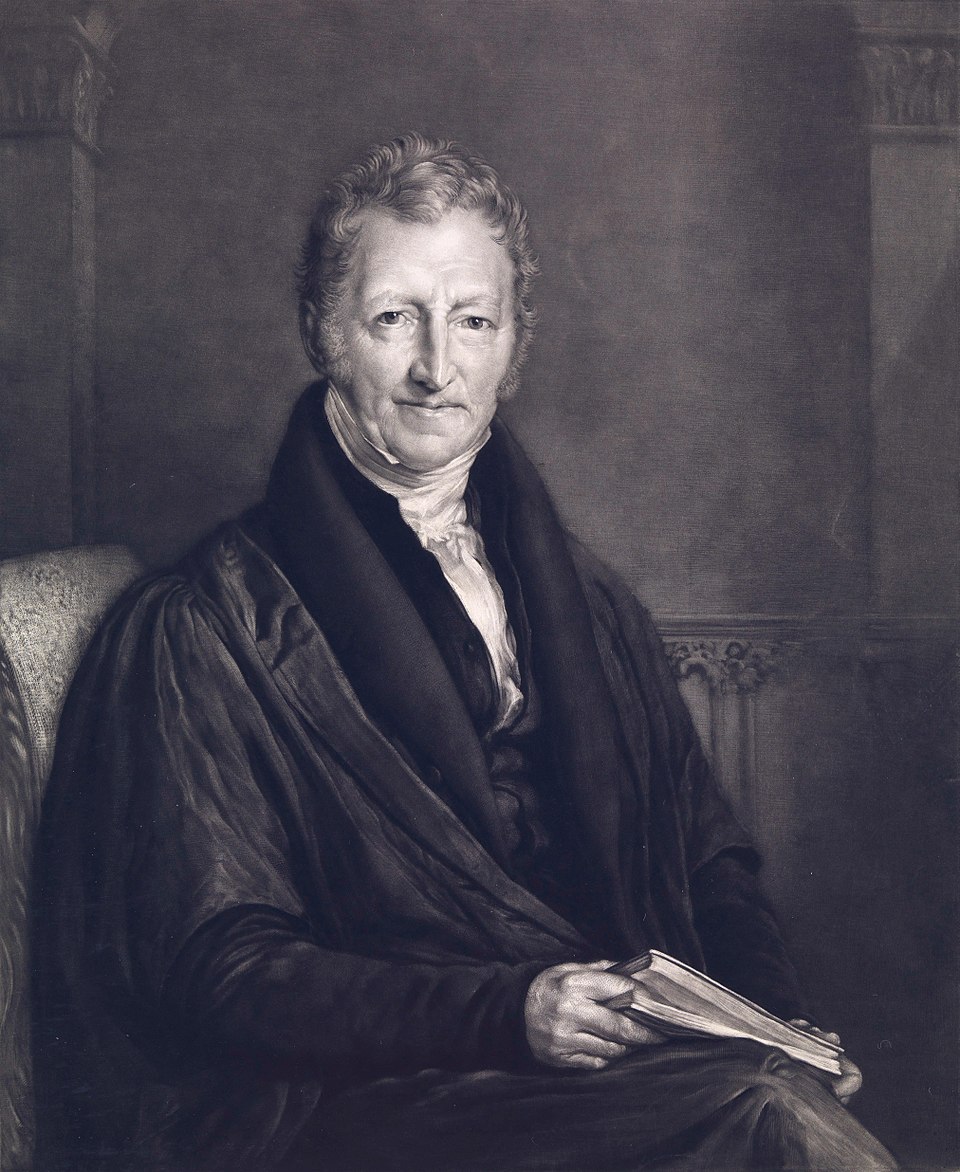
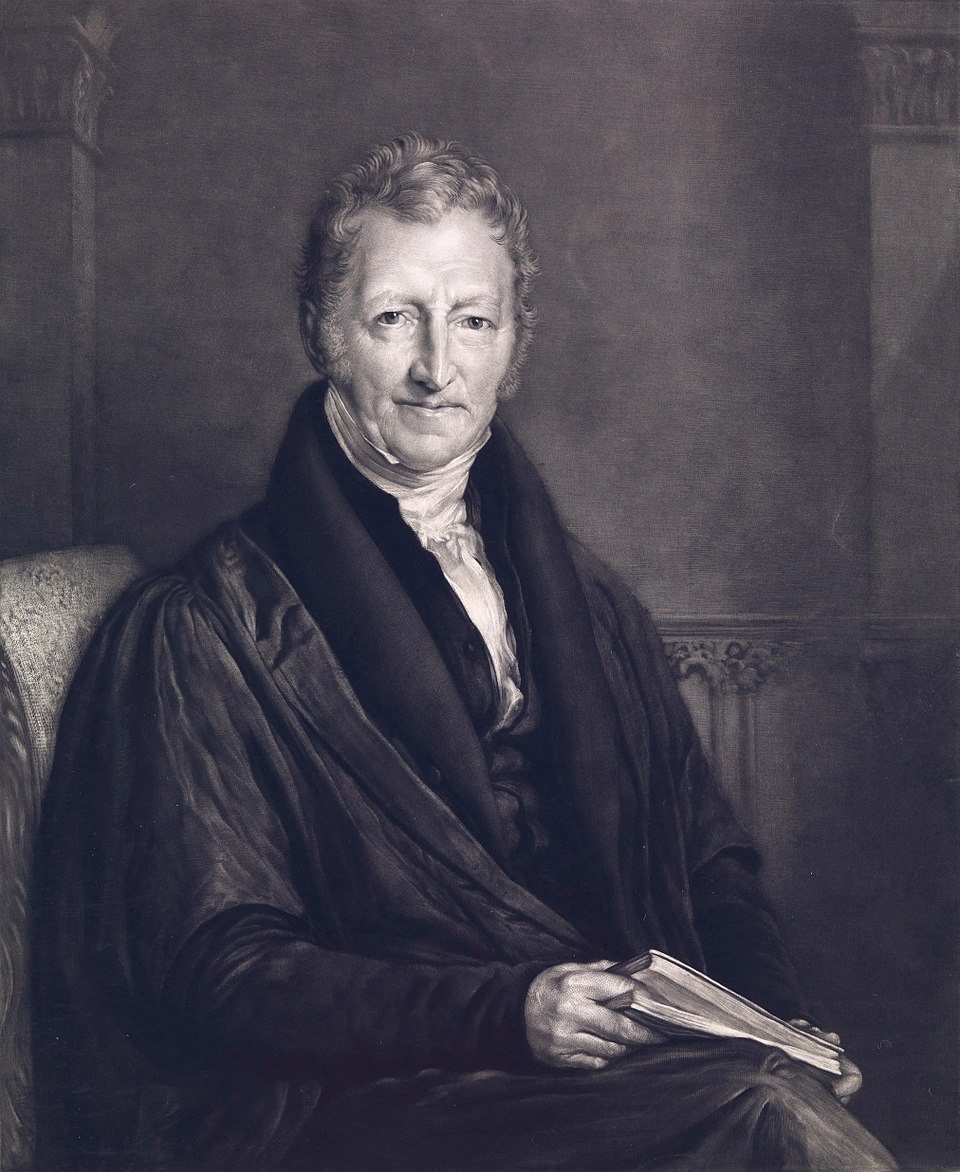
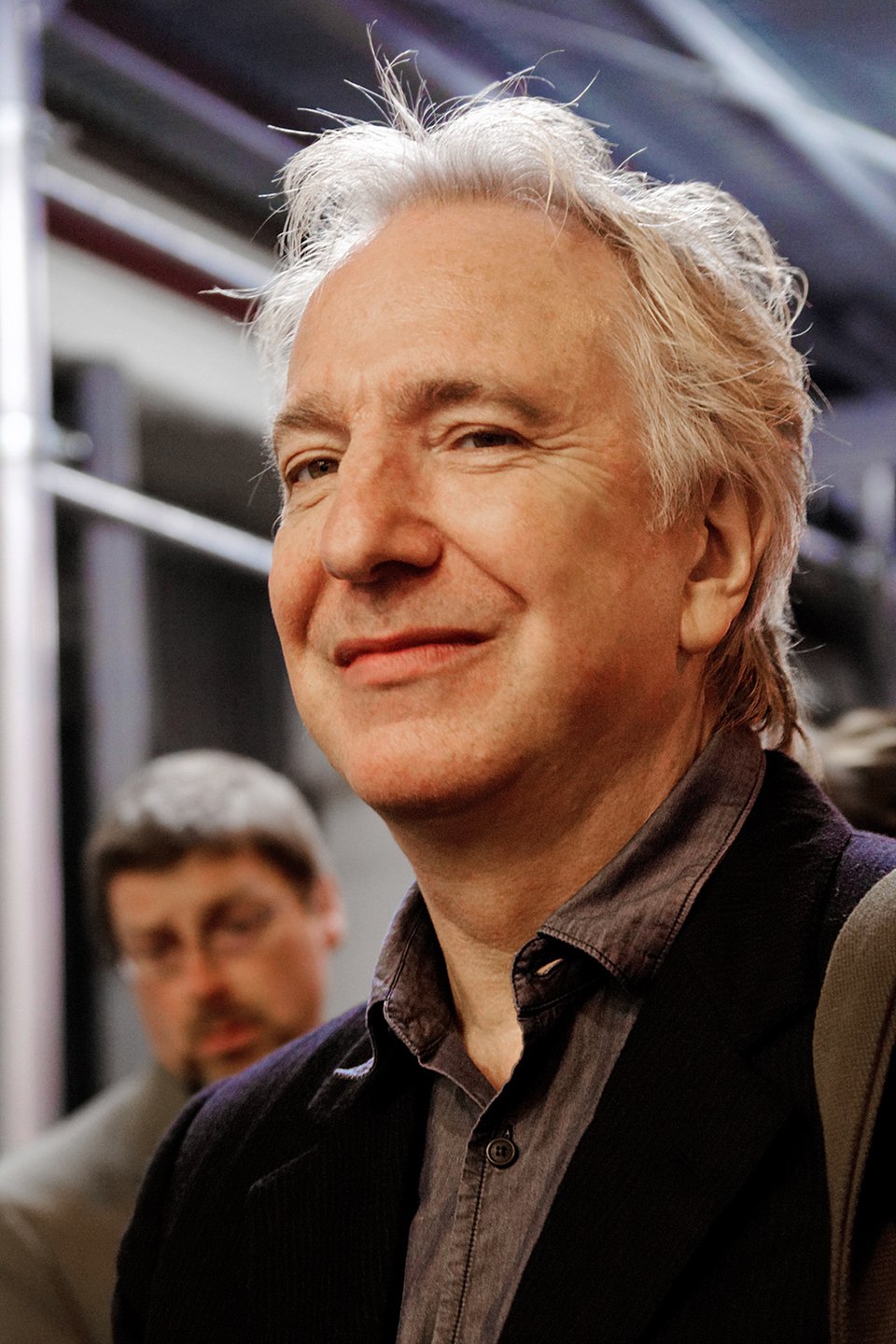
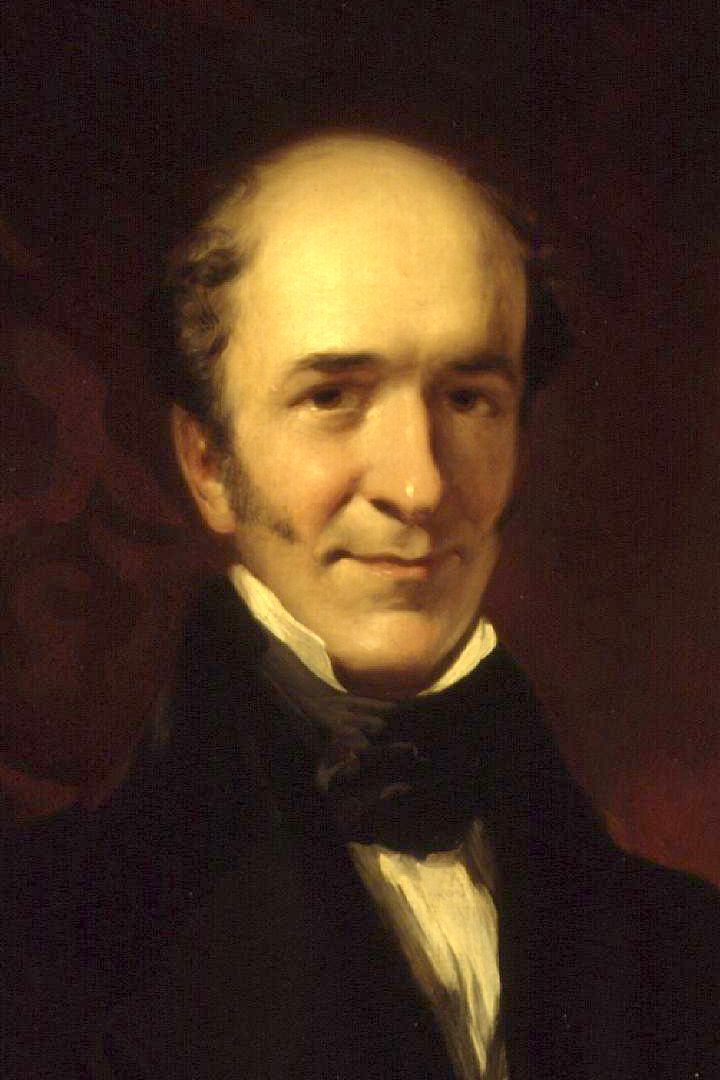
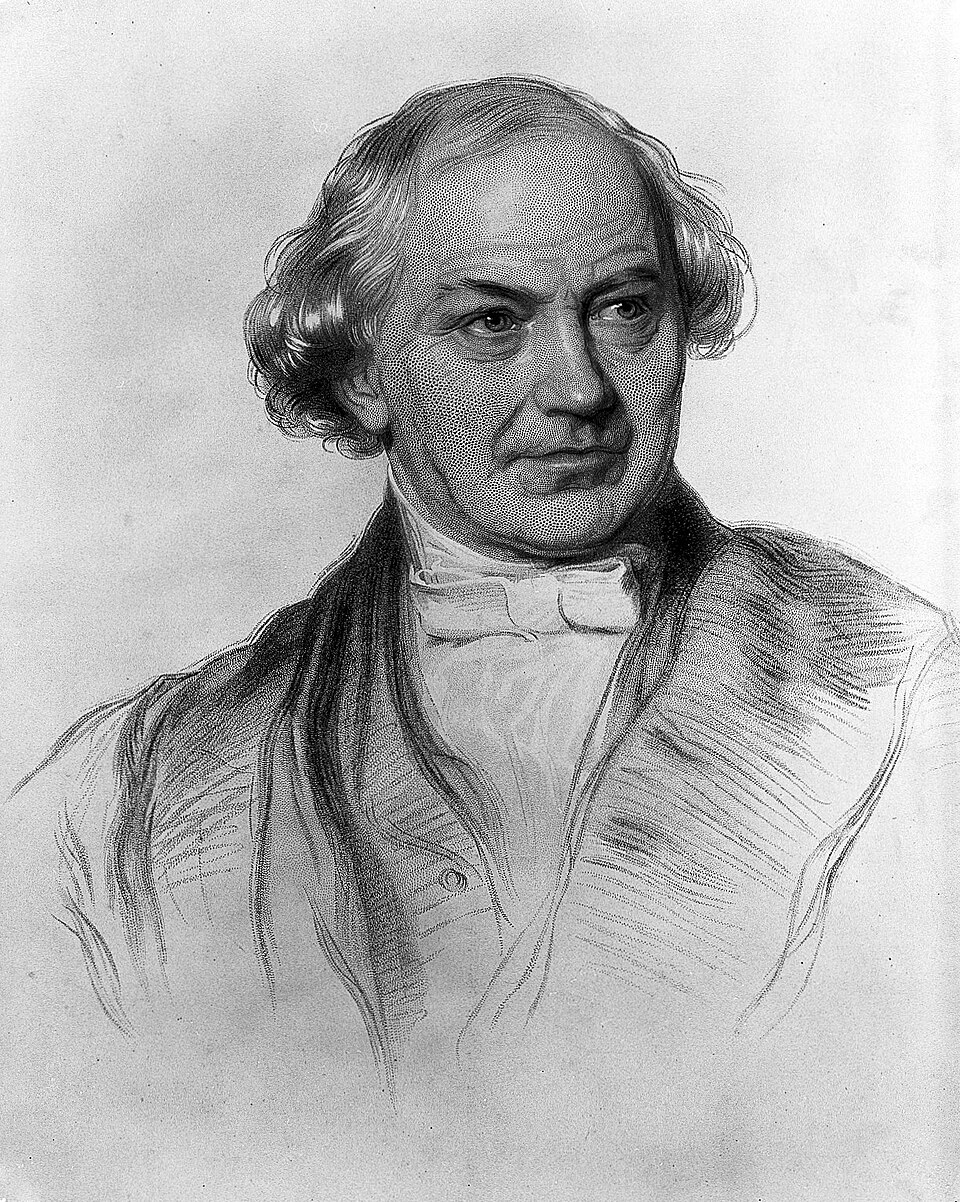
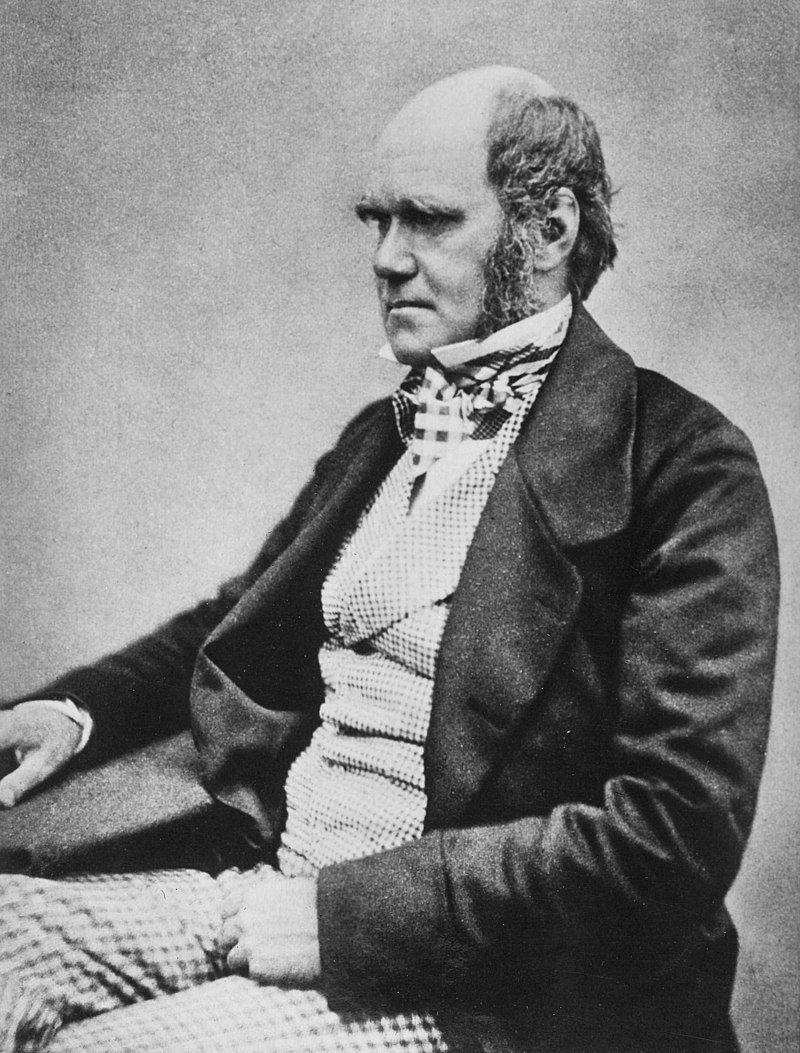
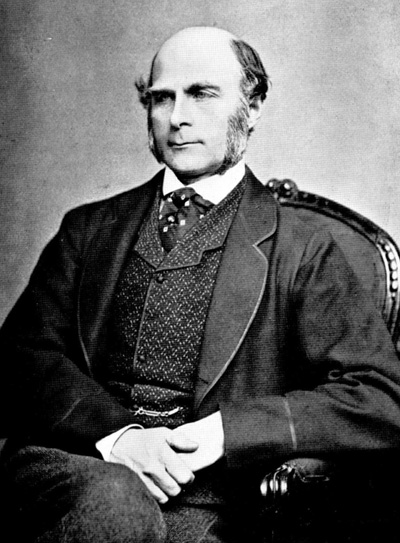
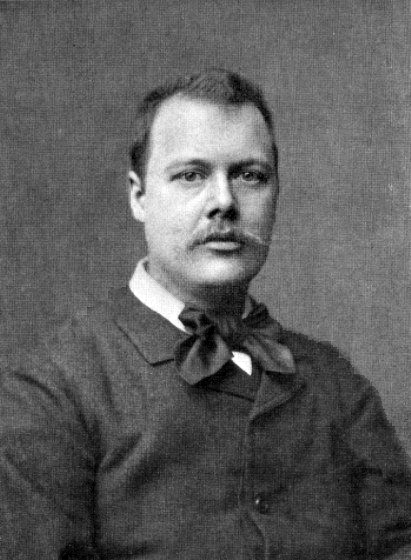
British economist John Maynard Keynes published a bold article with surprisingly optimistic predictions.
Let’s give everyone a four-day work week Canada· 2026-02-09



Nobel laureate John Maynard Keynes astutely pointed out: 'The market can stay irrational longer than you can stay solvent.'
Diversification is trickier than it sounds – for global trade and for investorsCanada· 2026-02-08



John Maynard Keynes is referenced as a key figure in economic thought during the Great Depression.
Lecciones del New Deal, por Iván Alonso | OPINION Peru· 2026-01-31
John Maynard Keynes is cited regarding the value of solid assets during times of economic uncertainty.
Perché il dollaro è crollato, cosa c'entrano le minacce di Trump (e perché per noi ci sono un rischio e un'occasione) Italy· 2026-01-29

The UK, represented by John Maynard Keynes, argued that both creditor and debtor nations should have a role to play.
The ‘rules-based order’ Davos craves has bigger problems than Trump: it represents a world that no longer exists | Larry Elliott United Kingdom· 2026-01-21

John Maynard Keynes is referenced in relation to his view of gold as the 'barbarous relic'.
‘The dollar is losing credibility’: why central banks are scrambling for gold | GoldUnited Kingdom· 2026-01-17


The origin of tests like 'Guess the Number' is attributed to the British economist John Maynard Keynes.
KI Modelle überschätzen menschliche Logik - Wissen Germany· 2026-01-11
John Maynard Keynes is mentioned as the brother of Margaret Keynes, who was involved in Eglantyne Jebb's life.
Cómo el arresto de una mujer en Londres cambió la vida de los niños de todo el mundo Uruguay· 2025-12-25



John Maynard Keynes wrote that 'the difficulty lies not so much in developing new ideas as in escaping from old ones.'
El valor de aprenderUruguay· 2025-12-12John Maynard Keynes predicted that by the early 21st century, the standard work week would be 15 hours.
закон есть, а где работа? Kazakhstan· 2025-12-02



John Maynard Keynes is referenced for his critical view of the Treaty of Versailles and its economic implications.
Pogrešna vrsta mira vodi u novi rat Montenegro· 2025-11-30

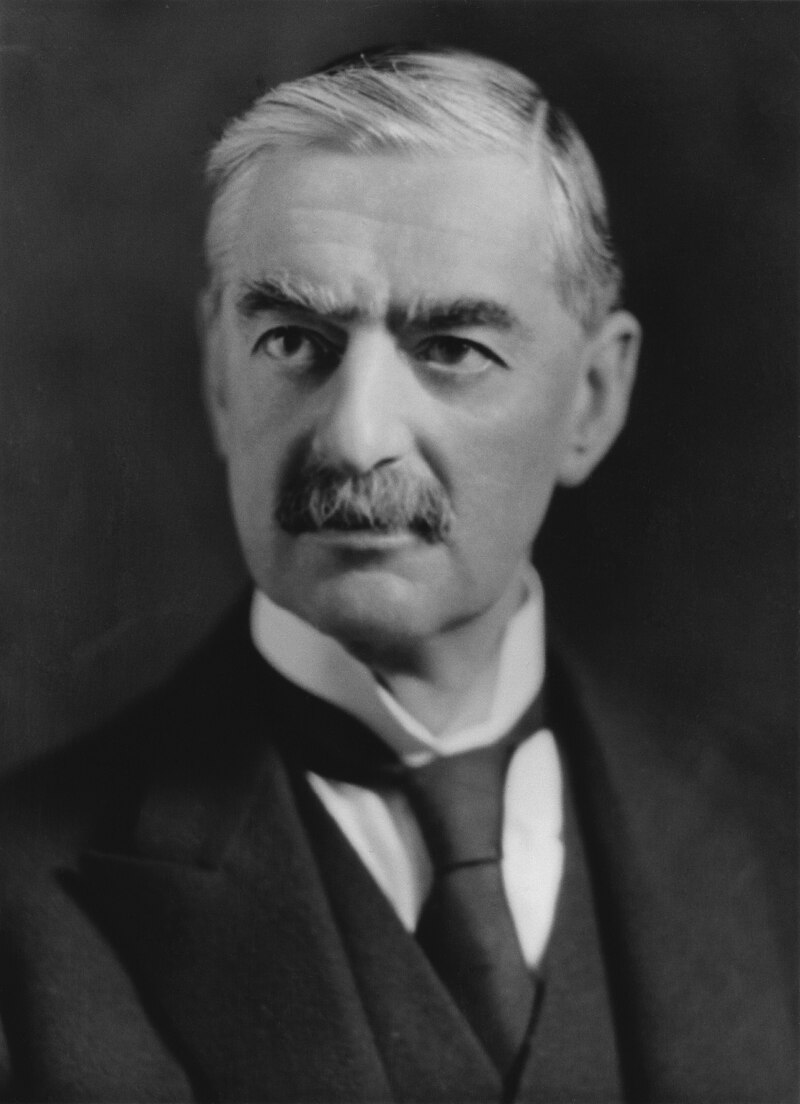

John Maynard Keynes is cited as a foundational figure in economic theory advocating for government intervention during economic crises.
සල්ලි කැටේ පිරුණු රටේ අයවැය Sri Lanka· 2025-11-14
John Maynard Keynes is referenced regarding his economic theories on government intervention during economic crises.
සල්ලි කැටේ පිරුණු රටේ අයවැයSri Lanka· 2025-11-14Keynes argued that countries desired to be their own masters and free from external interference.
The Economist: Brasil mostra por que, na era Trump, autonomia nacional exige mais integração global Liechtenstein· 2025-11-11
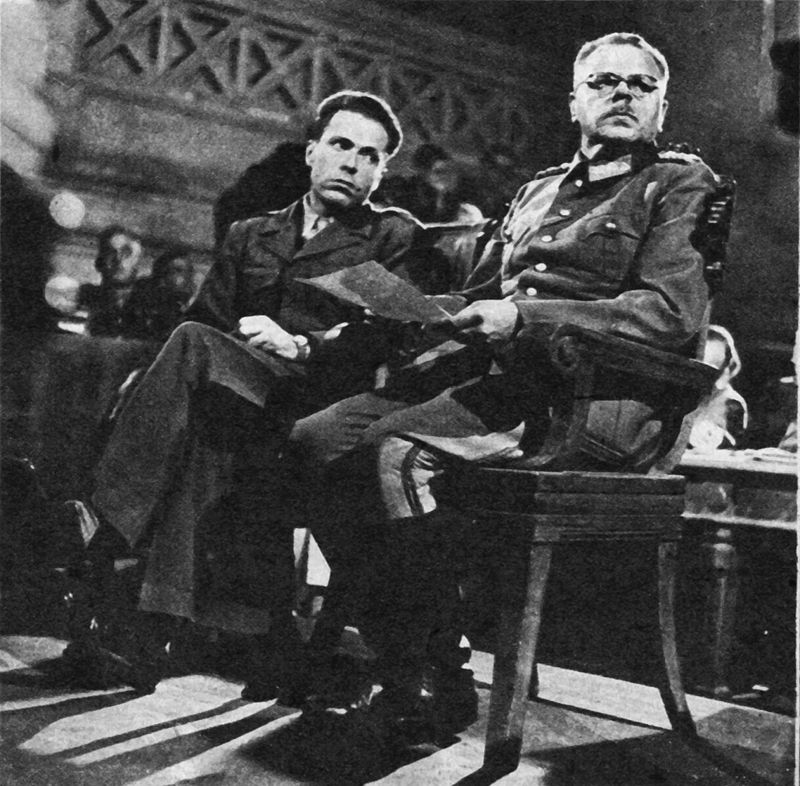
John Maynard Keynes initiated the establishment of the IMF after World War II.
IMF varoittaa Suomea kaikkien aikojen velkataakasta Finland· 2025-11-10

John Maynard Keynes argued that countries desired to be their own masters and free from external interference.
The Economist: Brasil mostra por que, na era Trump, autonomia nacional exige mais integração globalLiechtenstein· 2025-11-02
John Maynard Keynes is mentioned for his concept of 'accidental redistribution of wealth'.
Богатиот свет се дави во долгови North Macedonia· 2025-10-25

John Maynard Keynes lamented that natural resources should be a blessing but often turn into a curse.
La politique minière du Burundi : entre leurre économique et voies de l’émergence – IWACU Burundi· 2025-10-22

John Maynard Keynes referred to inflation as causing an 'arbitrary reorganization of wealth'.
The Economist: Escalada da dívida pública de países ricos testa limite fiscal e pode causar surto de inflaçãoLiechtenstein· 2025-10-20
John Maynard Keynes famously dismissed the metal’s role in the monetary system as 'a barbarous relic.'
Three reasons to be deeply skeptical about the current gold rallyCanada· 2025-10-19