Andrei Sakharov
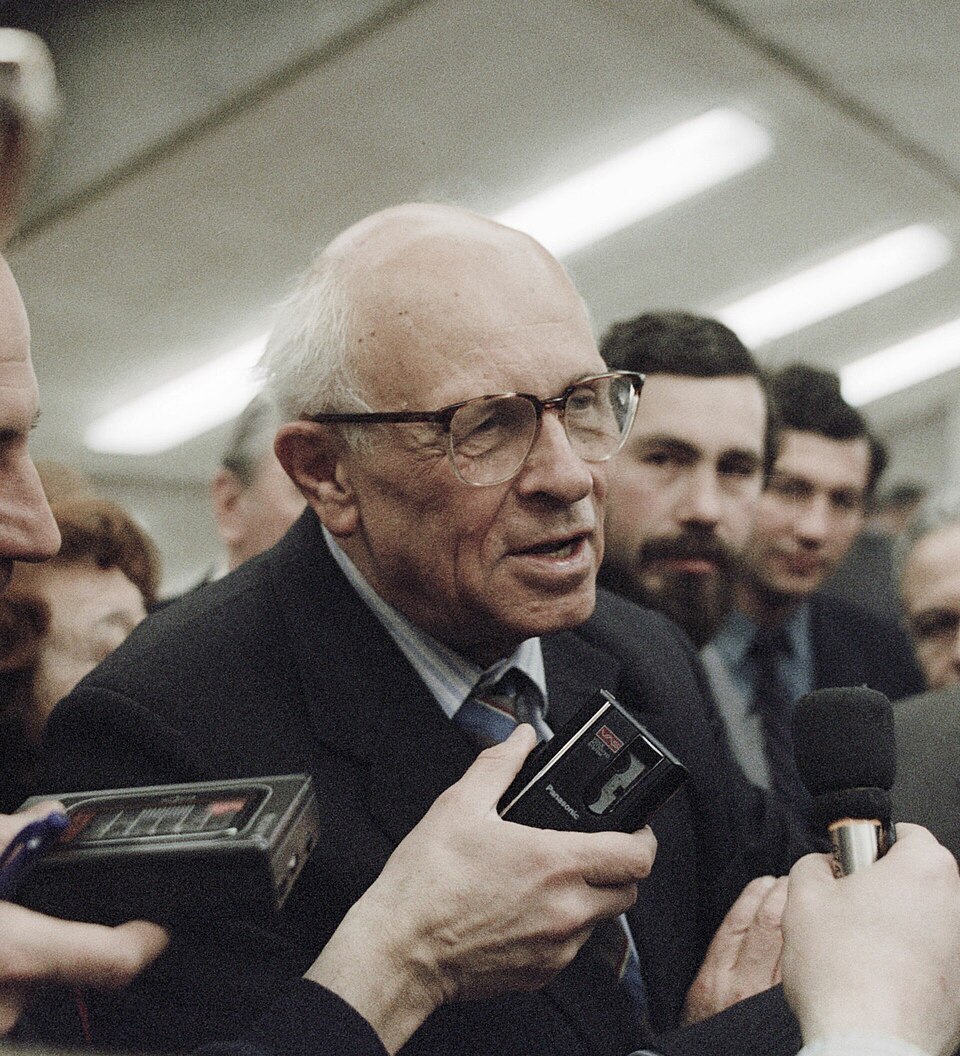
Andrei Sakharov was a prominent Soviet physicist, dissident, and human rights activist, known for his work on nuclear weapons as well as his outspoken criticism of the Soviet government and advocacy for civil liberties and reforms. He played a crucial role in the development of the Soviet hydrogen bomb but later became a leading voice against nuclear proliferation and for human rights, earning the Nobel Peace Prize in 1975.
Not in the pool (under ¢1).
Recent news mentions
Andrei Sakharov was a physicist who became a prominent human rights activist and democrat.
Mikhail Zygars Blick auf Russlands Gegenwart Switzerland· 2026-06-22




In 2020, Nikolai Statkevich received the Andrei Sakharov Prize.
В реанимации Николая Статкевича три недели кормили через трубку Belarus· 2026-02-21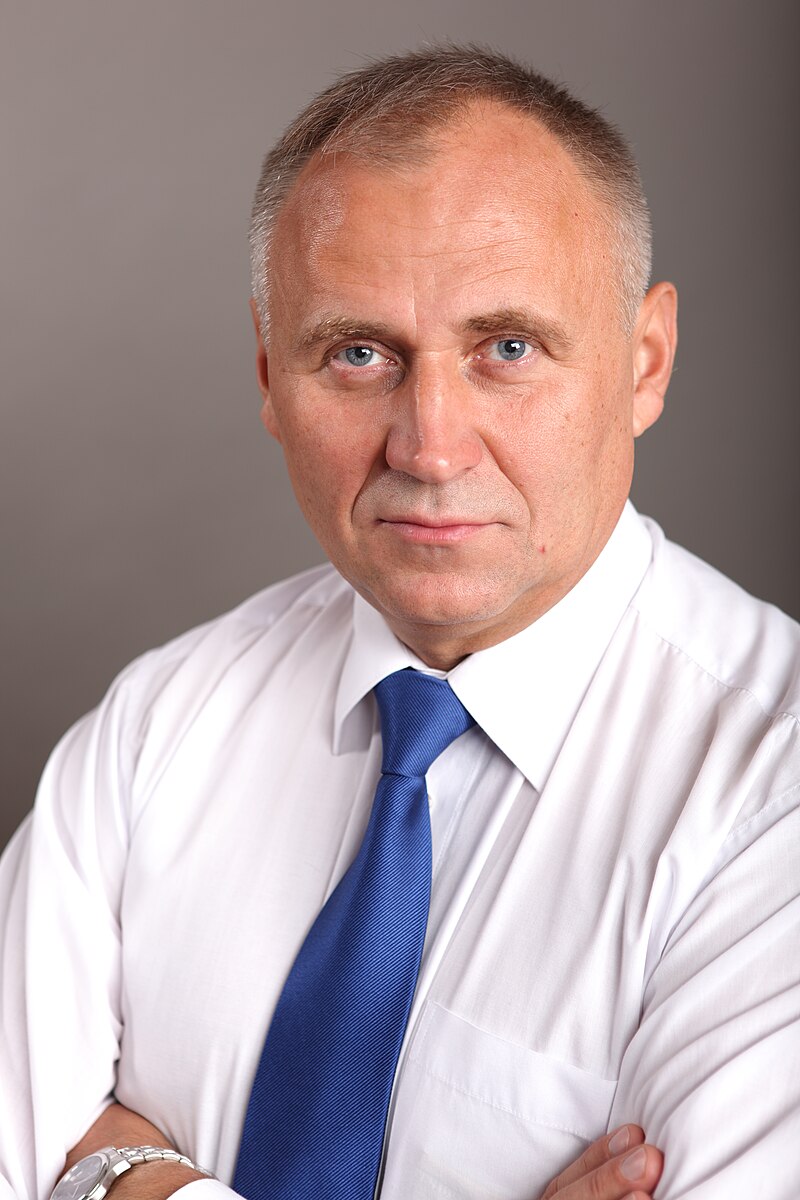

In 2020, Nikolai Statkevich received the Andrei Sakharov Prize.
Старые котики даже через пять лет признали своего хозяинаBelarus· 2026-02-20In 2020, Statkevich received the Andrei Sakharov Prize.
Статкевича помиловали уже полгода назад, но тогда он вернулся в тюрьмуBelarus· 2026-02-20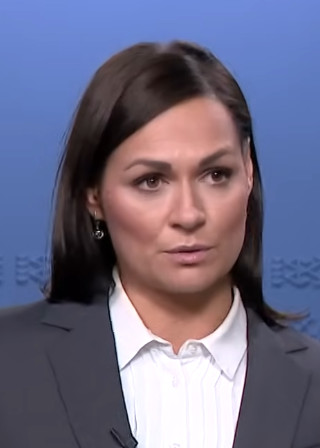
In 1970, Roy Medvédev published an open letter with Andrei Sakharov advocating for the democratization of the Soviet Union.
Muere el historiador y disidente Roy Medvédev, biógrafo de Putin y Yeltsin Dominican Republic· 2026-02-13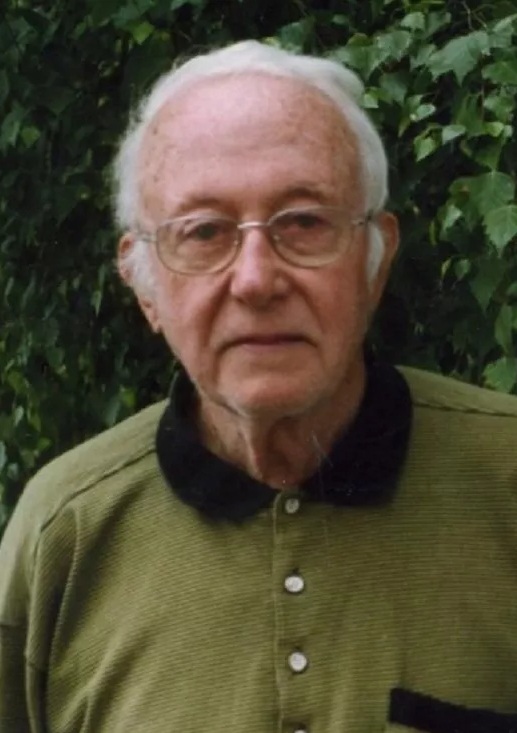
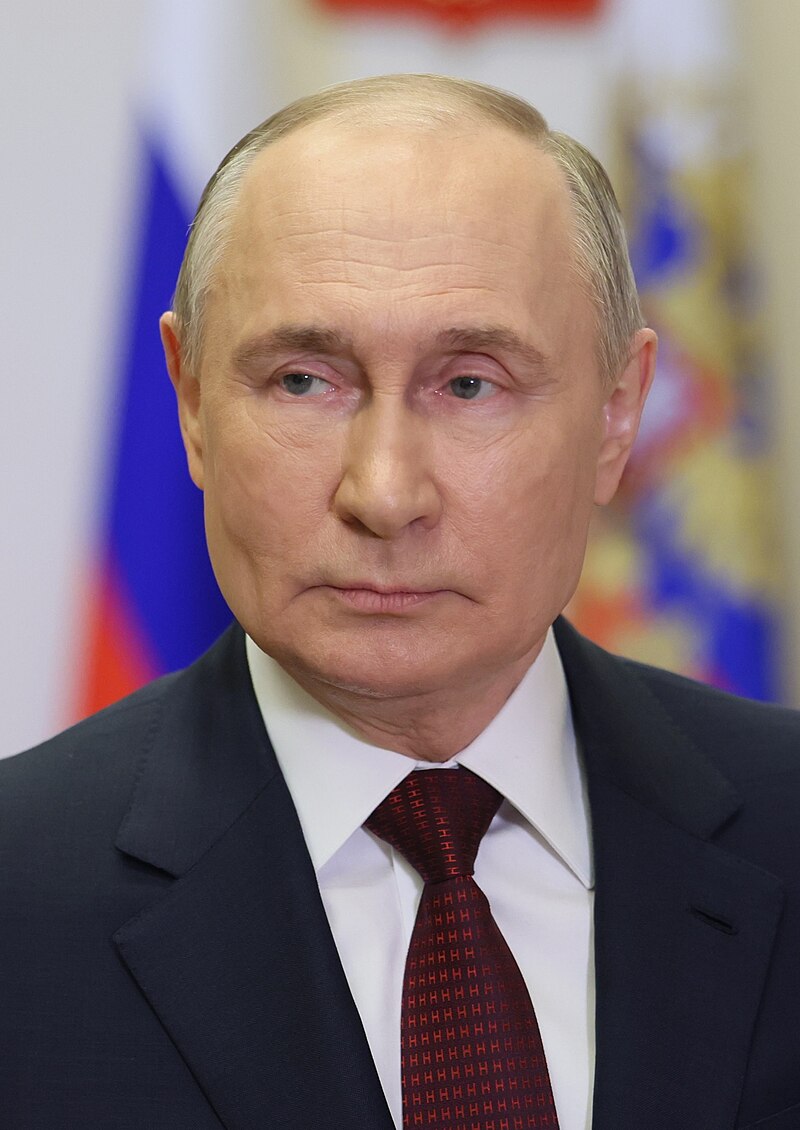
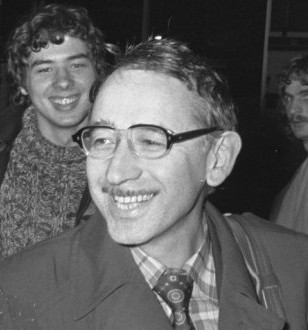

Padva represented the family of Andrei Sakharov.
Умер адвокат Генрих Падва — РБК Russia· 2026-02-10



Andrei Sakharov was a prominent human rights activist and physicist known for his advocacy for civil liberties, whom Elena Gnauk was acquainted with.
«Такого скотского отношения, как в барановичском СИЗО, я нигде не встречала». Пенсионерка Елена Гнаук рассказала, как над ней издевались за решеткойBelarus· 2026-01-13

Andrei Sakharov was a physicist and dissident who was awarded the Nobel Peace Prize, which the Soviet authorities denied him the ability to accept.
Σοβιετική σημειολογία | Η ΚΑΘΗΜΕΡΙΝΗ Greece· 2025-11-09

Andrei Sakharov was known for his strong opposition to the Soviet regime and his views on Georgia.
მზიასთვის ანდრეი სახაროვის პრიზი მიუციათ. მახსოვს, სახაროვი ამტკიცებდა, საქართველო მცირე იმპერიაა და უნდა დაინგრესო... Georgia· 2025-10-23

The prize named after the Soviet physicist and political dissident Andrei Sakharov is awarded annually to individuals and organizations that advocate for human rights and fundamental freedoms.
EU-Parlament ehrt inhaftierte Journalisten - Kultur Germany· 2025-10-22

Andrei Sakharov personified the pro-Western people in the disintegrating USSR.
Коментари - Европа | История в снимка: Ден в памет на жертвите на престъпленията на сталинизма и нацизма Bulgaria· 2025-08-23


Soviet physicist Andrei Sakharov recognized the implications of the discovery of CP-symmetry violation.
Cern-Experiment: neue Erkenntnisse zur Materie-Antimaterie-AsymmetrieSwitzerland· 2025-07-20
Andrei Sakharov developed the most powerful atomic bombs ever detonated for the Soviet Union and later won the Nobel Peace Prize.
El mayor acelerador de partículas observa un huidizo desequilibrio entre materia y antimateria | Ciencia Spain· 2025-07-16
Andrei Sakharov became one of the most celebrated dissidents in the Soviet Union.
диссиденты, которые подтачивали империю изнутриBelarus· 2025-07-06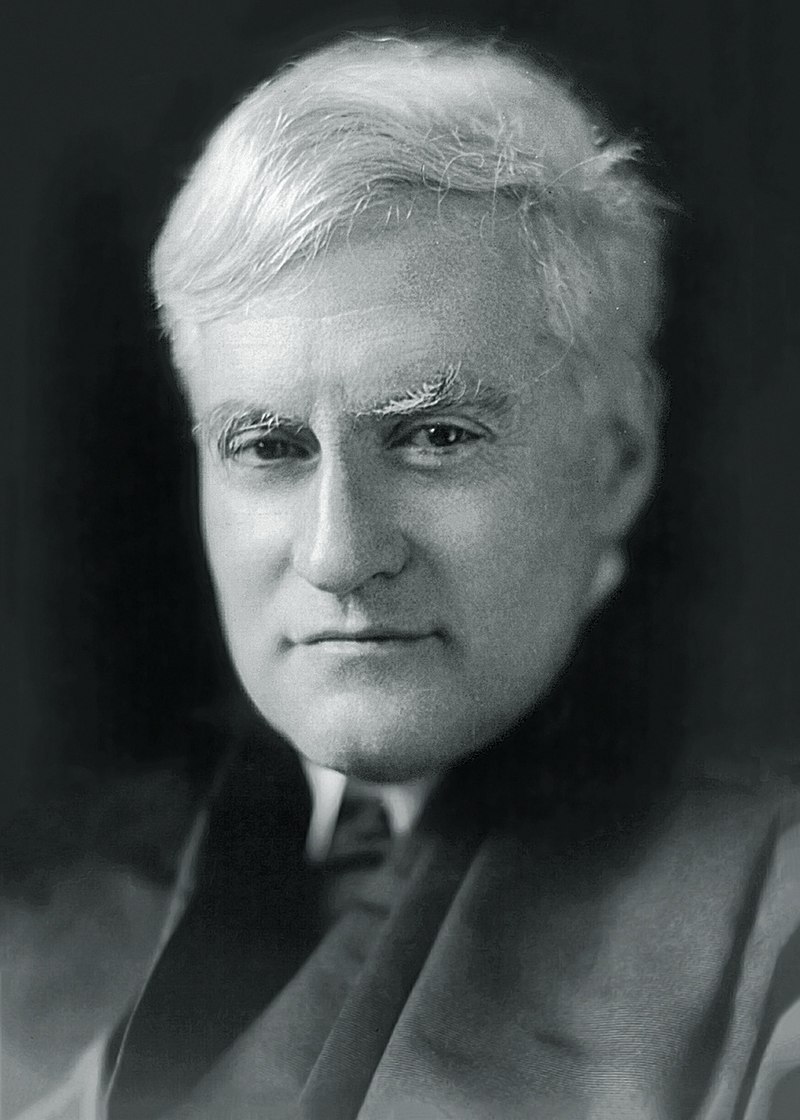



Andrei Sakharov was a Russian scientist and Nobel Peace Prize winner in 1975.
¿Qué pasó en el mundo un día como hoy? Revisa el efemérides del 21 de mayo | MUNDO Peru· 2025-05-21


Andrei Sakharov is quoted in the article emphasizing the importance of truth for healing nations.
La gran América, desnuda ante el mundo | OpiniónSpain· 2025-04-20