Archimedes
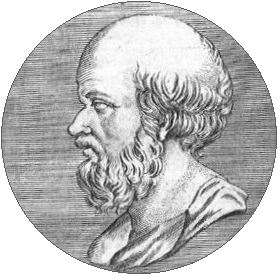
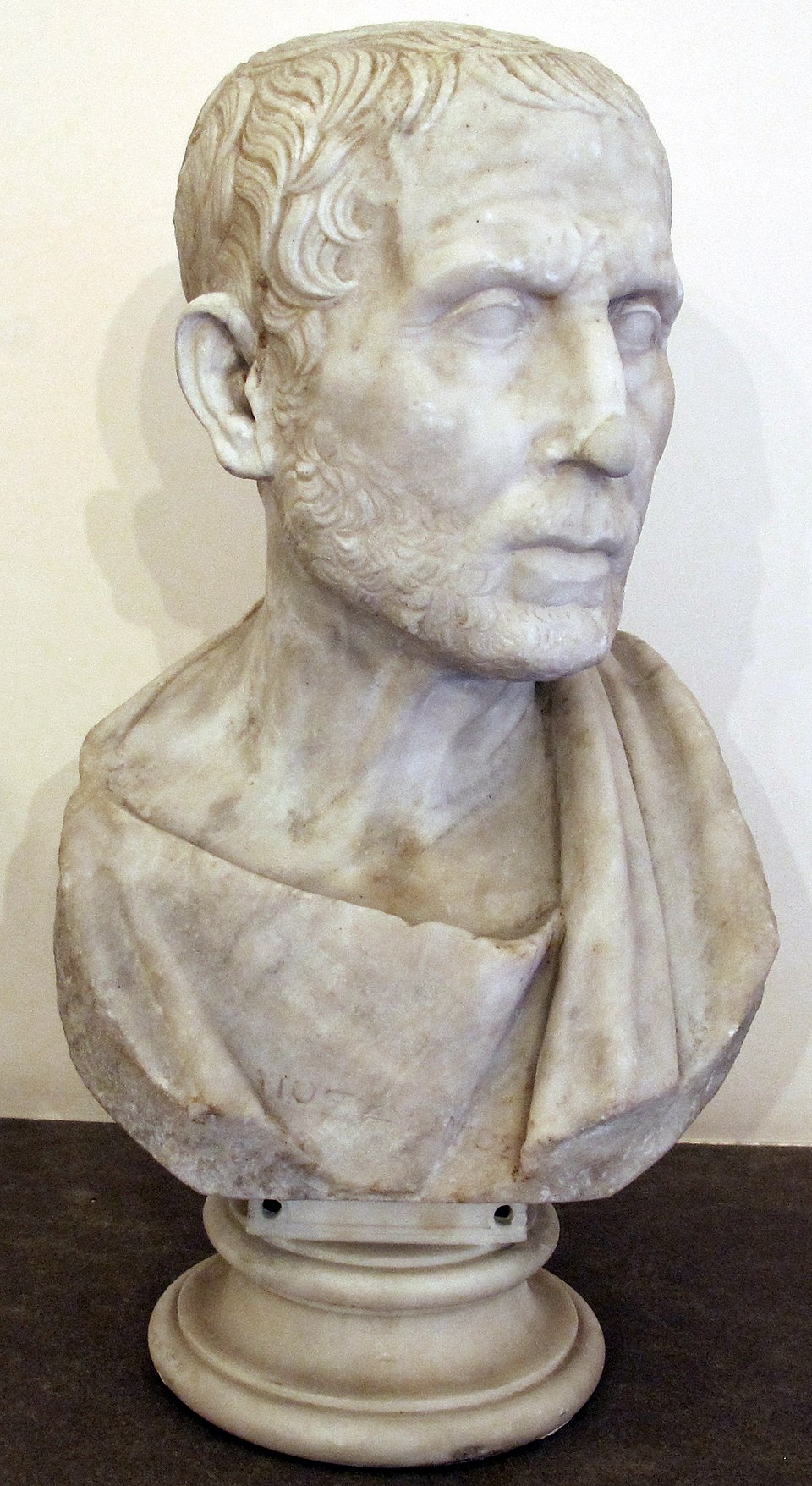
Archimedes of Syracuse (c. 287 – c. 212 BC) was an ancient Greek mathematician, physicist, engineer, astronomer, and inventor. He is best known for his contributions to mathematics, particularly in the field of geometry, and for formulating the principle of buoyancy known as Archimedes' Principle. His inventions include the Archimedean screw, a device for raising water, and he made significant advances in the understanding of levers and pulleys. Archimedes' work laid the groundwork for modern mathematics and engineering, and his insights have influenced countless fields over the centuries.
Not in the pool (under ¢1).
Recent news mentions
Archimedes was an ancient Greek mathematician, physicist, engineer, astronomer, and inventor.
Quote of the day by Archimedes: 'Give me a place to stand, a lever long enough and a fulcrum on which to place it, and I shall move the World', and how to find your own fulcrum India· 2026-07-31
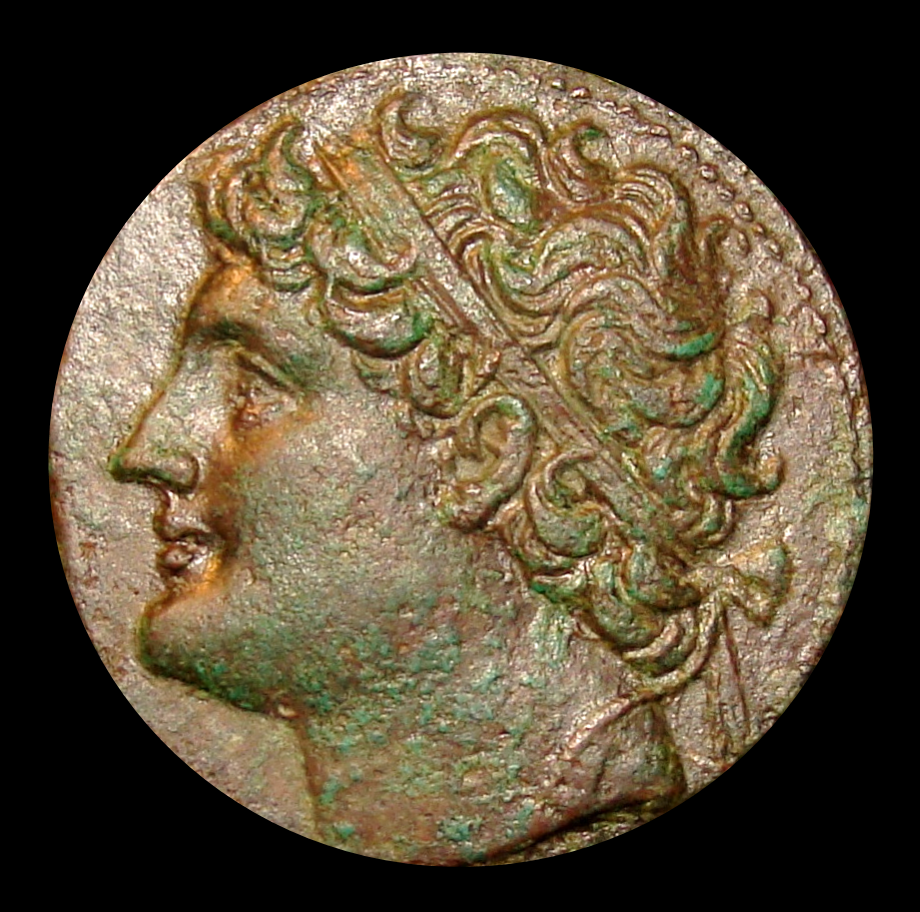
Many experts believe that the Antikythera mechanism originates from a scientific tradition associated with Archimedes.
Star je više od 2.000 godina, a mogao je predviđati pomrač Bosnia and Herzegovina· 2026-07-28
Archimedes was one of the first to develop a method for approximating π.
נחשפו קשרים עמוקים בין נוסחאות מתמטיות שונות של הקבוע π Israel· 2025-12-02







Archimedes was an extraordinary genius known for his contributions to mathematics and inventions.
Por qué tardamos más de 2.000 años en saber cuán asombrosamente lejos había llegado Arquímedes en su conocimiento de matemáticas Panama· 2025-09-22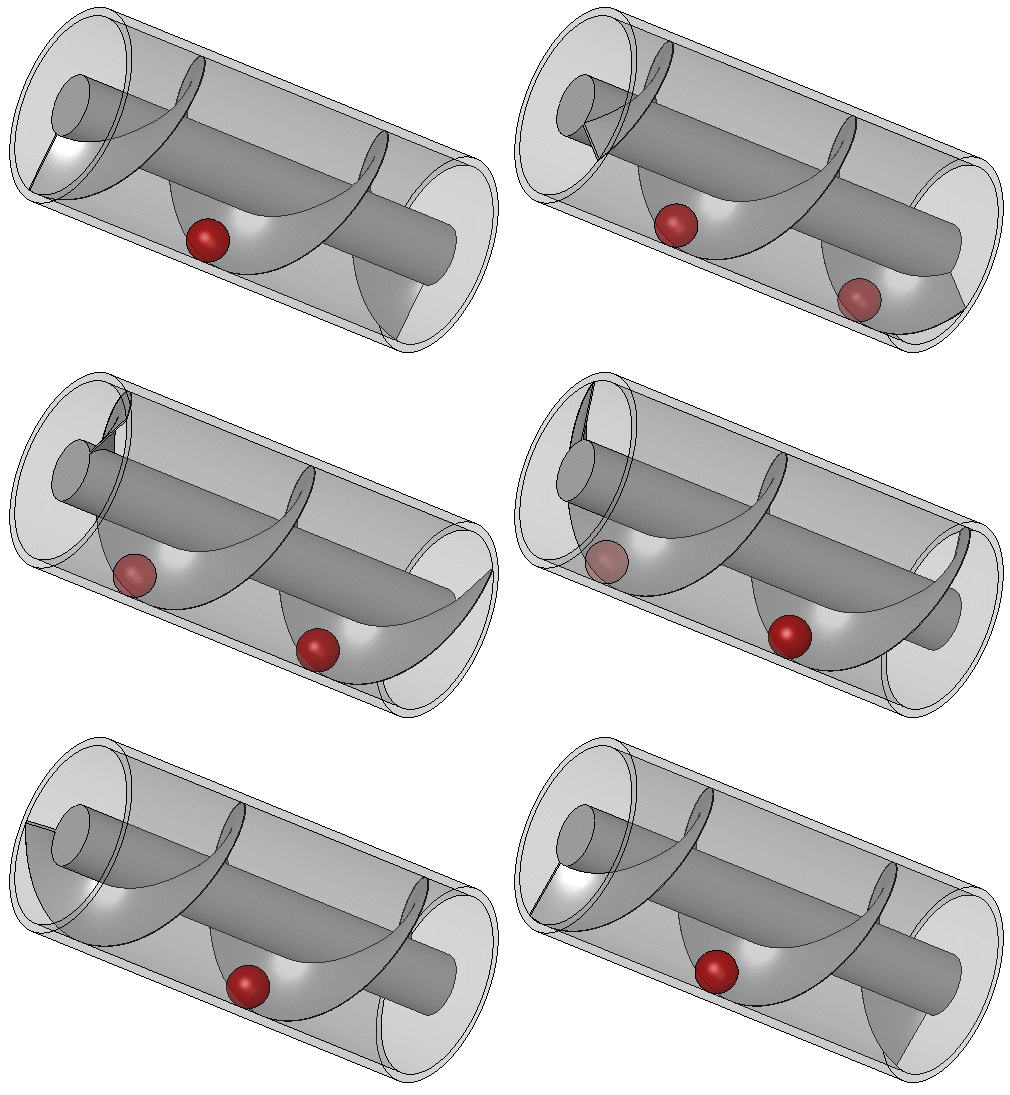


Some suspect that Archimedes might be the creator of the device.
Index - Tudomány - Megfejtették az Indiana Jones-filmekből ismert sors tárcsájának titkát Hungary· 2025-04-23
Archimedes is known for his invention of the Archimedean screw, which is still used today for water lifting.
Ο Αρχιμήδης, ο Γουτεμβέργιος και η ιστορία της ταπεινής αλλά υπερπολύτιμης βίδας Greece· 2025-03-22