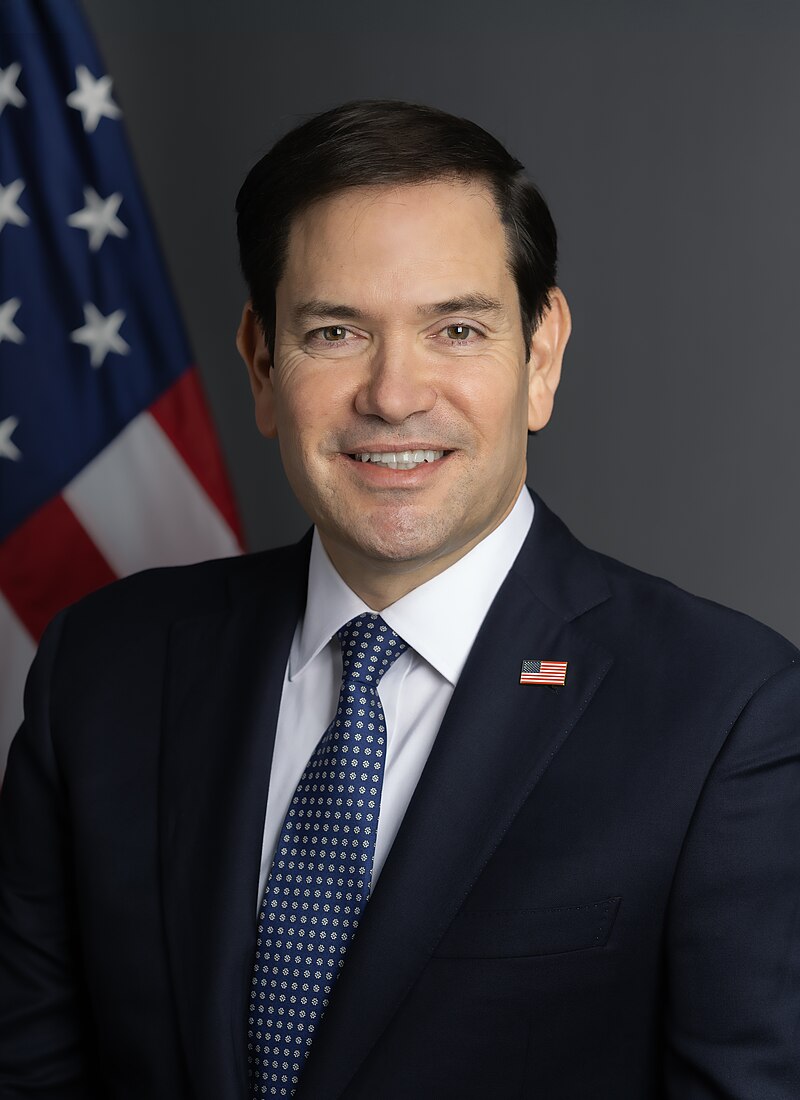
Eric Hobsbawm
Eric Hobsbawm was a prominent British historian known for his works on the history of the working class, socialism, and the modern world. Born on June 9, 1917, in Alexandria, Egypt, he became a leading intellectual figure in the 20th century, exploring themes of class struggle and historical materialism. Hobsbawm's most famous works include 'The Age of Revolution,' 'The Age of Capital,' and 'The Age of Extremes,' where he analyzed the socio-economic developments from the late 18th century to the end of the 20th century. He was a member of the Communist Party and remained an advocate of Marxist analysis throughout his life. Hobsbawm's insights into the intersection of history and politics have made a lasting impact on historical scholarship.
Not in the pool (under ¢1).
Recent news mentions
Eric Hobsbawm was a historian who emphasized the need to understand the interwar period's political dynamics.
Wir Europäer sind alle Kinder des 8. Mai 1945 Switzerland· 2026-07-21

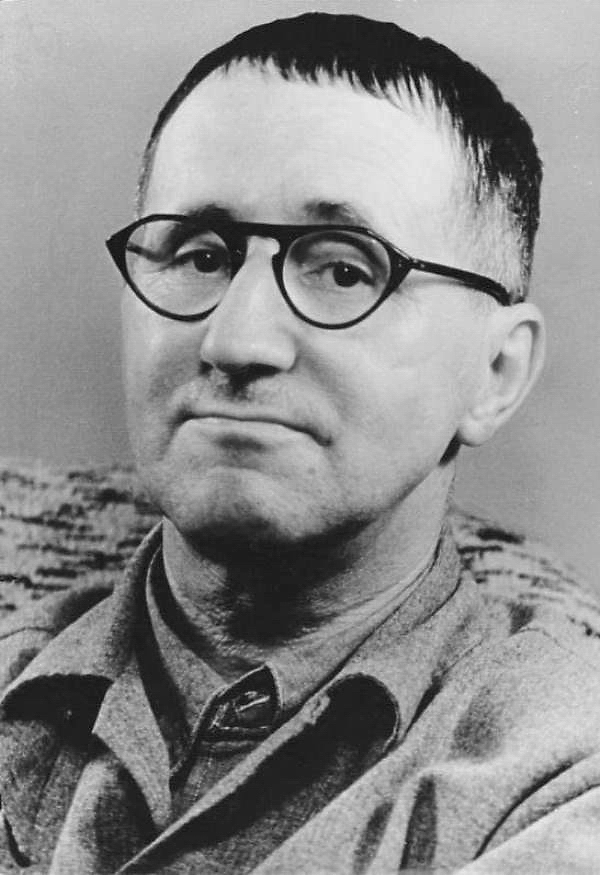
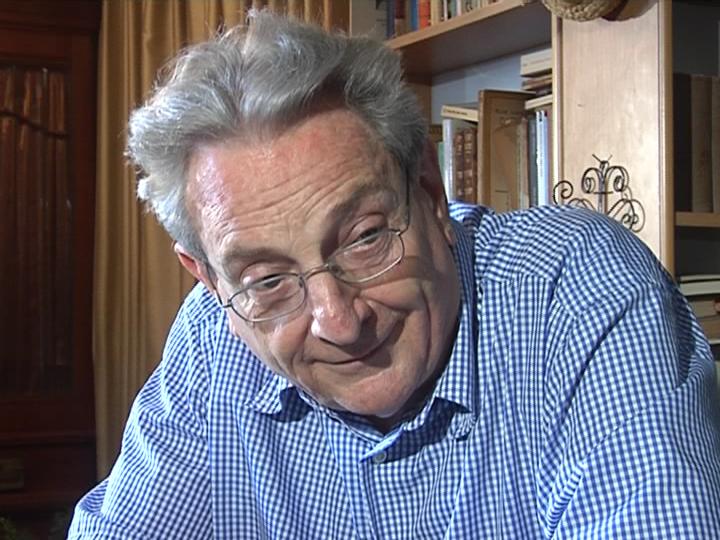
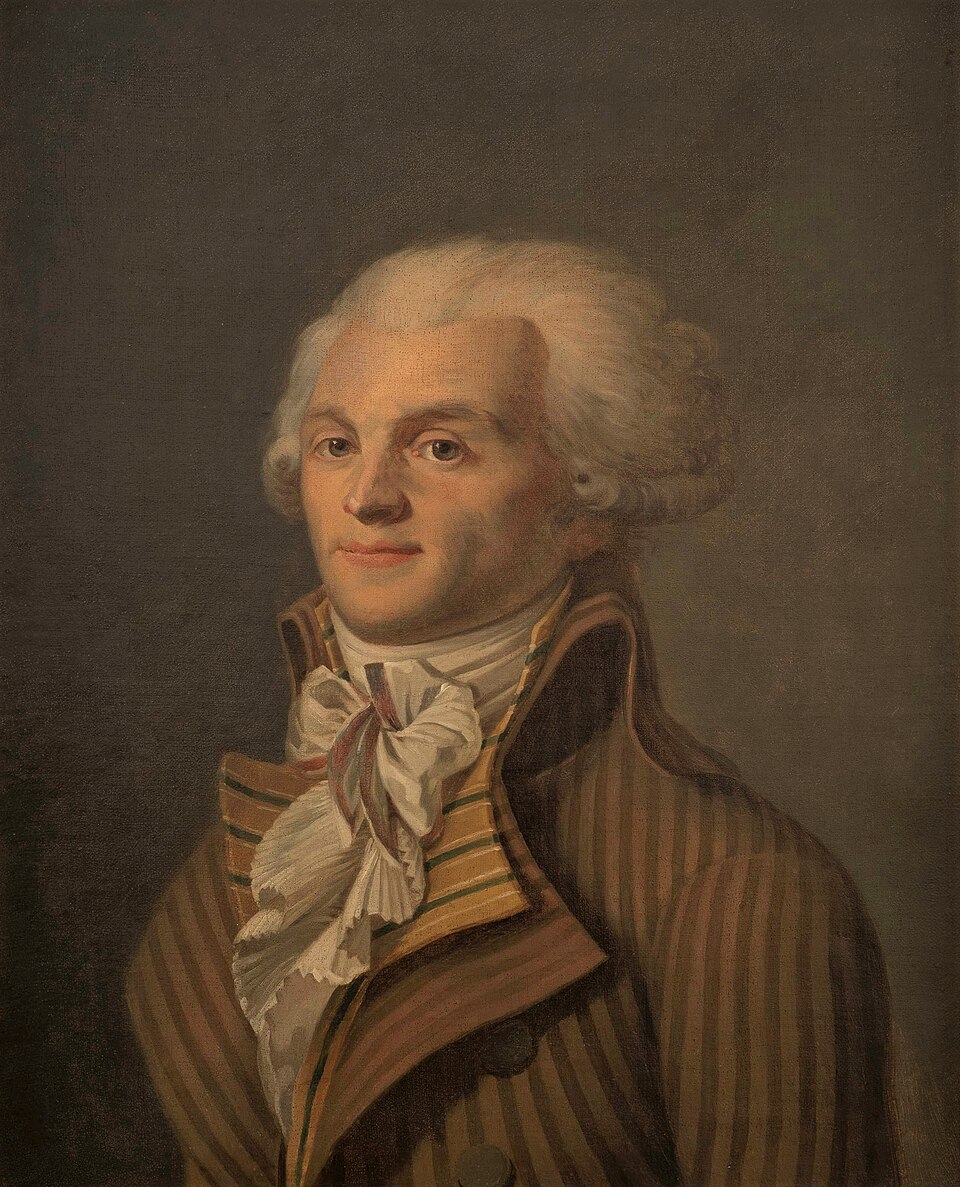
Historian Eric Hobsbawm stated that the French Revolution was the greatest event in modern history.
Crimele cumplite care au schimbat istoria Europei. Cum au început exterminările în masă și cine a invetat teroarea ideologică modernă Romania· 2026-02-15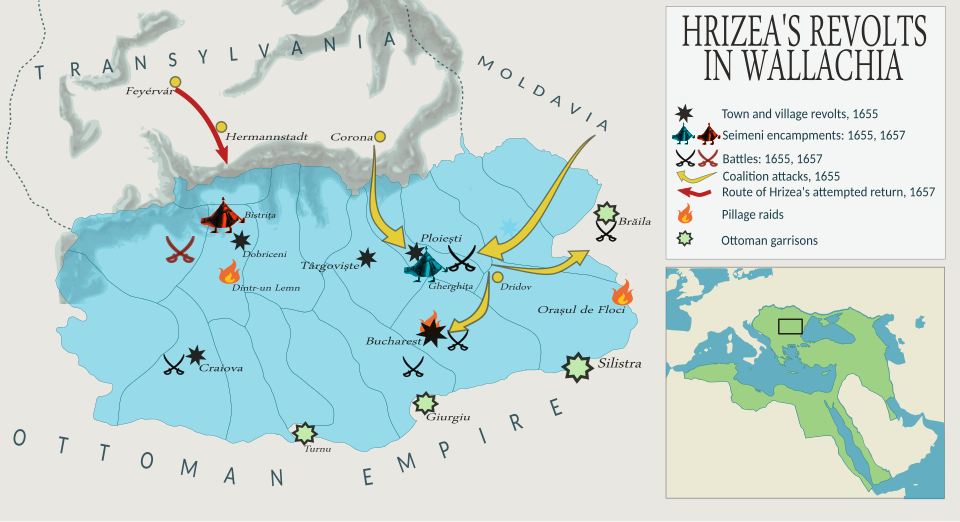

Historian Eric Hobsbawm warned about the destruction of the past in 1994.
Irish ignorance about the Holocaust isn’t new but social media has supercharged it – The Irish Times Ireland· 2026-01-23






Eric Hobsbawm wrote that the recognition of human rights is the greatest moral universal achievement of the 20th century.
El nuevo escenario internacional, una mirada latinoamericana Argentina· 2025-11-25

Eric Hobsbawm's biography was misrepresented in Grokipedia.
We tried Elon Musk’s Wikipedia clone. It’s as racist as you’d expect Australia· 2025-11-08


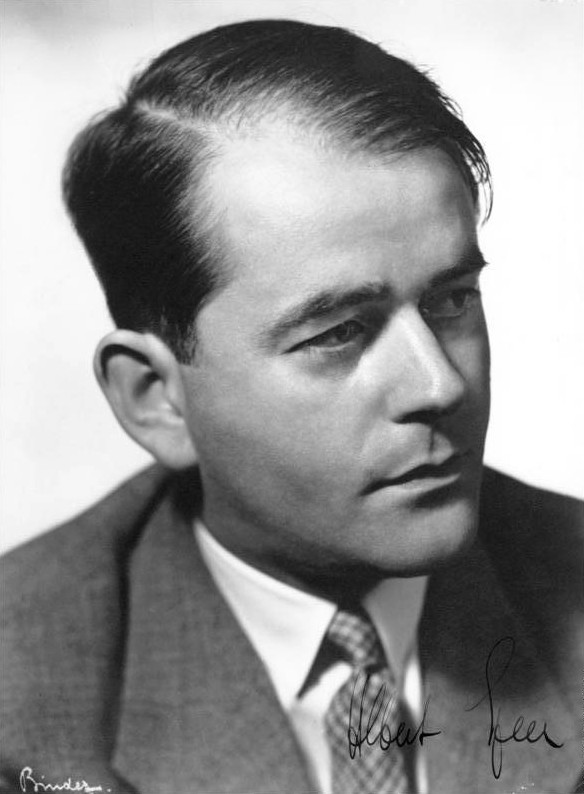
Eric Hobsbawm was a Marxist historian whose biography was misrepresented on Grokipedia.
In Grok we don’t trust: academics assess Elon Musk’s AI-powered encyclopedia | Artificial intelligence (AI) United Kingdom· 2025-11-03



Eric Hobsbawm's views on understanding the destruction of nations are referenced in the context of Iraqi leadership.
العمود الثامن: وماذا عن العراق؟ Iraq· 2025-11-02

Eric Hobsbawm was a prominent historian known for his intellectual contributions and political engagement.
Hobsbawm en Buenos AiresArgentina· 2025-09-27
Pierre Nora refused to publish Eric Hobsbawm's A Era dos Extremos in Gallimard.
Morreu Pierre Nora, historiador de Les Lieux de Mémoire | Obituário Portugal· 2025-06-03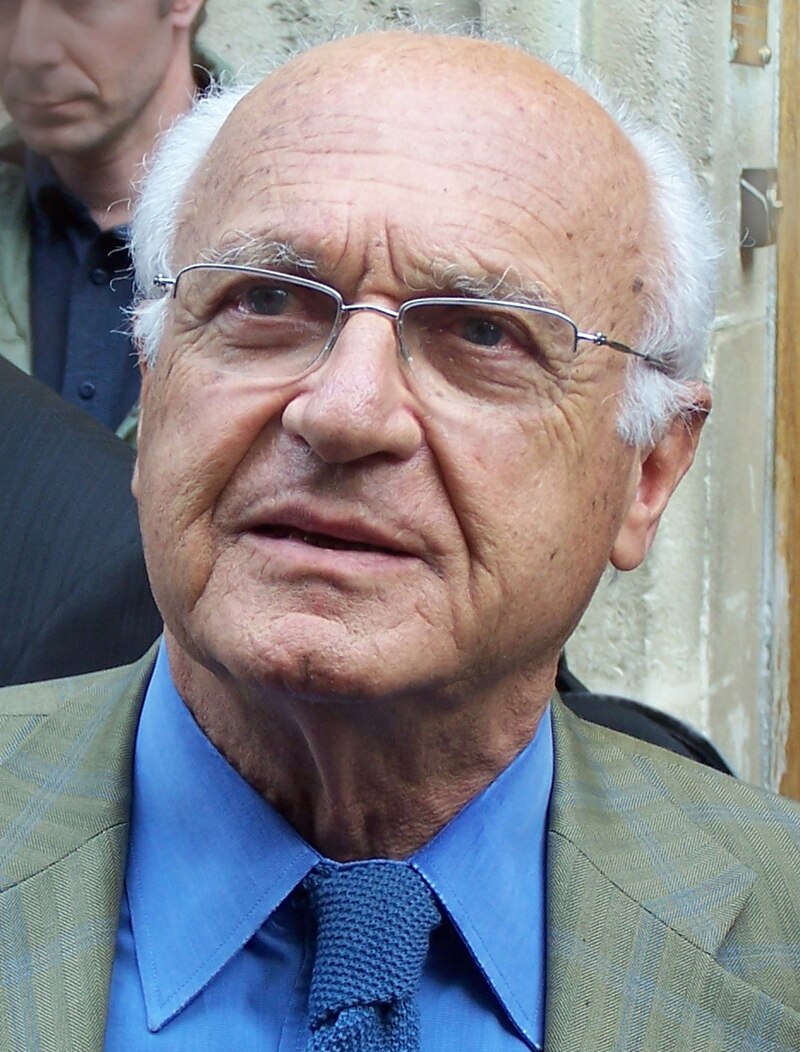
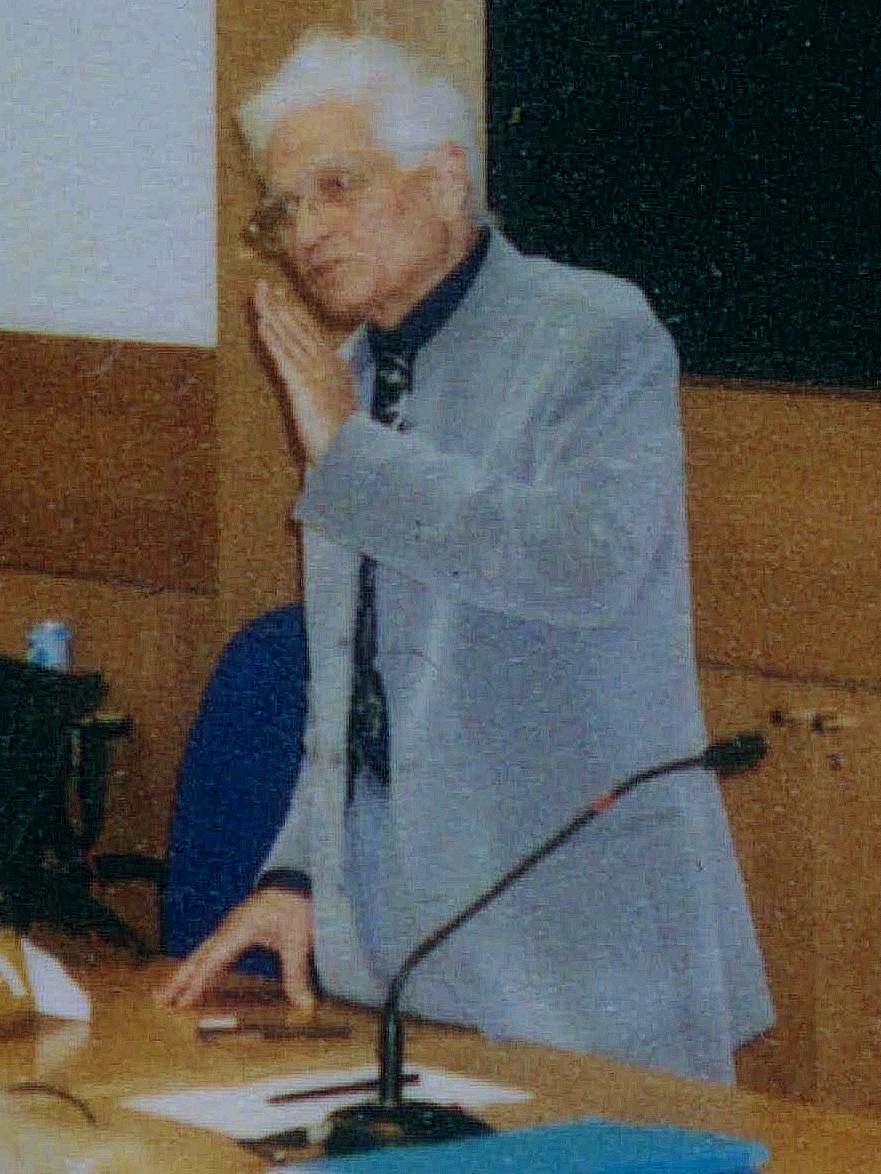
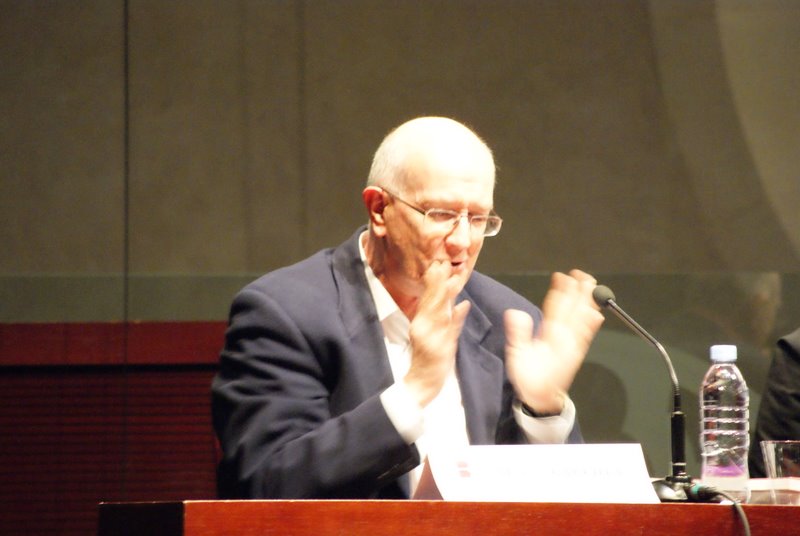


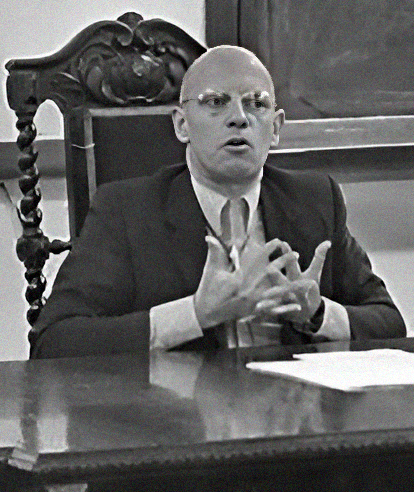


Eric Hobsbawm was a Marxist historian who wrote admirably and was a passionate expert in jazz music.
Lecciones de abismo | Opinión Spain· 2025-05-03
Eric Hobsbawm notes that Britain's turn to free trade was a strategic shift rather than a principled commitment.
Tariffs, power and the myths of free trade – The Mail & Guardian South Africa· 2025-04-16

Historian Eric Hobsbawm notes that Britain’s turn to free trade was a strategic shift.
Tariffs, power and the myths of free trade – The Mail & GuardianSouth Africa· 2025-04-15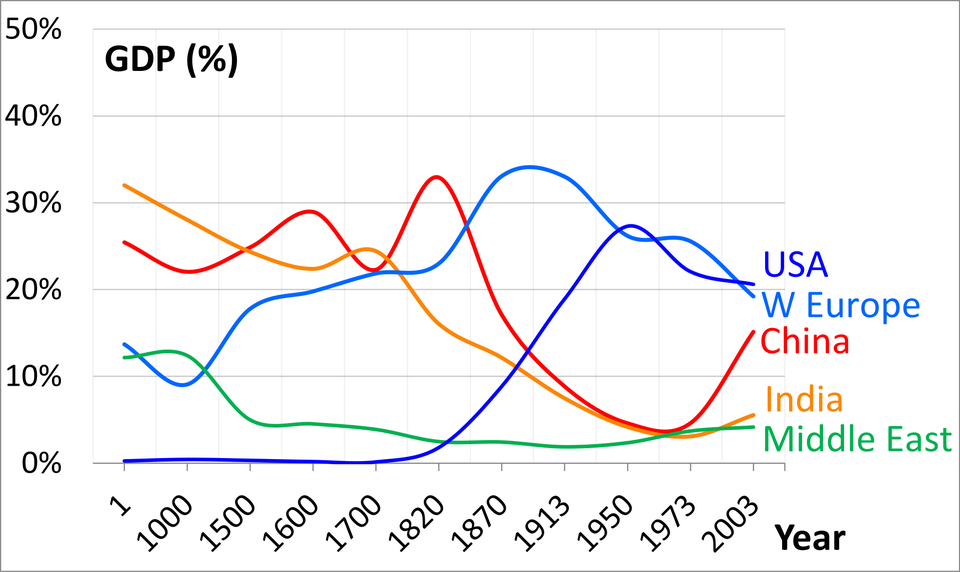
Historian Eric Hobsbawm noted that the Luddites' machine-breaking was a form of 'collective bargaining by riot'.
Trump, the spectacle and the politics of chaos – The Mail & GuardianSouth Africa· 2025-03-17