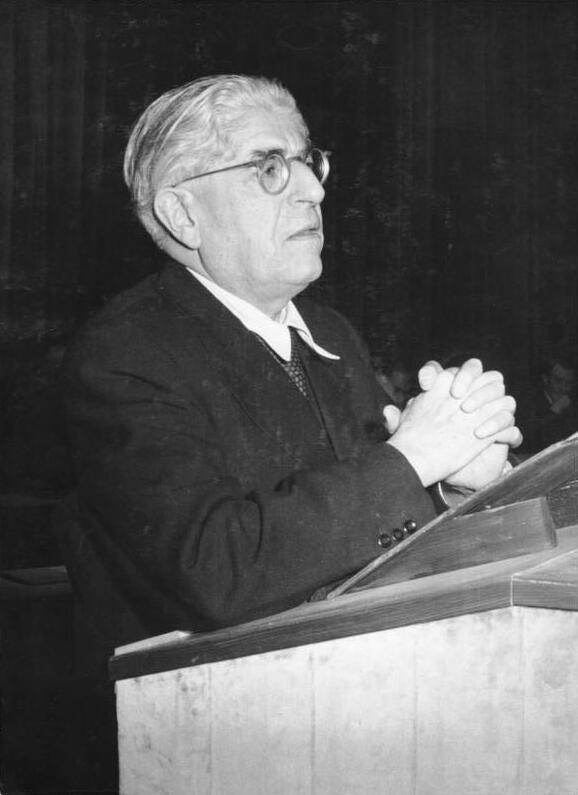
Ernst Bloch
Ernst Bloch was a German Marxist philosopher and cultural critic, known for his works on utopian thought and the philosophy of hope. His contributions to philosophy, particularly in relation to the role of dreams and aspirations in shaping human experience, have had a lasting impact on social theory and political thought. Bloch's ideas about the potential for social transformation through collective hope were particularly relevant during times of crisis and upheaval.
Not in the pool (under ¢1).
Recent news mentions
Ernst Bloch was a significant Marxist philosopher of the 20th century.
34. godišnjica jedne od najtežih bitaka za odbranu Sarajeva i BiH Bosnia and Herzegovina· 2026-08-04




Ernst Bloch is quoted regarding the importance of maintaining hope for change.
Paz y esperanza, escribe Alberto Aziz Nassif Mexico· 2025-12-23
Ernst Bloch says that one must increasingly know the waking dreams in order to direct them effectively.
Recuperar el relato de la esperanza Panama· 2025-12-13

Ernst Bloch's ideas on utopian promises resonate in the music discussed in the article.
A música encontra-nos nas imagens de Priscila Fernandes | Exposição Portugal· 2025-10-18
Ernst Bloch was interviewed by Theodor Adorno in 1964 about the loss of the ability to imagine a different totality.
Clima y utopía | EL PAÍS Semanal Spain· 2025-10-18



Ernst Bloch's insights on human longing are referenced in the context of the exhibition.
Paul Klees Engel war Walter Benjamins Denkbild: Ausstellung in Berlin Switzerland· 2025-07-01



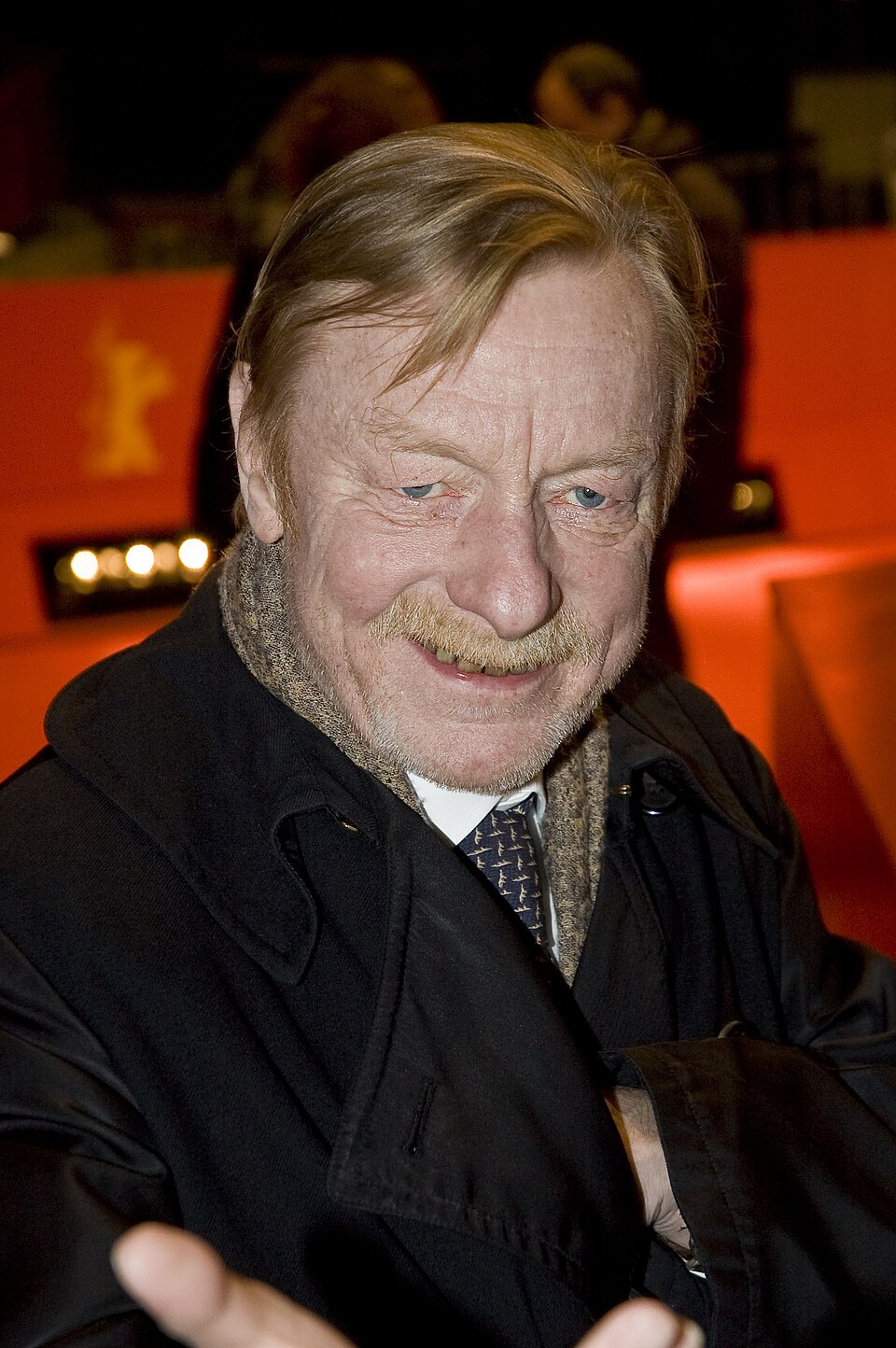
Ernst Bloch defined hope as a 'anticipatory consciousness' capable of connecting the present with future possibilities.
Proyectar futuros positivos: un elemento esencial para el progreso de la humanidad Bolivia· 2025-04-26
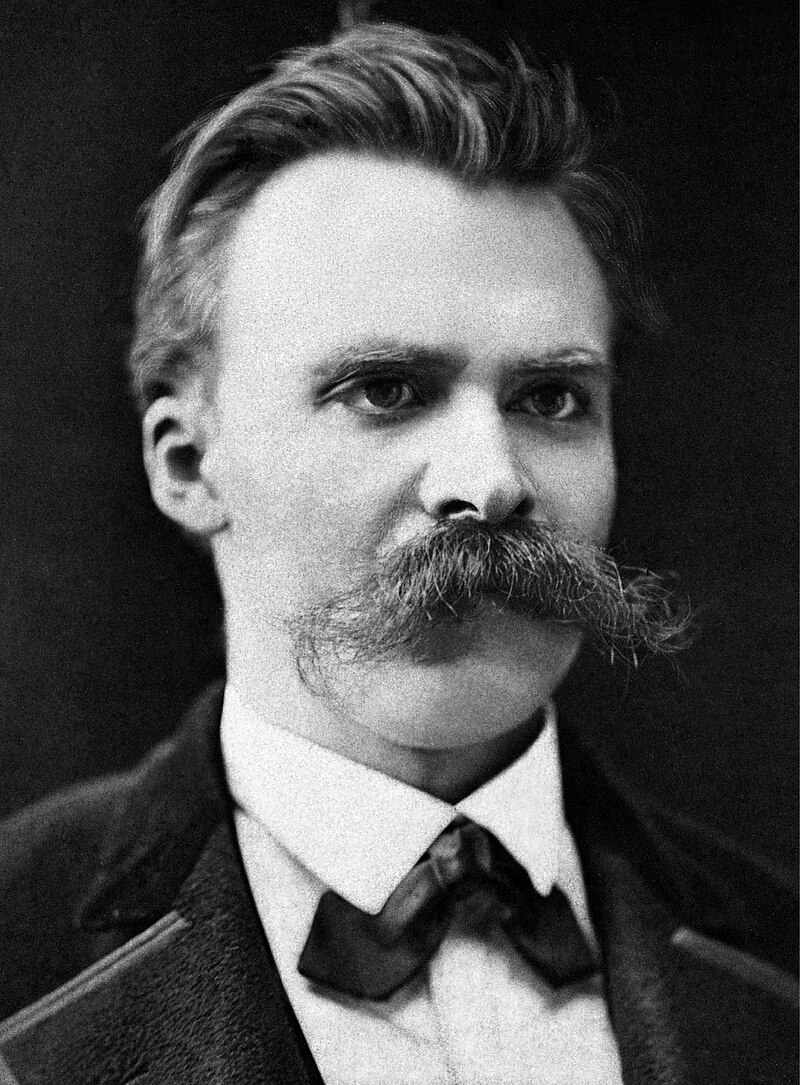

Ernst Bloch wrote about the 'yet-not-conscious' in even the smallest gestures.
En acracia la vida se mutila Venezuela· 2025-04-25
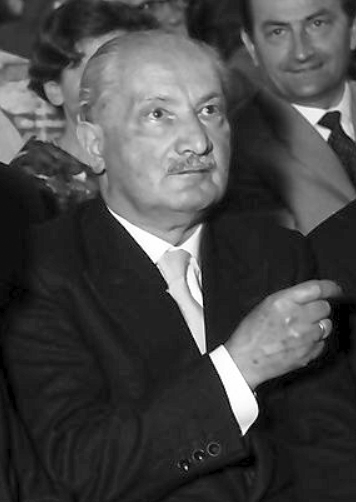
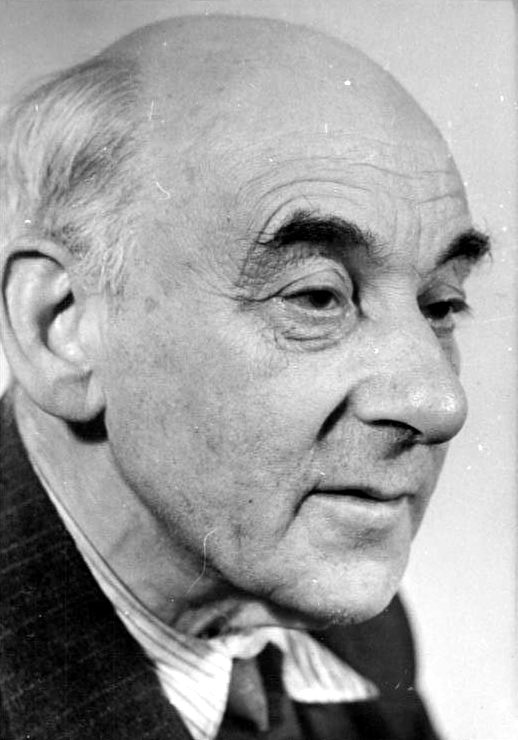


Ernst Bloch is highlighted as a philosopher who emphasized hope and the possibility of a better future.
« Experimentum mundi », d’Ernst Bloch : la chronique « philosophie » de Roger-Pol Droit France· 2025-03-21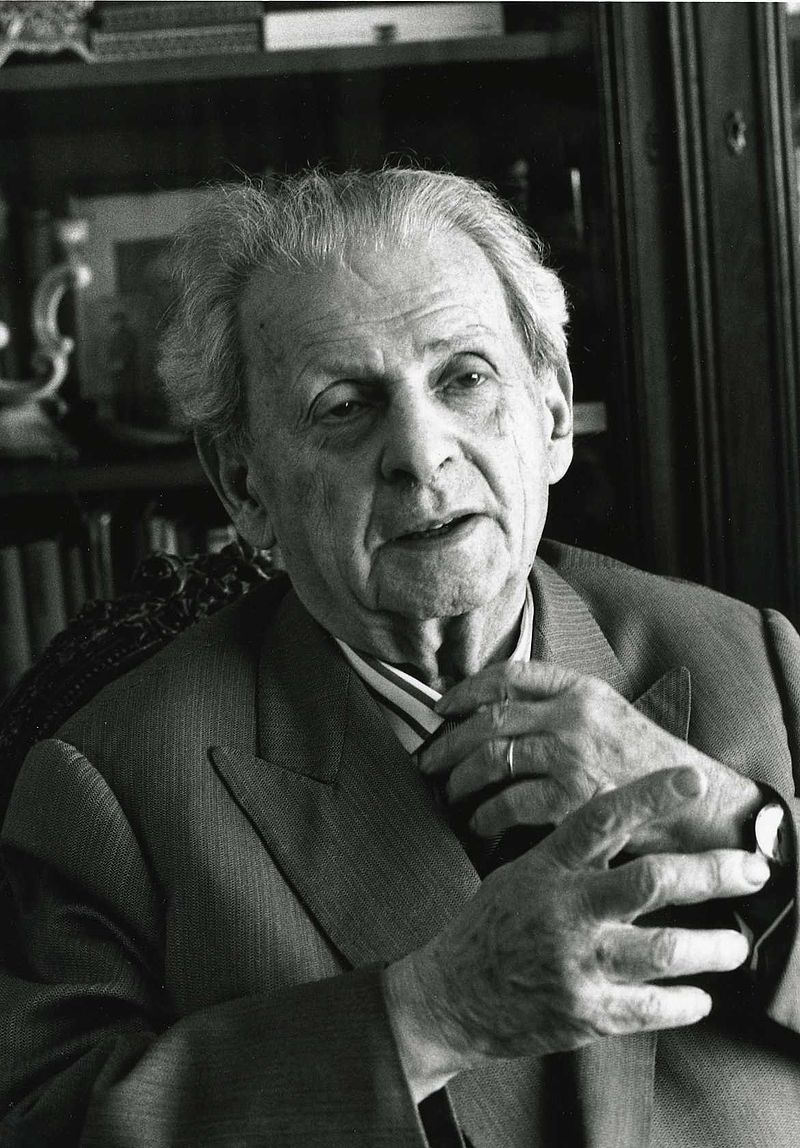
Ernst Bloch is mentioned in relation to the 'principle of hope' that universities have cultivated for centuries.
Opinioni | Con i tagli alla ricerca si «uccide» il futuro Italy· 2025-03-01

Ernst Bloch coined the term 'execution fraud' to describe fascism's serious engagement with people's desires.
Lo primero es comprender el trumpismo | OpiniónSpain· 2025-02-10