Gia Abashidze
 GeorgiaanalystMale5.0Global Dominance: 0.00%
Gia Abashidze is a prominent political analyst in Georgia known for his critical views on the opposition's strategies and effectiveness in Georgian politics. He often emphasizes the need for genuine representation and constructive competition in the political landscape, and he has voiced skepticism regarding the opposition's ability to enact real change since 2012. His recent comments indicate a belief that the current opposition, including figures like Giorgi Vashadze, has become a source of humor rather than a serious force for political change.
Country presence
Recent news mentions
Gia Abashidze anticipates certain changes from the European Union.
„იქცევა ისე, როგორც უნდა იქცეოდეს ევროპული ქვეყანა“Georgia· 2026-09-24

Gia Abashidze stated that the strategy of deepening bilateral relations with EU countries is effective.
საპარლამენტო დელეგაციის ევროპული ტურნეს მიზანიGeorgia· 2026-09-23


Gia Abashidze criticizes the appointment of Levan Jorbenadze as the director of a television channel.
გია აბაშიძე: “ლევან ჯორბენაძეს აბრას უცვლიან და ჯიბის ტელევიზიის დირექტორად ნიშნავენ - ვიღებთ მარიონეტების იაფფასიან თეატრსGeorgia· 2026-09-23
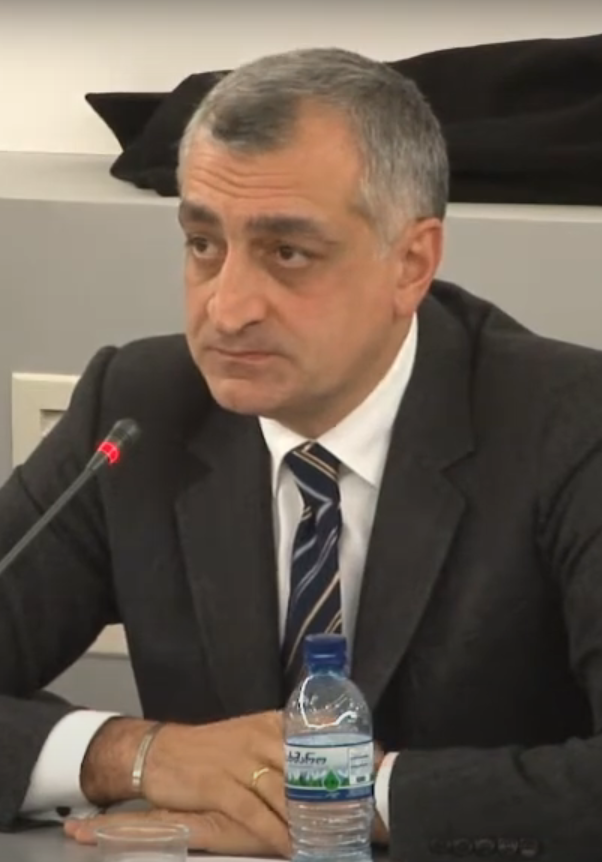
Gia Abashidze is an analyst who commented on the perceived hypocrisy of European bureaucrats regarding dialogue with Georgia.
ადგილი ევროკომისიის პრეზიდენტის გვერდით და შეხვედრა თურქეთის პრეზიდენტთანGeorgia· 2026-09-22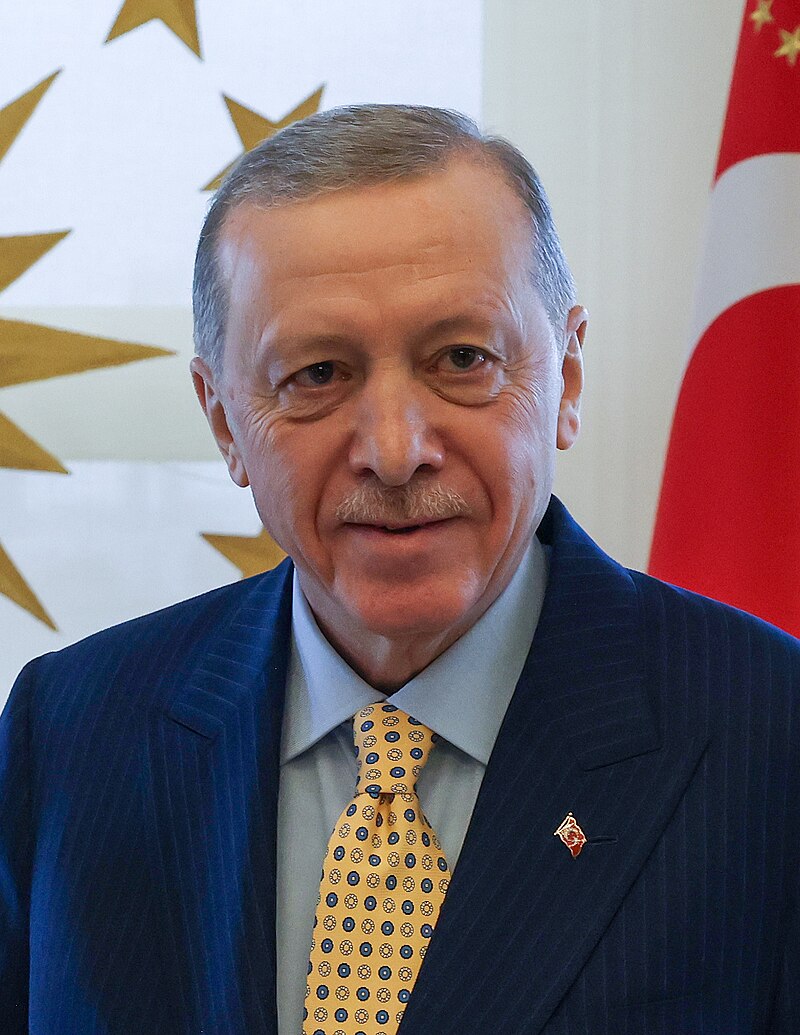
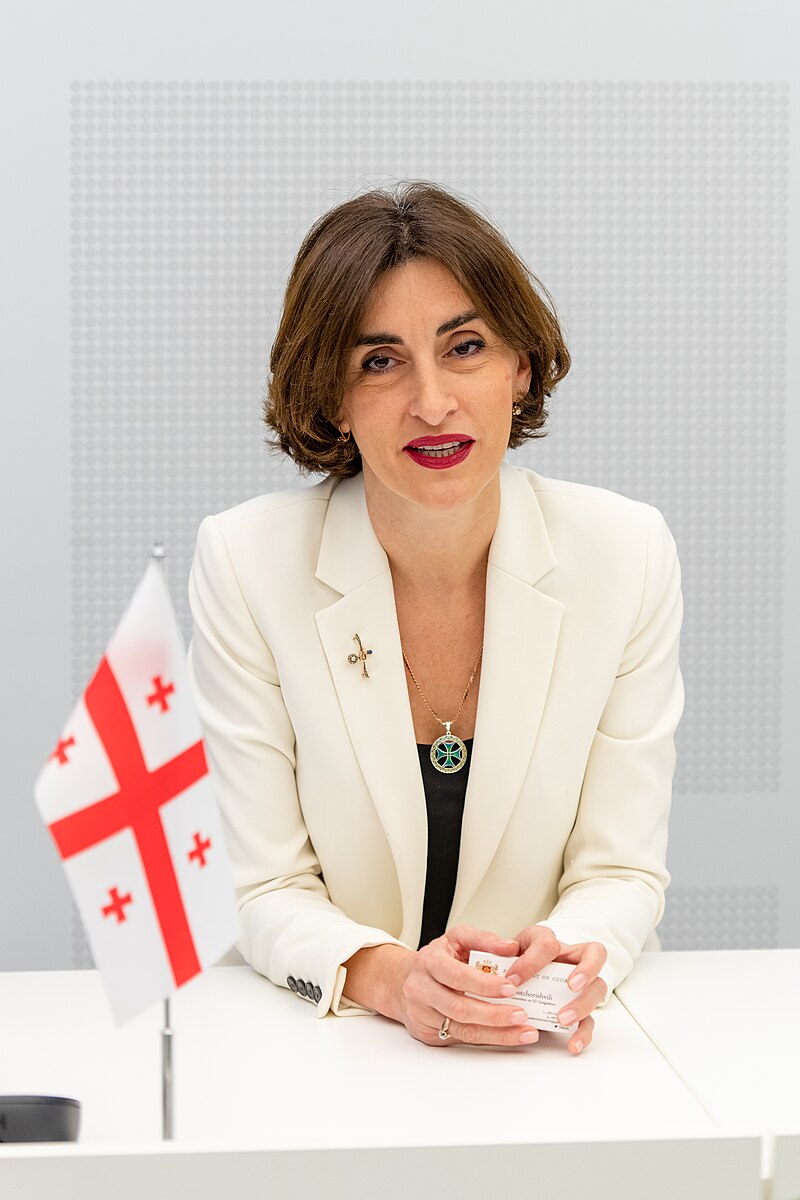

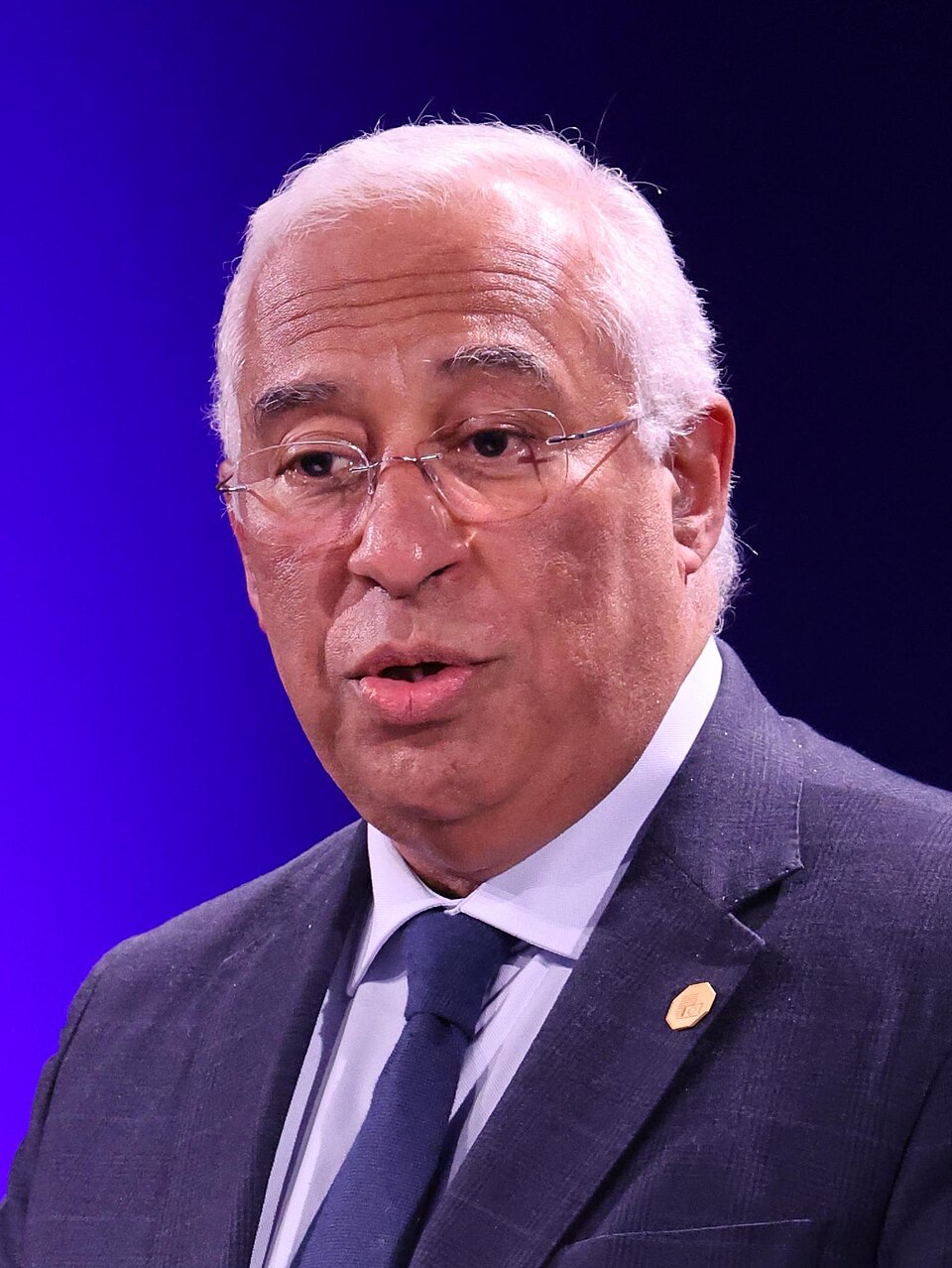

Gia Abashidze criticizes the statements of opposition representatives regarding Georgia's territorial integrity.
ევროკავშირში ინტეგრაცია და ოკუპირებული ტერიტორიებიGeorgia· 2026-09-21
Analyst Gia Abashidze comments on the campaign related to 'Arabization' and states that despite fear-based propaganda and disinformation, the campaign ended in failure for the organizers.
გია აბაშიძე: ორი თვე შეუფერხებელი კამპანია-მობილიზაცია, შიშებზე აგებული პროპაგანდა და დეზინფორმაცია ე.წ. „არაბიზაციაზე“Georgia· 2026-09-20Gia Abashidze comments that there is nothing unusual about Kobakhidze replacing Kavelashvili.
ურთიერთობის დალაგების კიდევ ერთი შანსიGeorgia· 2026-09-20

Gia Abashidze commented on Gvelesiani's interview, highlighting the importance of civic responsibility.
საფეხბურთო საამაყო კარიერის დასრულების შემდეგ, გიორგი გველესიანის პირველმა ინტერვიუმ ნაცგობლინების ყველაზე ძველი ინსტინქტი გააღვიძაGeorgia· 2026-09-20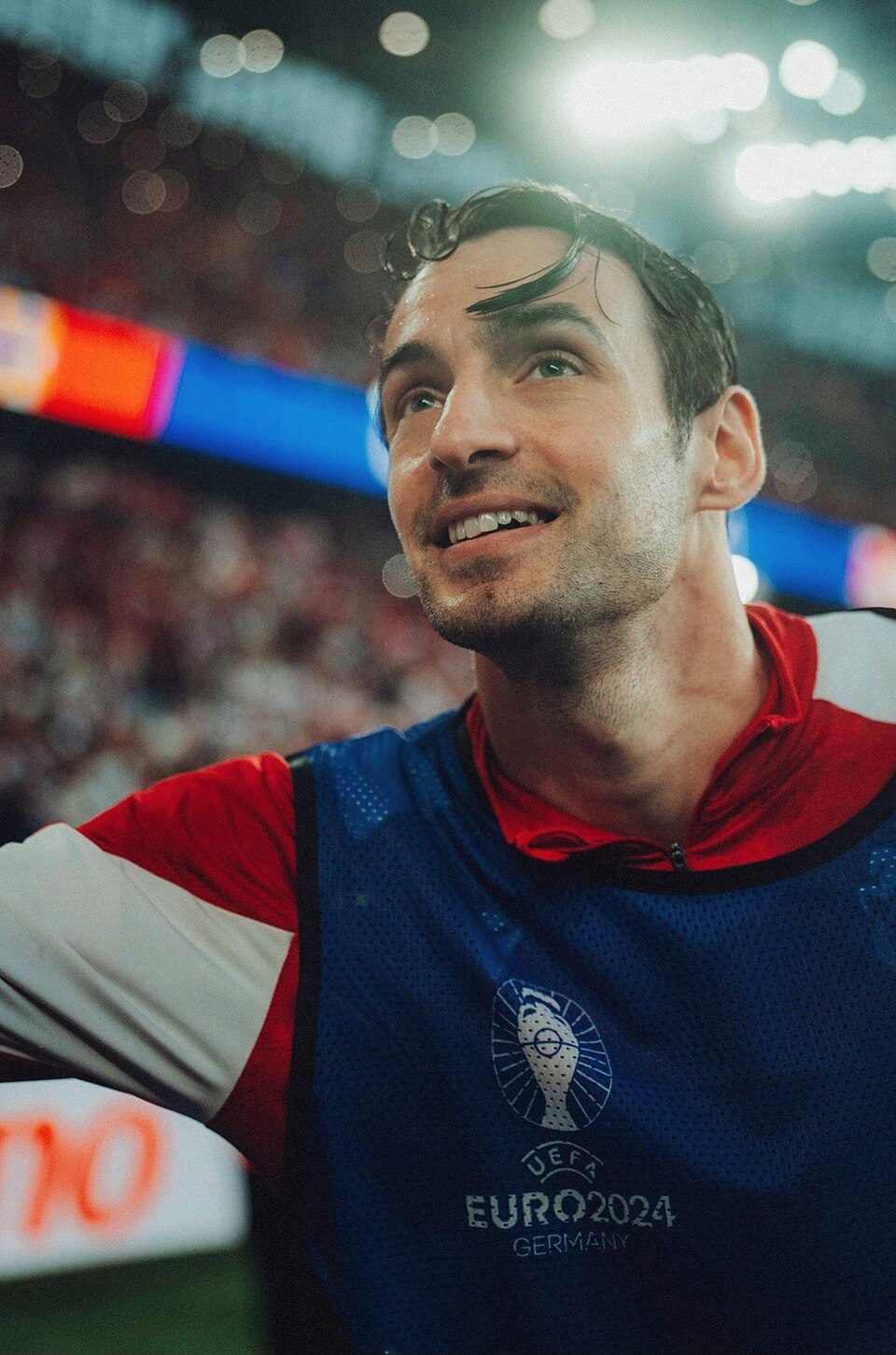
Gia Abashidze criticizes the moral degradation of radicals and their double standards regarding the dignity of children.
გია აბაშიძე დარინა მიქელაძეზე: როცა სექტის მოტლიკინე ნაცპლანქტონები აქონდროპლაზიის მქონე ბავშვებს საჯაროდ იმ სიტყვებით მოიხსენიებენ, ეს უბრალოდ უტიფრობა აღარ არისGeorgia· 2026-09-20
Gia Abashidze discusses the radical opposition's perception of sanctioned Russian ships as mere ritual apparitions.
გია აბაშიძე: „რადიკალური ოპოზიციისთვის „სანქცირებული რუსული გემები“ უკვე რიტუალურ მოჩვენებებად იქცაGeorgia· 2026-09-19Gia Abashidze comments on the visit of the UN World Tourism Organization's Secretary-General in social media.
გია აბაშიძე: 2027 წელს თავად გაეროს ტურიზმის ორგანიზაცია საქართველოში პირველად ჩაატარებს ტურიზმისა და ინოვაციების ფორუმს-საქართველოს უკვე არსებულ ტურისტულ პროდუქტს ემატება ახალი შრეGeorgia· 2026-09-19
Gia Abashidze criticizes the advertising campaign of 'Volt Georgia' for using a controversial figure.
„ვოლტ ჯორჯია“ სარეკლამო სახედ იყენებს ნაცექსტრემისტთა ერთ-ერთ სახედაკარგულ არარაობას, ვინმე Kordz-ს, თუ რა ბედი ელის გააკაცუკებულ „ვოლტს“, ამას უახლოესი პერიოდის სტატისტიკა აჩვენებსGeorgia· 2026-09-16
Gia Abashidze commented on the ongoing personnel changes in the ruling party.
დაგეგმილი როტაცია თუ კადრების დეფიციტიGeorgia· 2026-09-16


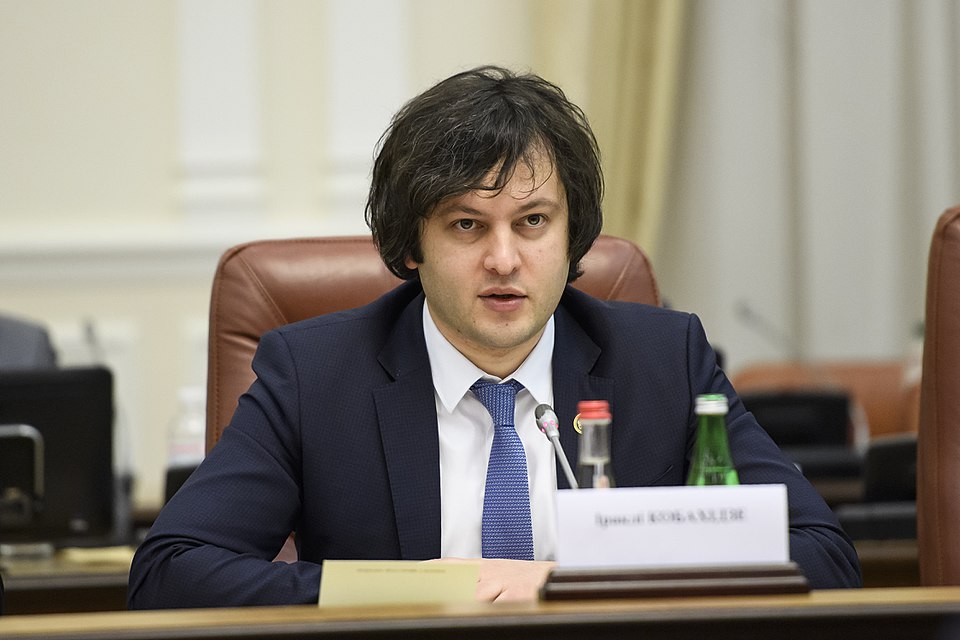

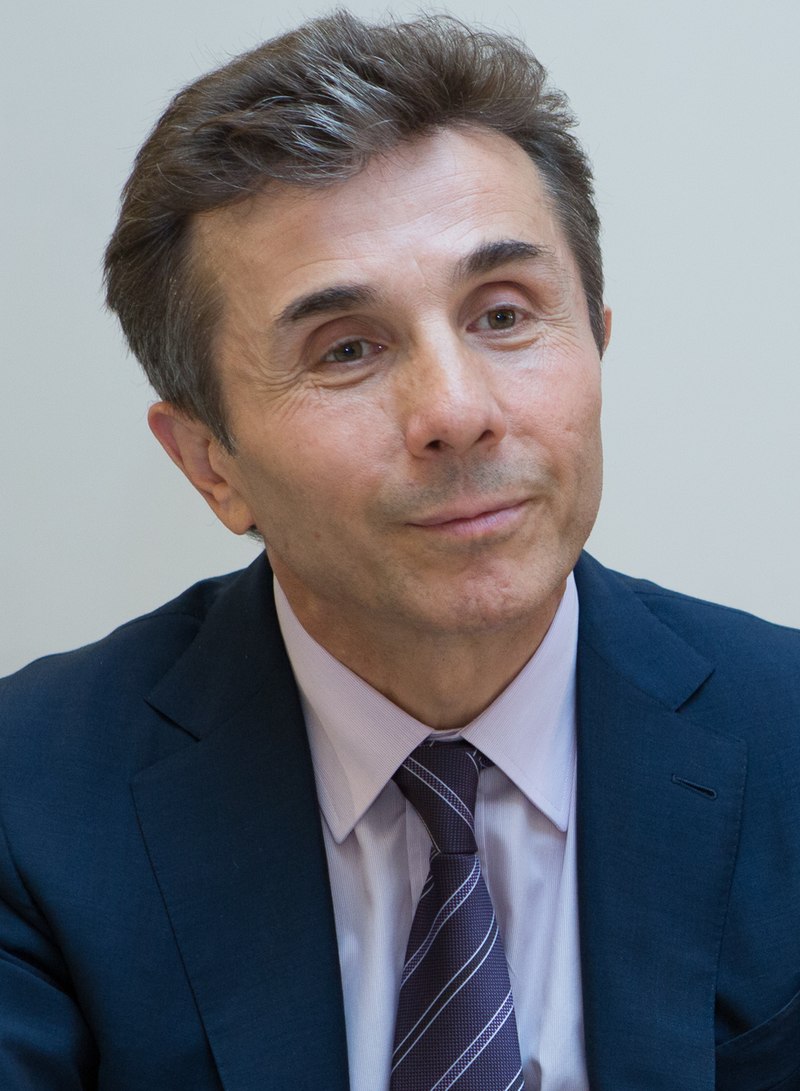
Gia Abashidze suggests that Vashadze may have left politics and draws parallels with other political figures.
სად „გაქრა“ გიორგი ვაშაძე - რას ამბობენ პარტიაში და რა ვერსიები აქვთ ანალიტიკოსებსGeorgia· 2026-09-15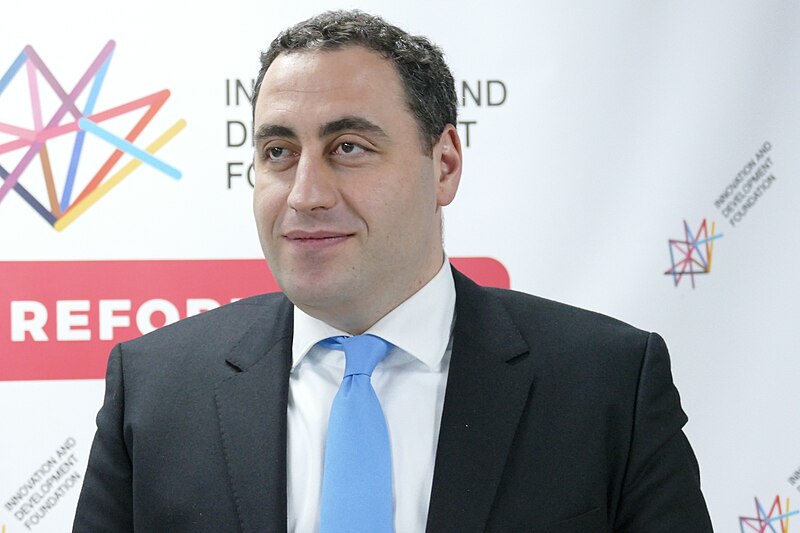


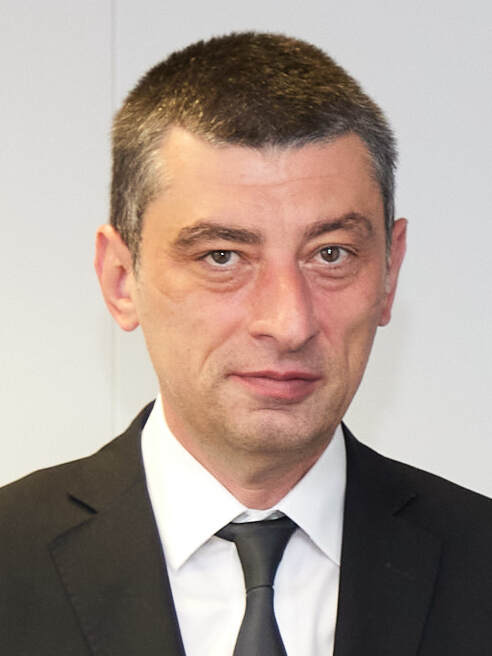
Gia Abashidze argues that the ruling party demands the EU to change its existing policy.
რას ითხოვს “ოცნება” ბრიუსელისგან და რაზე მიუთითებს პარლამენტის თავჯდომარეGeorgia· 2026-09-09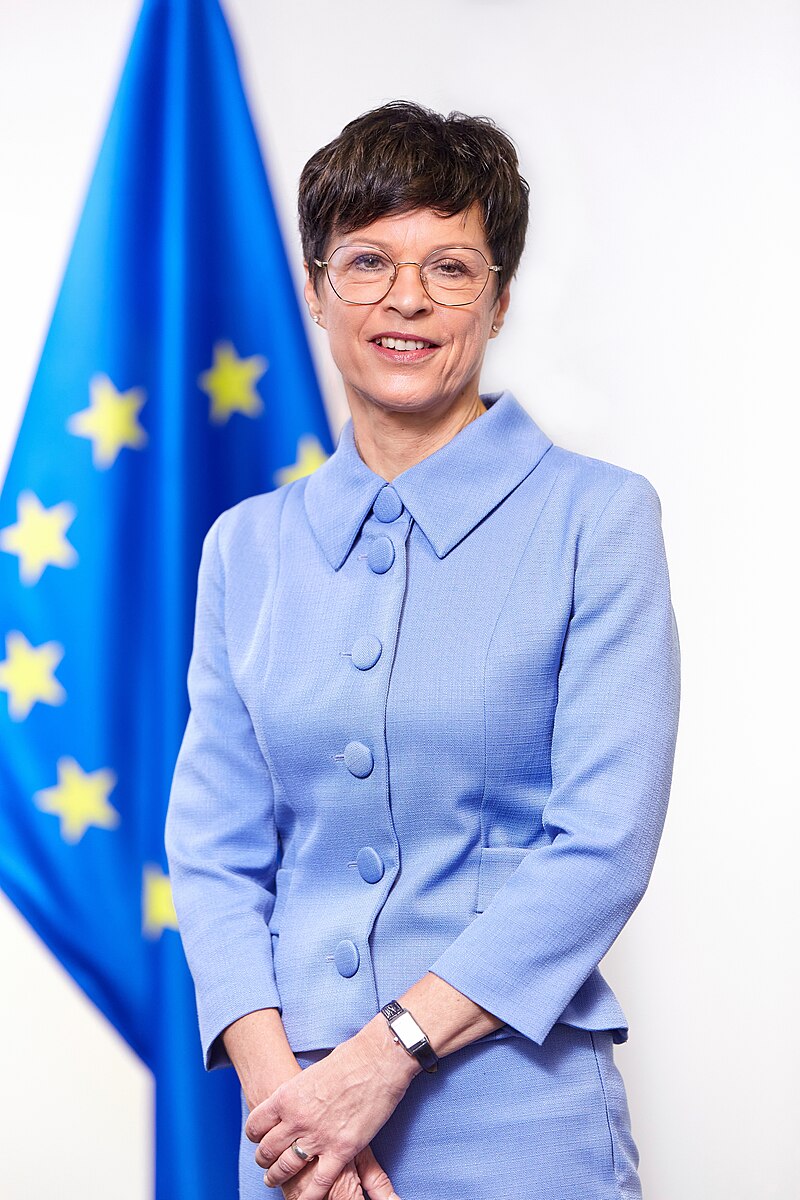
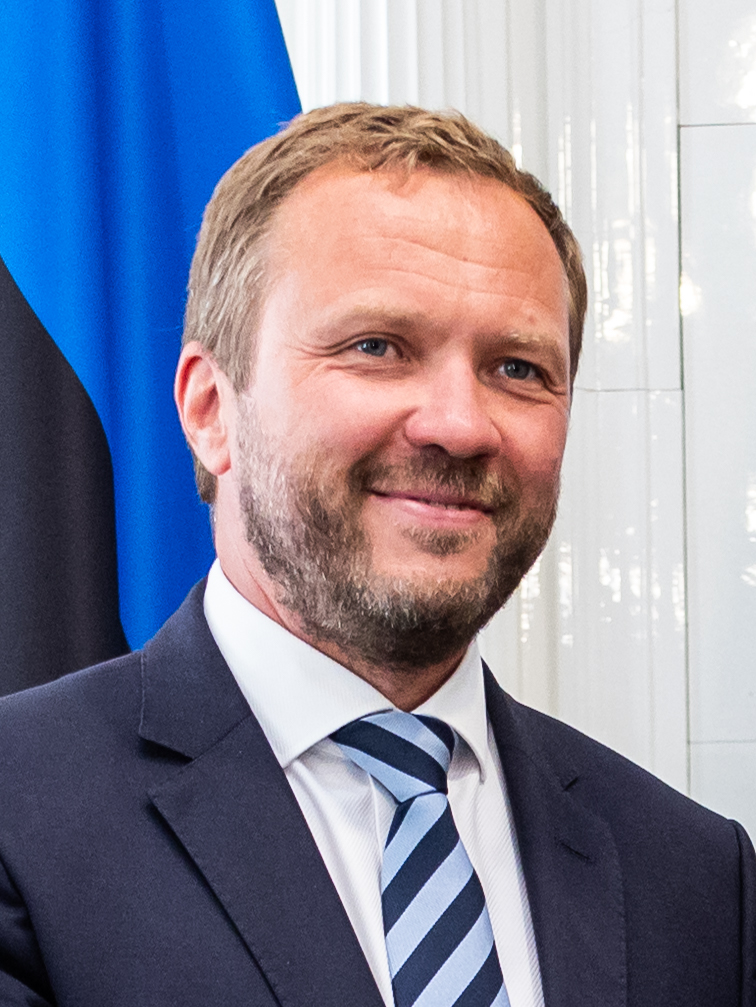
Gia Abashidze claims that Kosi's statement is a clear manifestation of the political blindness of Euro-bureaucracy.
რატომ უკრძალავს ევროკომისარი კანდიდატ ქვეყნებს ტრამპის მოძრაობასთან კავშირსGeorgia· 2026-09-09
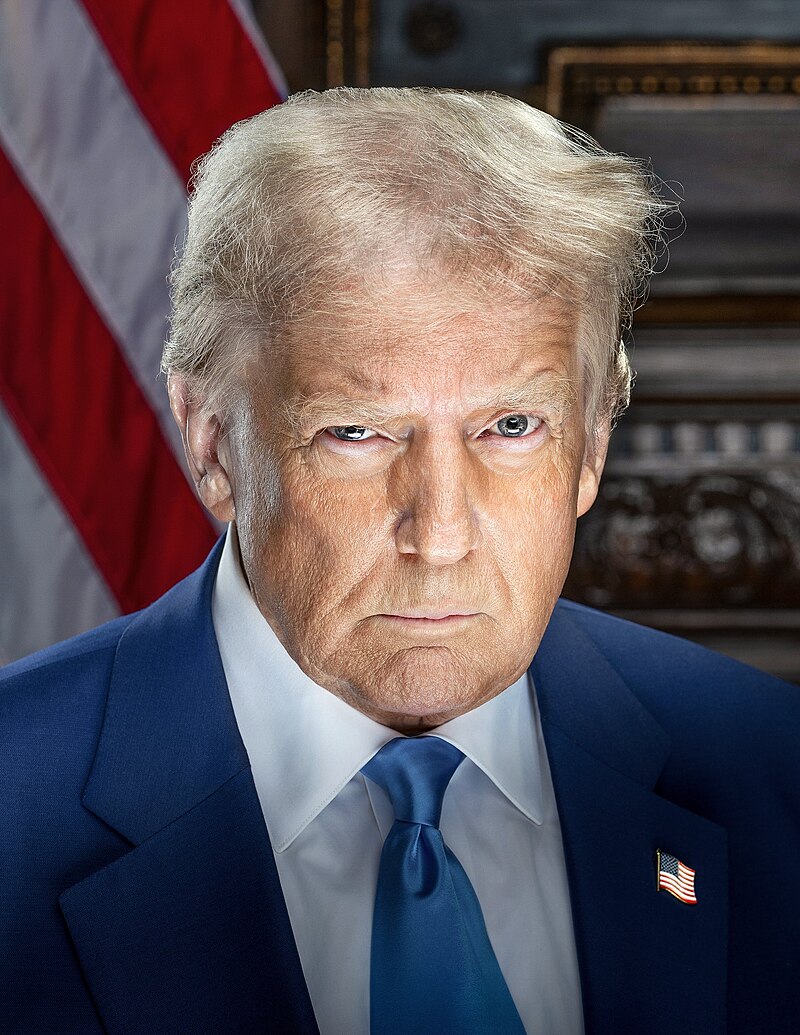

Gia Abashidze raises questions about the circumstances surrounding Giga Avaliani's death.
კონფლიქტის პროვოცირებაში მთავარი პასუხისმგებლობა, როგორც ჩანს, ნია იმნაძეს ეკისრება. ამ ფონზე, ოჯახის წევრების მიერ პროტესტის უკიდურესი ფორმების გამოხატვა ლოგიკურ დასაბუთებას სრულად მოკლებულიაGeorgia· 2026-08-07
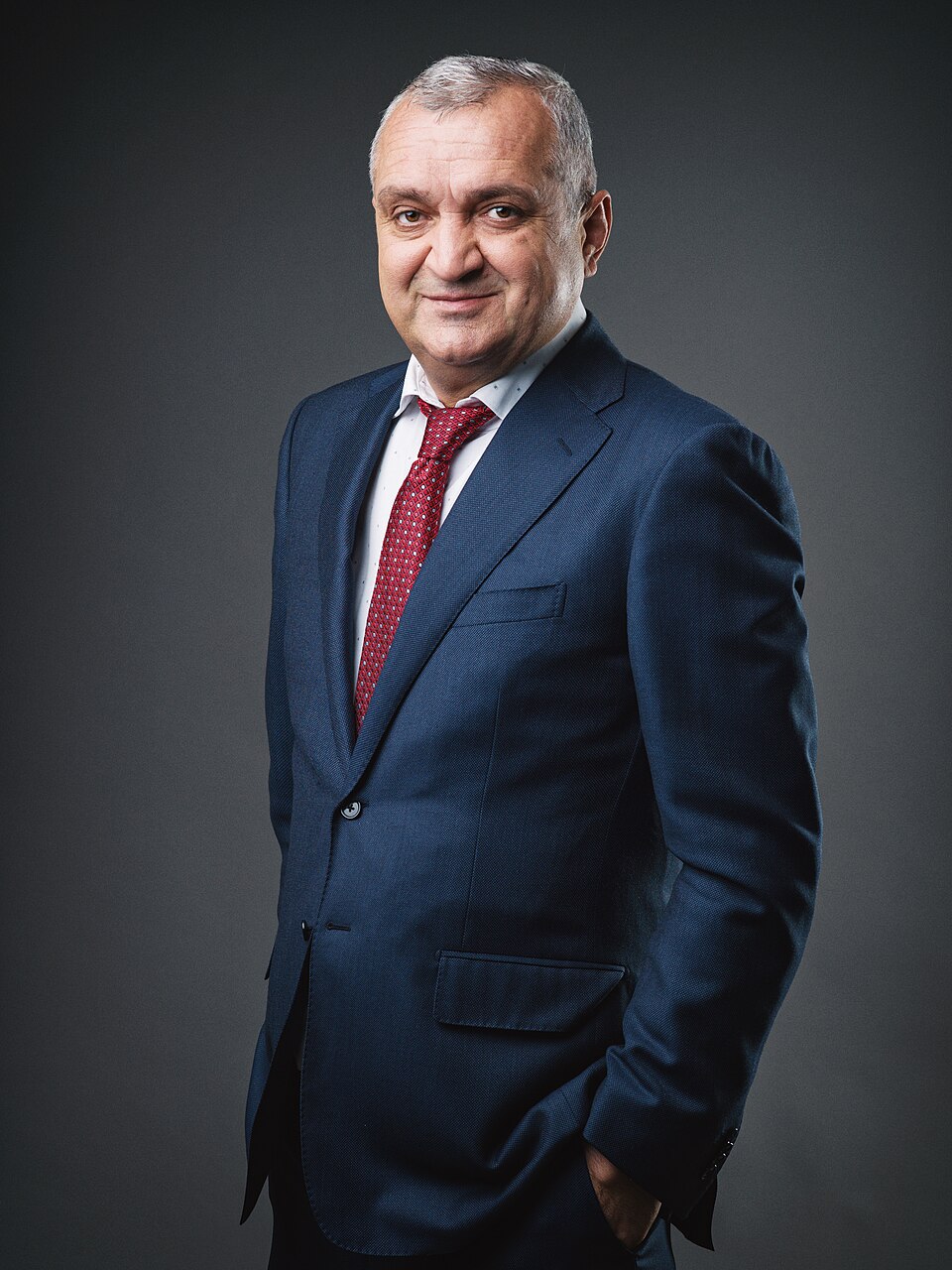



Gia Abashidze comments on a statement made by Tato Batsikadze regarding Prime Minister Irakli Kobakhidze's letter.
ეს ლატენტური ნაციონალი ან ბრმაა, ან წაკითხულიდან აზრის გამოტანის უნარი არ აქვს, ან უბრალოდ ყველაფერს კარგად ხვდება, მაგრამ მისი დედა პარტიის საამებლად წერს ამ ბოდვასGeorgia· 2026-08-05
Gia Abashidze is an expert who comments on the inability of the previous regime to return to power.
გია აბაშიძე: მკვლელების, სადისტების, მძარცველების ნაცრეჟიმი ვერასდროს მობრუნდებაGeorgia· 2026-08-04

Gia Abashidze discusses political discrimination and dehumanization in his analysis.
გია აბაშიძე: საინტერესოა, გოგი და ელენე ხოშტარიები ქართულ სამასპინძლო სექტორში თანხას როგორ იხდიანGeorgia· 2026-08-01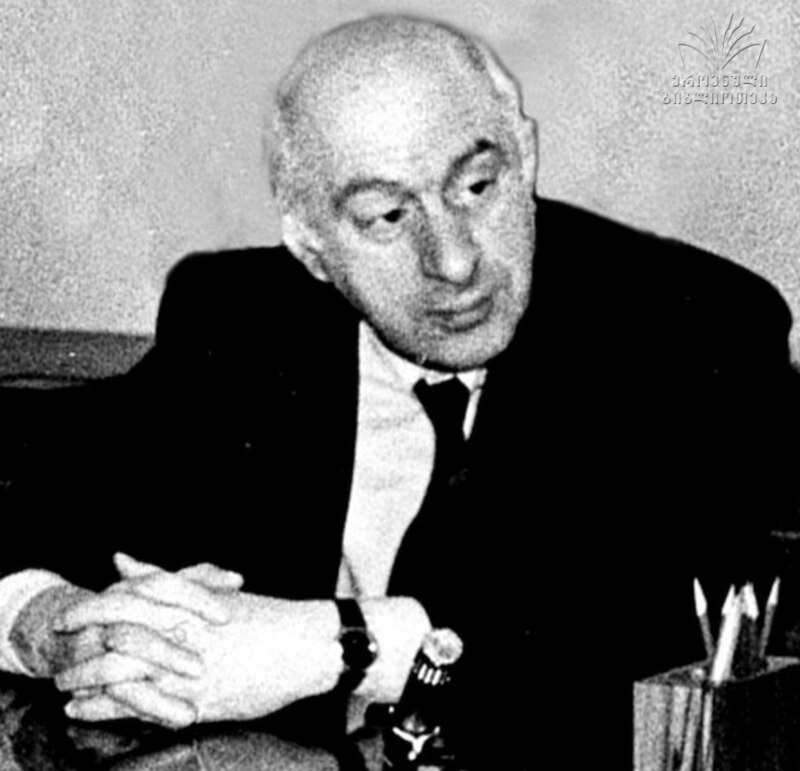

Gia Abashidze comments on Nanuka Jorjoliani's statement about starting an election campaign in the villages.
„ქალბატონო ნანული, პირველ რიგში, ამ სოფლებში ჩადი, რომელიც შენი ბელადის ავანტიურის შემდეგ, 2008 წელს დავკარგეთ, ხოლო ამ სოფლებიდან 200 000 ადამიანი დევნილად იქცა“Georgia· 2026-07-31
Gia Abashidze describes Nauru's decision as a real result of the non-recognition policy.
დიპლომატიური “დარტყმა რუსეთისთვის” - “წრე ვიწროვდება”, ნაურუმ აფხაზეთსა და ე.წ. სამხრეთ ოსეთთან დიპურთიერთობა გააუქმაGeorgia· 2026-07-29
Gia Abashidze believes that the rapprochement with Central Asian countries will benefit Georgia.
აზიასთან ეკონომიკური დაახლოება - საქართველოს ახალი ეკონომიკური აქცენტიGeorgia· 2026-07-24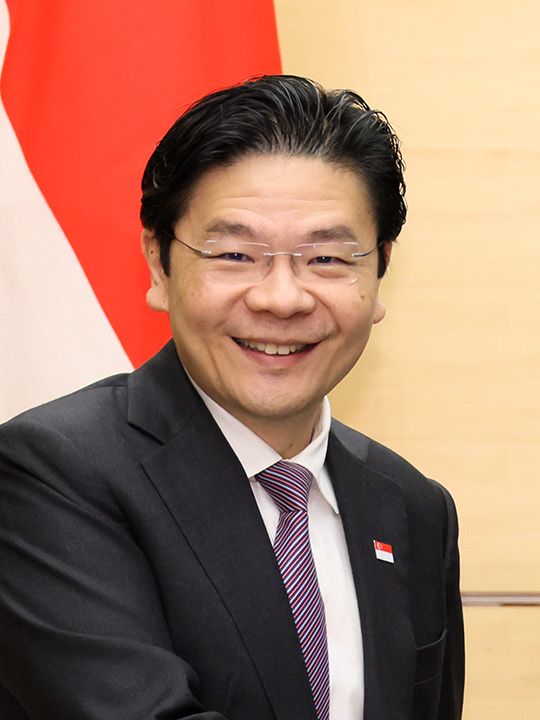
Gia Abashidze positively assesses Bochorishvili's visit and notes that the process of restoring relations has long begun.
ბოჭორიშვილი რუბიოს მიწვევით აშშ-ია - იწყება თუ არა ახალი ეტაპი საქართველო-აშშ ურთიერთობაშიGeorgia· 2026-07-17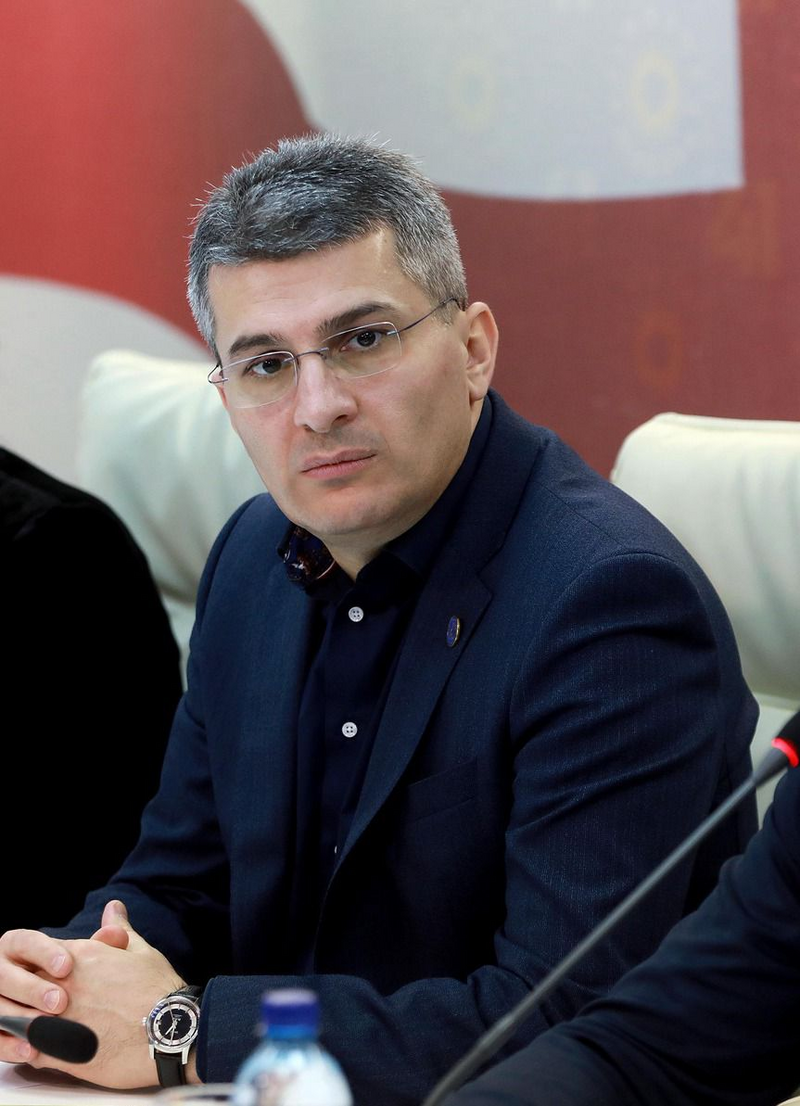
Gia Abashidze stated that public statements against the state should be legally assessed.
“შიგნით აქცია, გარეთ სანქცია”- რა მოჰყვება გვარამიას ამ განცხადებას, რომელსაც პრემიერმა უპასუხაGeorgia· 2026-07-10
Gia Abashidze stated that the government's decision regarding the Anaklia port is correct and aligns with a multi-vector foreign economic policy.
ანაკლიის პორტის განვითარების ახალი მოდელიGeorgia· 2026-07-06
Gia Abashidze comments on Ursula von der Leyen's statement regarding the LGBTIQ+ community in Hungary.
პრაიდი და ევროინტეგრაციის კორელაცია ოდენ “რუსული პროპაგანდაა“, თუმცა ასევე სახეზეა ევროკავშირის კულტურული იმპერიალიზმი. ფაქტია, რომ საქართველოს ხალხი არანაირ ხელოვნურ კულტურულ მოდელს არ მიიღებსGeorgia· 2026-06-29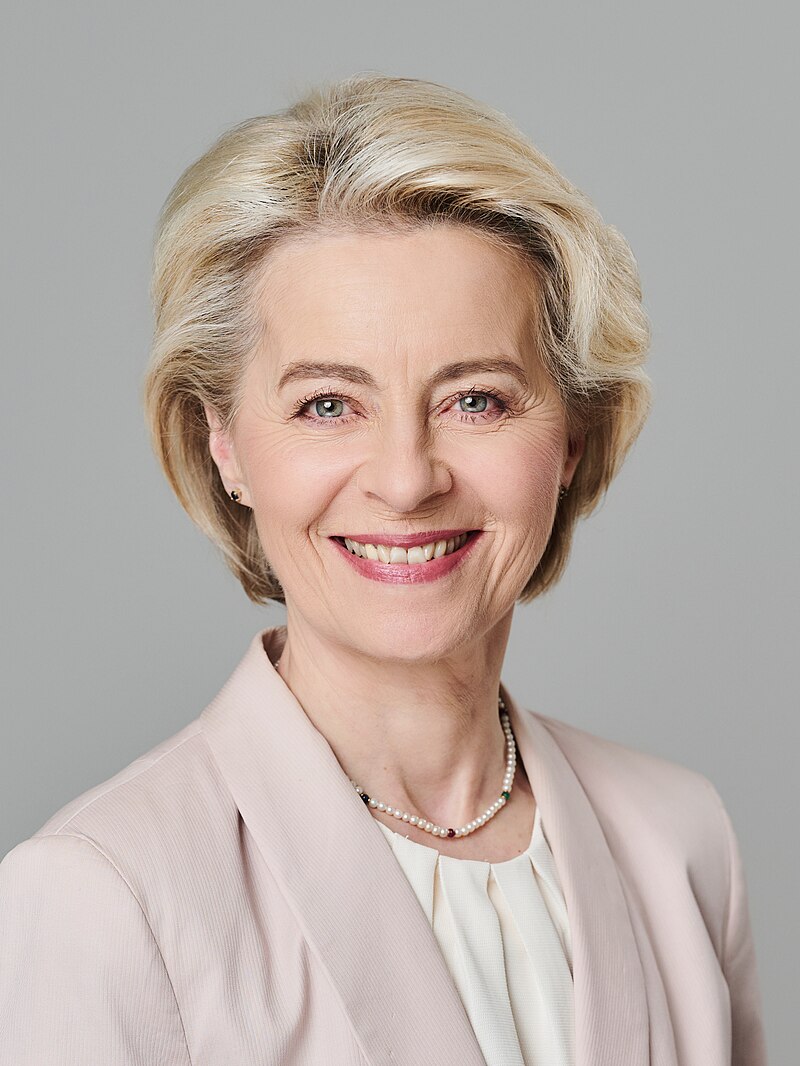
Gia Abashidze commented on the necessity of having a healthy competitor for any ruling party.
კოლექტიური „ნაცმოძრაობის“ „სრული განეიტრალება“ 2028 წლისთვისGeorgia· 2026-06-23
Gia Abashidze believes that the trend of lawsuits against media will strengthen democracy in Georgia.
ახალი ტენდენცია, თუ ორი ინდივიდუალური შემთხვევაGeorgia· 2026-06-20

Gia Abashidze claims that Nikoloz Samkharaadze has said nothing new and that the ruling party will not allow external interference.
ევროკავშირთან დიალოგის აღდგენის მცდელობა „წითელი ხაზებით“ და ბრიუსელის პასუხის მოლოდინიGeorgia· 2026-06-19