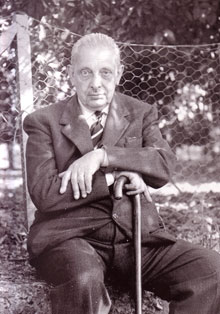
Giuseppe Tomasi di Lampedusa
Giuseppe Tomasi di Lampedusa was an Italian writer best known for his novel 'The Leopard', which offers a poignant reflection on the changing social fabric of Sicily during the Risorgimento. Despite initial rejections, the novel became a classic and is closely associated with the Feltrinelli publishing house, which published it posthumously and turned it into a bestseller.
Not in the pool (under ¢1).
Recent news mentions
Giuseppe Tomasi di Lampedusa was a well-known figure whom Renata Pucci di Benisichi knew well.
La centenaria Renata Pucci di Benisichi: «Feci l'interprete per il Gattopardo, Burt Lancaster mi baciò in bocca. Il mio segreto? Non ho invidie e a cena esco ancora tutte le sere» Italy· 2026-07-12



Giuseppe Tomasi di Lampedusa is recognized for 'El gatopardo'.
¿Cuáles son las 100 mejores novelas de todos los tiempos? Dominican Republic· 2026-06-28





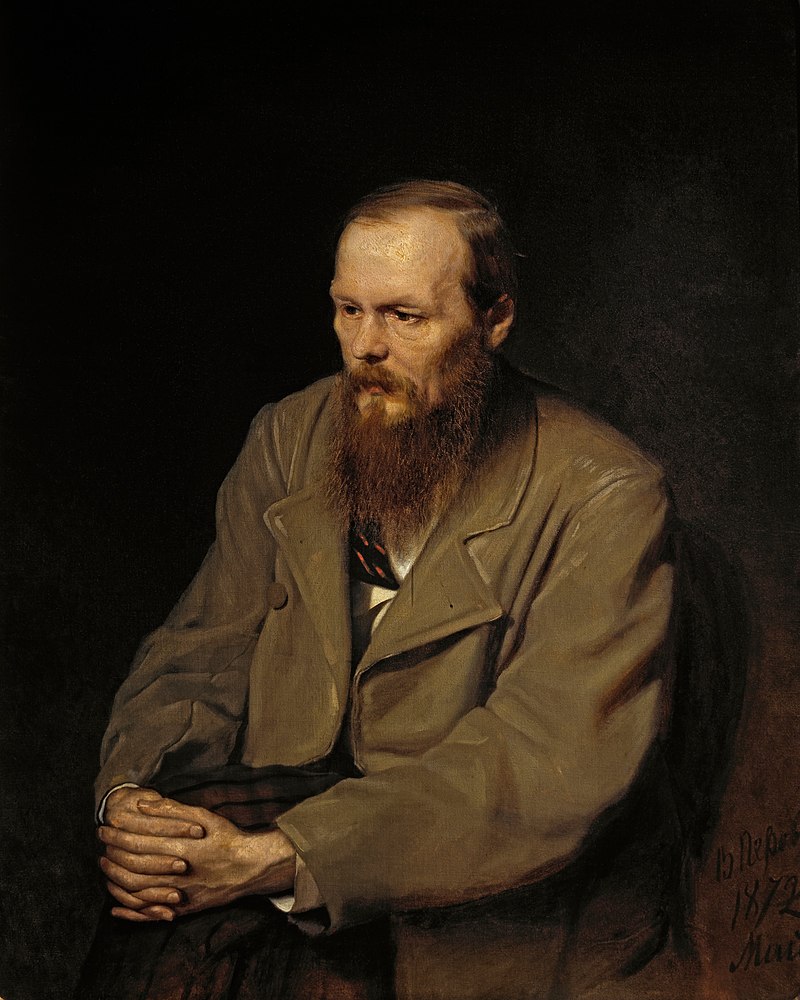
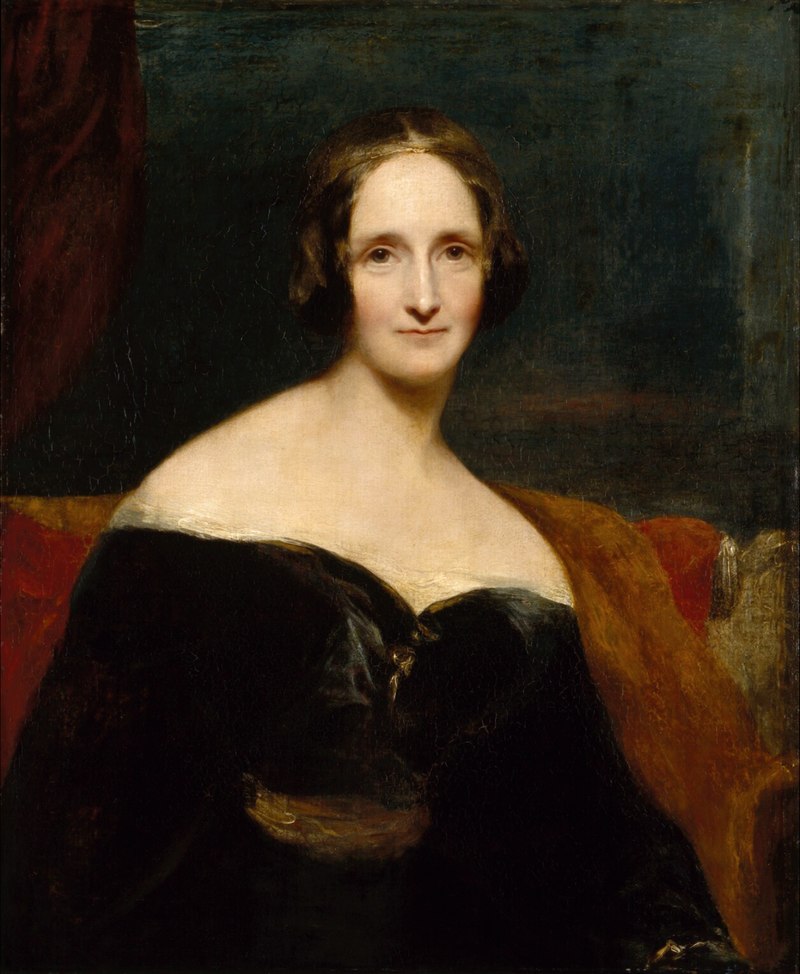


Giuseppe Tomasi di Lampedusa is the Italian author of 'Il Gattopardo', another key title published by Feltrinelli.
La librería de Montevideo es un primer experimento Uruguay· 2026-02-28







His novel 'Il Gattopardo' is central to the production at Schauspielhaus Zürich.
«Il Gattopardo» im Schauspielhaus Zürich – Wandel und Untergang Switzerland· 2025-12-01







Giuseppe Tomasi di Lampedusa is mentioned as a new writer who delights the elderly.
What it really means to enter old age Canada· 2025-10-11








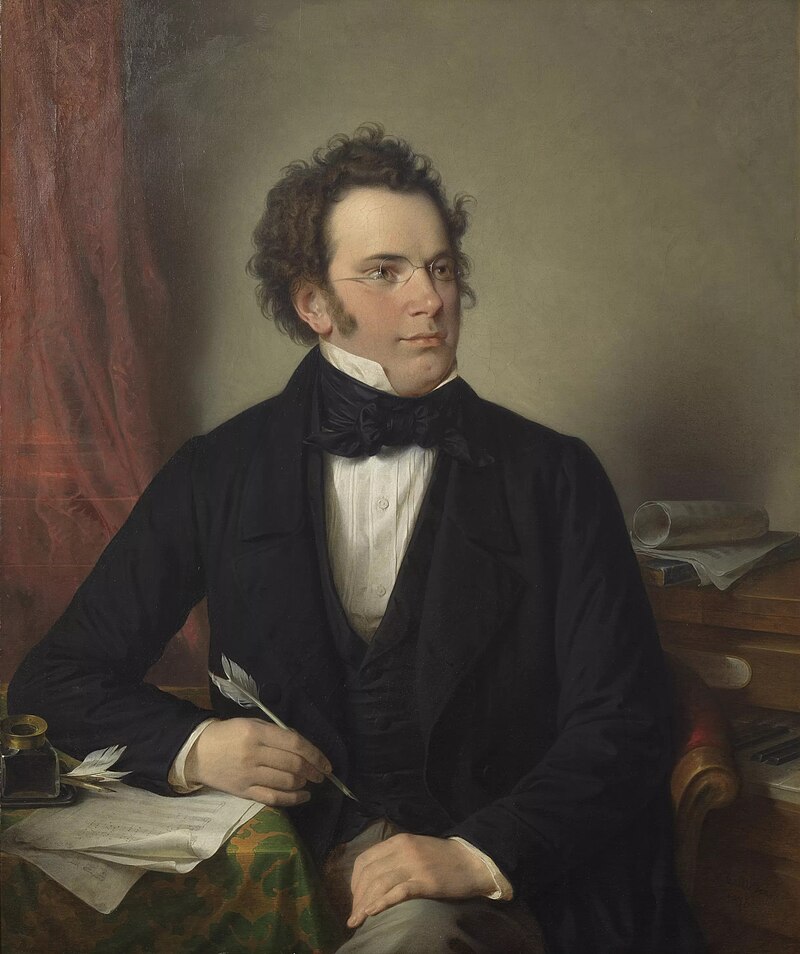


Lampedusa's 'The Leopard' tells the story of the decline of the Salina princely family amid the changes in Italy.
6 Bücher, die von Italien erzählen – für die Sommerferien oder für zu HauseSwitzerland· 2025-08-05

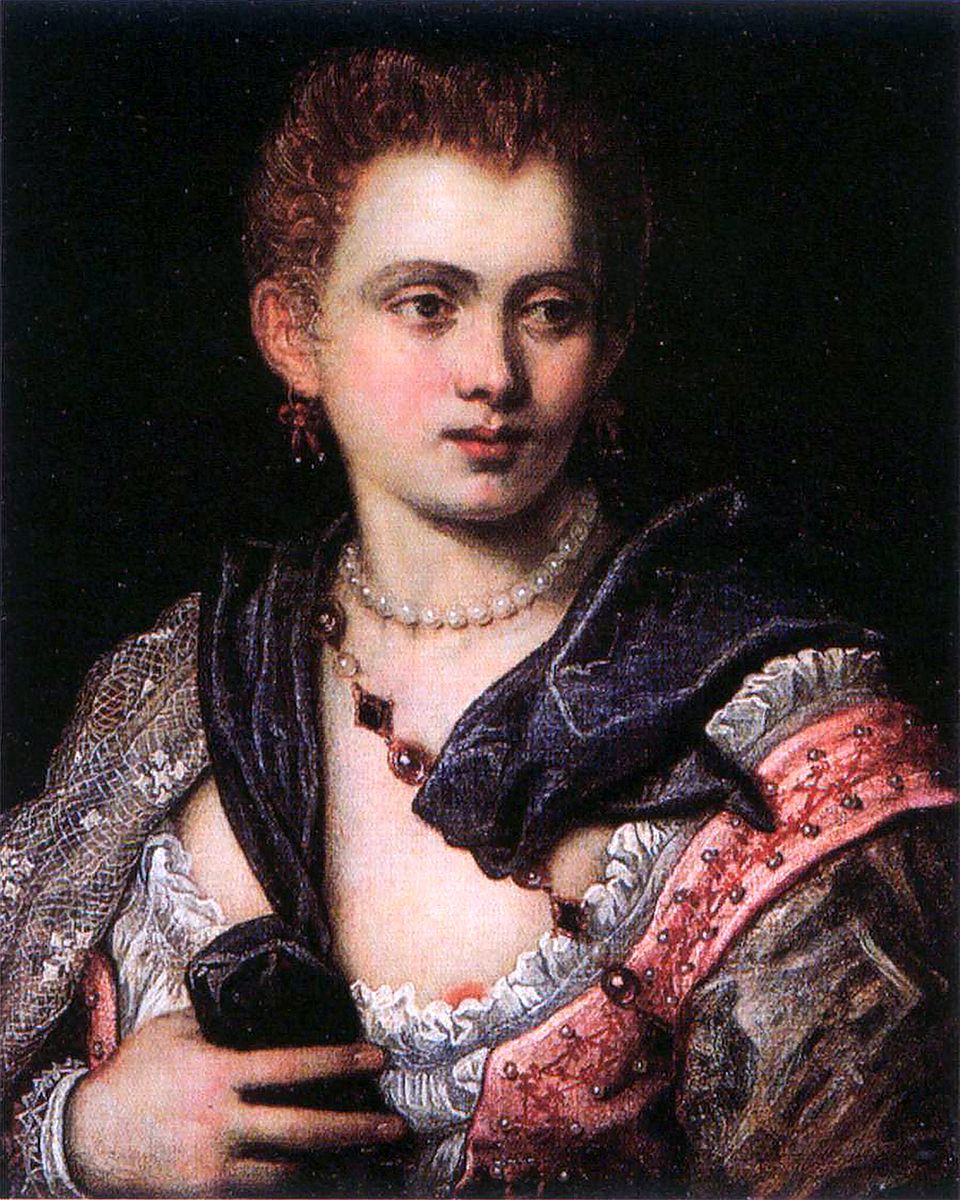


Giuseppe Tomasi di Lampedusa is the author of the novel that 'The Leopard' is based on.
كلاكيت: (الفهد).. عن انحدار الأرستقراطية Iraq· 2025-07-24






In the novel 'The Leopard' by Italian writer Giuseppe Tomasi di Lampedusa, the Prince of Salina concludes that changes must be accepted to maintain the status quo.
Was der Finanzplatz für unsere Verteidigung leisten kann Luxembourg· 2025-07-19


Giuseppe Tomasi di Lampedusa is known for his posthumously published novel 'Le Guépard'.
Trois livres de poche d’Italie conseillés par François Angelier : Giuseppe Tomasi di Lampedusa, Leonardo Sciascia, Giovanni Papini France· 2025-06-21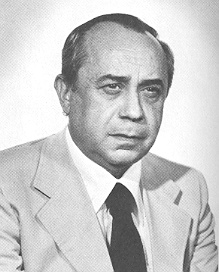

Giuseppe Tomasi di Lampedusa is the author of the novel 'Il Gattopardo', which explores the changes in Sicilian society.
«Il Gattopardo» di Tomasi di Lampedusa: la traccia A2 della prima prova della Maturità 2025Italy· 2025-06-18


Giuseppe Tomasi di Lampedusa is referenced in relation to his novel that discusses the struggles of maintaining privilege amidst change.
Razkošje, ki si ga razvajena Evropa ne more več privoščiti Slovenia· 2025-06-15
Giuseppe Tomasi di Lampedusa is referenced for his aphorism about the necessity of change in the context of European aristocracy.
Jutarnji list - 'Dosta je dekadencija i hedonizma, ovih 5 luksuza Europljani si više neće moći priuštiti, to je prošlo svršeno vrijeme!' Croatia· 2025-05-05

Giuseppe Tomasi di Lampedusa is referenced in relation to his novel 'The Leopard' which discusses the aristocracy's struggle to maintain their status during times of change.
Jutarnji list - 'Dosta je dekadencija i hedonizma, ovih pet luksuza Europljani si više neće moći priuštiti, to je prošlo svršeno vrijeme!'Croatia· 2025-05-04Giuseppe Tomasi di Lampedusa is referenced in relation to his aphorism about the necessity of change amidst societal upheaval.
Jutarnji list - 'Dosta je dekadencija i hedonizma, ovih pet luksuza Europljani si više neće moći priuštiti, to je prošlo svršeno vrijeme!'Croatia· 2025-05-04The series is based on the work of Italian writer Giuseppe Tomasi di Lampedusa, inspired by his own family history.
5 historische Serien, die auch wegen der Kostüme sehenswert sindSwitzerland· 2025-04-19








Giuseppe Tomasi di Lampedusa is the author of the novel 'Il Gattopardo'.
Dos versiones de un clásico siciliano Colombia· 2025-04-19

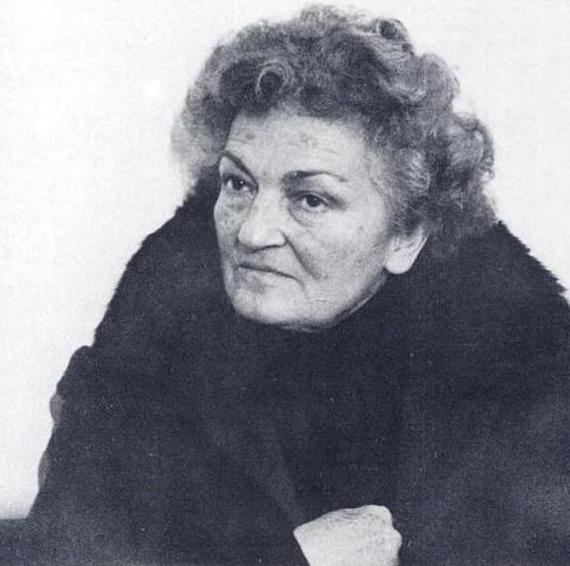
Giuseppe Tomasi di Lampedusa is the author of the novel that inspired the miniseries El Gatopardo.
El regreso de Il Gattopardo Argentina· 2025-04-17
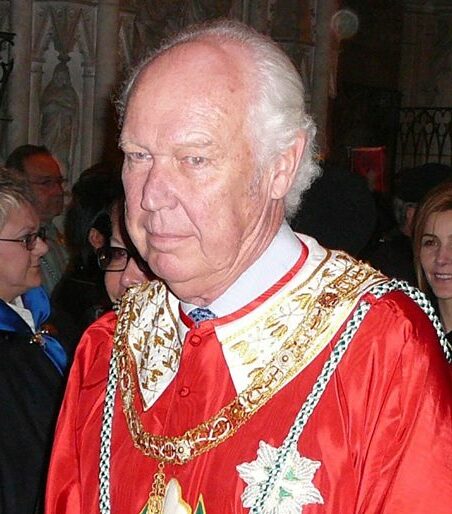
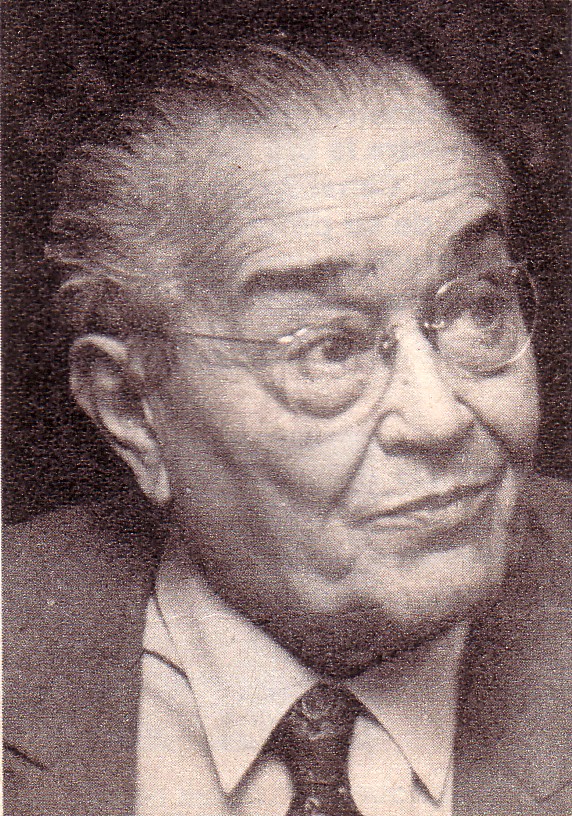
Giuseppe Tomasi di Lampedusa is the author of the novel 'Il Gattopardo'.
Kim Rossi Stuart: «Come Don Fabrizio credo nella famiglia ma sono un padre migliore»Italy· 2025-04-11




The series reimagines Giuseppe Tomasi di Lampedusa’s classic novel with a focus on the women of the noble Sicilian Salina family.
It took more than 7,000 garments to reimagine 19th century Italian society in Netflix’s The LeopardCanada· 2025-04-08





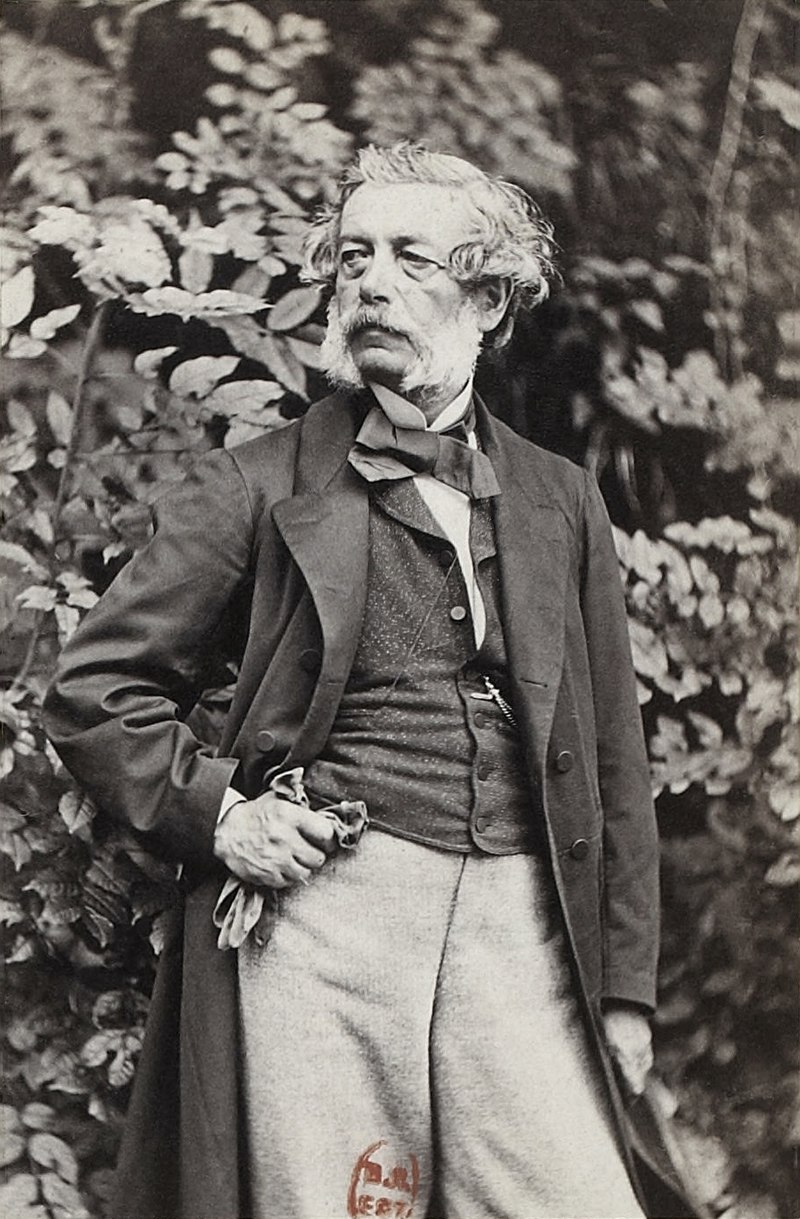
Giuseppe Tomasi di Lampedusa's novel 'Il Gattopardo' is visually revived in the new Netflix miniseries.
Literaturklassiker auf Netflix: Das Miauen des rosafarbenen LeopardenLuxembourg· 2025-03-31
Giuseppe Tomasi di Lampedusa wrote the novel El Gatopardo on which the film is based.
Cuaresma y “gatopardismo”Dominican Republic· 2025-03-28Giuseppe Tomasi di Lampedusa is the author of the original novel 'Il Gattopardo', which is considered the most significant Italian novel of the post-war period.
Il Gattopardo bei Netflix: Zeitgeist trifft KlassikerSwitzerland· 2025-03-21
Giuseppe Tomasi di Lampedusa is the author of the novel 'The Leopard', which inspired the series.
Сицилийские нравы и дочь Моники Белуччи. Рассказываем о самом красивом сериале весны Belarus· 2025-03-19

Giuseppe Tomasi di Lampedusa is the author of the novel Il Gattopardo, which depicts the decline of the Sicilian nobility.
El gatopardismo: ¿Una conducta recurrente en la historia? Venezuela· 2025-03-15

Giuseppe Tomasi di Lampedusa is known for his work 'Il Gattopardo', which features the famous recipe for timballo.
Il timballo del Gattopardo, la ricetta che (per un attimo) salvò la nobiltà sicilianaItaly· 2025-03-05Giuseppe Tomasi di Lampedusa’s seminal 1860s novel is the basis for The Leopard adaptation.
The Leopard review – this sultry Italian drama will leave you swooning | Television & radio United Kingdom· 2025-03-05

Giuseppe Tomasi di Lampedusa wrote the novel that 'O Leopardo' is based on.
Quarta na TV: O Leopardo novo, um Demolidor renascido e focos em várias espécies | Televisão Portugal· 2025-03-04











Giuseppe Tomasi di Lampedusa is known for his historical novel 'Il Gattopardo', which has been adapted into a prestigious Netflix miniseries.
Visconti e Tomasi di Lampedusa in miniserie tv San Marino· 2025-03-04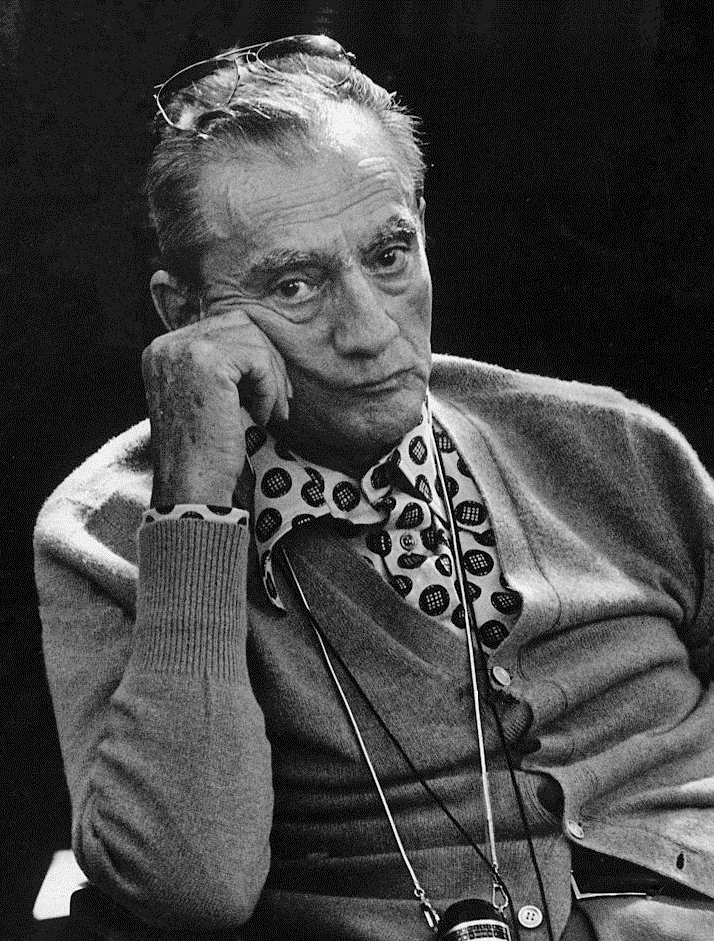
Giuseppe Tomasi di Lampedusa is the author of the novel 'The Leopard' which is being adapted into a film.
En af de absolut bedste kriminalserier i nyere tid vender tilbage Denmark· 2025-03-04
Giuseppe Tomasi di Lampedusa is the author of the novel 'The Leopard' which is being adapted into a new film version.
Italienernes svar på ’Matador’ kan nu opleves i ny udgaveDenmark· 2025-03-04