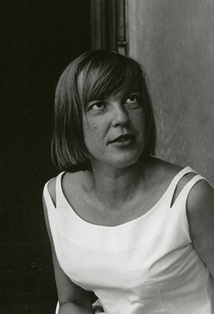
Ingeborg Bachmann
Ingeborg Bachmann was an Austrian poet, novelist, and essayist, known for her profound and poignant explorations of themes such as identity, love, and existentialism. As one of the leading figures of post-World War II literature, her work has had a lasting impact on both German and international literature.
Not in the pool (under ¢1).
Recent news mentions
Ingeborg Bachmann's life and work continue to evolve through new publications and biographical studies.
Lese-Tipps über Elon Musk und Adenauer Switzerland· 2026-07-04




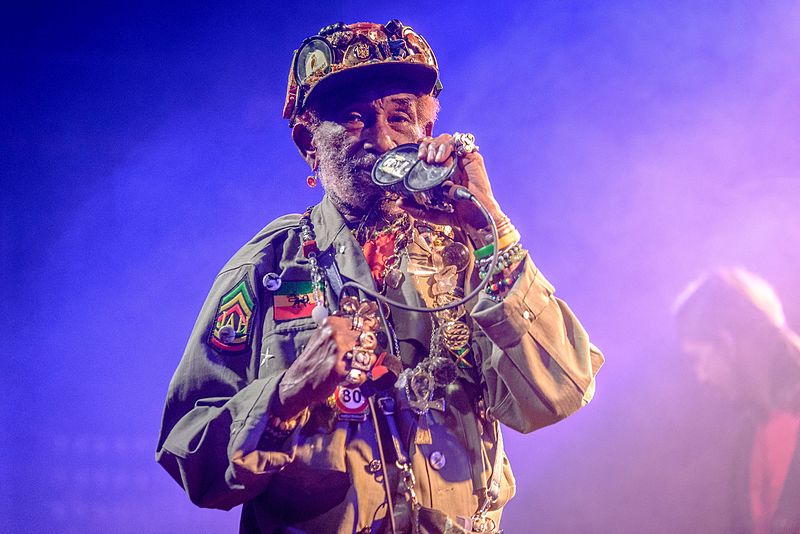
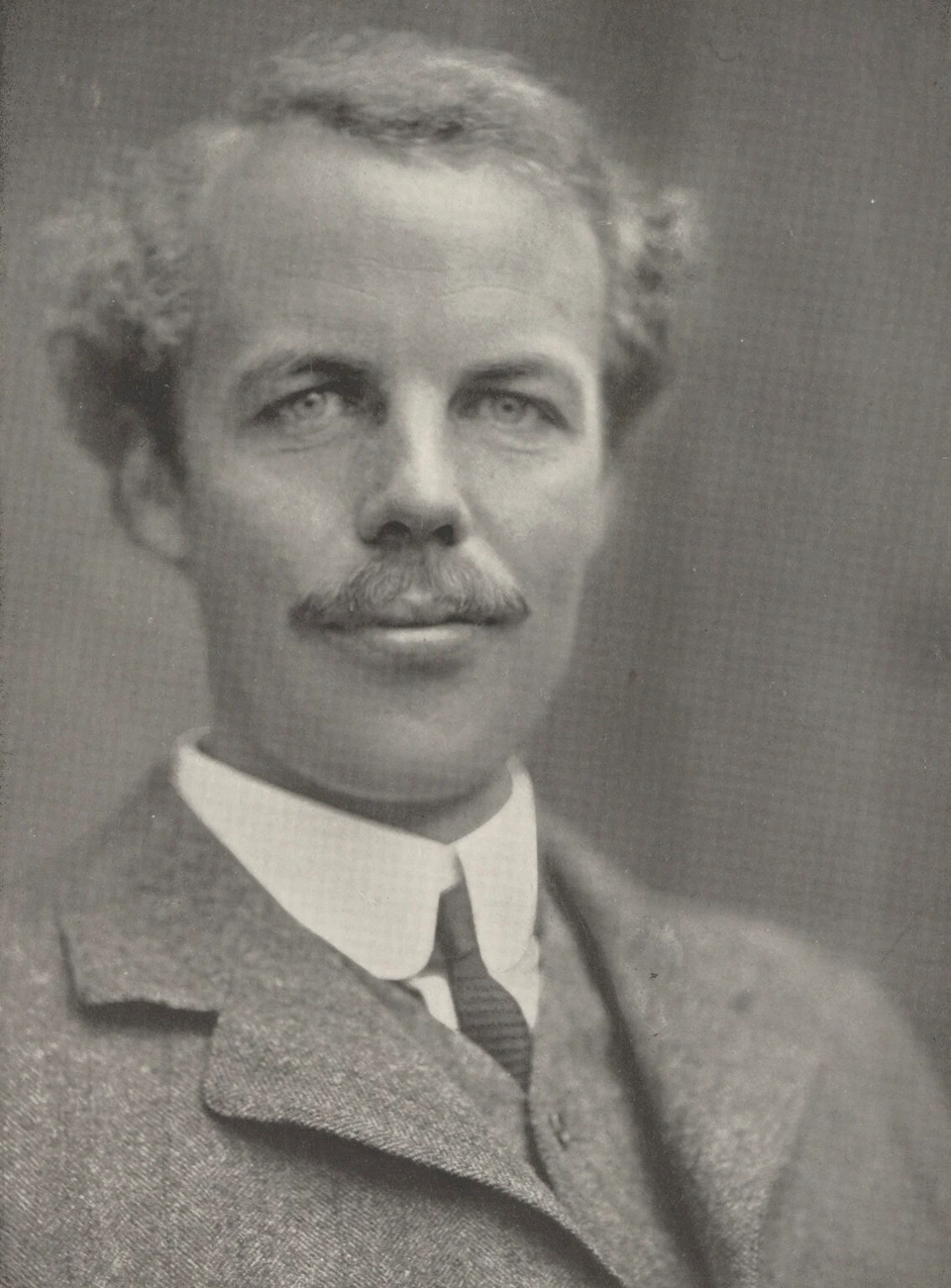
Ingeborg Bachmann is mentioned in relation to Max Frisch's views on relationships.
Hochzeit als Zeichen für Mut zur BindungSwitzerland· 2026-07-03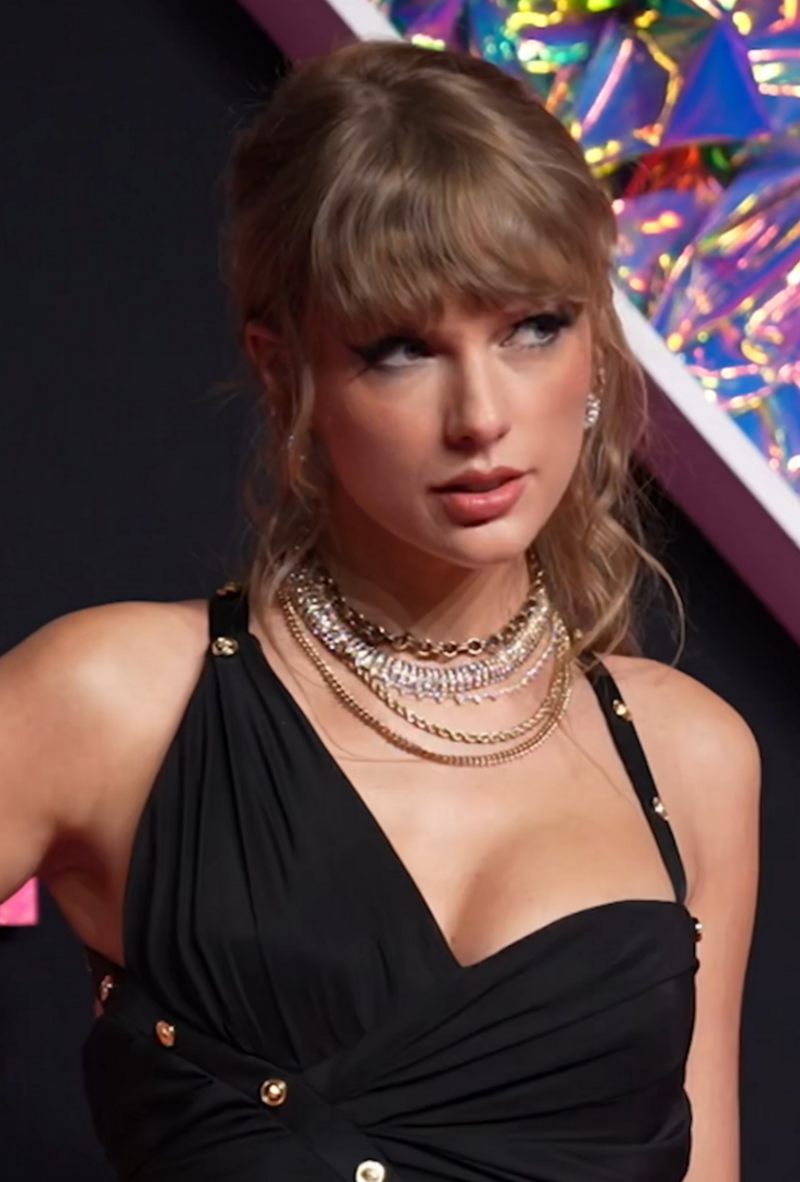


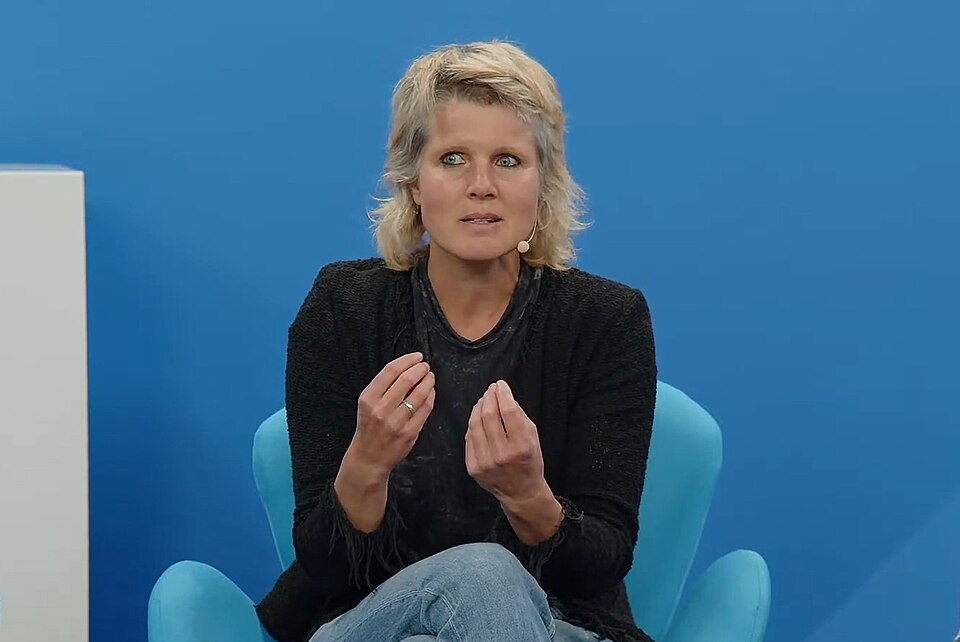
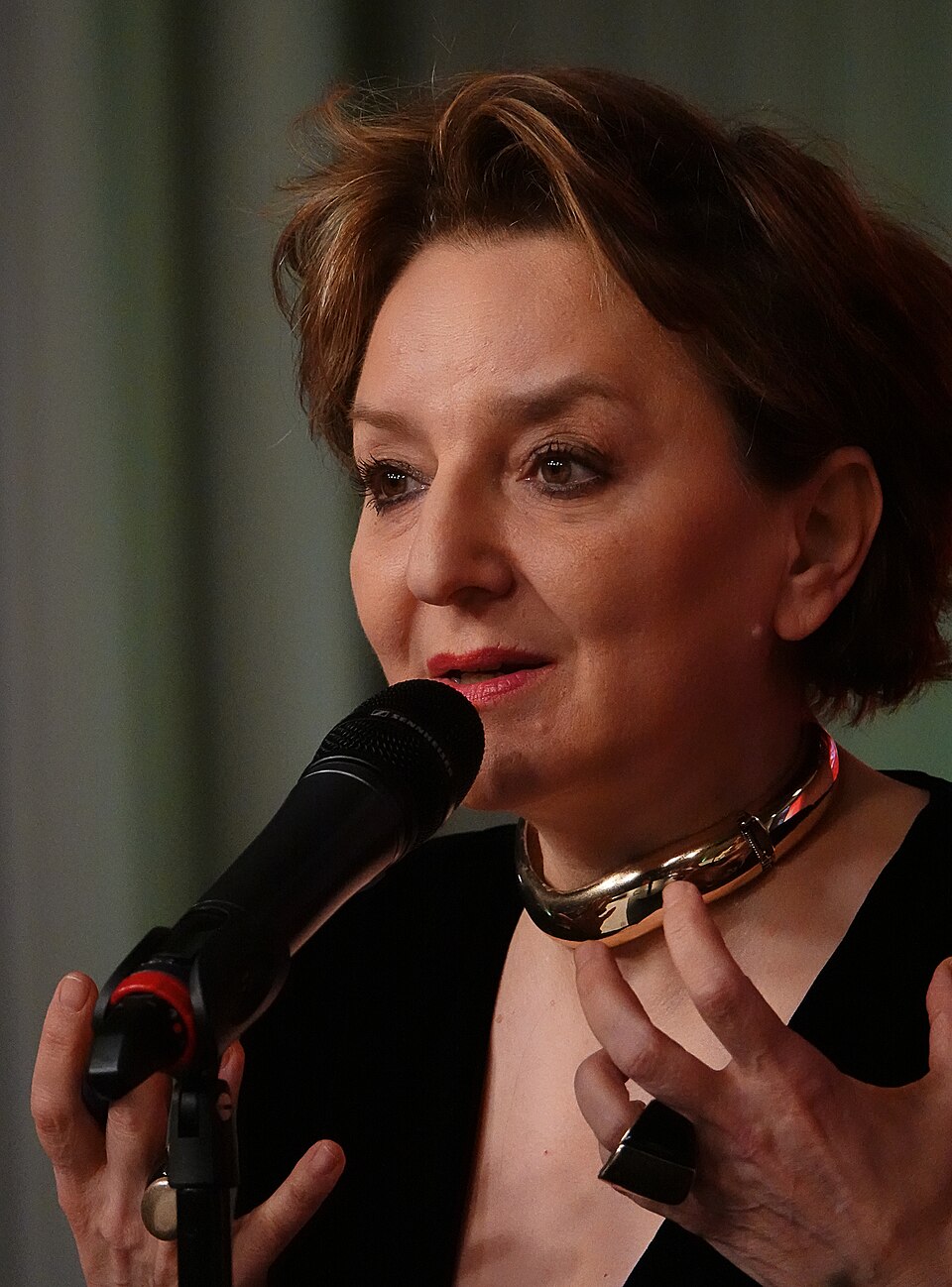
Ingeborg Bachmann wrote many letters, showcasing the value of written communication in the past.
Das Antikommunikationszeitalter und die Sehnsucht nach Rückwendung zum RealenSwitzerland· 2026-07-01
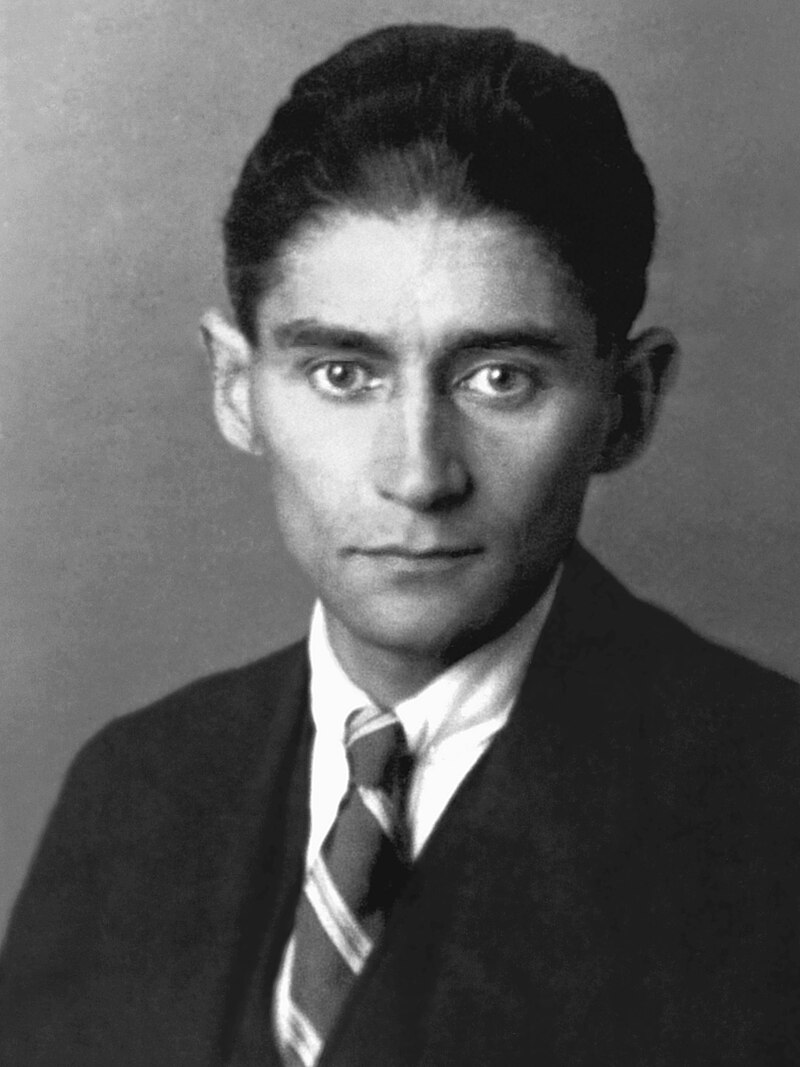

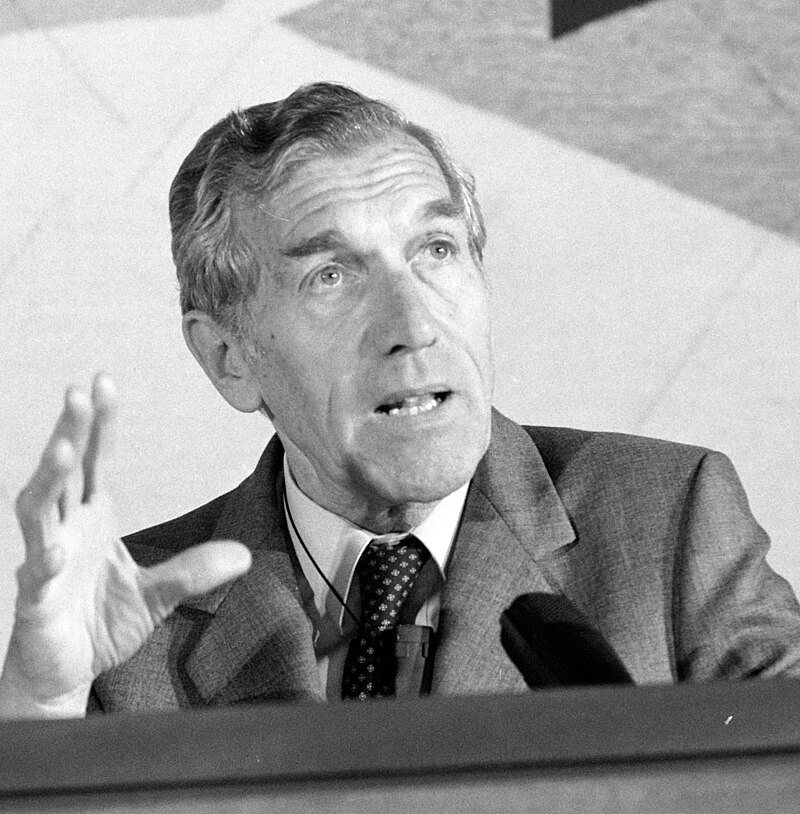
Ingeborg Bachmann was one of the key literary figures of the 20th century.
TV namig: Ljubezen med dvema umetnikoma Slovenia· 2026-06-29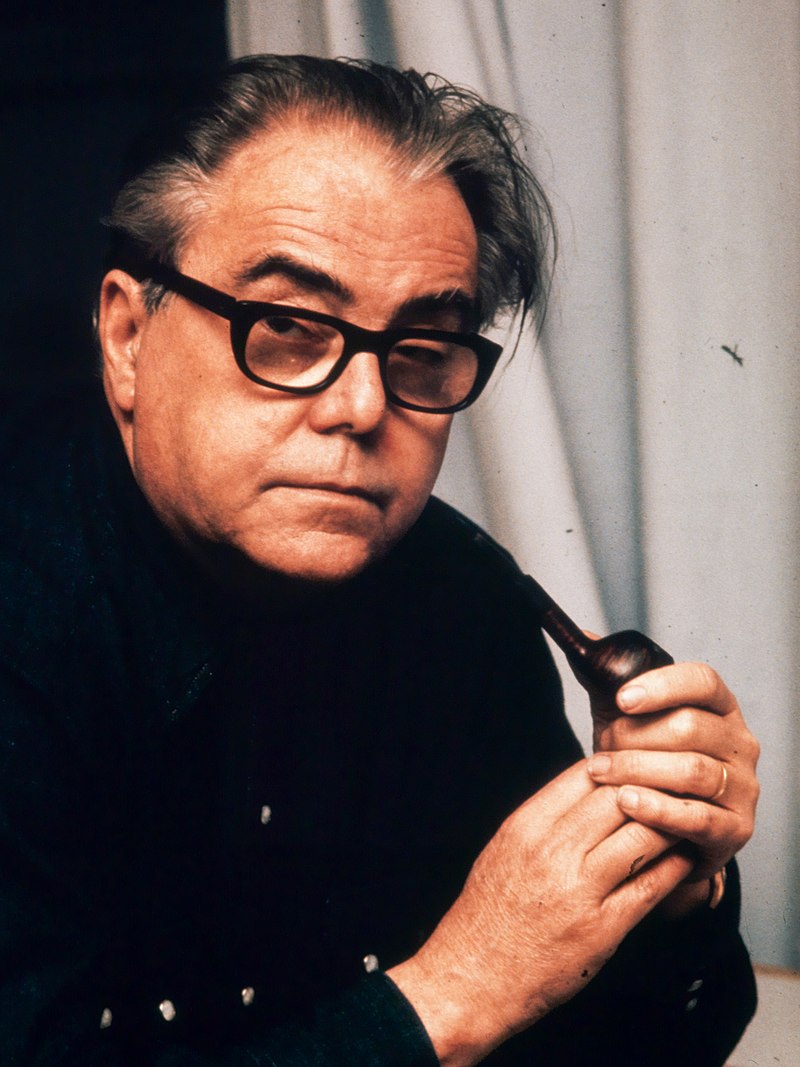
Ingeborg Bachmann gifted Roberto Calasso a fountain pen that he cherished.
Anna Katharina Fröhlich: «Con Roberto Calasso tutto iniziò con un velo di pizzo che io dimenticai su un taxi. Era sposato e io ero gelosa. Philip Roth? Non lo appassionava» Italy· 2026-06-27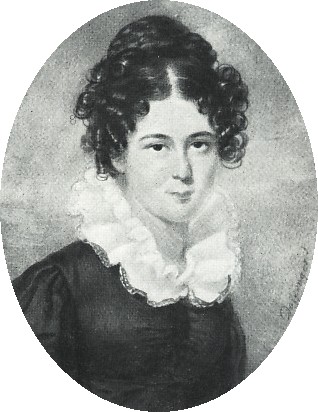
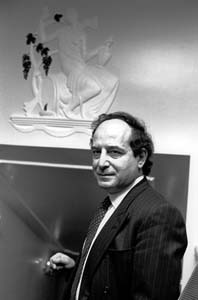
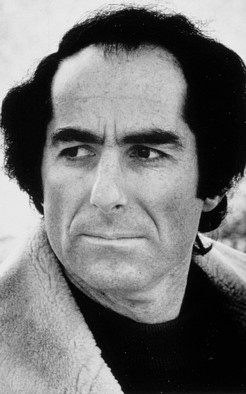
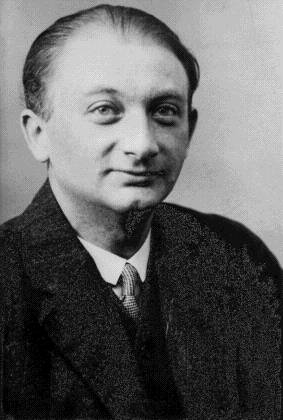
Ingeborg Bachmann expressed her feelings about living in Munich in her writings.
Affront mit Ansage beim Bachmann-Preis 2026. Was die Teilnehmerin Slata Roschal plant - München Germany· 2026-06-26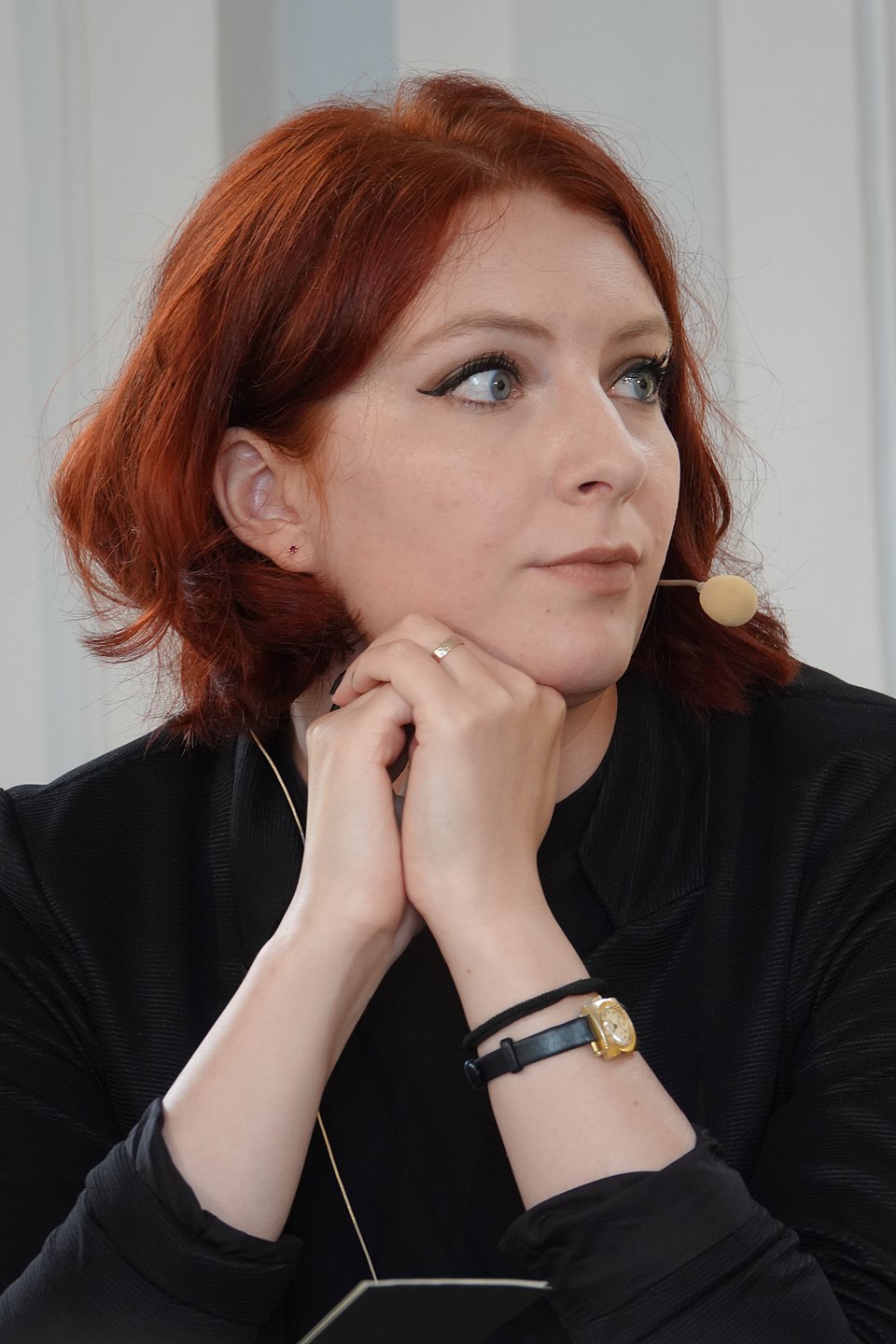

Ingeborg Bachmann was a master of ambiguity as a writer, but her life was directed towards an unfulfillable desire for clarity.
100 Jahre Ingeborg Bachmann: Meisterin der MehrdeutigkeitSwitzerland· 2026-06-25
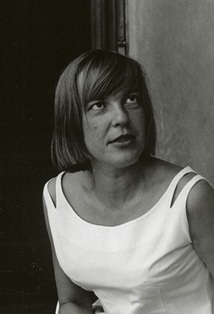


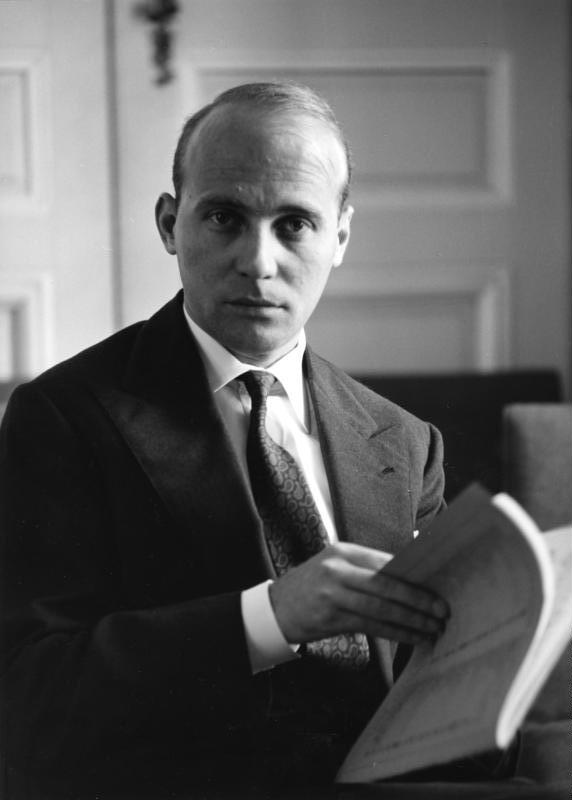
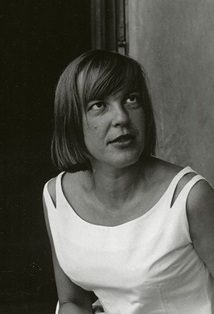
Ingeborg Bachmann was an influential Austrian writer whose life and work are explored in the article.
Η εξαφάνιση της γυναίκας | Η ΚΑΘΗΜΕΡΙΝΗ Greece· 2026-03-08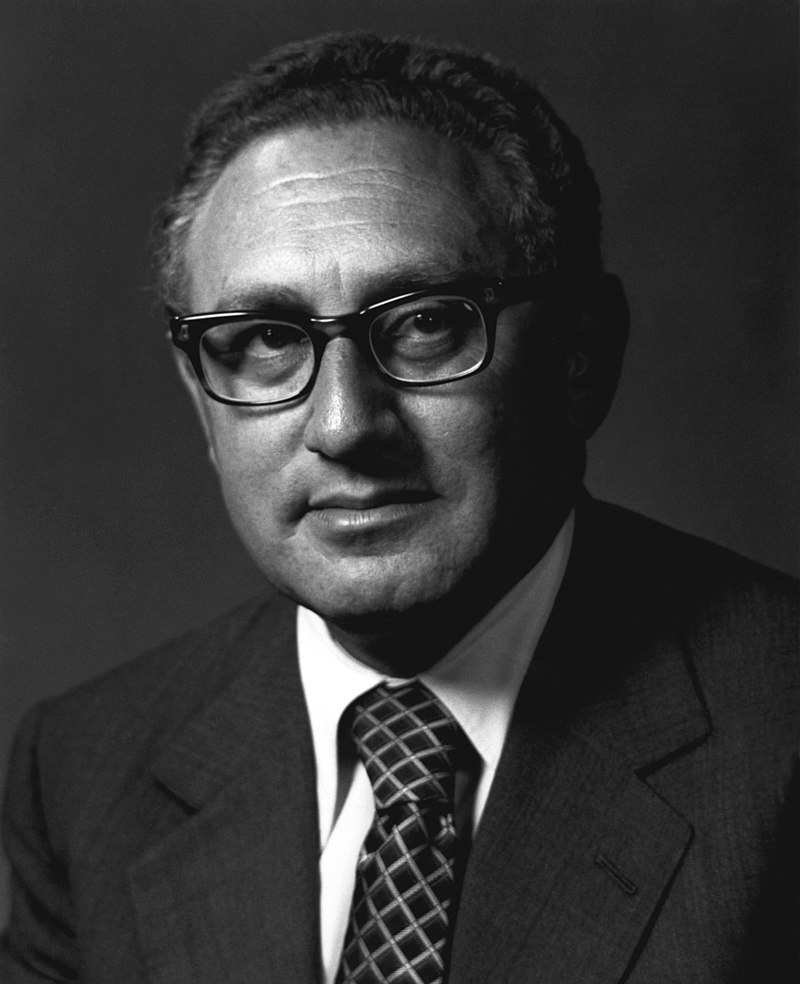
Ingeborg Bachmann was a prominent writer and had a notable relationship with Max Frisch.
Das grosse Interview zu Trump, Armee und SexSwitzerland· 2026-01-27


Ingeborg Bachmann was a writer who worked as a correspondent in Rome and reported on the opening of the first metro line in the city.
Metro C eröffnet am Kolosseum in Rom: Mit der U-Bahn durchs Museum. - PanoramaGermany· 2025-12-17Ingeborg Bachmann is among the influential Austrian authors cited by Krasznahorkai.
Una carta de Pynchon y una noche de farra con Allen Ginsberg: lo que esconde el legado del Nobel László Krasznahorkai | Cultura Spain· 2025-10-11
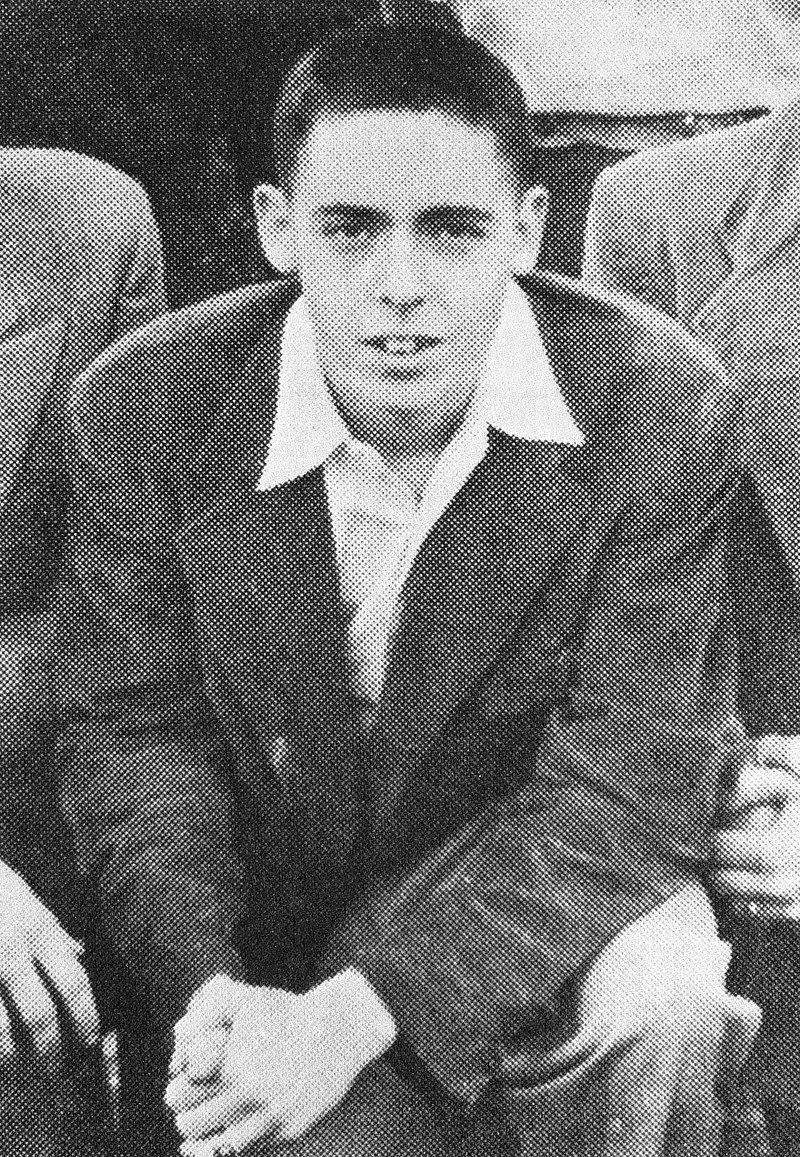
Ingeborg Bachmann was an Austrian author who corresponded with Heinrich Böll, sharing her experiences and struggles as a writer.
Ingeborg Bachmann und Heinrich Böll im BriefwechselSwitzerland· 2025-07-03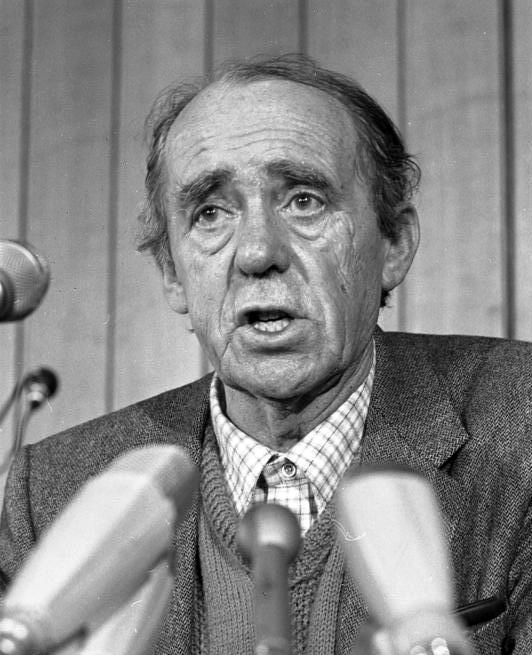
Ingeborg Bachmann's childhood home is now a museum dedicated to her life.
„Ein durchaus plausibler Ort“: Ingeborg Bachmanns Elternhaus ist jetzt ein Museum - KulturGermany· 2025-06-29Ingeborg Bachmann had a close friendship with Heinrich Böll and is known for her significant contributions to literature.
Literatur: Der Briefwechsel zwischen Ingeborg Bachmann und Heinrich Böll - KulturGermany· 2025-06-23Ingeborg Bachmann was a significant figure in Max Frisch's life and literature, often depicted in his works.
Max Frisch in Julian Schütts Biografie: der Aufstieg zum WeltautorSwitzerland· 2025-05-20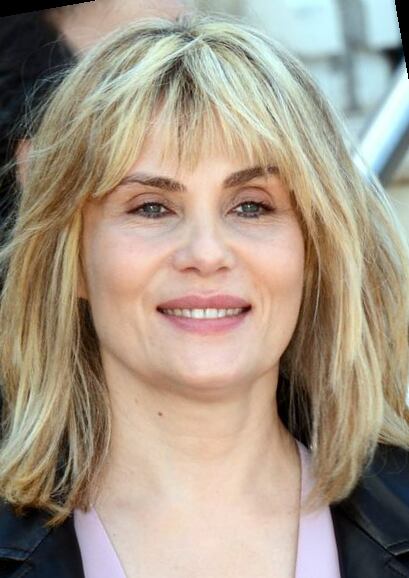
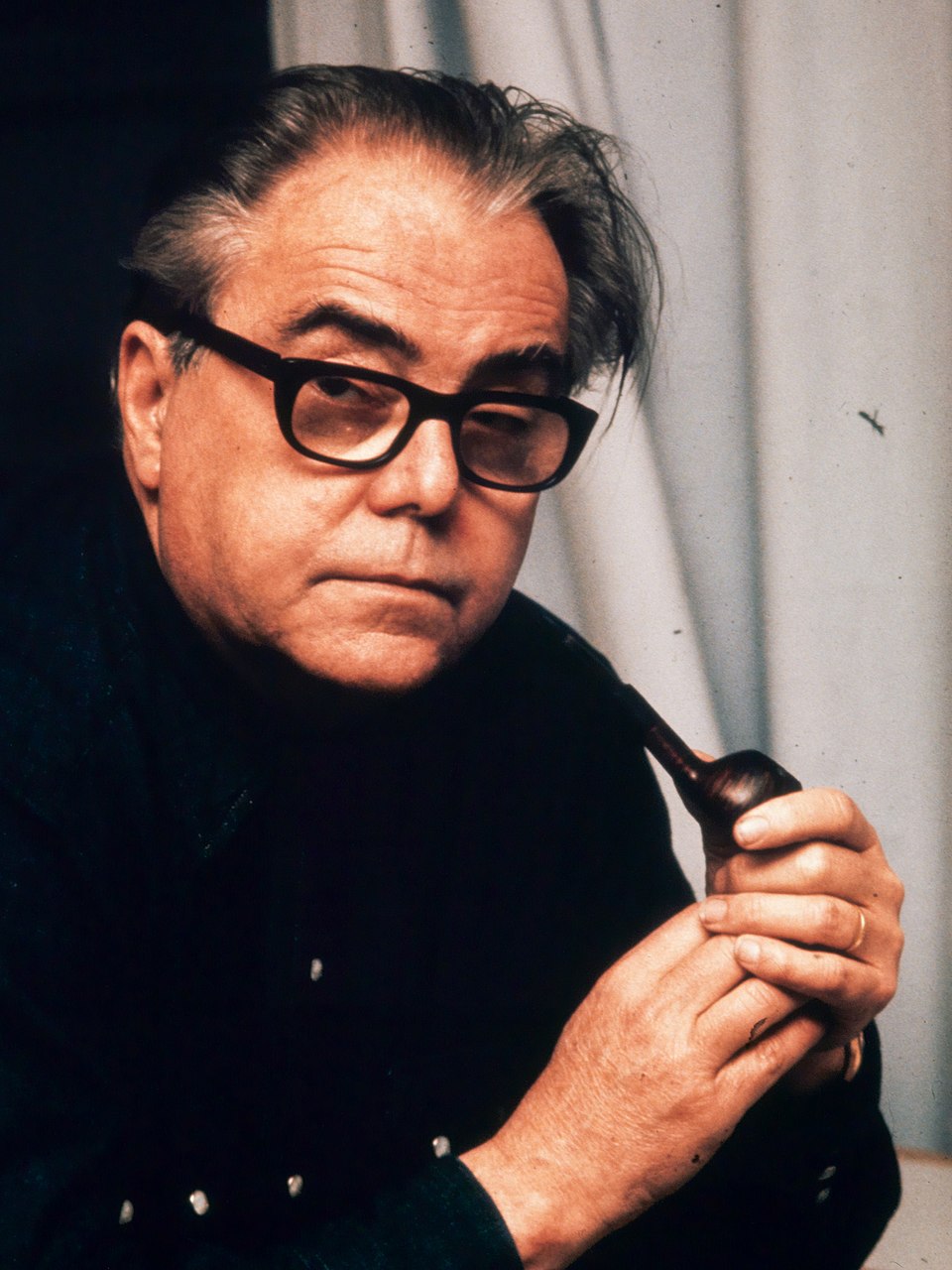

Celan had a romantic relationship with Ingeborg Bachmann, another famous poet of the German language.
Ljubav prema jeziku dželata Montenegro· 2025-04-19


Laura Ilea shares her fascination with Ingeborg Bachmann's exploration of language in poetry.
Ziua mondială a poeziei. Scriitoare române, despre literatura la feminin: „Doar în regimuri nedemocratice femeile nu au glas“ Romania· 2025-03-23