Maquiavelo
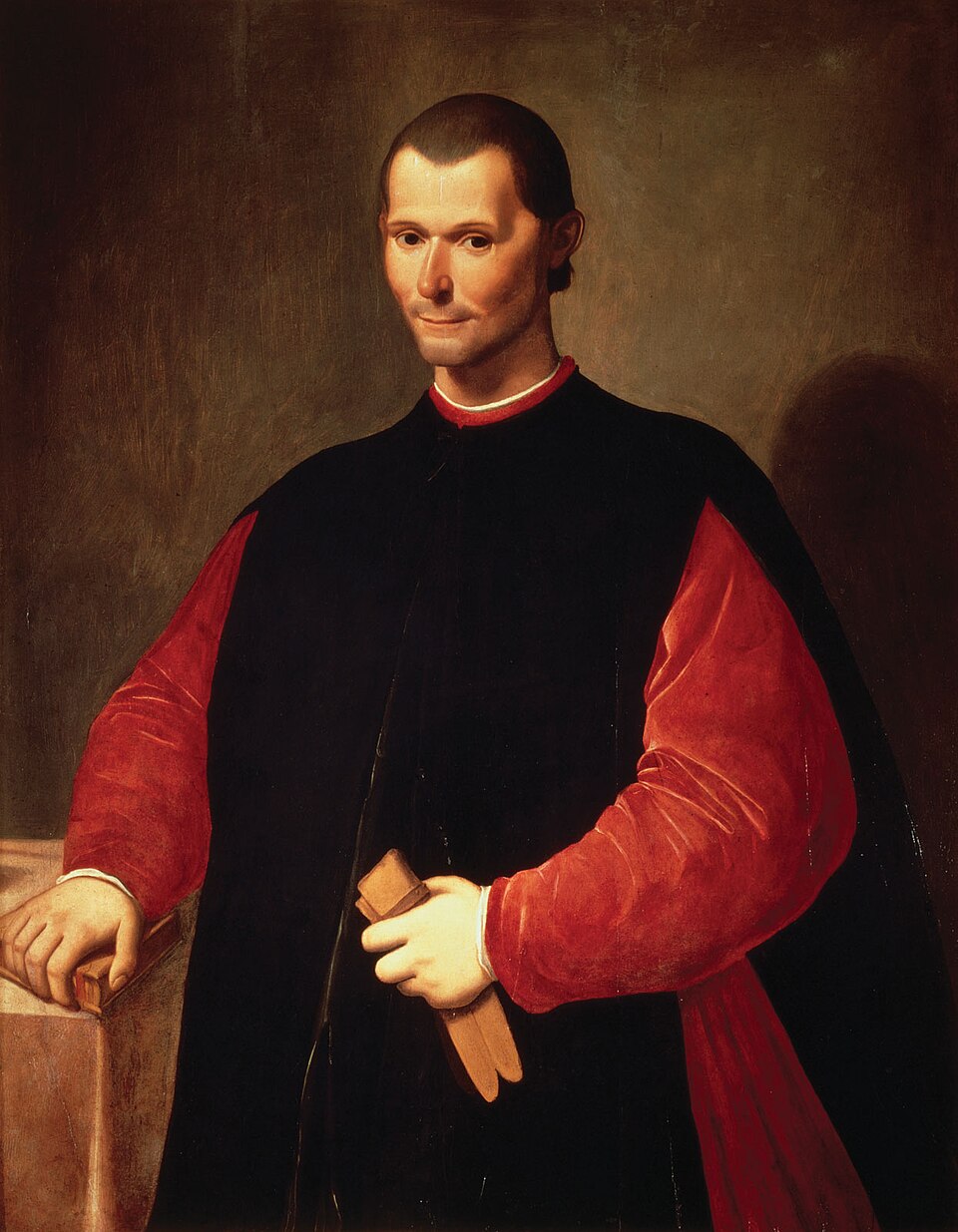
Niccolò Machiavelli was a Renaissance political philosopher and diplomat, best known for his work 'The Prince,' which offers pragmatic advice on political leadership and power acquisition. His ideas often embrace a realistic approach to governance, prioritizing effectiveness over morality, which has led to his association with realpolitik. Machiavelli's legacy continues to spark debate on the ethics of political leadership.
Not in the pool (under ¢1).
Recent news mentions
Maquiavelo's strategies are referenced in the context of military tactics and deception.
Oriente Medio convertido en polvorín de mecha corta Guatemala· 2026-03-02
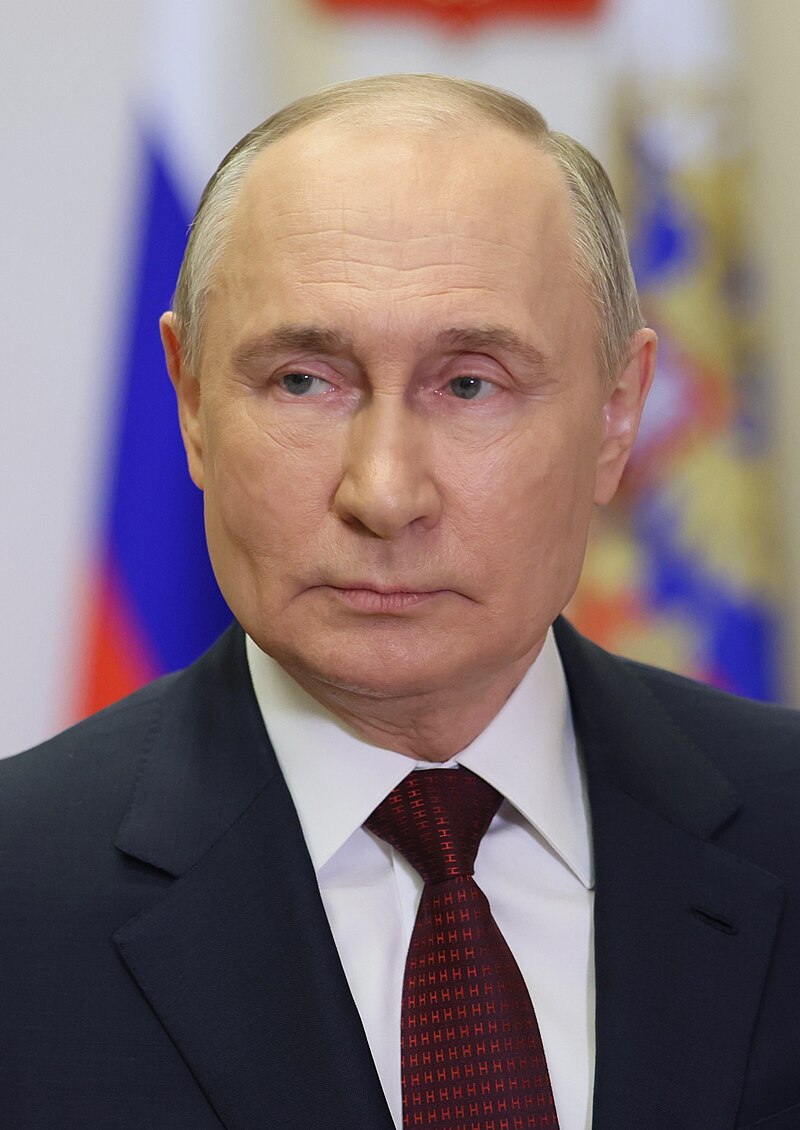
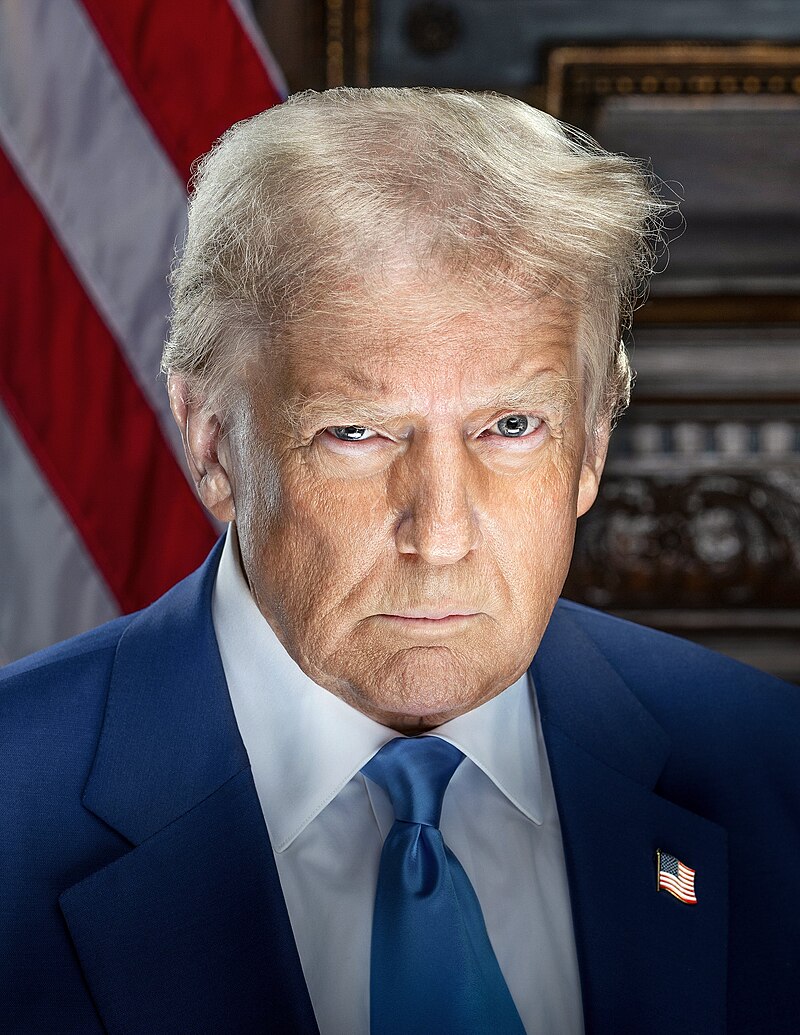
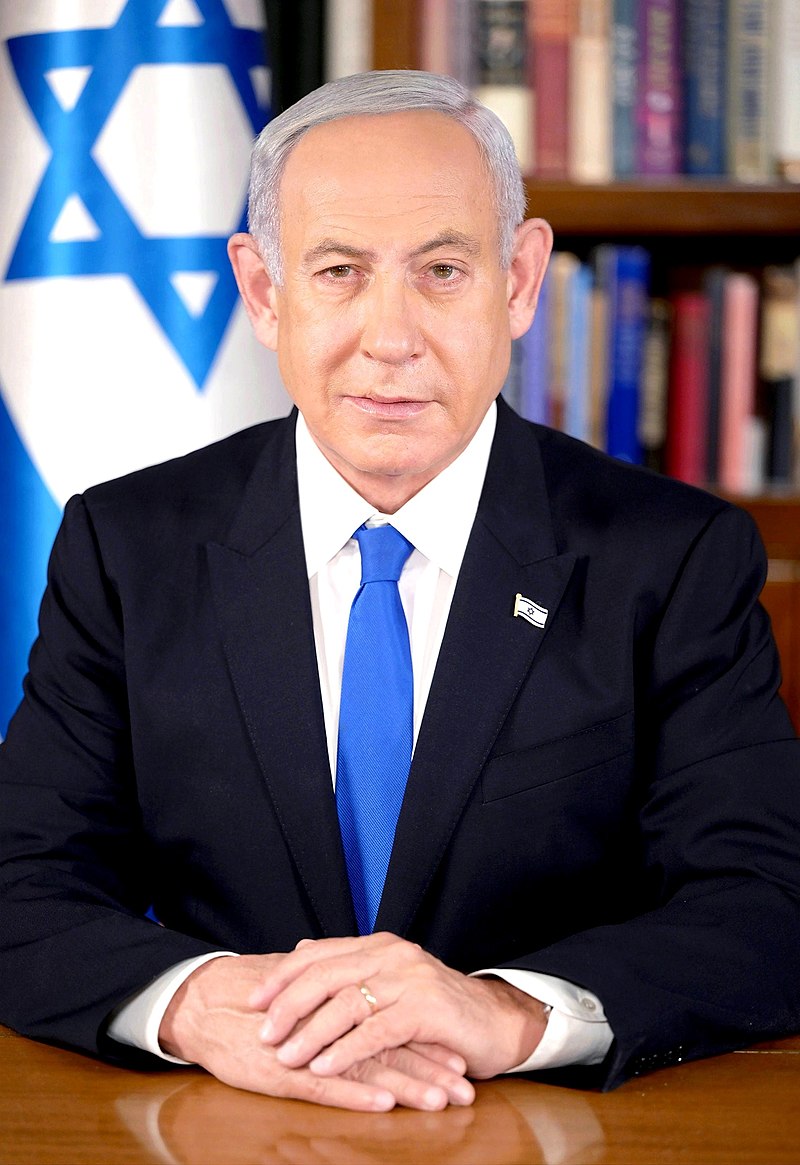
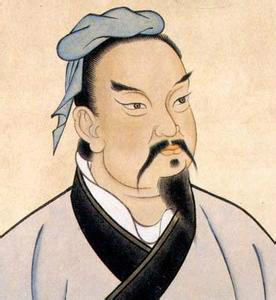
The article suggests it is time to reread Machiavelli in the context of the 21st century.
Múnich y el fin del orden liberal: ¿sobrevivirá la OTAN a la era Trump? Costa Rica· 2026-02-25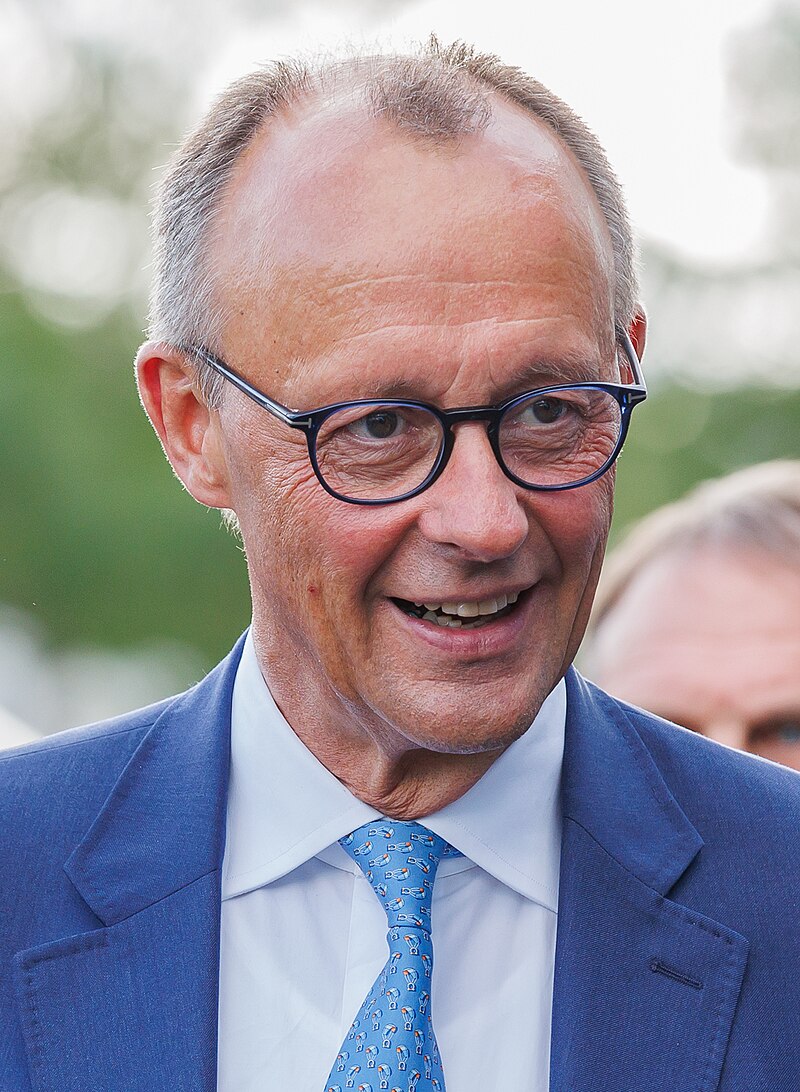
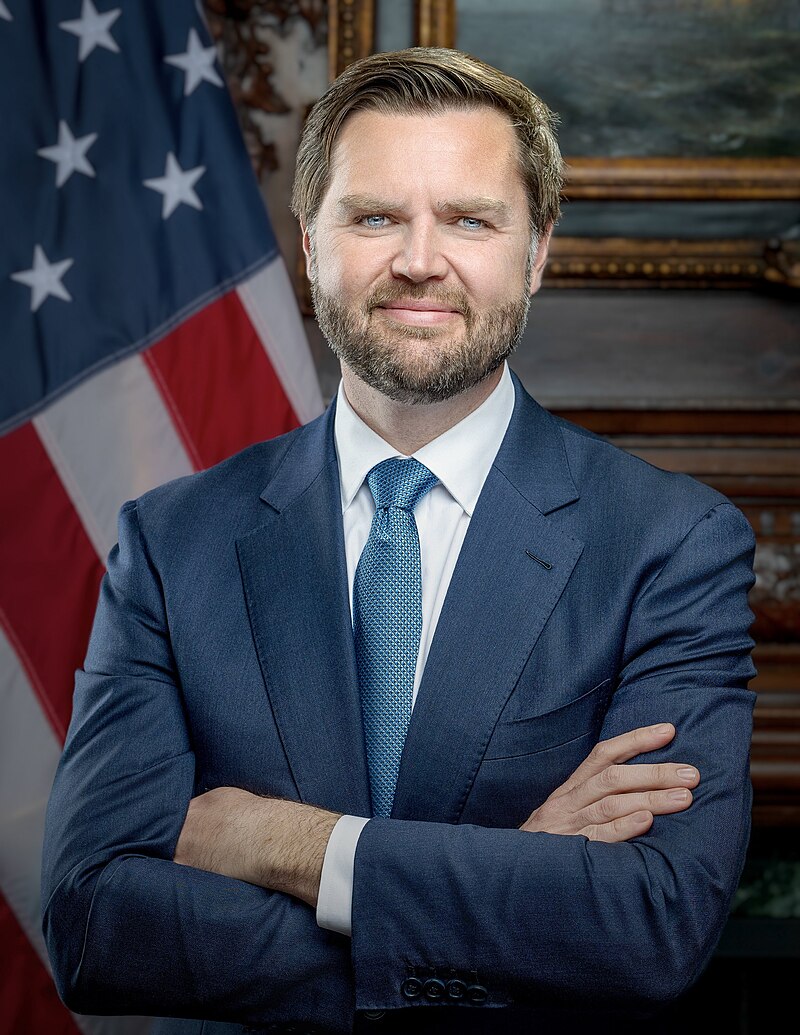
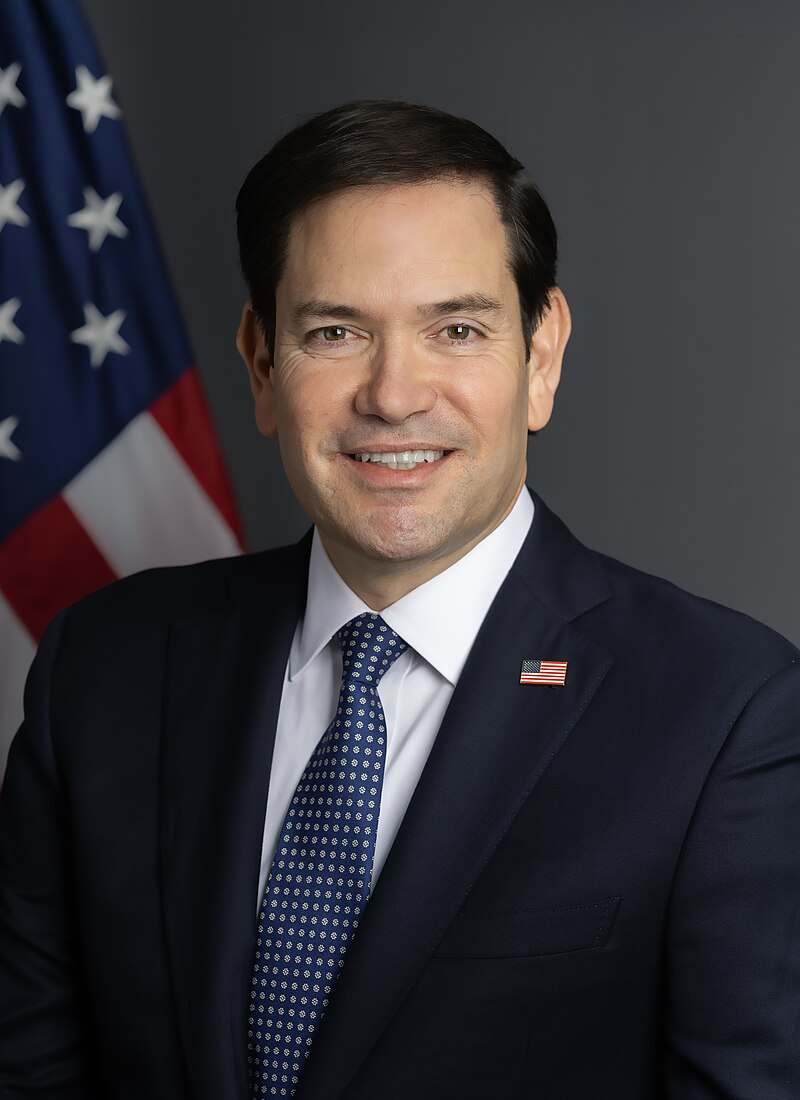
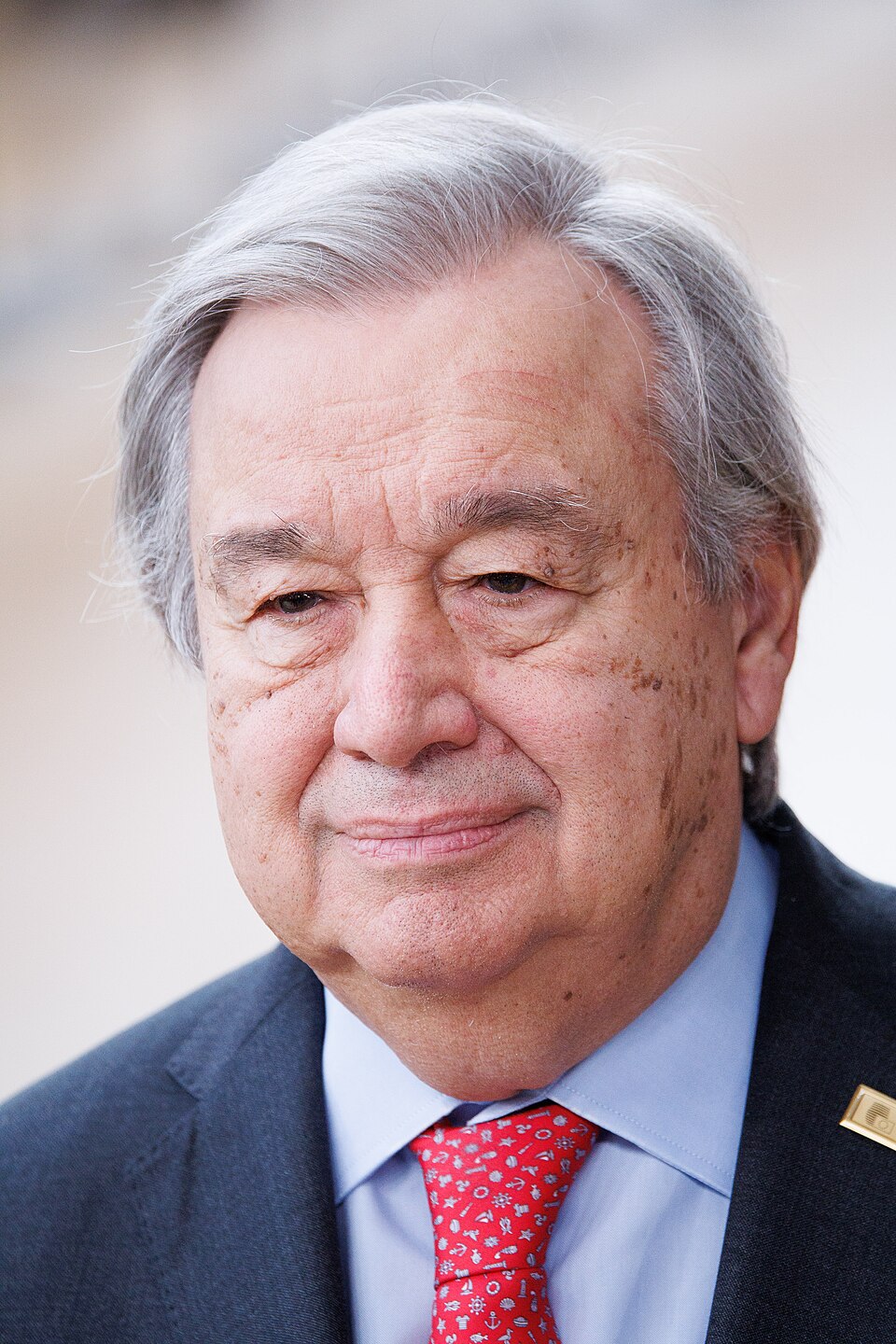

Machiavelli's saying 'governing is making people believe' is referenced in the context of the current political narrative.
El nuevo Leviatán | El Universal Mexico· 2025-10-03

Las publicaciones de Maquiavelo se conjugaron con la decadencia medieval.
La Edad Digital: el oscurantismo informativo del siglo XXI Venezuela· 2025-04-30

Maquiavelo is cited in the context of Realpolitik for his views on the necessity of pragmatic political actions.
Realpolitik en el mundoVenezuela· 2025-02-21