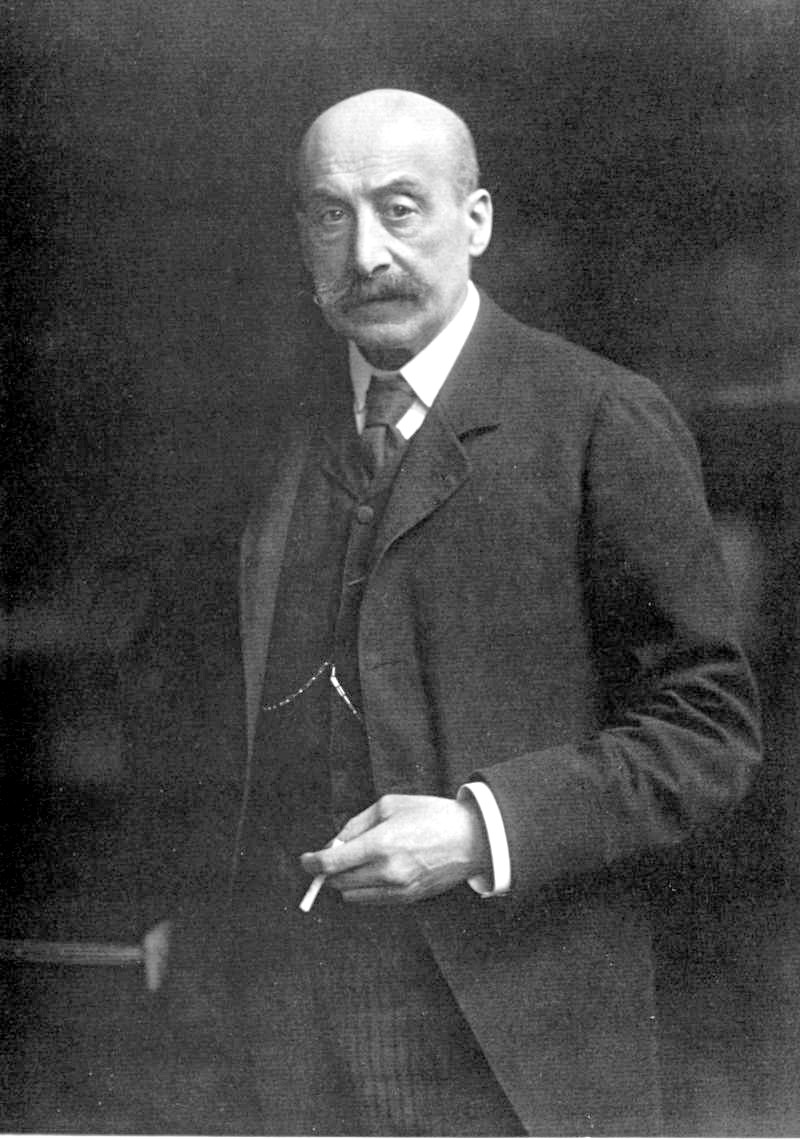
Max Liebermann
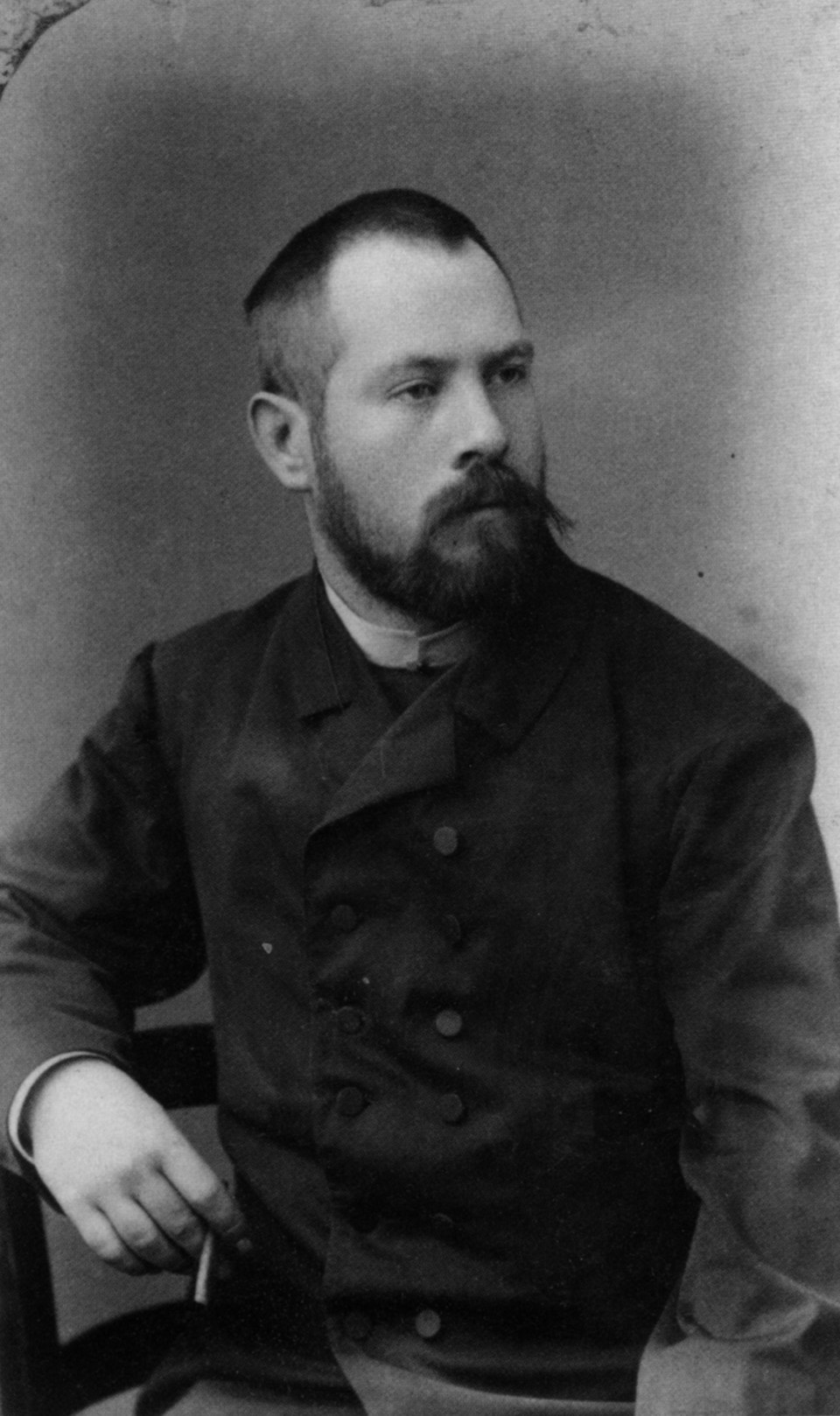
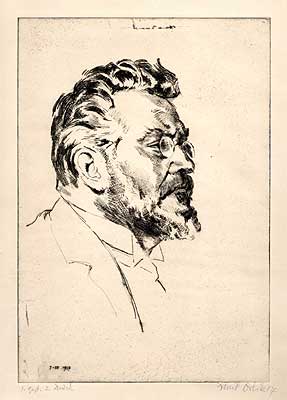
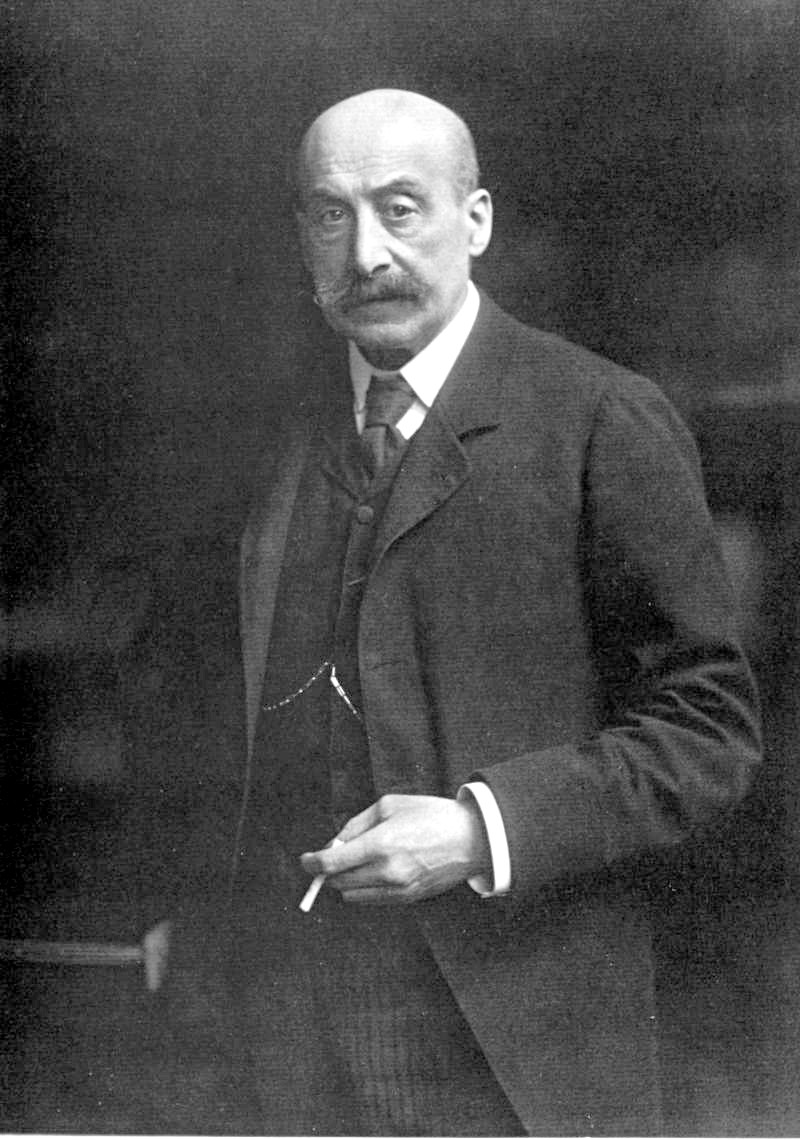
Max Liebermann (1847-1935) was a prominent German painter and a leading figure in the German Impressionist movement. Born into a wealthy Jewish family in Berlin, he gained acclaim for his depictions of everyday life, particularly focusing on the working class and leisure scenes in nature. He was known for his vibrant use of color and light, drawing inspiration from the French Impressionists. Liebermann served as the president of the Berlin Academy of Arts and was a key cultural politician, helping to shape the art scene in Germany during the early 20th century. His works reflect a transition from realistic portrayals to more expressive representations of leisure activities and nature, culminating in his later focus on garden paintings. Despite his success, Liebermann's legacy was overshadowed by the rise of the Nazis, leading to his retreat from public life and a tragic end for his family.
Not in the pool (under ¢1).
Recent news mentions
Max Liebermann is a contemporary painter who admired Giovanni Segantini's work.
Musée Marmottan zeigt alpine Meisterwerke von Giovanni Segantini Switzerland· 2026-07-15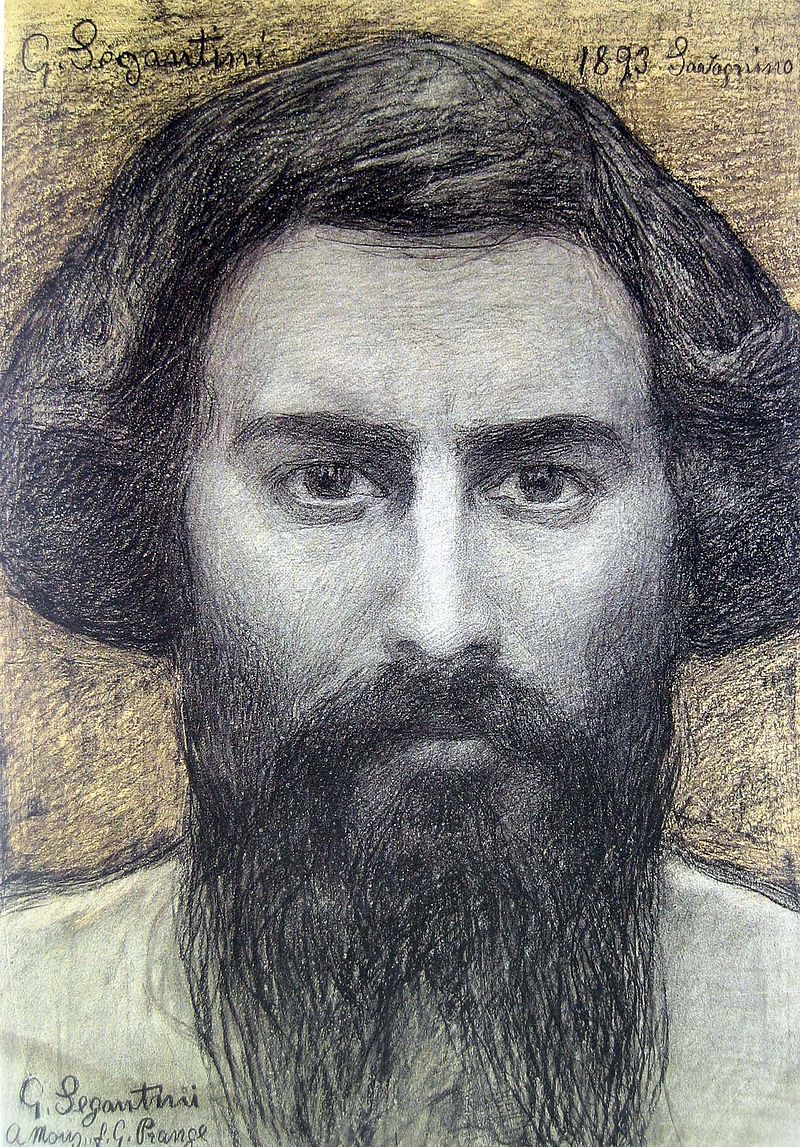
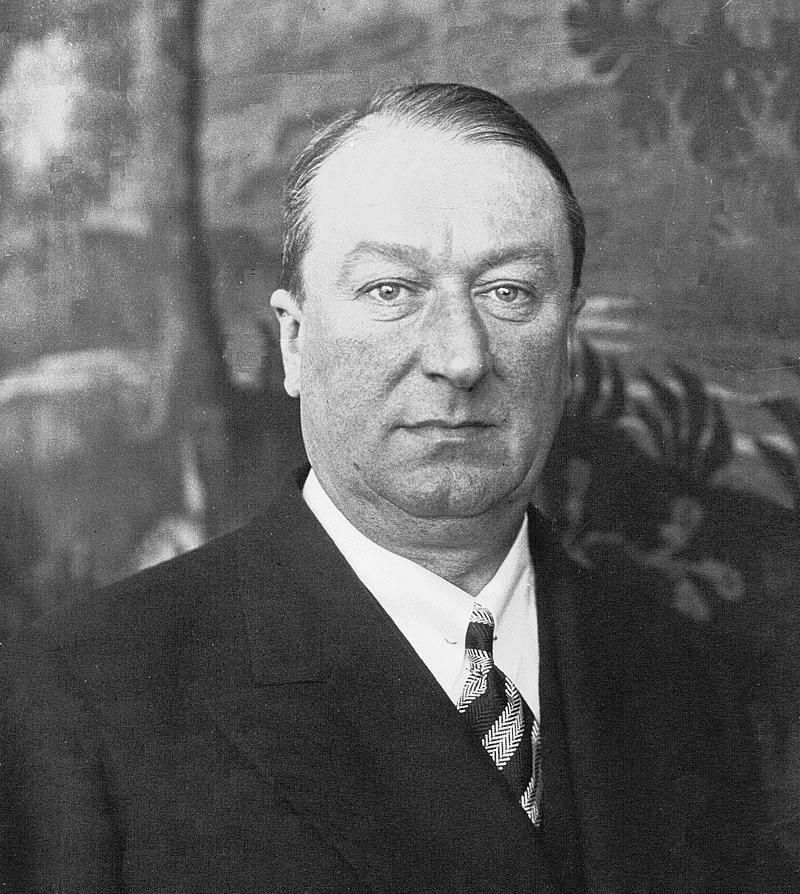
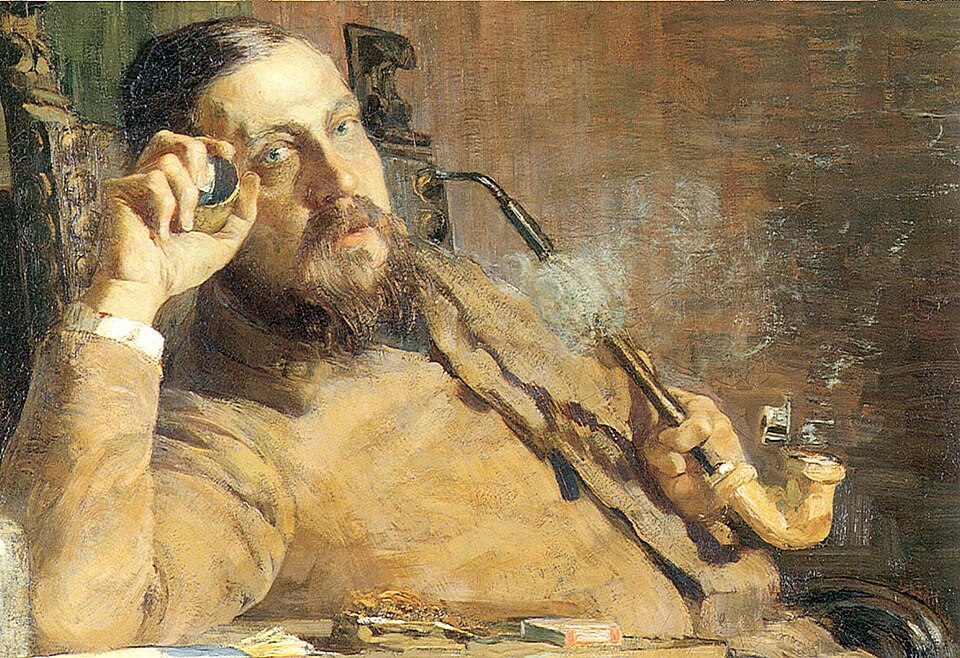
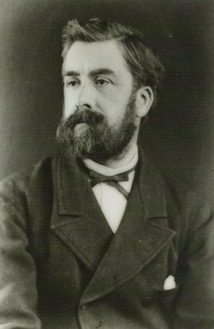

Max Liebermann recognized Cézanne's unique approach to painting, noting the beauty of his work despite anatomical inaccuracies.
Der Pionier der Moderne in HochformSwitzerland· 2026-01-23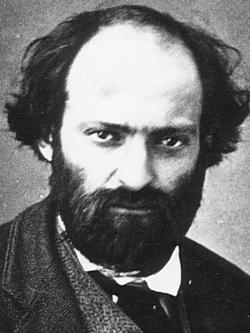
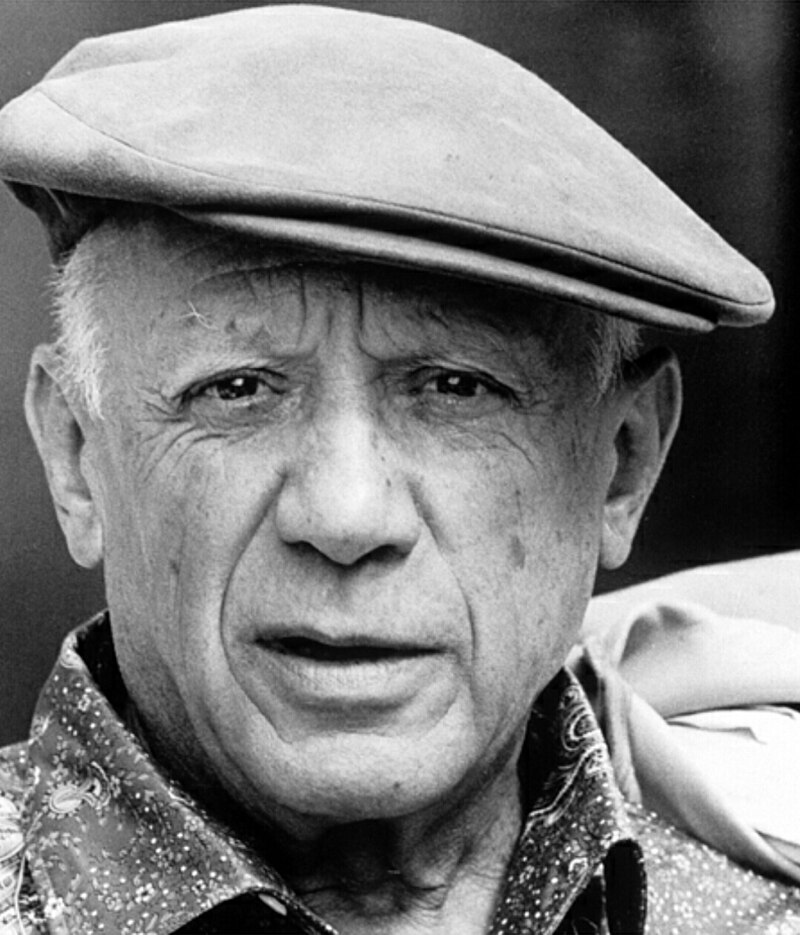

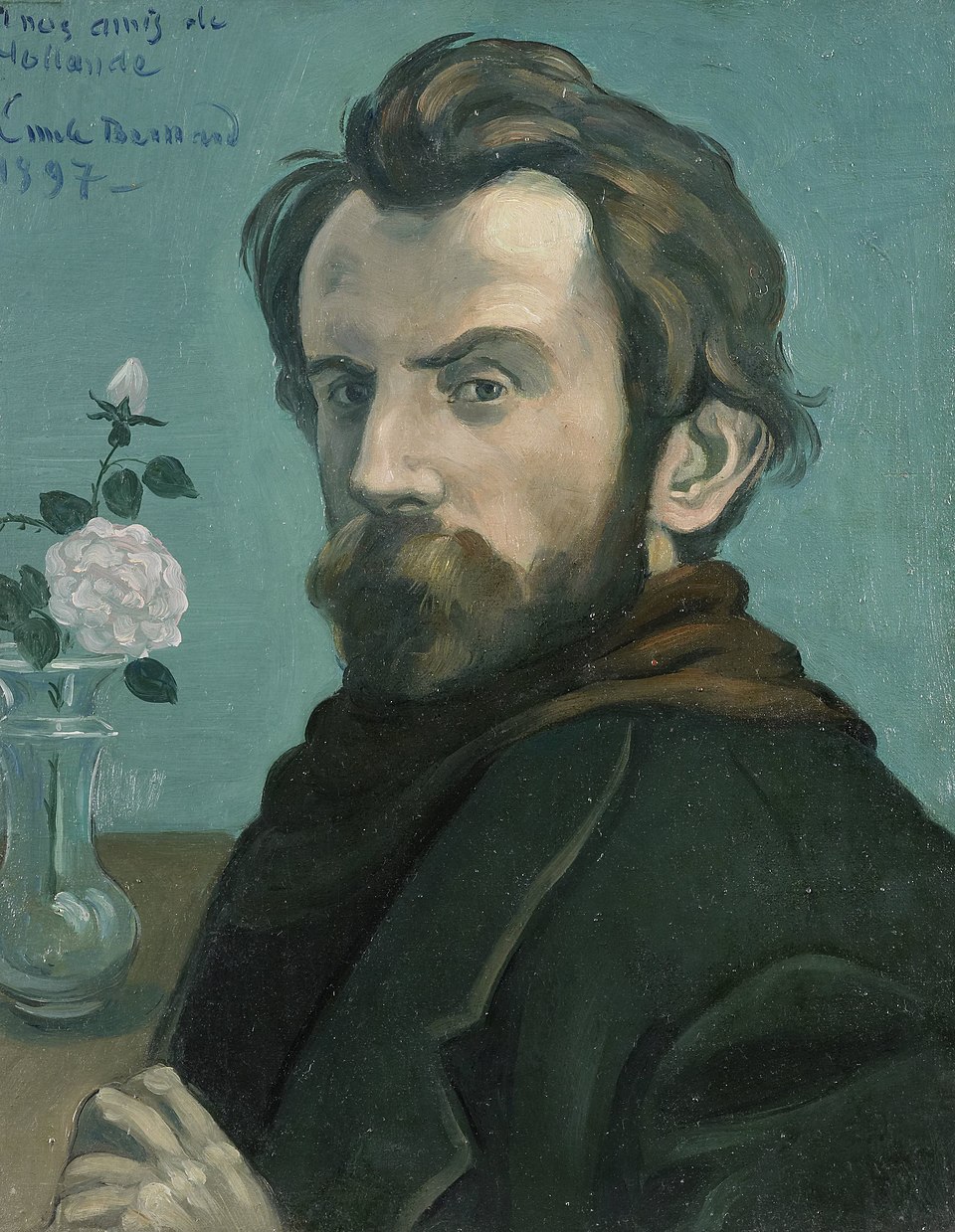
Max Liebermann provided Wilhelm Lehmbruck with a certificate that allowed him to legally travel to Switzerland during World War I.
Was ist der Mensch? Der deutsche Bildhauer Wilhelm Lehmbruck in ZürichSwitzerland· 2025-11-04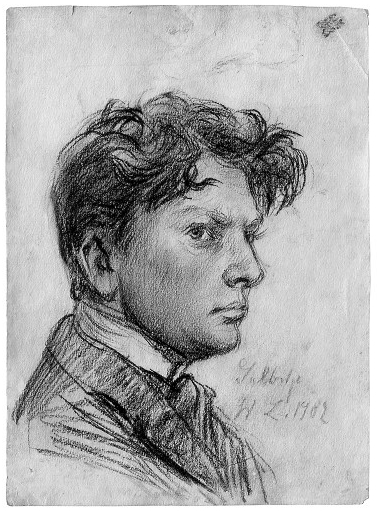

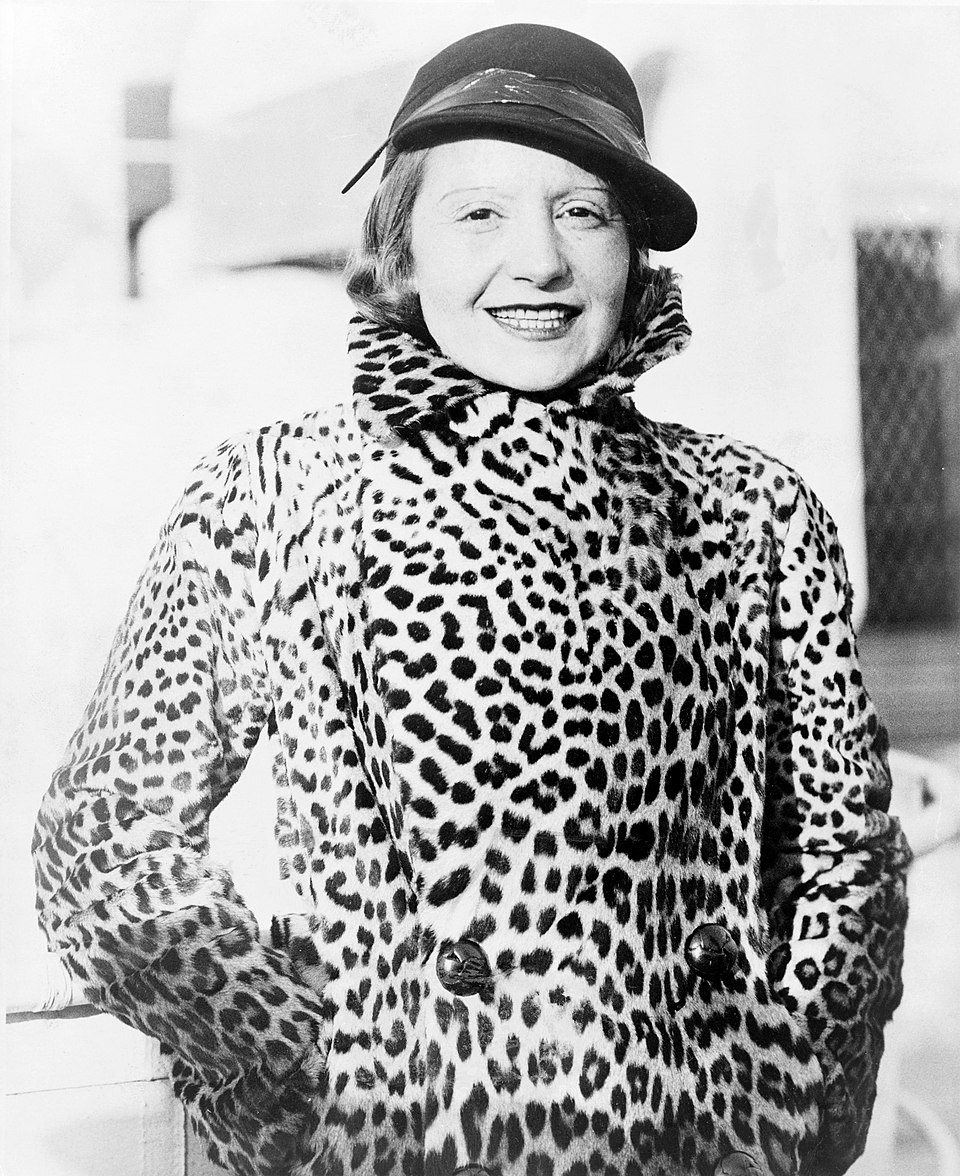
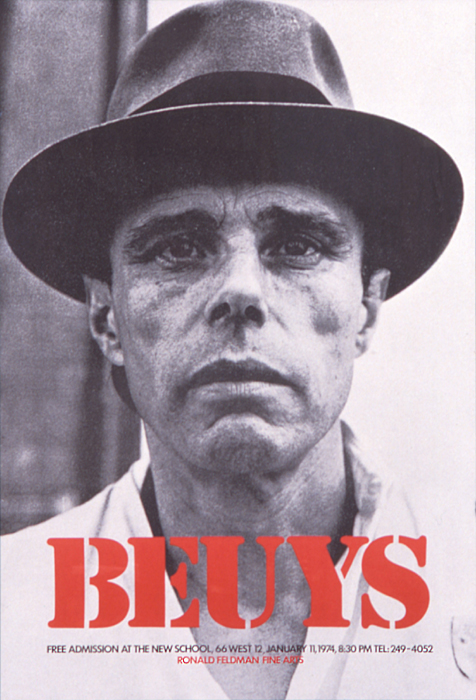
Max Liebermann was a Berlin painter whose quote was referenced by Michael Roth in his criticism of Asselborn.
Streit um Israel und AntisemitismusSwitzerland· 2025-10-30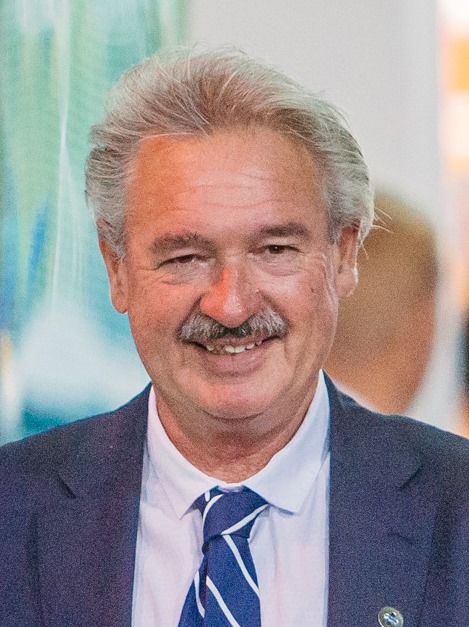



Max Liebermann was a leading figure in the German Impressionism movement and was known for his depictions of everyday life and social scenes.
Max Liebermann und der Impressionismus im Museum Frieder BurdaSwitzerland· 2025-10-18