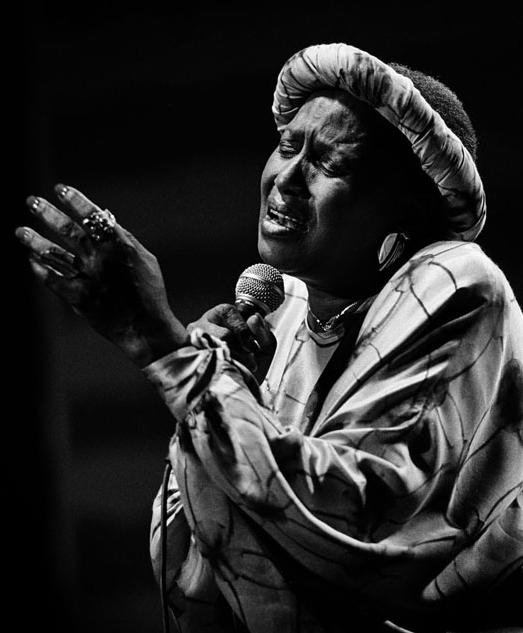
Miriam Makeba
Miriam Makeba, known as 'Mama Africa', was a renowned South African singer and civil rights activist. She gained international fame in the 1960s with her hit song 'Pata Pata', which showcased her unique vocal style and incorporated traditional African rhythms. Makeba used her music as a platform to speak out against apartheid and promote social justice, becoming a symbol of resistance. Throughout her career, she collaborated with various artists and was awarded numerous accolades for her contributions to music and activism, making her an influential figure in both the music industry and the fight for human rights.
Not in the pool (under ¢1).
Recent news mentions
Miriam Makeba was a symbol of the struggle against discrimination and was known for her artistic contributions and activism.
Makeba, la verdadera luchadora Argentina· 2026-08-07
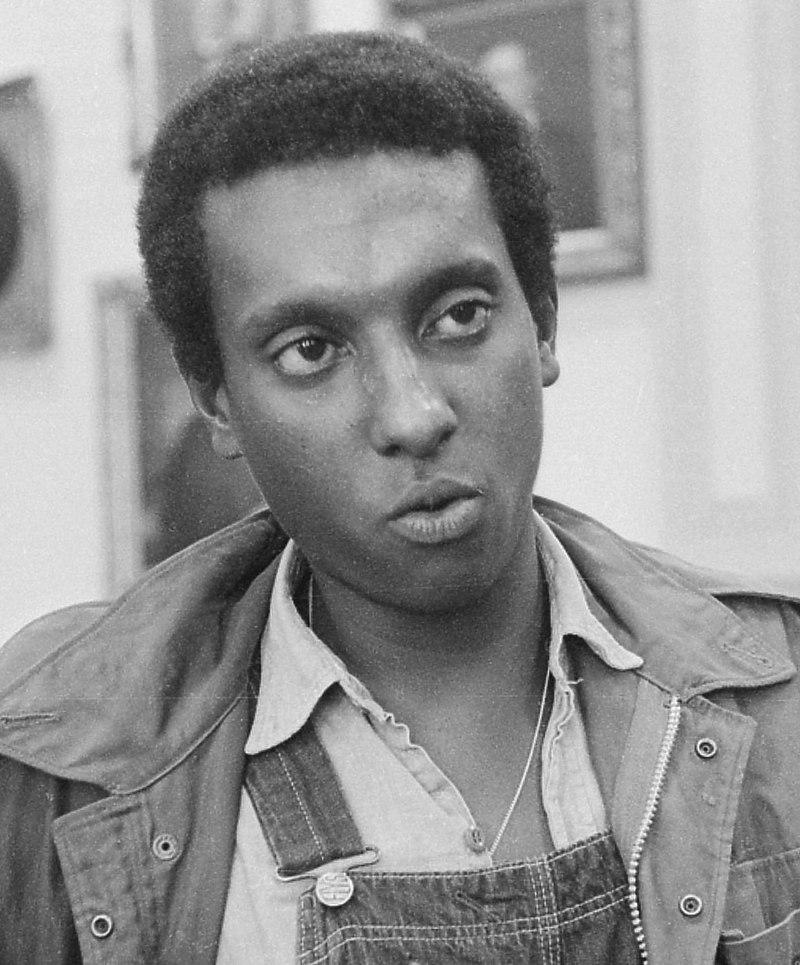
Miriam Makeba was a prominent singer who had connections with Tsietsi and used her influence to support efforts for freedom in South Africa.
Tsietsi Mashinini and the questions that refuse to die South Africa· 2026-06-19




Miriam Makeba suffered a heart attack on stage in Italy after performing her song 'Pata pata'.
Nisse: Nämen, vad hände där? Sweden· 2026-01-28


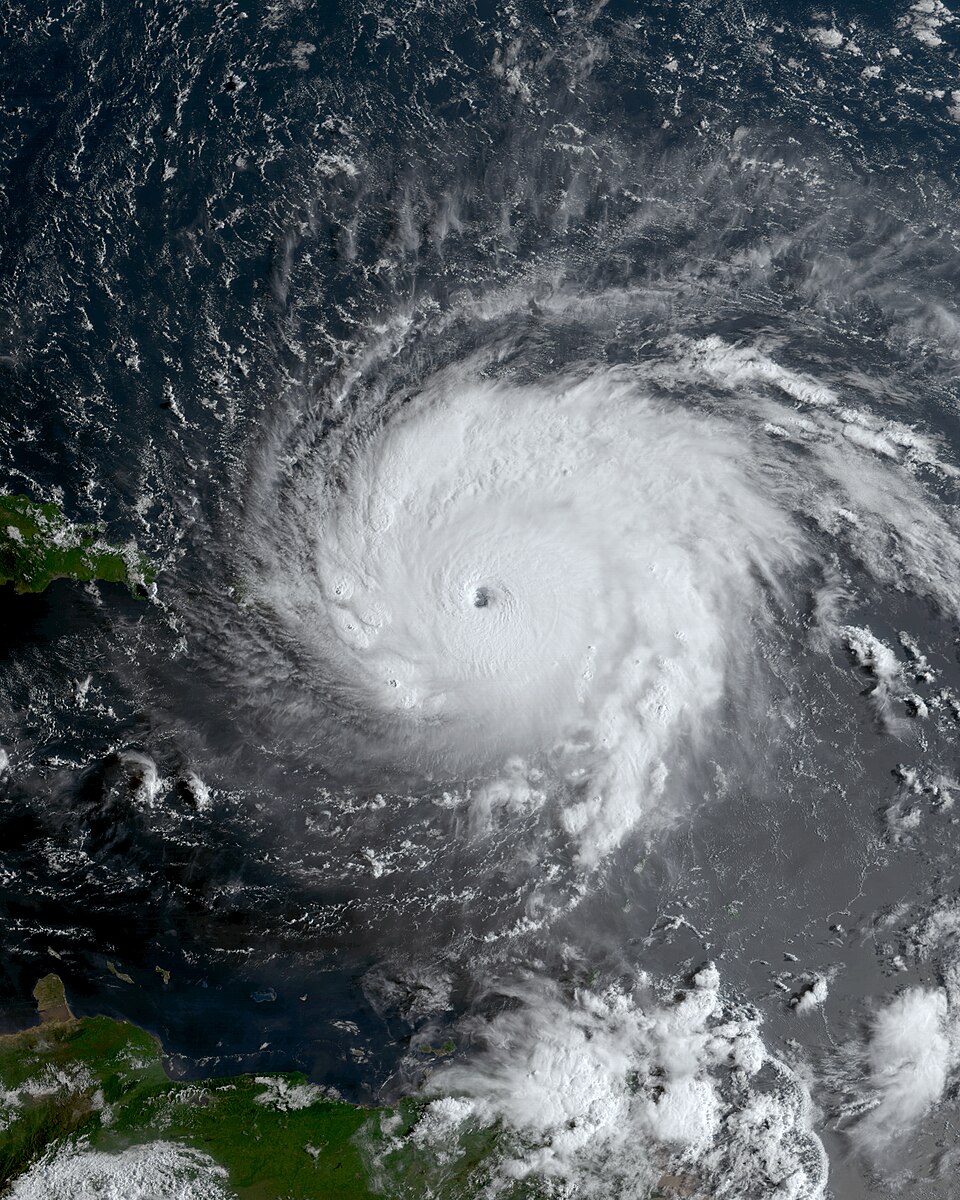

Miriam Makeba used her platform to speak out against apartheid.
Kigame urges law students to use music, art for social justice Kenya· 2025-11-21
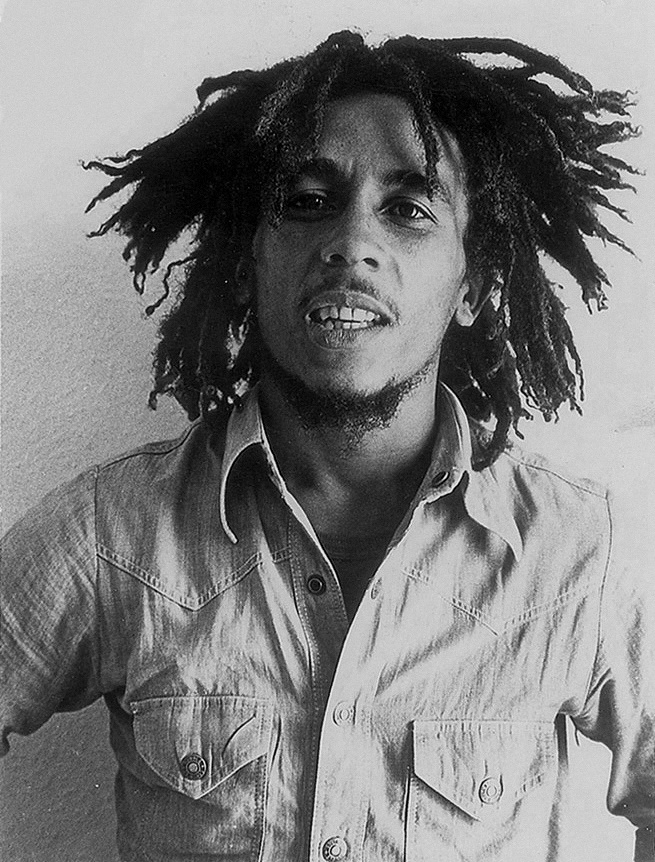
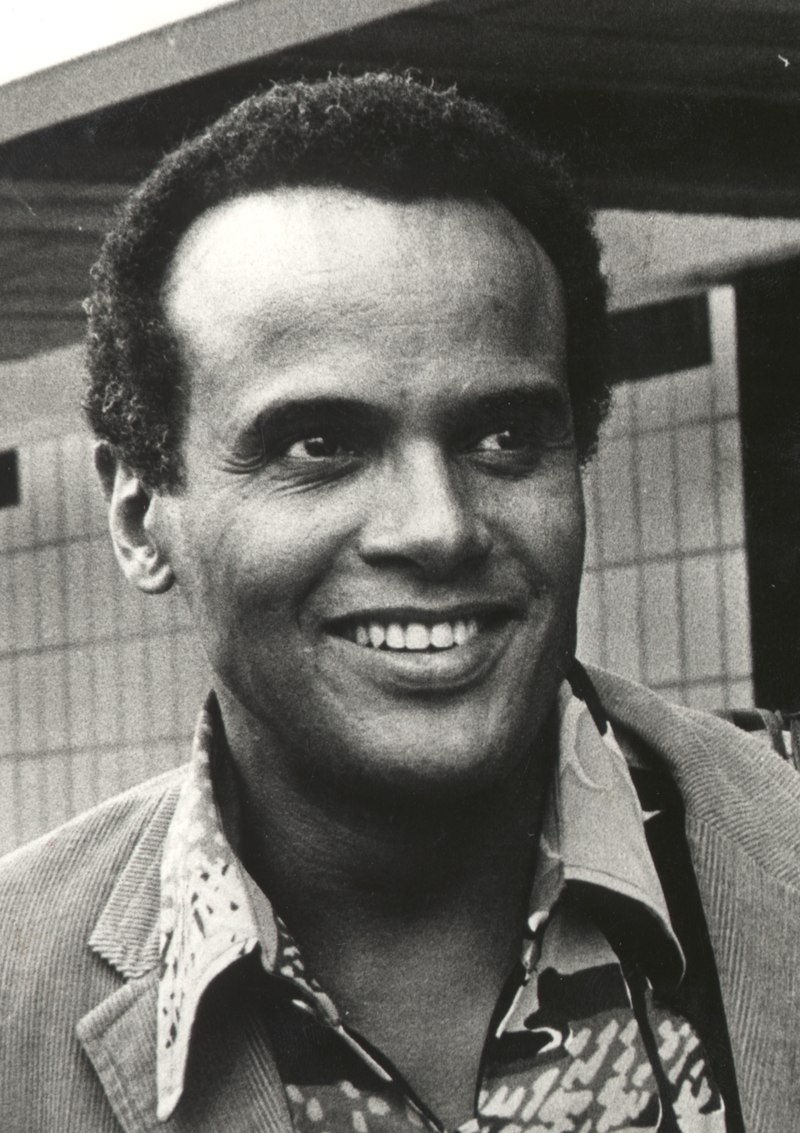
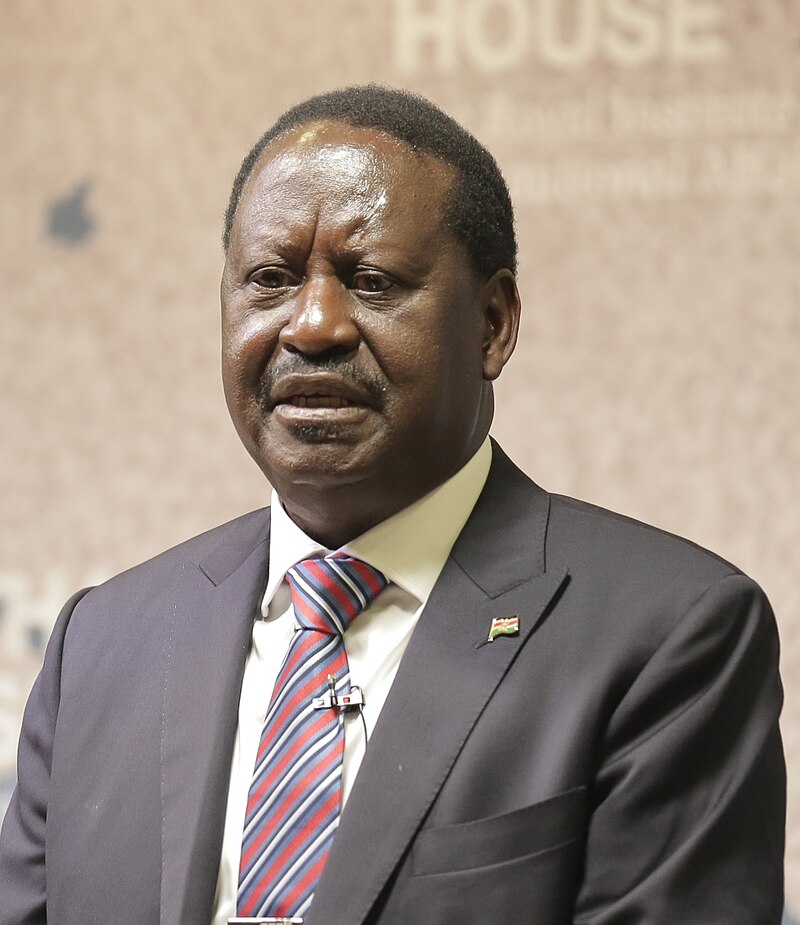
Miriam Makeba's hit song inspired the name of the restaurant where Dr. Mazibuko met.
Dr. Onke Mazibuko explores the psychology of whistleblowing in canary – The Mail & GuardianSouth Africa· 2025-11-14







Miriam Makeba is noted as one of the artists who performed with Celia Cruz at a significant concert.
Los 100 años de Celia Cruz, la diva de la salsa de todos los tiempos Dominican Republic· 2025-10-26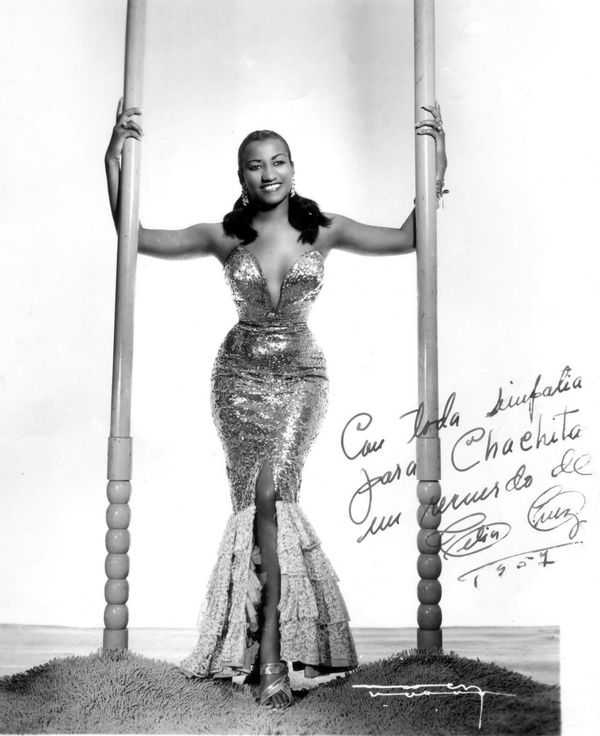


Matshikiza cites the late Miriam Makeba’s use of her voice and the stage for social activism.
Opera singer Pumeza Matshikiza on joining the global fight against child abuse – The Mail & GuardianSouth Africa· 2025-10-24
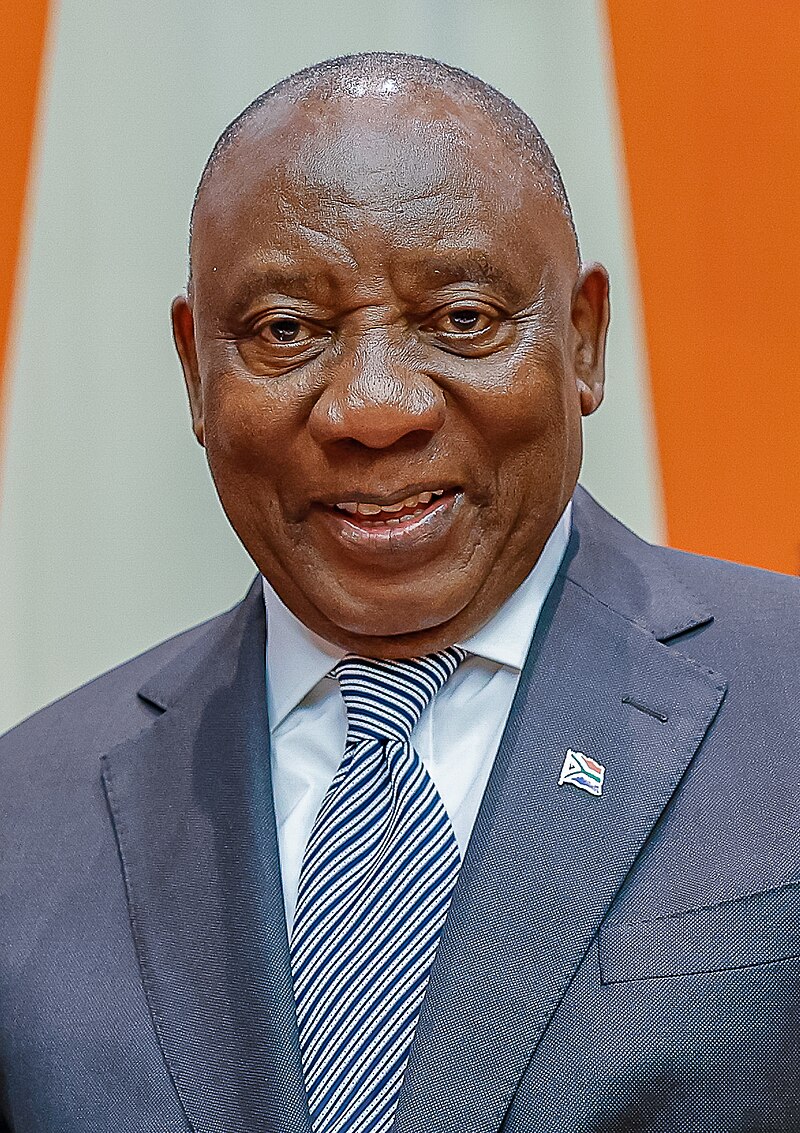



I’ve worked with amazing musicians such as Miriam Makeba, Hugh Masekela, Ray Phiri.
Hotstix, hot legacy – The Mail & GuardianSouth Africa· 2025-08-29
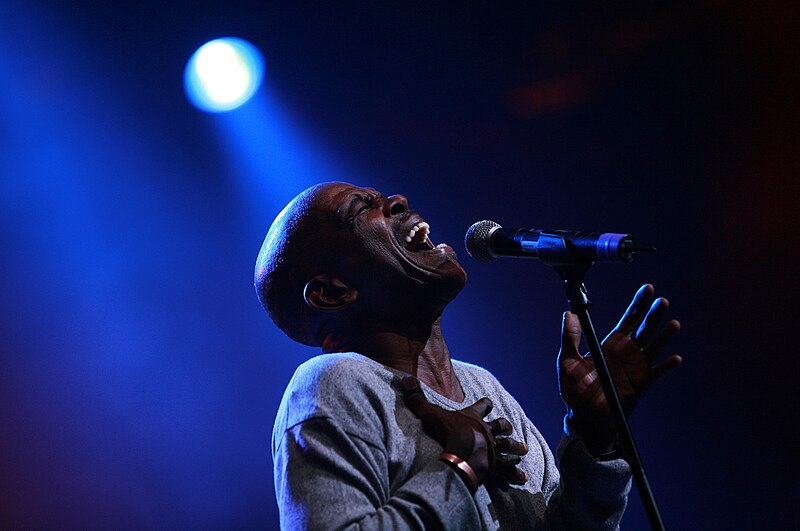

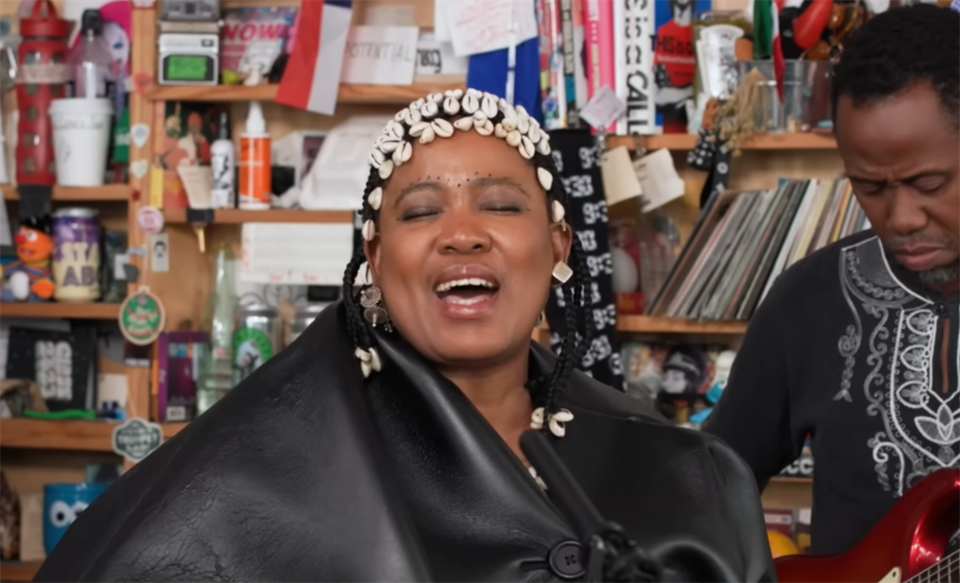

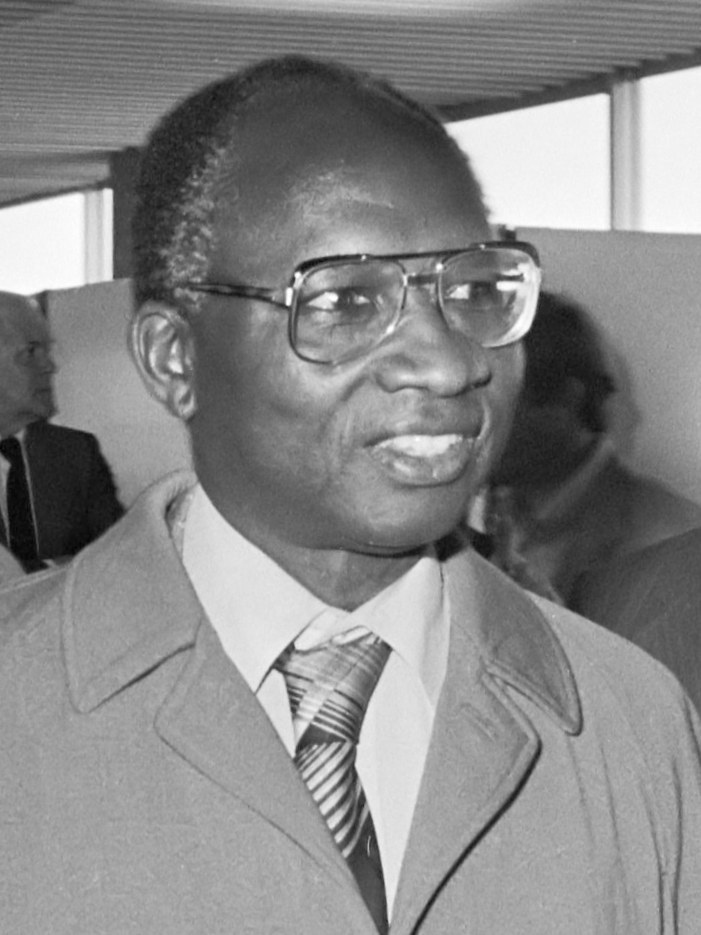
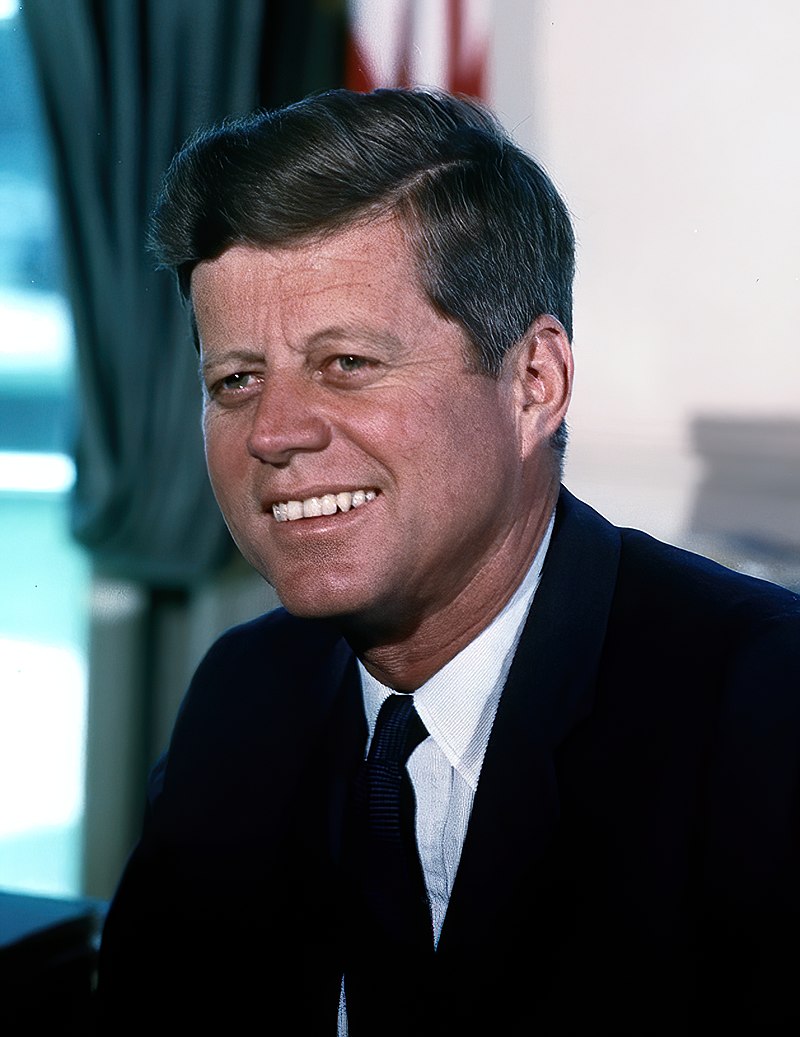
Miriam Makeba accompanied Stokely Carmichael during his visit to The Gambia.
Commentary: Six decades of diplomatic relations: The Gambia and the United States Gambia· 2025-07-30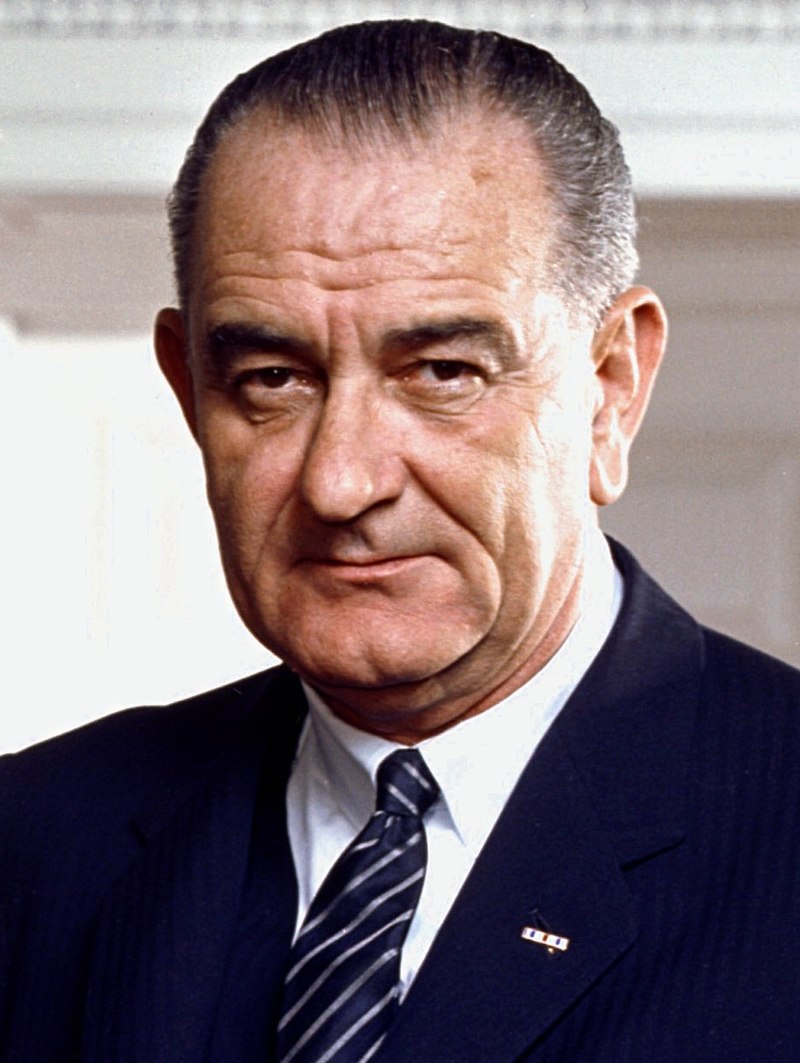





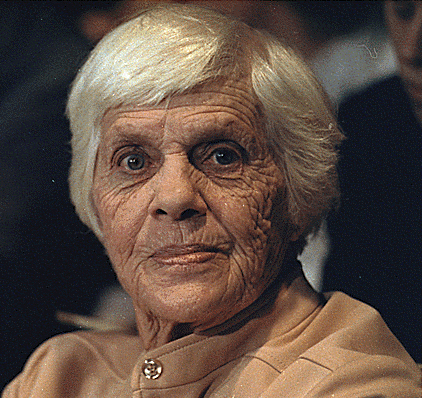
Gabi Hartmann honors Miriam Makeba in her song Lakutshon’ ilanga.
"On a eu beaucoup de bons retours, de gens et de journalistes qui ne viennent pas forcément du jazz": de passage à Saint-Paul de Vence, la révélation Gabi Hartmann savoure son succès Monaco· 2025-07-25

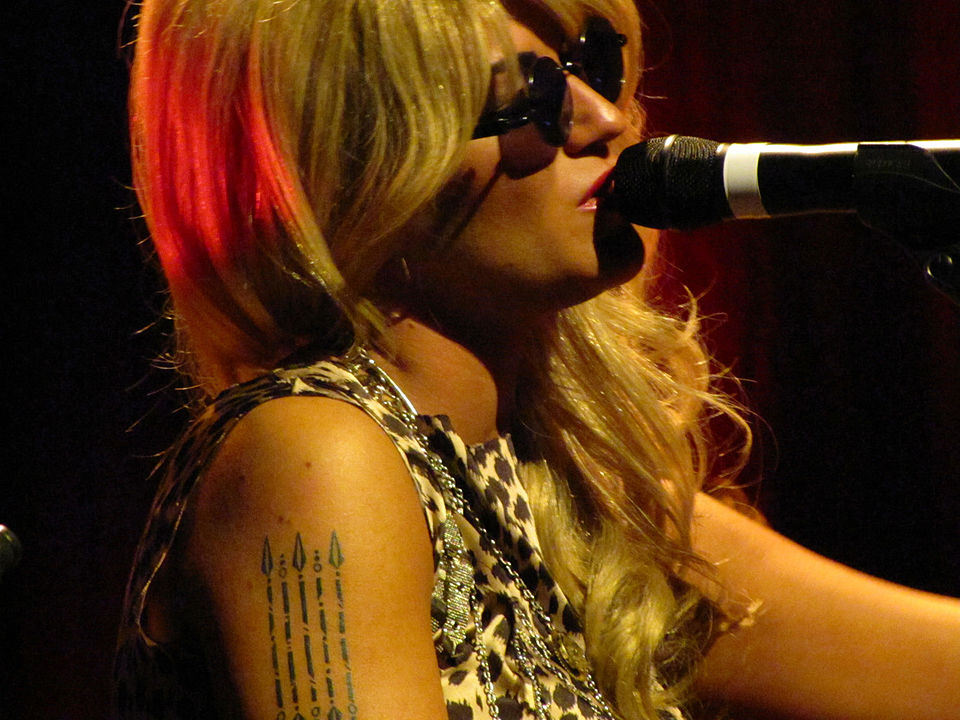
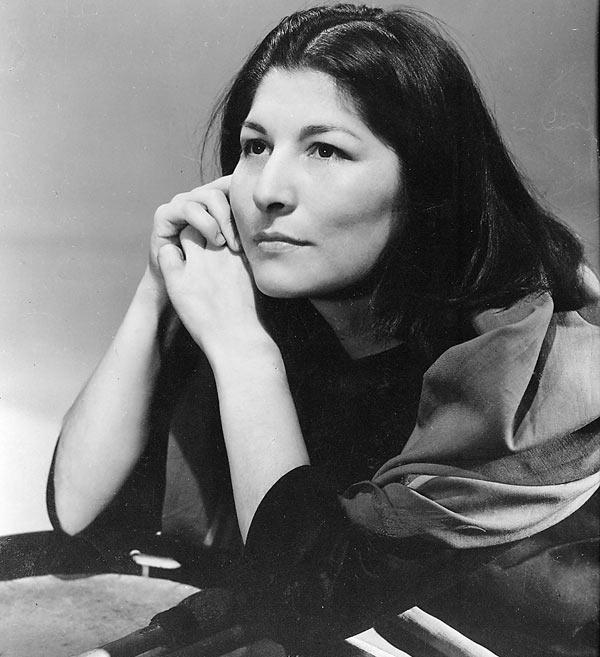




Expect stories of mentorship, movement and music, with nods to the likes of Miriam Makeba and Hugh Masekela.
National Arts Festival, Thandiswa live at the Lyric, Sisonke Afrohouse – The Mail & GuardianSouth Africa· 2025-06-27
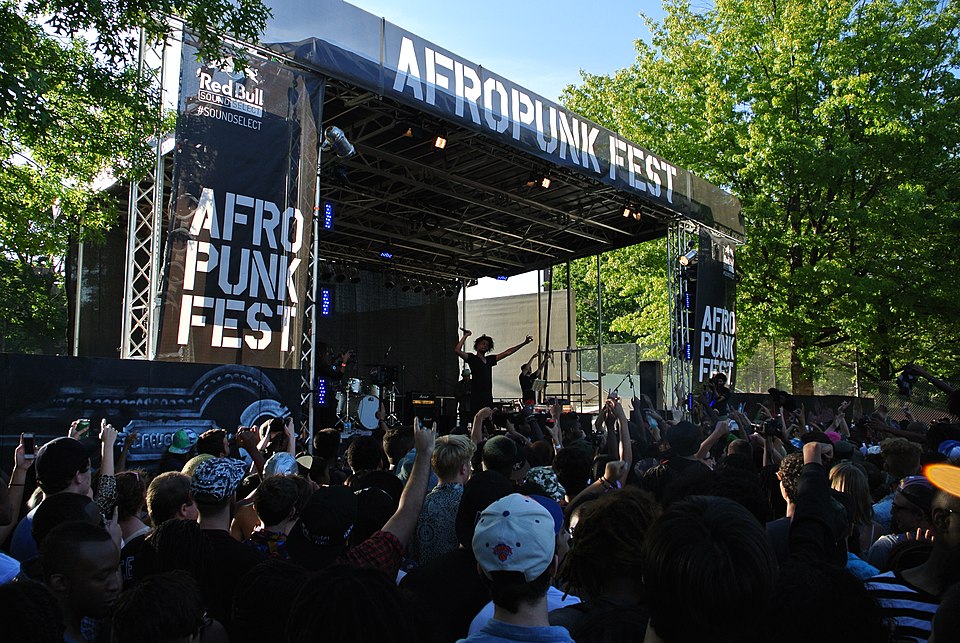


Miriam Makeba was known for her anti-apartheid anthems that transformed personal expression into public activism.
Building bridges with music - Stabroek News Guyana· 2025-06-21



Miriam Makeba is mentioned as a source of motivation for Bérénice Irumva.
Au coin du feu avec Bérénice Irumva alias Bernice the bell – IWACU Burundi· 2025-06-17
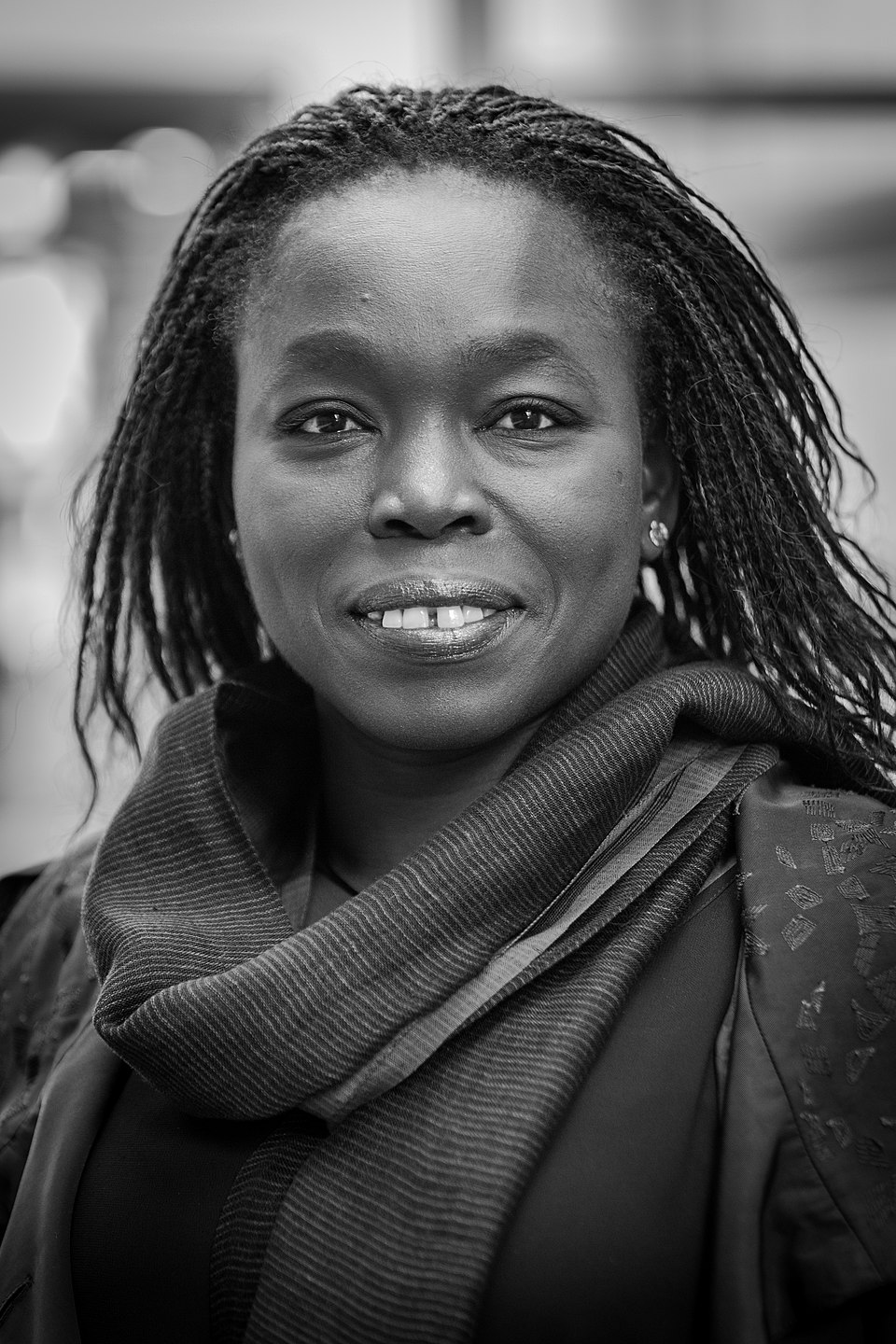

Miriam Makeba is mentioned as one of the icons who passed away, representing significant cultural loss.
Let’s fall back in love with journalism – The Mail & GuardianSouth Africa· 2025-06-06
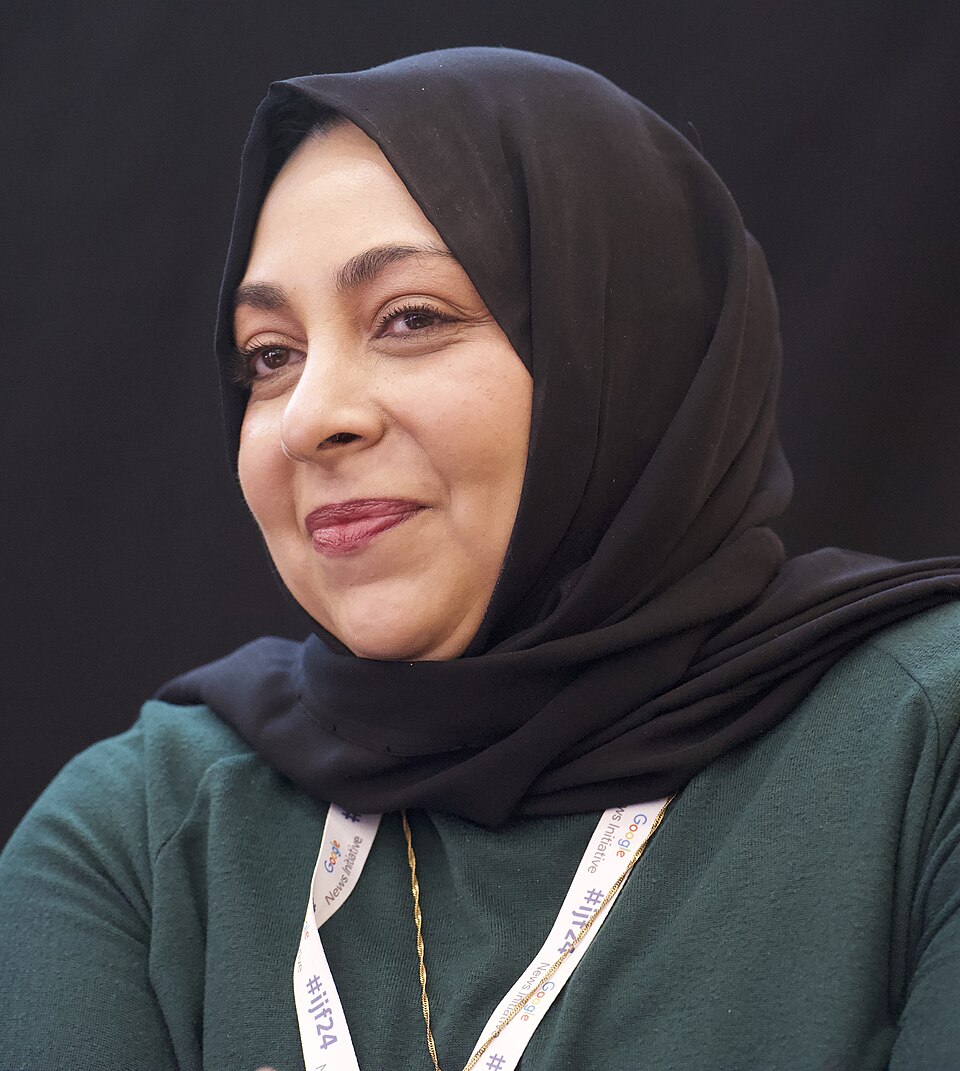



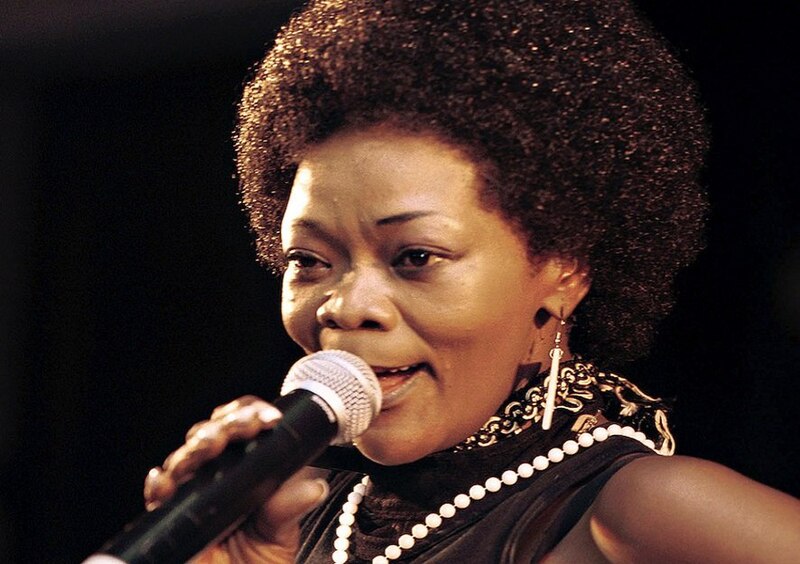
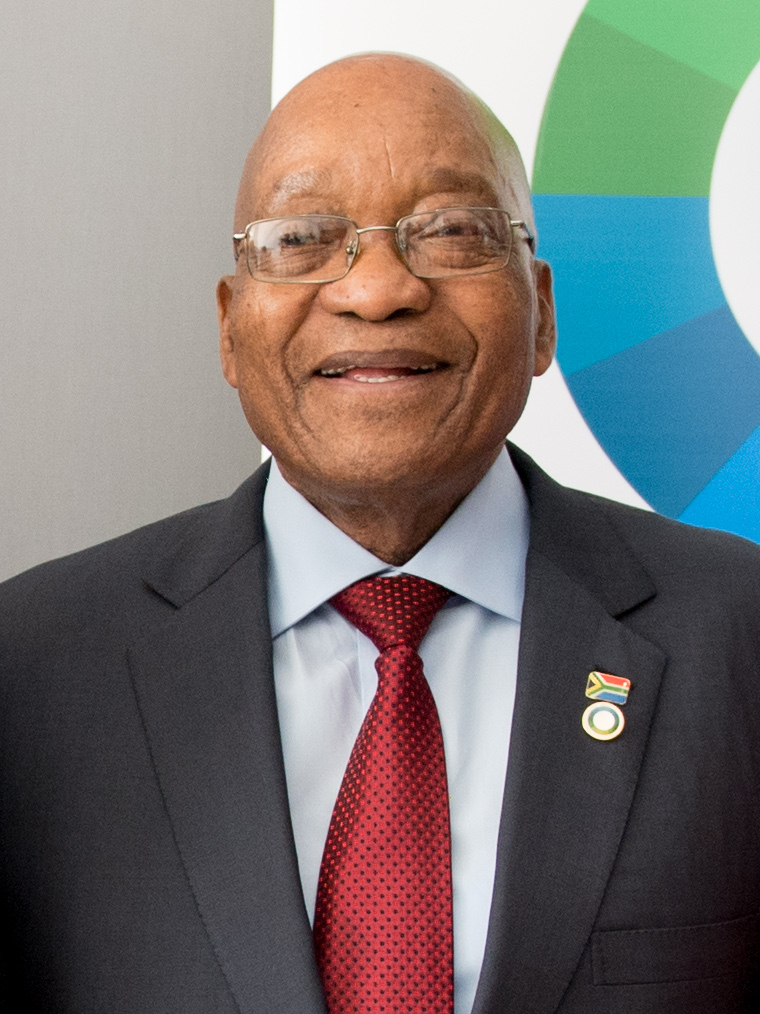

His popular 1970s talk show, The Mike Eghan Show, ran for more than a decade and featured some of the continent's legends as guests, including Miriam Makeba.
Mike Eghan, legendary broadcaster dies aged 89 Ghana· 2025-06-06
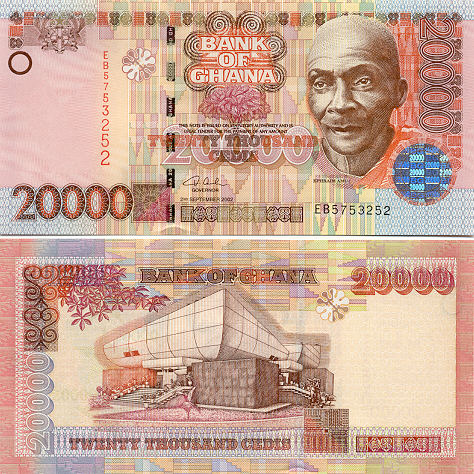


Miriam Makeba's iconic presence in jazz is highlighted through her powerful imagery in the exhibition.
Capturing a sound in image – The Mail & GuardianSouth Africa· 2025-05-31
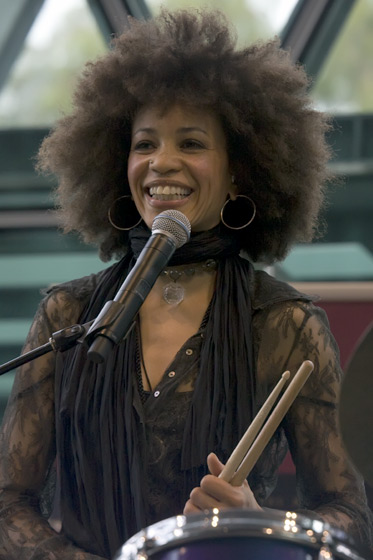


Miriam Makeba is the late great artist who performed with Angélique Kidjo at a concert in 2006.
Angélique Kidjo still sings with purpose – The Mail & GuardianSouth Africa· 2025-05-02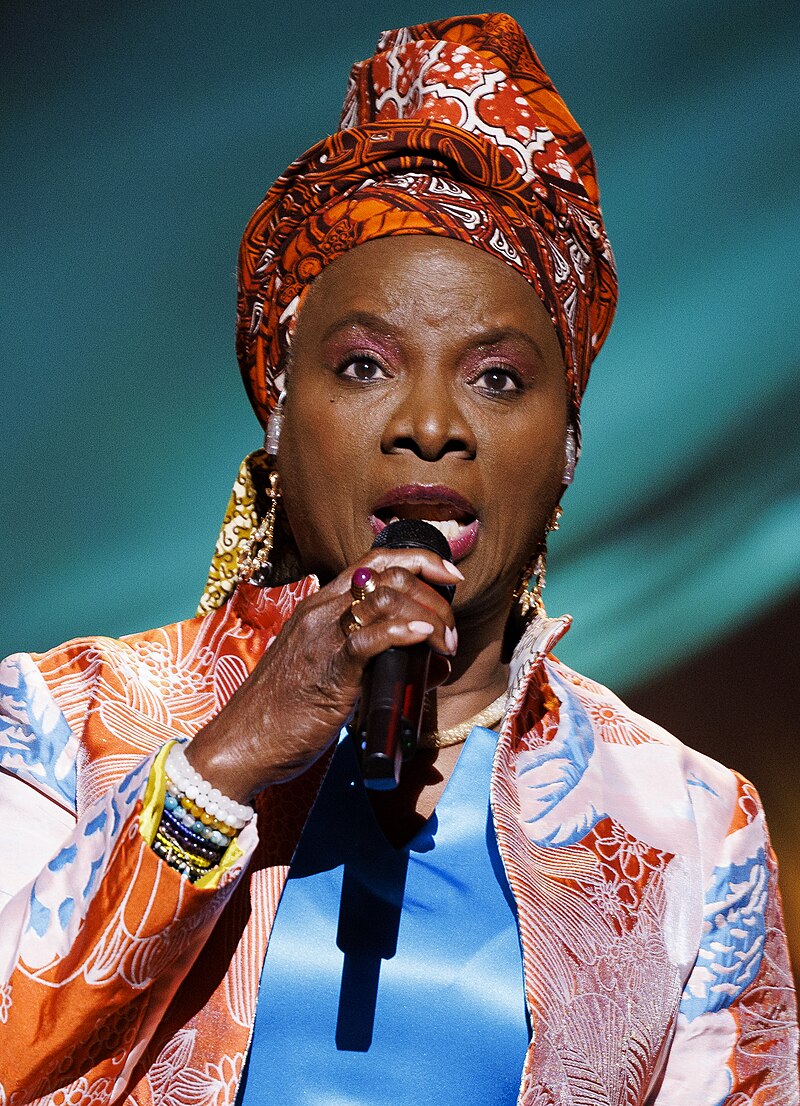
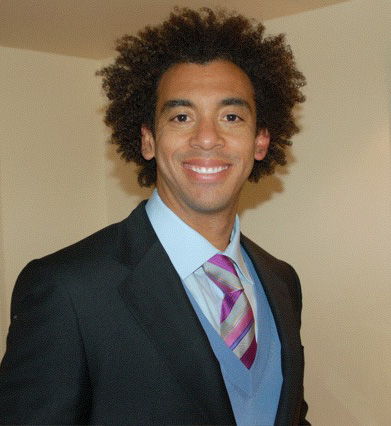



Miriam Makeba was a prominent South African singer and activist known for her anti-apartheid stance and her famous song 'Pata pata'.
« Un couple panafricain », d’Elara Bertho : le feuilleton littéraire de Tiphaine Samoyault France· 2025-04-24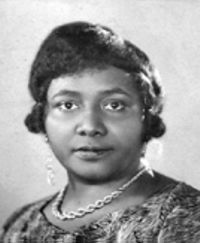

Nakhane mentions that no one says that Miriam Makeba is universal.
Nakhane is a lot of things — but not a pop star – The Mail & GuardianSouth Africa· 2025-04-04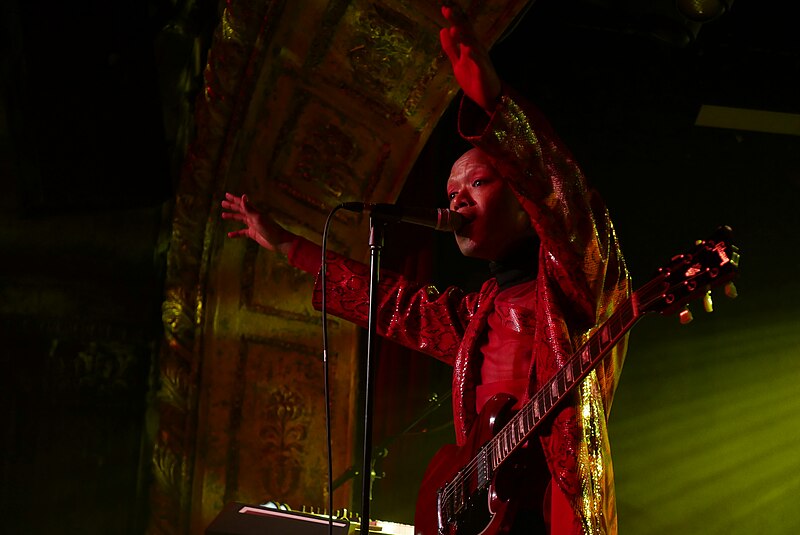

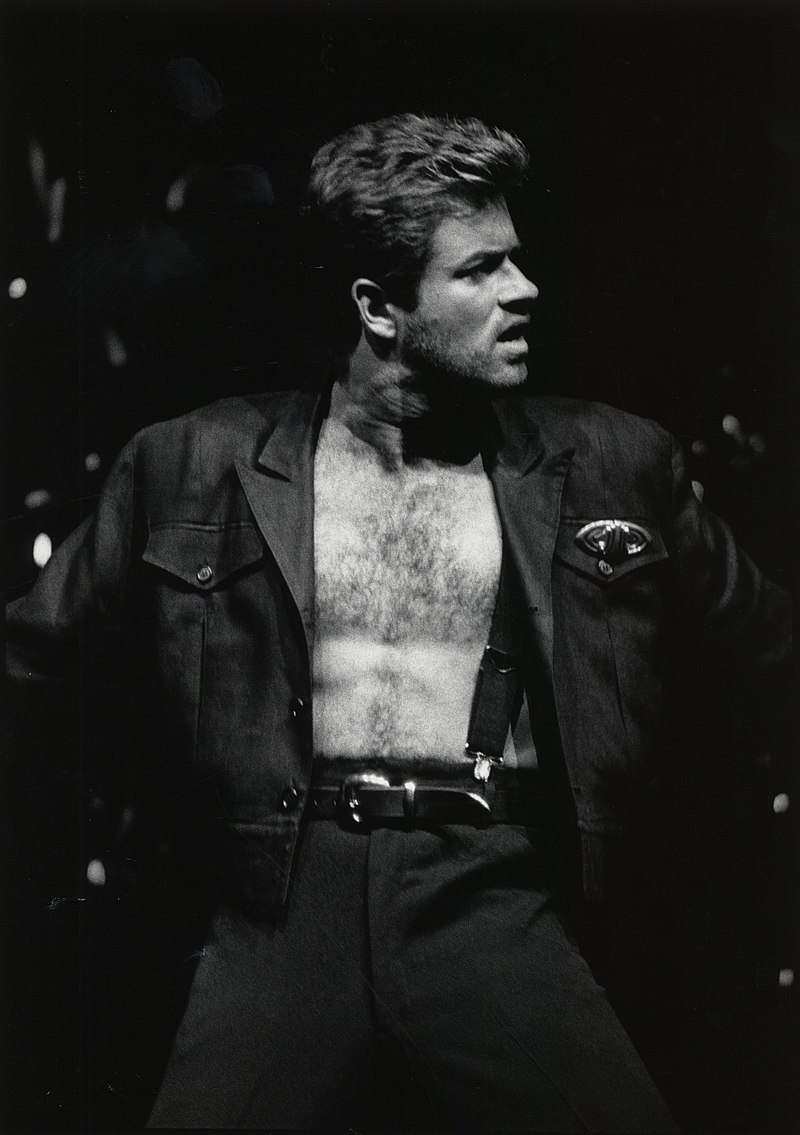
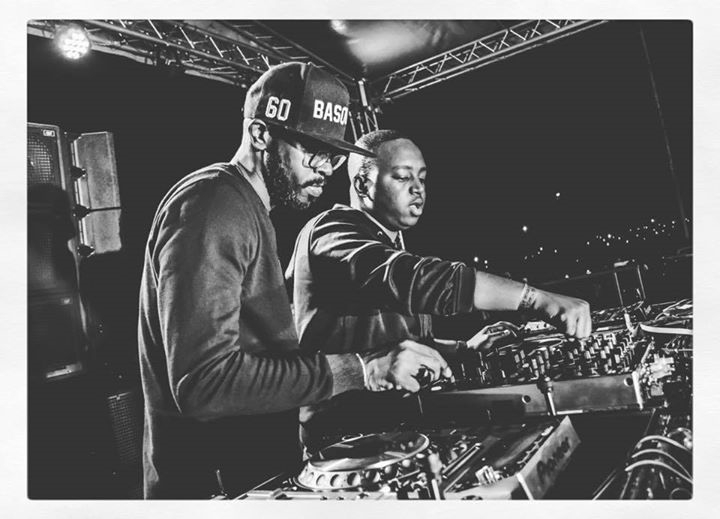
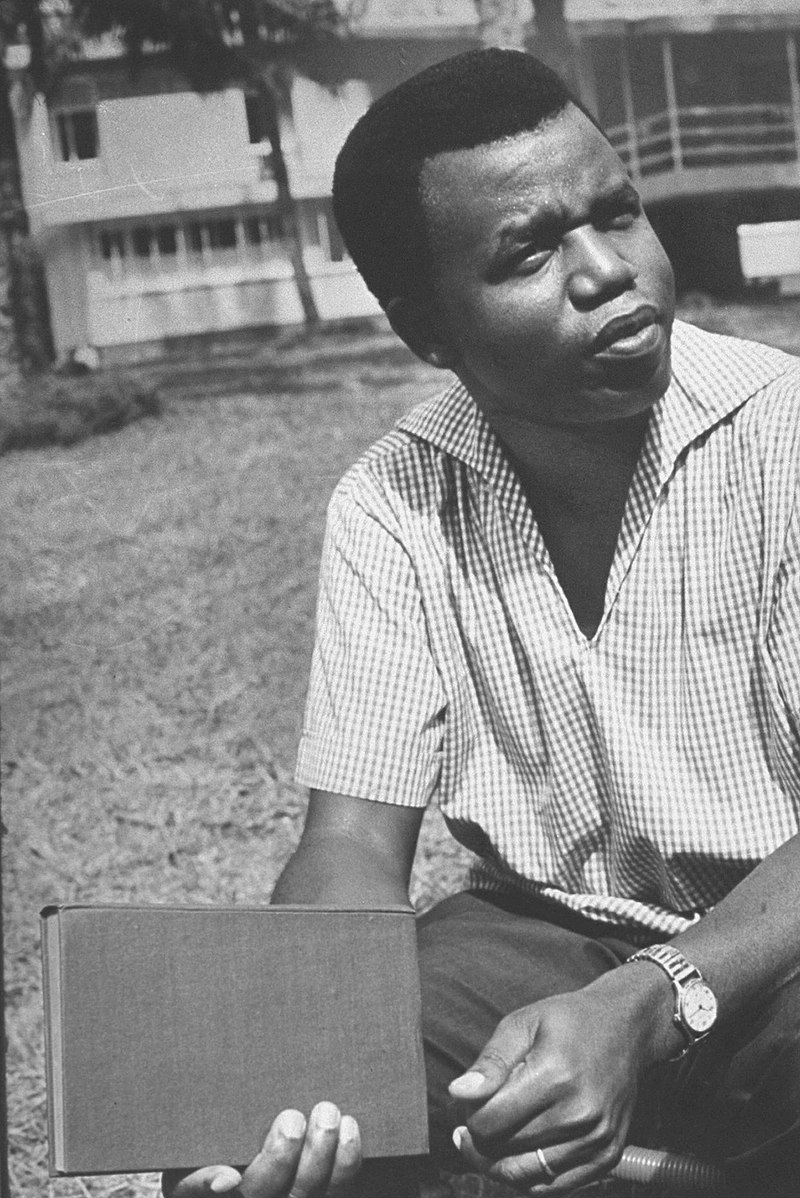
Miriam Makeba wrote and sang about love and yearnings of a homecoming while in exile.
Soundtrack of the struggle – The Mail & GuardianSouth Africa· 2025-04-02


Miriam Makeba is mentioned as an influential singer whose music impacted Eduardo Da Luz during his childhood.
El candombe puede evolucionar sin cambiar la esencia, que es lo que a veces se está perdiendo Uruguay· 2025-03-31





Eulalia included musical influences from Miriam Makeba in her work.
Tras los pasos de Eulalia Bernard Little, pionera de muchas artes en Costa Rica Costa Rica· 2025-03-24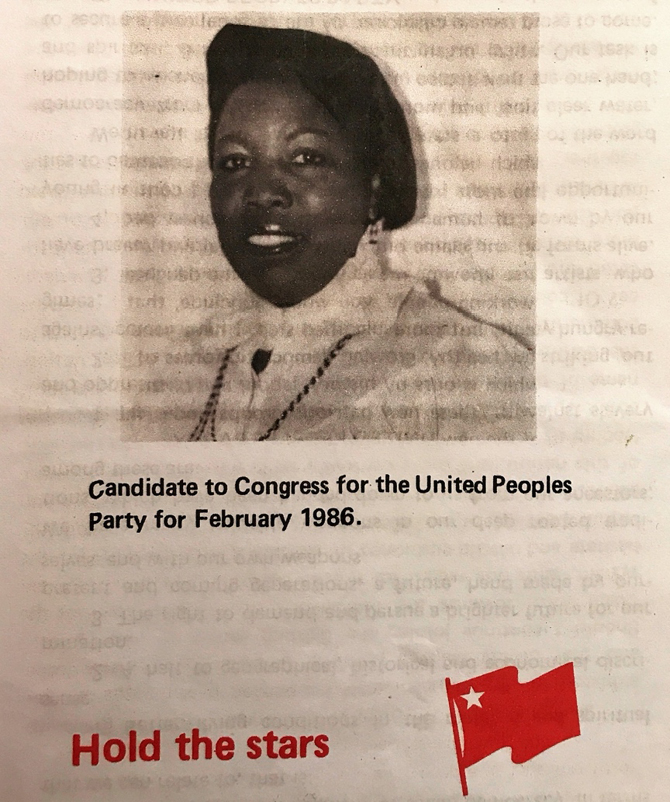
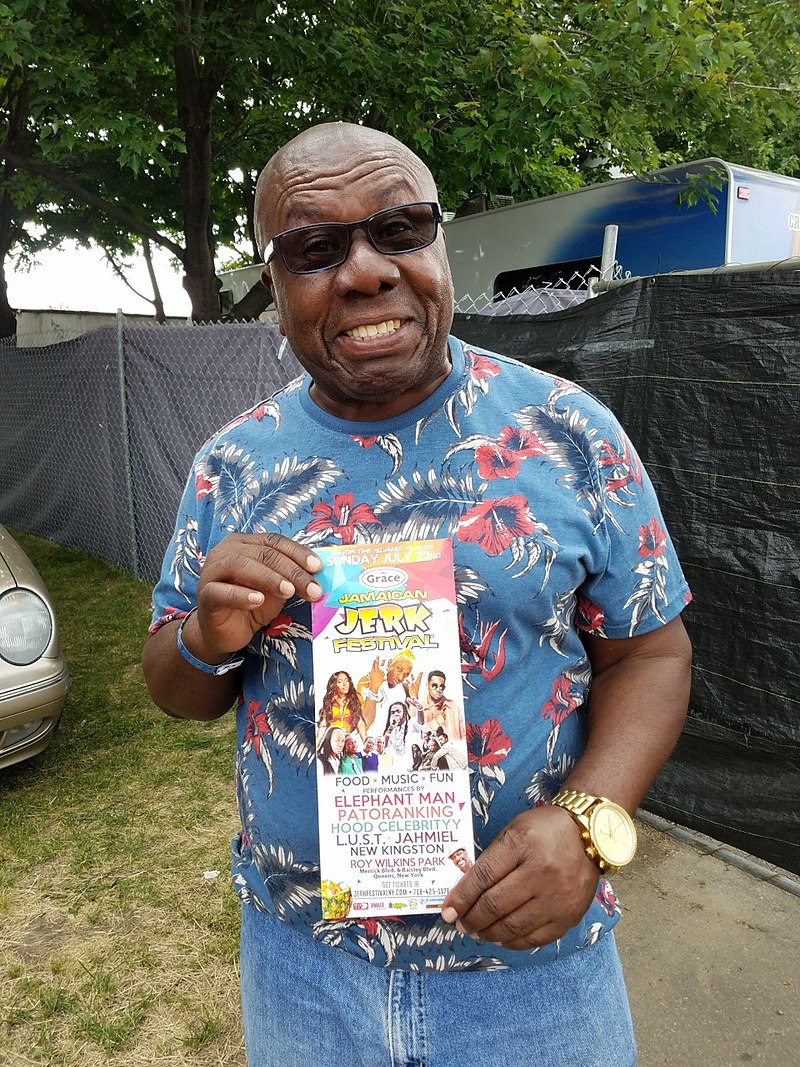




Miriam Makeba performed at the event where Foreman fought Ali.
George Foreman foi rival de Ali, nocauteou Maguila e ‘empreendeu’ com grill que rendeu US$ 200 mi Liechtenstein· 2025-03-22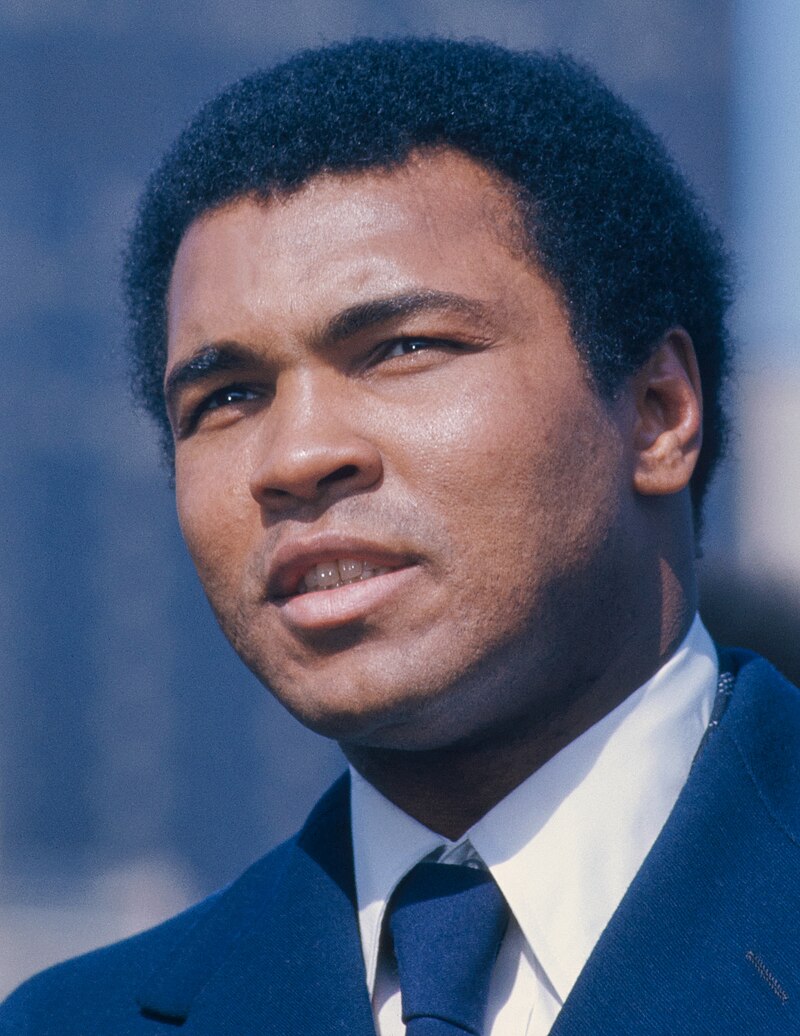
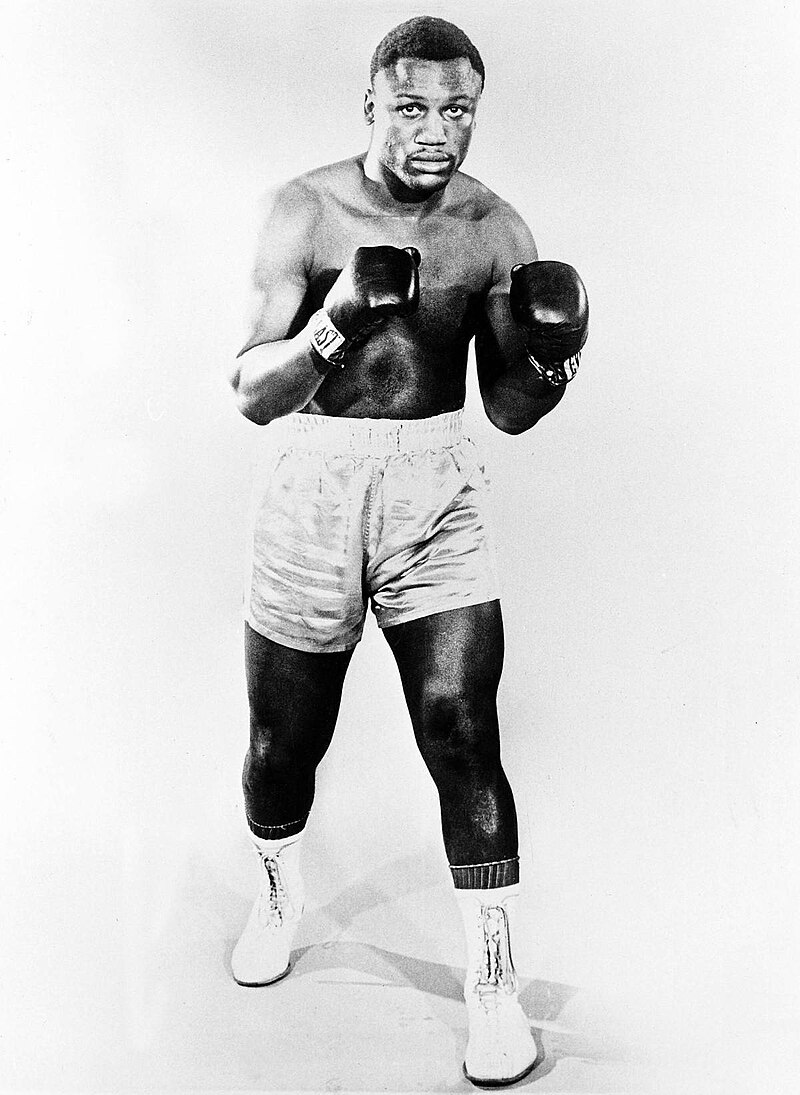
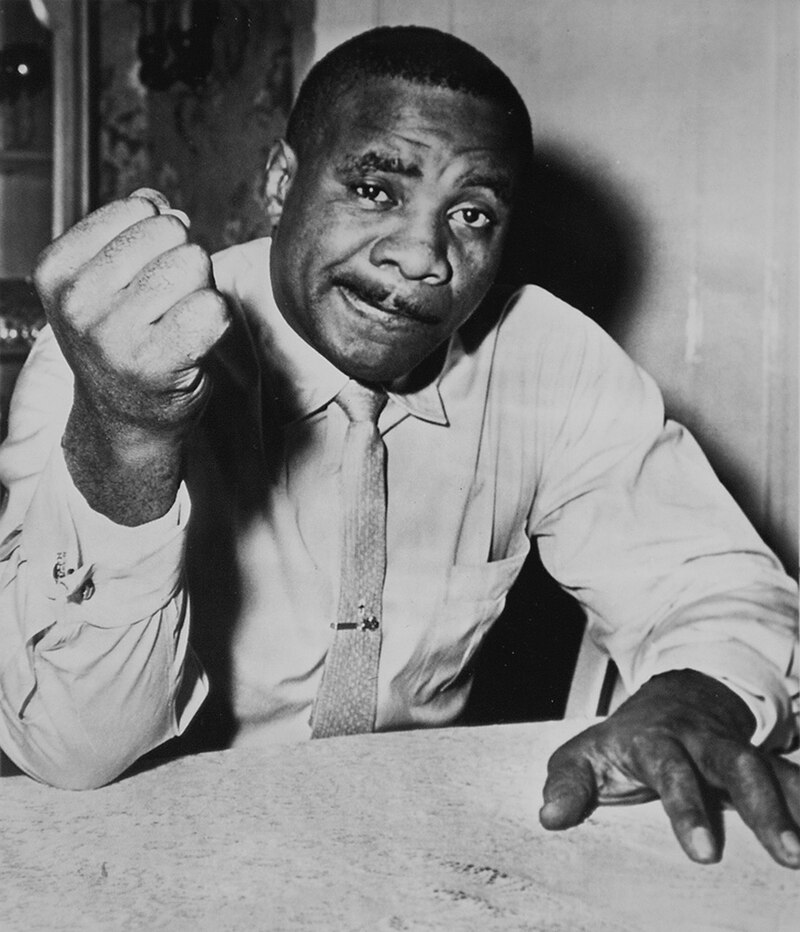
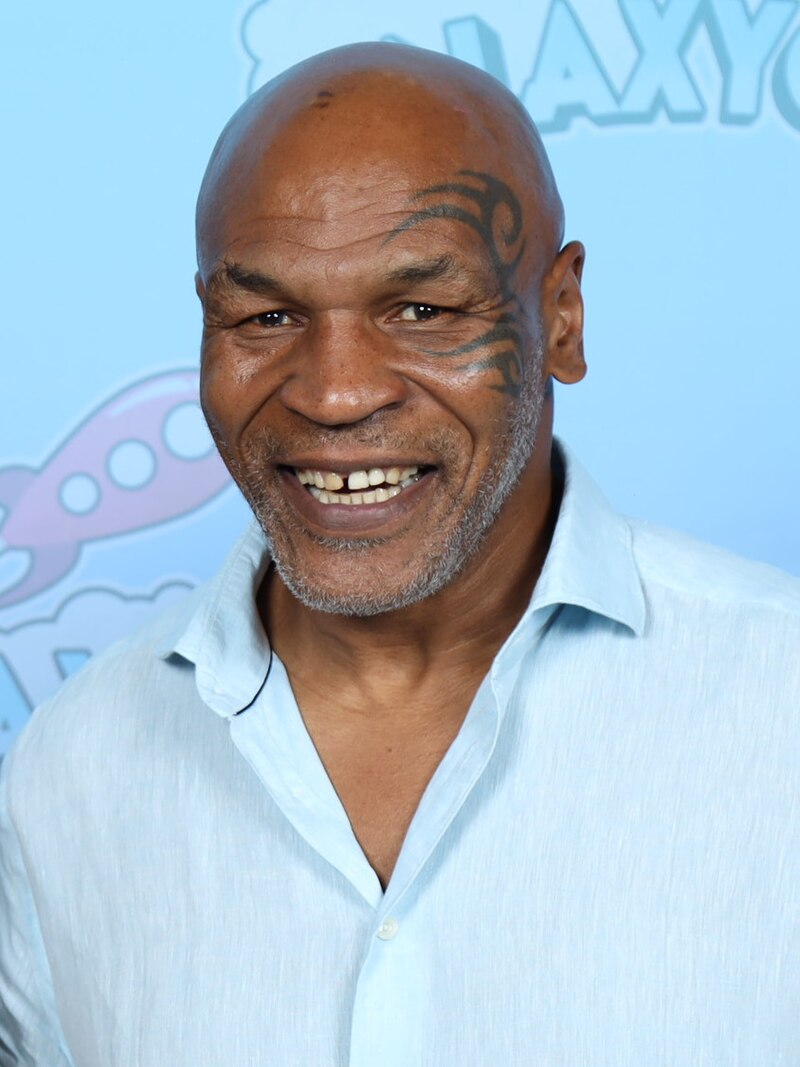
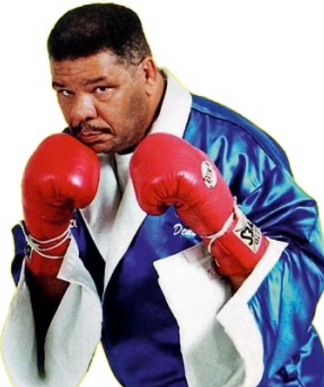
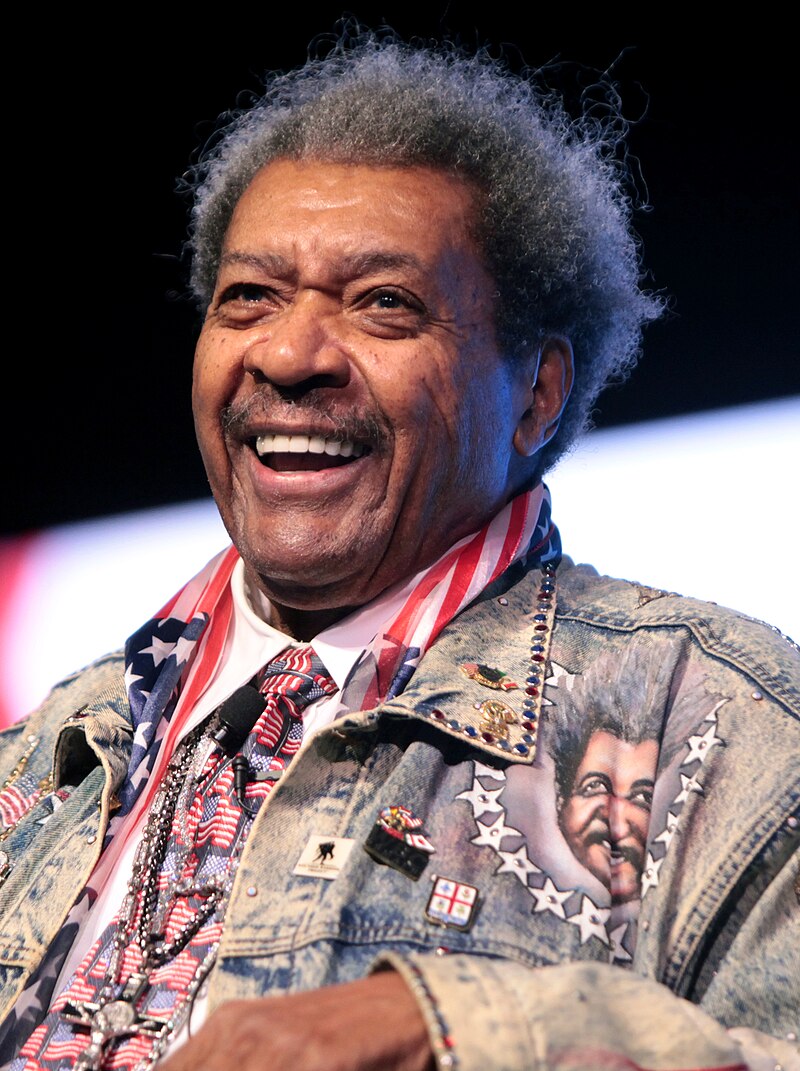
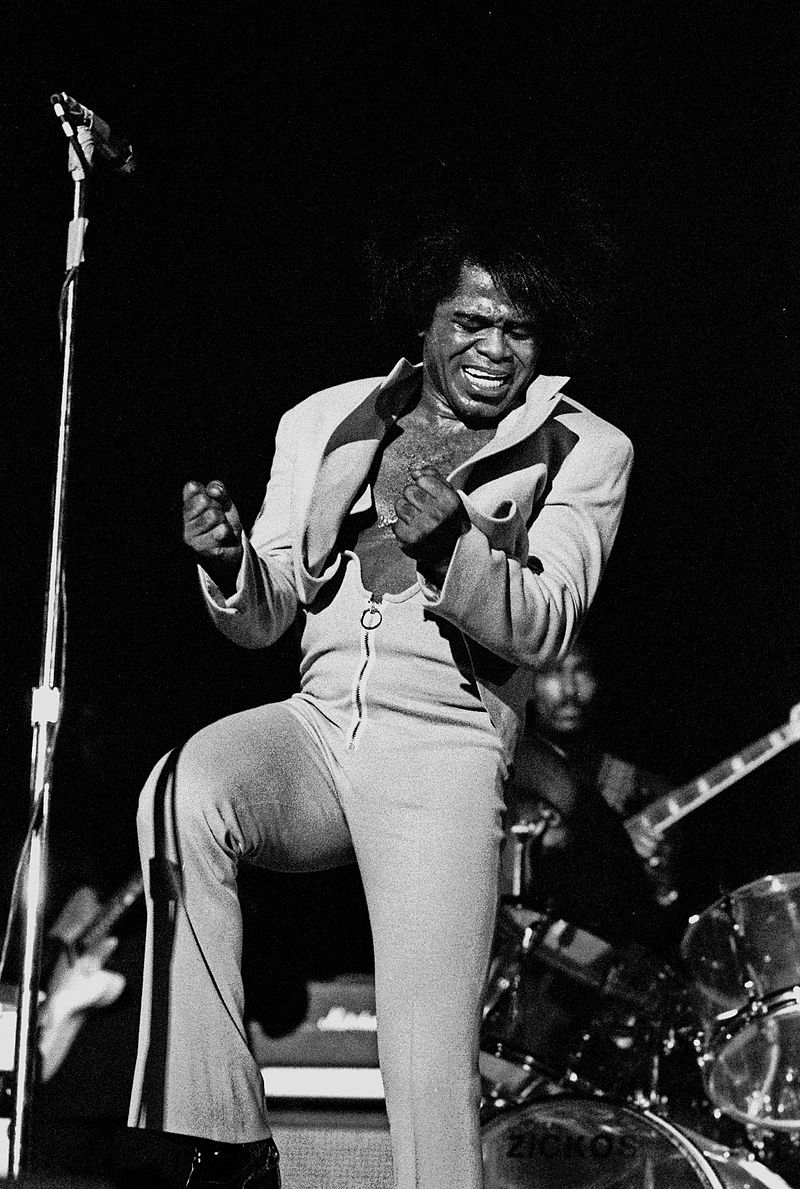
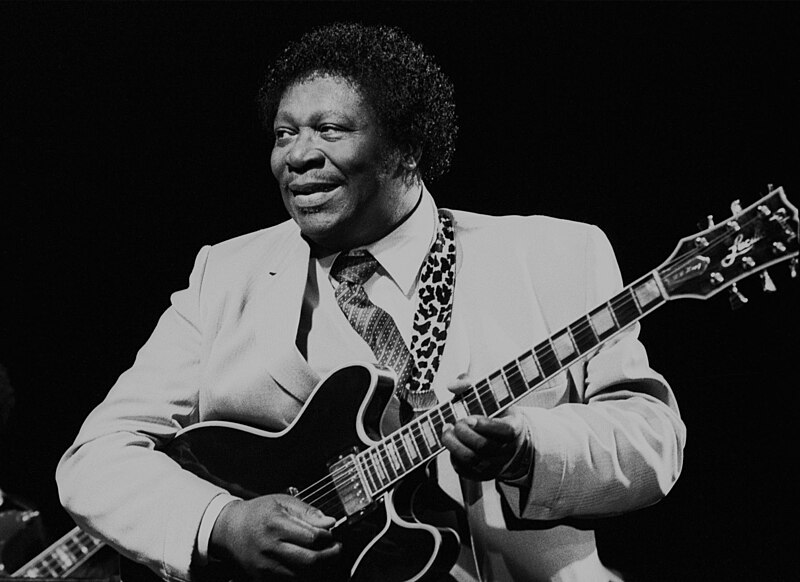

He’s shared stages with greats such as Miriam Makeba.
Jazz in the key of freedom – The Mail & GuardianSouth Africa· 2025-03-20

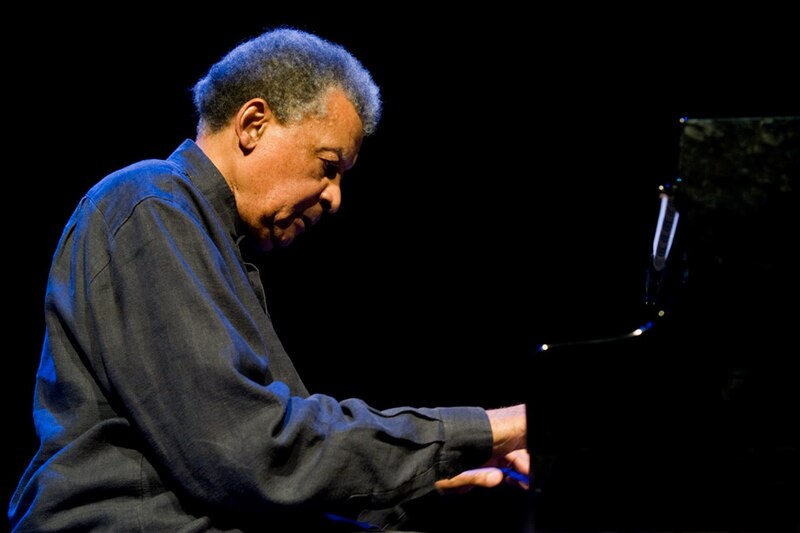
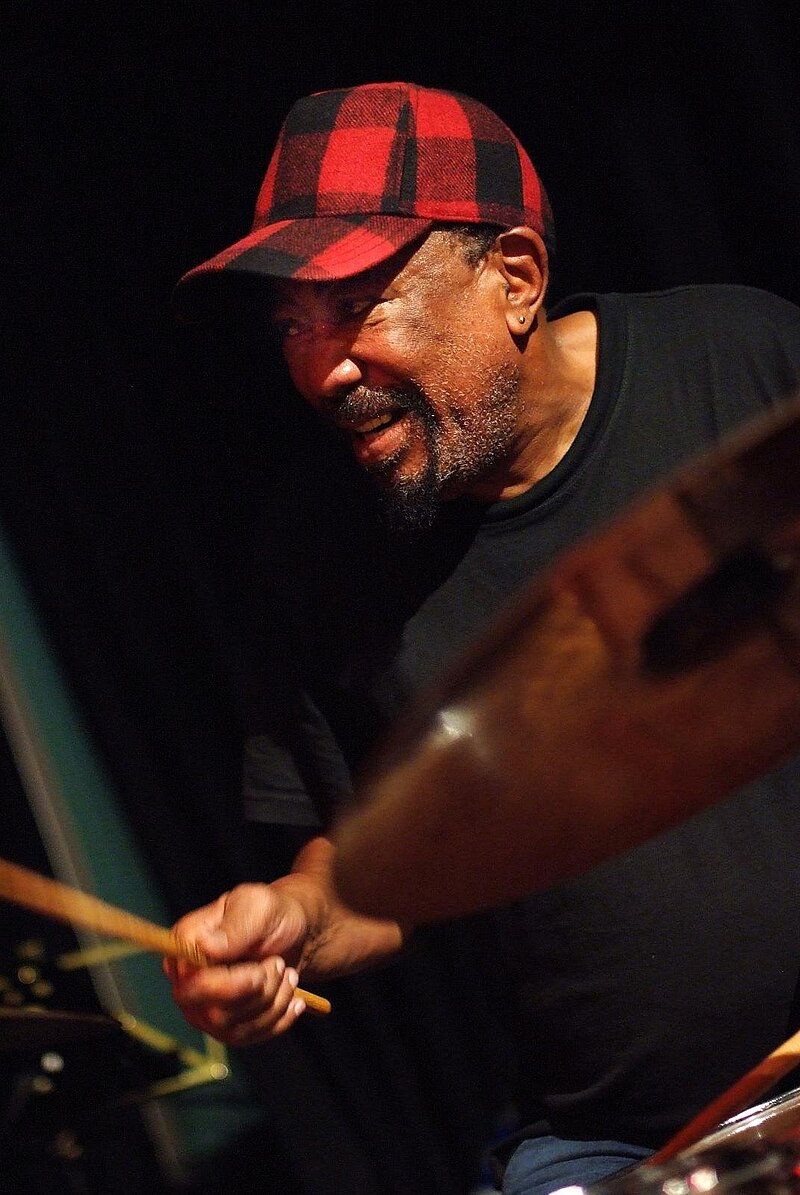



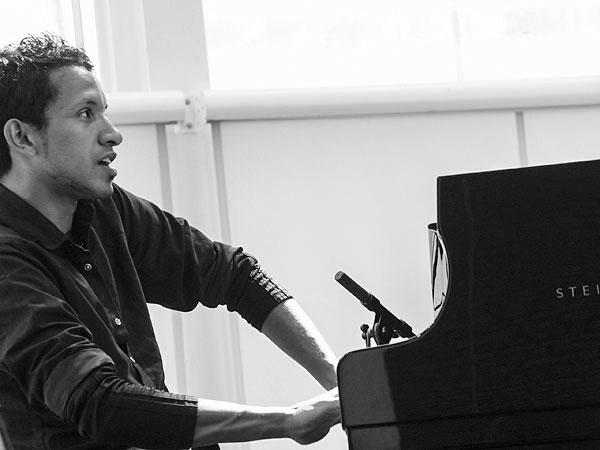

Miriam Makeba's song 'Malaika' was performed by Mohamed Ali Kammoun and Ghinwa during the concert.
41e Festival de la Médina : Mohamed Ali Kammoun et Ghinwa au diapason Tunisia· 2025-03-14


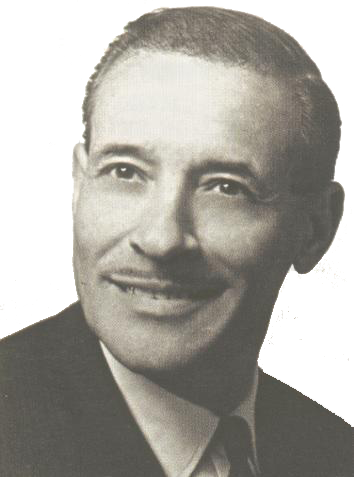

Charles III features Miriam Makeba's song 'The Click Song' in his playlist.
De "Loco-Motion" à "Could you be loved", le roi Charles III dévoile ses hits musicauxMonaco· 2025-03-14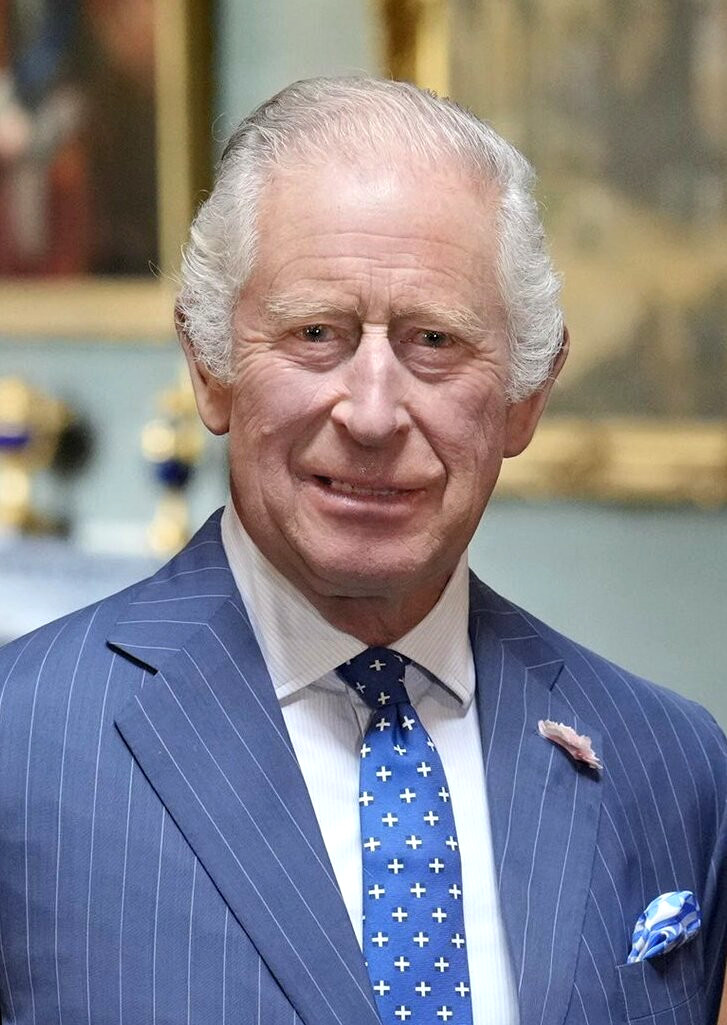

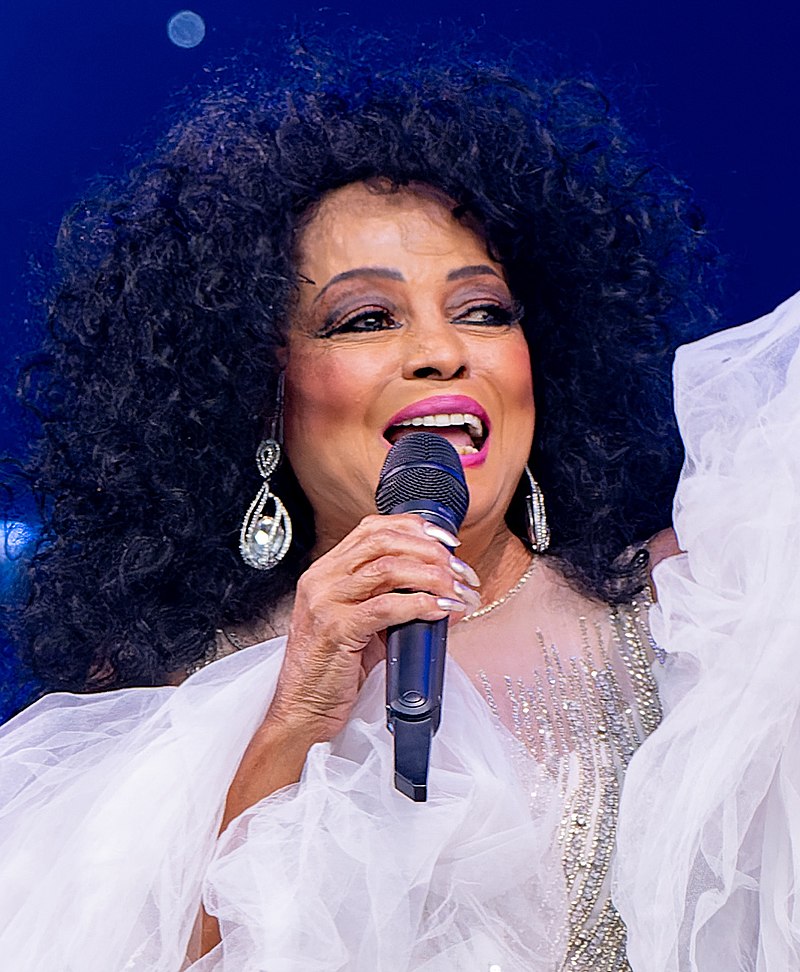
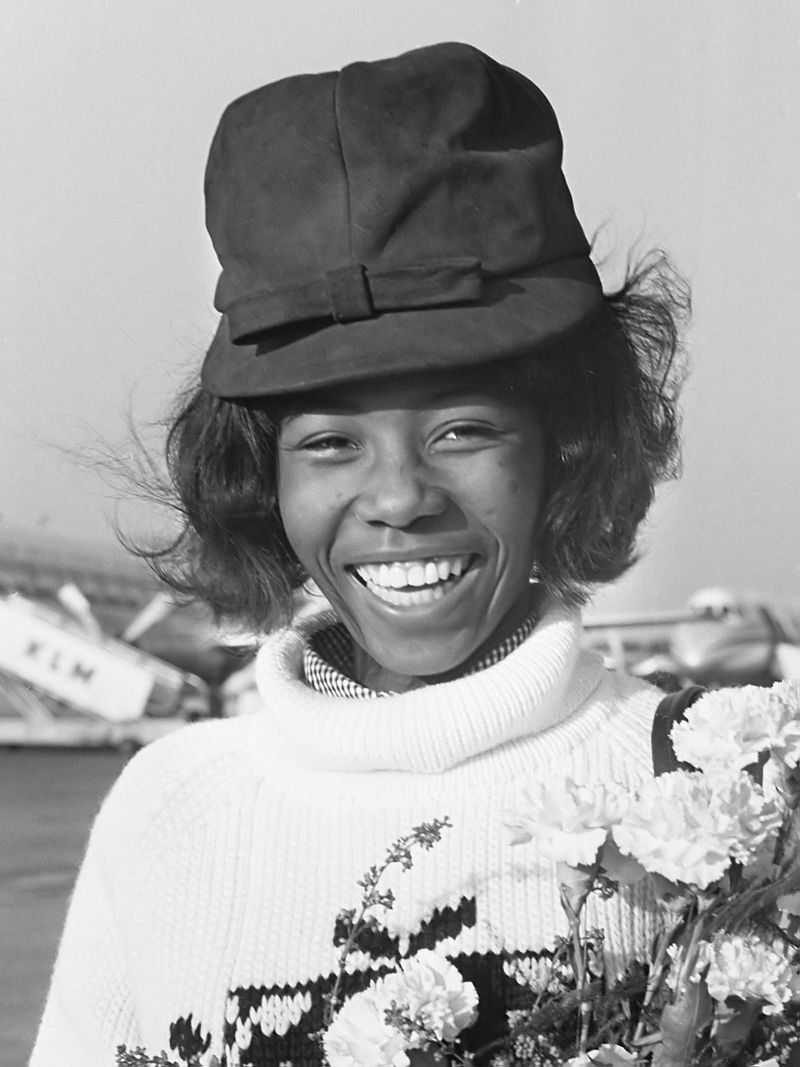
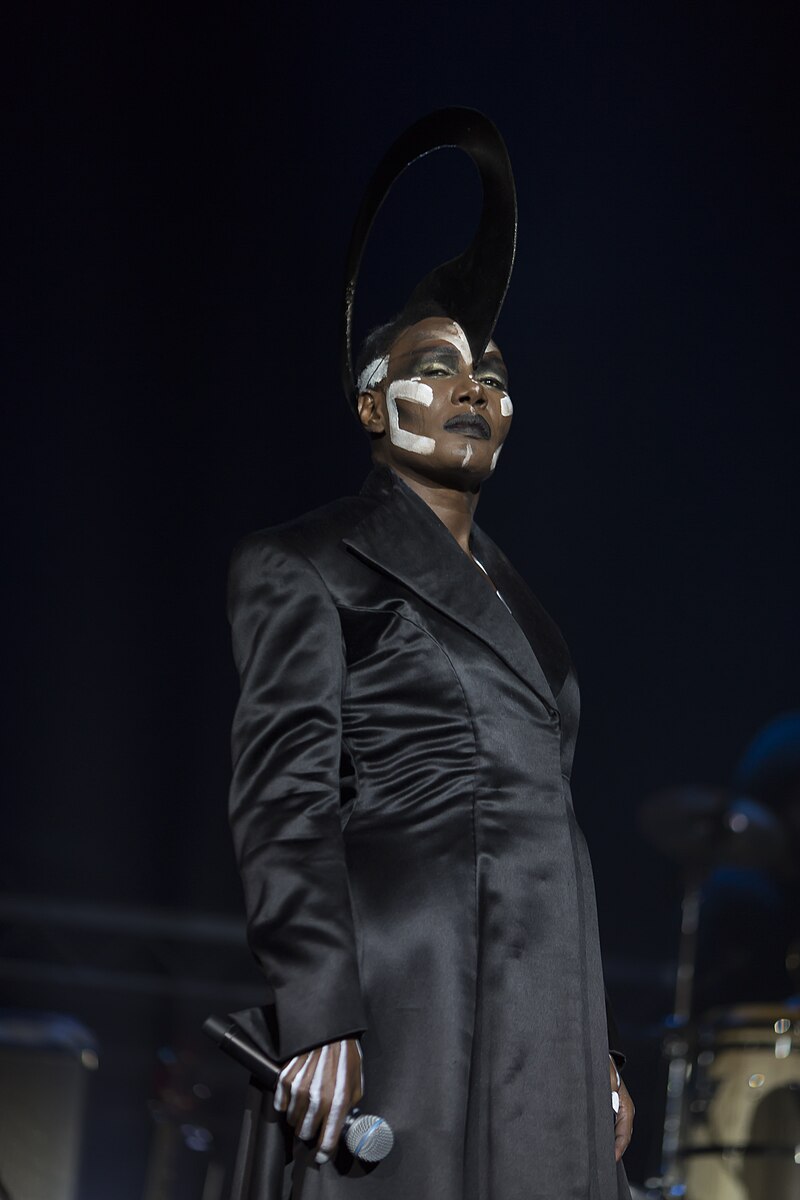


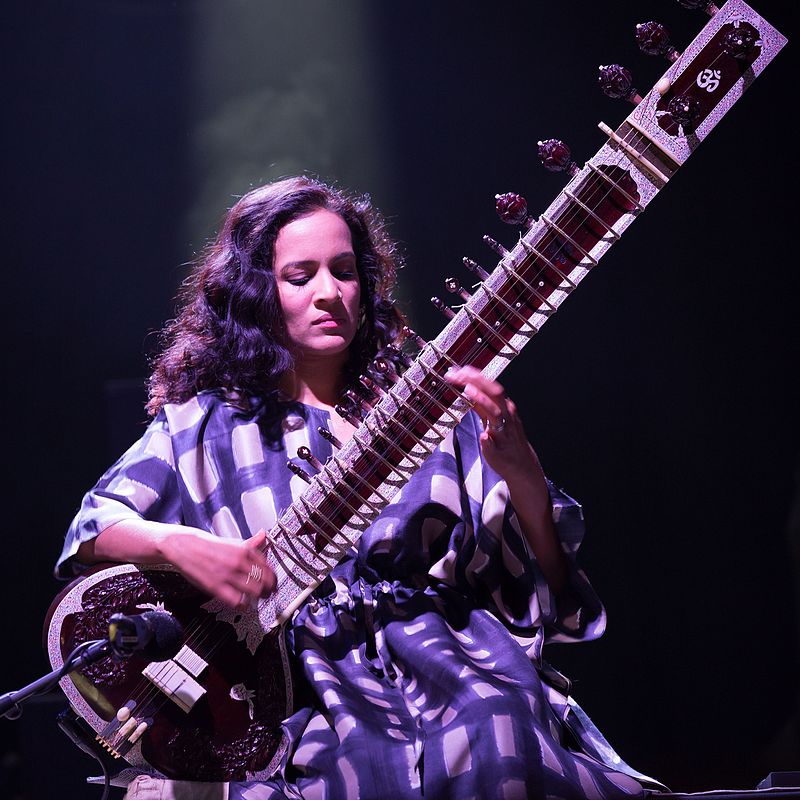

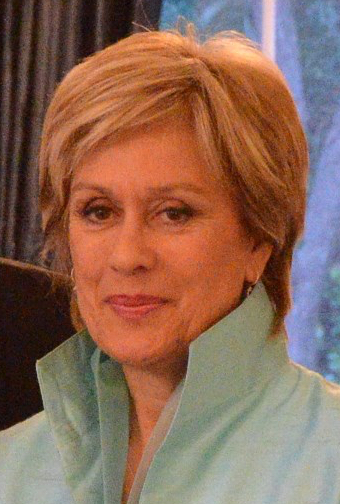

Miriam Makeba's songs 'Malaika' and 'Pata Pata' were performed during the event.
A homenagem às mulheres ... pelas mulheres das artes Mozambique· 2025-03-13


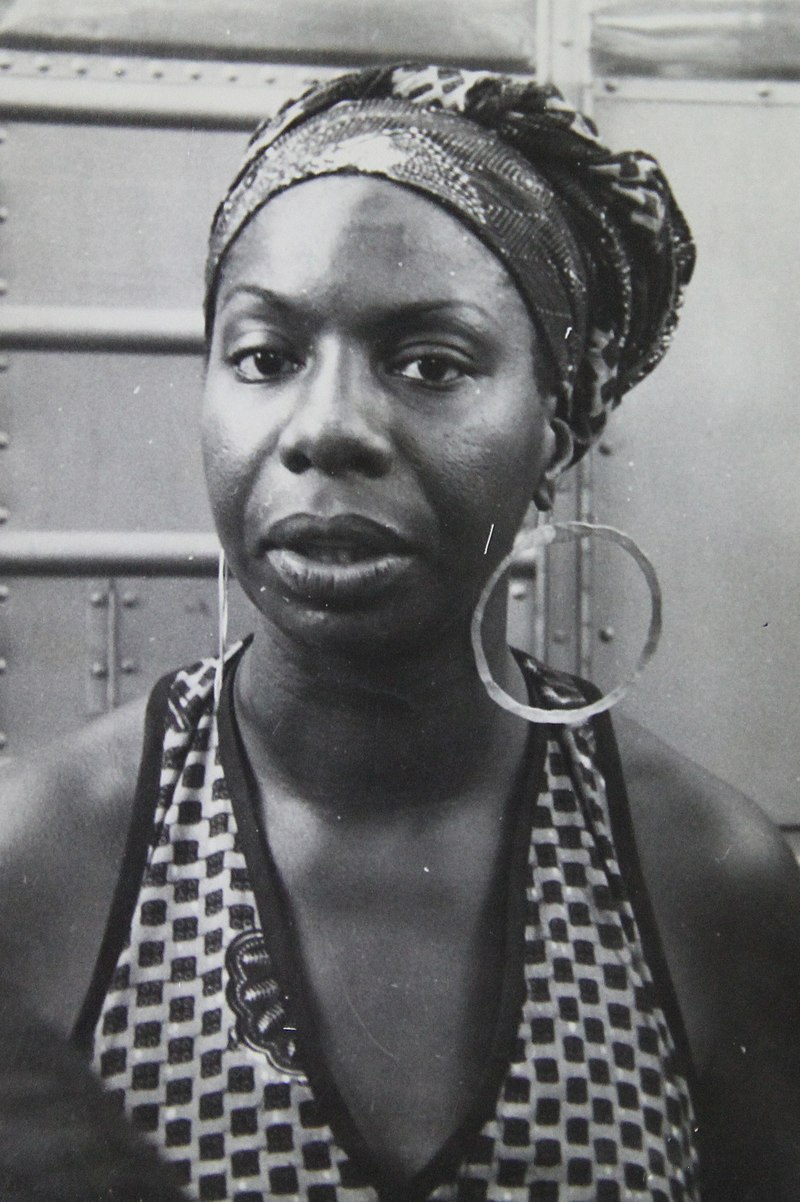


Miriam Makeba was a prominent South African singer and civil rights activist who fought against apartheid.
Miriam Makeba hizo bailar al mundo con su Pata Pata, pero nunca dejó de pelear contra el apartheid en Sudáfrica y murió sobre el escenarioArgentina· 2025-03-04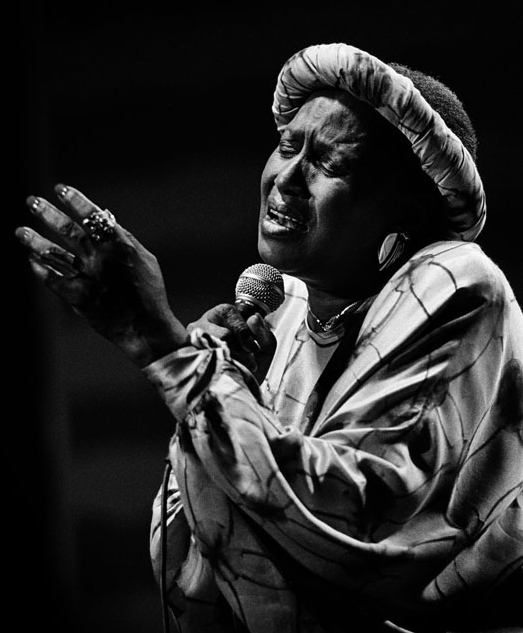
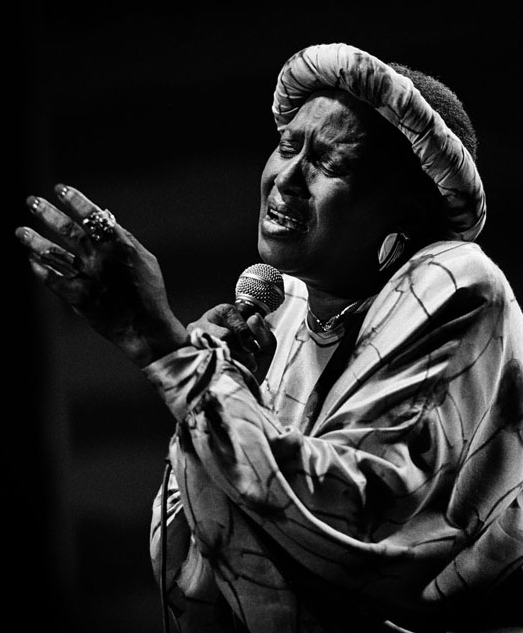

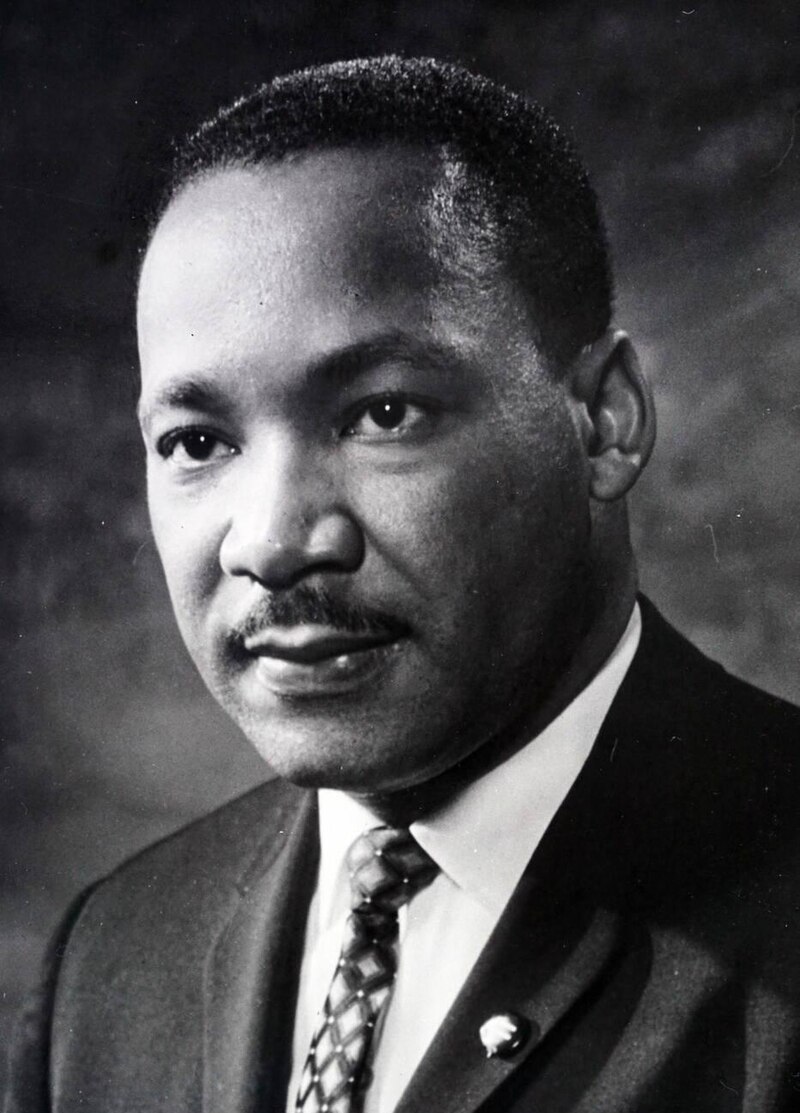
The event honoured legendary pioneers such as Fela Kuti, Hugh Masekela, Manu Dibango, Abdullah Ibrahim, and Miriam Makeba.
PF Music unites African talents at jazz concert Nigeria· 2025-03-02

Miriam Makeba was a South African singer who recorded the song Pata Pata in the 1960s.
Estrella del ‘chiqui chiqui’ quedó solitario y en depresión: hoy tiene 20 años en la música cristianaCosta Rica· 2025-02-14